
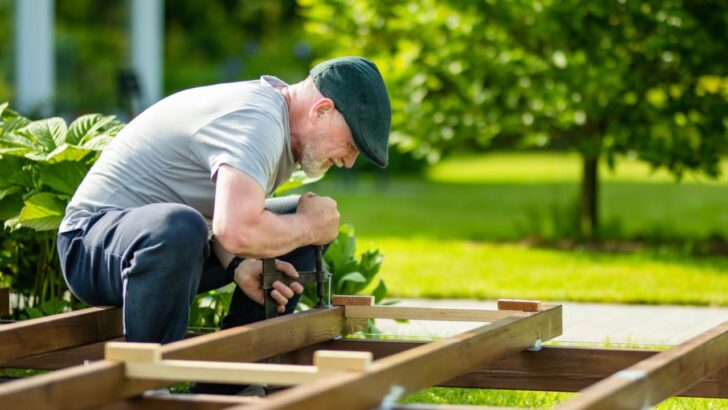
The siren song of Harbor Freight calls to us from strip malls and industrial parks, promising a world where you can own a cement mixer without taking out a second mortgage. It’s the place where project dreams and financial decisions shake hands. You walk in for a single screwdriver and walk out with a plan to build a deck, a shed, and possibly a functioning catapult for the front lawn.
For any DIYer, especially those of us turning our backyards into personal paradises (or at least trying to), Harbor Freight is a treasure trove. But navigating the aisles, questions arise, “Will this last one project or a lifetime?” Many of us worry if these tools will fall apart after one use. To help you out, here is a list of tools that consistently deliver good value.
1. Fortress 6-Gallon 175 PSI Jobsite Air Compressor
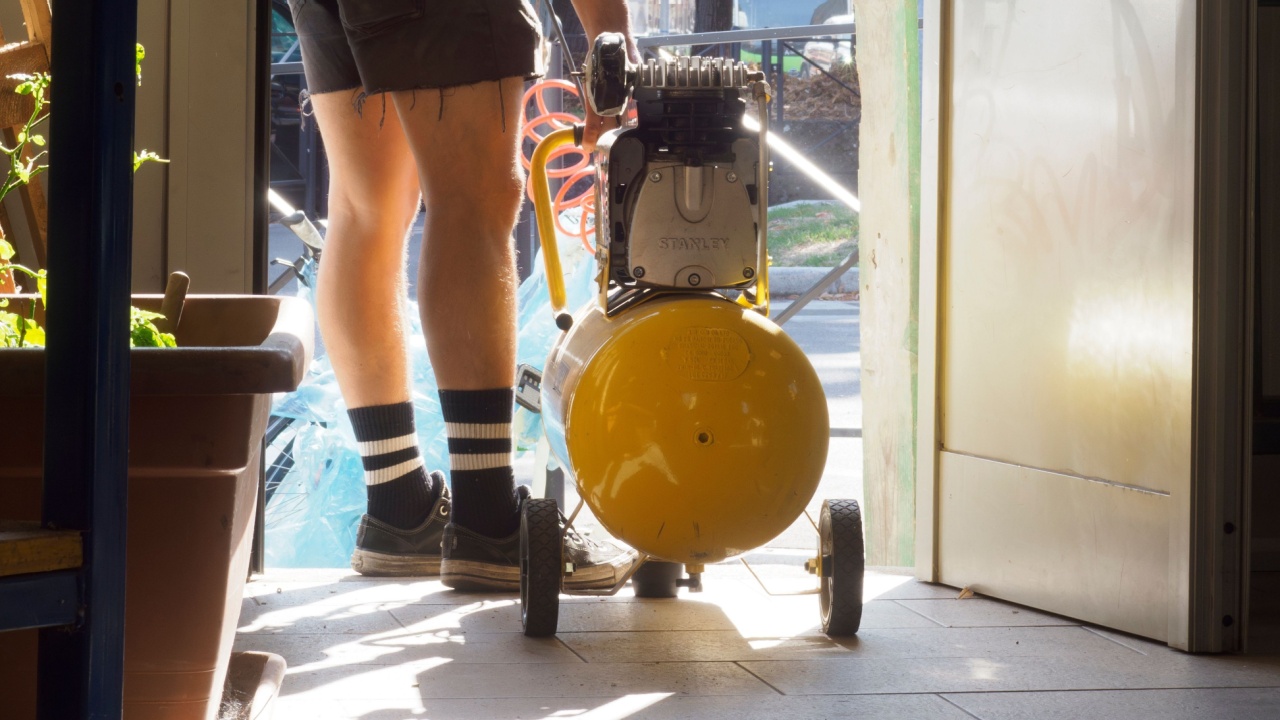
Image Credit: columbo.photog / Shutterstock.
This compressor is like the reliable friend you call when you need to move a couch (without shouting “pivot”!) It’s compact enough not to take over your entire garage but has enough power to handle serious work. It’s built for job sites, which means it can take a few bumps and scrapes, a common occurrence when you’re dragging it around the yard to power a nail gun for that new fence.
Quick Look:
- Best For: Powering pneumatic tools like nail guns, staplers, and paint sprayers for fences, decks, and shed construction.
- Good to Know: It’s oil-free, which translates to less maintenance. Just remember to drain the tank after each use to prevent rust.
2. Bauer 20V Cordless Corner/Detail Sander
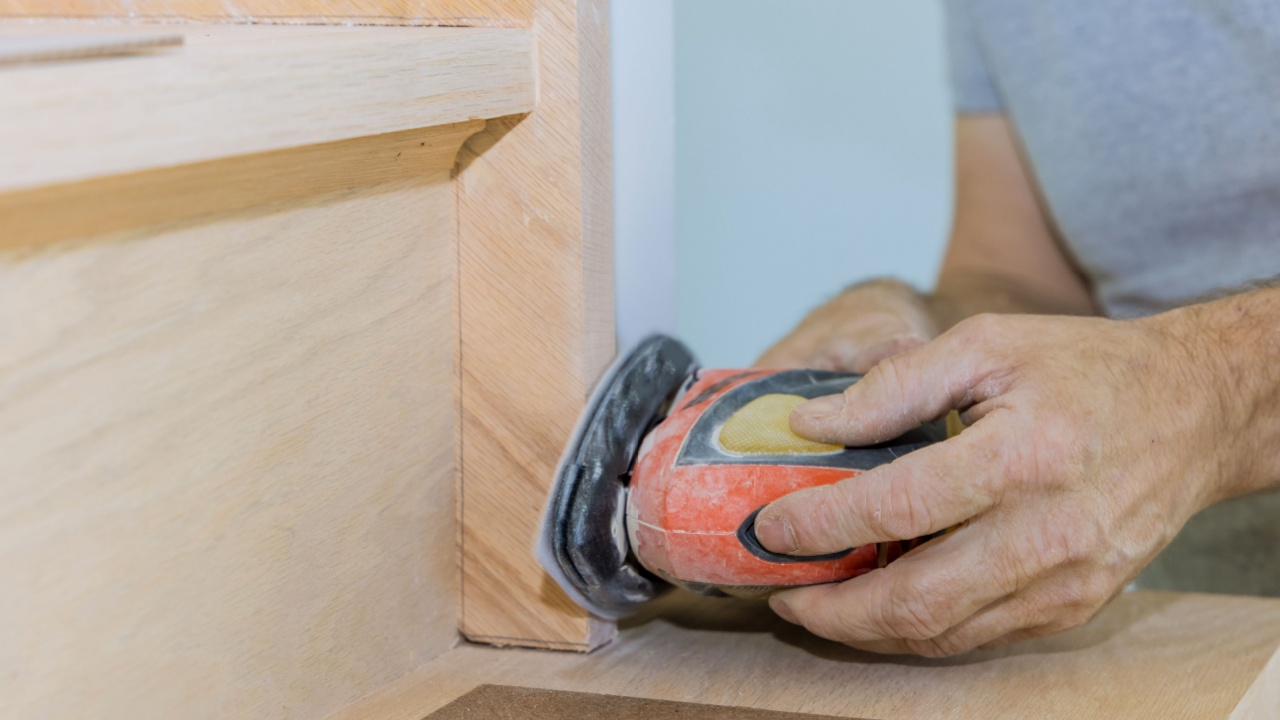
Image Credit: Shutterstock.
Getting a smooth finish in tight corners is one of those frustrating final steps that can make or break a project. This detail sander is designed for exactly that. Its triangular head can get into spots that a larger orbital sander can only dream of reaching, like the inside corners of a planter box or the intricate trim on a garden bench.
Quick Look
- Best For: Sanding furniture, refinishing detailed trim, and preparing surfaces in hard-to-reach areas.
- Good to Know: The hook-and-loop system makes changing sandpaper quick and easy. Stock up on extra sanding pads; you’ll go through them faster than you think.
3. Hercules 15 Amp Jobsite Table Saw
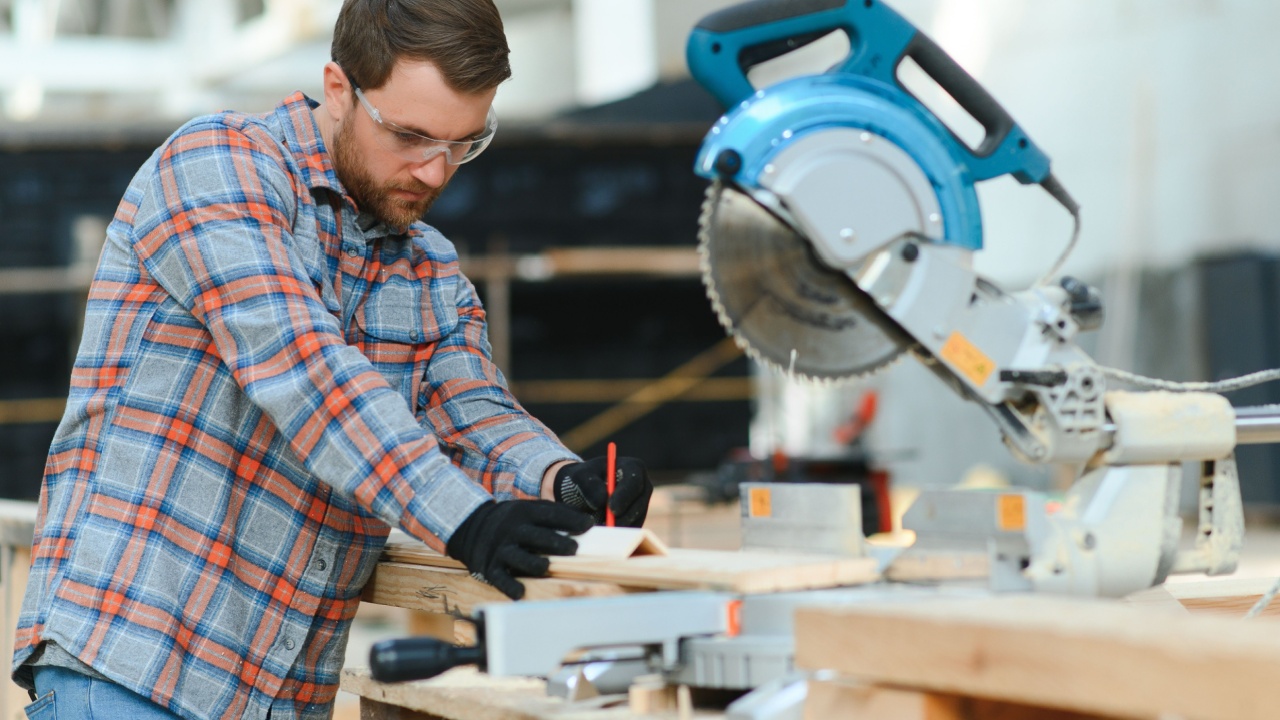
Image Credit: Shutterstock.
A table saw is the heart of many woodworking shops, and this Hercules model brings that capability to the DIYer without needing a dedicated workshop. It’s a job site saw, meaning it’s designed to be portable. The folding stand with wheels is a back-saver, allowing you to easily move it from the garage to the patio for a weekend project.
Quick Look:
- Best For: Making straight, accurate cuts in lumber for framing, decking, and backyard construction projects.
- Good to Know: Table saw safety is no joke. Read the manual, understand how to prevent kickback, and always use a push stick for narrow cuts.
4. Bauer 4 Cubic Foot Cement Mixer
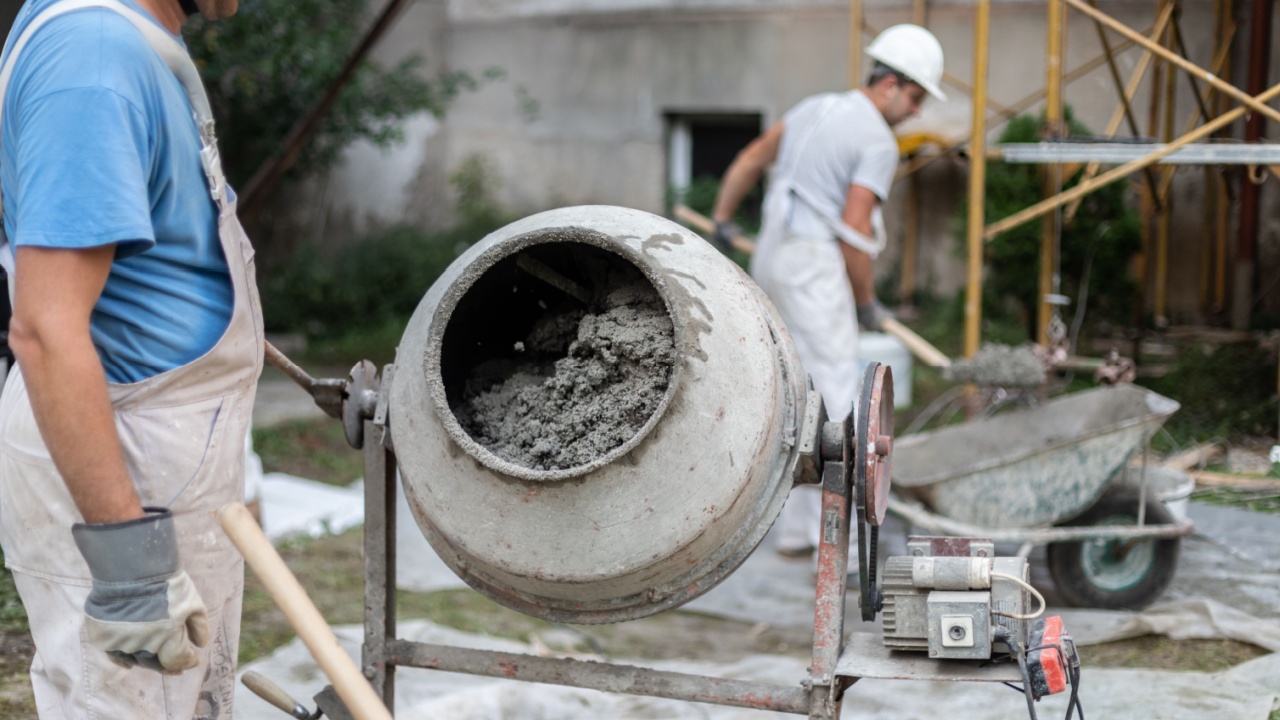
Image Credit: Shutterstock.
Does anyone truly need a personal cement mixer? Probably not. But once you have one, you’ll find reasons to use it. If you’re planning to set fence posts, pour a small slab for a shed, or make custom planters, this mixer will save you from hours of mixing by hand. It’s surprisingly easy for one person to assemble and move. The 4-cubic-foot capacity is big enough for efficient work but not unwieldy, handling a couple of 80-pound bags of concrete mix at a time, perfect for tackling projects in stages.
Quick Look:
- Best For: Mixing concrete for footings, small slabs, and setting posts.
- Good to Know: Clean it immediately and thoroughly after each use. Dried concrete is nearly impossible to remove and will ruin the machine.
5. Franklin 7-foot Multitask Ladder

Image Credit: Shutterstock.
This isn’t just a ladder; it’s a shape-shifting piece of equipment that can be an A-frame ladder, an extension ladder, a scaffold support, or a step ladder. If you have limited storage space, this one tool can replace several others. For backyard work, it’s great for trimming high hedges, cleaning gutters on the shed, or painting the side of the house. You can set it up on uneven ground, like a sloping part of your yard, by adjusting the legs independently.
Quick Look:
- Best For: Any task that requires working at height, especially on uneven terrain.
- Good to Know: It is heavier than a standard stepladder due to its robust construction and multiple hinges.
6. Pittsburgh Quick-Release Bar Clamps
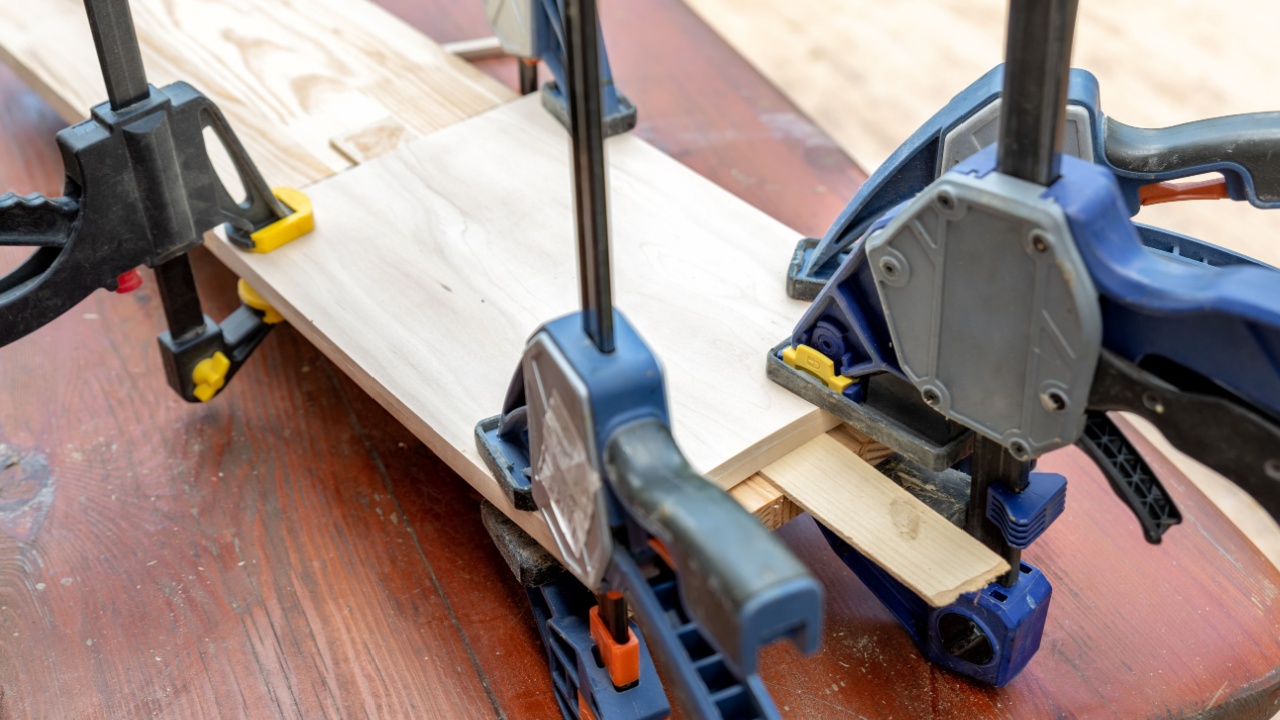
Image Credit: Shutterstock.
When gluing a garden bench or holding trim while the adhesive sets, these bar clamps act as your third and fourth hands. The quick-release mechanism allows for fast, one-handed adjustments, making them useful for woodworking and general repairs. Need to hold a broken terra cotta pot together while the epoxy cures? Clamp it. Building a birdhouse and need to keep the sides square? Clamp them. They come in various sizes, so it’s a good idea to have a collection of both small and large ones.
Quick Look:
- Best For: Woodworking, gluing, and holding pieces steady for assembly.
- Good to Know: The plastic pads on the jaws can sometimes slip on smooth surfaces. For a better grip, you can place a small piece of scrap wood between the clamp and your project.
7. Banks 3-in-1 Framing Nailer
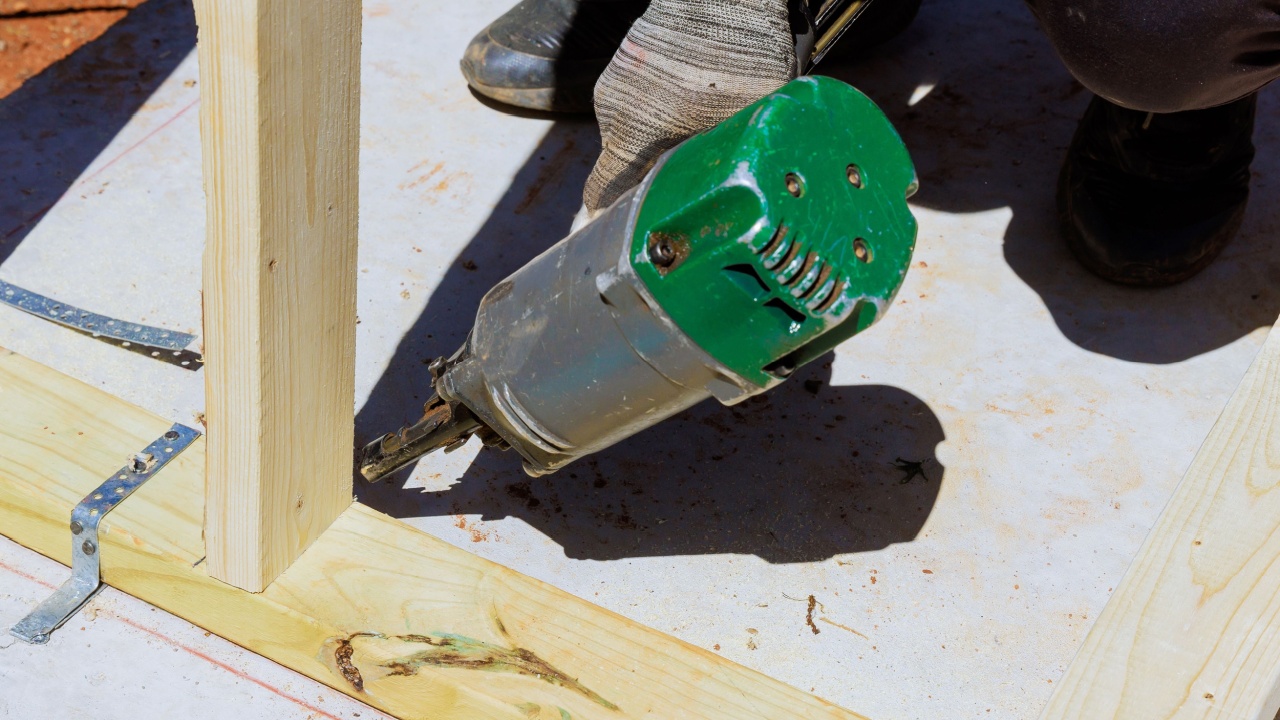
Image Credit: Shutterstock.
If you’re building anything bigger than a birdhouse, such as a deck, a pergola, or a fence, a framing nailer will change your life. It drives nails with a speed and consistency that’s impossible to match with a hammer. This model is a “3-in-1” because it can handle different types of framing nails, giving you some flexibility. It reduces fatigue and, frankly, makes you feel like a construction professional, even if you put the first wall up backward.
Quick Look:
- Best For: Large-scale wood construction projects like framing, decking, and fencing.
- Good to Know: You’ll need an air compressor to run it. Always wear safety glasses, as nail guns can occasionally misfire or send debris flying.
8. Bauer 10 Amp Variable-Speed Reciprocating Saw
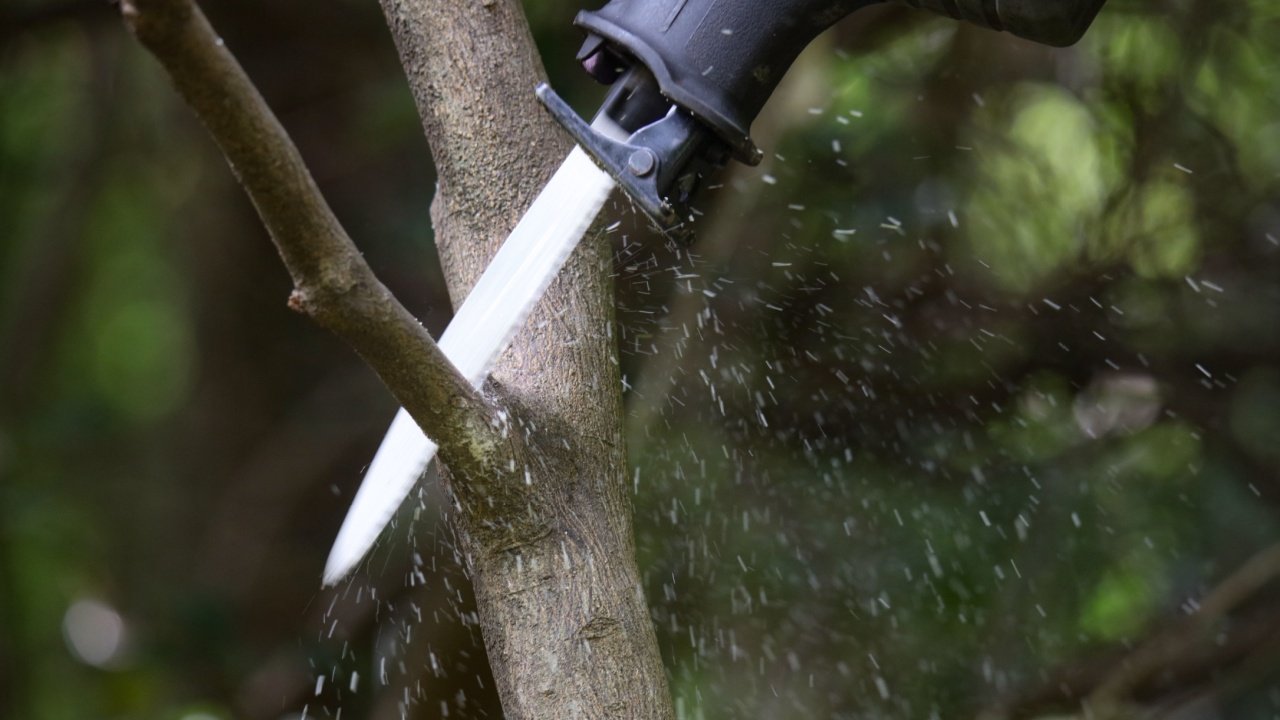
Image Credit: Shutterstock.
A reciprocating saw is the demolition expert of the power tool world. Need to cut through an old fence post, roots in the ground, or dismantle a dilapidated shed? This is the tool for the job. This Bauer model has enough power to chew through wood (even with nails in it), metal pipes, and PVC. The variable speed trigger gives you some control, allowing you to start cuts slowly before ramping up to full speed.
Quick Look:
- Best For: Demolition, pruning large branches, and rough-cutting materials.
- Good to Know: The blade makes all the difference. Use a demolition blade for wood with nails, a pruning blade for branches, and a metal-cutting blade for pipe.
9. Doyle Professional Retractable Utility Knife
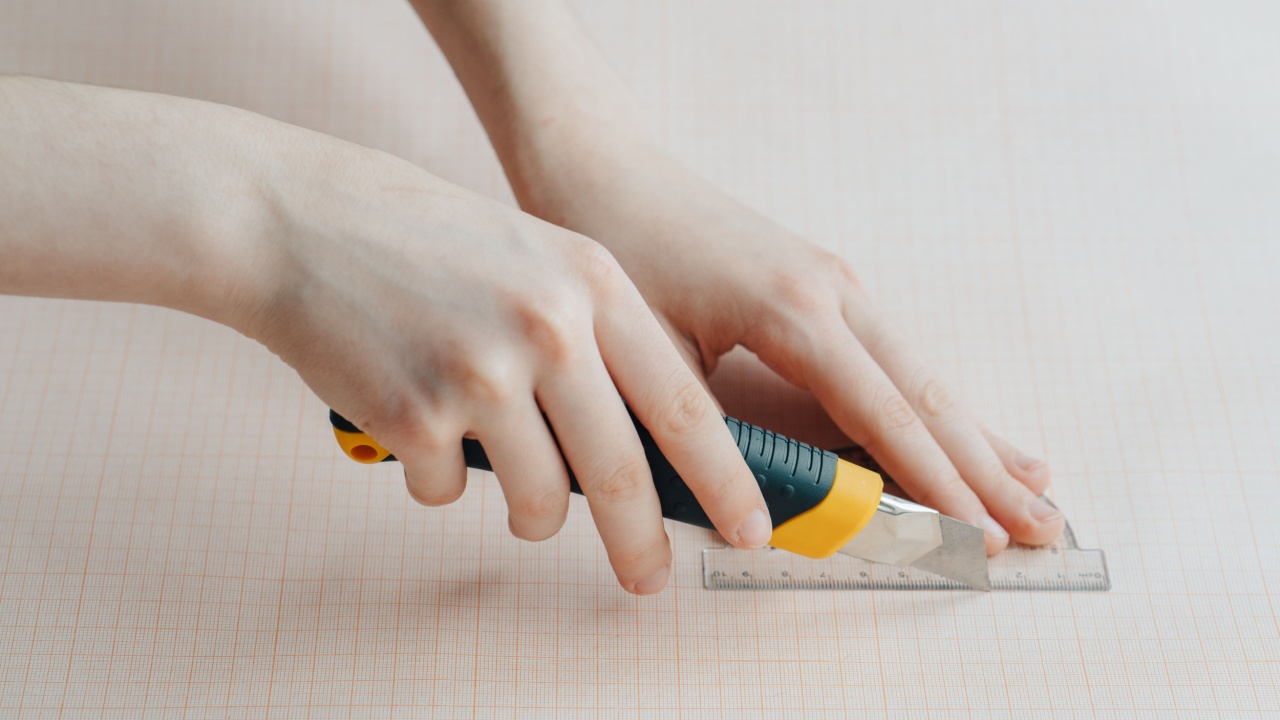
Image Credit: Shutterstock.
A good utility knife is a fundamental tool. You’ll use it for everything from opening bags of mulch and cutting landscape fabric to scoring drywall or trimming a piece of twine. This Doyle knife is a step up from the cheap, plastic ones. It has a sturdy, comfortable grip and a smooth retractable mechanism. It includes blade storage in the handle, so you’re not searching for a fresh blade midway through a task.
Quick Look:
- Best For: General cutting tasks, opening packaging, and trimming materials.
- Good to Know: A sharp blade is a safe blade. Change the blade as soon as it starts to feel dull to avoid slipping and accidents.
10. Bauer 20V Cordless Variable-Speed Jig Saw
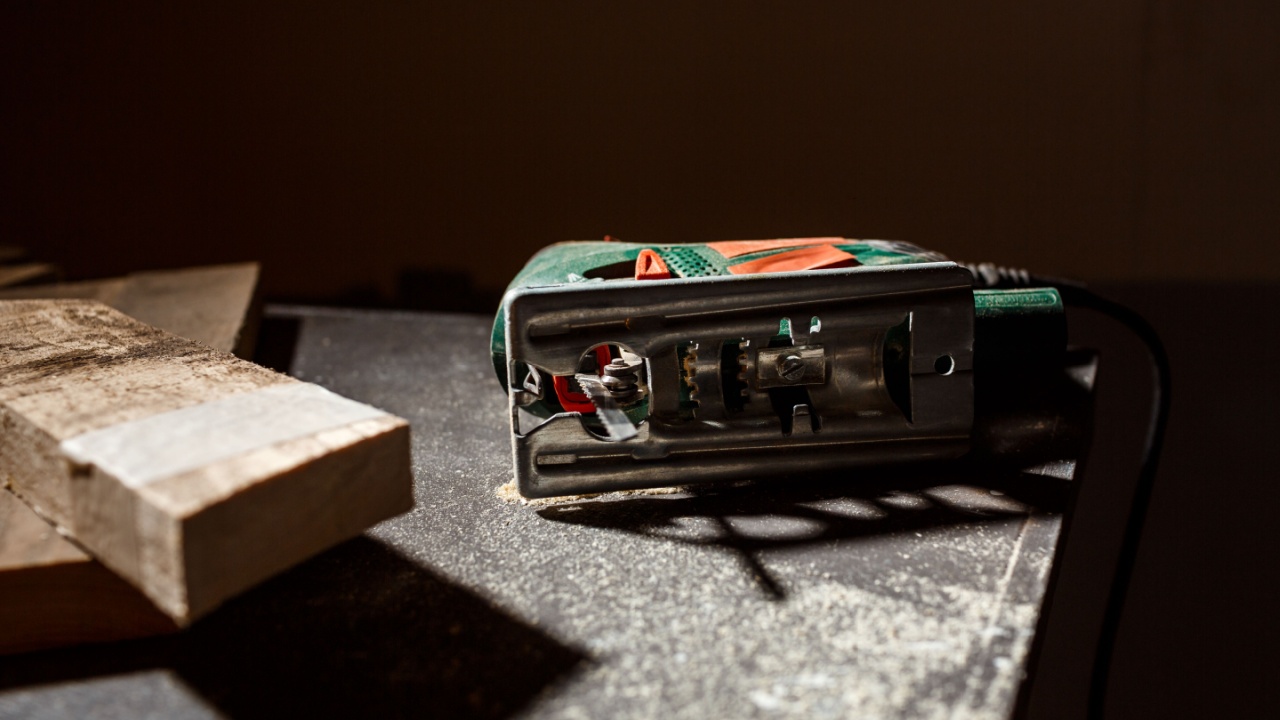
Image Credit: Shutterstock.
A reciprocating saw is all about brute force, but a jigsaw excels at curves and intricate shapes. Want to cut decorative patterns or curved edges? The jigsaw is your go-to. Its cordless design means you can work anywhere without tangled cords, while the variable speed gives you control over different materials, slow for metal or plastic, fast for wood. The tool-free blade change makes swapping blades for various cuts quick and easy.
Quick Look:
- Best For: Cutting curves, circles, and other non-linear shapes in wood, plastic, or thin metal.
- Good to Know: To get a cleaner cut with less splintering on the top surface, you can apply masking tape over your cut line before you begin.
11. Bauer Oscillating Multi-Tool
Image Credit: Shutterstock.
This might be one of the most useful tools you’ll ever own (not pictured above). An oscillating multi-tool can sand, cut, scrape, and grind. Its unique oscillating action allows it to make precise plunge cuts into material without needing a pilot hole. Need to trim the bottom of a door frame to fit new flooring? This is the tool. Need to remove old caulk or grout? There’s an attachment for that.
Quick Look:
- Best For: Plunge cuts, detail sanding, and removing grout or caulk in tight spaces.
- Good to Know: The blades can wear out, and brand-name replacements can be pricey. Fortunately, universal-fit blades are widely available.
12. Franklin Sensors ProSensor M10 Stud Finder

Image Credit: Shutterstock.
Hanging a heavy planter, a hose reel, or shelving on a wall requires finding a stud. Tapping on the wall and listening for a “solid” sound is a time-honored but highly unreliable method. This stud finder is different from most. It uses multiple sensors to give you a wide reading of the wall, showing you the full width of the stud, not just the edge. This eliminates the guesswork and prevents you from drilling a series of exploratory holes in your wall.
Quick Look:
- Best For: Locating studs in drywall for securely mounting heavy objects.
- Good to Know: It works on drywall but may not be effective on plaster and lath walls, which require a different type of sensor.
13. Bauer 25-foot Tape Measure
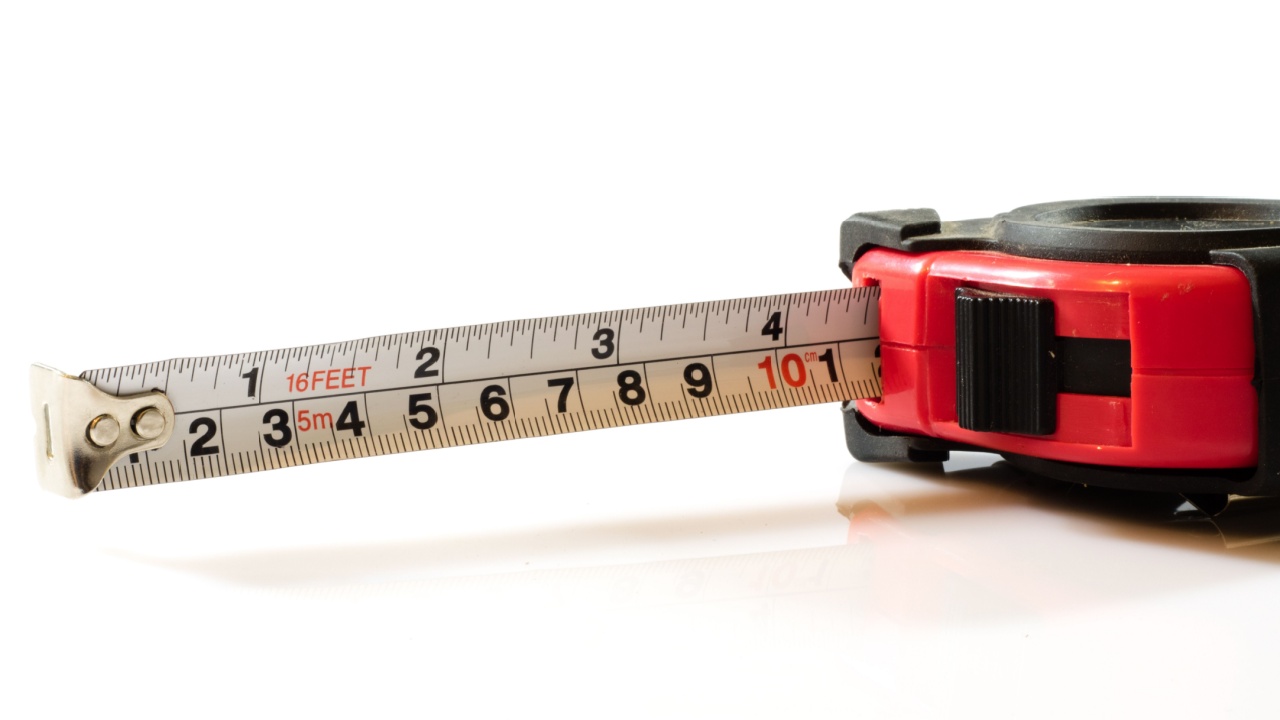
Image Credit: Shutterstock.
Every home improvement DIYer needs a good tape measure, and you’ll probably want several. This one from Bauer is a solid, budget-friendly option. It has a durable, rubberized case that can withstand being dropped and a decent standout, which is how far you can extend the tape before it buckles. A 25-foot length is perfect for most backyard and household projects. You’ll lose it before you break it.
Quick Look:
- Best For: All general measuring tasks.
- Good to Know: Keep one in your kitchen drawer, one in the garage, and one in your tool belt. You’ll always be able to find at least one of them.
14. Avanti HVLP Paint Sprayer
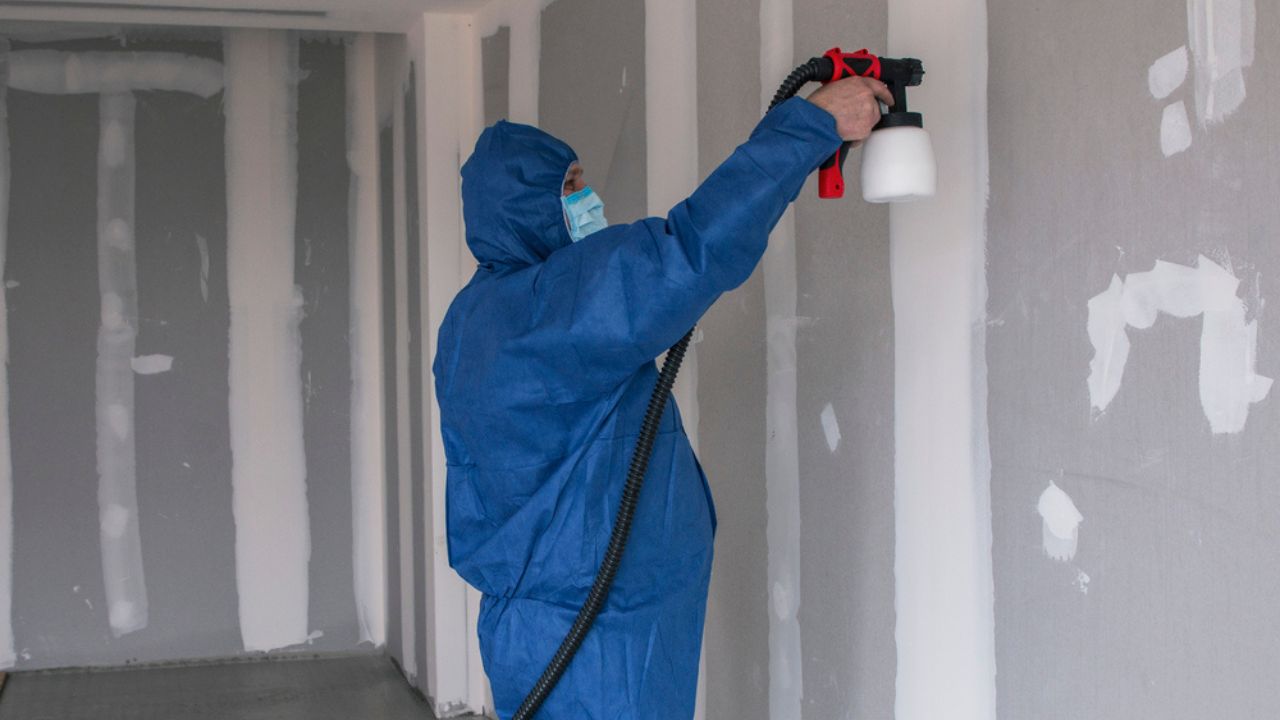
Image Credit: Deposit Photos.
Painting a fence, a large piece of outdoor furniture, or a shed with a brush is a slow, tedious process. An HVLP (High Volume, Low Pressure) sprayer can get the job done in a fraction of the time. This type of sprayer atomizes the paint into a fine mist, which results in a smooth, professional-looking finish with minimal overspray. This Avanti sprayer is a self-contained unit, so you don’t need a separate air compressor.
Quick Look:
- Best For: Applying a smooth finish to large surfaces like fences, decks, and furniture.
- Good to Know: Proper paint thinning and extensive cleanup are required. Take the time to mask off everything you don’t want to be painted.
15. Doyle 12-inch Professional Rafter Square

Image Credit: Shutterstock.
Also known as a speed square, this simple triangle of metal is more than just a ruler. It’s a guide for making 90-degree and 45-degree cuts with a circular saw, a protractor for finding angles, and a scribe for marking lines. It’s an indispensable tool for any framing or woodworking project. The Doyle version is made of solid aluminum with etched markings that won’t wear off.
Quick Look:
- Best For: Marking square and angled lines, and guiding a circular saw for accurate cuts.
- Good to Know: Many DIY books and online videos are dedicated to the dozens of uses for a speed square. It’s worth learning its capabilities.
16. Windsor Design 6-piece Wood Chisel Set
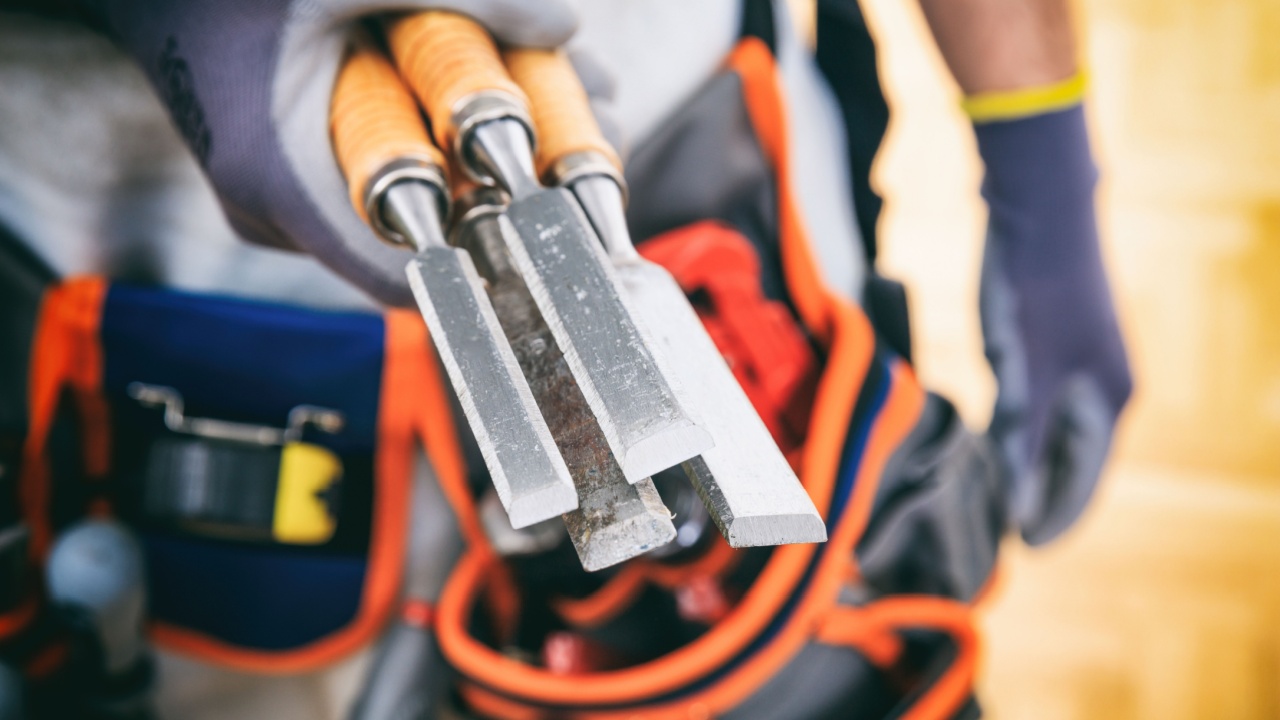
Image Credit: Shutterstock.
For finer woodworking details, a set of sharp chisels is a must. This set from Windsor Design is an affordable way to get started. You can use them to clean out mortises for furniture joints, pare away wood for a perfect fit, or carve decorative details. Out of the box, they will need some sharpening to get a truly fine edge. Learning to sharpen them on a sharpening stone is a valuable skill in itself.
Quick Look:
- Best For: Fine woodworking, cleaning up joints, and detailed carving tasks.
- Good to Know: A sharp chisel is essential. Invest in a sharpening guide and a whetstone to maintain the edges.
What to Do with All Your New Tools
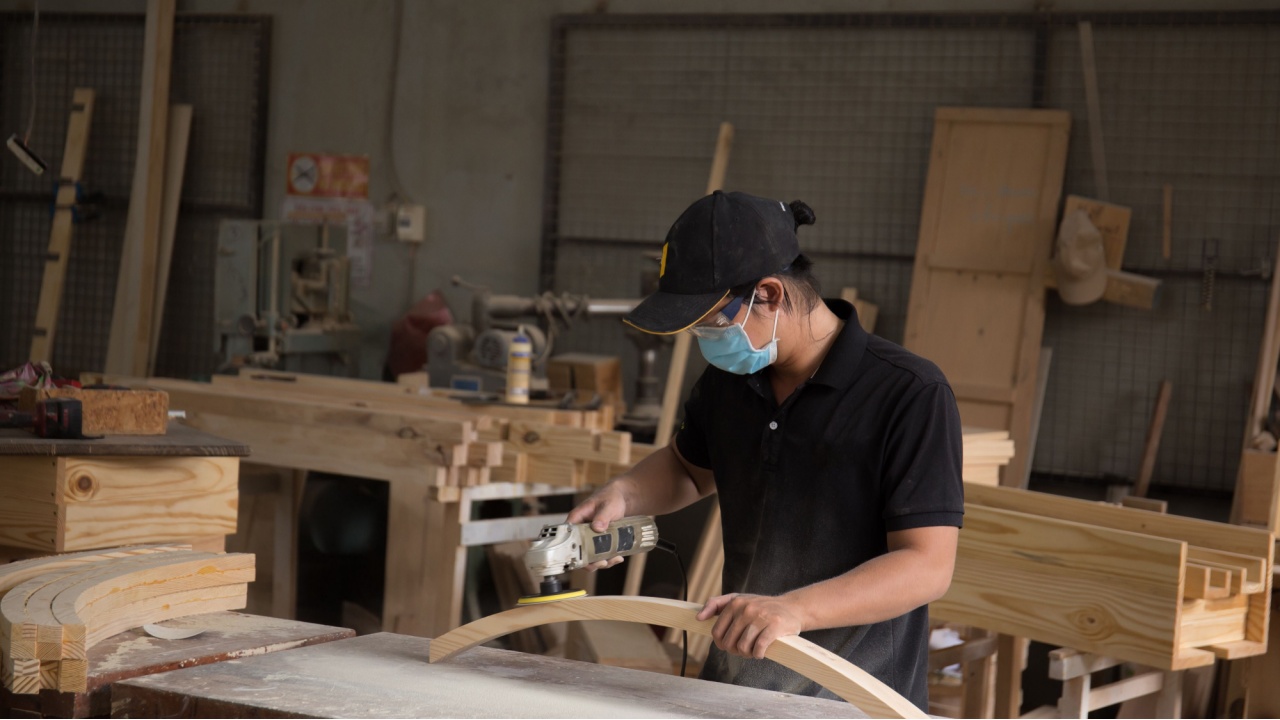
Image Credit: Shutterstock.
It’s easy to get caught up in acquiring tools. Get rid of any tools that are wasting your space and put your new Harbor Freight tools to use. Don’t let them gather dust in the garage; try a small, one-weekend project. Build a basic planter box. Construct a small garden obelisk for your climbing plants. Use the reciprocating saw to clear out some overgrown brush you’ve been avoiding.
You’ll learn the personality of each tool, which ones are precise, which are powerful, and which ones you probably shouldn’t use after two cups of coffee.