

Waiting for laundry to dry is quite the test of patience. A load of wet clothes tumbles endlessly while other chores pile up. The gentle hum of the machine becomes a slow taunt.
What if that dryer, a seemingly simple appliance, could work a little faster? All of us would love to get our clothes dry more efficiently, especially is someone is waiting for a clean pair of underwear at bedtime. To achieve that, we need to understand how the machine works and use a few simple habits to improve its performance.
Here are some simple changes to your laundry routine to save time and get back to your day.
1. Empty the Lint Trap Before Every Load

Image Credit: Shuterstock.
That fuzzy blanket of lint in the trap is more than just a collection of fluff; it’s an airflow blocker. A dryer works by tumbling wet clothes through heated air. For this to happen efficiently, the air needs to circulate freely. When the lint screen is clogged, air cannot move properly through the drum.
This traps moist air inside with the clothes, significantly extending the drying time. A blocked trap also makes the dryer work harder, which can increase energy use and cause unnecessary wear on the machine’s components. Clean it out before starting a cycle. Pull out the screen, roll the lint off with your fingers, and put it back.
2. Use the Washer’s Highest Spin Speed

Image Credit: Shutterstock.
The less water in the clothes when they go into the dryer, the less work the dryer has to do. Modern washing machines have multiple spin speed settings. The highest spin cycle uses centrifugal force to wring a surprising amount of water out of fabrics before the load is ever moved.
Some people worry that a high-speed spin will damage their clothes. For sturdy items like towels, jeans, and cottons, it is perfectly safe. For more delicate items, a medium-high spin is a good compromise. The goal is to remove as much water as possible without stressing the fabric.
3. Don’t Overload the Dryer
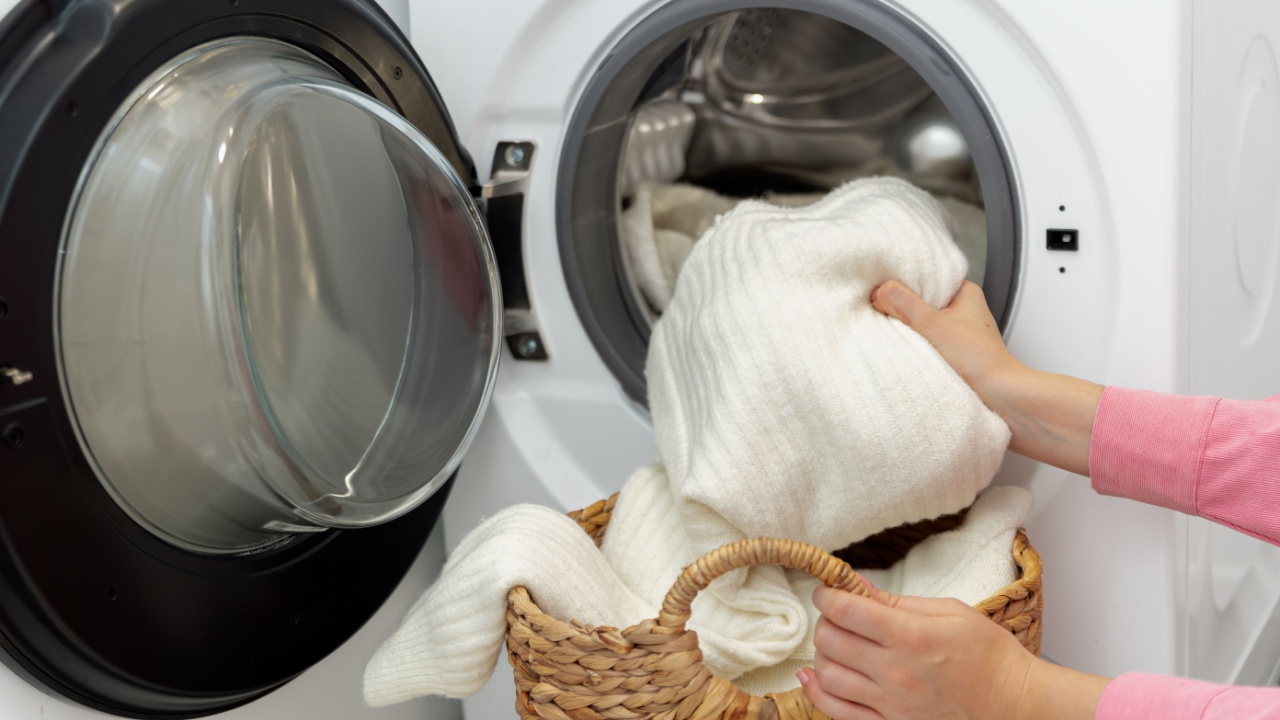
Image Credit: Shutterstock.
Giving clothes personal space is important, even in the dryer. For clothes to dry evenly, they need to tumble and separate, allowing heated air to reach every surface. When the drum is packed too tightly, clothes get tangled into a large, damp ball. The items on the outside might get dry, but the ones trapped in the middle will remain wet.
This forces you to run the dryer for another cycle, wasting time and energy. A good rule of thumb is to fill the dryer drum about halfway to two-thirds full. This gives the items enough room to move freely. A properly sized load not only dries faster but also results in fewer wrinkles.
4. Dry Similar Fabrics Together

Image Credit: Deposit Photos.
Mixing a load of heavy cotton towels with lightweight synthetic shirts is a recipe for inefficiency. Lightweight items dry much faster than heavy ones. When they are all in the same load, the dryer’s moisture sensor can get confused. It might shut off the cycle when the lighter items are dry, leaving the heavier ones damp. Or, it will keep running until the heavy items are finally dry, over-drying and potentially damaging the lightweight fabrics.
By sorting laundry into loads of similar fabric types and weights—towels with towels, sheets with sheets, delicates with delicates—you create a consistent drying environment. Each load will have a more uniform drying time, making the whole process more predictable and effective. It’s also a great laundry hack that makes your washing day easy.
5. Use Wool Dryer Balls
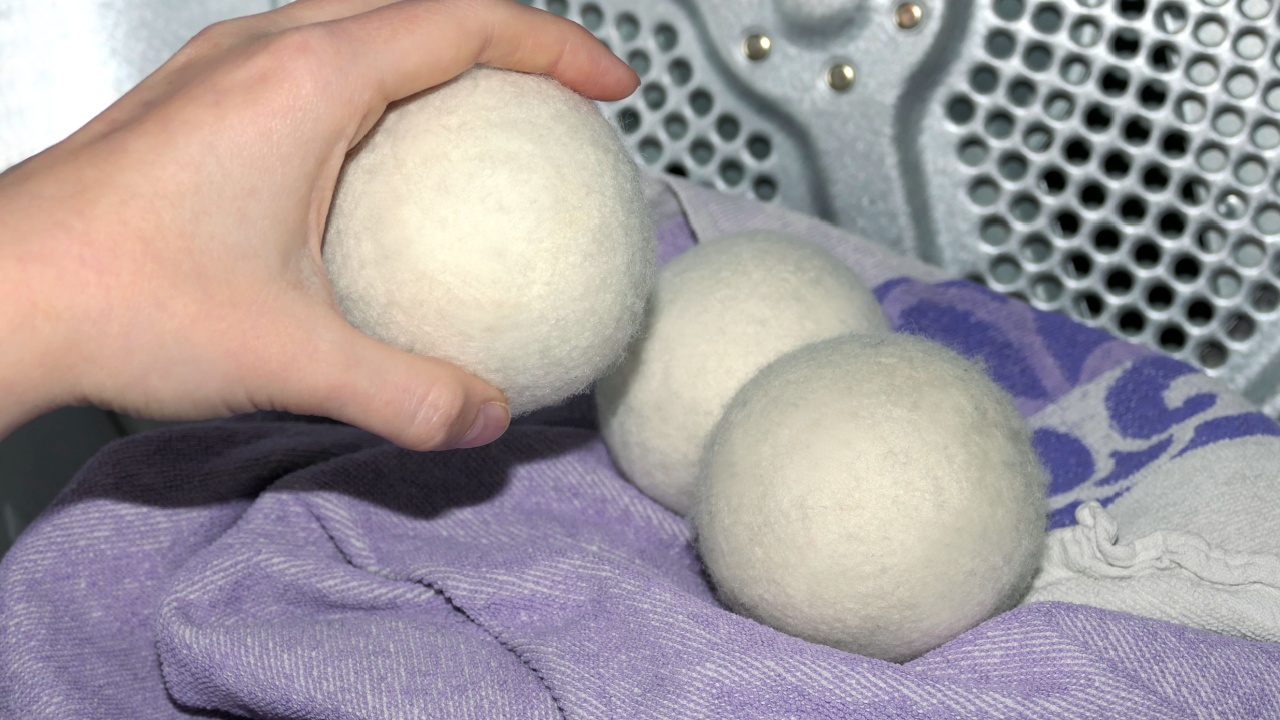
Image Credit: Shutterstock.
Wool dryer balls are a simple tool for a more efficient drying cycle. As they bounce around inside the drum, they get in between items of clothing, separating them and preventing clumping. This action allows heated air to circulate more freely and reach more fabric surface area. The wool also helps absorb some moisture, further contributing to a faster drying time.
Unlike single-use dryer sheets, which often contain chemicals and can leave a film on the moisture sensor, wool balls are a reusable and natural alternative. They can soften clothes and reduce static without interfering with the dryer’s operation. Three to four balls are usually sufficient for a medium load.
6. Wipe the Dryer’s Moisture Sensor

Image Credit: Shutterstock.
Many modern dryers use a moisture sensor to determine when clothes are dry. This sensor is typically a pair of metal bars located inside the drum, usually near the lint trap. Over time, residue from dryer sheets or fabric softeners can build up on these bars, creating an invisible film. This film insulates the sensor, preventing it from accurately detecting the moisture level in the clothes. The result is a dryer that either shuts off too early, leaving clothes damp, or runs much longer than needed.
To keep the sensor working correctly, wipe the metal bars clean every month or so. A cotton ball or soft cloth dampened with a bit of rubbing alcohol is all you need. Gently scrub the bars to remove any film, then let them air-dry completely. This simple maintenance keeps the automatic cycles accurate and efficient.
A Path to Faster Drying

Image Credit: Shutterstock.
Making these small adjustments can lead to big savings in time and energy. Make a point to clean the lint trap before every single load. Once that feels automatic, move on to sorting clothes by fabric type. By gradually building these practices into your laundry day, you create a more streamlined and effective routine without feeling overwhelmed. The reward is more than just dry clothes; it is time returned to your day.