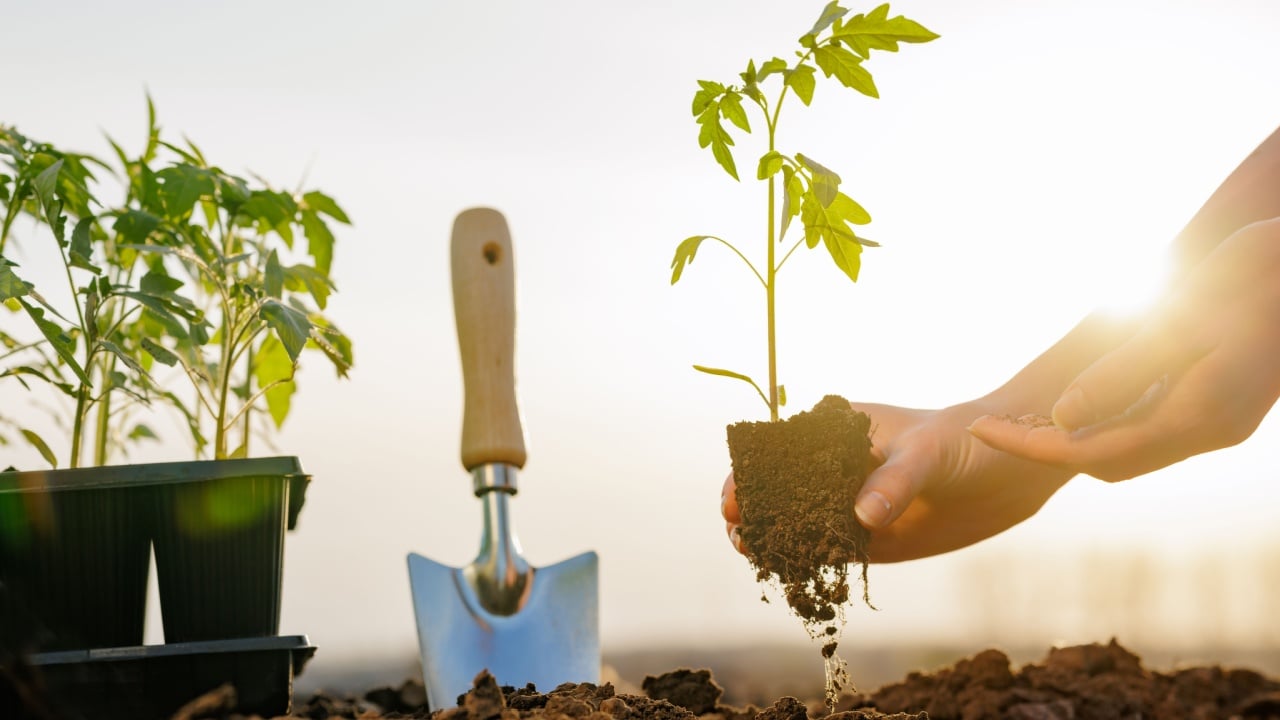
Grow $400 Worth of Groceries for $20: What to Plant Right Now in May, by Zone
May feels like a safe gardening month.
Frost is (mostly) behind you, the garden centers are bursting with transplants, and every planting guide you’ve ever read tells you it’s finally time. What those guides rarely mention is that May is also the month when the most expensive gardening mistakes happen, including planting warm-season crops before the soil is ready, overloading a garden that will collapse by July, and putting toxic plants in reach of a dog who has no idea that tomato leaves can make them seriously ill.
The problem is that “what to plant in May” means something completely different depending on where you live. A gardener in Zone 3 is still watching for late frosts and working with a 120-day window that demands every decision count. A gardener in Zone 9 is already racing a summer heat deadline that will shut down tomato production the moment temperatures crack 90 degrees. One generic planting list cannot serve both of them, and most of the lists published online are exactly that: generic.
A $3 seed packet planted correctly in May can yield $200 to $400 worth of groceries by fall. The same packet planted in the wrong zone at the wrong time is nothing but wasted money and a dead plant by June. Right now, in May, the planting window is open across every zone in the continental United States. But it does not stay open forever, and for some zones, the closing date is closer than most people realize.
This guide provides a zone-by-zone breakdown of what to plant in May, grounded in USDA hardiness zone data and backed by experienced gardeners who have made every mistake in this guide so you don’t have to. Check your zone first, and then plant accordingly.
First, Find Your Zone (It Takes 30 Seconds and Changes Everything)

Before you buy a single transplant or tear open a seed packet, you need to know your USDA Plant Hardiness Zone. The USDA Plant Hardiness Zone Map divides the country into zones based on average minimum winter temperatures, and it is the foundational tool for any timing decision in the garden. You can find your exact zone by entering your zip code at the USDA’s official zone finder. According to Bentley Seeds, the USDA Plant Hardiness Zone Map is the standard tool gardeners should use to discover the ideal planting schedule for their region.
Hardiness zones are defined by winter cold, not summer heat. That means two gardens in Zone 6, one in Ohio and one in New Mexico, can have dramatically different summer growing conditions even though they share a zone designation. According to Gardening Know How, Zone 6 alone includes parts of 36 different states, running from the Appalachian Mountains to the Great Plains and up into the Northeast and West. Your zone tells you when to start; your local forecast tells you what to plant once you’re in motion.
The continental United States runs from Zone 3 in the far north to Zone 10 along the southern tip of Florida and coastal California. Most American home gardeners fall between Zones 5 and 8. Once you know your zone, the rest of this guide will tell you exactly what to do right now in May.
Zones 3–4: May Is Your First Real Chance
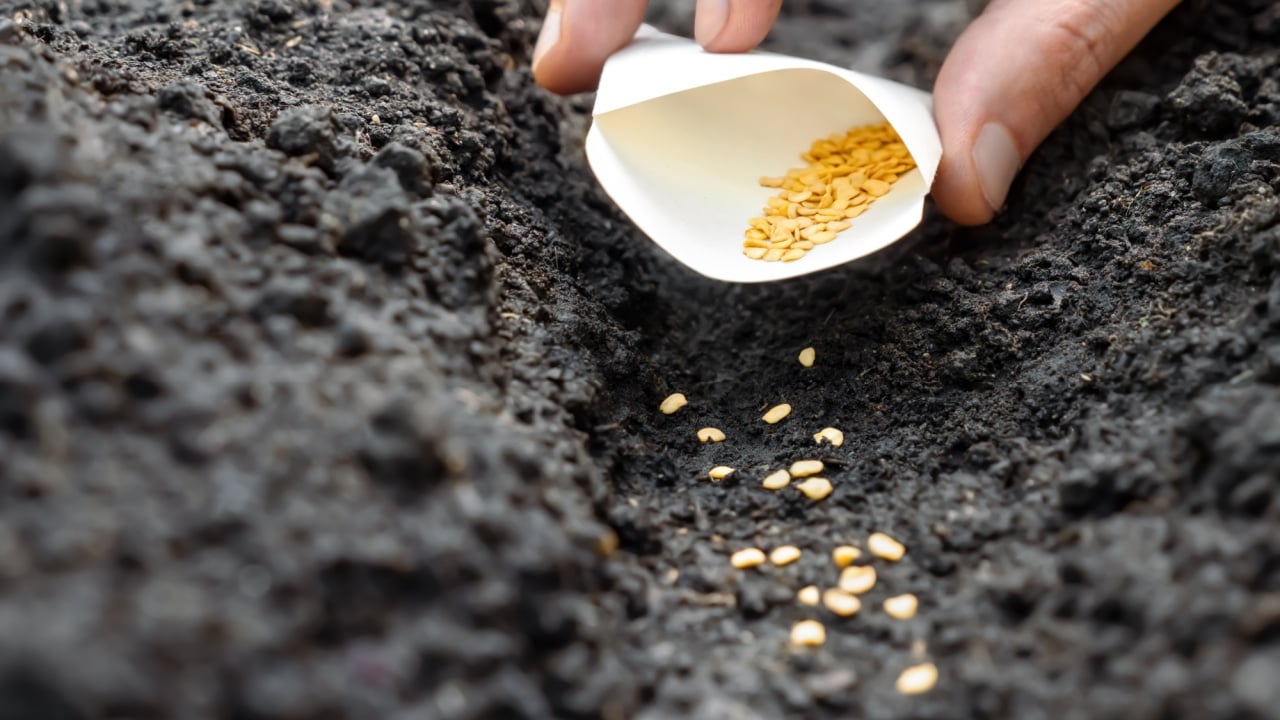
If you garden in Zones 3 or 4, your last frost date falls somewhere between May 1 and May 15. That means May is not a relaxed planting month; it is the starting gun. According to Bentley Seeds, Zone 3 gardeners have only about 120 frost-free days, and every week of May that passes without action is a week of harvest lost at the other end of the season.
The crops to prioritize right now: tomatoes (choose fast-maturing varieties that produce in 55 to 60 days, not the 80-day heirlooms better suited to warmer zones), peas, kale, beets, potatoes, carrots, and melons started from transplant. Kellogg Garden recommends that Zone 3 and 4 gardeners also start seeds indoors this month for broccoli, Brussels sprouts, cabbage, and cauliflower.
The single most expensive mistake in this zone is skipping the hardening-off process. Transplants that go straight from a warm indoor environment to outdoor conditions suffer transplant shock, and an entire flat of seedlings representing $40 to $60 in plants and weeks of indoor growing time can be lost in 48 hours. Harden off transplants by moving them outside for a few hours daily over 7 to 10 days before planting. And keep row covers, cold frames, or a season extender product like Wall-o-Water on hand; a late frost in mid-May in these zones is not unusual, and it has destroyed many confident gardens.
Zones 5–6: May Is Go Time for the Big Summer Crops
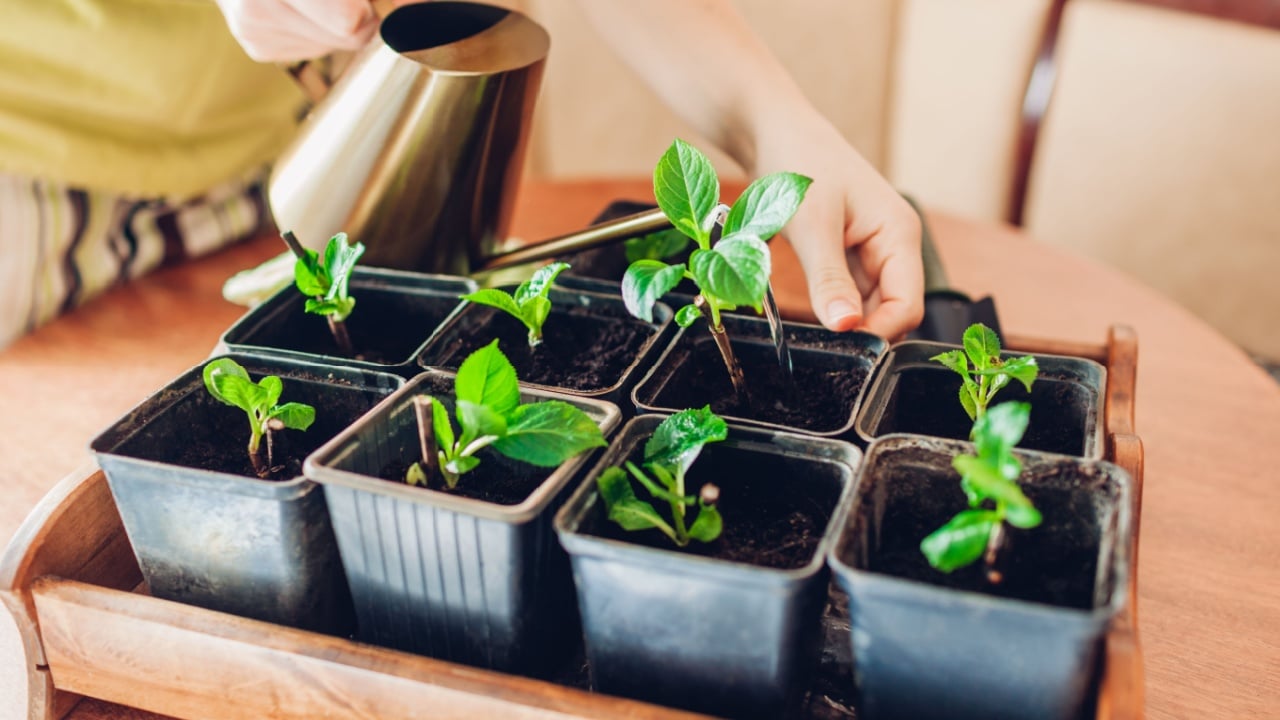
For the large portion of American gardeners in Zones 5 and 6, May is the month everything accelerates. Your last frost date landed in April, and by now the soil has had a few weeks to warm. According to Kellogg Garden, Zones 5 and 6 gardeners can direct sow squash, lettuce, melons, cucumber, and corn this month, and transplant tomatoes, peppers, eggplant, and sweet potatoes directly into the ground.
Gardening Know How notes that Zone 6 in May sees warm weather arrive with more rain, making it ideal for sowing squash, melons, cucumbers, and lettuces outdoors. Perennial flowers like coneflowers, black-eyed Susans, and daisies also transplant well this month in these zones.
One of the highest-value habits you can adopt right now in May: succession planting. Rather than sowing all your beans and lettuce at once, plant a short row every two weeks through the end of May. You will harvest continuously from June through August rather than drowning in produce for two weeks and then running dry. A single 10-foot row of beans, planted now, can yield several pounds of produce with almost no ongoing effort. Your grandmother planted beans every May without fail, and she understood something modern planting guides tend to undervalue: consistency and repetition produce better harvests than a single ambitious planting day.
Zone 7: Plant Now or Pay More at the Farmers Market All Summer

Zone 7 gardeners sit in a comfortable middle position: past frost risk, not yet facing summer heat shutdowns. Kellogg Garden confirms that Zone 7 is the right time to transplant onions, peppers, and tomatoes, while direct sowing beans, beets, cucumbers, okra, squash, and watermelon directly into the garden.
Do not overlook sweet potatoes in May if you are in Zone 7. Most gardeners associate sweet potatoes with fall harvest and forget that they need a long growing season, which means May is the correct window to get slips in the ground. A single sweet potato plant can yield 4 to 6 pounds of tubers, and sweet potatoes routinely run $2 to $3 per pound at peak summer markets. Planting 6 to 8 slips this month can save you $50 to $100 in grocery costs by October.
Basil also goes in the ground now. Plant it near your tomatoes: the combination is a classic companion planting strategy that experienced gardeners swear by, with some evidence suggesting basil can deter aphids and whiteflies from tomato plants. You get culinary value and pest management from the same square foot of garden.
Zones 8–9: Your Deadline Is Closer Than You Think
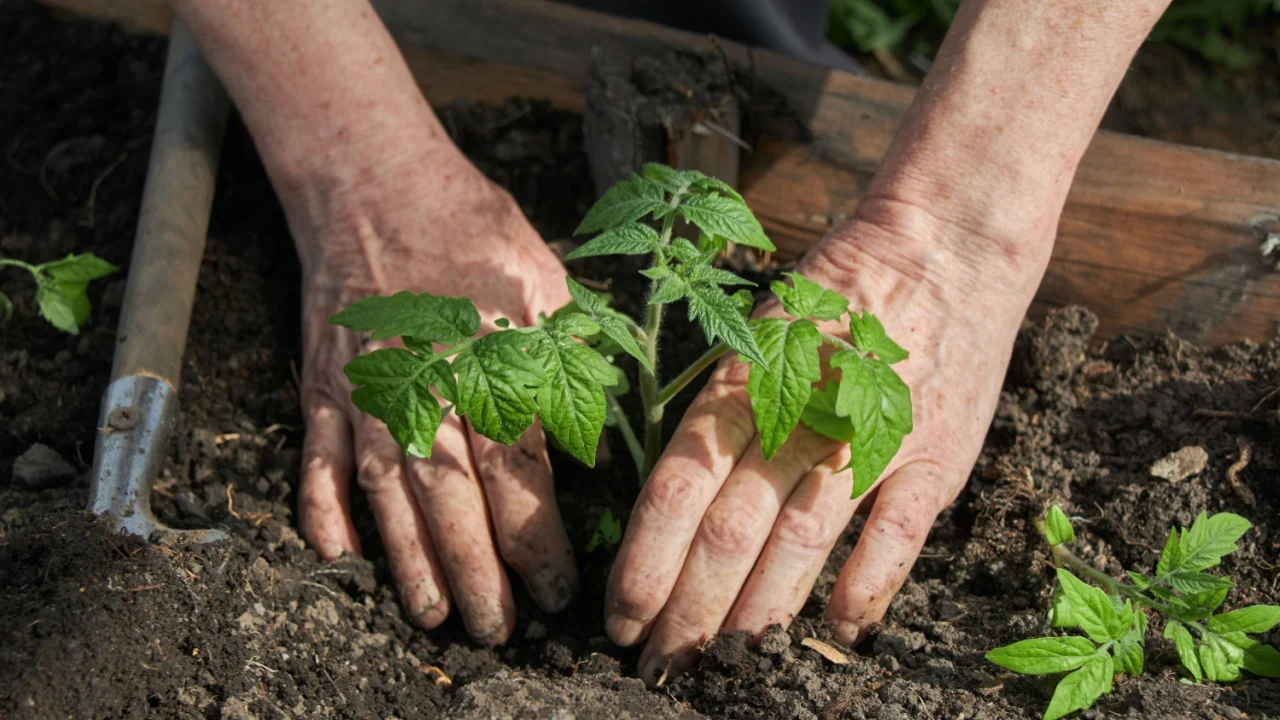
Here is the warning that Zone 8 and 9 gardeners rarely see in standard planting guides: the real threat in these zones is not frost; it is heat. Anything not in the ground by late May risks entering summer without enough established growth to survive once temperatures consistently exceed 90 degrees Fahrenheit.
According to Survival Garden Seeds, Zone 8 and 9 gardeners can direct sow or transplant okra, sweet potatoes, pumpkins, watermelon, and warm-season beans right now. Our Stoney Acres notes that tomatoes, peppers, potatoes, and eggplant are all still viable transplants in Zones 9 and 10 in May, but adds an important caution: peppers begin to suffer when temperatures push past 90 degrees, and shade cloth can protect plants from the worst of the summer heat in these zones.
Tomatoes are the most time-sensitive concern. Once temperatures reliably exceed 90 degrees, tomatoes drop their blossoms and stop setting fruit. That means a tomato plant not in the ground and established before Memorial Day in a Zone 8 or 9 garden may produce nothing before the summer heat stalls it. Most nursery professionals know this, but rarely post it on the plant tag.
Zones 10–11: Flip the Script; It’s Almost Too Hot to Plant
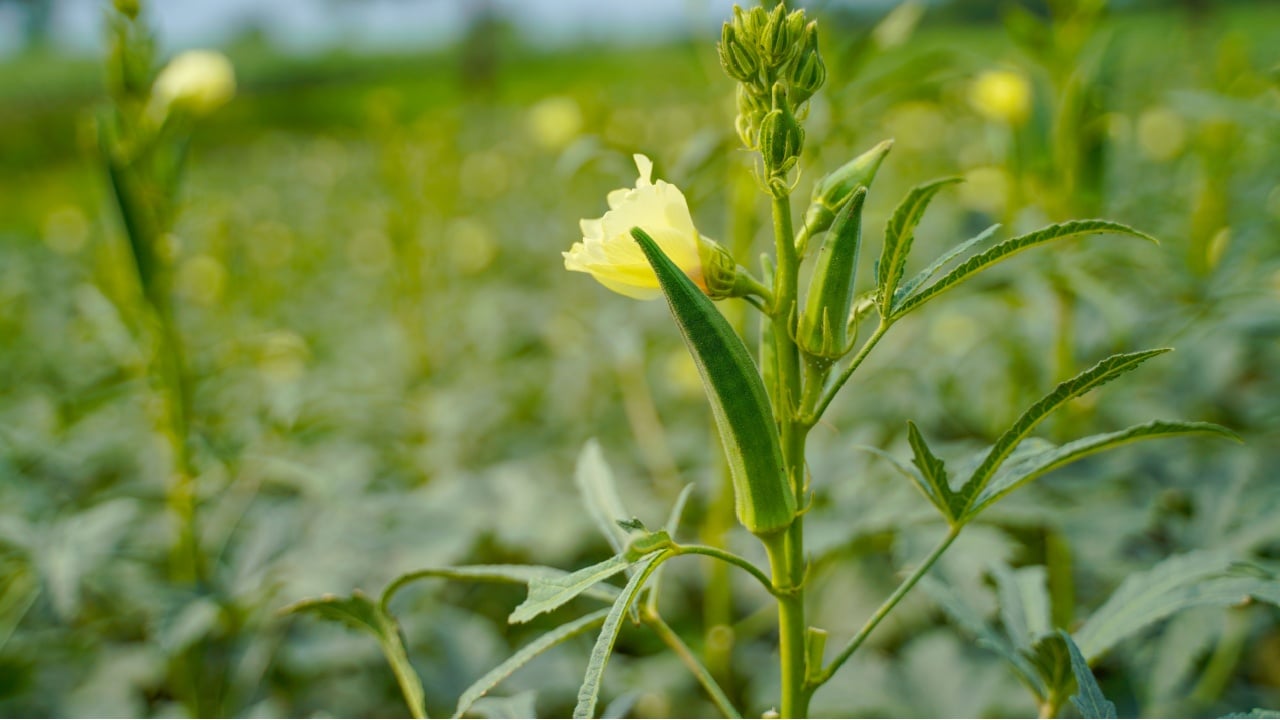
Gardeners in the warmest zones face a counterintuitive reality: summer in Zones 10 and 11 functions like winter does in Zone 3. The extreme heat shuts down production for cool-season crops entirely. Survival Garden Seeds advises these gardeners to focus summer planting on crops specifically adapted to warmth: heat-tolerant beans, okra, sweet potatoes, southern peas, and gourds can all manage the conditions.
What to avoid planting in May in Zones 10 and 11: broccoli, cabbage, cauliflower, spinach, and other cool-season crops that will simply bolt or fail in the summer heat. Save those for your fall and winter garden, which is where this zone’s real cool-season production happens. If you want greens through the summer, grow them indoors or under significant shade cover.
Don’t Wait Until June to Figure This Out
The best time to plant your May garden was last week. The second-best time is this weekend. Across every zone in the continental United States, the window is open right now, and it will not stay open much longer. Zone 3 and 4 gardeners have weeks, not months. Zone 8 and 9 gardeners are already in a race with the summer heat.
Find your zone using the USDA’s zip code tool, choose your crops from the zone-specific guidance above, and get them in the ground before Memorial Day. The gardens that produce abundantly through fall are almost always the ones that started decisively in May. A little urgency this weekend is worth a great deal of grocery savings by September.
Read more:
Why wildlife experts are telling people to take down their bird feeders
Plant these 10 companion plants with your tomatoes — and stop planting these 4