Grasshoppers Can Wipe Out Your Garden in 24 Hours. Here’s How to Stop Them
One morning, you walk out to check on your beans, and the leaves look like green lace with ragged holes, bare stems, whole sections stripped overnight. You didn’t see it coming. But something did.
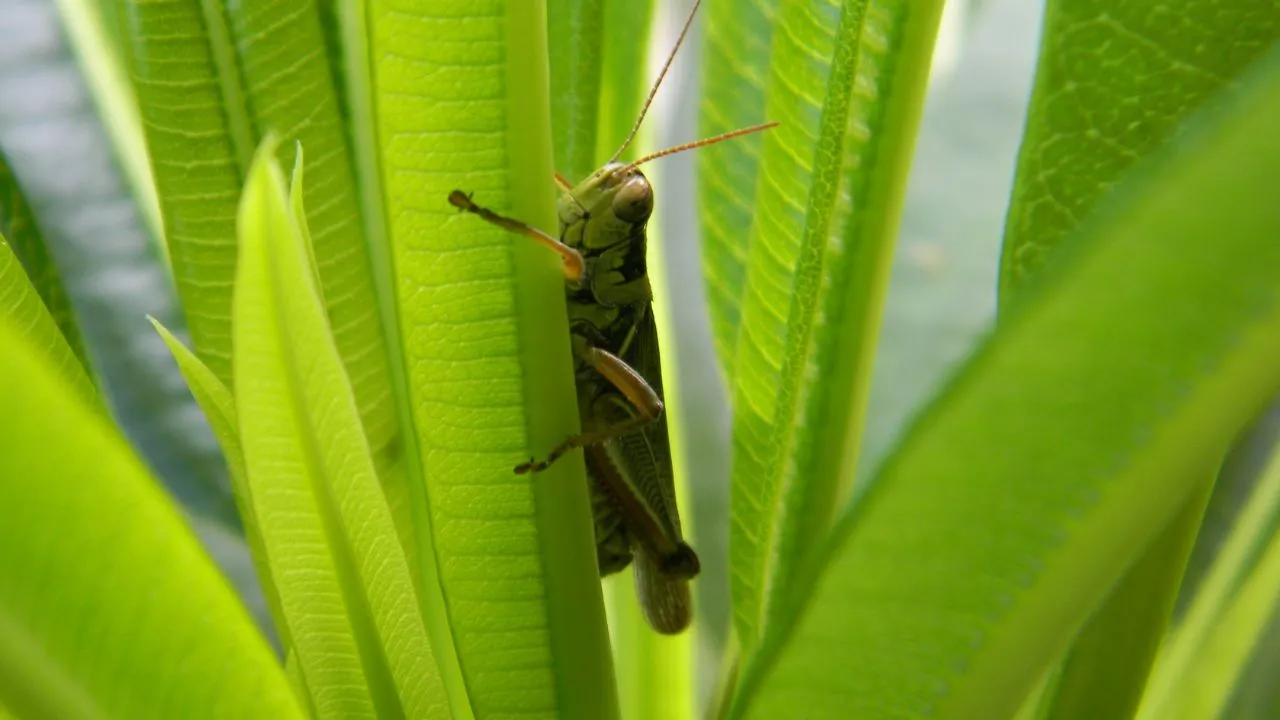
Grasshoppers are among the most destructive garden pests in the United States, and they operate fast. As Colorado State University Extension explains, they are highly mobile insects that can cause serious damage during periodic outbreaks; outbreaks that tend to build quietly before exploding into a full-scale garden emergency. By the time most gardeners notice the damage, the population has already multiplied.
What makes grasshoppers so dangerous is their breeding cycle. A single female can deposit 100 to 200 eggs in a mass in dry soil, according to The Old Farmer’s Almanac. Those eggs overwinter and hatch the following spring, which means the grasshoppers devastating your garden this summer may have been planted in your own soil last fall. If you lost plants this season, the clock on next year’s infestation has already started.
The good news is that there are proven strategies that actually work to control grasshoppers, and most cost very little. Here is what every gardener needs to know before the damage gets worse.
Why Grasshoppers Target Your Garden Specifically

Not every yard gets hit equally. Grasshoppers are drawn to irrigated, well-watered gardens during the heat of summer because those spaces offer what surrounding dry fields cannot: lush, green, high-moisture food. Oklahoma State University Extension notes that gardens become an “oasis” for grasshoppers as non-irrigated plants dry out and food sources in open fields dwindle.
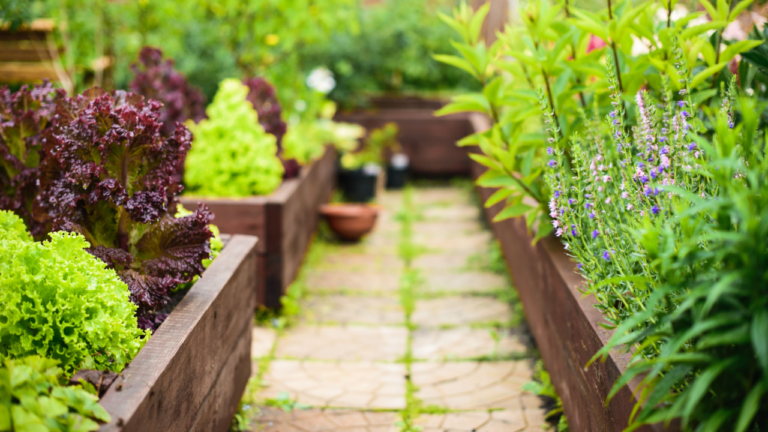
Their favorite targets include lettuce, carrots, beans, sweet corn, and onions. The plants they tend to avoid include squash, peas, and tomato leaves. If your grasshopper infestation is severe, strategically incorporating these into your garden can act as a passive deterrent. A garden full of lettuce and beans is, to a grasshopper, an all-you-can-eat buffet with no cover charge.
Gardens that border open fields, meadows, or roadsides face the highest risk. Those surrounding areas are often where egg beds form in late summer, and when eggs hatch the following spring, young nymphs walk directly toward the nearest green food, which is frequently your garden.
Stop Grasshoppers Before They Eat Your Garden: Act in Early Summer
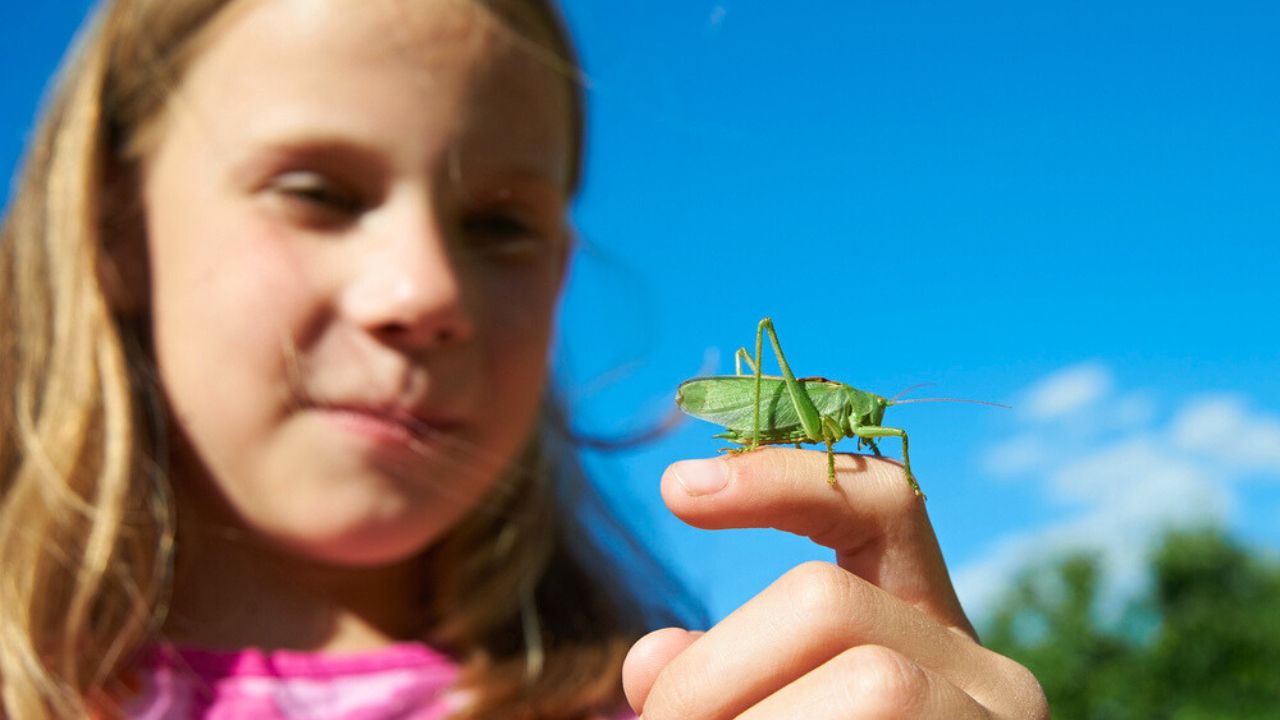
Timing is everything with grasshopper control. According to Colorado State University Extension, treatments are most effective when directed at young nymphs in late spring and early summer, before they develop wings and become nearly impossible to stop. Once grasshoppers reach the adult stage and begin migrating, insecticide applications applied directly to plants are less effective.
Young nymphs hatch white and wingless, look like miniature adult grasshoppers, and are slow-moving targets. This is the window when every control method works best. Miss it, and you are dealing with a flying, fast-reproducing adult population that can travel 15 miles or more in a single day.
Never Ignore These Early Warning Signs in Your Garden
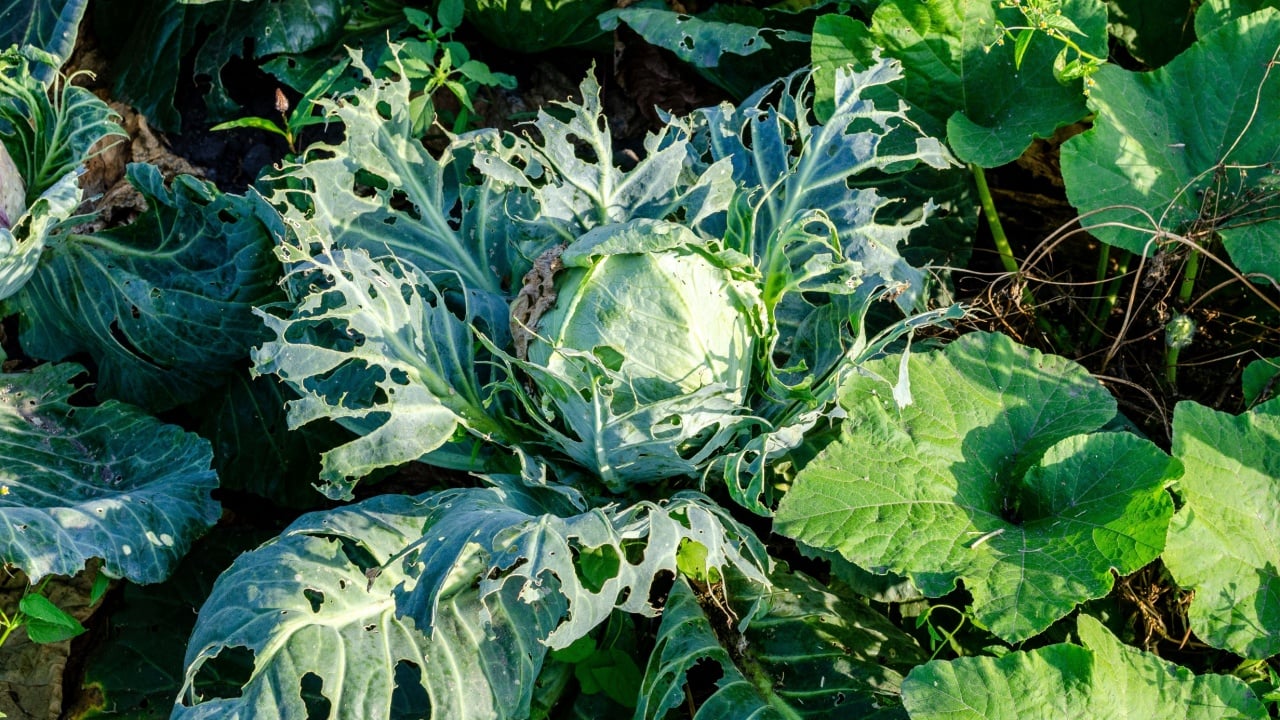
Grasshopper damage is identifiable if you know what to look for. The Spruce describes the telltale signs as ragged, chewed holes in leaves, stems, and sometimes fruit — large, irregular edges that distinguish grasshopper feeding from the cleaner damage caused by beetles. Unlike beetles, which tend to skeletonize leaves, grasshoppers eat large, random chunks and flee when approached.
Check plants early in the morning. Grasshoppers are cold-blooded and sluggish before the day warms up, making dawn your best window for spotting them on foliage, and for catching or treating them before they disperse. As The Old Farmer’s Almanac advises, go on a “hopper hunt” at first light when they are least active.
Also watch for what is called “frass,” the small pellet-like droppings left behind on leaves and soil. Spotting frass before you see any leaf damage can give you a critical head start on treatment.
7 Ways to Get Rid of Grasshoppers, Ranked by Effectiveness
Most gardeners wait too long and try too little. Controlling grasshoppers almost always requires combining multiple methods. Here is what works, from the most immediate fixes to long-term prevention:
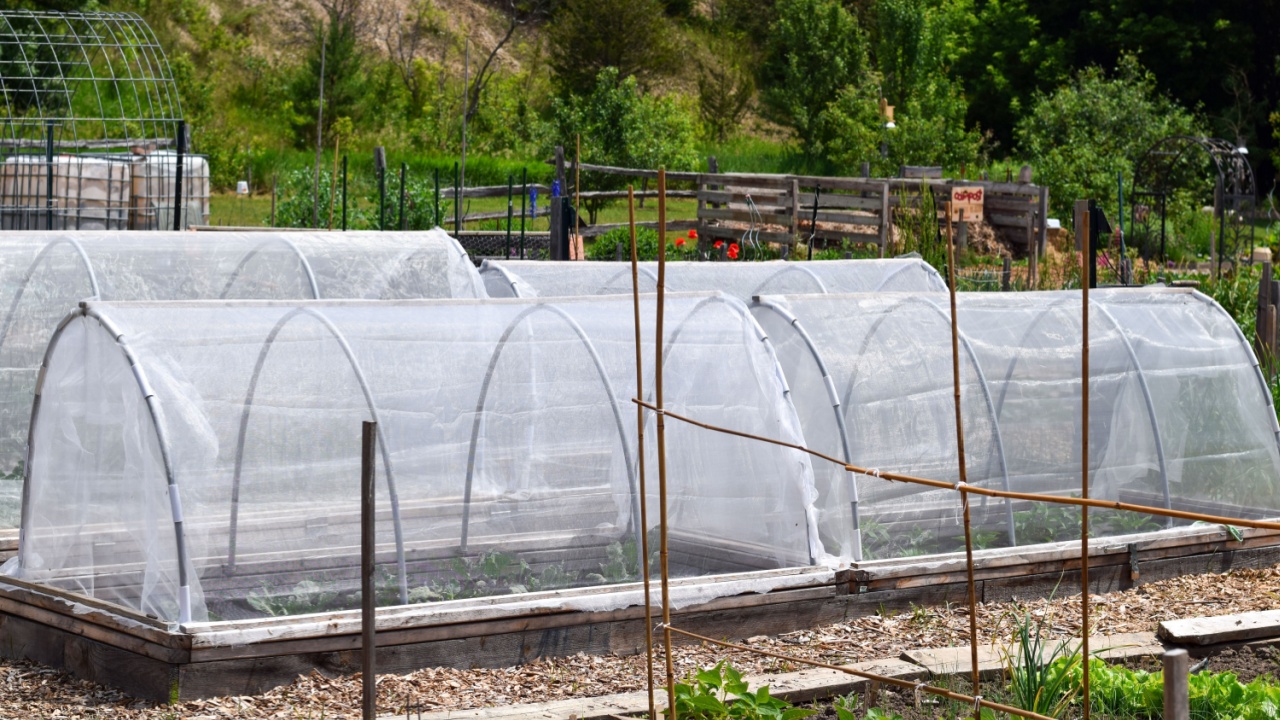
- Row covers and metal screening. Physical barriers are among the most reliable defenses for high-value plants. As Beyond Pesticides notes, grasshoppers can chew through cloth row covers, so use metal window screening or screened cages for your most prized vegetables. Set it up before you see damage.
- Garlic and hot pepper spray. Blend two cups of garlic with ten cups of water, boil and let sit overnight, then dilute one part solution to three parts water before spraying on leaves, per The Spruce. Many gardeners also add hot pepper to the mix. This is a legitimate repellent that won’t harm plants, pollinators, or pets.
- Diatomaceous earth. This powder, made from fossilized diatoms, works by damaging the grasshopper’s exoskeleton at the joints and belly, causing dehydration. Tagawa Gardens‘ expert horticulturalists note it is most effective on young nymphs, but is still worth applying to adults. Reapply after rain.
- Nosema locustae bait. This certified-organic biological control introduces a naturally occurring protozoan that infects and kills grasshoppers. Apply it in early spring near known egg-laying sites. Colorado State University Extension cautions that it is slow-acting and works best as part of a longer-term management strategy, but it is one of the few options safe for use near edible crops.
- Neem oil. Beyond Pesticides recommends a neem oil spray made with warm water and a small amount of castile soap. Neem disrupts grasshopper development and feeding, particularly in the nymph stage. It is safe for most beneficial insects when applied correctly.
- Till the soil in fall and again in spring. Female grasshoppers prefer to lay eggs in dry, undisturbed soil. Tilling disturbs egg beds, exposes eggs to predators, and reduces next year’s hatch. The Spruce recommends tilling in mid- to late summer, then again in fall and early spring.
The Free Fix Most Gardeners Overlook: Your Neighbors
Grasshopper control works best as a community effort. Utah State University Extension emphasizes that treating as wide an area as possible, as early as possible, is one of the two most critical keys to stopping an infestation. A grasshopper you push out of your yard hops into your neighbor’s and breeds there.
Talk to the people around you. If several households are treated at the same time while nymphs are still young and wingless, the population collapses. If only one yard is treated, the grasshoppers return within days from surrounding untreated land. Coordinate with neighbors — it costs nothing and can make the difference between a contained problem and a second-year infestation.
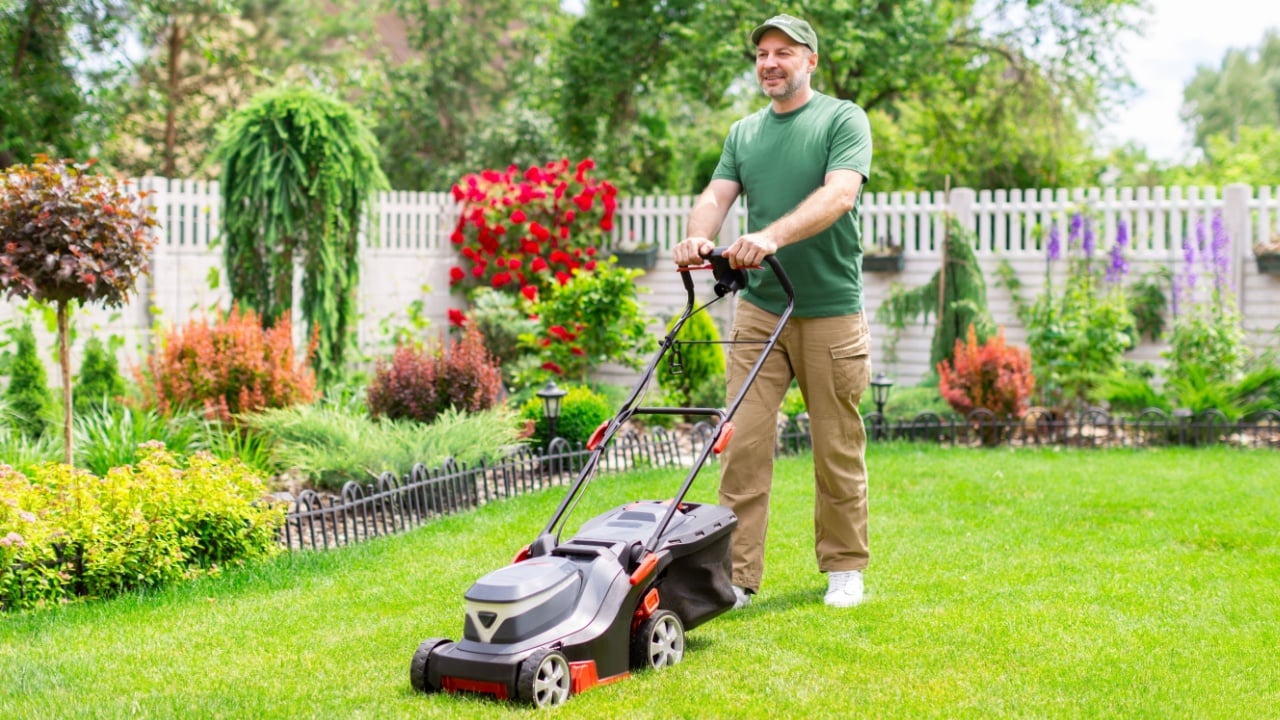
Oklahoma State University Extension also recommends mowing a closely cropped buffer strip about 6 feet wide around the perimeter of your garden. Low grass offers no food or cover and exposes grasshoppers to birds and other predators who will do part of the work for you.
What to Do Right Now to Stop Next Year’s Infestation
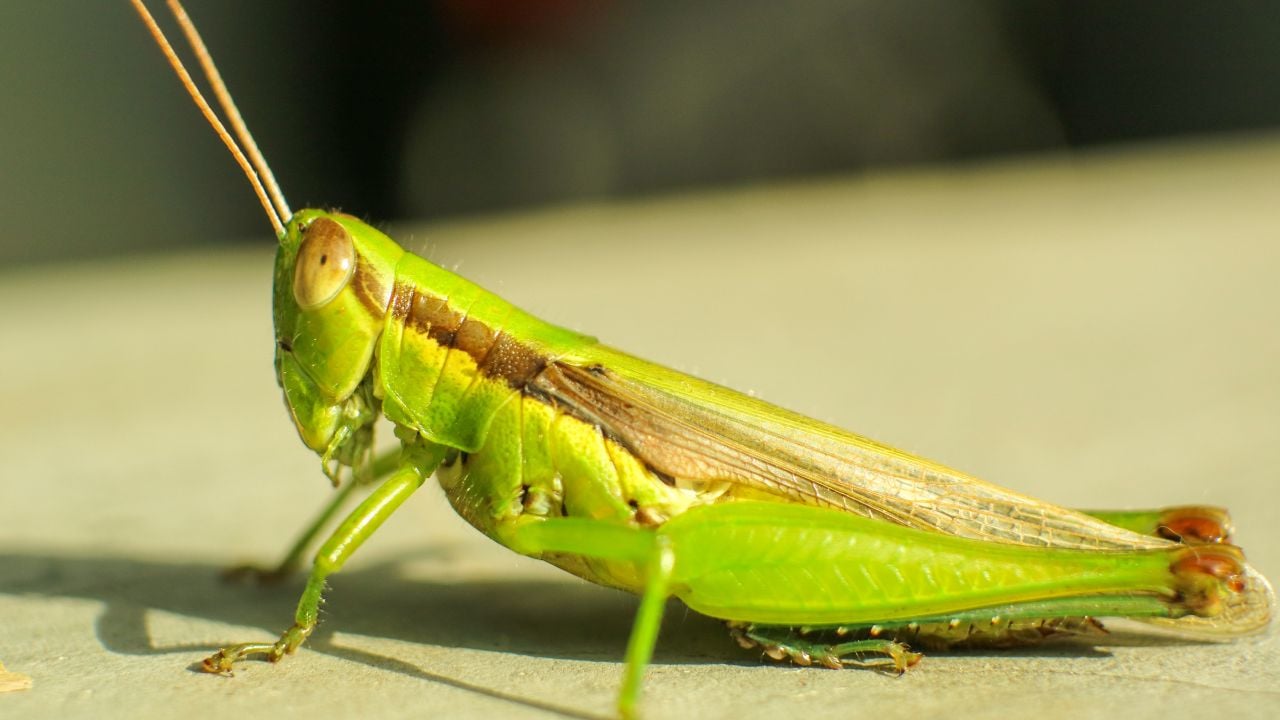
The grasshoppers you are watching in your garden today are laying the eggs that will destroy it next summer. The most impactful thing you can do before winter is act on that fact.
- Till the soil thoroughly in late summer and again in early fall to expose and destroy egg beds.
- Add a deep layer of mulch to discourage females from laying eggs in your garden soil.
- Remove weeds and tall grass from areas surrounding your garden, where egg beds concentrate.
- Apply Nosema locustae bait in early spring, before eggs hatch, for ongoing biological control.
- Note how many adult grasshoppers you see this fall. Colorado State University Extension confirms that late-season population counts are a reliable predictor of next year’s infestation severity.
Your grandmother knew that a good garden is defended all year, not just when the damage is visible. The gardeners who avoid repeat infestations are the ones who treat the problem in the off-season, when nobody else is paying attention.
Read more:
7 perennial planting mistakes to stop making right now
How to Grow Zucchini Vertically: 7 Steps That Save Space and Double Your Harvest