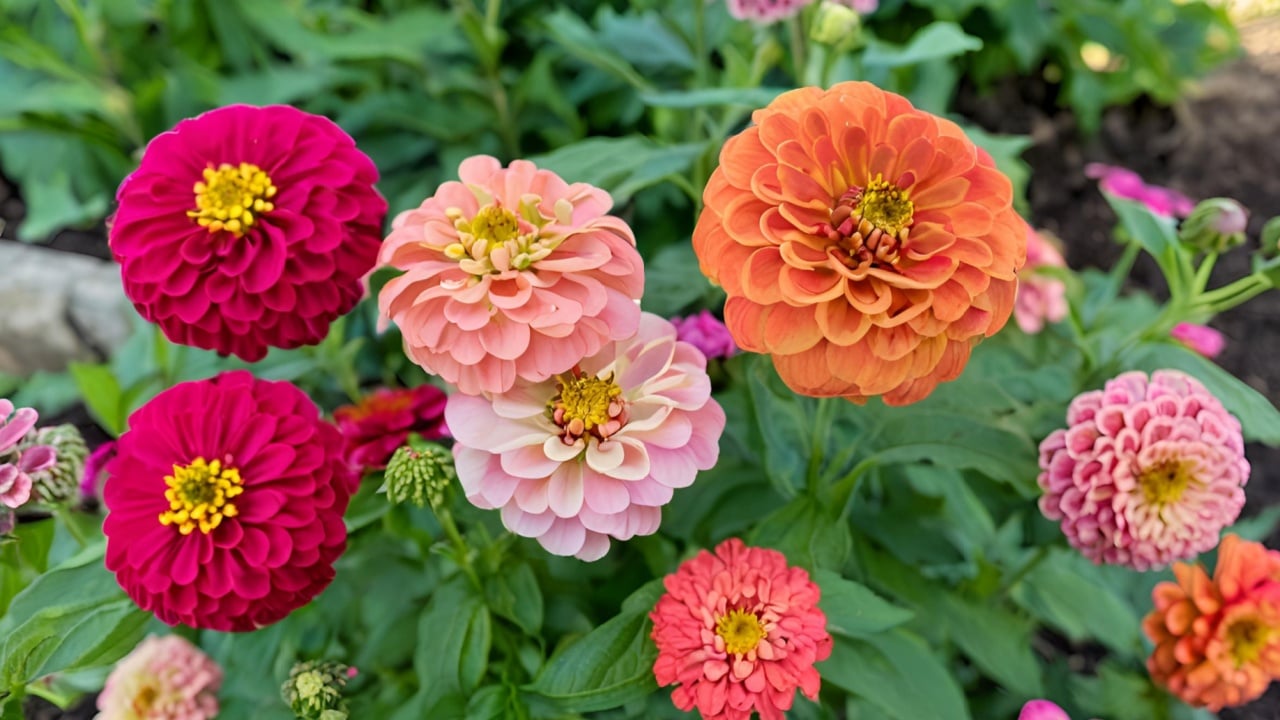
10 Easy Annuals That Add Instant Color to Your Garden This Summer
Most gardeners make the same mistake every spring.
They walk into the nursery, spot something gorgeous in full bloom, bring it home, and watch it fizzle out by the Fourth of July. The problem is not your soil, your climate, or your green thumb. The problem is the plants.
Not all annuals are created equal. Some demand daily deadheading, wilt in summer heat, or exhaust themselves putting on a show at the nursery before you even get them in the ground. Others do the opposite: they establish quietly, build momentum, and color your yard from planting day straight through the first frost. The difference between a garden that looks amazing all season and one that goes patchy in July comes down almost entirely to which annuals you choose.
In the spring, every garden center in the country is stocked, and the selection can be overwhelming. But spending $50 on the wrong plants leaves you replanting mid-summer at twice the cost. The 10 annuals below are the ones experienced gardeners come back to every single year, because they deliver color reliably, forgive beginner mistakes, and make your yard look like you know exactly what you are doing.
Whether you have a sunny front bed, a shady corner, a porch full of containers, or a vegetable garden that needs some life, there is an annual here for you. Here is what to plant right now, and why each one earns its space.
1. Zinnia
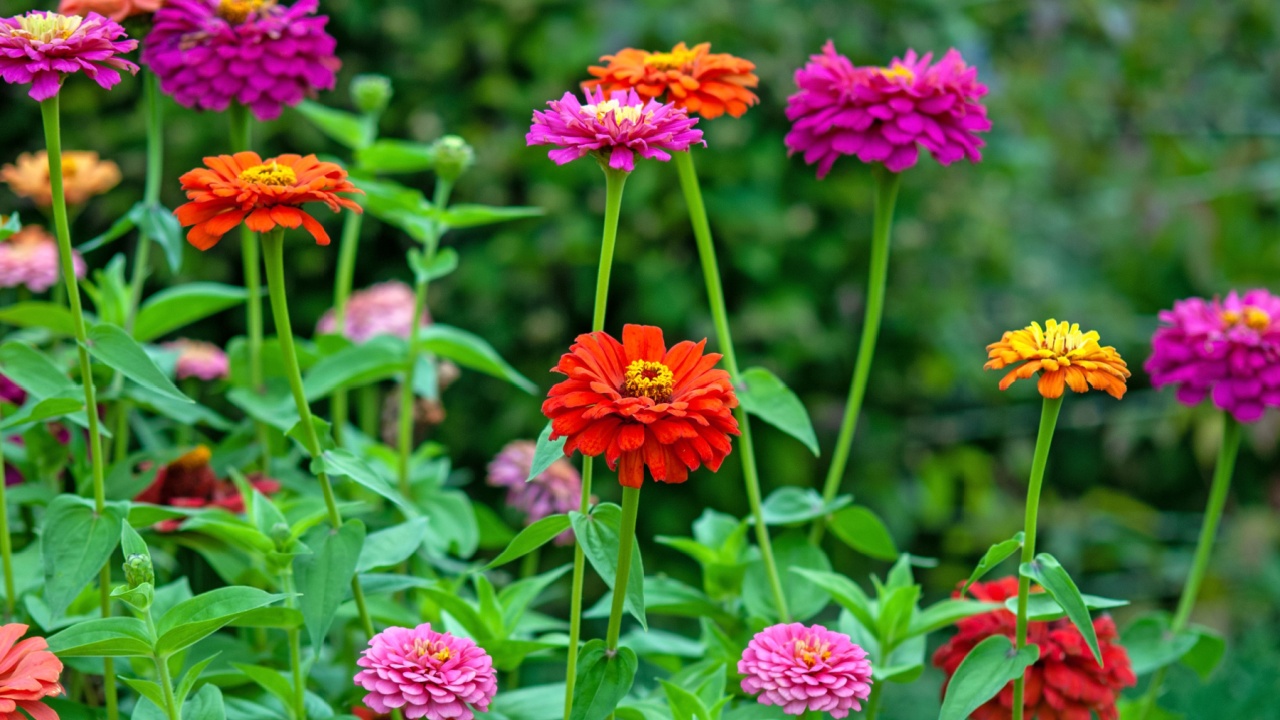
No annual delivers more color per dollar than the zinnia.
It blooms from midsummer through frost, thrives in heat when other plants stall, and attracts monarch butterflies and painted ladies in impressive numbers. The more you cut zinnias, the more they bloom. A $4 seed packet can fill an entire bed for the season.
As Martha Stewart certified master gardener Angela Judd puts it, zinnias offer a wide range of colors, cut flower types, and compact bedding varieties, and they reach full bloom in about 70 days from seed.
2. Marigold
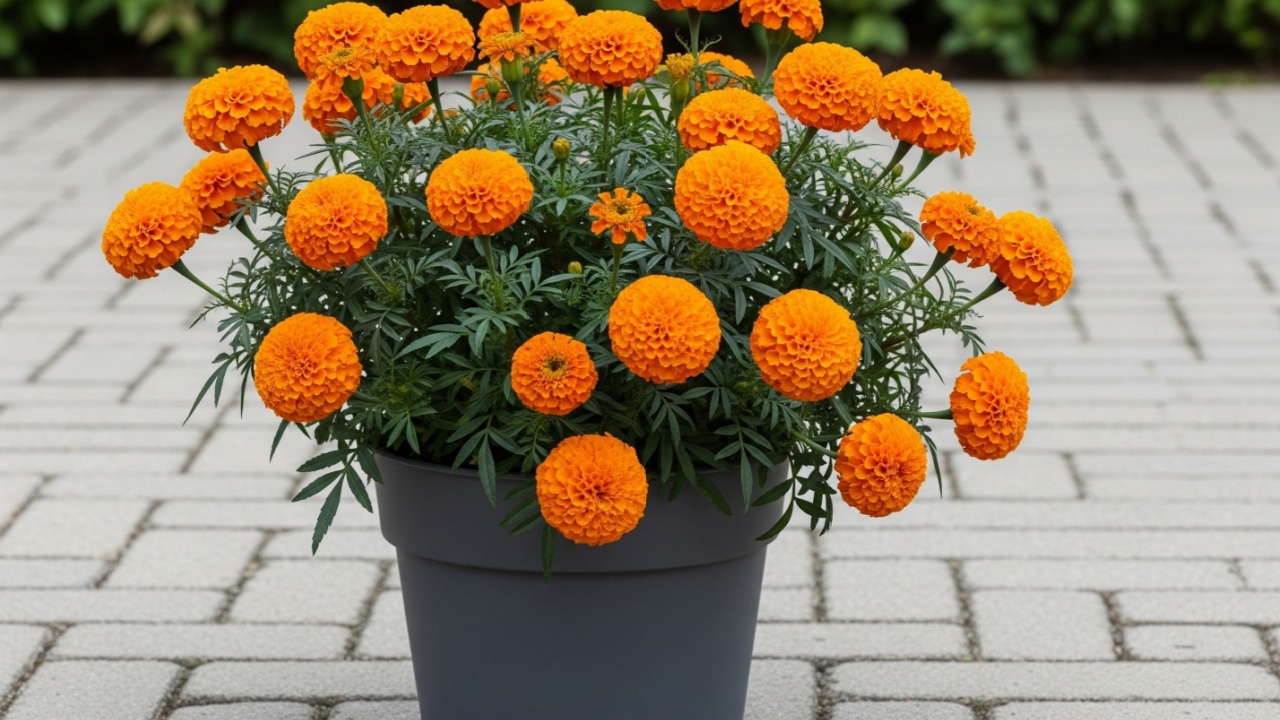
Marigolds have been in grandmothers’ gardens for generations, and there is a very good reason for that. They bloom nonstop from early summer through frost with almost zero maintenance, and they are doing serious work while they look beautiful.
French marigolds (Tagetes patula) produce a root compound called alpha-terthienyl that actively suppresses soil nematodes, meaning your vegetable plants nearby grow healthier just from their presence.
According to Gardenary, marigolds also deter aphids and whiteflies through their natural foliage compounds, making them one of the few annuals that actively improve the health of everything planted around them.
3. Petunia
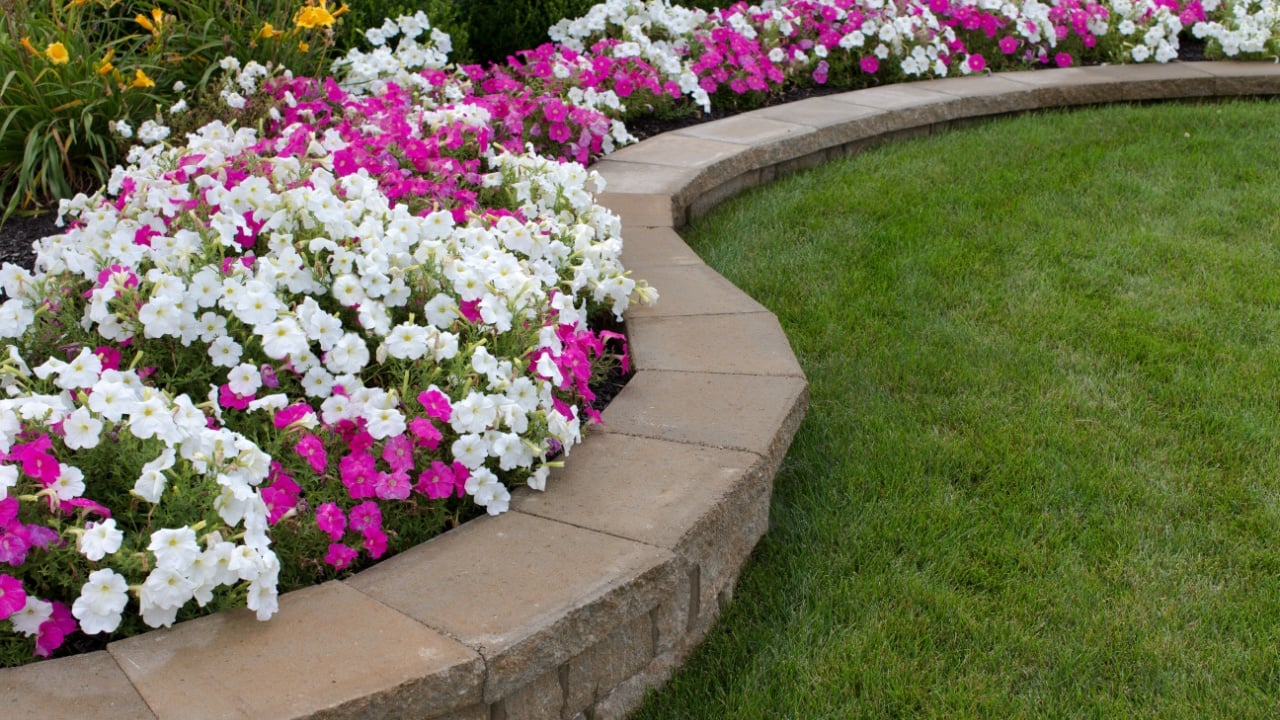
Modern petunias have come a long way from the fussy varieties your parents deadheaded all summer. Today’s Supertunia and Wave series varieties spread up to 3 feet wide, require zero deadheading, and bloom continuously from late spring through fall. They repel aphids, squash bugs, and tomato hornworms through their natural scent, making them a smart companion near vegetable beds as well.
As Proven Winners notes, newer petunia varieties are bred to flower earlier, grow taller and wider, and last an extra month into fall compared to older types, a meaningful upgrade for anyone who wants sustained color with minimal effort.
4. Sweet Alyssum
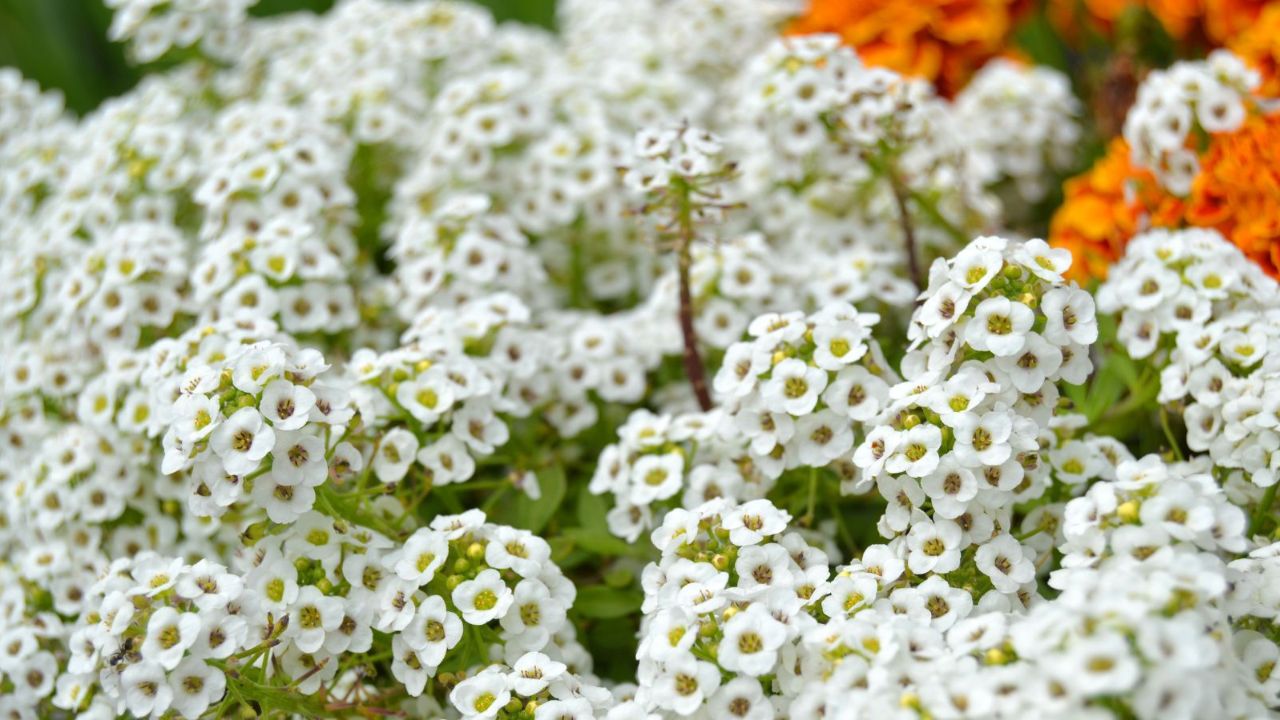
Sweet alyssum is small enough to overlook in a catalog, but one of the most strategic plants you can put in a garden.
It grows just 4 to 8 inches tall, spreads up to 4 feet wide, and produces a honey-like fragrance that stops visitors mid-stride. More importantly, it attracts hoverflies whose larvae are voracious aphid predators, making it one of the best organic pest-control tools available.
Costa Farms recommends sweet alyssum as one of their must-have annuals for its versatility; it works equally well as a border edger, a container spiller, or a fragrant centerpiece on a patio table. Newer heat-tolerant varieties like White Knight extend the bloom season well into summer.
5. Cosmos
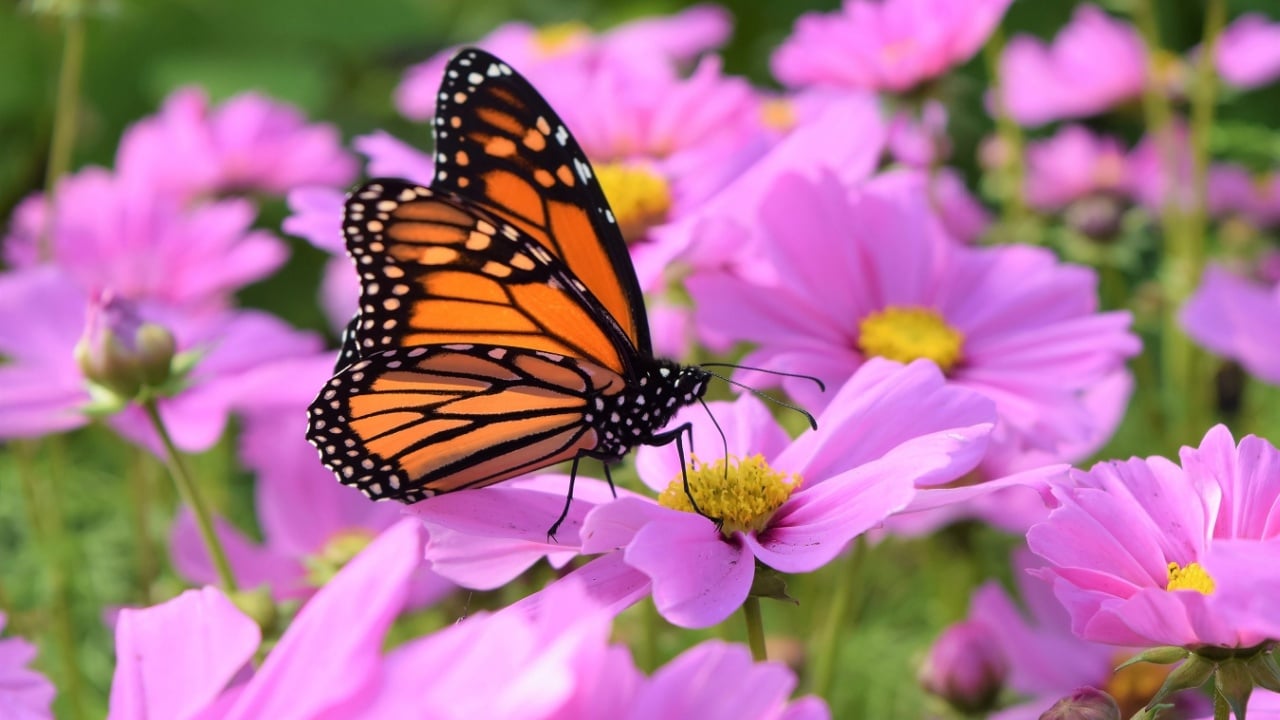
Cosmos are the ultimate low-effort annual.
They tolerate poor soil, need almost no water once established, and produce delicate, daisy-like blooms that sway beautifully in a breeze. Let a few go to seed at the end of the season, and you may find volunteer plants emerging next spring for free. For gardeners with rocky or nutrient-poor soil where other flowers fail, cosmos are often the answer.
Master gardener Angela Judd, writing for Martha Stewart Living, describes cosmos as fast, easy, and beautiful with generous blooms that tolerate the kinds of conditions most other flowers refuse.
6. Vinca (Annual)
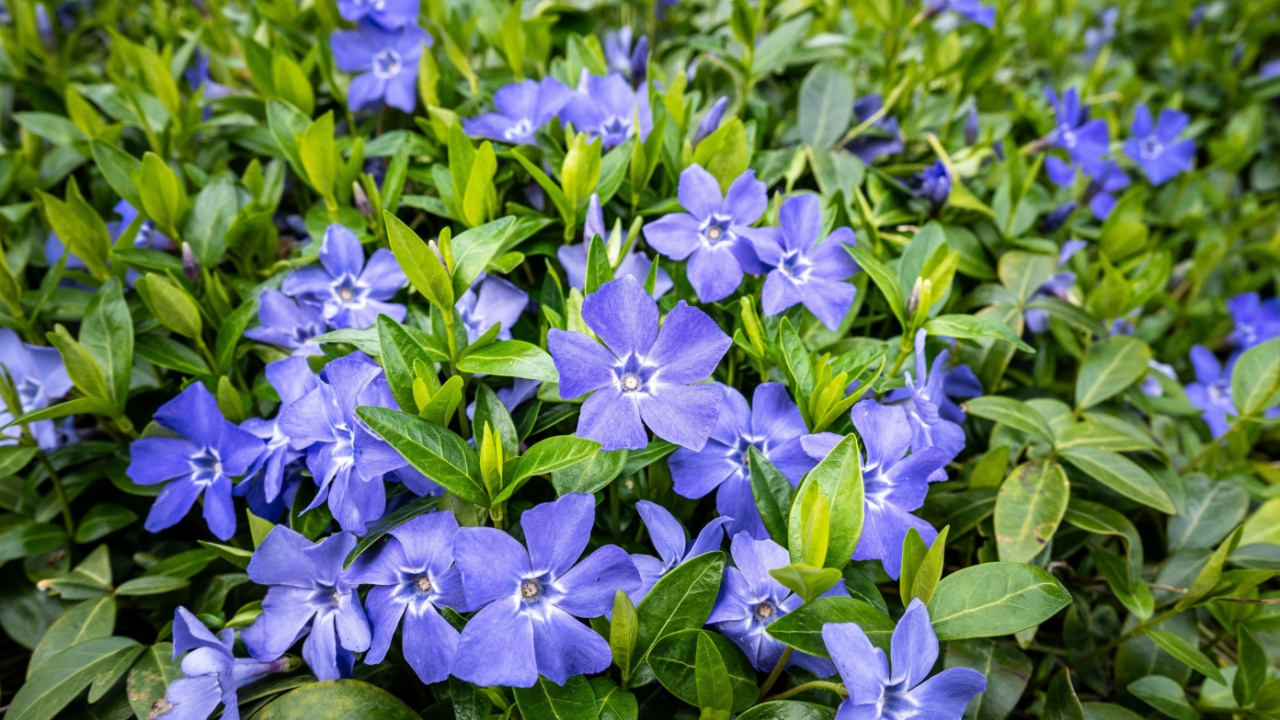
If you have a hot, dry spot that kills everything else, annual vinca is your plant.
It blooms nonstop through summer heat, tolerates drought once established, and is ignored by deer and rabbits, a genuinely rare combination. It comes in reds, pinks, corals, lavenders, and whites, and newer varieties now include blue-purple tones that stand out in any planting.
Costa Farms calls vinca a fabulous problem-solving plant because it checks nearly every difficult-garden box at once: heat tolerance, drought resistance, continuous bloom, and deer resistance.
7. Impatiens
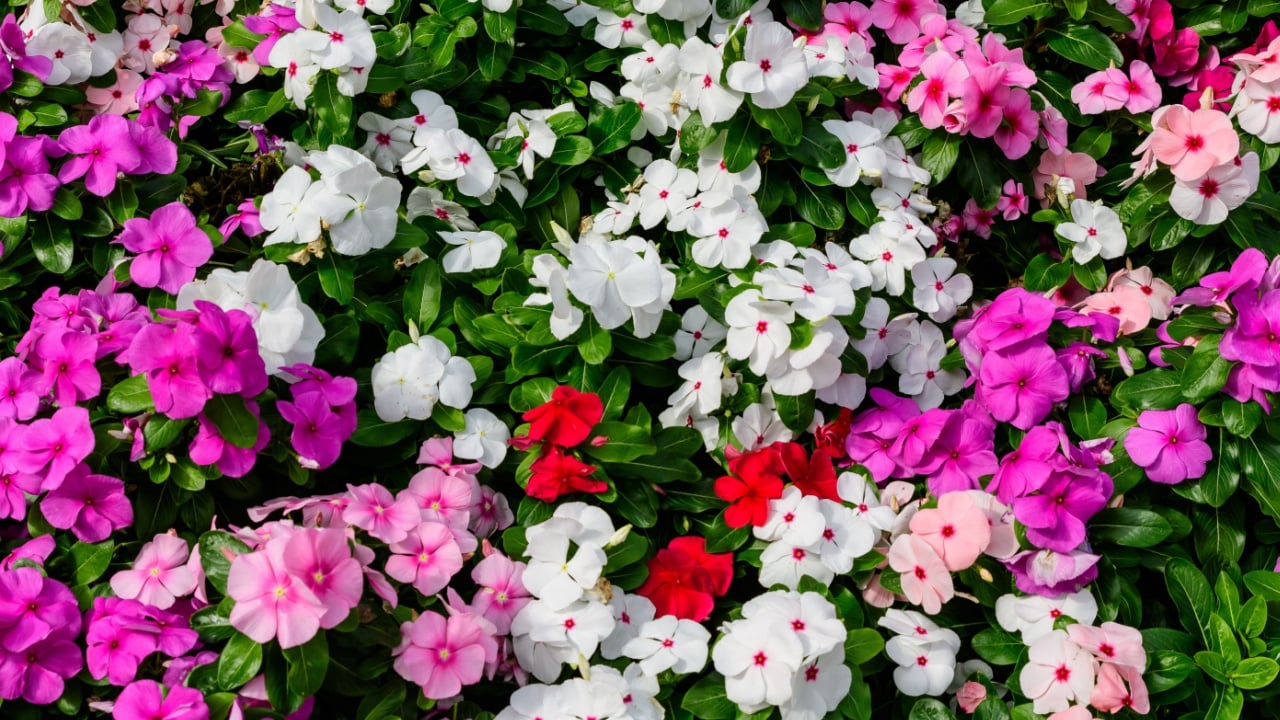
Shade is the condition most annuals cannot handle, and impatiens are the exception.
They produce rich color in reds, pinks, whites, and purples under trees, on north-facing porches, and in any spot that gets fewer than 4 hours of sun. Keep the soil moist and add fertilizer monthly, and they will bloom from planting through frost without complaint.
Westwood Gardens notes that SunPatiens, a newer impatiens variety, brings the same shade-loving color to full-sun spots that would ordinarily be too hot for standard impatiens, effectively doubling the situations where this plant works.
8. Lantana
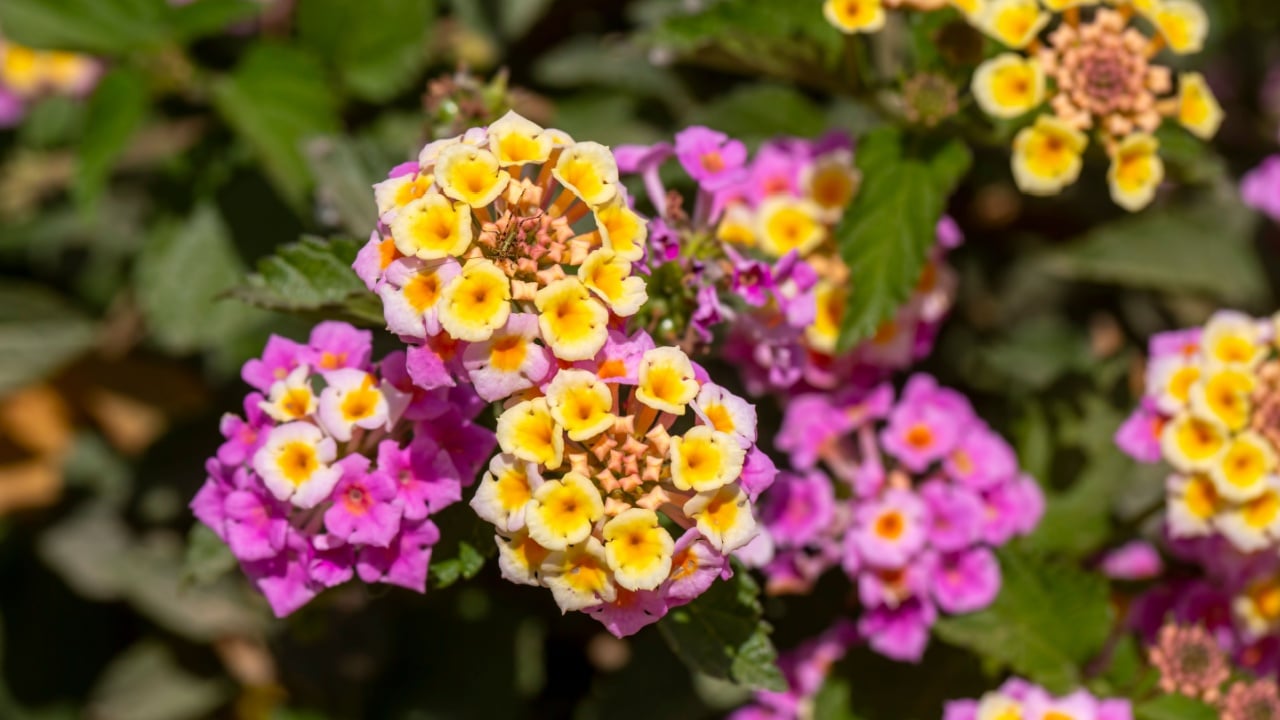
Lantana is the annual for gardeners who live somewhere genuinely hot.
It thrives when other plants give up, attracts butterflies in significant numbers, and newer sterile varieties bloom harder and longer than older types without reseeding aggressively. Plant it in full sun and essentially walk away. It handles heat, humidity, and drought with ease.
Westwood Gardens describes lantana simply as tough as nails and butterfly-approved, noting that it is one of the highest-performing full-sun annuals in warm-summer regions.
9. Snapdragon
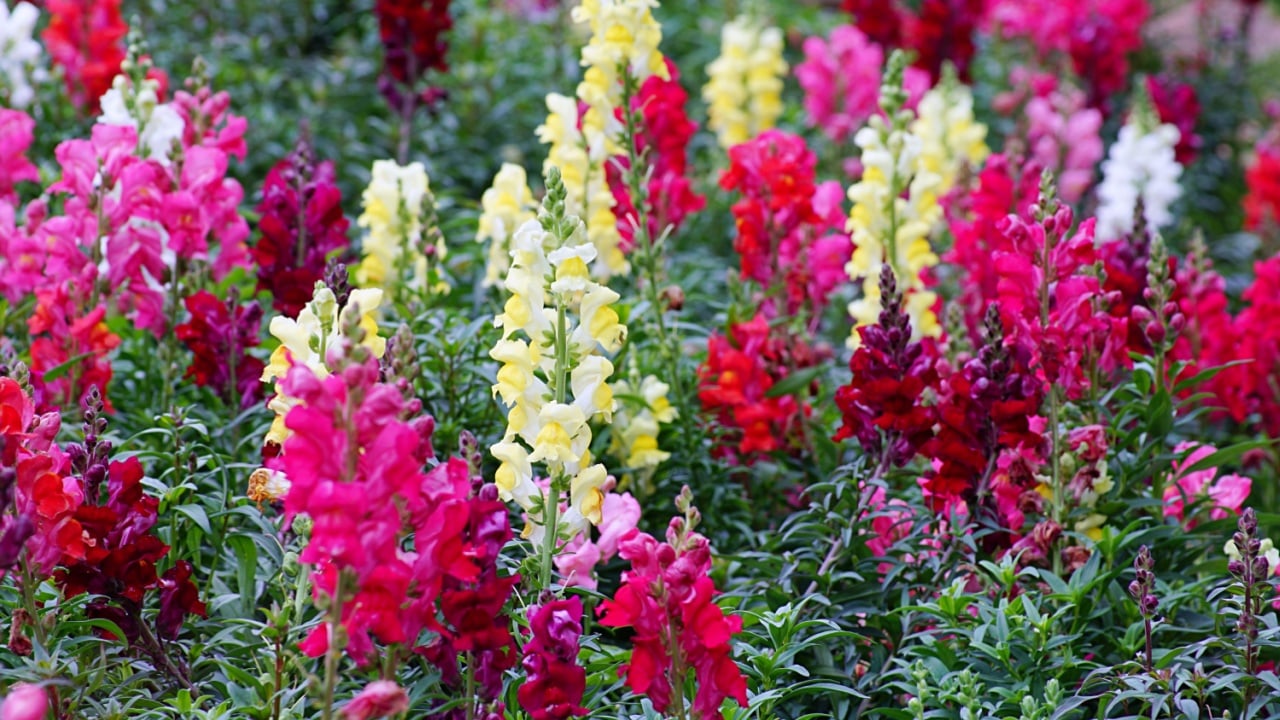
Snapdragons give you something no summer annual can: color in April and early May, when the rest of your garden is still waking up.
They tolerate frost, attract the season’s first bumblebees, and are available in heights from 8-inch border mounds to 36-inch cut-flower spikes. Deadhead the spent blooms, and they will rebloom two or three more times before the heat of summer arrives.
Costa Farms calls snapdragons tried-and-true classics because they are wonderfully easy to grow, thrive in practically any sunny spot, and continue blooming all summer long in most climates.
10. Nasturtium
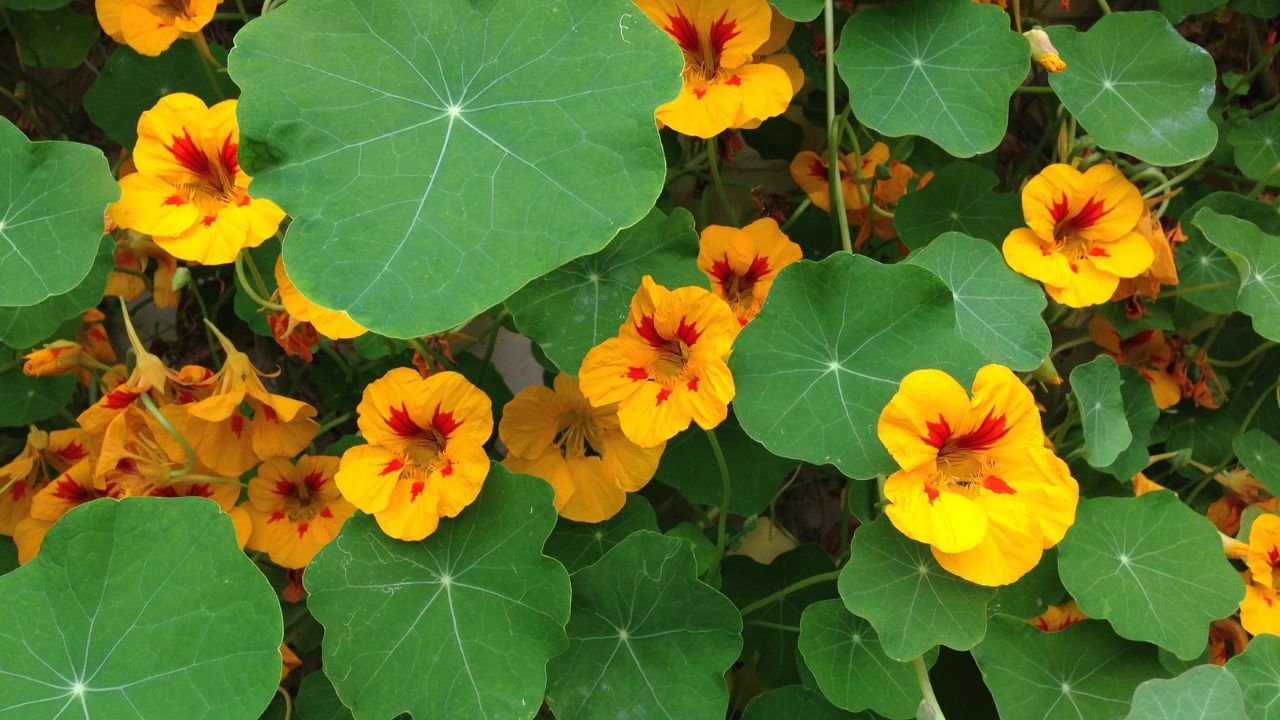
Nasturtiums reach full bloom in about 60 days and earn every inch of space they occupy.
They are fully edible (flowers, leaves, and seed pods), act as a trap crop that lures aphids away from vegetables, and bloom in sunny yellows, oranges, and reds that make a vegetable garden look like a cottage garden. They actually prefer slightly poor soil and less fertilizer, making them one of the most forgiving plants a beginner can grow.
According to Real Simple, nasturtiums are known both as a natural pest repellent and a delicious edible flower, a combination that makes them especially worthwhile in kitchen gardens.
The One Habit That Keeps Your Annuals Blooming Through October
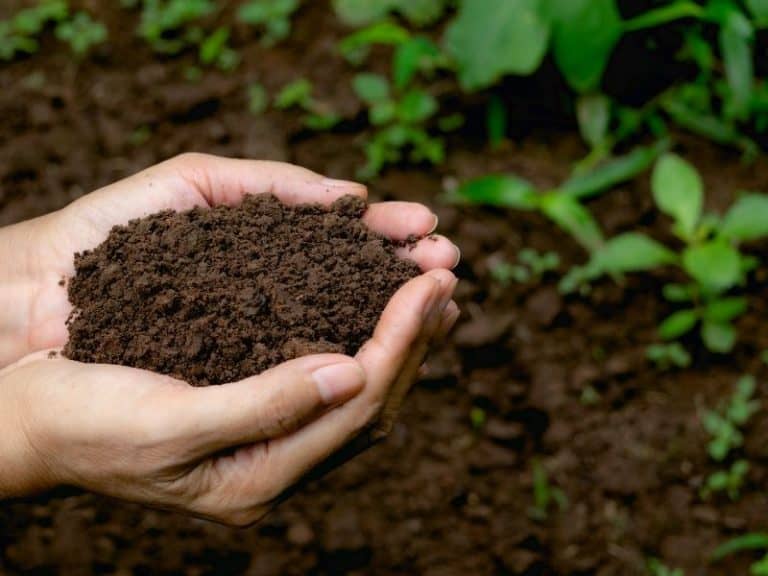
Most of these annuals need only one thing beyond regular watering: a slow-release fertilizer applied at planting and again in midsummer. Gardeners who skip the midsummer feeding often find their annuals looking tired by August, not because of the heat, but because the soil is depleted.
As Shiplap and Shells notes, using a balanced flower fertilizer such as a 5-10-5 or 10-10-10 and feeding regularly (without overdoing it) is one of the easiest ways to keep a flower garden thriving from season to season. A $10 bag of slow-release granules is the cheapest upgrade to your late-summer garden.
One more thing: mulch. A 2-to-3-inch layer of shredded bark around your annuals retains moisture, suppresses weeds, and keeps soil temperatures even through heat spikes. Gardeners who mulch consistently water less frequently and see more sustained blooms than those who skip it. It takes 20 minutes and pays off for months.
Pick two or three of these annuals as your starting point. Plant them in the tight-bud stage, give them a slow-release fertilizer boost, and mulch around the base. That combination alone will give you color that most neighbors will be asking about all summer long.
Read more:
Direct Sow These 9 Seeds in June Before the Window Closes for Good
June Is National Pollinator Month. Are You Accidentally Harming the Bees You Want to Help?