
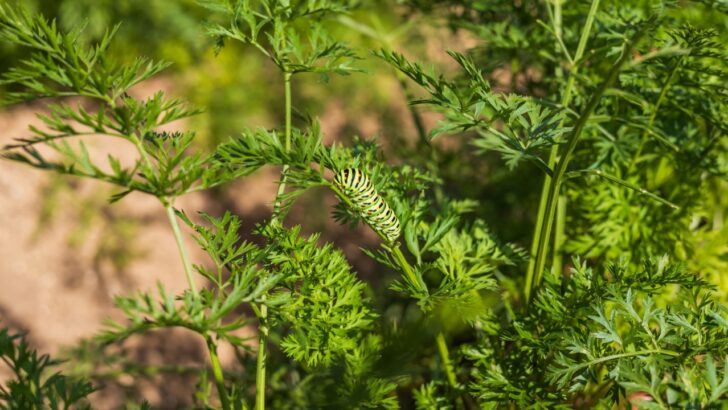
You’ve poured your heart, time, and energy into cultivating a beautiful garden. You’ve planted seeds, nurtured sprouts, and watched your plants grow. But just as you’re about to enjoy the fruits of your labor, you notice unwelcome visitors. Pests have a knack for showing up uninvited, turning a thriving garden into a battleground. Often, it’s small, unintentional habits in our gardening routine that roll out the welcome mat for these pesky creatures.
You can create a less inviting environment for pests without resorting to harsh chemicals. We will walk you through 11 common gardening mistakes that might be attracting pests and provide simple, actionable solutions to keep your garden flourishing.
1. Overwatering Your Garden
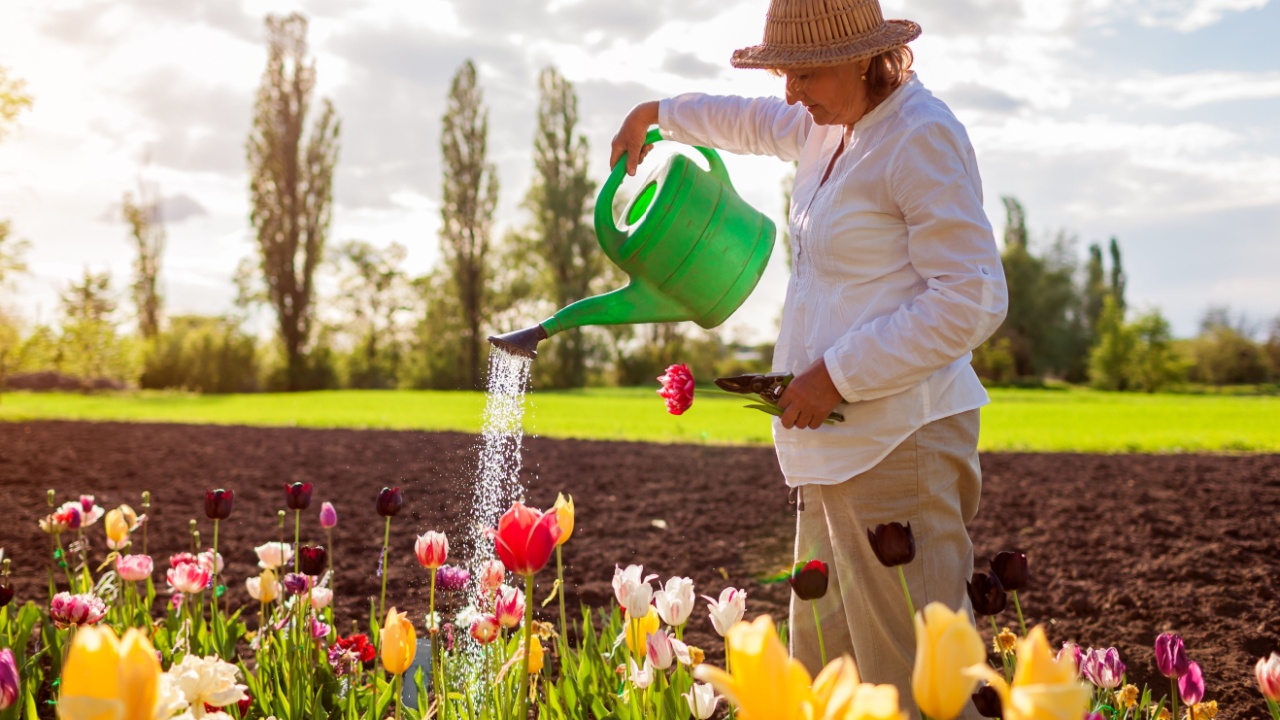
Image Credit: Shutterstock.
It seems counterintuitive (especially in those hot summer months), but too much of a good thing can be a major problem. While water is essential for plant life, excess moisture creates the perfect breeding ground for a host of pests. Fungi, gnats, slugs, snails, and mosquitoes thrive in damp, boggy conditions. Overwatering can also lead to root rot, which weakens your plants and makes them more susceptible to infestation and disease. When soil is constantly saturated, it lacks the oxygen that roots need to breathe. Stressed plants send out signals that pests can easily detect, making your garden a prime target. Mosquitoes will lay eggs in any standing water, even small puddles, turning your peaceful oasis into a buzzing nuisance.
How to Fix It: Establish a consistent watering schedule based on your plants’ specific needs and your local climate. Check the soil moisture before turning on the hose; a good rule is to water deeply but infrequently. You can test this by inserting your finger about two inches into the soil. If it feels dry at that depth, it’s time to water. Consider using a drip irrigation system or a soaker hose to deliver water directly to the roots, minimizing surface moisture. Using well-draining soil and containers with drainage holes is also crucial to prevent water from pooling.
Quick-Fix Summary:
Problem: Excess water creates a habitat for slugs, mosquitoes, and gnats.
Solution: Water deeply but less often. Check soil moisture before watering and ensure good drainage.
2. Ignoring Standing Water Sources
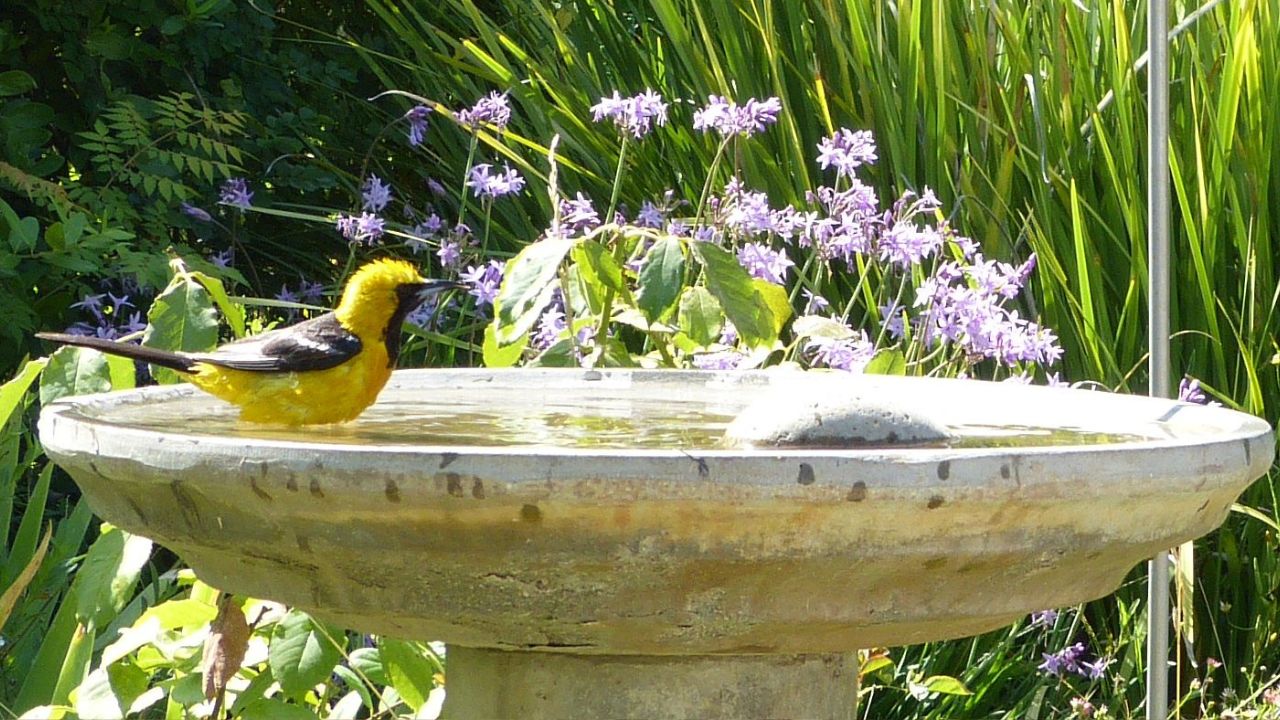
Image Credit: Mike’s Birds from Riverside, CA, US – CC BY-SA 2.0/Wiki Commons.
Overwatering your garden beds isn’t the only way to create a pest paradise. Any object that collects water can quickly become a breeding hot spot, especially for mosquitoes. These insects can go from egg to flying adult in as little as a week in the right conditions. Common culprits include bird baths with stagnant water, clogged gutters, upturned wheelbarrows, empty pots, and even rain barrels that aren’t properly sealed. What you might see as a harmless puddle, a mosquito sees as a nursery for hundreds of offspring.
How to Fix It: Perform a weekly “water check” around your yard. Empty any containers holding stagnant water. For bird baths, refresh the water at least once or twice a week. Ensure your rain barrels are covered with a fine mesh screen to keep insects out while letting water in. If you have low spots in your yard where water tends to pool, consider regrading the area or filling it in with soil or gravel to promote better drainage.
Quick-Fix Summary:
Problem: Standing water in bird baths, pots, and low spots breeds mosquitoes.
Solution: Empty or refresh all standing water sources at least weekly. Cover rain barrels and fix drainage issues.
3. Not Cleaning Up Decaying Matter
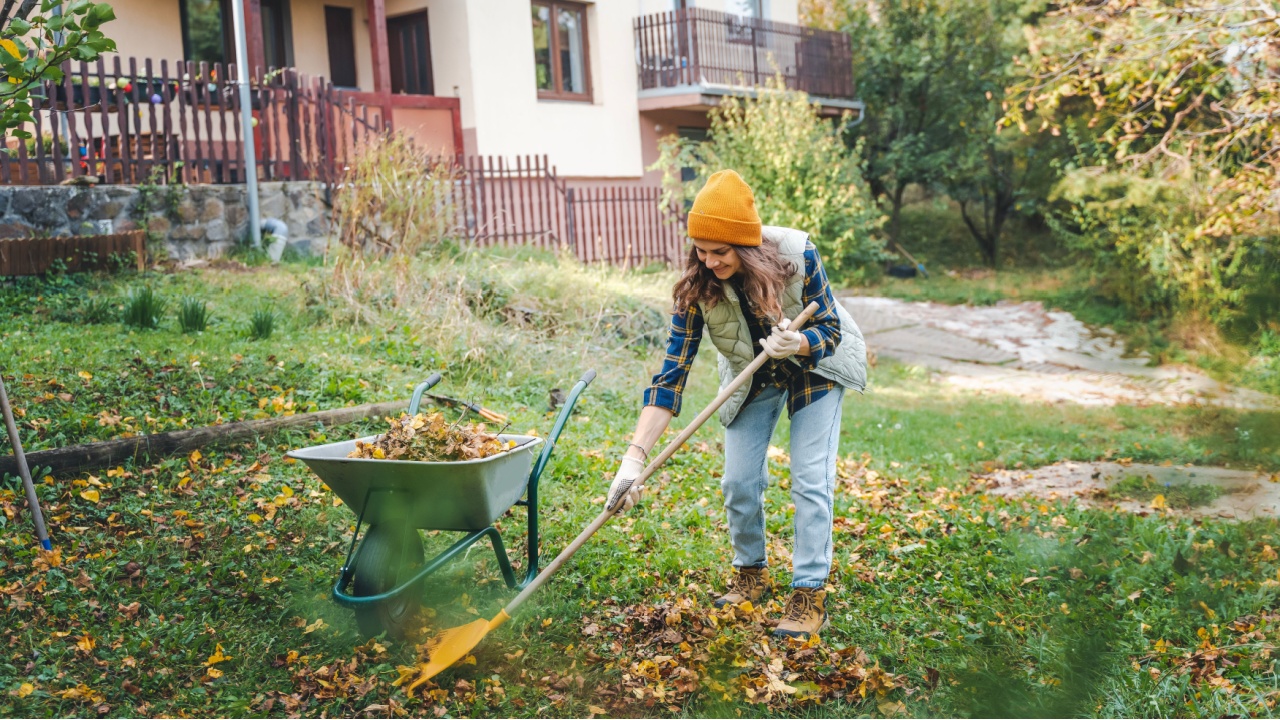
Image Credit: Shutterstock.
A messy garden is an open invitation for pests. Fallen leaves, overripe fruit that has dropped from a tree, and other dead organic debris provide the perfect shelter and food source for creatures you’d rather not have around. Slugs, snails, earwigs, and rodents love to hide, feed, and reproduce in these decaying materials. Rotting fruit is particularly problematic, as its sweet, fermenting scent is a powerful attractant for fruit flies, ants, wasps, and even larger animals like raccoons. Leaving this debris on the ground allows pest populations to grow unchecked, creating a problem that can quickly spread to your healthy plants.
How to Fix It: Make a habit of tidying up your garden regularly. Take a daily or weekly stroll with a bucket to collect any fallen leaves, spent blooms, and dropped fruit or vegetables. Prune away dead or dying branches from your plants. This not only removes potential pest habitats but also improves air circulation, which helps prevent fungal diseases. Add the collected organic matter to a well-maintained compost bin or your municipal yard waste container.
Quick-Fix Summary:
Problem: Fallen leaves and rotting fruit provide food and shelter for pests.
Solution: Clean up garden debris, including dropped fruit and dead leaves, regularly.
4. Having a Poorly Maintained Compost Bin

Image Credit: Shutterstock.
Composting is a fantastic way to recycle kitchen scraps and yard waste into nutrient-rich soil for your garden. However, an improperly managed compost pile can quickly become a five-star resort for pests. If your bin is open, uncovered, or contains the wrong materials, it will attract rodents, raccoons, flies, and ants. Adding meat, dairy, oily foods, or pet waste to your compost is a major mistake. These items decompose slowly and create foul odors that are irresistible to scavengers and vermin. A compost pile that is too wet or not turned regularly can also become a breeding ground for insects.
How to Fix It: First, learn what should and shouldn’t be composted. Stick to “greens” like vegetable scraps and grass clippings, and “browns” like dried leaves and cardboard. Avoid meat, fats, and dairy. Use a compost bin with a secure, tight-fitting lid to keep animals out. If you have an open pile, ensure you maintain a good balance of green and brown materials and turn it regularly to aerate the pile and speed up decomposition. This generates heat that helps deter many pests.
Quick-Fix Summary:
Problem: Open or improperly balanced compost attracts rodents, flies, and other scavengers.
Solution: Use a lidded bin, avoid composting meat and dairy, and maintain a healthy green-to-brown ratio.
5. Eliminating All Bugs
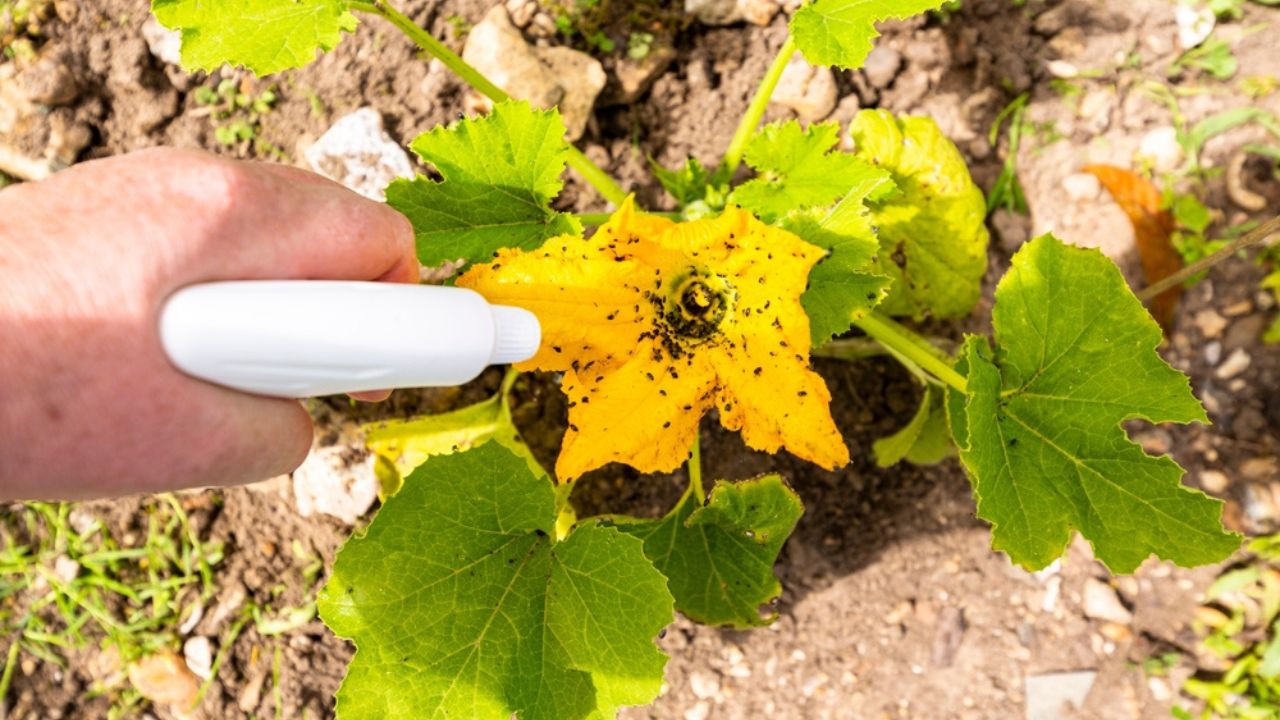
Image Credit: Shutterstock.
It’s a natural reaction to see a bug and want it gone. But it’s vital to remember that not all insects are enemies. In fact, experts estimate that 99% of the insect species you find in a garden are either beneficial or harmless. Beneficial insects are your garden’s free, built-in pest control service. Ladybugs, lacewings, parasitic wasps, and hoverflies feast on common pests like aphids, mites, and caterpillars. When you use broad-spectrum insecticides, you wipe out these natural predators along with the pests. This disrupts the garden’s ecosystem and can lead to a rebound effect, where pest populations explode because their natural enemies are no longer there to keep them in check.
How to Fix It: Learn to identify the good bugs from the bad. Before reaching for a spray, observe the insect and its behavior. If you do need to intervene, choose targeted, eco-friendly solutions like insecticidal soap or neem oil, and apply them surgically only to the affected plants. Encourage beneficial insects to make your garden their home by planting flowers they love, such as dill, fennel, yarrow, and cosmos.
Quick-Fix Summary:
Problem: Killing all insects, including beneficial ones, removes natural pest control.
Solution: Learn to identify beneficial bugs and avoid broad-spectrum pesticides. Attract predators with specific plants.
6. Lacking Plant Diversity (Monoculture Planting)
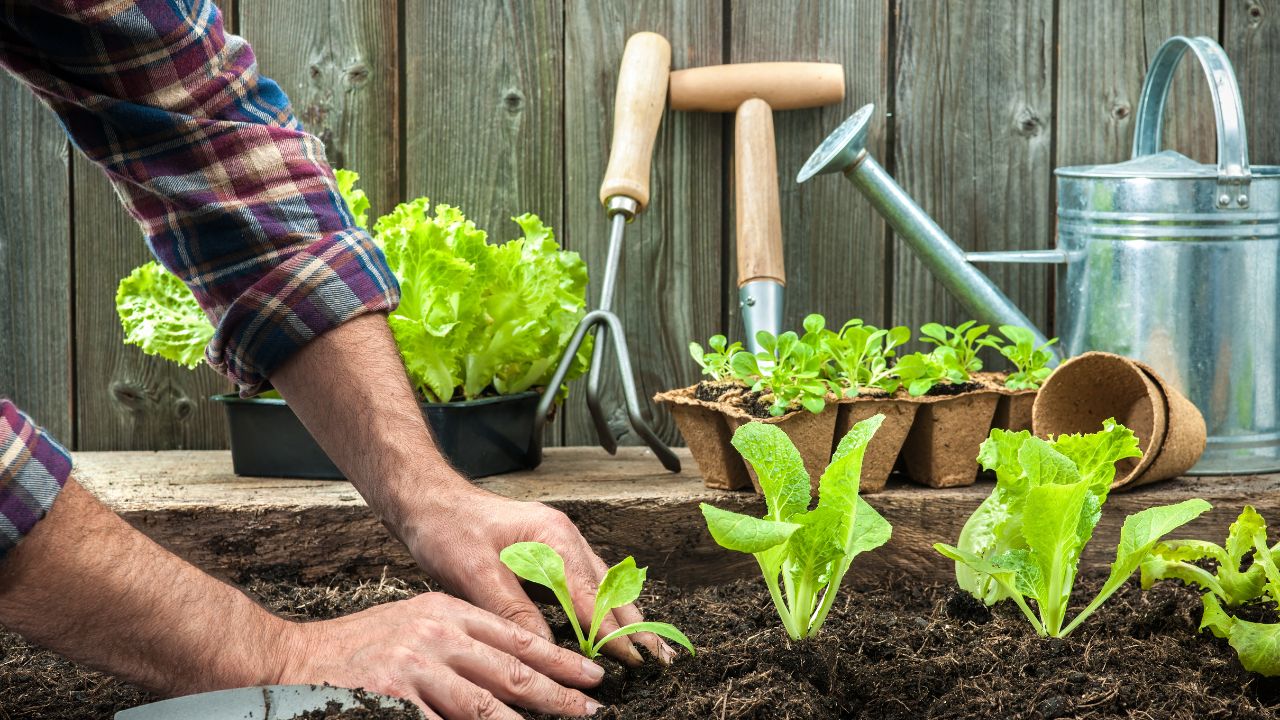
Image Credit: Shutterstock.
Planting large swathes of a single type of crop, a practice known as monoculture, is like setting up an all-you-can-eat buffet for pests that specialize in that plant. Pests like squash bugs or tomato hornworms can quickly decimate a garden when their favorite food source is abundant and easy to find. Monoculture also depletes soil nutrients more quickly, as all the plants have the same nutritional needs. This leads to weaker plants that are more vulnerable to both pests and diseases. A garden with minimal plant diversity is a fragile system waiting for a problem.
How to Fix It: Embrace polyculture, or the practice of planting a variety of crops together. Mix your vegetables, herbs, and flowers. This technique, also known as companion planting, confuses pests and makes it harder for them to locate their target host plants. Certain plants can also repel pests or attract beneficial insects that prey on them. For example, planting marigolds can deter nematodes, while planting basil near tomatoes can help repel tomato hornworms.
Quick-Fix Summary:
Problem: Planting only one type of crop creates a feast for specific pests.
Solution: Diversify your garden with companion planting. Mix vegetables, herbs, and flowers to confuse pests.
7. Planting at the Wrong Time
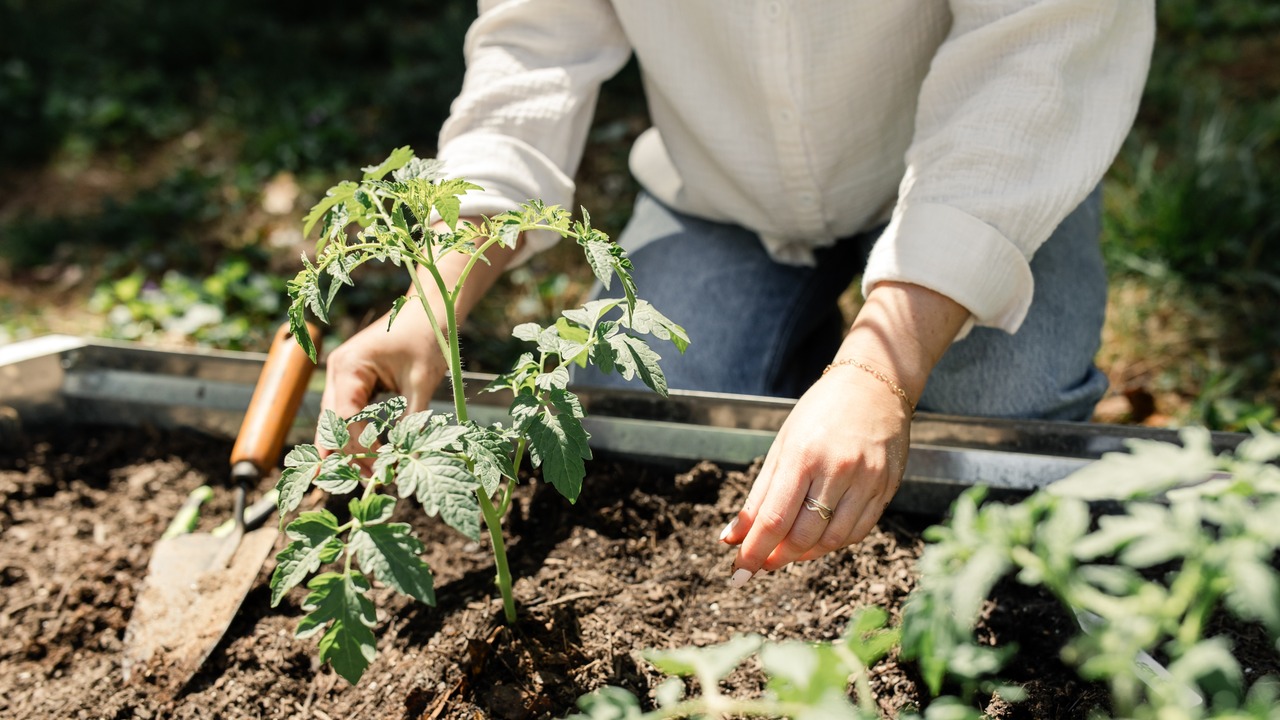
Image Credit: Shutterstock.
Timing is everything in the garden. Each plant has an ideal window for planting that aligns with its preferred temperature, sunlight, and growth cycle. Planting too early or too late in the season can put your plants under significant stress, making them easy targets for opportunistic pests and diseases. For example, planting tender summer vegetables like squash or beans too early, when the soil is still cold and damp, can lead to slow growth and rot. These struggling seedlings are highly attractive to pests like cutworms and slugs. Conversely, planting cool-weather crops like broccoli too late may cause them to mature in the summer heat, stressing them and attracting aphids.
How to Fix It: Follow the planting calendar for your specific growing zone. You can find this information on seed packets, online, or from your local agricultural extension office. Pay attention to soil temperature, not just air temperature, as it is a critical factor for germination and root development. By planting within the optimal window, you give your plants the strongest possible start, making them robust enough to naturally fend off many pests.
Quick-Fix Summary:
Problem: Planting outside the ideal seasonal window stresses plants, making them vulnerable.
Solution: Follow a planting calendar for your region and ensure soil temperatures are right for your chosen plants.
8. Not Growing Insect-Repellent Plants

Image Credit: Shutterstock.
Your plants don’t have to be defenseless. Nature has provided a whole arsenal of plants that naturally repel common garden pests. By strategically incorporating these into your garden design, you can create a protective barrier that deters pests without any extra effort on your part. Many aromatic herbs and flowers contain strong-smelling essential oils that pests find unpleasant. These scents can mask the smell of your prized vegetables, effectively hiding them from insects like aphids, cabbage moths, and squash bugs.
How to Fix It: Interplant aromatic herbs and flowers throughout your vegetable beds. Some excellent choices include:
- Basil: Helps repel tomato hornworms, asparagus beetles, and flies.
- Mint: Deters ants and aphids (plant in pots, as it spreads aggressively).
- Lavender: Repels moths, fleas, and mosquitoes.
- Rosemary and Thyme: Can deter cabbage moths and carrot flies.
- Marigolds: Known for repelling nematodes and other pests.
- Nasturtiums: A great “trap crop” for aphids, luring them away from other plants.
Quick-Fix Summary:
Problem: A garden without repellent plants is more attractive to pests.
Solution: Integrate aromatic herbs and flowers like basil, mint, lavender, and marigolds to naturally deter insects.
9. Not Understanding the Insects in Your Garden
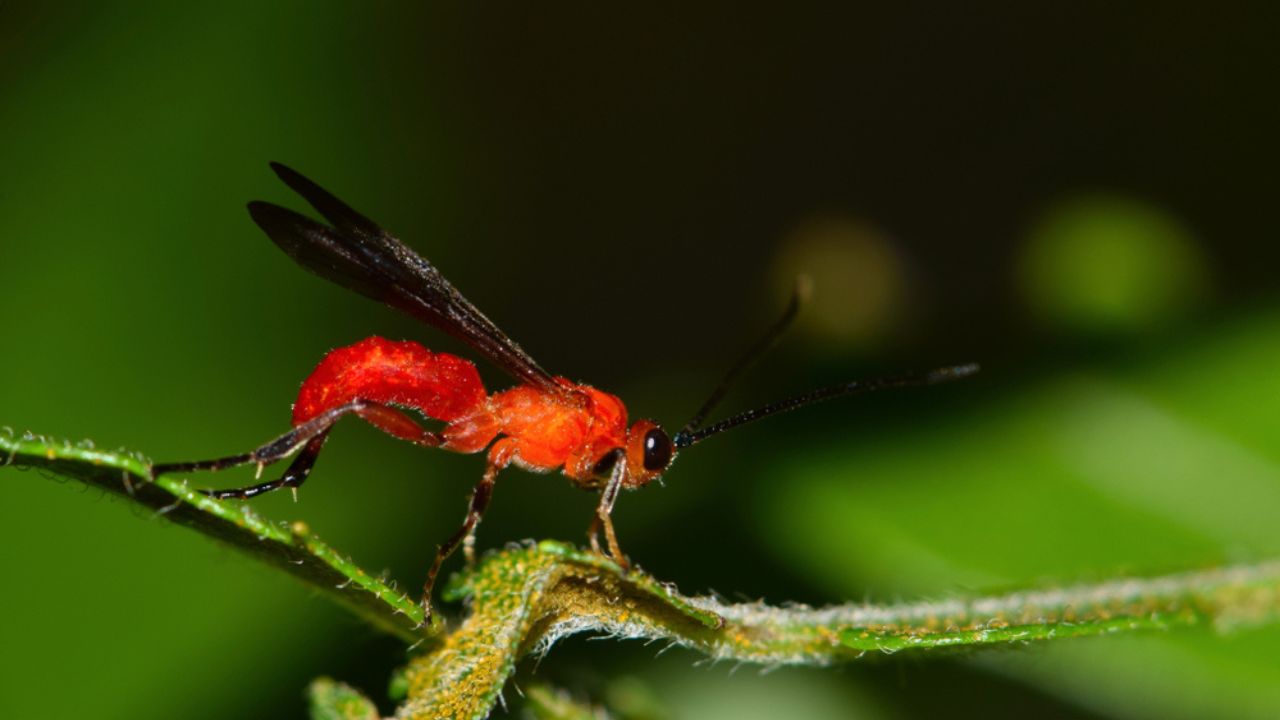
Image Credit: Shutterstock.
As mentioned earlier, eliminating all critters is not the goal. Unfortunately, fear and lack of knowledge can lead to poor pest management decisions. When you see a wasp, your first instinct might be to destroy it. However, many wasp species are actually parasitoids that are incredibly beneficial to your garden. These wasps lay their eggs inside pest caterpillars, like the destructive tomato hornworm, and their larvae consume the pest from the inside out. By not being able to distinguish friend from foe, you might inadvertently eliminate a crucial ally in your fight against pests. Proper identification is the first step toward effective and sustainable pest control.
How to Fix It: Take time to learn about the common insects in your region. Use a field guide or a mobile app to help identify what you see. Observe their behavior. Are they eating your plants, or are they hunting other insects? This knowledge will empower you to make informed decisions, protecting the beneficial organisms that help your garden thrive while targeting only the true pests.
Quick-Fix Summary:
Problem: Mistaking beneficial insects for pests leads to eliminating your garden’s natural allies.
Solution: Learn to identify common garden insects to distinguish between helpful predators and harmful pests.
10. Leaving Pet Food or Bird Feeders Nearby
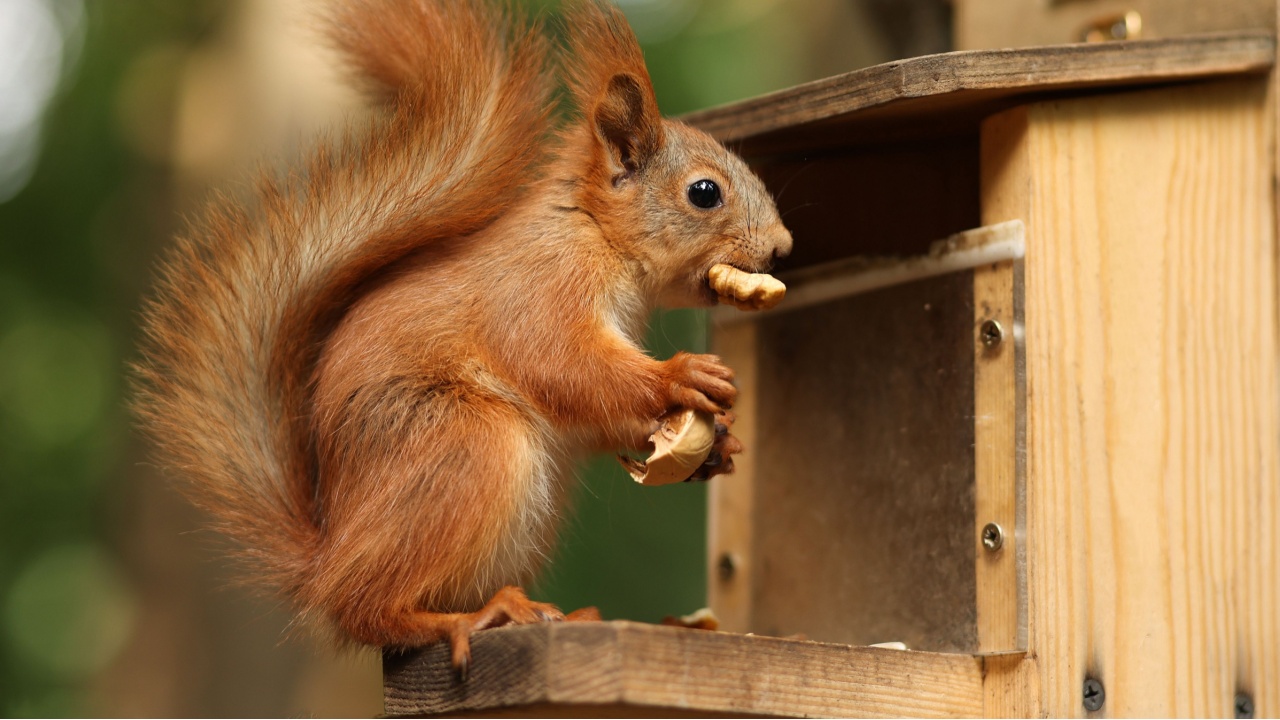
Image Credit: Shutterstock.
Pests are always on the lookout for an easy meal, and it doesn’t always have to come from your plants. Pet food bowls left outside and bird feeders can be a major attractant for a wide range of unwanted guests, including squirrels, ants, rodents, raccoons, and slugs. Birdseed that spills onto the ground is a magnet for mice and rats. Similarly, the rich and sugary nectar in hummingbird feeders can attract ants and wasps just as effectively as it attracts hummingbirds. When these pests are drawn to your yard for one food source, they are more likely to discover and move on to your garden.
How to Fix It: Keep all animal feeding stations well away from your garden area. If you feed pets outdoors, pick up the bowls and any leftover food as soon as they are finished eating. Position bird feeders closer to your house and away from vegetable beds. Use baffles to deter squirrels and rodents, and clean up spilled seed regularly. For hummingbird feeders, use ant moats to prevent ants from crawling down and accessing the nectar.
Quick-Fix Summary:
Problem: Pet food and birdseed attract rodents, ants, and other pests to your yard.
Solution: Keep all feeding stations away from the garden, and clean up any spilled or uneaten food promptly.
11. Ignoring the Weeds

Image Credit: Shutterstock.
Weeds do more than just compete with your plants for water, sunlight, and nutrients. They also provide excellent shelter and breeding grounds for a variety of garden pests. Aphids, mites, and whiteflies often colonize weeds first before moving on to your more valuable vegetable and flower plants. Thick patches of weeds can obstruct airflow, creating the humid conditions that slugs and fungal diseases love. Some weeds can even act as “host plants” for diseases that can later spread to your cultivated crops. Allowing weeds to grow unchecked is like giving pests a safe house right next to their favorite food source.
How to Fix It: Be diligent about weed management. The most effective method is to pull them by hand when they are young and before they have a chance to set seed. Applying a thick layer of mulch (2-3 inches) around your plants is another excellent strategy. Mulch suppresses weed growth by blocking sunlight, and it also helps retain soil moisture and regulate soil temperature. For persistent weed problems, use a garden hoe to disrupt new growth on a weekly basis.
Quick-Fix Summary:
Problem: Weeds provide shelter and act as host plants for pests and diseases.
Solution: Weed regularly by hand-pulling or hoeing. Apply a thick layer of mulch to suppress weed growth.
Maintaining to a Pest-Resistant Garden

Image Credit: Shutterstock.
Creating a garden that is naturally resistant to pests doesn’t require a complete overhaul; it just requires a thoughtful approach. Start by choosing one or two mistakes from this list that you might be making.
This week, focus on cleaning up fallen debris and checking for standing water. Next, consider adding a few companion plants like marigolds or basil to your garden beds. By making these small, incremental changes, you can shift the balance of your garden’s ecosystem in your favor. A healthy, diverse, and well-maintained garden is your best defense. It will be less attractive to pests, plus it will also be more resilient, productive, and enjoyable for you.