
In 1965, produce didn’t come in shrink wrap or get trucked in from five states away. Backyards doubled as grocery aisles, with families eating whatever was ripe, ready, or canned last summer. Victory Gardens were fading, but the homegrown mindset hadn’t.
Tomatoes, beans, onions, lettuce, and cucumbers weren’t used as influencer props; they were dinner. Milk came from local dairies, eggs from backyard hens, and seasonal eating wasn’t a trend. So, here’s the real question: Can you go for a full month today without buying a single fruit or vegetable from the store? And do it without getting scurvy from eating only ramen every day?
Would you like to see if your modern yard can pull off a throwback mission? These 13 points will get you there.
1. Grow What You Already Cook

Image Credit: Shutterstock.
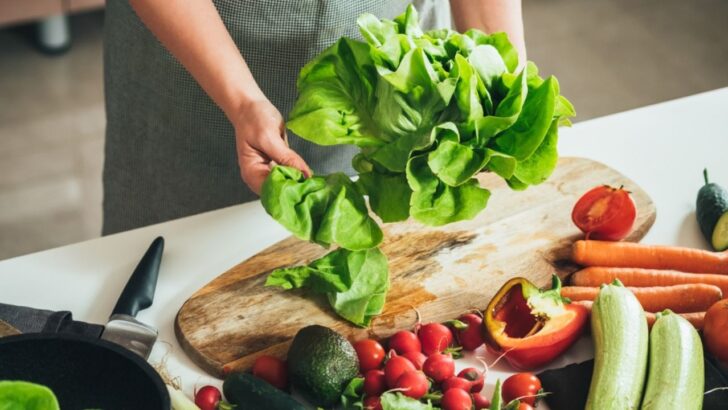
I know you want to add Ratatouille to your menu for the challenge, but start by looking at your regular meals. Not Pinterest ideas, but what you actually eat on a weekday. If meat loaf, salads, or stews are made often, grow the ingredients that show up in those dishes. Skip anything that sounds impressive but never lands on your plate.
Pick five staple meals and break them down. Tacos? That means lettuce, tomatoes, onions, and cilantro. For pasta night, that’s basil, garlic, and cherry tomatoes. Every square foot in your yard should serve something that gets eaten in your kitchen. Make your crop selection based on appetite, not aesthetics.
2. Build a Weekly Harvest Meal Plan
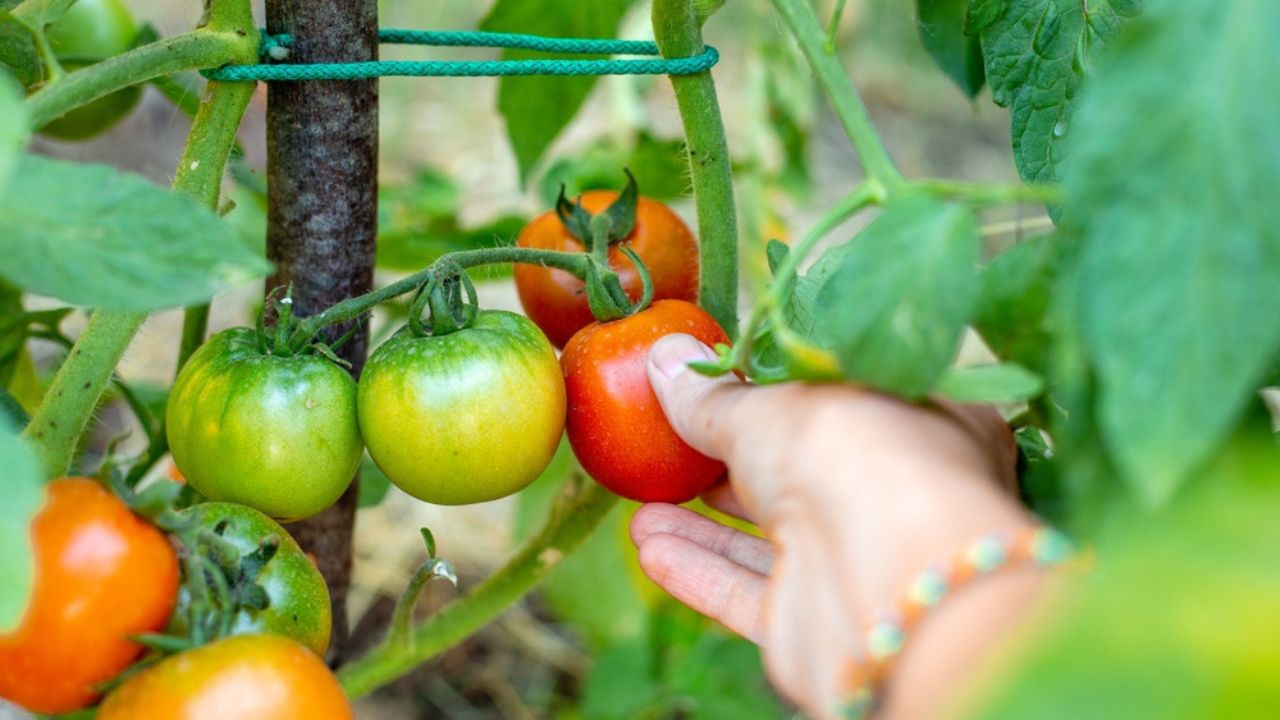
Image Credit: Shutterstock.
It’s OK to plant for fun, but this time, you’re also planting for function. That means aligning your garden output with your weekly meal rhythm. Treat it like grocery day, only now it’s harvest day. Pick a day each week to walk your space, take stock, and plan meals around what’s ready.
If the tomatoes are exploding, that’s soup, sauce, salad, and salsa. Greens coming in fast? That means breakfast scrambles, wraps, and quick sautés. This keeps your meals tied to the garden’s timing and avoids daily guessing games. You also avoid the irritating, “What’s for dinner today?” The answer is “whatever we harvest, baby.”
3. Use Short-Season Crops to Stay Fed Early
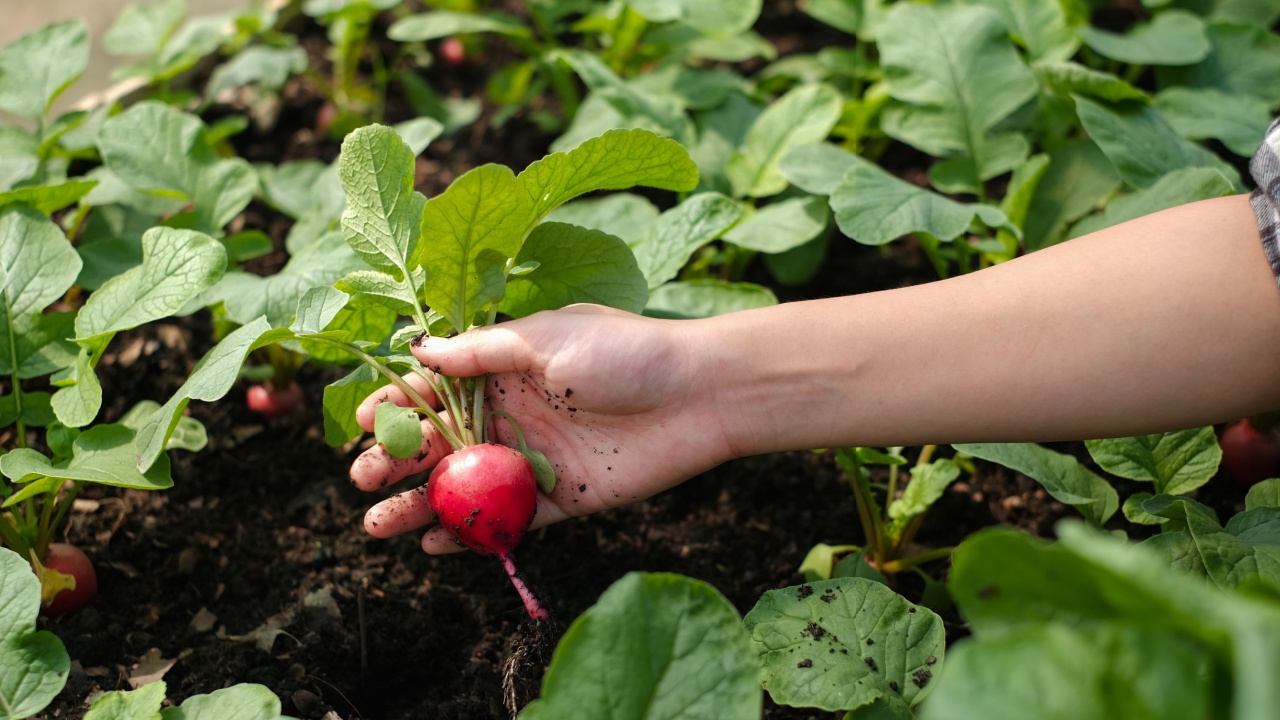
Image Credit: Shutterstock.
You don’t have to wait three months for a tomato. Short-season crops like radishes, arugula, lettuce, baby spinach, green onions, and snap peas hit the plate fast. Some of them are ready in under 30 days.
Start your month with these so you’re eating from the yard while the longer growers catch up. This one adjustment bridges the gap and keeps you from hitting the grocery store in week one. Plant them thick, harvest often, and reseed in waves to keep the supply moving.
4. Grow Fresh Herbs for Fast Flavor
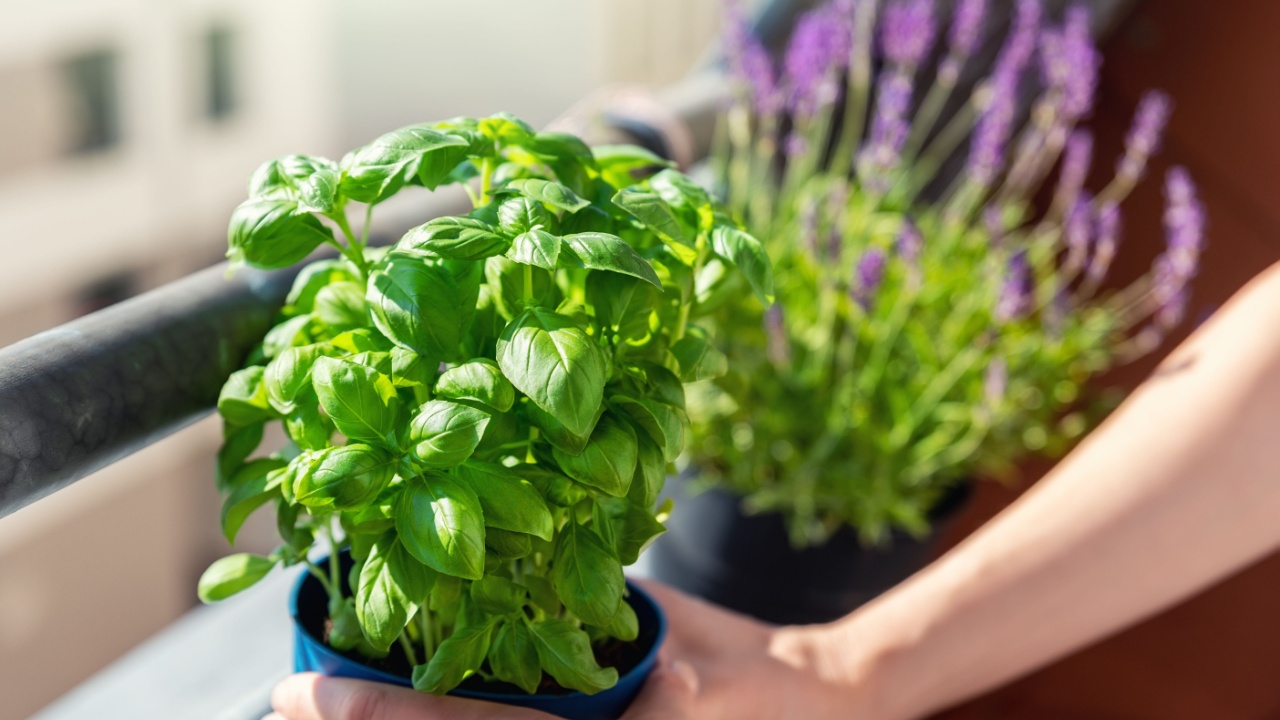
Image Credit: Shutterstock.
If you grow nothing else, grow herbs. They’re the most flavorful for the least effort. Basil, thyme, oregano, parsley, dill, cilantro, mint, and rosemary turn garden odds and ends into real meals.
A plain rice bowl with mint and parsley becomes tabbouleh. Roasted squash plus sage becomes dinner. You can mix and match any bland vegetable pile into something good with a handful of fresh herbs. That’s why old-school cooks leaned so heavily on their backyard herb patch. It wasn’t for looks.
5. Cook From Whole Plants, Not Just the Pretty Parts
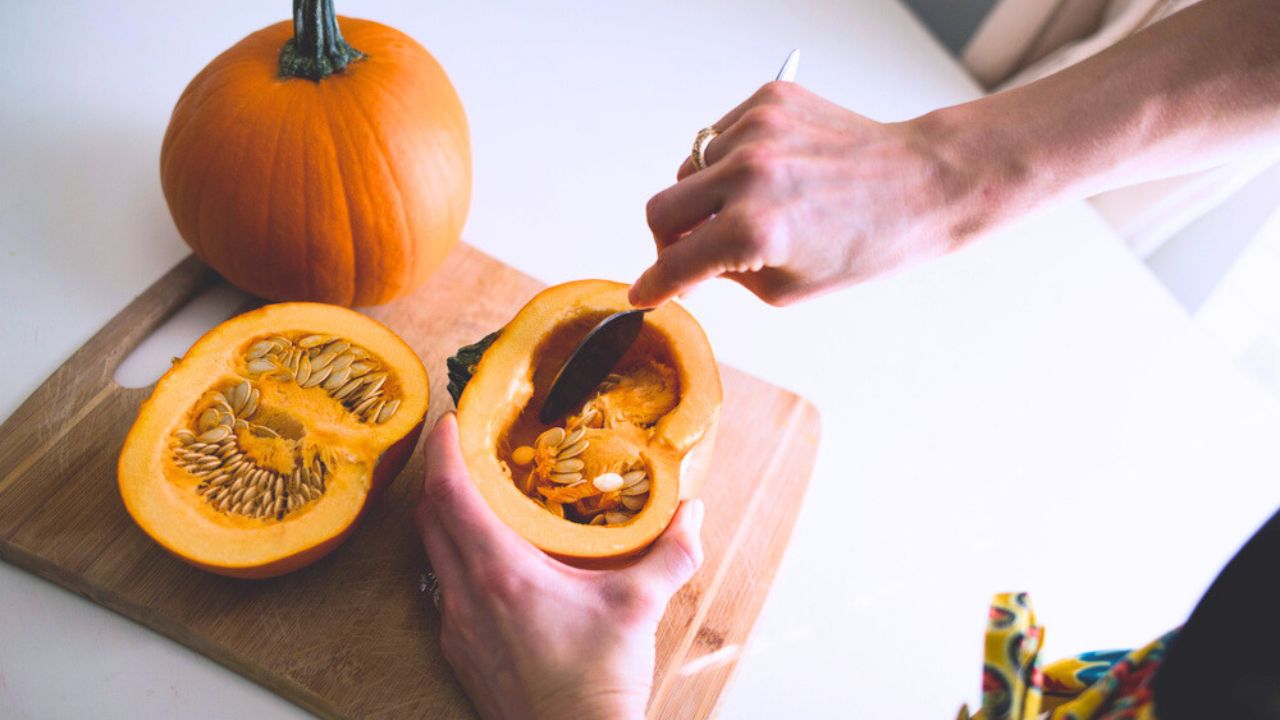
Image Credit: Shutterstock.
This is where 1965 families had the edge. They used the beet greens, not just the beets. They chopped broccoli stems, roasted squash seeds, and boiled corn cobs for stock. Today, people toss half their harvest without thinking.
Learn what every plant can give, and cook the whole plant. Carrot tops? Pesto. Radish greens? Salad. Pea pods? Soup stock. The more of the plant you use, the more meals you get without needing to grow twice as much. Just be careful with some, like potato leaves, which may be poisonous.
There is something satisfying about learning how to turn your “garbage” into dinner.
6. Use Succession Planting to Fill Gaps
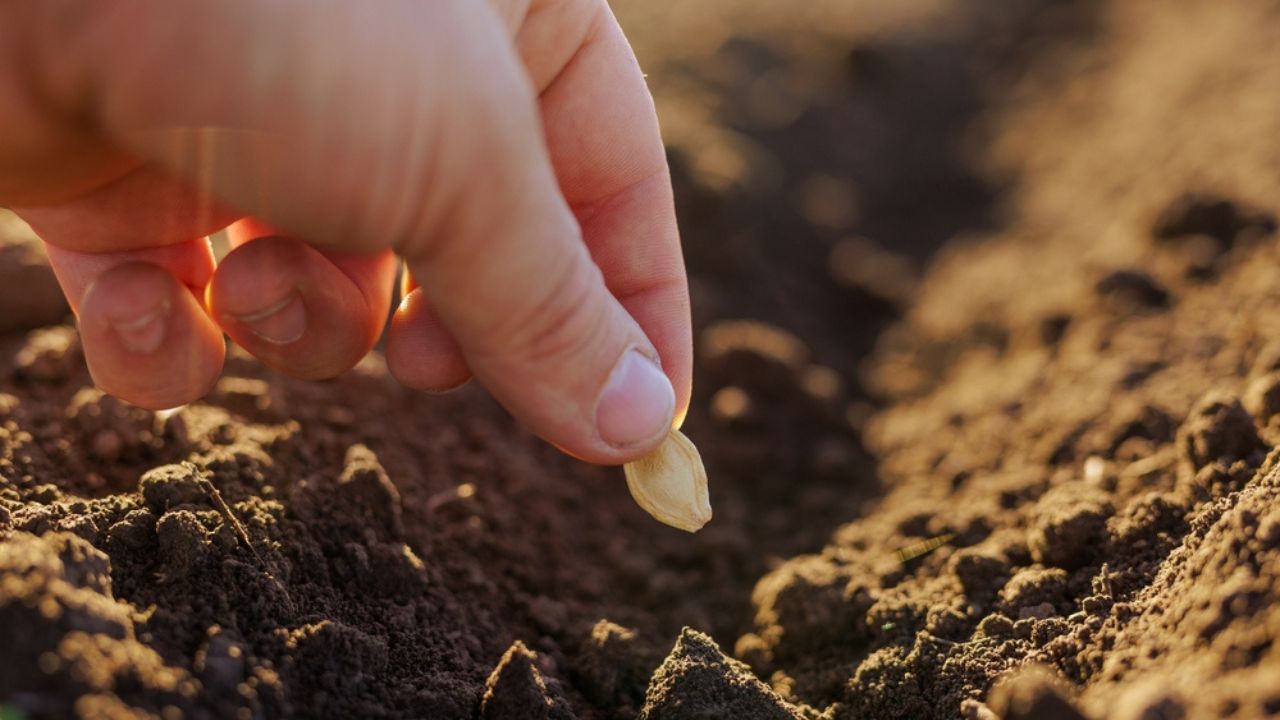
Image Credit: Shutterstock.
One of the biggest reasons modern gardens underperform is planting once and then stopping. The lettuce bolts, and then what? Nothing. In the past, people replanted constantly. It’s called succession planting, and it feeds you nonstop.
As soon as one crop finishes, a new one goes in. Pull radishes and replace them with bush beans. Harvest spinach and plant carrots. This keeps every inch of soil productive and stretches your fresh food window well past the first harvest wave.
7. Replace the Lawn with Food
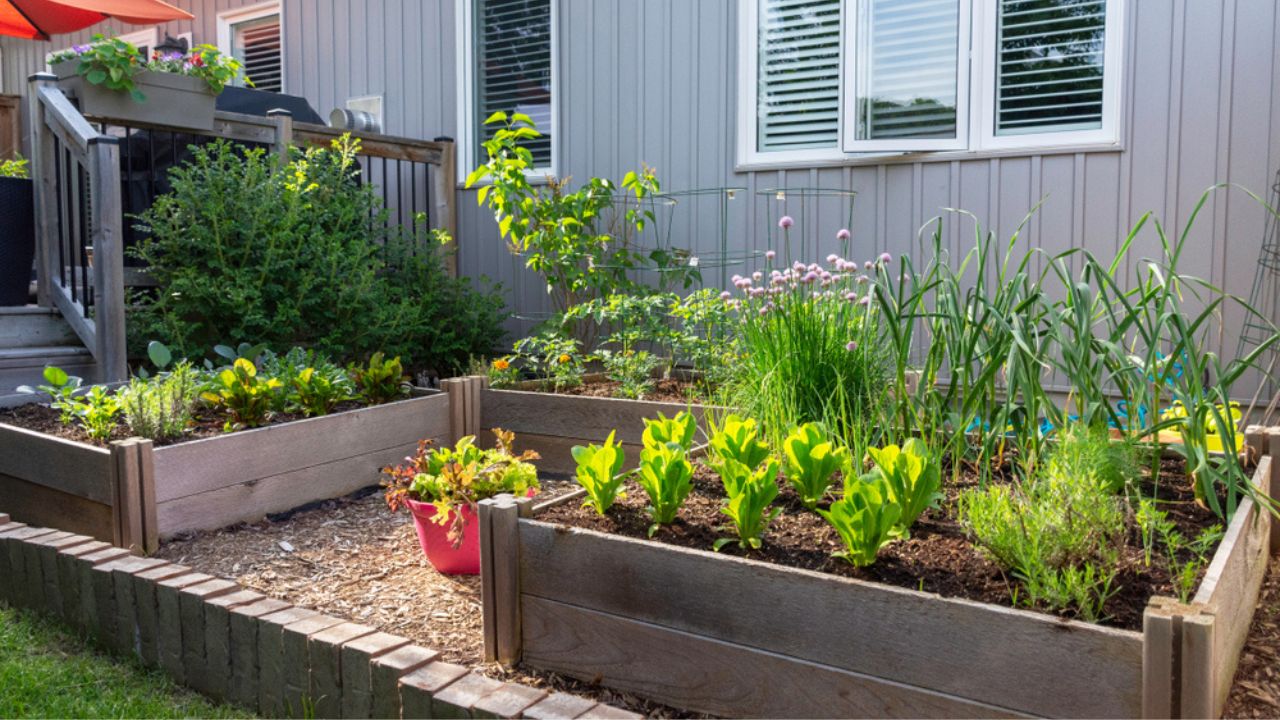
Image Credit: Shutterstock.
I know it looks great, but grass doesn’t feed you. If you’re looking for new ways to reinvent your yard and eat from it, it’s time to try foodscaping. Swapping part of your lawn for raised beds or edible borders changes the math fast. Even a single four-foot-square bed can grow enough for multiple dinners a week.
Line your walkways with rosemary and sage. Plant kale instead of hostas. Put basil where the marigolds used to go. It may look like you’re sacrificing beauty, but look on the greener side, you’re gaining food. That’s the trade backyard gardens were always meant to make.
8. Prep a Garden Snack Zone for Kids
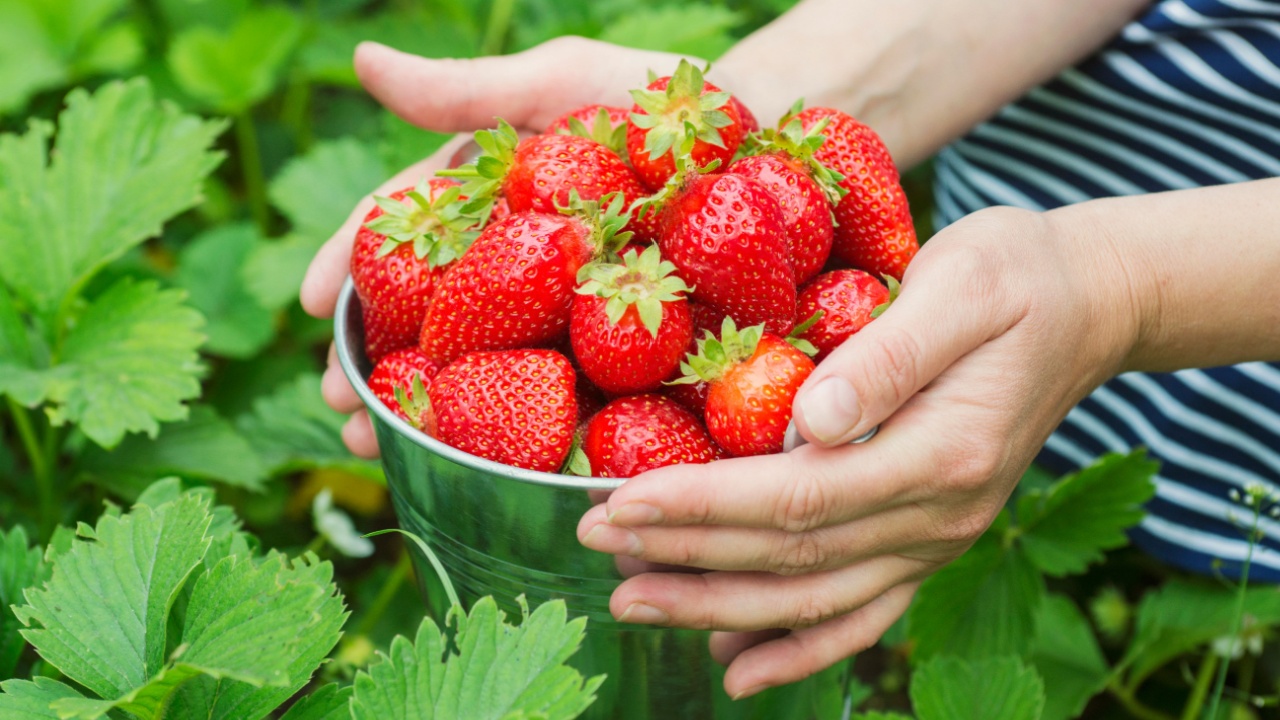
Image Credit: Shutterstock.
Getting kids on board with the challenge can be tough because they love grocery store trips to begin with. But if they have a dedicated corner where they’re allowed to snack straight from the plants, it becomes automatic.
Most people break the challenge with snacks. They miss crunch. They miss grazing. They go buy grapes or a tray of $8 raspberries that the kids eat in 5 minutes flat. You can stop that with strategic crops. Grow cherry tomatoes, cucumbers, snap peas, baby carrots, and strawberries. Keep them close to the house and easy to grab.
9. Build a Meal Base From Dry Goods
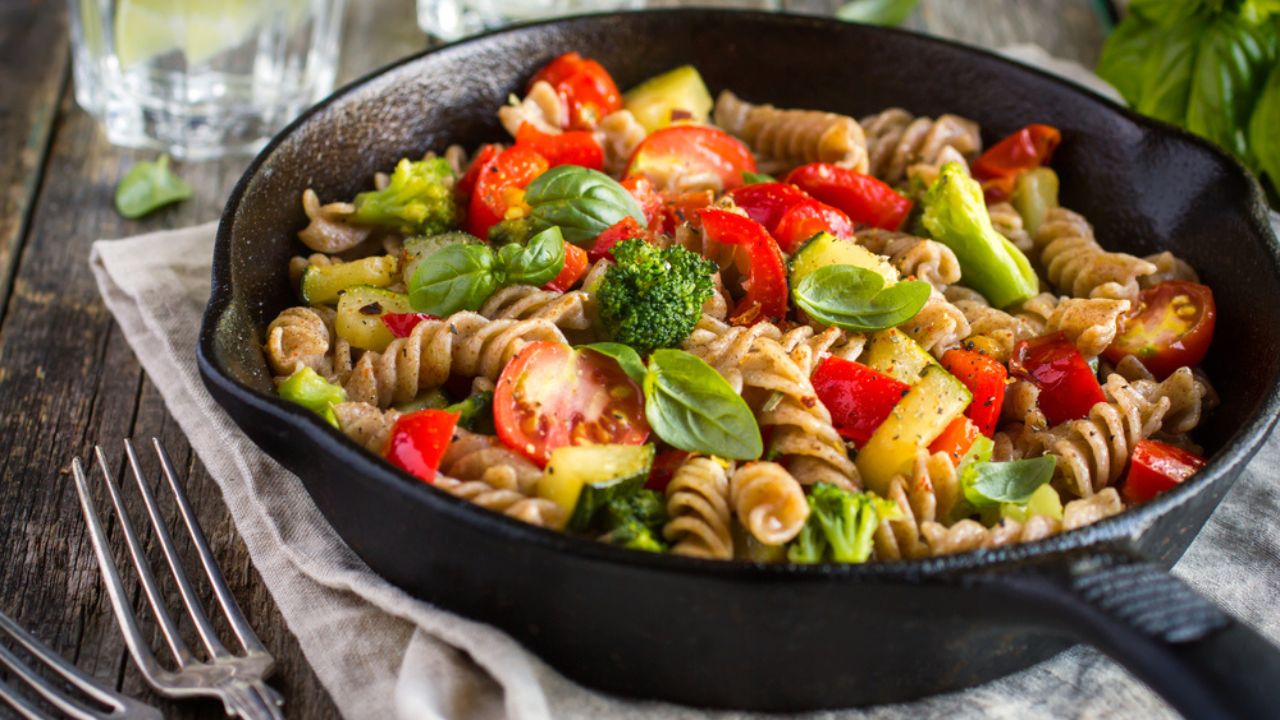
Image Credit: Depositphotos.com.
The fresh stuff comes from your yard, but the backbone of the challenge lives in your pantry (unless you’re OK eating potatoes for a month). You’ll need rice, beans, lentils, flour, pasta, and oil. These turn garden food into filling meals.
Zucchini with rice and lentils is a full dinner. Greens with garlic and chickpeas make a full lunch. Tomatoes, onions, and pasta cover three nights of meals without repeating. Pairing dry staples with fresh harvests is how people fed big families off small plots.
10. Add One Preserving Task a Week

Image Credit: Shutterstock.
Forget the idea of spending an entire weekend canning. That’s why people give up. Do one small preserving task per week. Freeze herbs in olive oil. Pickle some beans. Roast tomatoes and freeze the sauce. That’s it.
By the end of the month, you’ll have a freezer stash and shelf jars that extend your produce well beyond the season. Ask grandma, and she’ll tell you this was routine. You preserve now so you can eat later. One task at a time.
11. Join or Start a Neighborhood Food Swap

Image Credit: Shutterstock.
You’re not going to grow everything. But someone else nearby probably has what you don’t. Send a message in the estate WhatsApp group that you’re starting a food swap (or find a local Facebook group). Trade zucchini for eggs. Trade extra greens for berries. Trade herbs for fruit. Make a friend while at it, learn your neighbor’s name.
Set up a box on your porch. Join a local gardening group online. Old neighborhoods did this without thinking. The difference now is you might be the one who gets it going again. It works. Always has.
12. Create a Weekly Cooking Ritual
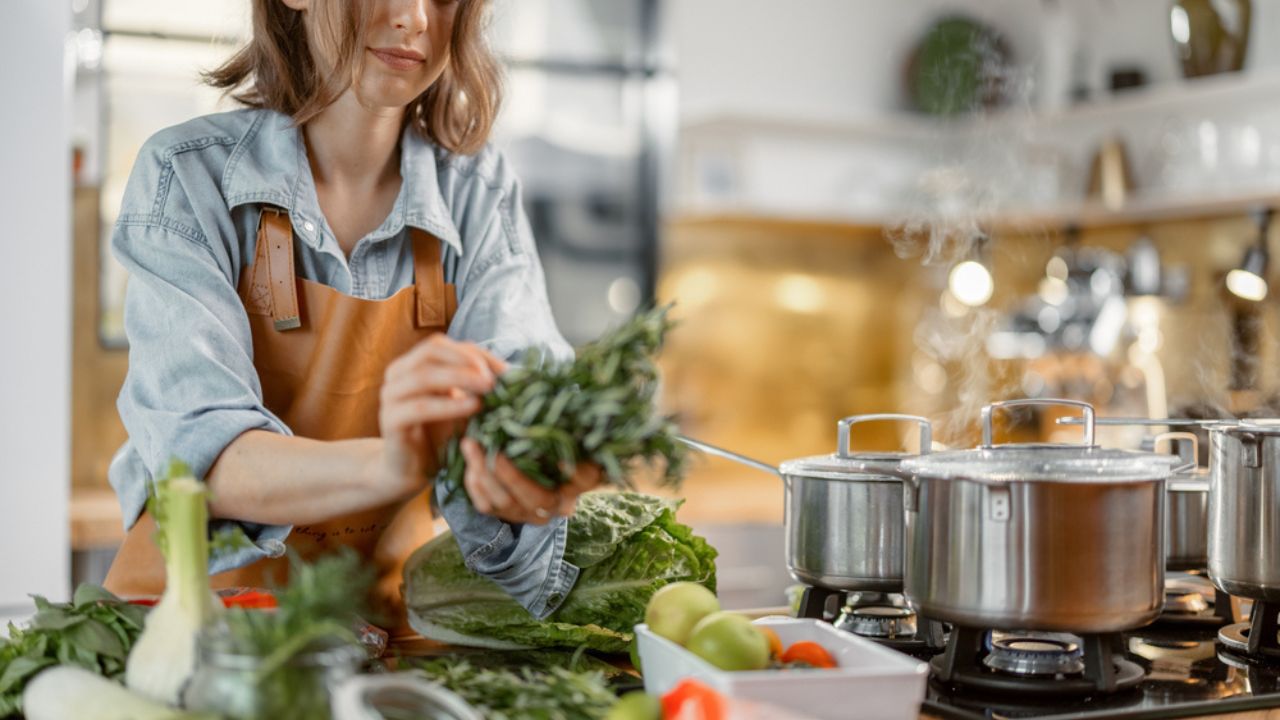
Image Credit: Shutterstock.
Cooking is terrific, and may even make you live longer, but prepping your meal every night will have you tapping out by day 3. Make one night of the week your garden meal prep night. Pick everything that’s ready, wash it, and cook some parts ahead. Roast vegetables. Chop greens. Simmer a batch of soup. Package salads.
This ritual turns your garden into an extension of your kitchen. It makes the whole challenge easier. You don’t get stuck cooking everything from scratch every night. It also means fewer spoilage, impulse store trips, and better meals.
13. Use Edible Flowers to Keep Meals Interesting

Image Credit: Shutterstock.
When you’re eating from the garden every day, visual fatigue hits hard. Edible flowers break the monotony. Calendula, nasturtiums, chive blossoms, and squash flowers add bold color and unexpected flavor to otherwise repetitive meals.
Mix petals into salad, fry the squash blossoms, or float flowers in a chilled soup. It’s a simple detail that makes your plate feel fresh again. Back in the 60s, people didn’t treat edible flowers like decoration. They used them the same way they used herbs—practically and often.
Garden-Based Weekly Meal Plan
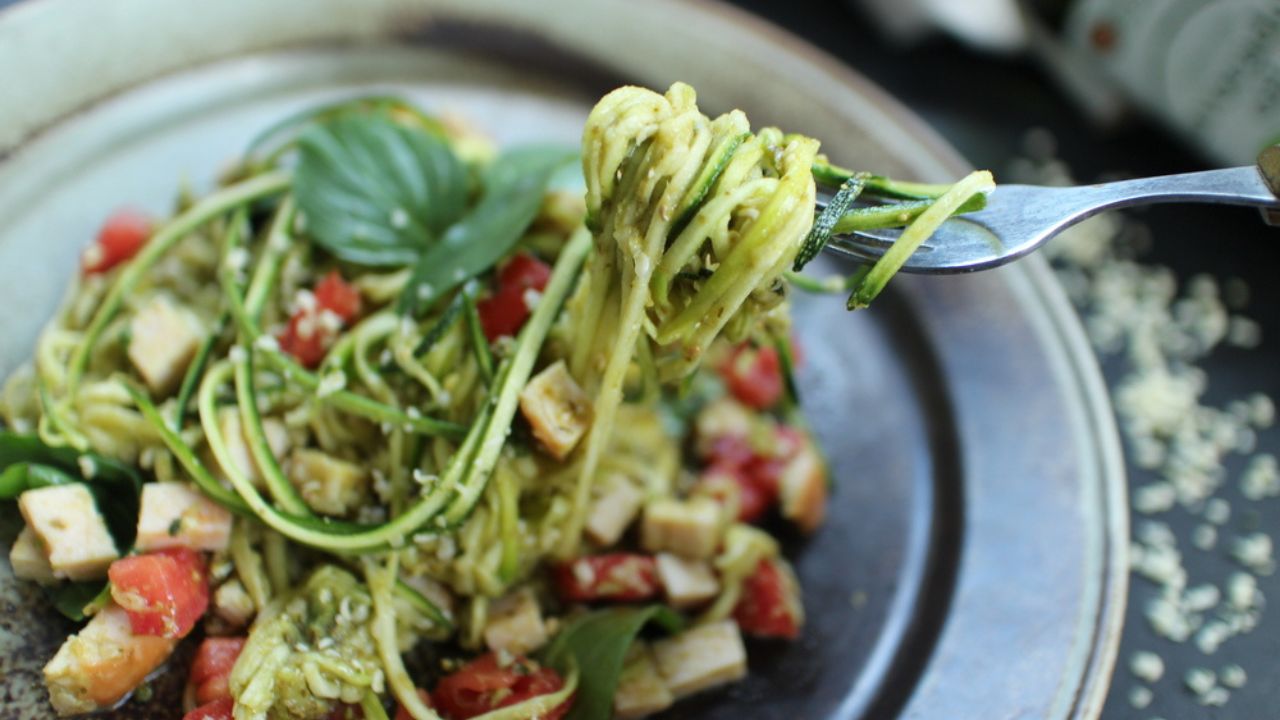
Image Credit: Shutterstock.
Now that you are feeling inspired, do you need some ideas on how to actually get started? Here’s a meal plan with produce from your garden that can feed a family of 4.
Monday – Stir Fry with Rice and Eggs
From the garden: snap peas, broccoli, scallions, bok choy, garlic
Pantry: rice, eggs, soy sauce, sesame oil
Tuesday – Roasted Roots with Frittata
From the garden: carrots, potatoes, onions, kale, herbs
Pantry: eggs, cheese, oil
Wednesday – Tomato and Zucchini Pasta
From the garden: tomatoes, zucchini, garlic, basil
Pantry: pasta, olive oil, Parmesan
Thursday – Lentil and Vegetable Soup
From the garden: spinach, carrots, celery, onion, herbs
Pantry: lentils, broth, spices
Friday – Veggie Quesadillas with Salsa
From the garden: bell peppers, onions, tomatoes, cilantro
Pantry: tortillas, beans, cheese
Saturday – Build-Your-Own Grain Bowls
From the garden: cucumbers, tomatoes, lettuce, scallions
Pantry: quinoa or brown rice, leftover beans, vinaigrette
Sunday – Zucchini Fritters with Yogurt Dip (my fav for zucchini dinners)
From the garden: zucchini, herbs, garlic, onions
Pantry: flour, eggs, yogurt
Why This Works Better Than You’d Expect
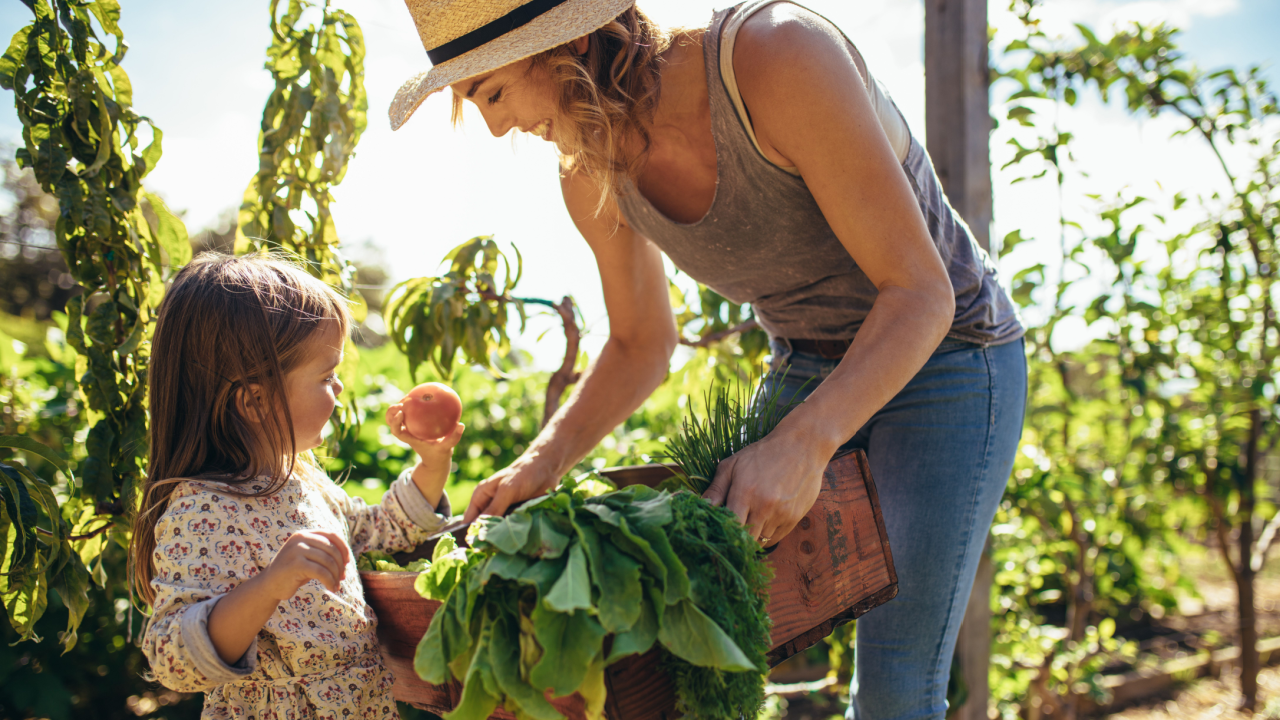
Image Credit: Shutterstock.
After thirty days without buying produce, you’ll see food differently. Homegrown produce starts converting sugars and nutrients the moment it’s picked. That spinach in the store can be over a week old by the time it hits your fridge. Lettuce loses up to 50 percent of its vitamin C within 24 hours of harvest. Eating from your yard means you’re getting higher nutrition per bite, faster than the labels in the store can keep up with.
Science is on your side. Gardening at this level rewires your biology. Studies show that exposure to soil microbes like Mycobacterium vaccae can increase serotonin production in the brain, which affects mood and reduces anxiety. Working in the garden changes your brain chemistry. You’re not imagining the calm. It’s chemical.