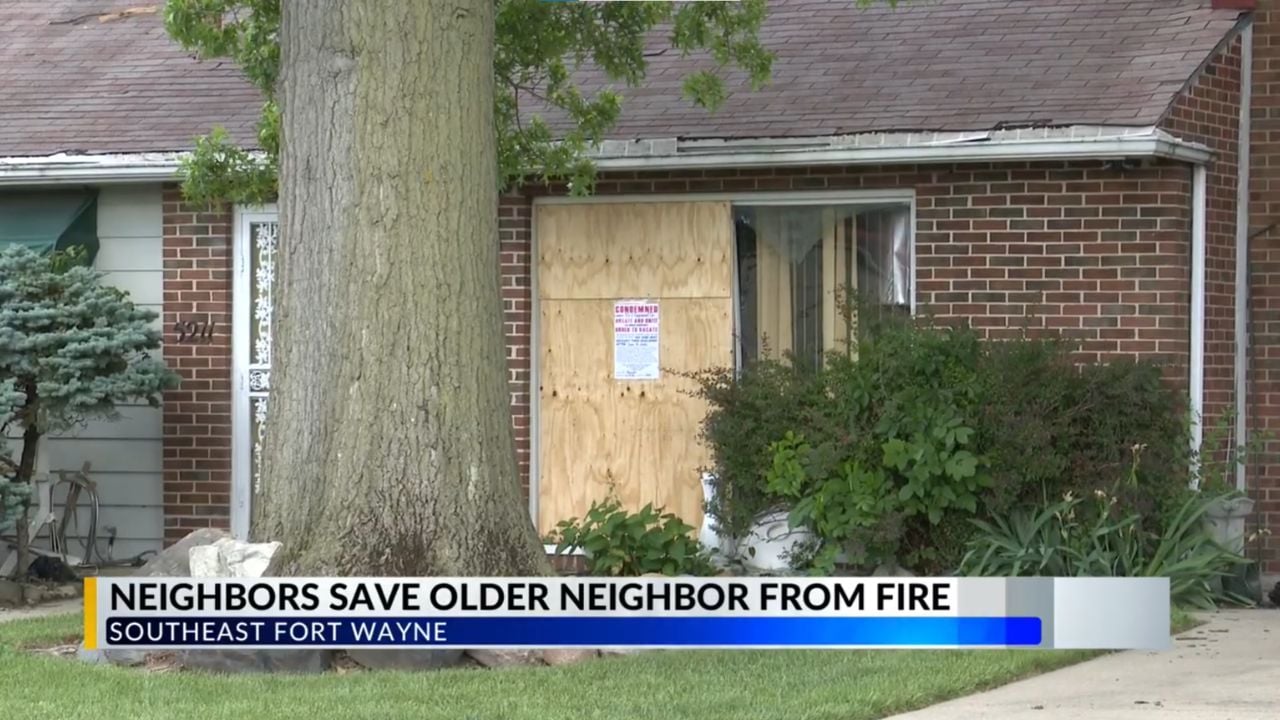
Fort Wayne Neighbors Pulled a 76-Year-Old Woman From a Burning Home
Fort Wayne neighbors helped pull a 76-year-old woman from a burning home Saturday night, according to WANE.
The station described the rescue as a “true community effort,” with neighbors stepping in during the first critical moments of the fire before the scene was fully under control.
WANE reported that the Fort Wayne Fire Department responded to the house fire and that the woman was helped to safety from the burning home.
The rescue drew attention because it involved an older resident who needed help getting out. For nearby homeowners and families, the clearest practical concern is whether older relatives, neighbors, or people living alone have alarms they can hear and exits they can use quickly.
Neighbors Helped Get the Woman Out
WANE reported that neighbors banded together after the fire broke out Saturday night. The station said the woman was pulled from the burning home in what became a neighborhood rescue.
The case shows how fast a house fire can become dangerous before fire crews have time to finish the response. Smoke, heat, blocked exits, and confusion can leave an older adult with less time to get out, especially if the person lives alone or has limited mobility.
Neighbors can be part of an emergency response without putting themselves in avoidable danger. Knowing who lives alone, who may need extra time, and which home has an older resident or mobility issue can matter when smoke, alarms, or flames are seen from outside.
The First Minutes Can Decide Whether Someone Gets Out
Fire officials often stress that people should not run into burning homes as a normal response. Smoke, heat, unstable floors, electrical hazards, and hidden fire spread can turn a rescue attempt deadly within seconds.
The safer work happens before a fire starts. Families should know whether older adults in the home can hear smoke alarms, unlock doors, move through hallways, reach a phone, and leave without help if smoke is already inside.
Neighbors can also check simple things before an emergency: visible house numbers, working porch lights, unlocked or accessible gates for firefighters, and clear paths around front steps, side doors, ramps, and porches.
Older Residents May Need a Fire Plan That Accounts for Mobility
The U.S. Fire Administration says every home should have a fire escape plan with two ways out of every room, clear exits, an outside meeting place, and practice so everyone knows what to do.
For older residents, that plan may need more detail. A walker, wheelchair, cane, oxygen equipment, medications, locked storm door, steep porch steps, pets, or a cluttered hallway can slow an escape during smoke or darkness.
Families should walk the route from the bedroom to the outside door and check whether anything blocks the path. Windows used as secondary exits should open, doors should unlock from the inside, and porch steps, ramps, basement stairs, and hallways should stay clear.
Smoke Alarms and Clear Exits Should Be Checked Before Nightfall
The National Fire Protection Association says smoke alarms should be installed inside each bedroom, outside each sleeping area, and on every level of the home, including the basement.
That placement matters for older adults and anyone sleeping behind a closed bedroom door. A distant alarm may not be loud enough, and a few extra seconds can matter once smoke reaches a hallway.
After a nearby fire, the most useful home check is short: test every smoke alarm, clear bedroom-to-exit routes, move anything blocking doors or steps, make sure house numbers can be seen from the street, and check whether older relatives or neighbors have working alarms and a clear way out.
Once people escape a fire, they should stay outside and wait for firefighters. Belongings and pets should not pull anyone back into a burning home.