Florida Homeowners Warned Not To Let A Quiet Hurricane Forecast Delay These Checks
Florida homeowners are being warned not to let a quieter hurricane forecast delay roof, window, garage door, flood insurance, and document checks that take time to fix.
WWSB reported that insurance experts are urging homeowners to prepare now, even though forecasters expect fewer named storms than a typical Atlantic season.
NOAA’s 2026 Atlantic hurricane season outlook calls for a 55% chance of a below-normal season, with 8 to 14 named storms, 3 to 6 hurricanes, and 1 to 3 major hurricanes expected within its likely range. NOAA also says the outlook is not a landfall forecast and does not predict risk for a particular location.
The work homeowners can still do before a storm forms includes roof inspection, garage-door reinforcement, window protection, exterior-door hardware checks, gutter cleaning, flood-policy review, home inventory updates, and storage of insurance documents where they can be reached quickly.
The Roof Is the First Inspection
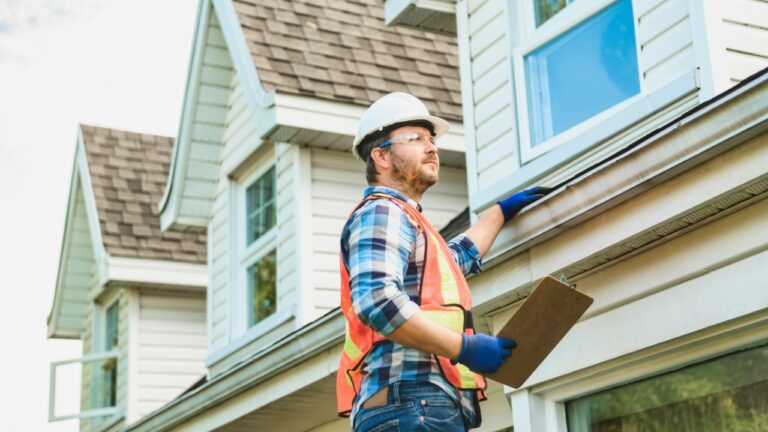
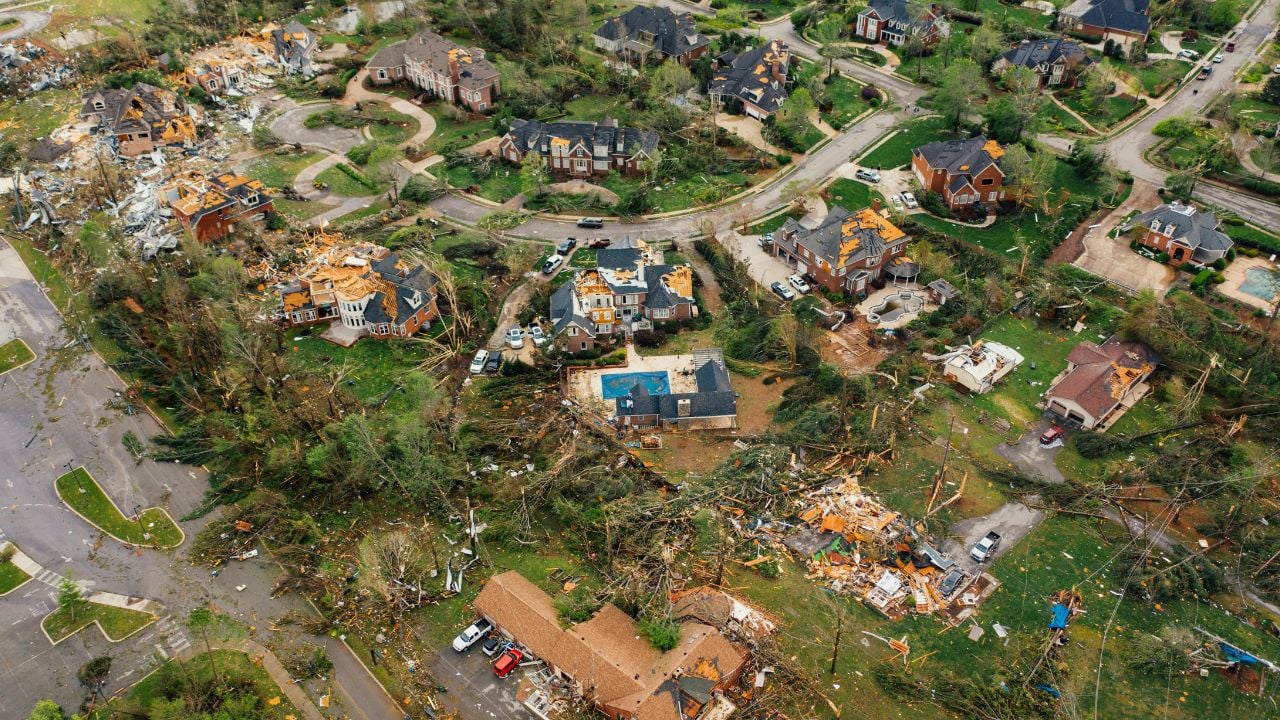
WWSB reported that the Insurance Information Institute, also known as Triple-I, recommends homeowners start with the roof because it takes the brunt of hurricane-force winds. A roof failure can expose the rest of the home to wind-driven rain, ceiling damage, wall damage, mold, ruined contents, and a much larger insurance claim.
Triple-I recommends having a roof inspected each year by a licensed and bonded contractor. Homeowners can also ask about tie-downs, hurricane straps, and whether a replacement roof can meet FORTIFIED standards.
The FORTIFIED program, developed by the Insurance Institute for Business & Home Safety, is a voluntary construction and re-roofing standard designed to help homes resist severe weather, including hurricanes, high winds, hail, and tornadoes.
Garage Doors, Windows, and Exterior Doors Need a Rating Check

Openings around the home are another major storm weak point. WWSB reported that Triple-I warns a failed garage door or large window can allow wind pressure to build inside a house, and in some cases that pressure can contribute to roof damage from inside the structure.
Homeowners should check whether garage doors are wind-rated and whether window protection is tested and rated for hurricane conditions. Plywood panels can help when they are cut, fitted, and ready before a storm approaches.
Exterior doors also need a hardware check. Triple-I recommends at least three heavy-duty hinges and a deadbolt lock with at least a 1-inch throw bolt.
Flood Coverage Has Its Own Waiting Period
Florida’s Office of Insurance Regulation says flood damage is not typically covered by a homeowners insurance policy and must be purchased separately or added by endorsement.
FloodSmart, the National Flood Insurance Program site, says most homeowners and renters insurance does not cover flood damage. NFIP homeowners policies can cover up to $250,000 for the building and up to $100,000 for contents.
NFIP flood coverage generally starts 30 days after purchase, with limited exceptions. A homeowner who waits until a storm is close may not have flood coverage in force when water enters the house.
Small Exterior Gaps and Gutters Can Bring Water Inside
WWSB reported that Triple-I also recommends sealing cracks and gaps around exterior penetrations, including pipes, gas lines, cable wires, and electrical boxes. During wind-driven rain, those small openings can let water move behind walls, soak insulation, damage flooring, and create cleanup work after the storm has passed.
Gutters and downspouts should be cleared so rainwater can drain away from the home’s foundation. Outside the house, dead, diseased, or overhanging branches near roofs and windows should be trimmed before storm weather arrives.
Patio furniture, grills, trash cans, potted plants, tools, and loose yard items should be moved into a garage or inside the home before winds rise.
My Safe Florida Home May Help With Approved Upgrades
My Safe Florida Home offers free wind-mitigation inspections and grant assistance for approved improvements. The program lists roof improvements, impact windows and doors, garage door reinforcement, and secondary water barrier installation among eligible upgrade categories after an inspection.
The program says an inspection report can help homeowners identify improvements that may strengthen the home and may help them confirm whether they are receiving available discounts on the hurricane portion of their insurance premium.
My Safe Florida Home also advises homeowners to use a licensed contractor registered with the State of Florida and to get bids from at least three contractors before choosing one.
Insurance Documents Belong in the Prep File
Florida homeowners should know the hurricane deductible, the wind deductible, whether flood is excluded, whether the roof is covered at replacement cost or actual cash value, and whether temporary living expenses apply after covered storm damage.
A home inventory can also make a claim easier. Florida OIR recommends keeping a room-by-room list of significant belongings with estimated values, photos, and proof of ownership.
Important documents should be stored where they can be reached quickly during an evacuation, including insurance policies, identification, mortgage information, medical information, and contact numbers.
Before a storm is named, homeowners can check the roof, garage door, window protection, exterior doors, gutters, downspouts, flood policy, hurricane deductible, home inventory, and evacuation document file.