Florida Homeowners Get a Massive Tax Break, but Who Will Pay the $12 Billion Bill?
Florida homeowners are getting a major property tax break after voters approved Amendment 3. While the change could save families thousands of dollars, local governments may have a much harder time paying their bills.
Nearly 62% of voters supported the amendment on November 3, clearing the 60% needed for approval. The measure will begin taking effect in 2027.
Under the new rules, homeowners will pay less tax on their primary homes. The exemption will grow to $150,000 next year and $250,000 in 2028, though school property taxes will still apply.
The savings come at a steep price for local governments. State economists estimate that the changes could eventually reduce their yearly revenue by nearly $12 billion, putting pressure on budgets across Florida.
Billions On The Line
Embedded media follows; please allow a moment to load.
A state economic analysis predicts that local governments could lose nearly $5 billion in the 2027-28 fiscal year. That figure is expected to climb to almost $9 billion the following year.
The projected losses cover counties, cities, and other local agencies. They are estimates of future tax revenue reductions, not money already missing from budgets.
Property taxes help fund police and fire departments, emergency services, road repairs, and other public needs. With less revenue coming in, some communities may have to rethink how they spend their money.
Not Everyone Agreed
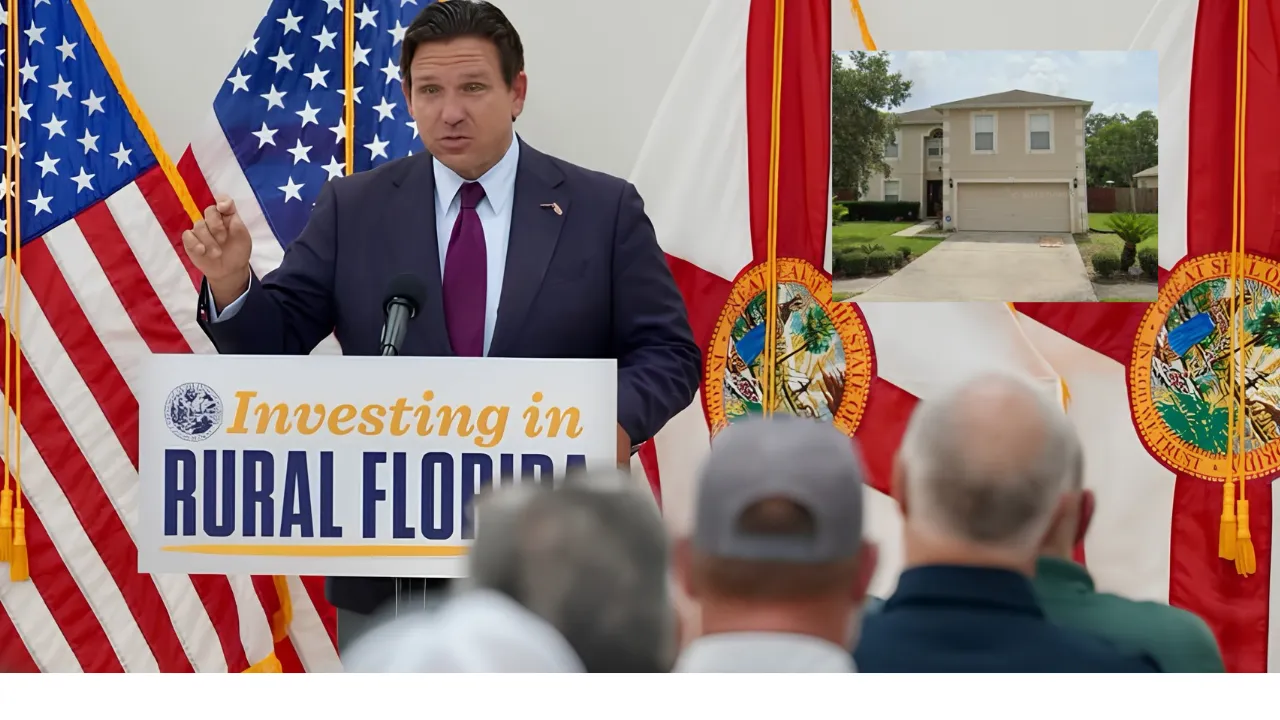
Gov. Ron DeSantis and the Republican Party of Florida supported Amendment 3, arguing that homeowners needed relief from rising costs.
However, some Republicans opposed it. Senate President Ben Albritton, who voted to put the measure on the ballot, later urged voters to reject it.
Albritton warned that rural communities could suffer. Smaller counties often have tight budgets, and losing a large share of property tax revenue could make it harder to provide services.
Local governments and Democrats also criticized the proposal over its financial impact.
Who Pays Instead?
The tax cut could create new costs for people who do not own their homes.
Economists Abigail Hall and Aaron D. Wood of the University of Tampa have warned that local governments may turn to higher fees or other taxes to replace lost revenue.
Renters could feel the effects if costs rise for landlords or if communities increase charges for public services.
The economists also raised concerns about housing development. They believe local governments may have more reason to favor commercial buildings over new homes because businesses can bring in more tax revenue.
That could place more pressure on Florida’s housing market, where many residents already struggle with high rents and home prices.
Changes Ahead
Amendment 3 also limits how quickly the taxable value of businesses and rental properties can increase each year. New Florida residents will have to wait several years before receiving the full homeowner tax break.
Meanwhile, counties and cities will begin adjusting to the new rules in 2027. Some communities may be able to manage the losses without major changes, while others could face tougher budget decisions.
Residents can track how local governments respond through Florida’s public financial reporting system, which provides information about government revenue and spending.