

We all know the feeling. You walk through the front door, expecting the comforting scent of home, but instead, you’re hit with… something else. A lingering funk you can’t quite place. It’s frustrating when you spend hours cleaning floors and dusting shelves, only for the air to betray your hard work. (Or maybe you don’t even notice anymore, but your house guests do.)
Often, the culprits aren’t obvious messes like a spilled trash can. Instead, they are small, everyday habits that quietly contribute to a less-than-fresh atmosphere. The good news is that these are easily fixable. By tweaking a few routines, you can reclaim that fresh, welcoming environment without needing heavy-duty chemicals or hours of scrubbing.
Here are six common habits that might be making your home smell dirty, and exactly how to fix them.
1. Ignoring the Pet Bed

Image Credit: Deposit Photos.
We love our furry friends, but let’s be honest: they can be stinky. While you likely wash your own sheets weekly, pet beds often fly under the radar. These cozy spots act like sponges for odors. They absorb fur, dander, drool, and whatever smells your pet has brought in from the backyard. Over time, this creates a distinct, musky odor that can permeate the entire room.
Treat your pet’s bedding with the same priority as your own. Check the care label and aim to wash the cover weekly. If the insert itself is washable, toss that in monthly. Between washes, sprinkle a little baking soda on the bed, let it sit for 15 minutes to absorb odors, and vacuum it up.
2. Letting Dirty Dishes Sit
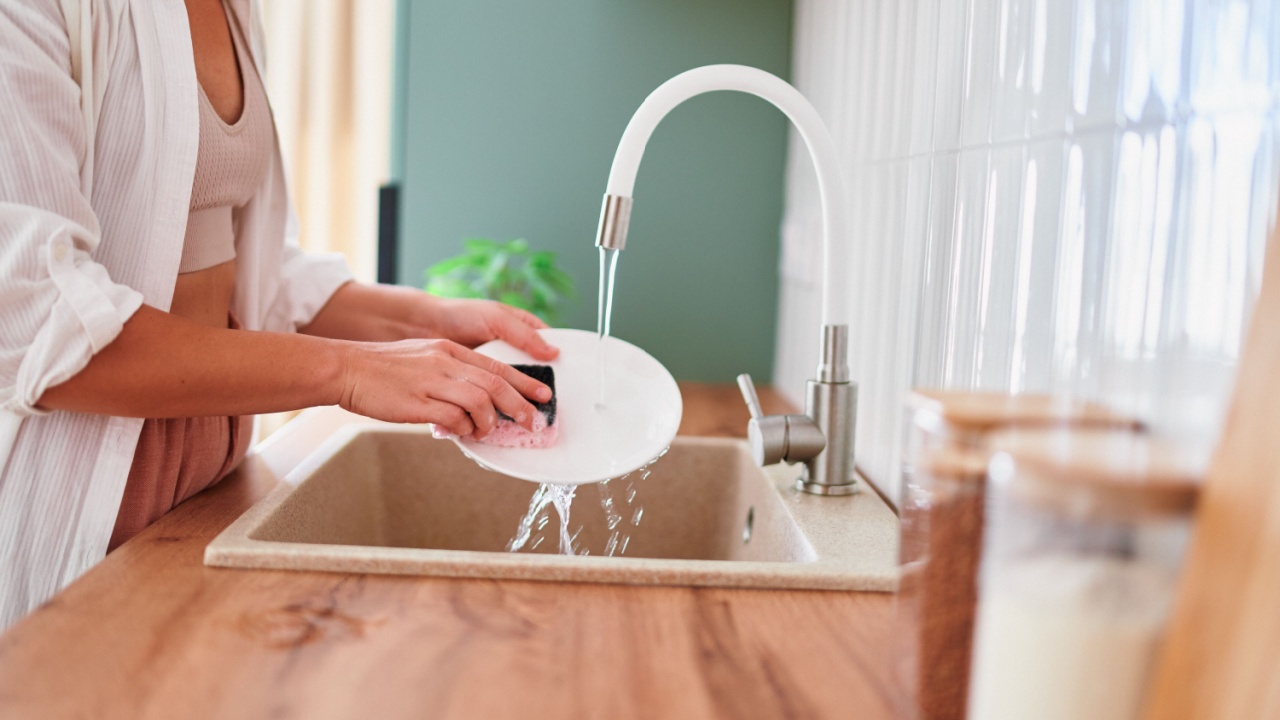
Image Credit: Shutterstock.
It’s tempting to leave the dinner dishes for “tomorrow morning,” especially after a long day. But that stack of plates is doing more than just cluttering your sink. Food scraps left in a damp environment, like a sink or dishwasher, create a breeding ground for bacteria. As these bacteria multiply, they release sour, swamp-like odors that can quickly take over a kitchen.
Make it a rule to clear the sink before bed. Even if you don’t run the dishwasher immediately, rinse the plates thoroughly to remove food particles. If you notice a smell coming from the drain itself, pour a cup of baking soda followed by a cup of vinegar down the disposal, let it fizz, and flush with hot water.
3. Cooking Without the Vent Hood

Image Credit: Shutterstock.
Whether you are frying bacon or steaming broccoli, cooking smells are potent. While delicious in the moment, those aromas have a way of sticking around long past mealtime.
Without proper ventilation, grease particles and food odors cling to porous surfaces like drywall, curtains, and sofa cushions. That “Tuesday taco night” smell can easily become a stale, greasy background odor by Friday.
Always turn on your range hood fan before you start cooking, not just when things get smoky. If you don’t have a vented hood, open a kitchen window to create a cross-breeze. To help neutralize lingering odors after a particularly pungent meal, simmer a pot of water with lemon slices and rosemary.
4. Re-hanging Damp Towels
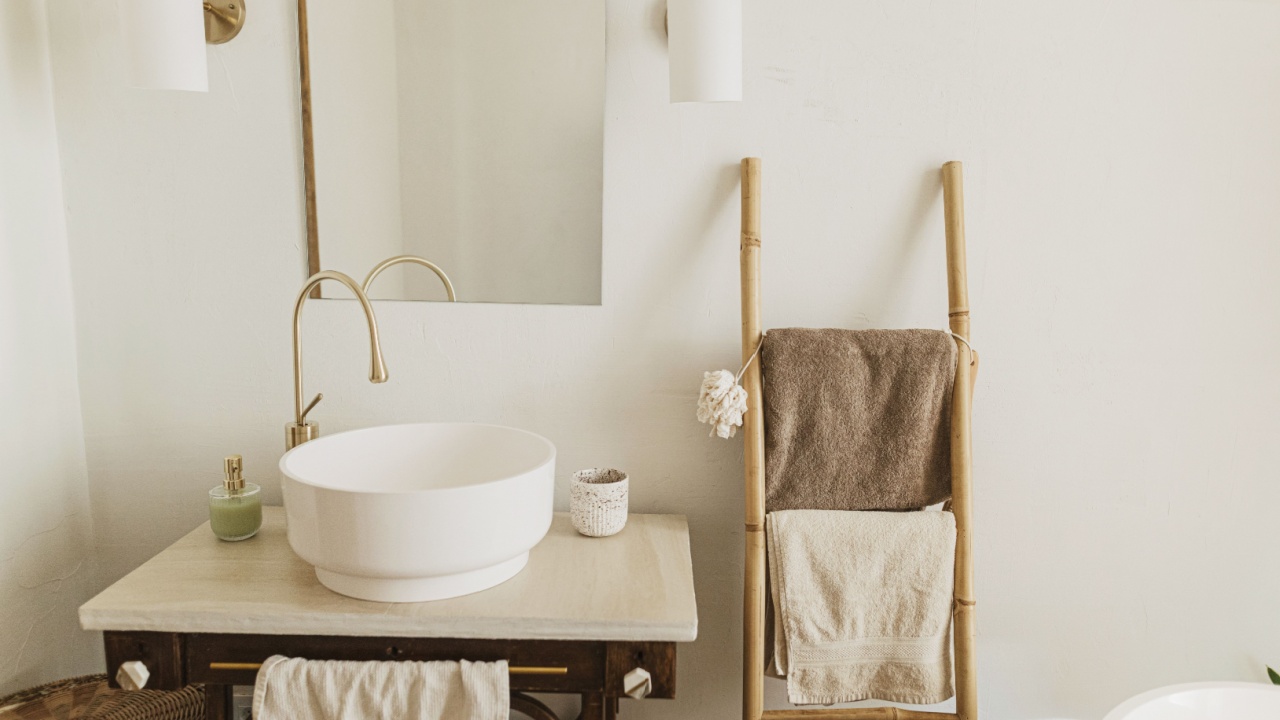
Image Credit: Shutterstock.
There is a big difference between a damp towel and a drying towel. If you bunch up a wet towel on a hook or drape it over a hamper after a shower, it stays wet for too long. This prolonged moisture invites mildew and bacteria, creating that dreaded musty locker-room smell. Once that mildew sets in, it’s hard to wash out, and the smell spreads to the rest of the bathroom.
Spread used towels out fully on a towel bar so air can circulate through the fabric. If your bathroom is particularly humid, consider running the exhaust fan for 20 minutes after your shower. If your towels already have that sour smell, wash them on a hot cycle with a cup of white vinegar instead of detergent to strip the buildup.
5. Keeping Windows Sealed Tight

Image Credit: Shutterstock.
It’s natural to want to keep the heat in during winter or the AC on during summer. However, a home that is always sealed tight lacks airflow. Over time, everyday smells, from body oils, cooking, dusty upholstery, and garbage, accumulate and mix. This creates a stale, “lived-in” heaviness that no amount of air freshener can cover up.
Open the windows for just 30 minutes a day. Even on colder days, this brief exchange of air pushes out stale pollutants and brings in oxygen. It’s nature’s best deodorizer.
6. Overlooking the Trash Can Liner
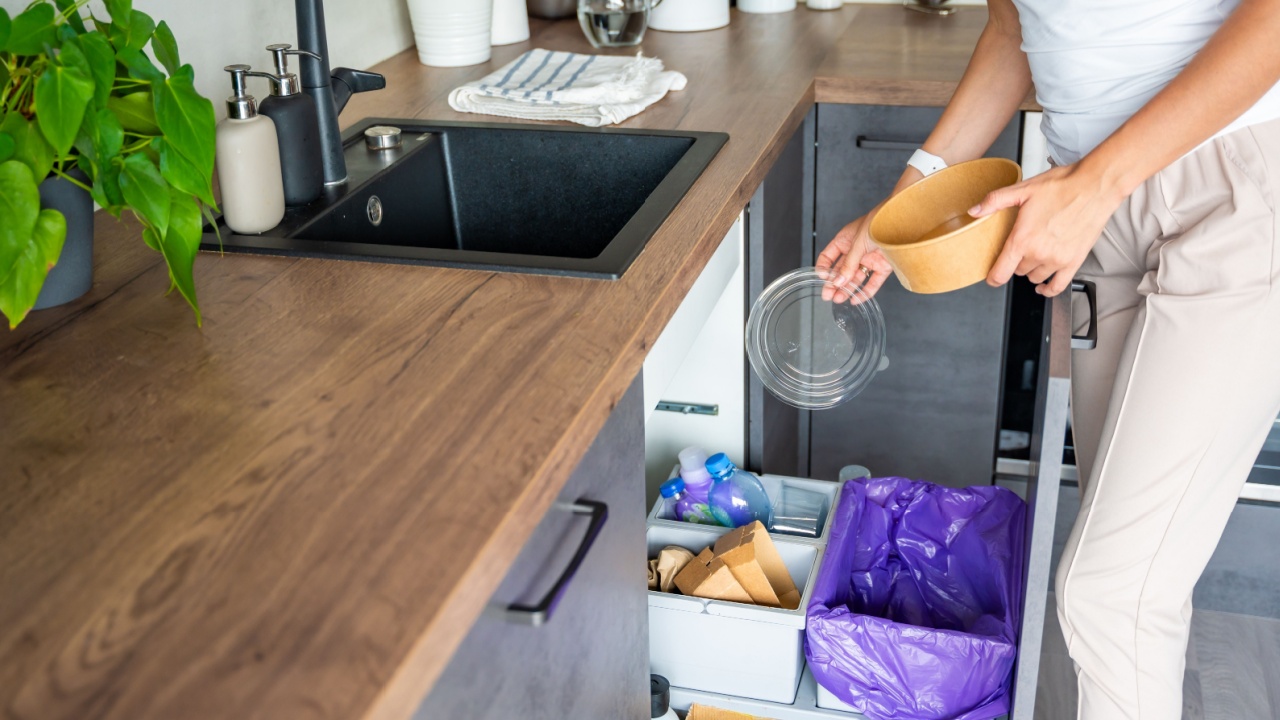
Image Credit: Shutterstock.
You take the trash out when it’s full, but when was the last time you looked at the bin itself? Garbage bags can leak, and small crumbs often miss the bag entirely, falling to the bottom of the can. This hidden debris rots quietly, causing a foul smell every time you open the lid. Plastic bins can also absorb odors over time, holding onto scents even when empty.
Give your trash can a deep clean once a month. Take it outside or into the bathtub and scrub it with hot, soapy water. Dry it completely; sunlight is great for killing bacteria, before putting a new bag in.
To keep it smelling fresh between scrubs, place a dryer sheet or a cotton ball soaked in essential oil at the bottom of the bin before you add the liner.
Breathe Easier in Your Home and Garden

Image Credit: Deposit Photos.
Keeping your home smelling fresh isn’t about scrubbing every corner, it’s about the little things. With proper airflow and moisture control, you can banish odors before they even start. Adopt these six simple habits, and your home will smell as inviting as it feels.