

Planning a year as a homemaker works best when the household is viewed as a living system rather than a daily to-do list, whether it’s your sole responsibility or just one of many things you’re juggling (I see you, working parents!).
Chores, meals, projects, and care routines all make more sense when they sit inside a wider plan shaped by seasons, family schedules, and realistic energy levels. A yearly outline pulls those pieces together so the home runs with fewer last-minute decisions and in a better overall rhythm suitable for the specific time of year.
When you map recurring tasks, larger responsibilities, and naturally busy periods ahead of time, the work feels steadier and more deliberate (aka, less overwhelming). Below are six practical areas to include when mapping the year to feel in control as best you can.
1. Seasonal Cleaning and Home Care Cycles

Image Credit: Shutterstock.
A yearly plan should place cleaning and maintenance within the seasons rather than pushing everything into spring. Homes are used differently across the year, and cleaning patterns should reflect that. Storage areas, outdoor spaces, and heavy-use rooms benefit from attention at natural transition points, such as before weather changes or after long periods of use.
Rotating deeper tasks across the year spreads effort evenly and reduces fatigue. Furniture, floors, appliances, and tools last longer when care is paced instead of rushed
Quick tips:
• Assign deep cleaning tasks to natural transition months
• Schedule attic, garage, or storage resets during drier seasons
• Add outdoor prep for gardens, patios, and tools
• Note supply restocking dates for cleaners and filters
2. Kitchen Planning and Food Management

Image Credit: Shutterstock.
The kitchen drives daily routines, so it deserves yearly planning attention. This includes meal rhythms, pantry checks, preservation projects, and equipment care.
Planning food tasks reduces waste, lowers grocery stress, and supports consistent home cooking. It also makes room for seasonal produce and bulk prep without chaos.
Quick notes:
• Mark pantry cleanouts and freezer checks
• Schedule bulk cooking or preserving months
• Rotate recipe collections by season
• Track appliance maintenance like sharpening knives or servicing mixers
3. Family Rhythms, School Cycles, and Life Events

Image Credit: Shutterstock.
A homemaker’s year should reflect the household’s calendar. School terms, holidays, travel, and personal milestones affect energy and workload.
Acknowledging both busy and quiet stretches helps balance expectations and prevents scheduling heavy tasks during periods of high demand.
Quick notes:
• Map school terms, exam months, and breaks
• Note religious, cultural, or family events
• Add recovery weeks after major gatherings
• Block lighter homemaking periods during high-demand family months
4. Home Projects and Long-Term Improvements

Image Credit: Shutterstock.
Larger home projects need clear placement within the year. Without planning, these tasks start with enthusiasm and stall halfway through. A yearly overview limits how many projects run at once and helps coordinate timing with weather, budgets, and household demands.
Breaking projects into stages makes them manageable. Preparation, sourcing materials, and completion can be spread across weeks or months. This approach keeps the home usable and avoids the clutter and stress that come from unfinished work.
Quick notes:
• List one to three priority projects for the year
• Assign each project a rough month range
• Schedule prep tasks like decluttering or sourcing materials
• Include buffer time for delays
5. Garden, Yard, and Outdoor Spaces
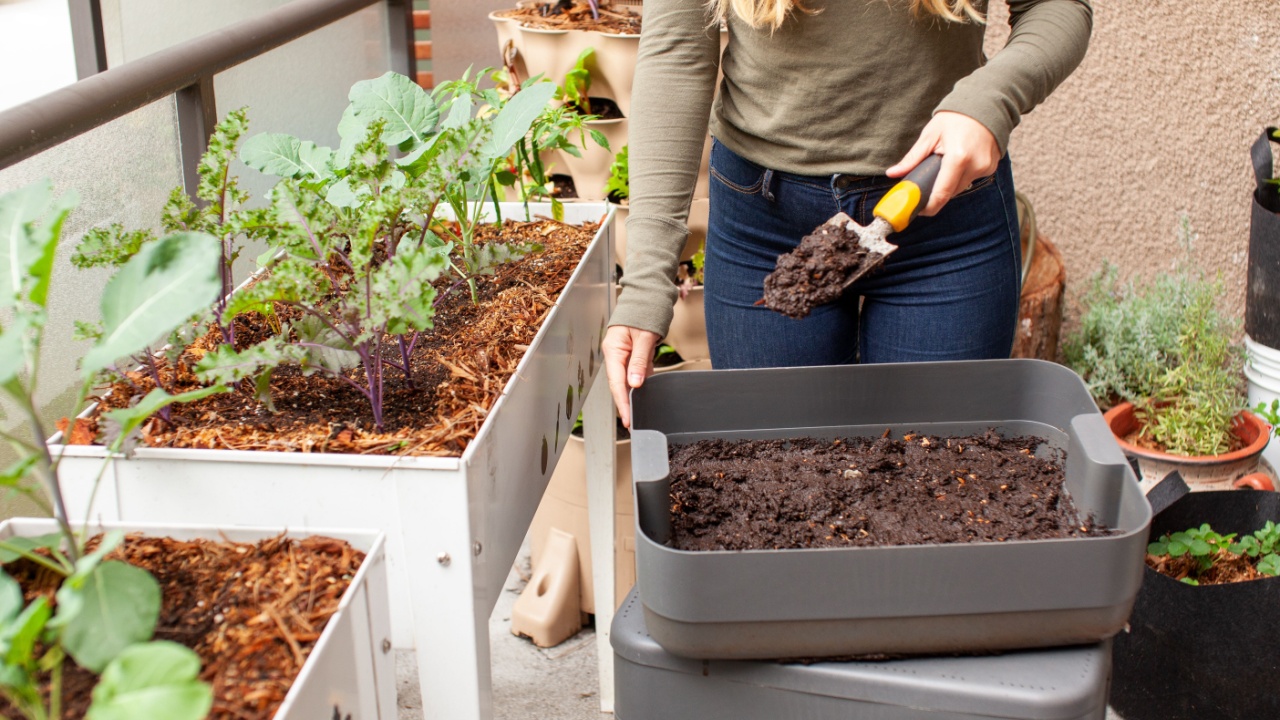
Image Credit: Shutterstock.
Including garden and yard care in a yearly plan helps align tasks with planting, pruning, and harvesting windows. Tool care, soil preparation, and seasonal cleanup become part of the rhythm rather than last-minute chores.
This planning applies to all outdoor areas, from full gardens to small patios. When outdoor work is timed well, plants stay healthier, and spaces remain usable throughout the year.
Quick notes:
• Mark planting, pruning, and harvesting windows
• Schedule soil care and compost checks
• Track seed ordering and tool maintenance
• Plan outdoor cleaning before weather shifts
6. Personal Care and Homemaker Reset Days

Image Credit: Shutterstock.
A sustainable home plan includes the person running it. Resetting days and personal care routines prevents exhaustion and helps maintain consistency. Scheduling these pauses ahead of time keeps them from being skipped during busy stretches.
Quick notes:
• Assign quarterly reset days for planning and review
• Block rest-focused weeks after intense seasons
• Schedule medical, dental, or wellness checkups
• Keep space for skill-building, like cooking or gardening practice
Bringing the Whole Year Into View

Image Credit: Shutterstock.
A homemaker’s yearly plan works best when it mirrors real life instead of chasing perfection. Including cleaning cycles, food systems, family rhythms, projects, outdoor care, and personal reset time creates a balanced structure that supports the home without pressure.
Transfer these sections into a simple yearly calendar or planner. Review each season, adjust workloads, and keep notes visible. The home runs smoother when the year feels intentional, flexible, and grounded in daily living.