
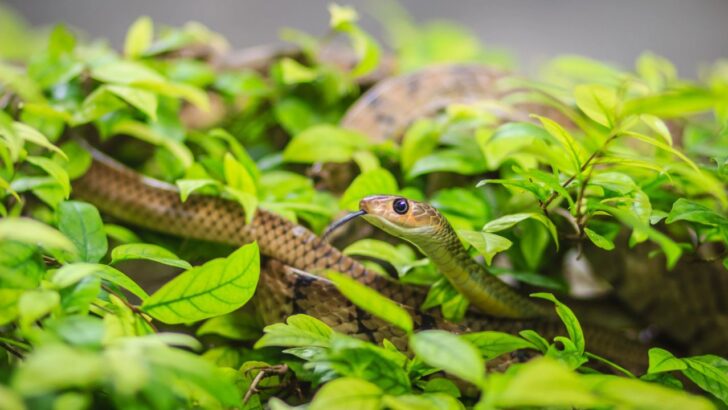
Most people’s reaction to seeing a snake is a mix of surprise and a sudden urge to be somewhere else. While many snakes are quite content to move at a leisurely pace, a select few have turned speed into an art form. From lightning-fast strikes to incredible ground speeds, these serpents are the athletes of the reptile world.
What makes some of them so swift? What should you do if your path ever crosses with one of these remarkable creatures? Understanding which snakes are the quickest and where they live can be surprisingly helpful, especially for those of us who spend a lot of time outdoors.
Here are 9 of the world’s fastest snakes.
1. Black Mamba
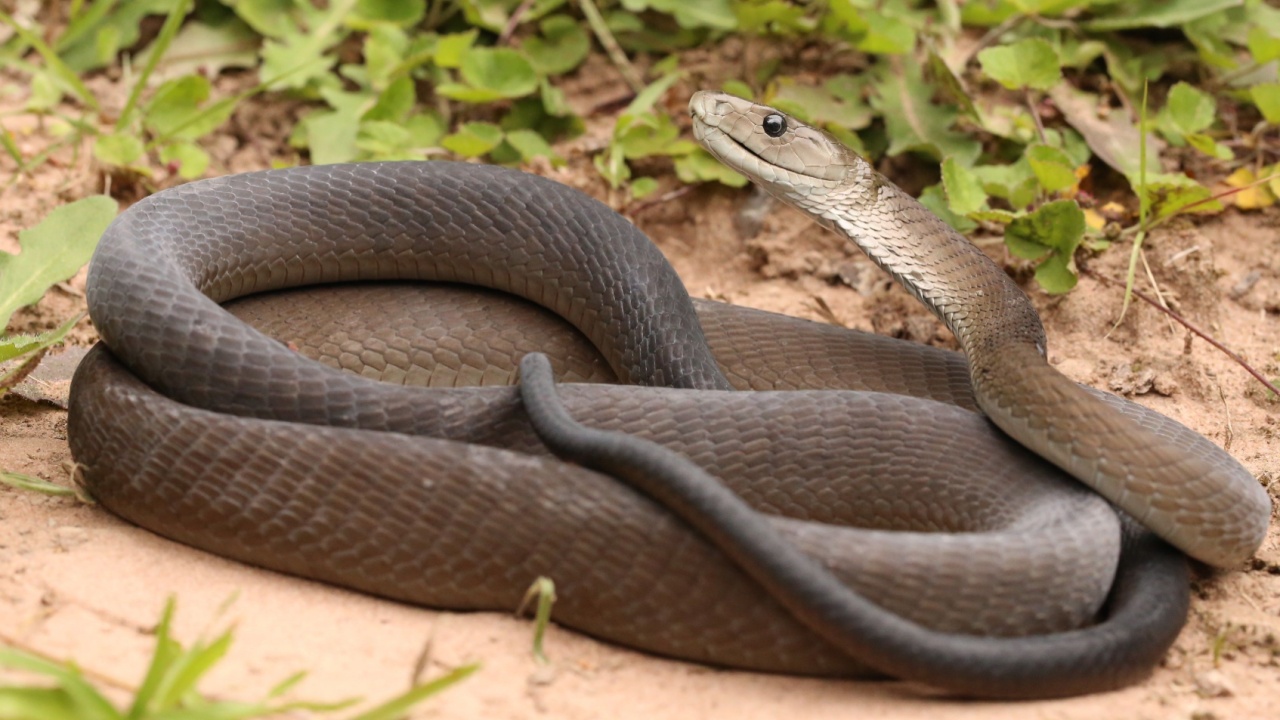
Image Credit: Shutterstock.
The Black Mamba is legendary for its speed, aggression, and potent neurotoxic venom. Often considered the world’s fastest land snake, it can reach speeds of up to 12 mph (20 km/h) in short bursts. This speed is primarily used for escaping threats, not for hunting. Black Mambas prefer to ambush their prey, which consists of small mammals and birds. They get their name not from their skin, which is a greyish-brown, but from the inky-black interior of their mouths, which they display when threatened.
These snakes are native to the savannas and rocky hills of southern and eastern Africa. While they have a fearsome reputation, they will almost always try to flee from a human encounter. Problems arise when they are cornered, as they will strike repeatedly to defend themselves.
Quick Facts:
- Top Speed: Up to 12 mph (20 km/h) on the ground.
- Habitat: Savannas, woodlands, and rocky outcrops in sub-Saharan Africa.
- Encounter Tip: If you see one, stay calm and back away slowly. Give it a clear path to escape. Do not make sudden movements.
2. Sidewinder
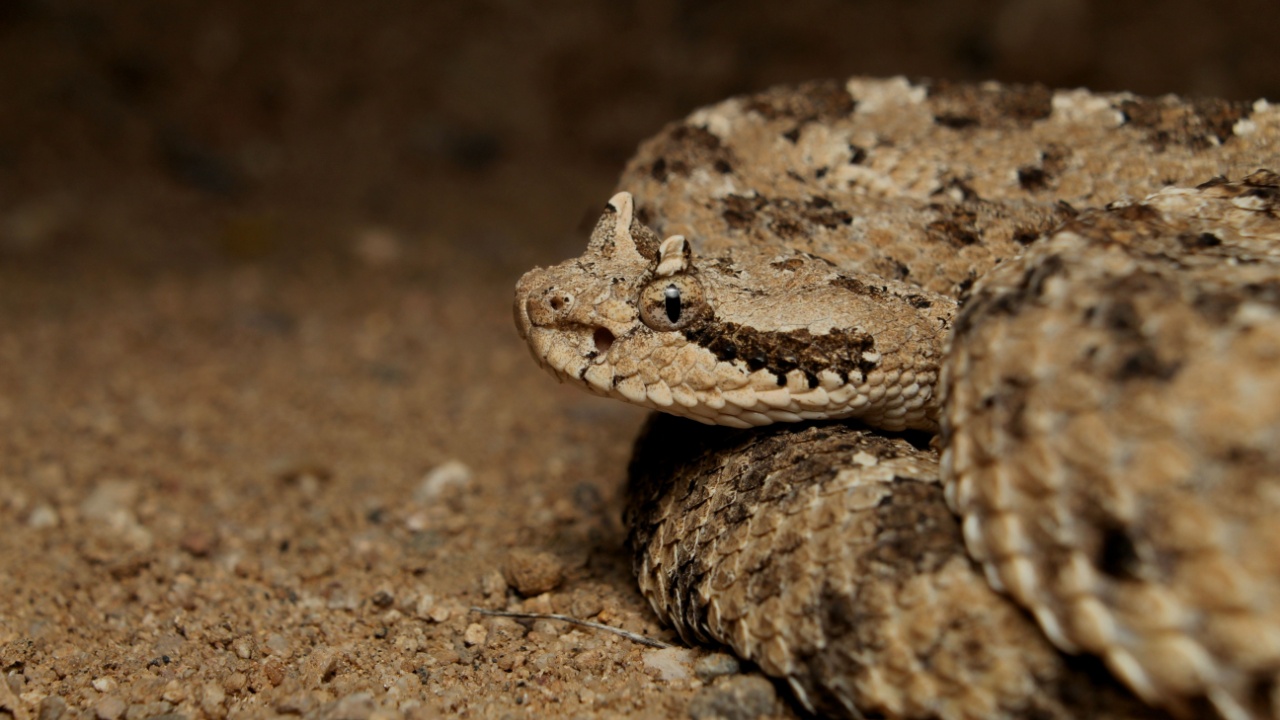
Image Credit: Shutterstock.
The Sidewinder has a truly unique and efficient way of moving across loose sand. Instead of slithering forward, it propels itself sideways in a series of S-shaped curves, touching the hot desert ground with only two points of its body at any time. This motion allows it to reach an impressive speed of up to 18 mph (29 km/h), making it one of the fastest snakes in North America. This method of locomotion is also very efficient, saving energy in the harsh desert environment.
Found in the deserts of the Southwestern United States and Northwestern Mexico, these rattlesnakes are nocturnal hunters. They feed on lizards and small rodents. Despite their speed, they are ambush predators, using their sandy camouflage to wait for prey to wander by.
Quick Facts:
- Top Speed: Up to 18 mph (29 km/h) using sidewinding locomotion.
- Habitat: Sandy deserts in the Southwestern U.S. and Northwestern Mexico.
- Encounter Tip: Be cautious when hiking in desert areas, especially at night. Wear sturdy boots and watch where you place your hands and feet.
3. Southern Black Racer
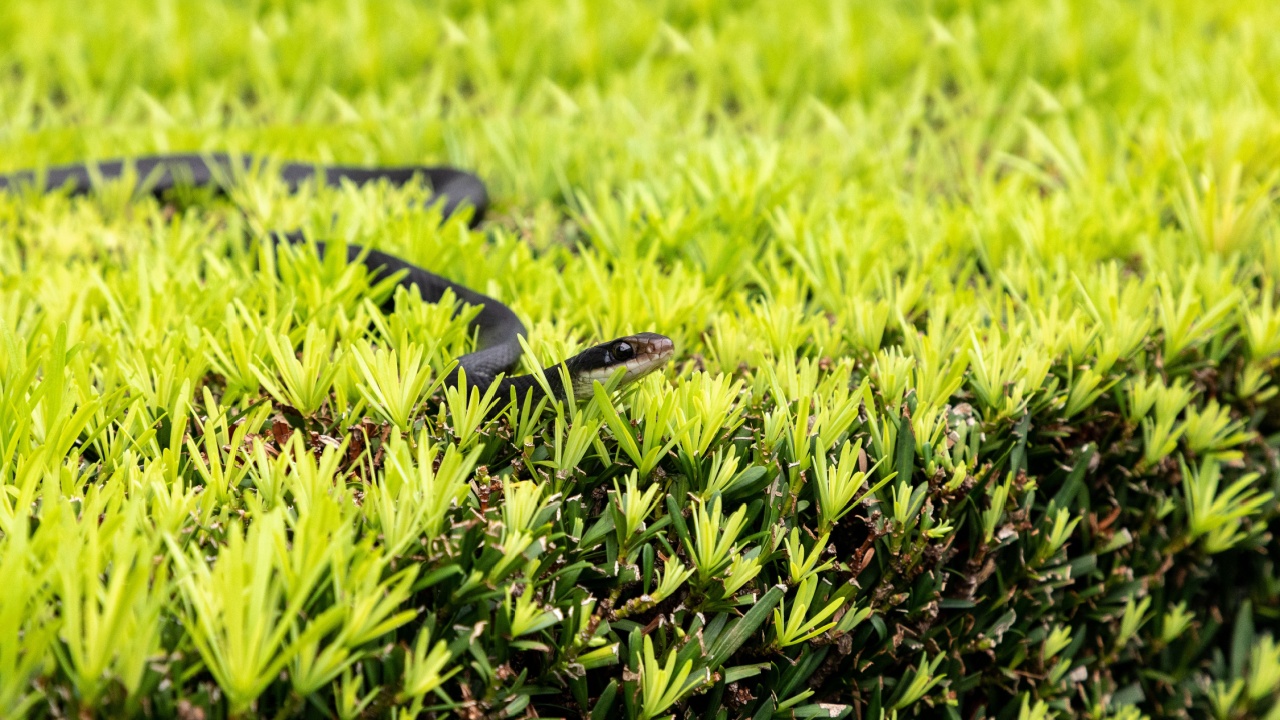
Image Credit: Shutterstock.
As its name suggests, the Southern Black Racer is built for speed. These slender, nonvenomous snakes are common throughout the southeastern United States. They can move at speeds of up to 10 mph (16 km/h) when trying to escape a predator or chase down prey. Their diet is varied and includes insects, lizards, other snakes, birds, and rodents.
Black Racers are often found in fields, forests, and suburban backyards. They are active during the day and are quite nervous. When confronted, their first instinct is to bolt. If they are cornered, they will vibrate their tail, which can sound like a rattlesnake when it rustles against dry leaves. They may also strike, but their bite is harmless to humans.
Quick Facts:
- Top Speed: Up to 10 mph (16 km/h).
- Habitat: Open fields, woodlands, and suburban areas in the southeastern United States.
- Encounter Tip: If one is in your yard, it is best to leave it alone. They help control rodent populations and will likely move on quickly.
4. Common Death Adder
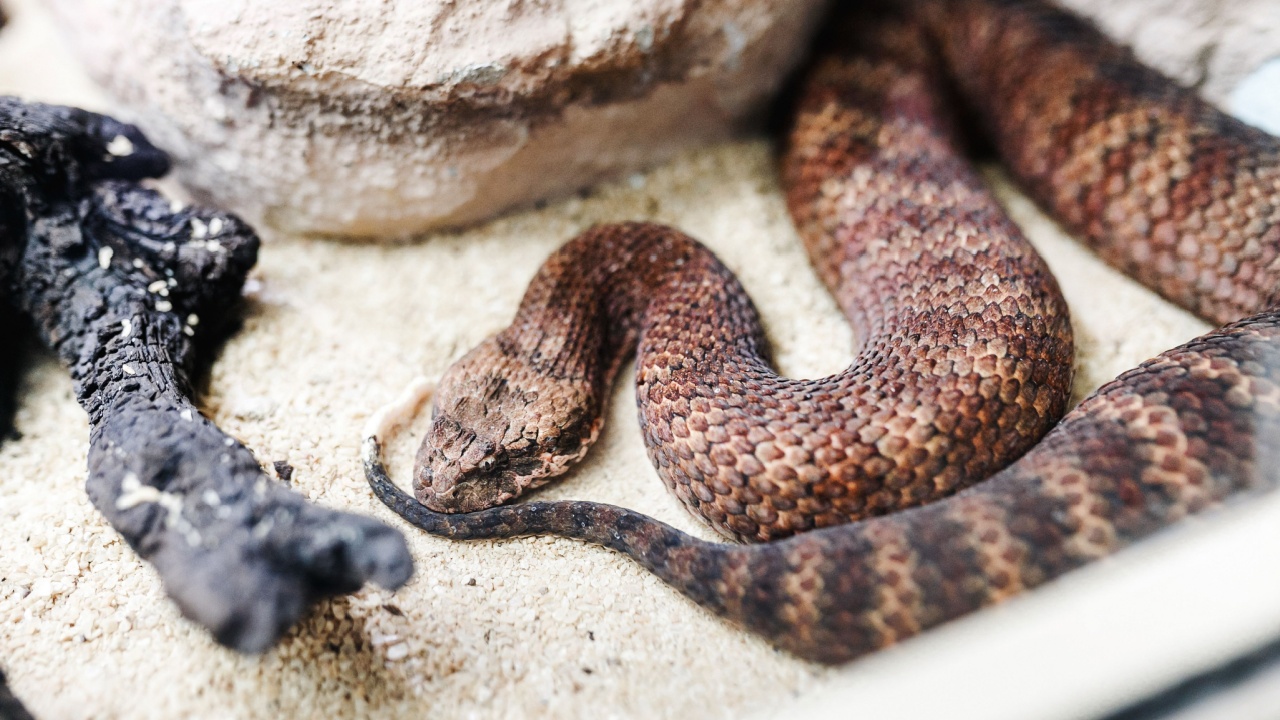
Image Credit: Shutterstock.
The Common Death Adder proves that speed isn’t always about how fast you can travel. This snake holds the record for one of the fastest strikes in the world. It can launch an attack, inject venom, and return to its starting position in less than 100 milliseconds, literally faster than the blink of an eye. This incredible speed is necessary for its hunting strategy. It lies camouflaged in leaf litter, wiggling the grub-like tip of its tail to lure in prey.
Native to Australia, New Guinea, and nearby islands, the Death Adder possesses a powerful neurotoxin. They are not aggressive and rely on their camouflage to avoid detection. Most bites occur when people accidentally step on them.
Quick Facts:
- Strike Speed: Under 100 milliseconds.
- Habitat: Forests, woodlands, and grasslands of Australia and New Guinea.
- Encounter Tip: Wear protective footwear and use a flashlight when walking through their habitat at night. Pay close attention to where you are stepping.
5. Gaboon Viper
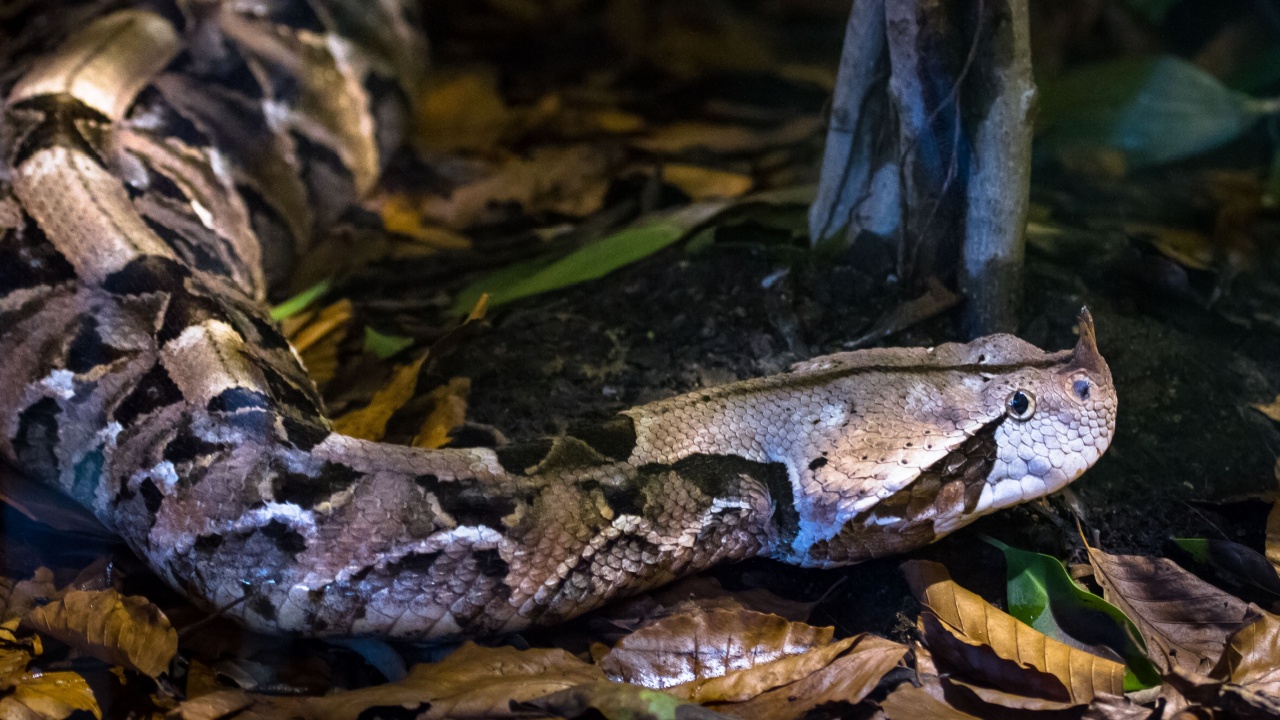
Image Credit: Shutterstock.
The Gaboon Viper is a master of ambush predation, relying on stealth and precision rather than speed. Despite its bulky frame and slow movement, it delivers one of the fastest and most forceful strikes among snakes. Studies suggest its strike speed is closer to 3.2 meters per second (about 7 mph), which is still remarkably fast for its size.
This viper holds two impressive records: the longest fangs of any snake (up to 2 inches) and one of the highest venom yields per bite. Its venom is cytotoxic, causing severe tissue damage, and is used to immobilize prey such as rodents, birds, and small mammals. Gaboon Vipers inhabit the rainforests and woodlands of Central, West, and parts of East Africa.
Quick Facts:
- Strike Speed: Approximately 3.2 m/s (7 mph)
- Fang Length: Up to 2 inches (longest of any snake)
- Venom Type: Cytotoxic, high yield
- Habitat: Rainforests and woodlands of Central and West Africa
- Encounter Tip: Their camouflage is exceptional. Use a walking stick to probe leaf litter when hiking in their range.
6. Rat Snake
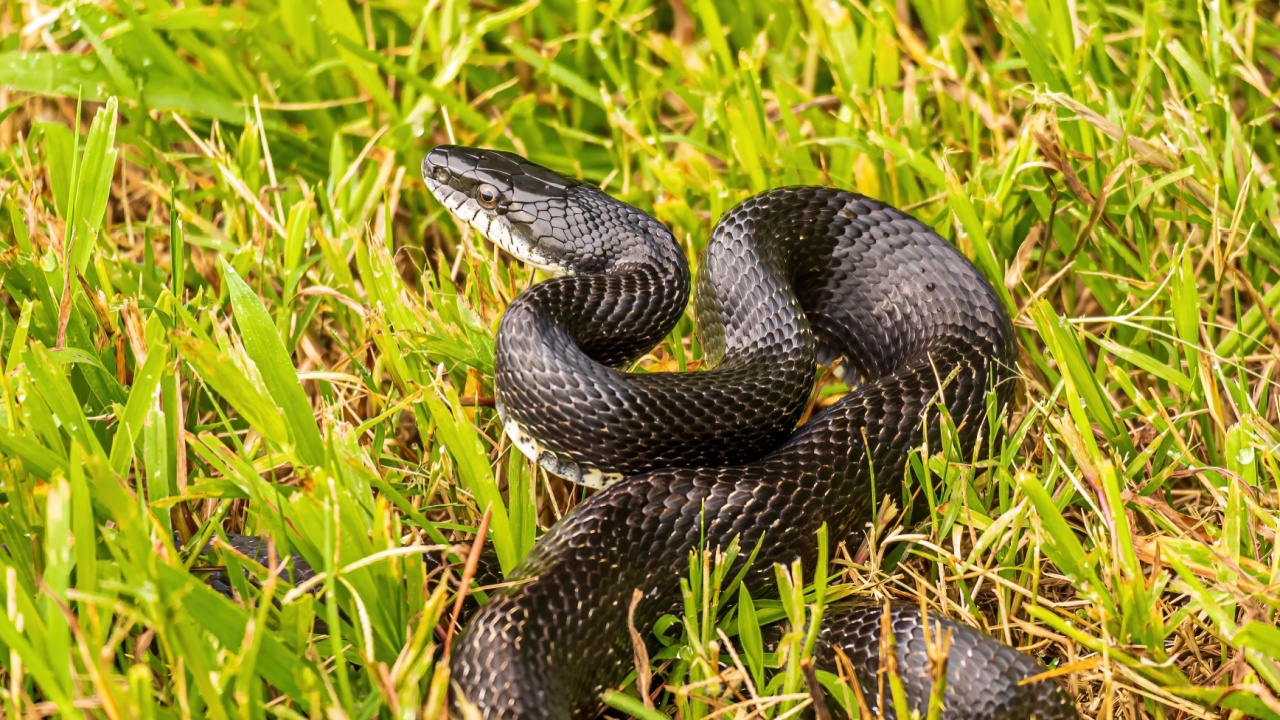
Image Credit: Shutterstock.
Rat snakes are another nonvenomous species that demonstrates impressive speed, particularly in their strike. Research has shown that a Rat Snake can strike at a speed of about 2.67 meters per second. This quick attack is essential for catching their fast-moving prey, which includes rodents, squirrels, and birds.
While not as fast over ground as a Black Racer, they are excellent climbers and can swiftly navigate trees and buildings. Various species of Rat Snakes are found across North America, Europe, and Asia in a wide range of habitats, from forests to farmlands and even suburban neighborhoods. They are beneficial to have around as they help manage pest populations. If cornered, they will often vibrate their tails and may release a foul-smelling musk.
Quick Facts:
- Strike Speed: Approximately 2.67 meters per second.
- Habitat: Diverse environments across the Northern Hemisphere, including forests, fields, and barns.
- Encounter Tip: These snakes are harmless helpers. If you find one in your garage or shed, you can gently guide it out with a broom or just give it space to leave on its own.
7. Cottonmouth (Water Moccasin)
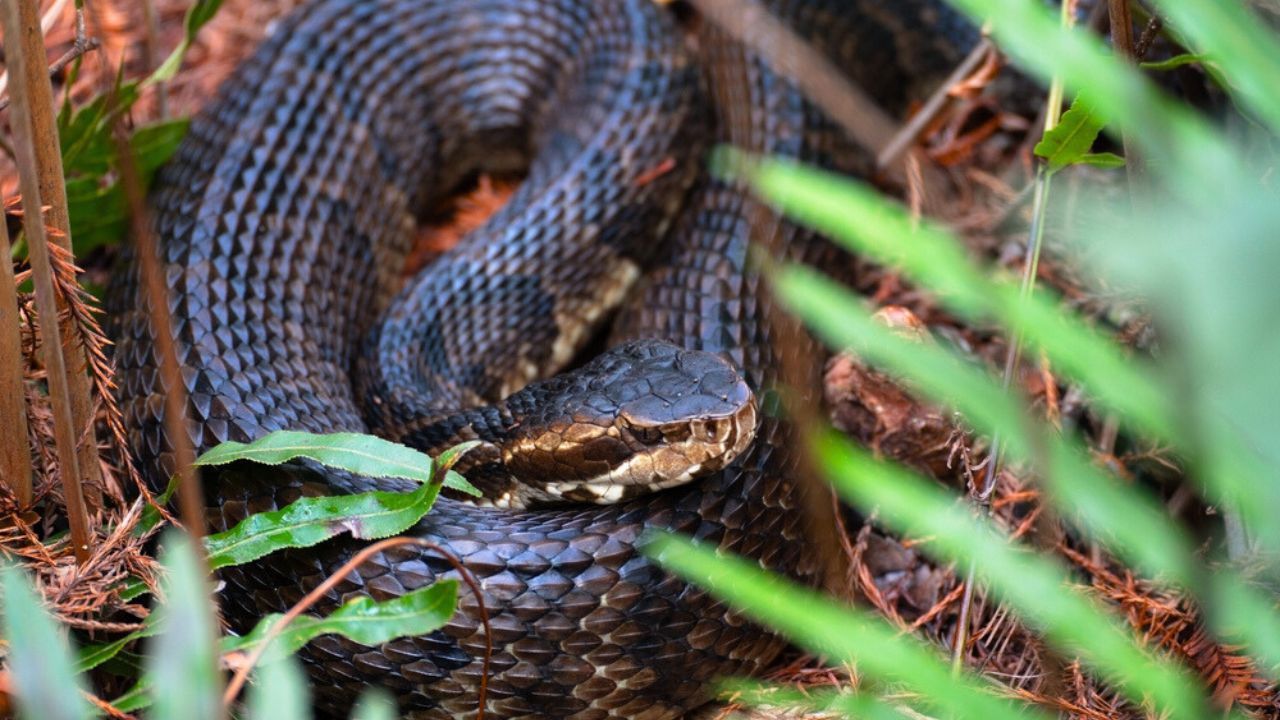
Image Credit: Shutterstock.
The Cottonmouth, also known as a Water Moccasin, is a venomous, semi-aquatic viper known for its defensive posture. When threatened, it will open its mouth wide, revealing the stark white interior that gives it its name. While not particularly fast on land, its strike is incredibly quick, clocking in at around 2.97 meters per second.
This allows it to effectively hunt fish, frogs, and other small animals in and around water. Cottonmouths are found in the southeastern United States, preferring swamps, marshes, streams, and ponds. They are often mistaken for harmless water snakes. While they have a reputation for being aggressive, they usually only bite when they feel trapped and unable to escape.
Quick Facts:
- Strike Speed: Around 2.97 meters per second.
- Habitat: Aquatic environments like swamps, lakes, and rivers in the southeastern U.S.
- Encounter Tip: When near water in their range, be aware of your surroundings. Avoid reaching into submerged logs or thick vegetation without looking first.
8. Flying Snake (Chrysopelea)
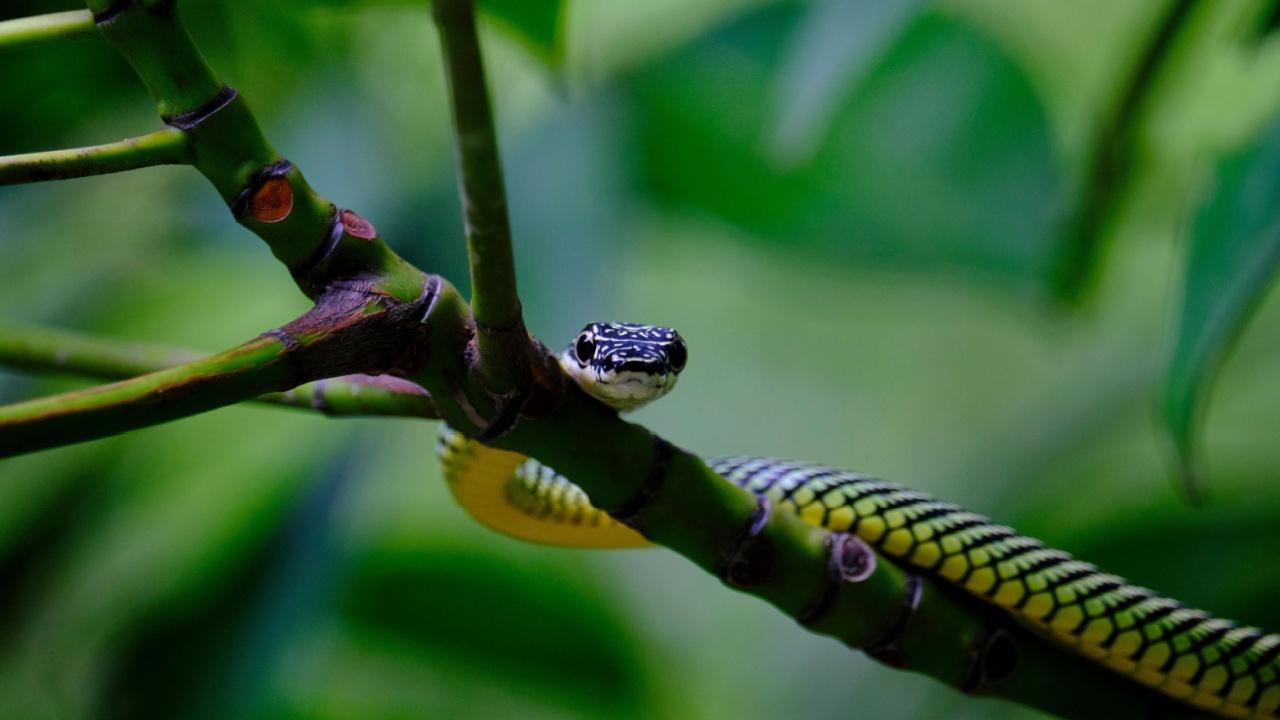
Image Credit: Shutterstock.
Yes, there is such a thing as a “flying” snake. Found in the forests of Southeast Asia, these snakes don’t truly fly but are expert gliders. To travel from tree to tree, they launch themselves into the air, flatten their bodies to create a wing-like surface, and make S-shaped motions to steer. They can glide for distances up to 330 feet, moving through the air at speeds between 8 and 10 meters per second.
This remarkable ability allows them to escape predators and hunt for lizards and frogs in the forest canopy. They are mildly venomous, but their venom is not considered dangerous to humans. Seeing one glide through the air is a startling but amazing sight.
Quick Facts:
- Air Speed: 8–10 meters per second while gliding.
- Habitat: Tropical rainforests in Southeast Asia.
- Encounter Tip: You are unlikely to encounter one on the ground. Just remember to look up occasionally when walking through the jungles of Southeast Asia.
9. Inland Taipan
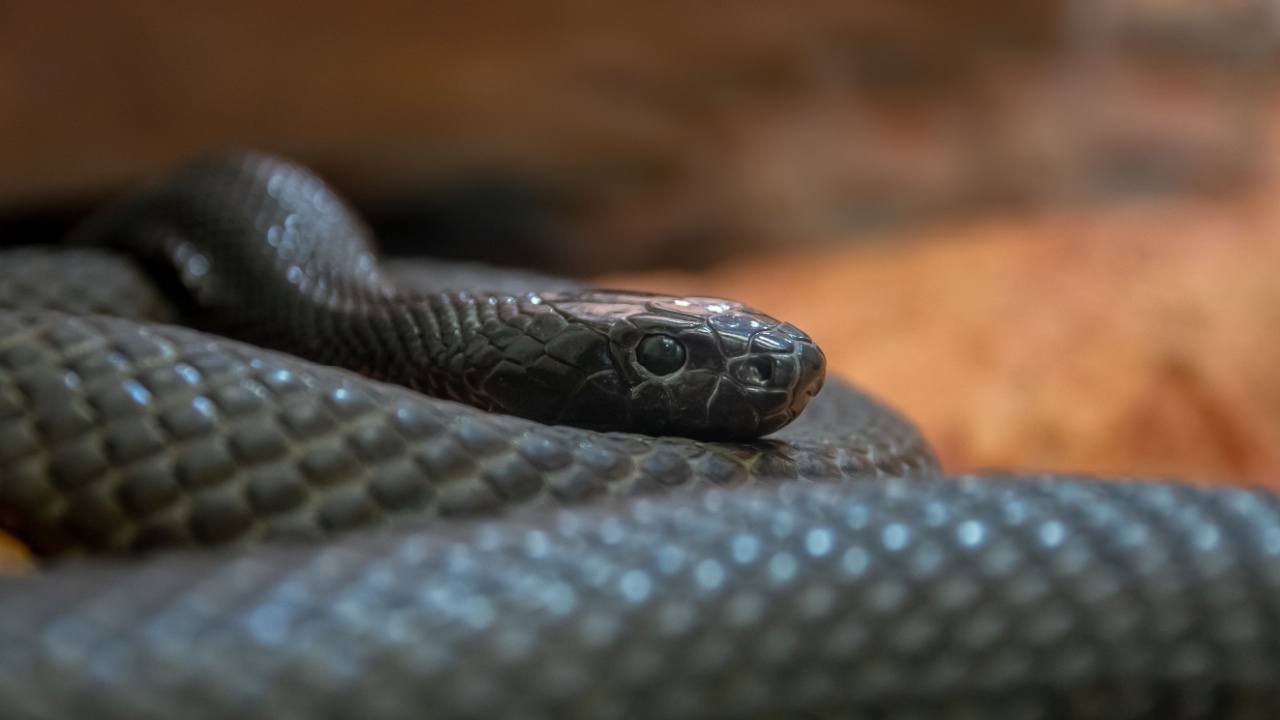
Image Credit: Shutterstock.
The Inland Taipan is famous for having the most toxic venom of any snake in the world. While its reputation is built on venom potency, it is also a surprisingly fast and agile hunter. Though its exact ground speed is not well-documented, it is estimated to move at around 5 mph. It uses this speed to rapidly pursue its prey, primarily the long-haired rat, in the remote, arid regions of central east Australia.
The Taipan delivers its venom with extreme precision, often striking multiple times in a single attack. Despite its deadly capabilities, it is a shy and reclusive snake that avoids human contact. There have been very few recorded bites, and most have involved people who handle them for a living. That is not a snake you want to have in your yard.
Quick Facts:
- Estimated Speed: Around 5 mph on the ground.
- Habitat: Clay-soiled floodplains in arid regions of central-east Australia.
- Encounter Tip: Its remote habitat means encounters are very rare. For the few who might venture into its territory, standard precautions like wearing tough boots are advised.
Living Alongside Our Speedy Neighbors
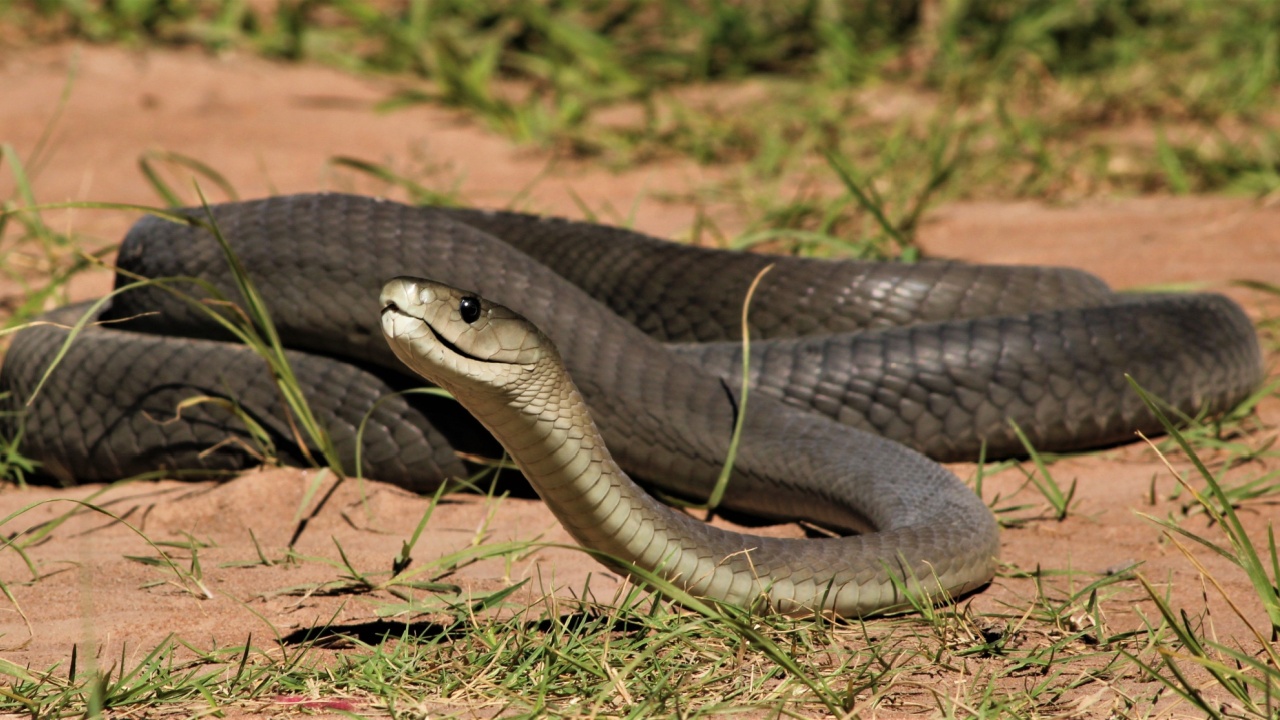
Image Credit: Shutterstock.
Snakes, even the fastest and most venomous ones, play an important part in their ecosystems. For backyard gardeners and outdoor enthusiasts, understanding the snakes in your backyard is the best way to coexist safely. The key takeaway is almost universal: snakes do not want to interact with humans. Given space and a clear escape route, they will almost always take it.
If you enjoy hiking or live in an area with a healthy snake population, a few simple habits can greatly reduce the chance of a negative encounter. Always watch where you step, wear appropriate footwear, and never put your hands into places you can’t see.