
Childhood is often viewed through a soft-focus lens, a time of innocent play and endless afternoons. But lurking in the shadows of nostalgia are some truly wild toys that somehow made it to store shelves. These weren’t just poorly designed; they were genuine menaces, a collection of questionable ideas that posed real dangers.
Looking back, it’s a miracle some of us survived playtime at all. This trip down memory lane revisits ten famous toys that were pulled from production, not because they were unpopular, but because they were a little too good at causing chaos and injury. How many do you remember? They’ll have you wondering how these ever made it on the market.
1. Lawn Darts (Jarts)
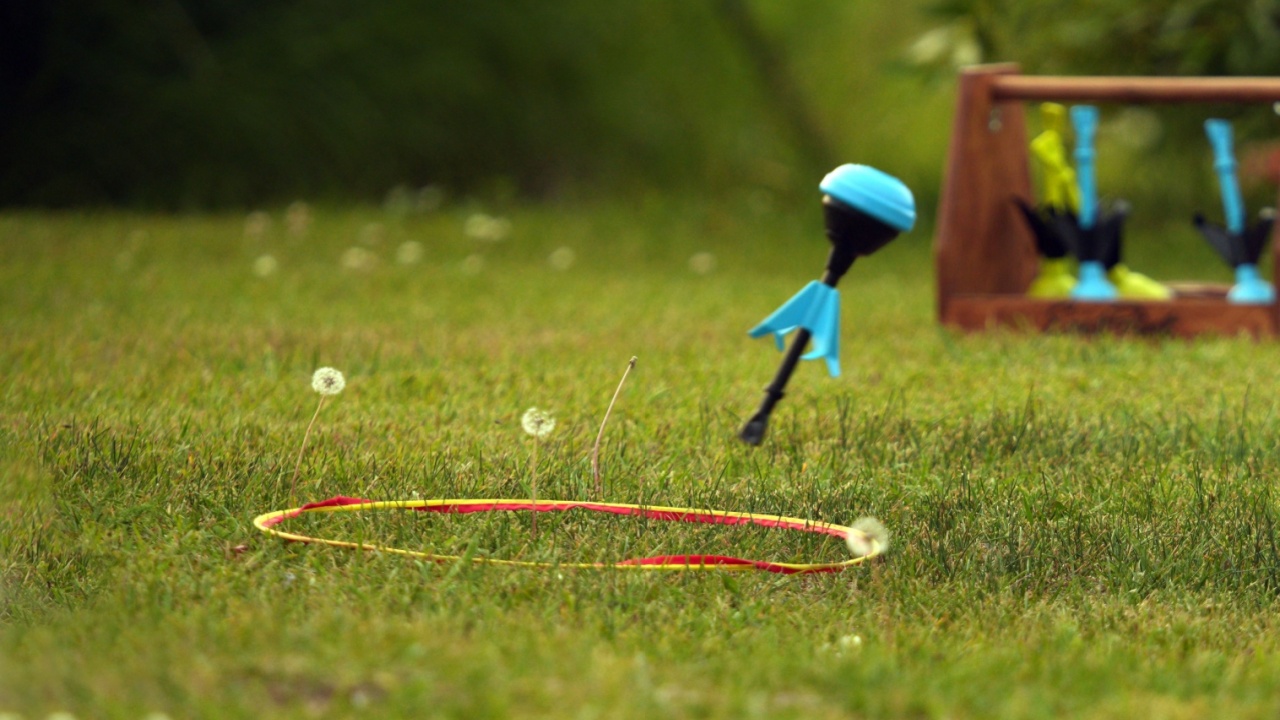
Image Credit: Shutterstock.
Lawn Darts, affectionately known as Jarts, were the undisputed king of hazardous backyard games. The concept was simple: players would toss large, heavy, metal-tipped darts underhand toward a plastic ring on the ground. It was like a game of horseshoes, except with miniature spears capable of piercing just about anything they landed on. Despite warnings to never aim them at people, the combination of children, projectiles, and friendly competition proved to be a recipe for disaster.
After thousands of injuries and several tragic child deaths, the Consumer Product Safety Commission (CPSC) stepped in. The darts were officially banned from sale in the United States in 1988, ending their reign as the most perilous pastime at the family barbecue. Today, you can find modern versions with rounded, weighted plastic tips, but the original Jarts remain a legendary symbol of a less cautious era.
- Hazard: Large, weighted steel tips capable of causing severe puncture wounds and fatal injuries.
- Reason for Ban: Documented cases of thousands of emergency room visits and multiple child fatalities.
- Modern Alternative: Look for lawn dart sets with soft, weighted, or rounded plastic tips that are safe for all ages.
2. Gilbert U-238 Atomic Energy Lab

Photo Credit: Depositphotos.com.
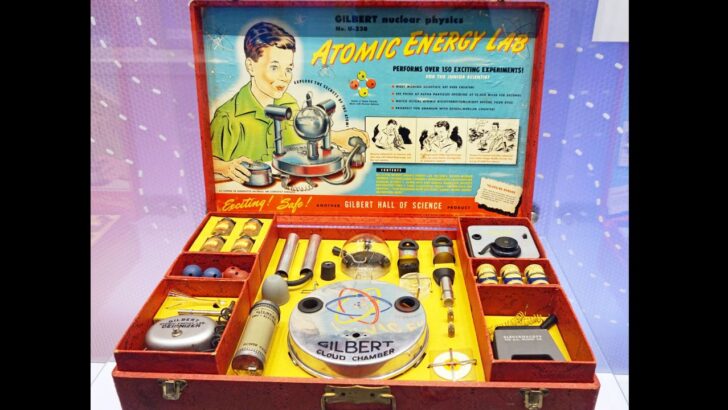
Imagine a toy that came with its own radioactive materials. That was the Gilbert U-238 Atomic Energy Lab. Released in 1950, this incredibly ambitious “toy” was one of the most elaborate science kits ever produced. It included a Geiger counter, a cloud chamber, an electroscope, and four samples of actual uranium ore (as pictured in are featured image at the top). The creator, Alfred Carlton Gilbert, believed in hands-on learning, and he certainly delivered.
The kit encouraged young scientists to witness radioactive decay and search for new uranium sources. While the amount of radioactive material was considered minimal at the time, the potential for mishandling, ingestion, or exposure was significant. The kit was astronomically expensive for its time and sold poorly, disappearing from shelves within a year. It was never officially banned, but its radioactive contents would make it illegal to produce under modern safety standards.
- Hazard: Contained genuine low-level radioactive materials (Uranium-238).
- Reason for Discontinuation: Extremely high price, poor sales, and the obvious dangers associated with giving children radioactive samples.
- Modern Alternative: Digital Geiger counters and safe classroom-based science kits that simulate radioactive principles without any actual risk.
3. Sky Dancers

Photo Credit: Zlouiemark45546 – CC BY-SA 4.0/Wiki Commons.
In the mid-1990s, Sky Dancers flew into the hearts of children everywhere (not pictured here due to copyright). These beautiful winged dolls were placed on a mechanical launcher. When a child pulled the cord, the doll would spin into the air, gracefully twirling like a ballerina. The problem was that “gracefully” was not always in their vocabulary. The dolls launched with unpredictable speed and force, becoming tiny, hard-plastic projectiles.
The foam wings did little to soften the blow when a Sky Dancer went rogue, hitting a child (or an unsuspecting adult) in the face. The CPSC received over 150 reports of injuries, including scratched corneas, broken teeth, and facial lacerations. After a massive recall of nearly 9 million units in 2000, the original Sky Dancers were grounded for good.
- Hazard: High-speed, unpredictable projectile launch mechanism.
- Reason for Ban: Caused numerous injuries, including eye damage, broken teeth, and cuts.
- Modern Alternative: Gentle helicopter-style toys with soft, flexible propellers and controlled, low-power launch mechanisms.
4. Creepy Crawlers Thingmaker
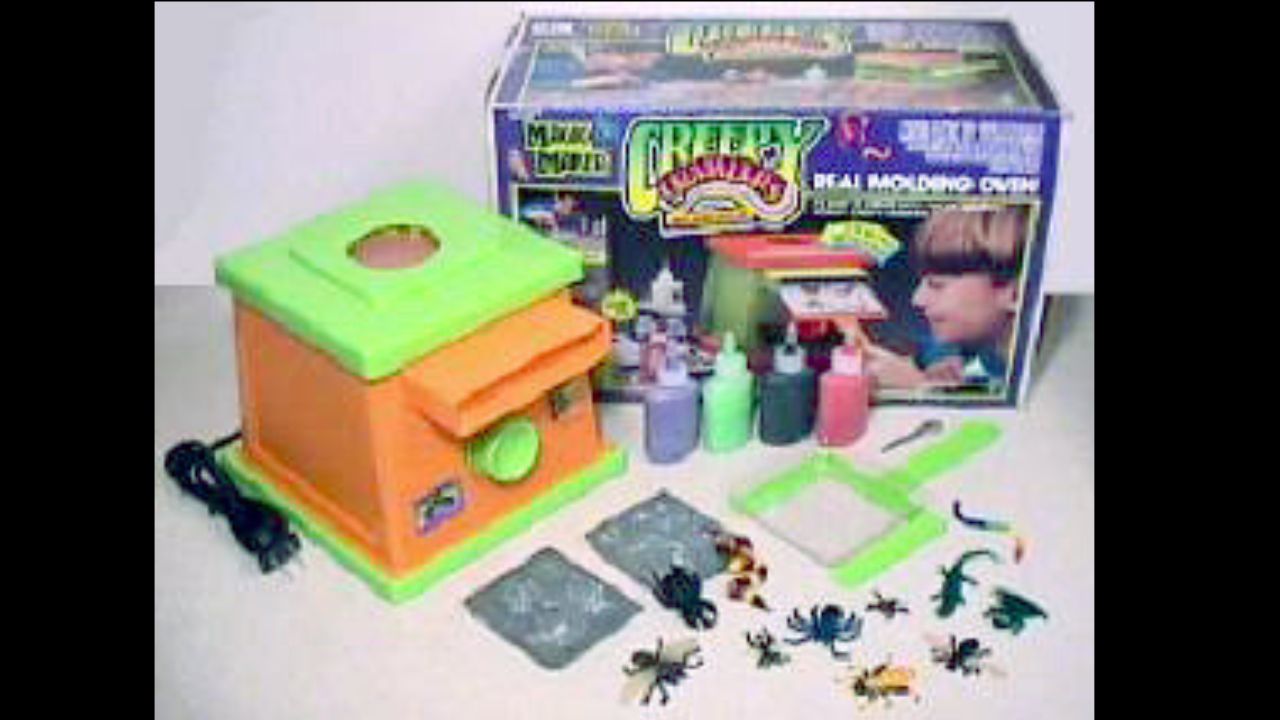
Photo Credit: Berry Prince – Own work – Public Domain/Wiki Commons.
The original Creepy Crawlers Thingmaker, introduced in the 1960s, let kids create their own rubbery insects and monsters. The process involved pouring a liquid chemical called “Plastigoop” into metal molds and heating them on an open-face hot plate that reached over 300 degrees Fahrenheit. The result was a delightfully squishy bug and, often, a nasty burn.
The exposed heating element was an obvious hazard, leading to countless scorched fingers. On top of that, the fumes released from the melting Plastigoop were toxic. While the toy was incredibly popular and spawned many spin-offs, the original hot-plate version was eventually replaced with safer models. Modern versions use a lightbulb-powered oven with safety doors to prevent direct contact with the heat source.
- Hazard: Exposed hot plate for heating molds, plus noxious fumes from the “Plastigoop.”
- Reason for Redesign: High risk of serious burns and potential for toxic fume inhalation.
- Modern Alternative: Newer Creepy Crawlers sets use enclosed, light-based ovens with auto-shutoff features.
5. Snacktime Cabbage Patch Kids
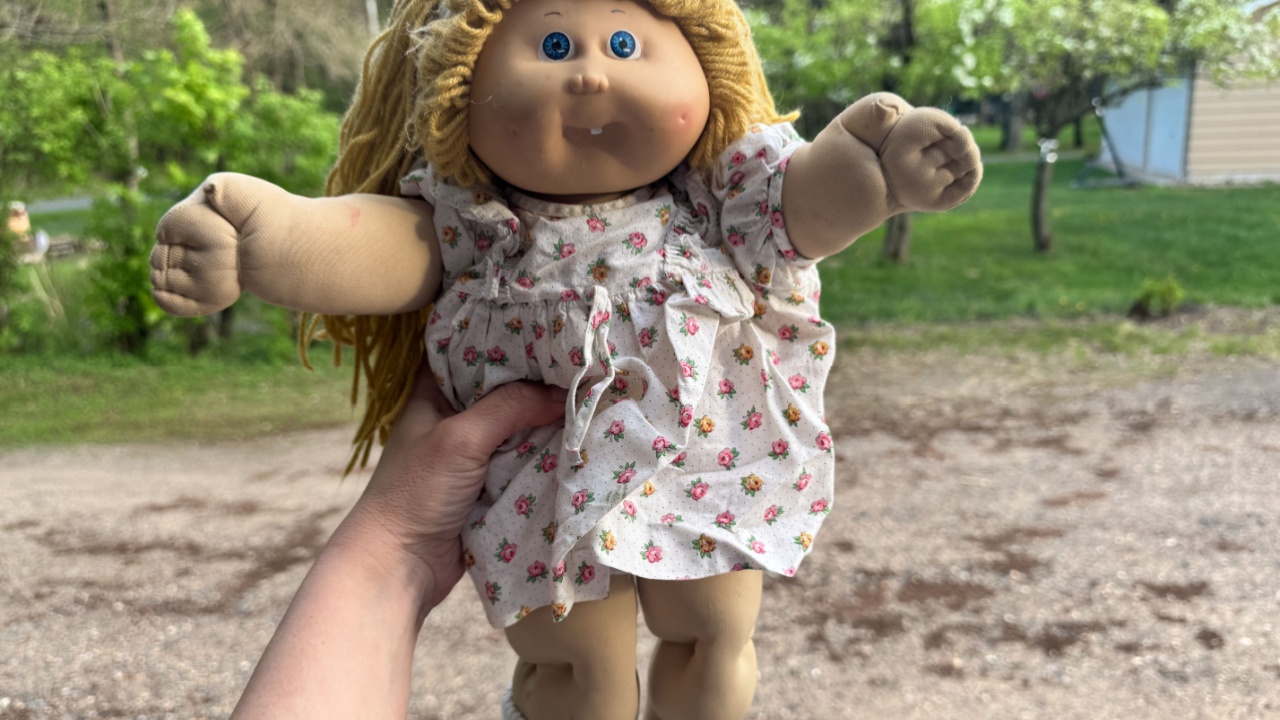
Image Credit: melissamn / Shutterstock.
The Cabbage Patch Kids brand was a massive phenomenon in the 1980s, but a 1996 version took a strange turn. The “Snacktime” dolls came with a motorized mouth designed to “eat” plastic foods like carrots and licorice. The doll’s one-way roller mechanism would chew the food and deposit it into a backpack. Unfortunately, the doll’s mechanical jaw couldn’t tell the difference between a plastic carrot and a child’s finger or hair.
Reports quickly flooded in about the dolls catching onto children’s hair and refusing to let go, leading parents to frantically cut their kids free. There were also dozens of reports of pinched and bloodied fingers. The dolls had no off-switch, making the situation even more frightening. Mattel initiated a voluntary “buy back,” offering a full refund for the 500,000 dolls sold, effectively ending their short-lived mealtime.
- Hazard: Motorized mouth with a powerful one-way roller mechanism and no off-switch.
- Reason for Recall: The dolls chomped on children’s hair and fingers, creating a safety and entrapment risk.
- Modern Alternative: Feeding dolls now typically feature simple, non-motorized mechanics or use magnetic accessories.
6. Clackers

Image Credit: Shutterstock.
Clackers, also known as Ker-Bangers, were a simple yet maddeningly addictive toy from the late 1960s and early 1970s. The toy consisted of two heavy acrylic balls, each attached to a string that was joined at a central ring. The goal was to get the two balls “clacking” together by moving your hand up and down, first on the bottom and then on the top, in a steady rhythm.
The problem was physics. When swung with enough force, the acrylic balls would occasionally shatter, sending sharp plastic shrapnel flying in all directions. The strings could also break, turning the heavy spheres into dangerous projectiles. After a series of eye injuries and other incidents, the FDA stepped in and declared them a mechanical hazard, leading to their removal from toy stores.
- Hazard: The hard acrylic balls could shatter upon impact, creating sharp projectiles.
- Reason for Ban: Caused eye injuries and other impact-related harm when they broke during use.
- Modern Alternative: Modern versions are made with softer, shatter-proof plastics and feature redesigned, safer string connectors.
7. Easy-Bake Oven (2006-2007 Model)
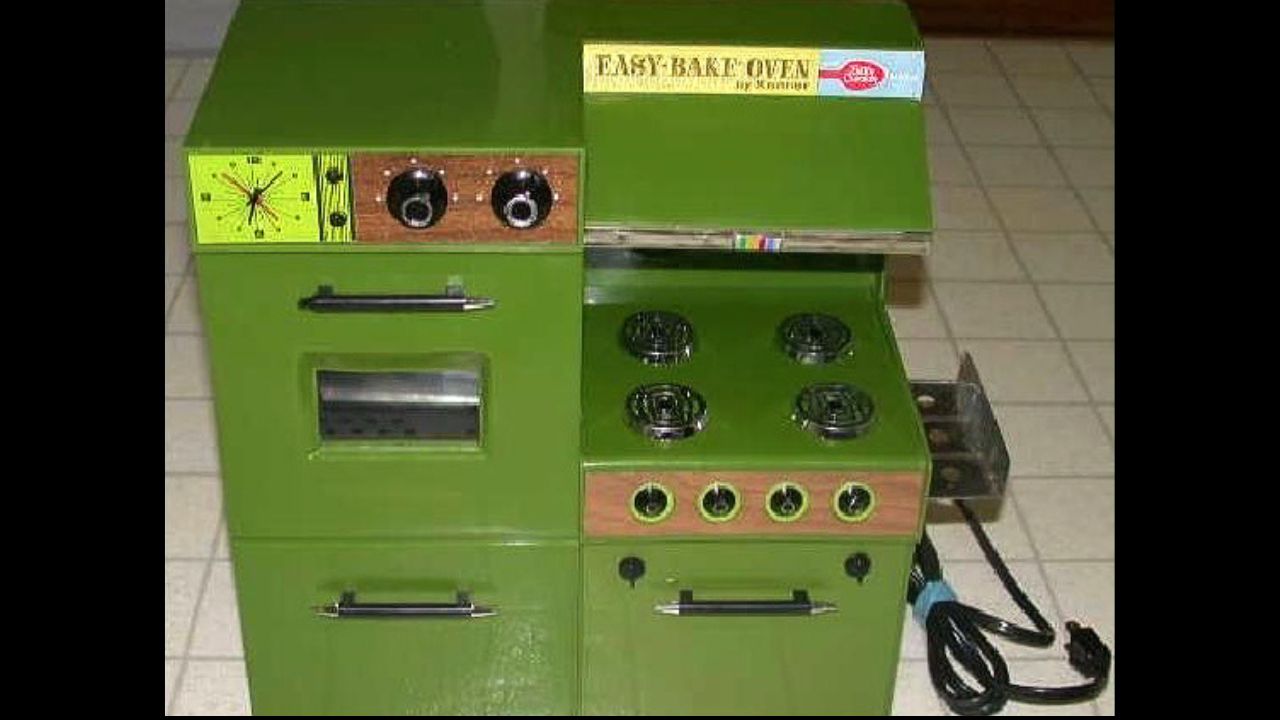
Photo Credit: Bradross63 – Own work – CC BY-SA 4.0/Wiki Commons.
The Easy-Bake Oven has been a beloved toy since its introduction in 1963, using a simple incandescent light bulb to bake tiny cakes. However, a 2006 redesign by Hasbro proved disastrous. This new model featured a front-loading slot and a true heating element, which made it look more like a modern appliance. Unfortunately, the design had a major flaw: the small opening was notorious for trapping children’s hands and fingers inside, pushing them directly against the hot coil.
The CPSC received hundreds of reports of children getting their hands stuck, resulting in second and third-degree burns. After an initial recall failed to solve the problem, Hasbro recalled the entire line of nearly one million ovens in 2007. The company later returned to a safer, classic design that kept little hands far away from the heat source.
- Hazard: A front-loading design flaw allowed children’s hands to get trapped against the internal heating element.
- Reason for Recall: Caused hundreds of serious burns, some requiring skin grafts.
- Modern Alternative: Current Easy-Bake Ovens have safety features that prevent access to the heating chamber during operation.
8. Slip ‘N Slide

Image Credit: Shutterstock.
The Slip ‘N Slide is a summer icon, a long sheet of plastic that turns any backyard into a personal water park. While it provided hours of fun for kids, it proved surprisingly dangerous for teenagers and adults. The product was designed for the size and weight of small children. When a larger person launched themselves onto the thin, wet plastic, there was not enough cushion to protect them from the hard ground underneath.
The abrupt stop at the end of the slide could cause serious neck and spinal injuries, including paralysis. After numerous reports of adult injuries throughout the 1970s and 1980s, the CPSC issued warnings and eventually forced the manufacturer, Wham-O, to raise the recommended age and add more prominent warnings. Though never fully banned, the version sold today is vastly different and marketed strictly to children.
- Hazard: Insufficient length and padding for teenagers and adults, leading to abrupt stops that caused neck and spinal cord injuries.
- Reason for Warnings/Redesign: High incidence of permanent disability and paralysis among users over the intended age and weight.
- Modern Alternative: The current product is shorter and marketed with strict age and weight limits. For adults, commercial-grade inflatable water slides offer a safer option.
9. Yo-Yo Water Ball
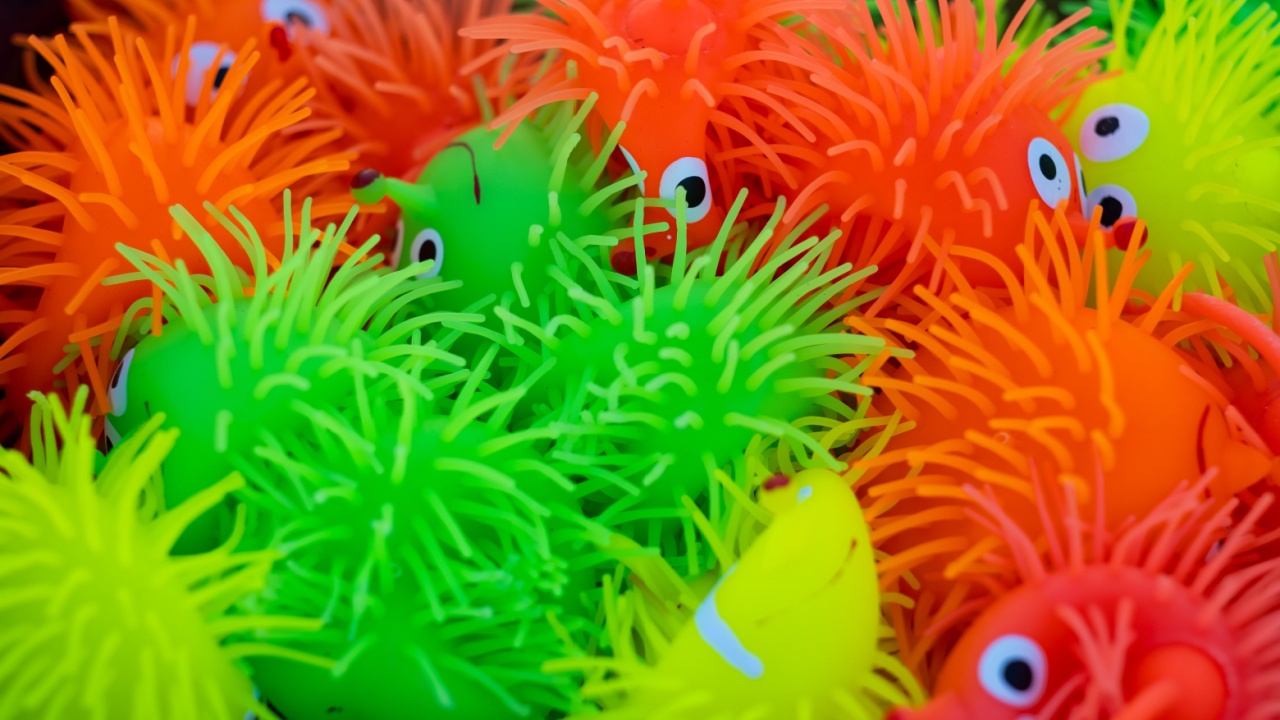
Image Credit: Shutterstock.
This squishy, stretchy toy seemed harmless enough. A liquid-filled ball was attached to a long, elastic cord, allowing it to be swung around like a yo-yo. They became a playground craze in the early 2000s. The danger came from the long, highly elastic cord. When swung with force, the cord could stretch to several feet and easily wrap around a child’s neck.
Because the material was tacky and strong, it did not break easily and could pose a serious strangulation risk. Several “near-miss” incidents were reported where children were found with the cord wrapped tightly around their necks, turning blue. This led to a swift and widespread ban in several states and countries, and major retailers pulled them from shelves voluntarily due to the obvious hazard.
- Hazard: The long, sticky, and durable elastic cord presented a significant strangulation risk.
- Reason for Ban: Documented cases of the cord wrapping around children’s necks during play, cutting off circulation.
- Modern Alternative: Classic yo-yos with non-elastic strings remain a safe and popular choice.
10. Aqua Dots
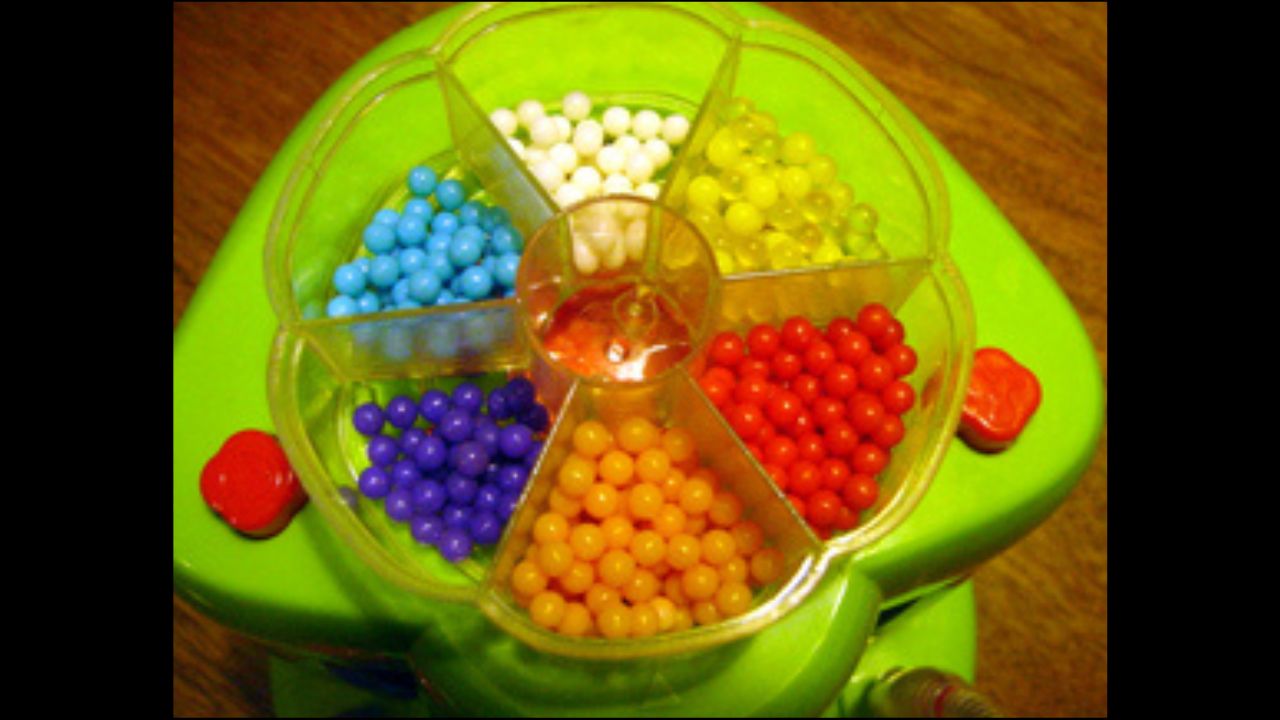
Photo Credit: Nick Connolly – Own work – Public Domain/Wiki Commons.
Aqua Dots were small, colorful beads that could be arranged into designs on a tray. When sprayed with water, the beads would fuse together to create a permanent piece of art. The craft kit won “Toy of the Year” in Australia. The problem was discovered when children began ingesting the beads. The chemical coating on the beads, when metabolized by the body, converts into gamma-hydroxybutyrate (GHB), commonly known as a date rape drug.
Children who swallowed the beads began falling into comatose states, experiencing respiratory depression and seizures. After several children were hospitalized in the U.S. and Australia, a massive global recall was issued in 2007. The manufacturer later re-released the toy under a different name, Bindeez, with a new, non-toxic chemical coating.
- Hazard: Beads were coated with a chemical that metabolized into the potent sedative drug GHB when ingested.
- Reason for Ban: Caused children to fall into comas and suffer seizures after swallowing them.
- Modern Alternative: Similar craft beads are now made with safe, non-toxic water-soluble adhesives.
A Legacy of Lessons
Image Credit: Del Harper / Shutterstock.
This journey through the museum of banned toys does more than make us laugh or shudder at past mistakes. It highlights how far toy safety has come. The regulations and testing standards in place today were born from the hard lessons taught by Jarts, Sky Dancers, and Atomic Energy Labs. So next time you see a toy with a long list of safety warnings, you can appreciate the history that made them necessary. Safe play is no accident; it’s a standard built on a foundation of some truly hazardous ideas.