

Fall is like that friend who laughs at funerals, because they know endings can be beautiful too. It is a season of beautiful contradictions. We pull on cozy sweaters while mourning the end of summer, sip pumpkin spice lattes, and watch the leaves put on a spectacular final show before they clog our gutters.
It’s a crucial time for preparing your home and garden for the cold months ahead. Tackling these projects now means you can spend winter cozied up by the fire instead of dealing with frozen pipes, surprise leaks, or a garden that looks like it lost a fight with a polar vortex.
Here are 10 projects to finish this fall before winter truly settles in.
1. Clean, Repair, or Replace Your Gutters
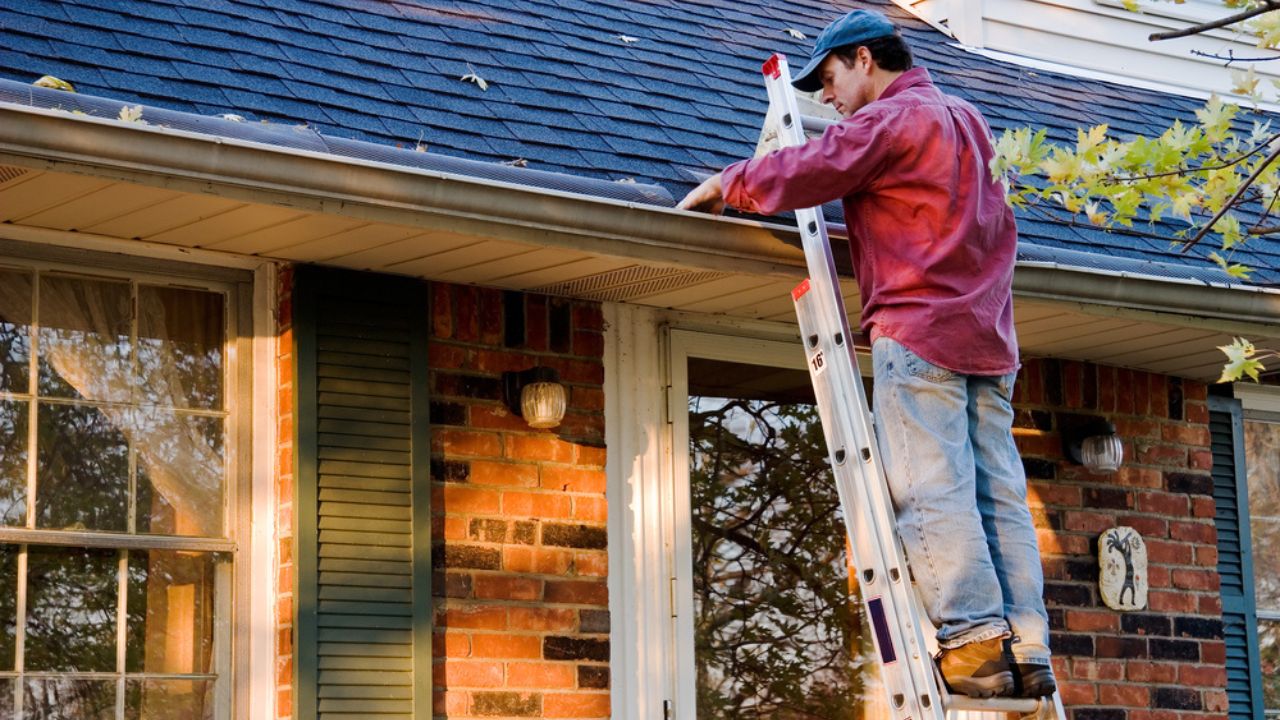
Image Credit: Shutterstock.
Your gutters might not always get a standing ovation, but they’re absolutely essential to your home’s exterior, diligently directing thousands of gallons of water away from your foundation and roof. However, once they’re clogged with fall leaves, they turn from a helpful drainage system into a severe liability.
Water can spill over, seep under your shingles, and flood your foundation. Worse, that trapped water can freeze, and coupled with a heat loss from the attic, create heavy ice dams that can rip gutters right off your house.
Why it matters: Neglecting your gutters can lead to catastrophic water damage, from a leaky roof and ruined attic insulation to a cracked foundation. A simple cleaning is one of the most effective preventative measures you can take.
Get It Done:
- DIY Cleaning: If you’re comfortable on a ladder, wait until most leaves have fallen. Use a trowel to scoop out debris and flush the gutters and downspouts with a hose.
- Hire a Pro: For multi-story homes or if you’d rather stay on solid ground, professionals can do the job quickly and safely.
- Consider Gutter Guards: If you’re tired of the annual clean-out, fall is a great time to install gutter guards to keep debris out for good.
2. Prepare Your Garden Beds for a Winter Nap
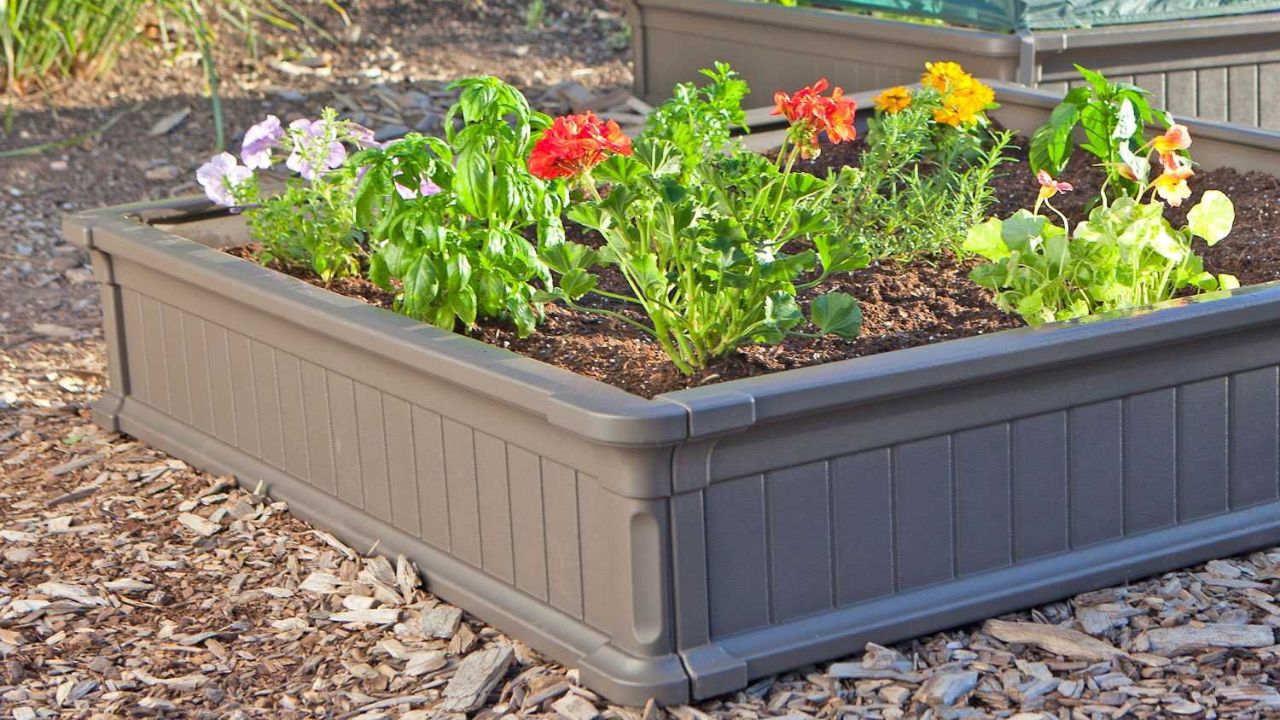
Image Credit: Lifetime/Amazon.
The growing season is over, but you don’t have to forget about your garden. Giving your beds a little care and attention now sets you up for a healthier, more productive garden next spring. Winterizing your soil protects it from erosion, suppresses weeds, and gives organic matter time to break down.
Why it matters: A well-prepared garden bed will have better soil structure and fertility come springtime. You’ll have fewer weeds to battle and a stronger foundation for your future plants.
Get It Done:
- Clear Out Debris: Remove dead annuals, spent vegetable plants, and any diseased foliage to prevent pests and pathogens from overwintering.
- Amend the Soil: Spread a 2-3 inch layer of compost, shredded leaves, or well-rotted manure over the soil. There’s no need to till it in; let the worms and weather do the work for you.
- Plant a Cover Crop: For larger garden areas, consider sowing a cover crop like winter rye or vetch. It prevents erosion, adds nutrients, and improves soil health.
3. Add or Replace Attic Insulation
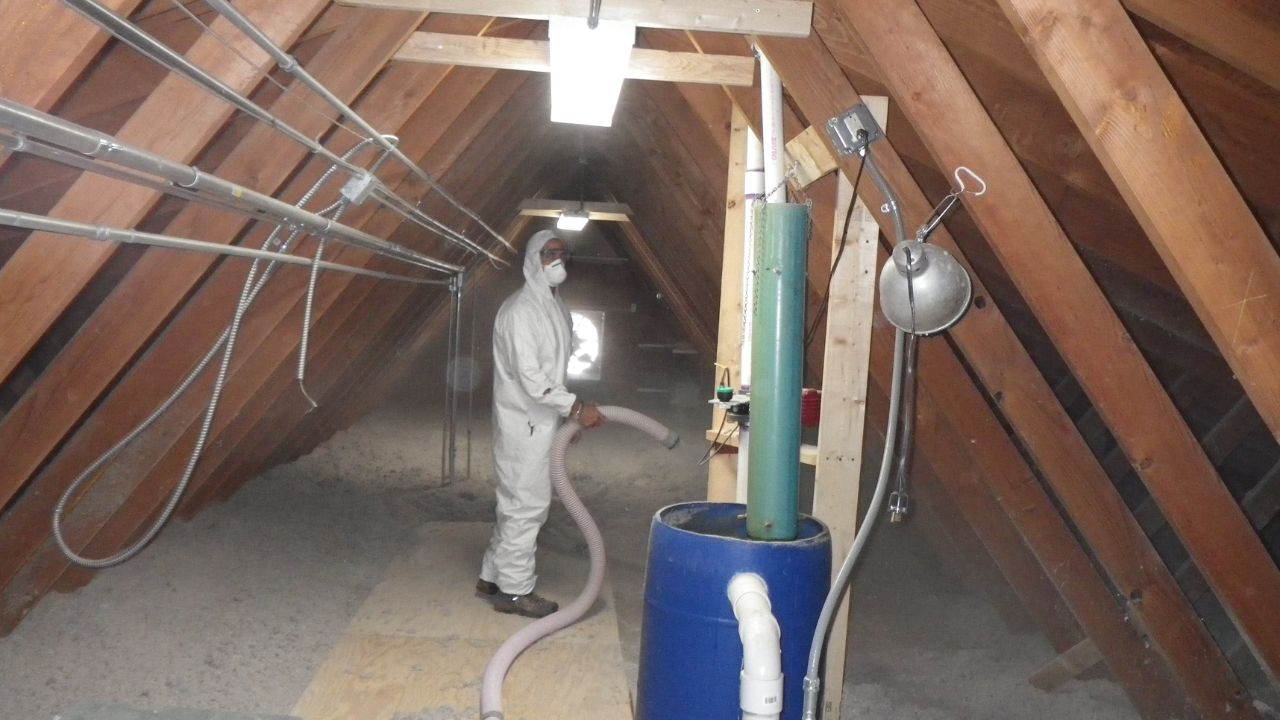
Photo Credit: USFWS Mountain Prairie – Insulating attic – Public Domain/Wiki Commons.
Remember science class? Heat rises. Without enough insulation in your attic, all the expensive warm air your furnace generates is escaping right through your roof. This forces your heating system to work overtime and can contribute to ice dams when the escaping heat melts snow on your roof, only for it to refreeze at the eaves.
Why it matters: Proper insulation can cut your heating bills by 10-15% and make your home significantly more comfortable. It’s an investment that pays for itself in energy savings.
Get It Done:
- Check Your Depth: Use a tape measure to see how much insulation you currently have. Most experts recommend at least 12-15 inches for colder climates.
- Top It Off: If you’re just a few inches short, adding a layer of unfaced insulation batts or loose-fill insulation is a manageable DIY project.
- Call in the Experts: For a full replacement or if you’re unsure, a professional can ensure the job is done correctly without compressing the insulation, which reduces its effectiveness.
4. Plant Spring-Blooming Bulbs

Image Credit: Shutterstock.
If you want a spectacular burst of color to greet you after a long, gray winter, the planning has to start now. Fall is the time to plant spring-blooming bulbs like tulips, daffodils, hyacinths, and crocuses. These bulbs need the cold winter period to set their blooms for the following spring.
Why it matters: This is one of the few gardening tasks that requires you to plan months ahead. The little effort you put in now will reward you with a joyful, vibrant display that signals the true end of winter.
Get It Done:
- Timing is Key: Plant bulbs after your first light frost but before the ground freezes solid.
- Dig and Drop: Plant bulbs at a depth of about 2-3 times their height. Point the pointy end up!
- Layer for a Long Bloom: Plant different types of bulbs in the same area to get a continuous show of flowers from early to late spring. Crocuses pop up first, followed by daffodils and then tulips.
5. Refresh Weatherstripping and Seal Air Leaks
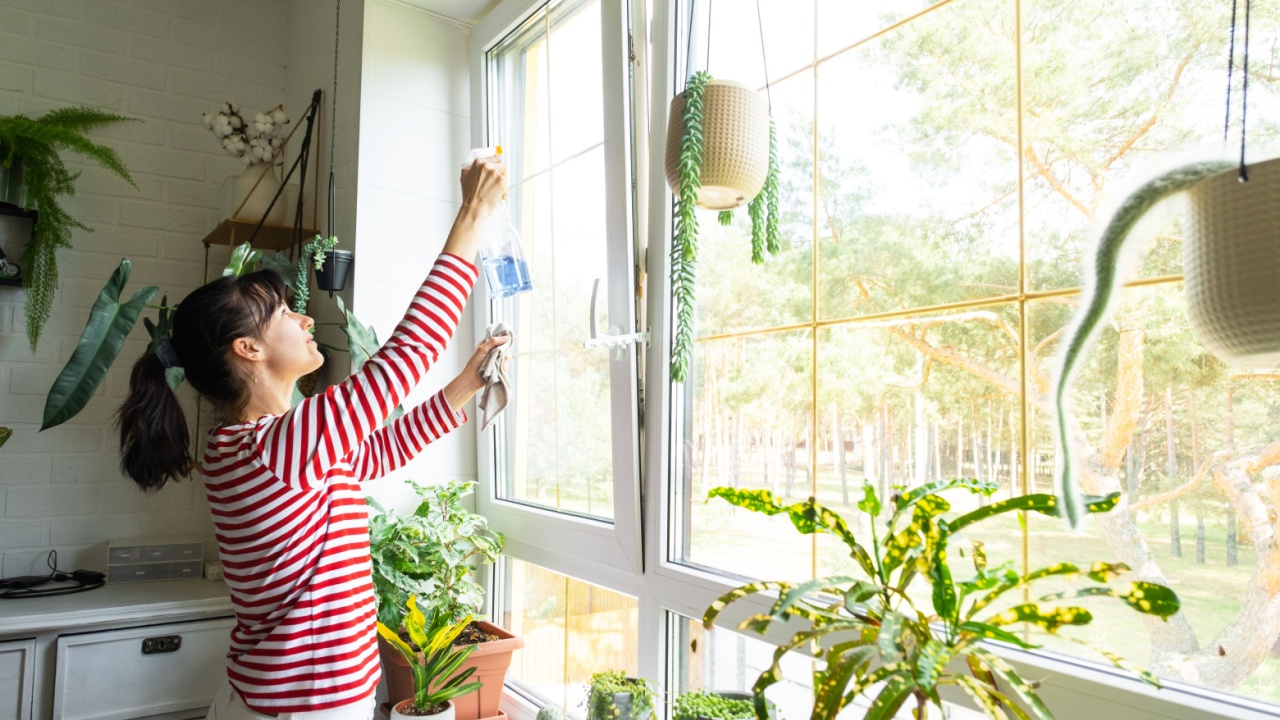
Image Credit: Shutterstock.
Those chilly drafts you feel near windows and doors are more than just an annoyance; they are money seeping out of your home. Worn-out weatherstripping and cracked caulk create hundreds of little gaps that let cold air in and warm air out. This is one of the easiest and cheapest ways to make a big impact on your home’s energy efficiency.
Why it matters: Sealing air leaks can save on your heating costs. It also makes your home feel cozier and can help keep pests from seeking refuge indoors.
Get It Done:
- The Incense Test: On a windy day, carefully move a lit incense stick around the window and door frames, electrical outlets, and pipe inlets. Where the smoke wavers, you have a leak.
- Replace and Re-caulk: Scrape away old, brittle caulk and apply a fresh bead. Peel off worn weatherstripping and replace it with a new self-adhesive roll.
- Don’t forget the Garage: Check the seal at the bottom of your garage door. If it’s cracked or flattened, replace it to keep the cold out of your garage and attached walls.
6. Service Your HVAC System
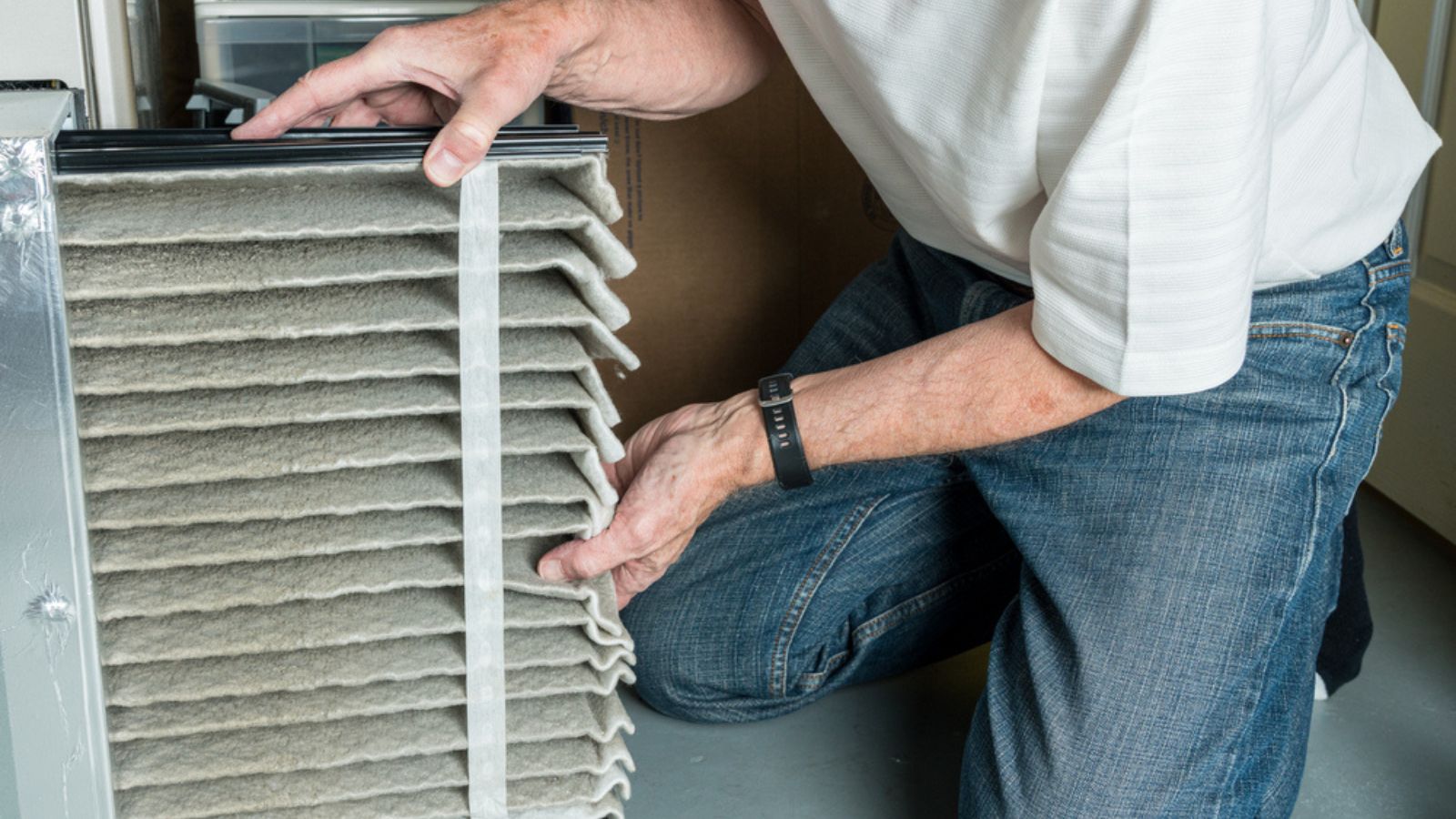
Image Credit: Depositphotos.com.
Your furnace is about to start its busiest season. The last thing you want is for it to give up on the coldest night of the year. A professional tune-up in the fall can catch small problems before they become major, expensive failures. An HVAC technician will clean the components, check for carbon monoxide leaks, and ensure the system is running safely and efficiently.
Why it matters: A well-maintained furnace runs more efficiently, saving you money on energy bills. More importantly, it ensures your system is operating safely, protecting your family from potential hazards.
Get It Done:
- Schedule a Tune-Up: Book a professional service call before the winter rush begins. It’s typically a quick and affordable visit.
- Change Your Filter: At a minimum, replace your furnace filter. A clogged filter restricts airflow, forcing the system to work harder. Check it monthly throughout the winter.
- Consider an Upgrade: If your furnace is over 15 years old, it may be time to consider a high-efficiency replacement. Fall is the perfect off-season for a major installation.
7. Repair Your Roof

Image Credit: Shutterstock.
A small roof leak in the summer is an annoyance. A leak in the dead of winter can be a catastrophe, causing extensive water damage that is difficult and expensive to fix in freezing temperatures. Take advantage of the mild fall weather to inspect your roof (or hire someone who can) for missing shingles, cracked flashing, or other signs of wear.
Why it matters: Your roof is your home’s primary shield against the elements. Ensuring it’s in top condition before winter can save you thousands in emergency repairs and protect the structural integrity of your house.
Get It Done:
- Visual Inspection: From the ground, use binoculars to scan your roof for curled, cracked, or missing shingles. Pay close attention to the flashing around chimneys, vents, and skylights.
- Clean the Valleys: Use a leaf blower or broom to clear leaves and debris from roof valleys where water can get trapped.
- Call a Roofer: For any issues beyond a single missing shingle, it’s best to call a professional for a thorough inspection and repair.
8. Store Your Outdoor Furniture and Tools

Image Credit: Shutterstock.
Leaving your patio furniture, grill, and garden tools exposed to winter’s wrath is a recipe for rust, rot, and ruin. Moisture, freezing temperatures, and heavy snow can warp wood, crack plastic, and corrode metal. Properly storing your summer gear protects your investment and ensures it’s ready to go next spring.
Why it matters: Proper storage can add years to the life of your outdoor equipment. It also keeps your yard looking tidy and prevents items from becoming tripping hazards under a blanket of snow.
Get It Done:
- Clean Everything: Before storing, thoroughly clean everything. Scrub patio furniture, wash cushions, and clean and sharpen garden tools.
- Cover or Store: If you have a shed or garage space, store items inside. If not, invest in high-quality, waterproof covers for your furniture and grill.
- Drain the Hoses: Disconnect, drain, and roll up all garden hoses. Store them in a shed or garage to prevent them from cracking in the cold.
9. Inspect the Fireplace and Chimney

Image Credit: Depositphotos.com.
Fires were made for winter; the only thing cozier than a crackling fire on a cold winter night is a mother’s hug. However, a dirty or damaged chimney is a major fire hazard.
Creosote, a flammable byproduct of burning wood, accumulates inside the flue and can ignite, potentially causing a dangerous chimney fire. Fall is the perfect time for a professional inspection and cleaning.
Why it matters: A clean chimney is a safe chimney. An annual inspection ensures there are no blockages (like bird nests), cracks in the liner, or dangerous creosote buildup.
Get It Done:
- Hire a Certified Sweep: A professional will have the tools and expertise to thoroughly clean your chimney and inspect it for any structural issues.
- Check the Damper: Make sure your damper opens and closes properly to prevent heat from escaping when the fireplace isn’t in use.
- Stock Up on Firewood: If you have a wood-burning fireplace, make sure your firewood is seasoned (dried for at least six months), stacked off the ground, and covered.
10. Seal Driveways and Walkways

Image Credit: Shutterstock.
The small cracks in your asphalt or concrete driveway will not do much harm in the Fall, but they will be a disaster if winter finds them there. Water seeps into these cracks, and when it freezes, it expands with incredible force, turning tiny fissures into large craters. This freeze-thaw cycle is the number one enemy of pavement.
Why it matters: Sealing your driveway protects it from moisture penetration, chemicals, and UV damage, dramatically extending its lifespan. It also prevents small cracks from becoming trip-and-fall hazards once they’re hidden by snow.
Get It Done:
- Clean Thoroughly: Pressure wash the surface to remove all dirt, oil, and debris.
- Fill the Cracks: Use an appropriate crack filler for any cracks wider than a quarter-inch.
- Apply the Sealer: On a warm, dry day, apply a thin, even coat of sealant with a squeegee or roller. Let it cure completely before driving on it.
Getting Ready for a Cozy Winter

Photo Credit: Depositphotos.com.
Skip one trip to the haunted house this Fall and dedicate a weekend to these projects. This maintenance will wrap your home and garden in a protective layer, allowing them to weather the winter gracefully. Your future self will be warm, dry, and not on the phone with an emergency plumber.
Now that the hard work is done, you can turn your attention to the fun parts of the season. Start planning your indoor herb garden, research new perennials for next year’s flower beds, or sit back with a hot cider and enjoy the peace of mind that comes with a well-prepared home.