
El Niño Is Here. Homeowners Should Check These Flood Risks Before Winter
NOAA says El Niño has developed, giving homeowners in flood-prone areas time to check the problems that usually become expensive only after heavy rain arrives.
Realtor.com reported that federal forecasters expect El Niño to strengthen later this year, with possible weather impacts for homeowners across several parts of the country.
Heavier rain, higher coastal water levels, and stormier winter patterns can expose problems already sitting around a house: clogged gutters, short downspouts, poor grading, basement seepage, low electrical equipment, and missing flood coverage.
Homeowners do not need to wait for a storm forecast to check those risks. Flood insurance waiting periods, drainage repairs, sump-pump problems, and coastal flooding exposure are easier to deal with before winter rain is on the map.
NOAA Says El Niño Could Strengthen Into Winter
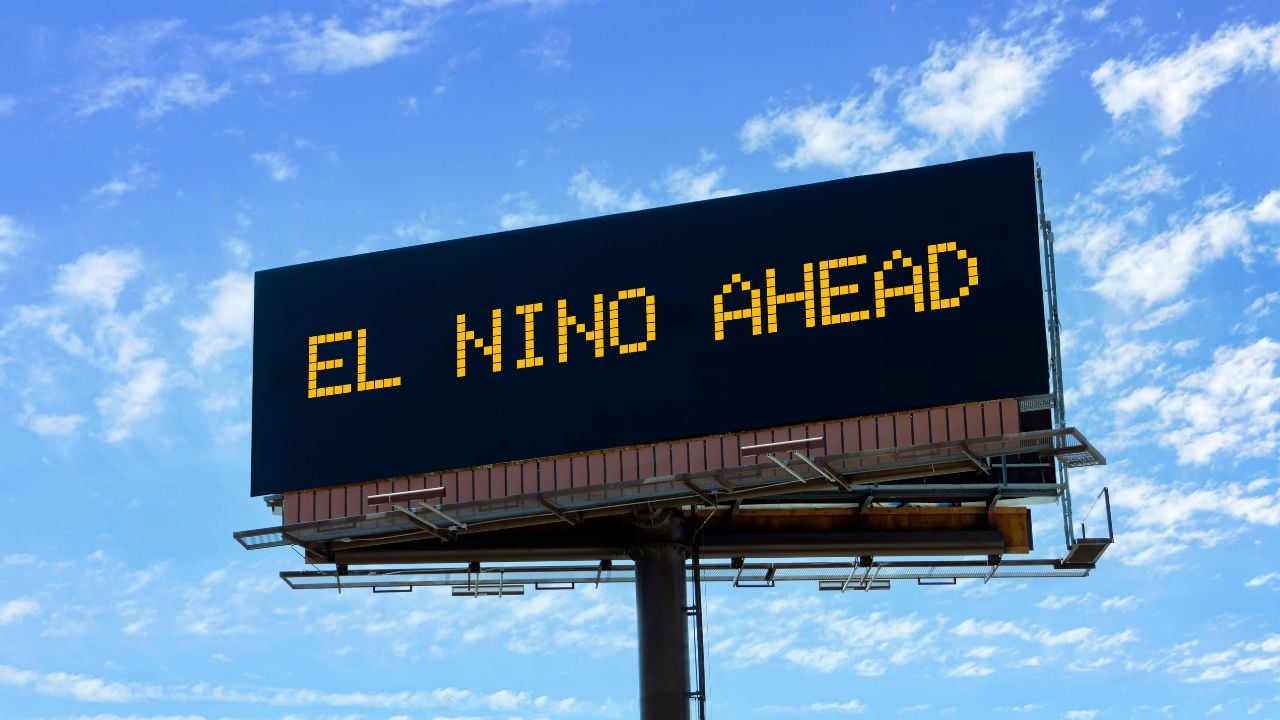
NOAA’s June 11 ENSO Diagnostic Discussion says El Niño conditions developed over the past month, with above-average sea surface temperatures across the central and eastern equatorial Pacific.
The Climate Prediction Center says El Niño is expected to strengthen into the Northern Hemisphere winter of 2026 to 2027. NOAA also gives a 63% chance of a very strong El Niño during November through January.
NOAA cautions that even very strong El Niño events do not produce the expected impacts everywhere. Stronger events can tilt the odds toward typical outcomes, but they do not guarantee that a specific neighborhood will flood.
The flood hook is clearest for homeowners in places that already have drainage problems, basement seepage, coastal high-tide flooding, low streets, poor grading, or older stormwater systems.
Flood Insurance Should Be Checked Before Storms Form
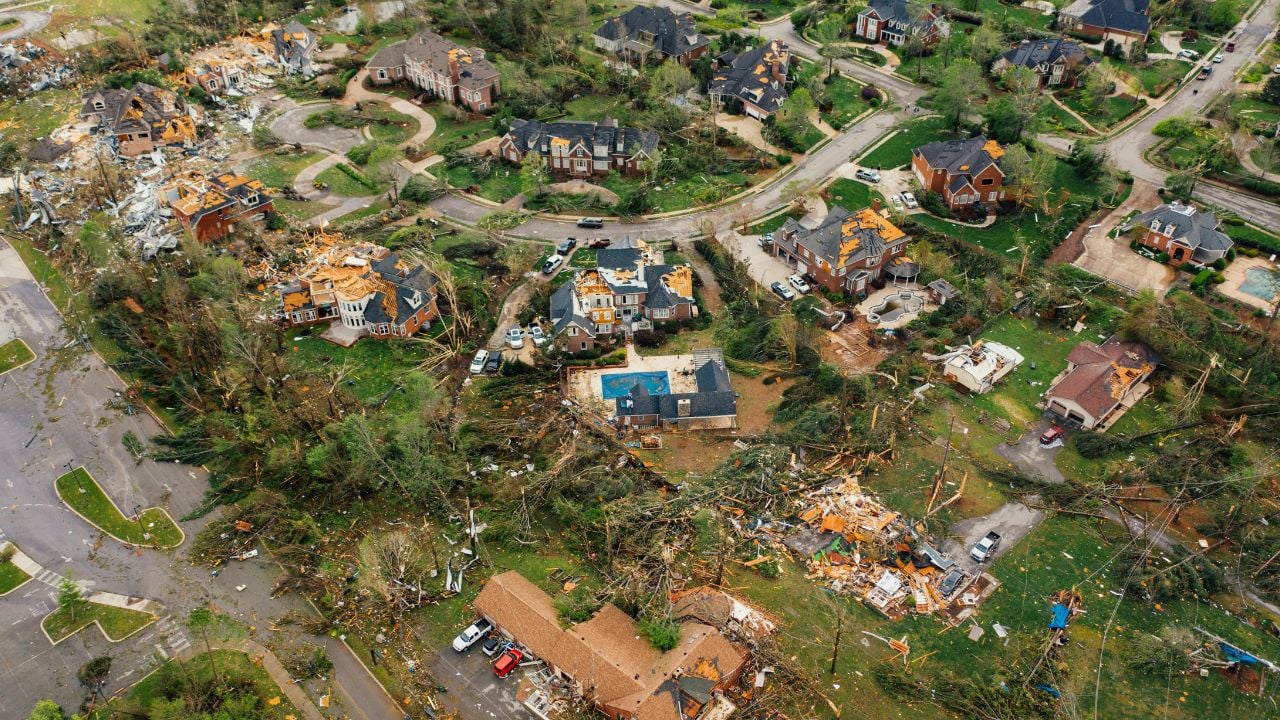
FloodSmart, the National Flood Insurance Program site, says most homeowners and renters insurance does not cover flood damage.
NFIP homeowners policies can cover up to $250,000 for the building and up to $100,000 for contents. Building and contents coverage are typically purchased separately and have separate deductibles.
The waiting period is the part homeowners can miss. FloodSmart says flood insurance coverage generally goes into effect 30 days after purchase, with limited exceptions.
Before winter storms arrive, homeowners should confirm whether the property is in a flood zone, whether the mortgage lender requires coverage, what the policy covers, whether contents coverage is included, and where valuables would be stored if water entered the house.
Gutters, Downspouts, and Grading Need a Walk-Around
Roof runoff can cause damage before floodwater reaches the front door. When gutters overflow or downspouts dump water beside the foundation, soil around basements, crawl spaces, and lower-level walls can become saturated.
The Department of Energy’s Building America guidance says gutters and downspouts should direct rainwater down and away from a home. It says downspouts should terminate at least 5 feet from the foundation, or at least 10 feet away when connected to an underground catchment system.
Before the rainy season, homeowners should clear gutters, make sure downspouts are attached, add extensions where water dumps near the house, and look for splash blocks or drains that no longer move runoff away from the foundation.
Grading needs the same check. After a normal rain, look for water collecting near foundation walls, basement windows, crawl-space vents, patio doors, garage thresholds, walkway edges, and driveway low spots.
Basements, Low Rooms, and Coastal Lots Need Extra Checks
Homes with basements, crawl spaces, slab-level rooms, low garages, or ground-floor storage areas should be checked for old water marks, musty smells, damp drywall, swollen trim, rust around appliances, clogged floor drains, and boxes stored directly on the floor.
If a sump pump is installed, it should be tested before the rainy season. Homeowners should also check whether a battery backup is needed for outages during storms and whether water heaters, furnaces, electrical panels, washers, dryers, and stored belongings can be elevated or moved.

Coastal homeowners have a separate risk. NOAA’s ocean service warned that a strong El Niño could bring more frequent, deeper, and more widespread high-tide flooding along the West and East Coasts.
NOAA says communities can use tools such as its Coastal Inundation Dashboard, monthly outlooks, and longer-term flood outlooks to track water levels and flood likelihoods.
Homeowners near tidal rivers, bays, barrier islands, low streets, canals, marinas, and coastal storm-drain systems should know whether nearby roads flood at high tide, whether the garage or driveway sits below street level, and whether storm drains back up during heavy rain.
Before El Niño peaks, the practical checks are clear: confirm flood coverage, photograph belongings, clear gutters, extend downspouts, inspect grading, test the sump pump, move valuables off basement floors, check roof and flashing, clear drains, and save local flood-alert sources.