
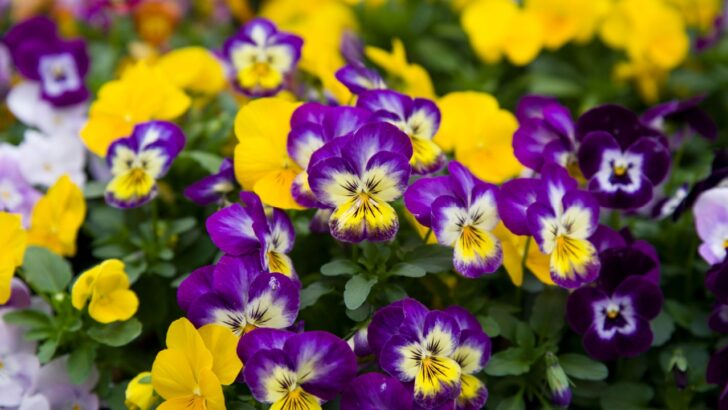
Starting a flower garden can feel like a big undertaking, but it doesn’t have to be (and it’s never too early to start planning for this upcoming spring!).
You can create a stunning outdoor space bursting with color without needing years of experience. The secret is choosing plants that are forgiving, resilient, and eager to grow. These low-maintenance flowers build your confidence and provide beautiful results with minimal effort, turning your backyard into a personal oasis.
This guide will walk you through 22 of the easiest flowers to grow. Whether you have a large yard, a small balcony, or just a few pots on a patio, these blooms are perfect for getting your hands dirty and watching your garden come to life.
1. Marigold

Image Credit: Depositphotos.com.
Marigolds are a classic choice for a reason. These cheerful annuals are incredibly tough, blooming consistently from late spring until the first frost. They are fast-growing and their distinct scent is well-known for deterring common garden pests like nematodes and mosquitoes, making them an excellent companion plant for vegetable gardens. Their bright, pom-pom-like flowers add a splash of sunshine wherever they’re planted.
To get the most out of your marigolds, simply provide them with plenty of sun. They are not picky about soil and can handle periods of drought once established. Deadheading, or pinching off the spent blooms, will encourage the plant to produce even more flowers throughout the season.
- Sunlight: Full sun
- Soil: Tolerates most soil types; prefers well-draining soil
- Colors: Shades of yellow, orange, and red
- Best For: Borders, container gardens, and vegetable patch companions
2. Zinnia

Image Credit: Shutterstock.
If you want a non-stop explosion of color, look no further than zinnias. These annuals are one of the simplest flowers to grow from seed, often sprouting in just a few days and blooming in a matter of weeks. They are heat-loving plants that thrive during the hottest summer months. Zinnias also attract a wide range of pollinators, including butterflies and bees, bringing life and movement to your garden.
Zinnias perform best in a sunny spot with good air circulation to prevent powdery mildew. They prefer well-drained soil and will bloom more profusely if you snip off old flowers. They make fantastic cut flowers, so you can bring their beauty indoors.
- Sunlight: Full sun
- Soil: Well-draining, rich in organic matter
- Colors: Nearly every color except blue
- Best For: Cut flower gardens, pollinator gardens, and mass plantings
3. Cosmos
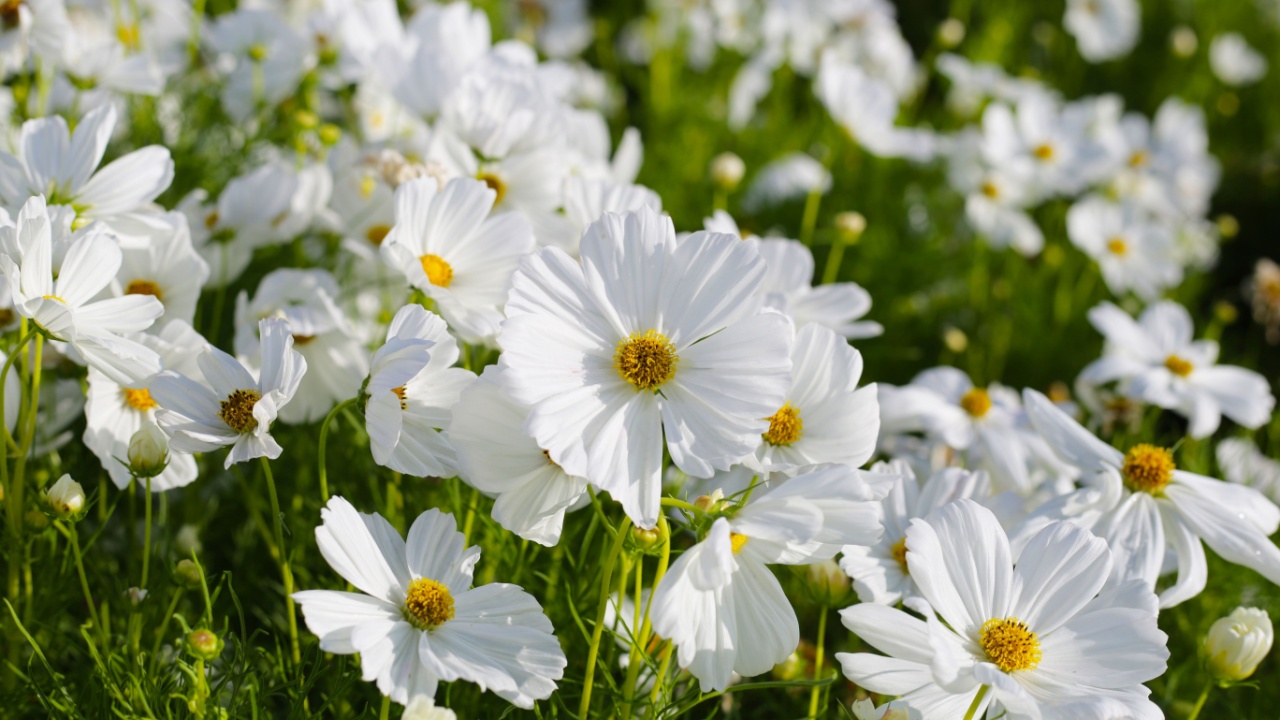
Image Credit: Shutterstock.
Cosmos are a picture of grace, with delicate, daisy-like flowers that dance on tall, slender stems. These annuals are incredibly low-maintenance and actually prefer soil that isn’t too rich. They are drought-tolerant and thrive on a bit of neglect, making them perfect for beginners. Sown from seed, they will bloom for months on end.
Plant cosmos in a location that receives full sun. Taller varieties might need staking to protect them from strong winds, but many dwarf varieties are available that are more compact. Don’t overwater them, as they are susceptible to root rot in soggy soil.
- Sunlight: Full sun
- Soil: Average to poor, well-draining soil
- Colors: Pink, white, orange, red, and yellow
- Best For: Wildflower meadows, cottage gardens, and back-of-the-border height
4. Sunflower
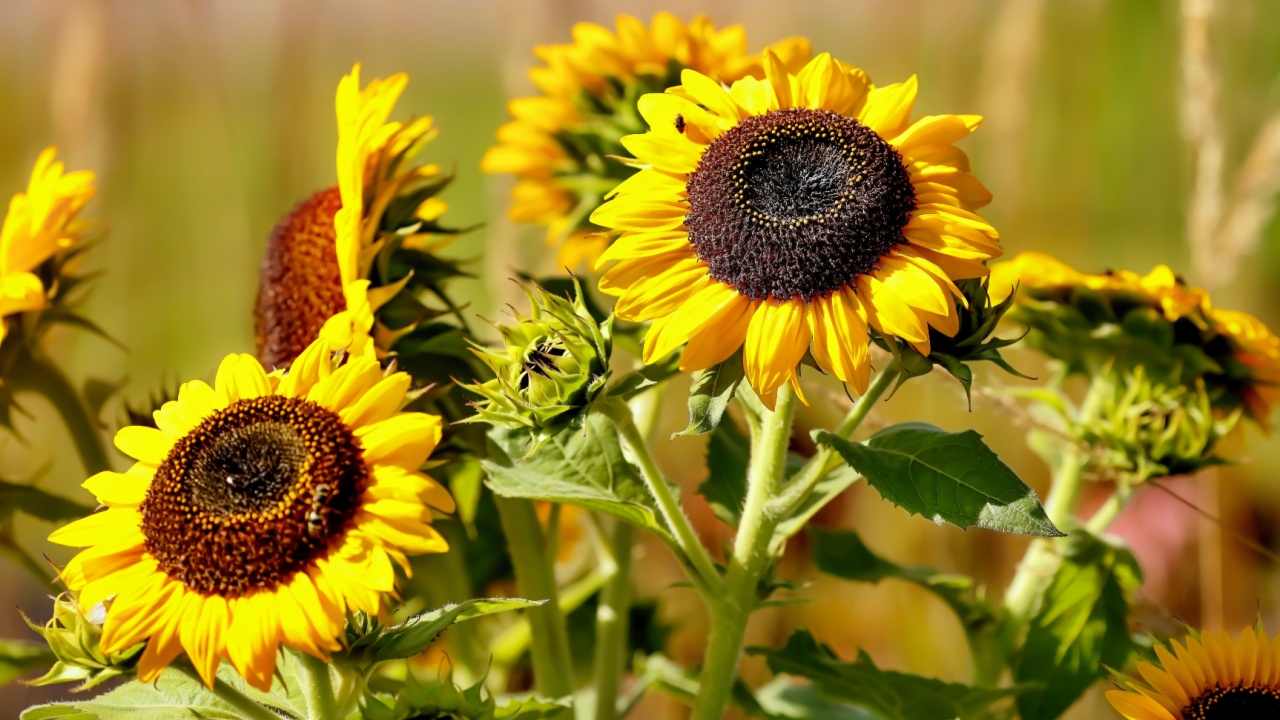
Image Credit: Shutterstock.
Nothing says summer quite like a towering sunflower. These iconic flowers are incredibly easy to grow from seed and are a favorite among children and adults alike. From giant varieties that reach over 10 feet tall to smaller types perfect for pots, there is a sunflower for every garden. Their large flower heads are not only beautiful but also provide seeds for birds (and people) in the fall.
Sunflowers need at least six hours of direct sunlight per day to thrive. They have long taproots, so they prefer loose, well-draining soil and regular watering, especially as they grow. They are a magnet for pollinators and add a bold, dramatic statement to any landscape.
- Sunlight: Full sun
- Soil: Well-draining, slightly alkaline soil
- Colors: Primarily yellow, but also red, orange, and bronze
- Best For: Creating a backdrop, bird gardens, and children’s gardens
5. Pansy
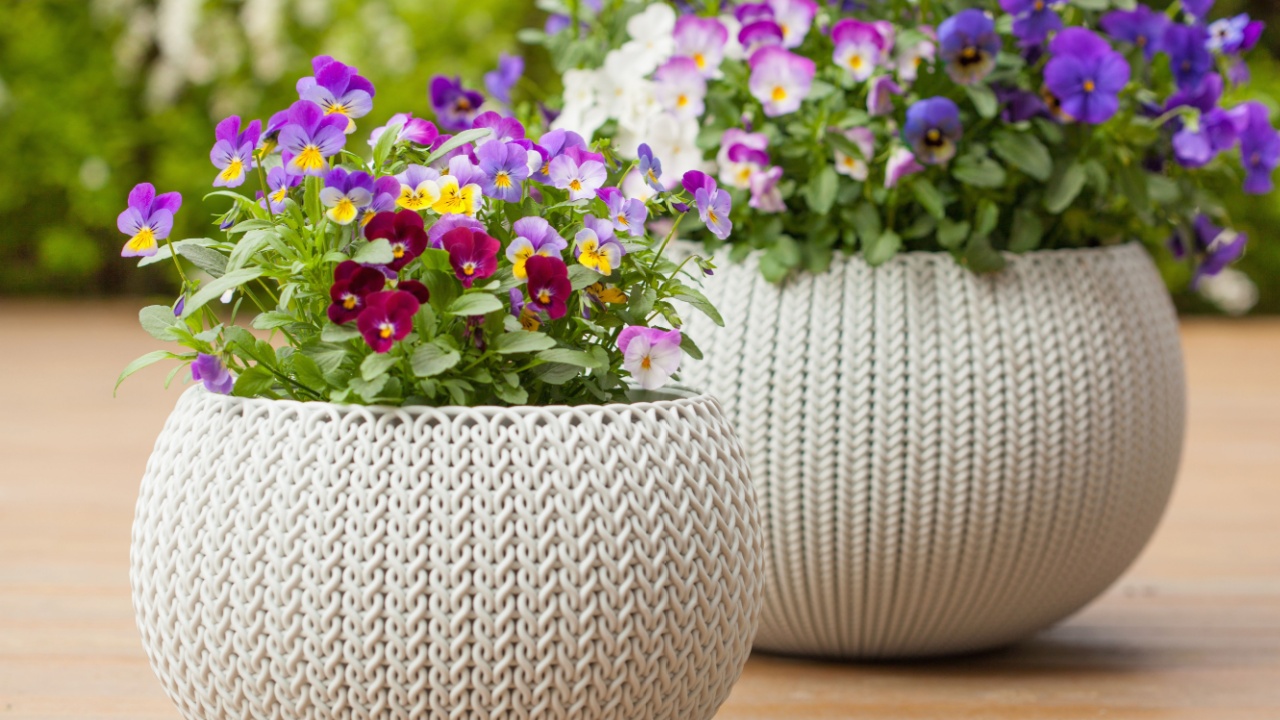
Image Credit: Shutterstock.
Pansies are the cheerful faces of cool-season gardening. These hardy little plants are perfect for adding color to your garden in the early spring and fall when many other flowers have faded. They are incredibly easy to grow from transplants and come in a vast array of colors and patterns. Pansies can even withstand a light frost, making them a reliable choice for unpredictable weather.
Plant pansies where they will receive morning sun and some afternoon shade, especially in warmer climates. They prefer moist, well-drained soil. Regularly removing faded flowers will keep them blooming longer. As a bonus, their flowers are edible and can be used to garnish salads and desserts.
- Sunlight: Full sun to partial shade
- Soil: Moist, well-drained, fertile soil
- Colors: A huge variety, including blue, purple, yellow, red, and bicolors
- Best For: Containers, window boxes, and edging borders in spring and fall
6. Morning Glory

Image Credit: Shutterstock.
For vertical interest, morning glories are a fantastic choice. These fast-growing vines will quickly cover a trellis, fence, or arbor with their lush foliage and beautiful trumpet-shaped flowers. The blooms famously open in the morning sun and close in the afternoon, providing a daily show. They grow easily from seed, but soaking the seeds overnight can help speed up germination.
Morning glories need full sun to produce abundant flowers. They are not particular about soil but do need a structure to climb on. Be mindful that they can self-seed aggressively in some areas, so it’s wise to remove the vines before they set seed if you want to control their spread.
- Sunlight: Full sun
- Soil: Moist, well-drained soil
- Colors: Shades of blue, purple, pink, and white
- Best For: Covering trellises, fences, and mailboxes
7. Coneflower

Image Credit: Shutterstock.
Coneflower, or Echinacea, is a prairie native that is tough, beautiful, and a powerhouse for pollinators. These perennials return year after year with minimal care. They are drought-tolerant, heat-resistant, and don’t mind poor soil. Their distinctive, shuttlecock-shaped flowers stand on sturdy stems and bloom from mid-summer until fall. Leaving the seed heads on in winter provides food for goldfinches and other birds.
Plant coneflowers in full sun. Once established, they are very self-sufficient and rarely need supplemental watering. They are a must-have for any low-maintenance or naturalistic garden design.
- Sunlight: Full sun
- Soil: Well-drained, adaptable to clay or sandy soil
- Colors: Primarily purple, but also pink, white, yellow, and orange
- Best For: Pollinator gardens, wildflower beds, and perennial borders
8. Daffodil

Image Credit: Shutterstock.
Daffodils are the heralds of spring, bringing bright, cheerful color after a long winter. These bulb-based perennials are one of the easiest flowers to grow. Simply plant the bulbs in the fall, and they will reliably return each spring with more blooms than the last. They are also deer and rodent-resistant, which is a major benefit for many gardeners.
Plant daffodil bulbs in a sunny or partially shaded spot with well-drained soil. They look best when planted in large, informal drifts. After they finish blooming, allow the foliage to die back naturally, as this is how the bulb gathers energy for the next year’s flowers.
- Sunlight: Full sun to partial shade
- Soil: Well-drained, moist soil
- Colors: Yellow, white, orange, and pink
- Best For: Naturalizing in lawns, woodland gardens, and borders
9. Daylily
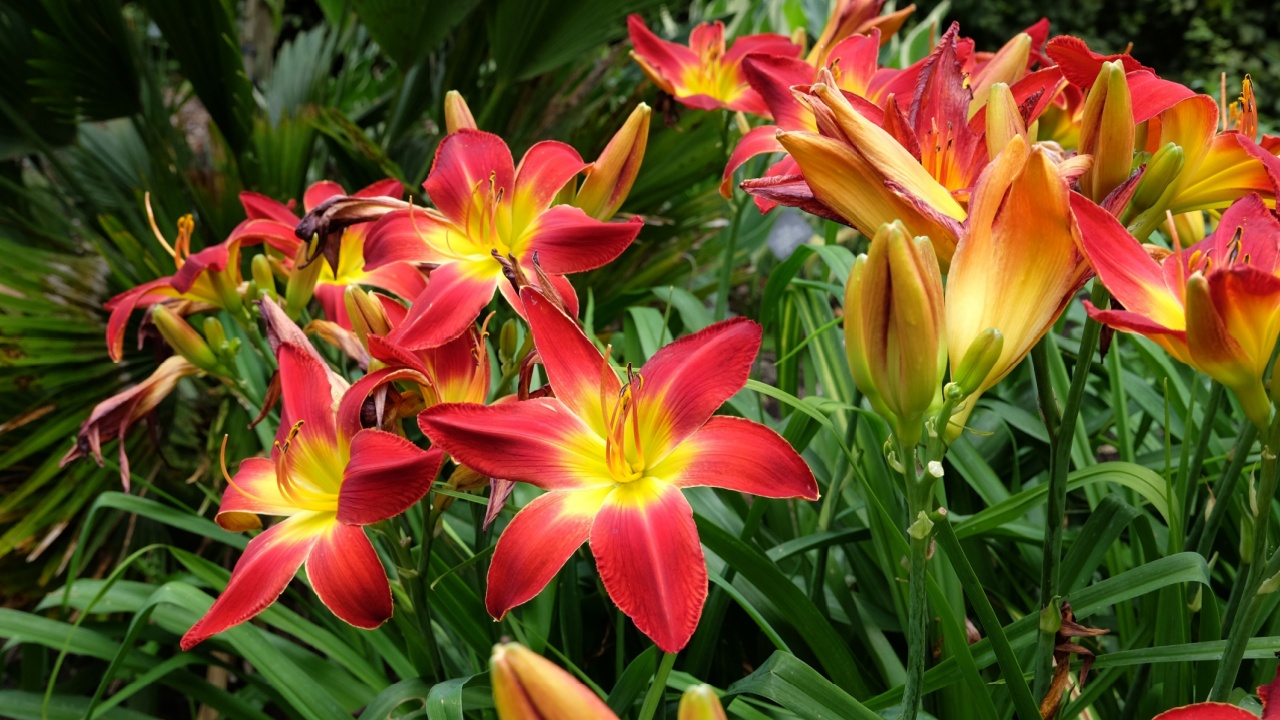
Image Credit: Shutterstock.
Daylilies are the workhorses of the perennial garden. They are incredibly adaptable, tolerating a wide range of soil conditions, drought, and neglect. Each flower only lasts for a day, but a single plant produces so many buds that it can remain in bloom for weeks. They multiply over time, and clumps can be easily divided to create more plants.
While daylilies will grow in partial shade, they produce the most flowers in full sun. They are virtually maintenance-free once established. With thousands of cultivars available, you can find a daylily in almost any color, size, and shape imaginable.
- Sunlight: Full sun to partial shade
- Soil: Adaptable to most soils, but prefers well-drained soil
- Colors: Almost every color except pure blue and white
- Best For: Mass plantings, controlling erosion on slopes, and borders
10. Petunia
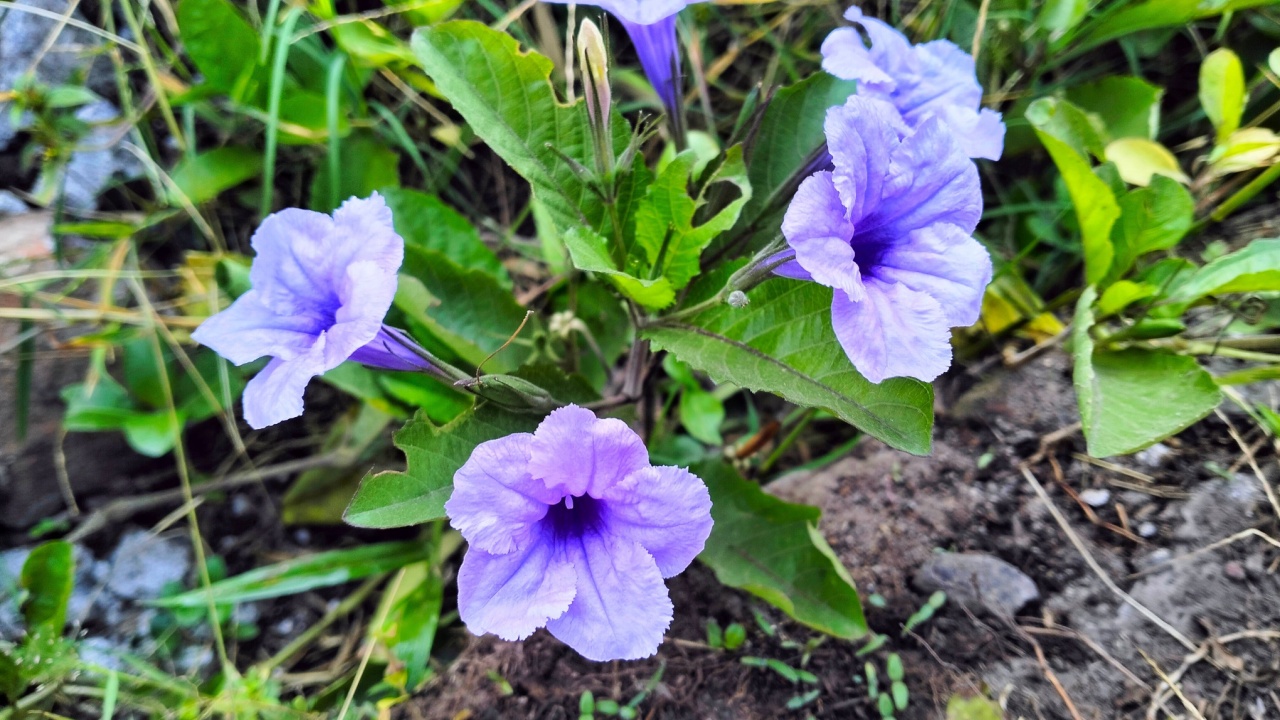
Image Credit: Shutterstock.
Petunias are a staple for containers and hanging baskets for good reason. These annuals bloom profusely all summer long, spilling over the sides of pots with a cascade of color. Modern hybrids are bred to be more weather-resistant and require less deadheading than older varieties. They are available in a huge range of colors and patterns, from solids to stripes and picotees.
Petunias need at least six hours of full sun to perform their best. They thrive in fertile, well-drained soil and benefit from regular feeding to support their continuous blooming. Trailing varieties are perfect for baskets, while mounding types are great for garden beds.
- Sunlight: Full sun
- Soil: Fertile, loamy, well-drained soil
- Colors: Wide range, including pink, red, purple, blue, white, and yellow
- Best For: Hanging baskets, containers, window boxes, and as a groundcover
11. Sweet Peas
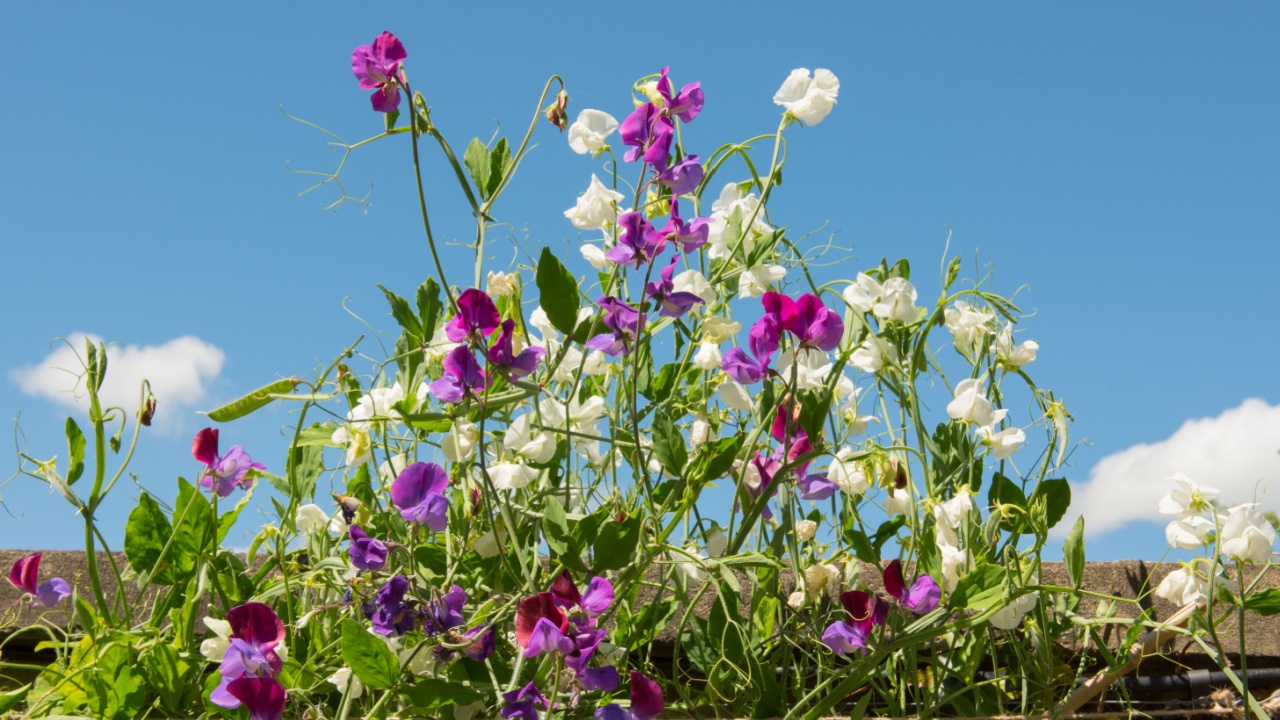
Image Credit: Shutterstock.
Known for their delicate, ruffled blossoms and intoxicating fragrance, sweet peas are a cottage garden favorite. These climbing annuals thrive in cooler weather, making them ideal for spring planting. They are easy to grow from seed and will quickly climb any support you provide. Their long stems make them an excellent cut flower for bringing a sweet scent indoors.
Plant sweet peas in full sun in a spot with rich, well-drained soil. Provide a trellis or netting for them to climb. They appreciate consistent moisture and will benefit from a layer of mulch to keep their roots cool.
- Sunlight: Full sun to partial shade
- Soil: Loamy, moist, well-drained soil
- Colors: Pink, white, lavender, red, and blue
- Best For: Arbors, trellises, and cutting gardens
12. Carnation
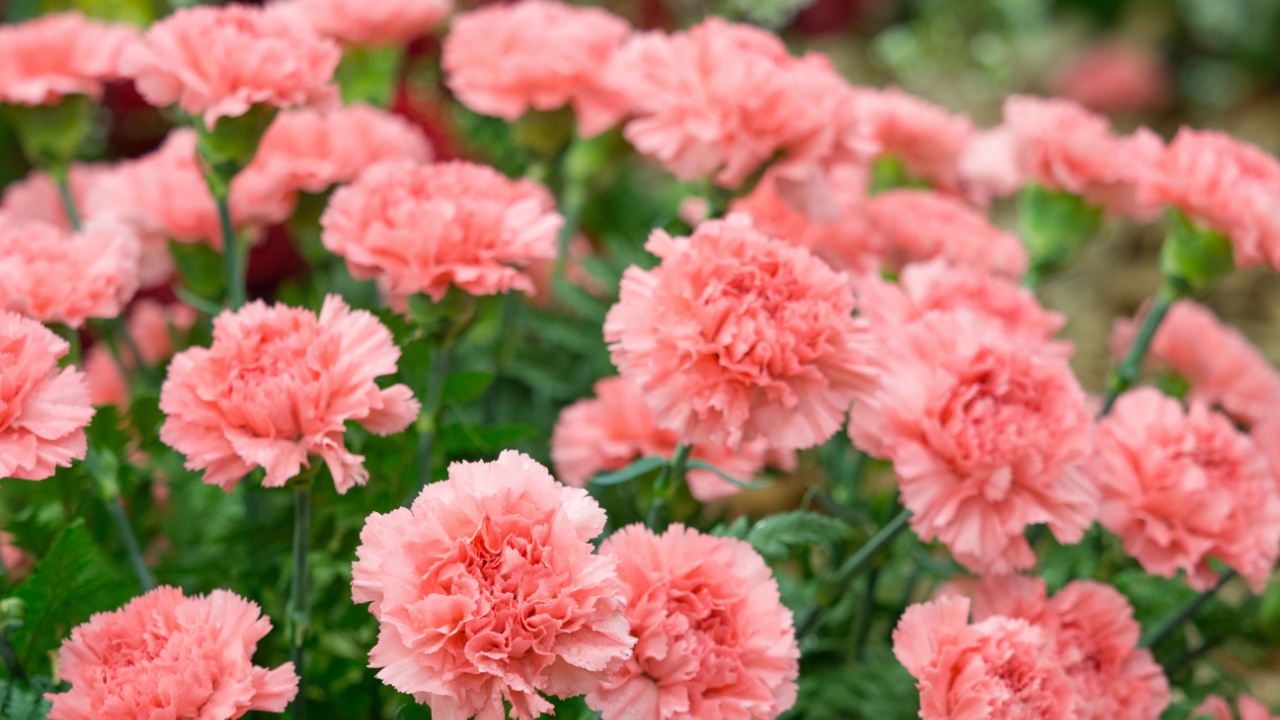
Image Credit: Shutterstock.com.
Carnations, part of the Dianthus family, are beloved for their long-lasting, often spicy-scented blooms. They are easy to grow from seed or small plants and come in both annual and perennial varieties. Their fringed flowers appear on strong stems, making them a classic choice for bouquets. They are relatively drought-tolerant and unfussy.
Plant carnations in a sunny location with well-draining, slightly alkaline soil. Good air circulation is important to keep them healthy. Many varieties will rebloom if you remove spent flowers, giving you color for much of the season.
- Sunlight: Full sun
- Soil: Loamy, slightly alkaline, well-drained soil
- Colors: Red, pink, white, yellow, and striped varieties
- Best For: Cutting gardens, borders, and containers
13. Ornamental Onion

Image Credit: Shutterstock.com.
Ornamental onions, or Alliums, add a touch of modern drama to the garden with their striking, globe-shaped flower heads on tall, leafless stems. Planted as bulbs in the fall, they are incredibly low-maintenance perennials. Their flowers are long-lasting, both in the garden and in a vase, and they are resistant to deer and rabbits.
Alliums require full sun and well-drained soil to prevent the bulbs from rotting. They look stunning when planted in groups, creating a series of vibrant spheres that seem to float above other plants.
- Sunlight: Full sun
- Soil: Rich, sandy, well-drained soil
- Colors: Purple, white, and pink
- Best For: Adding height and structure to borders, rock gardens, and cut arrangements
14. Hollyhock
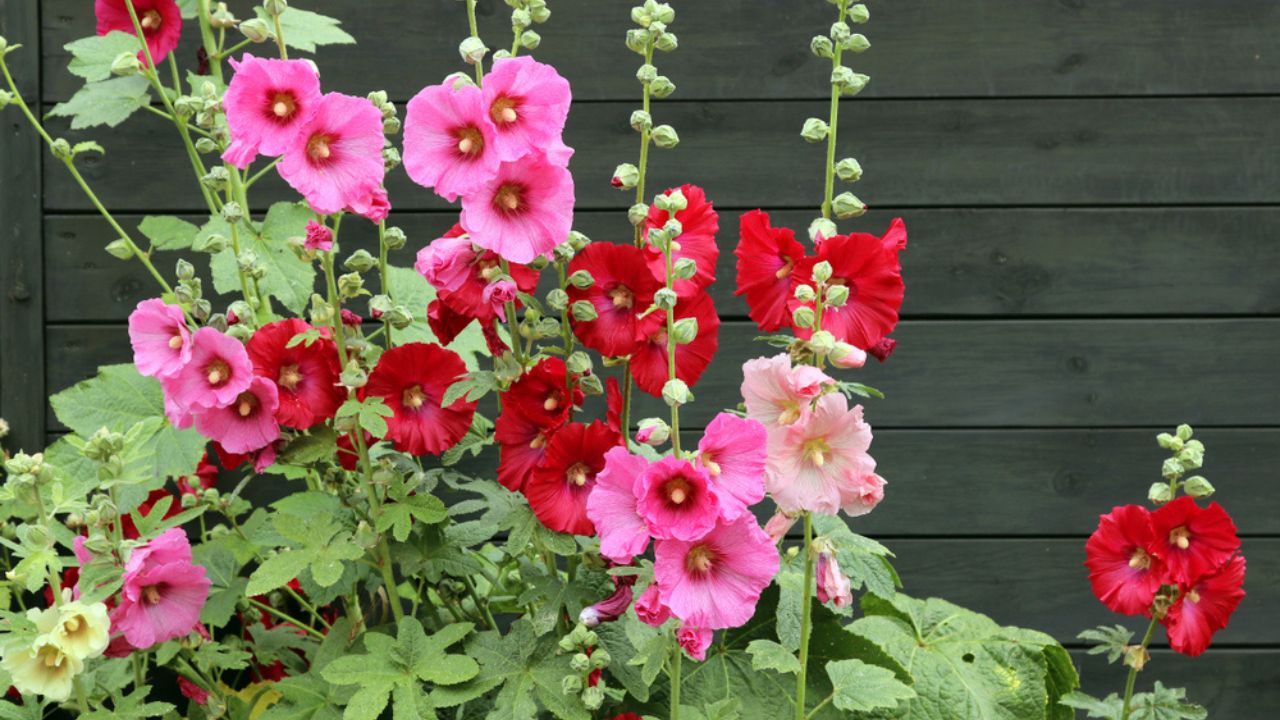
Image Credit: Shutterstock.
For a touch of old-fashioned charm, hollyhocks are unbeatable. These towering biennials or short-lived perennials produce tall spikes of large, open-faced flowers in mid-summer. They readily self-seed, ensuring they return year after year, often in new and surprising spots. They are perfect for planting against a fence, wall, or at the back of a border.
Hollyhocks thrive in full sun and well-drained soil. While they can be prone to a fungal disease called rust, providing good air circulation and planting rust-resistant varieties can minimize problems.
- Sunlight: Full sun
- Soil: Well-drained, average soil
- Colors: Red, pink, yellow, white, and deep purple
- Best For: Cottage gardens, background plantings, and along fences
15. Heather
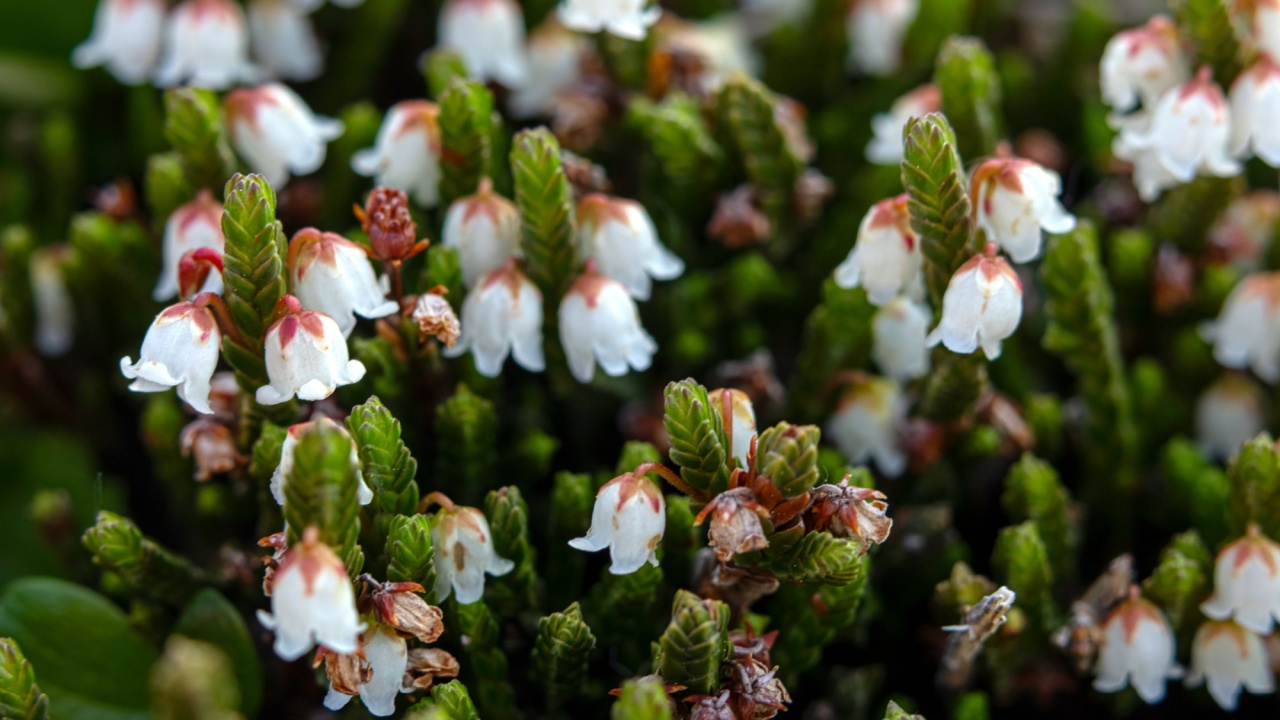
Image Credit: Shutterstock.
Heather is a low-growing, evergreen perennial that provides year-round interest. It produces masses of tiny, bell-shaped flowers in late summer or fall, covering the plant in a haze of color. It’s an exceptionally tough plant that thrives in conditions where many other plants struggle, including acidic soil and windy sites.
Plant heather in full sun and well-drained, acidic soil. If your soil is alkaline, you can grow heather in containers with ericaceous compost. It requires very little care once established and is great for creating a textured groundcover.
- Sunlight: Full sun
- Soil: Well-drained, acidic soil
- Colors: Purple, pink, and white
- Best For: Rock gardens, slopes, and foundation plantings
16. Fuchsia
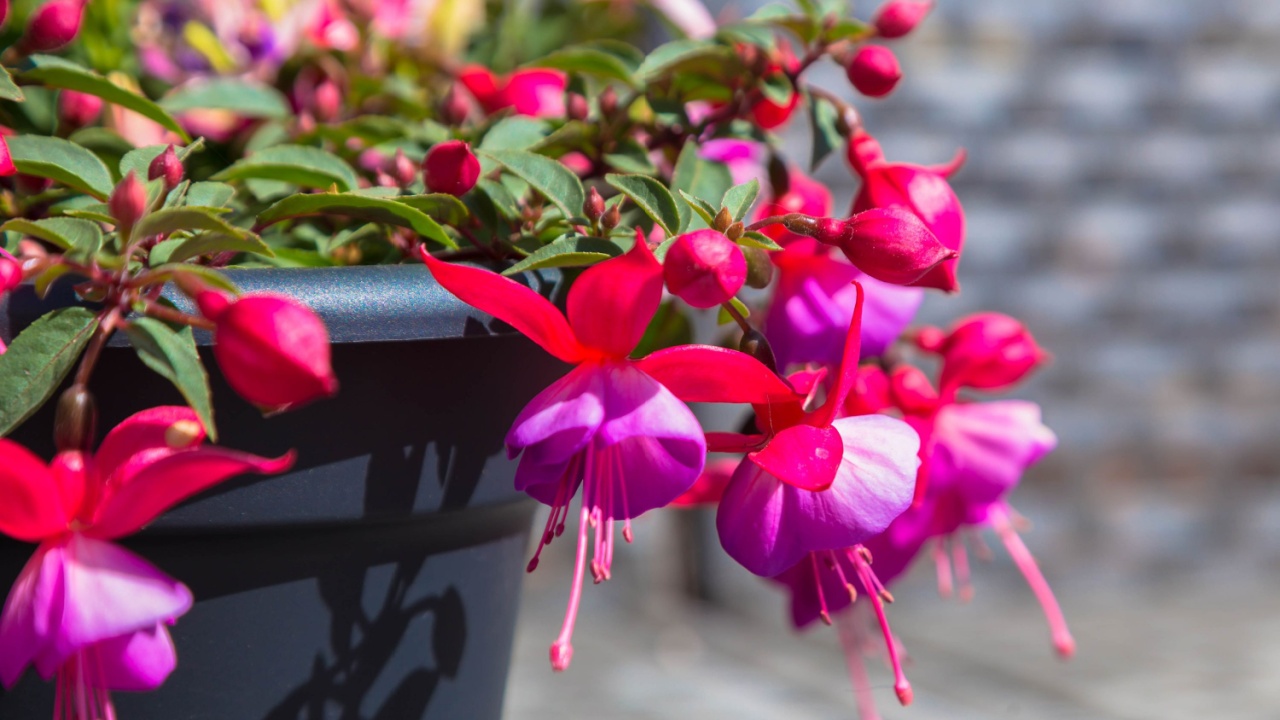
Image Credit: Shutterstock.
With their unique, lantern-like flowers, fuchsias are a showstopper in shade gardens. These plants are perfect for hanging baskets and containers where their dangling blooms can be fully appreciated. They bloom continuously from spring until frost as long as they are kept happy. Hummingbirds also find them irresistible.
Fuchsias prefer partial to full shade and consistently moist, fertile soil. They do not like to dry out. In colder climates, they are treated as annuals, but in milder zones, they can be overwintered.
- Sunlight: Partial to full shade
- Soil: Moist, fertile, well-drained soil
- Colors: Combinations of red, purple, pink, and white
- Best For: Hanging baskets, containers in shaded patios
17. Columbine
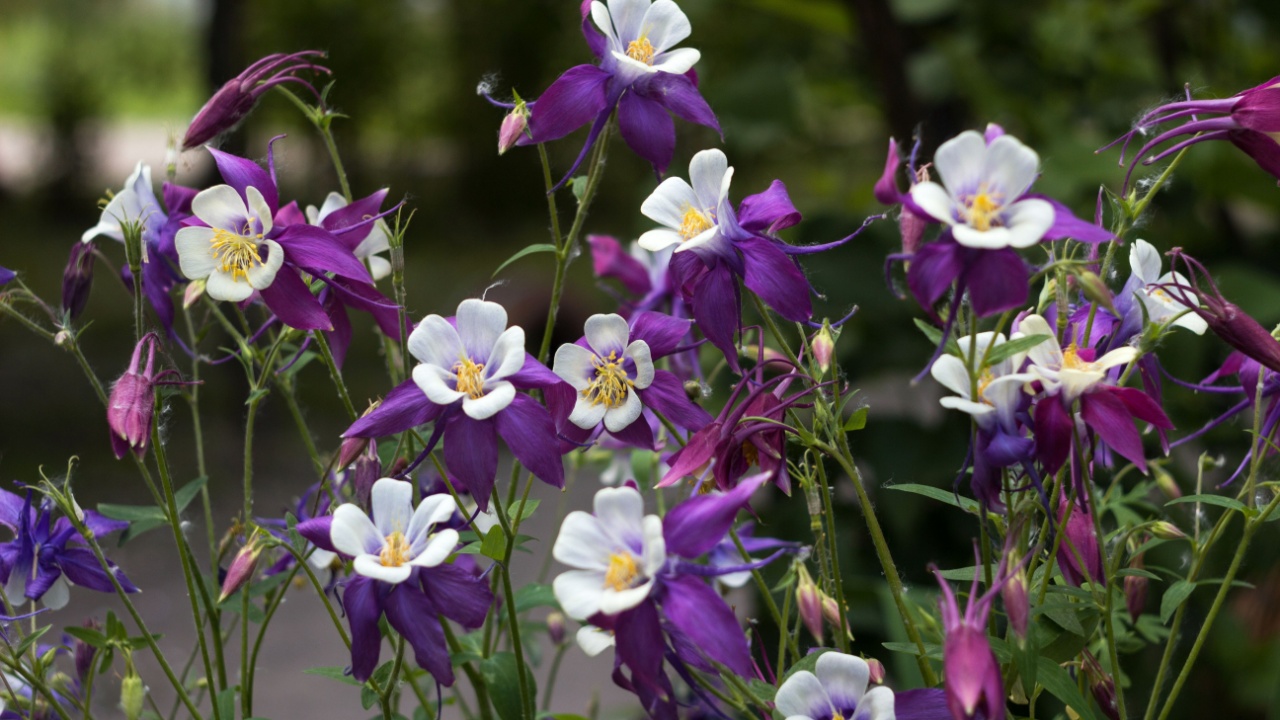
Image Credit: Shutterstock.
Columbines are charming perennials with intricate, spurred flowers that look like a flock of tiny birds. They are adaptable plants that self-seed readily, creating a natural, woodland feel in the garden. They are a favorite of hummingbirds and bees. The delicate foliage remains attractive even after the flowers have faded.
Columbine grows well in both sun and shade, though it prefers some afternoon protection in hot climates. It likes moist, well-drained soil but is tolerant of a range of conditions. It’s a low-maintenance choice for a relaxed garden style.
- Sunlight: Partial shade to full sun
- Soil: Moist, well-drained soil
- Colors: Red, purple, yellow, white, and bicolors
- Best For: Shade gardens, woodland settings, and cottage gardens
18. Snowdrop
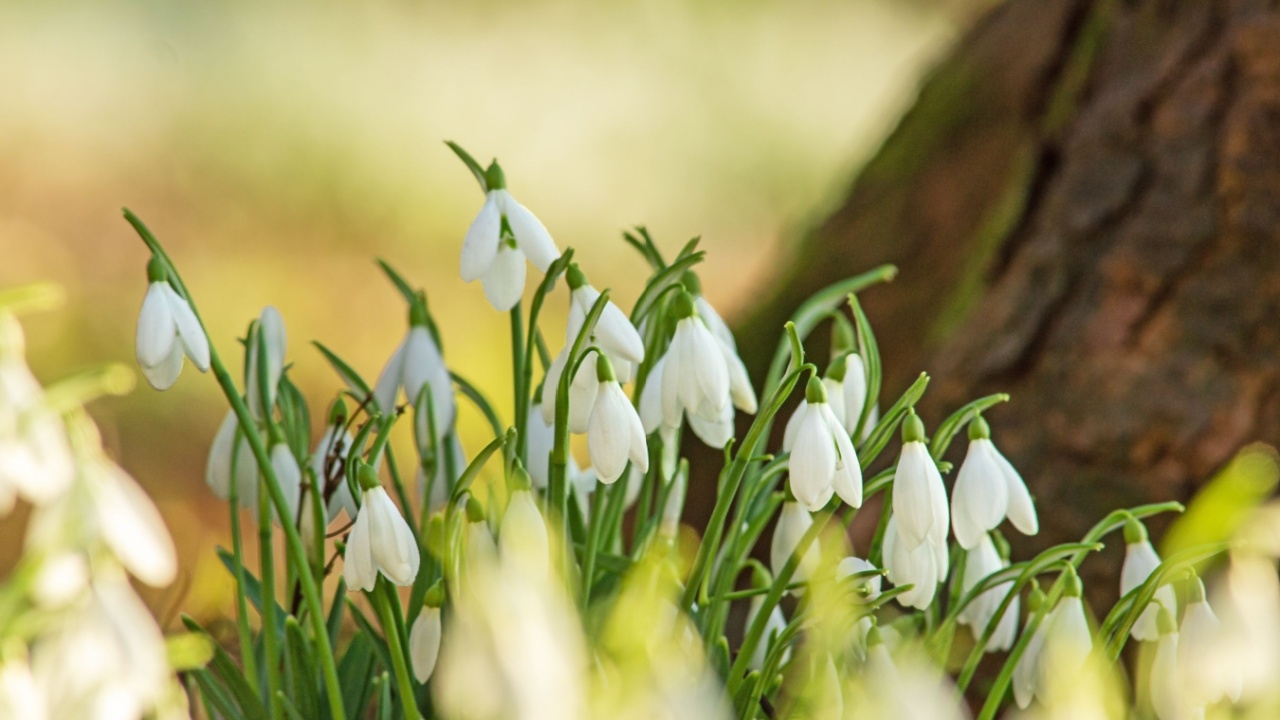
Image Credit: Shutterstock.
As one of the very first flowers to appear at the end of winter, snowdrops are a welcome sight. These small, bulbous perennials have delicate, nodding white flowers that often push right up through the snow. Once planted, they require virtually no care and will multiply over the years to form a beautiful carpet of white.
Plant snowdrop bulbs in the fall in a location with partial shade, such as under deciduous trees. They prefer soil that is moist in the spring but can be drier in the summer when they are dormant.
- Sunlight: Partial shade
- Soil: Moist, well-drained soil
- Colors: White with green markings
- Best For: Woodland gardens, under trees, and naturalizing in lawns
19. Hellebore
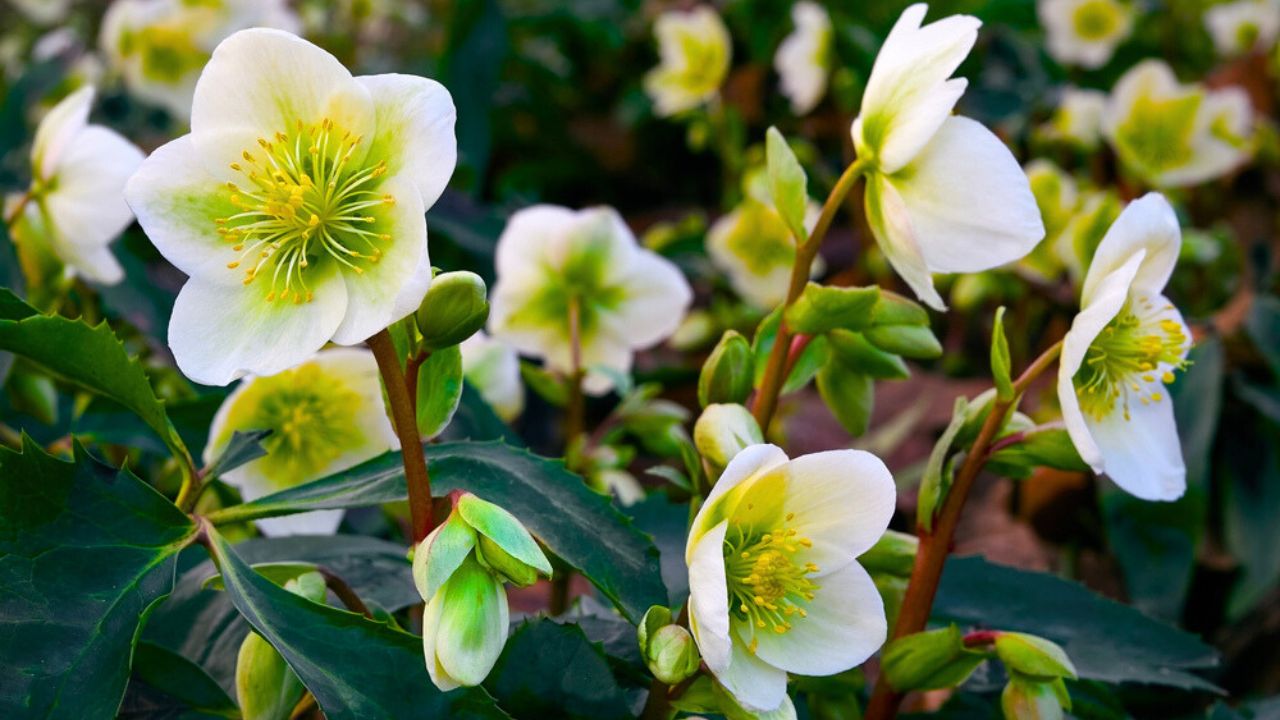
Image Credit: Shutterstock.
Hellebores, also known as Lenten Roses, are prized for their ability to bloom in the cold of late winter and early spring. These tough, evergreen perennials have beautiful, bowl-shaped flowers that last for months. They are shade-loving, long-lived, and deer-resistant, making them an invaluable addition to any garden.
Plant hellebores in a shaded or partially shaded spot with rich, well-drained soil. They are low-maintenance, and their handsome foliage looks good year-round.
- Sunlight: Partial to full shade
- Soil: Moist, well-drained, rich soil
- Colors: White, pink, green, deep purple, and speckled varieties
- Best For: Woodland gardens, winter interest, and shade borders
20. Sword Lily
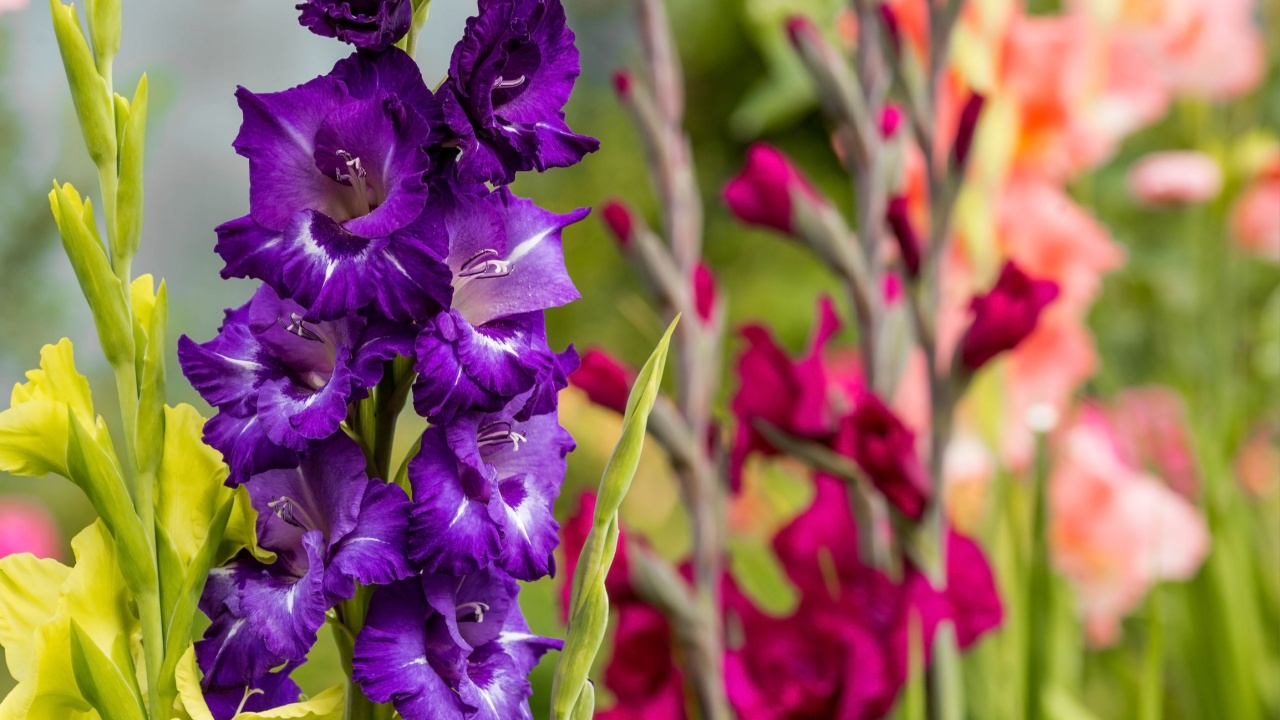
Image Credit: Shutterstock.com.
Gladiolus, or Sword Lily, adds spectacular vertical drama to the summer garden. Grown from bulb-like structures called corms, they produce tall spikes packed with large, colorful flowers. They are incredibly easy to plant and make for stunning cut flowers. You can plant corms every couple of weeks for a continuous supply of blooms.
Gladiolus require full sun and sandy, well-drained soil. Taller varieties may need staking to keep them from flopping over. In colder zones, the corms should be dug up in the fall and stored indoors for the winter.
- Sunlight: Full sun
- Soil: Sandy, well-drained soil
- Colors: A vast range of colors, often in bicolored combinations
- Best For: Cutting gardens and adding vertical accents to mixed borders
21. Bearded Iris
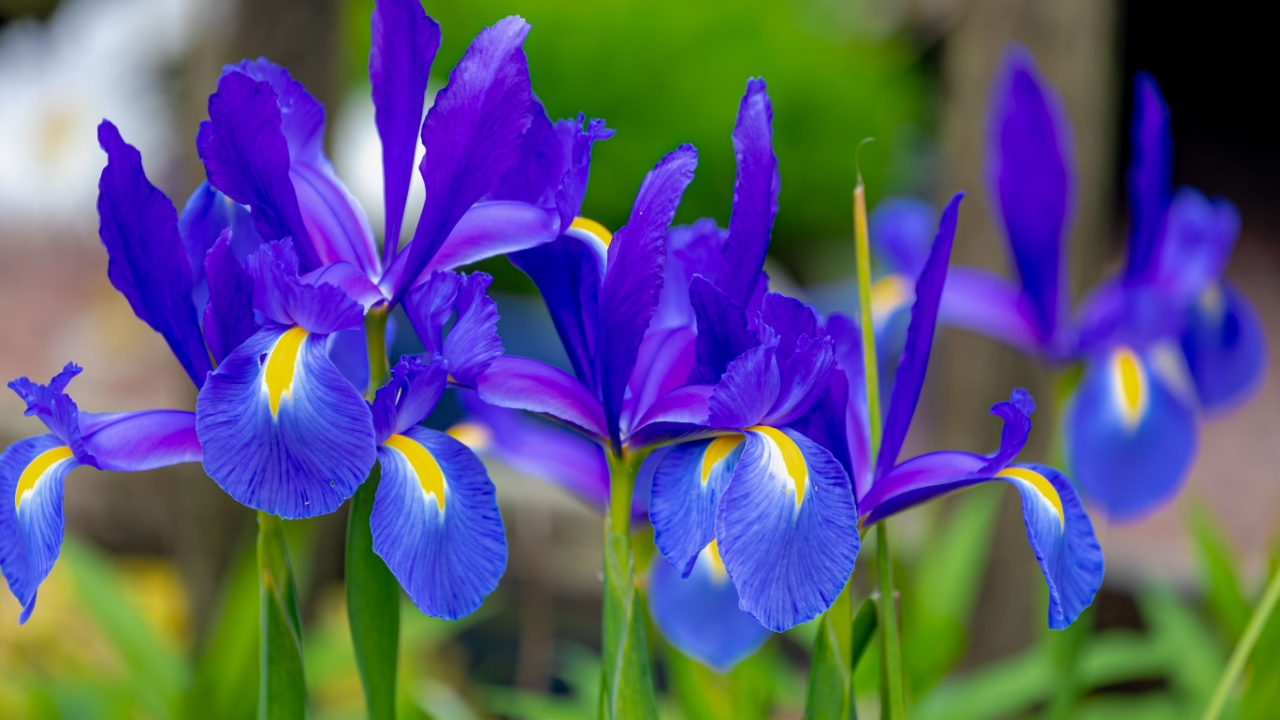
Image Credit: Shutterstock.
Bearded Irises are elegant, resilient perennials that offer spectacular blooms in late spring and early summer. Named for the fuzzy “beards” on their lower petals, they come in a breathtaking array of colors. They are drought-tolerant and thrive on neglect once established. Their rhizomes (fleshy roots) should be planted so that the top is slightly exposed to the sun
. Plant irises in a sunny, well-drained spot. They are prone to rot if planted too deeply or in soggy soil. Every few years, clumps should be divided to keep them vigorous and blooming well.
- Sunlight: Full sun
- Soil: Well-drained, average to clay soil
- Colors: Nearly every color imaginable
- Best For: Flower beds, slopes, and foundation plantings
22. Lupines
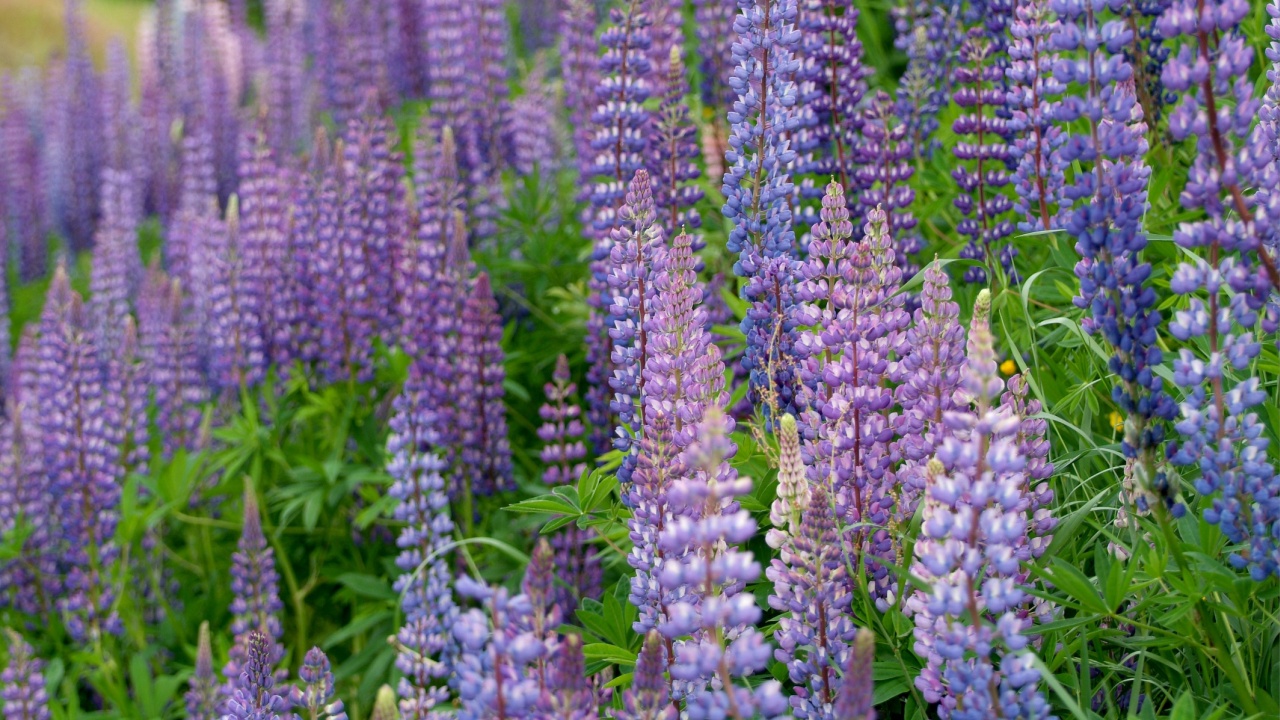
Image Credit: Shutterstock.
Lupines bring majestic spires of color to the garden in late spring and early summer. These perennials form dense, pea-like flower spikes that can be incredibly showy. As members of the legume family, they have the added benefit of fixing nitrogen in the soil, improving its fertility for other plants.
Lupines prefer full sun to light shade and do best in sandy, well-drained soil that is slightly acidic. They develop a long taproot, so they don’t like to be transplanted. They are a wonderful choice for adding structure and vibrant color.
- Sunlight: Full sun to partial shade
- Soil: Sandy, well-drained, slightly acidic soil
- Colors: Blue, pink, yellow, white, red, and bicolors
- Best For: Cottage gardens, wildlife habitats, and improving soil
Starting a Beautiful Yet “Easy” Garden
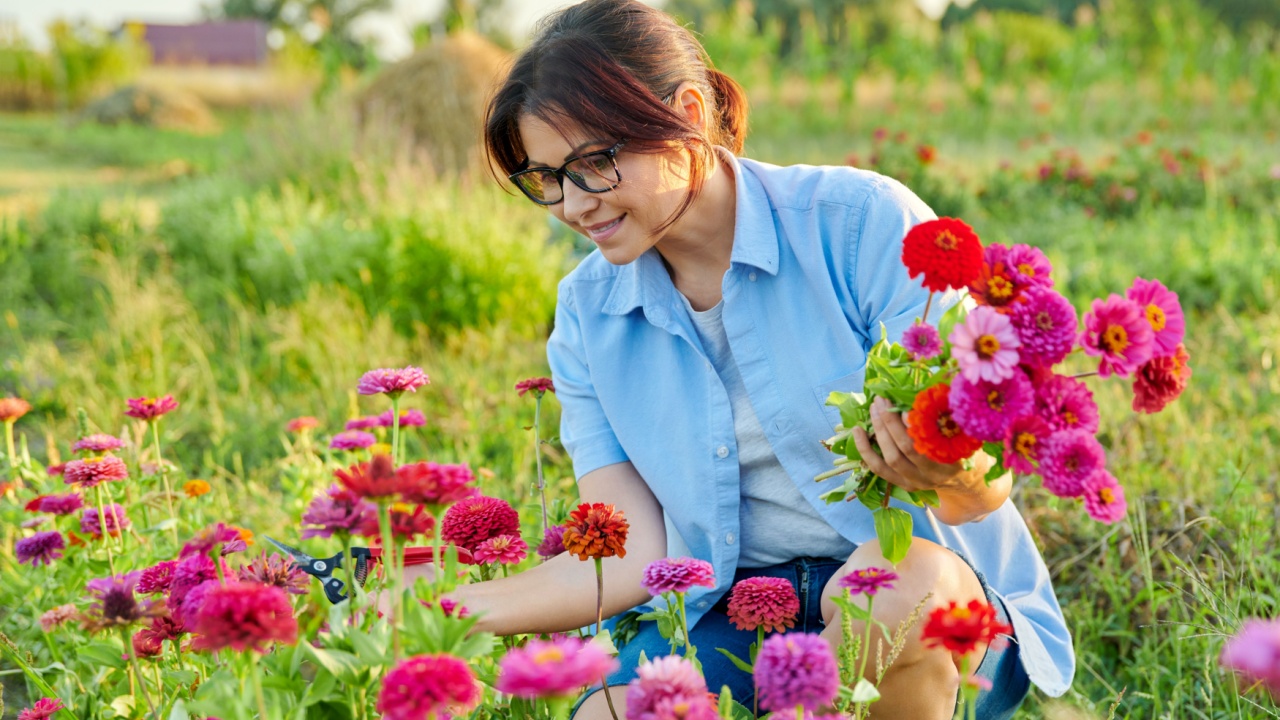
Image Credit: Shutterstock.
Now that you have a list of beautiful and forgiving flowers, the next best step is to start planning. Think about your space. Which areas get the most sun? Do you have room for tall plants in the back and shorter ones in the front? Maybe you want to start small with a few containers on your patio.
Choose a few favorites from this list to begin. You don’t need to plant them all at once. Starting with two or three types will help you learn about your garden’s specific conditions and build your skills. Visit your local nursery to see which plants are available, or browse seed catalogs to find exciting new varieties. The most important part is to have fun and enjoy the process of creating your own beautiful backyard escape.