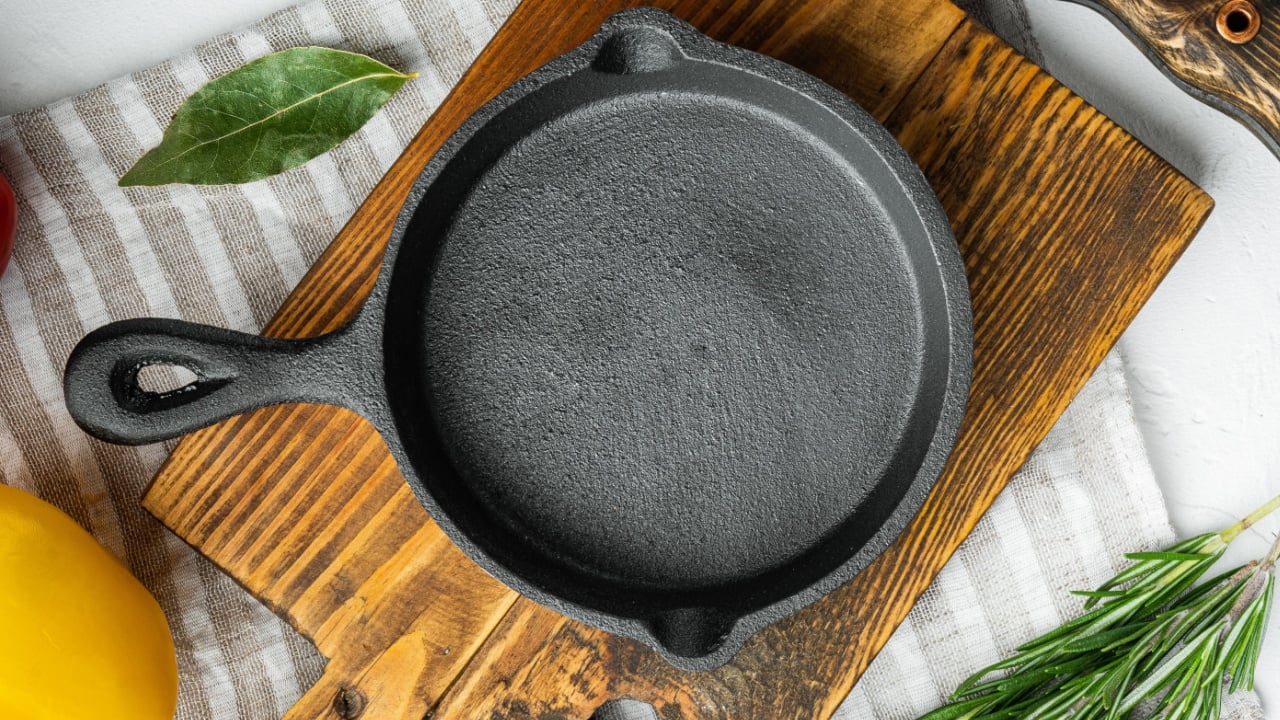
Don’t Throw Out That Cast Iron Pan Before Trying These 2-Ingredient Tricks
Cast iron cookware remains a favorite in kitchens everywhere for its unparalleled heat retention and ability to create the perfect sear. However, that rugged durability often comes with a side of anxiety regarding maintenance.
Rust, stubborn food residue, and discoloration can happen to even the most attentive home cooks. While seeing orange spots or black buildup might cause panic, restoring the pan usually requires nothing more than pantry staples.
Reviving a cast-iron skillet involves understanding how to remove the damage without stripping away years of seasoning. Here are several effective methods to clean and restore cast iron to its former glory.
1. The Potato and Salt Method
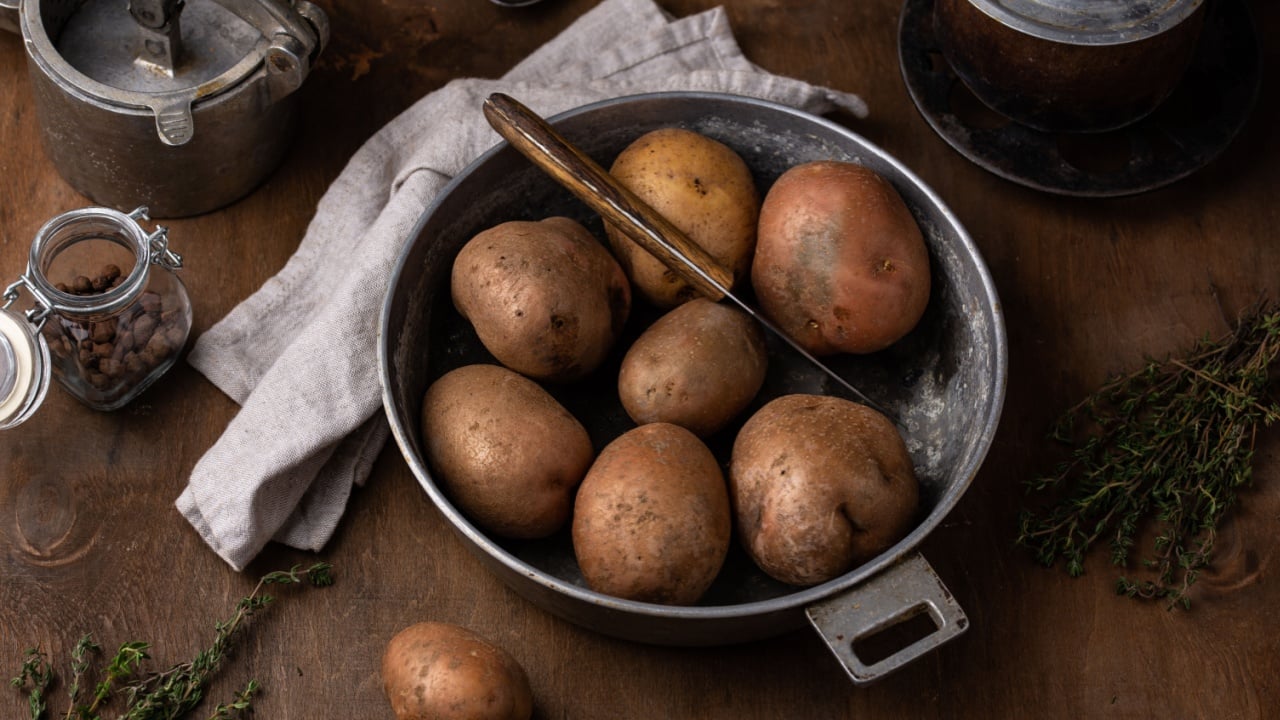
This technique sounds more like the start of a recipe than a cleaning hack, but it is surprisingly effective for tackling rust. Potatoes contain oxalic acid, a compound that reacts with rust to break it down. Paired with coarse salt, they create an effective scrubbing tool using both chemical and mechanical cleaning.
Cut a raw potato in half, sprinkle coarse salt onto the rusted pan, and scrub with firm circular motions. Slice the potato to expose fresh flesh if needed and adjust for tricky corners. Rinse and dry the pan thoroughly to prevent new rust.
2. The Boiling Water Technique

Okay, this hack is only one item (water), but it had to make this list for how practical it is. Sometimes the issue isn’t rust but rather stubborn, stuck-on food that refuses to budge. Scouring pads can damage the seasoning on your skillet, so try using heat instead.
Boiling water loosens food residue without harsh scraping, making it ideal for tough stains like burnt sauces. Add enough water to cover the bottom of the pan, bring it to a boil, and gently scrape with a wooden spoon as the gunk softens. Once clean, carefully pour out the water, rinse with hot water, and dry over low heat to prevent moisture damage.
3. Oil and Salt Scrub
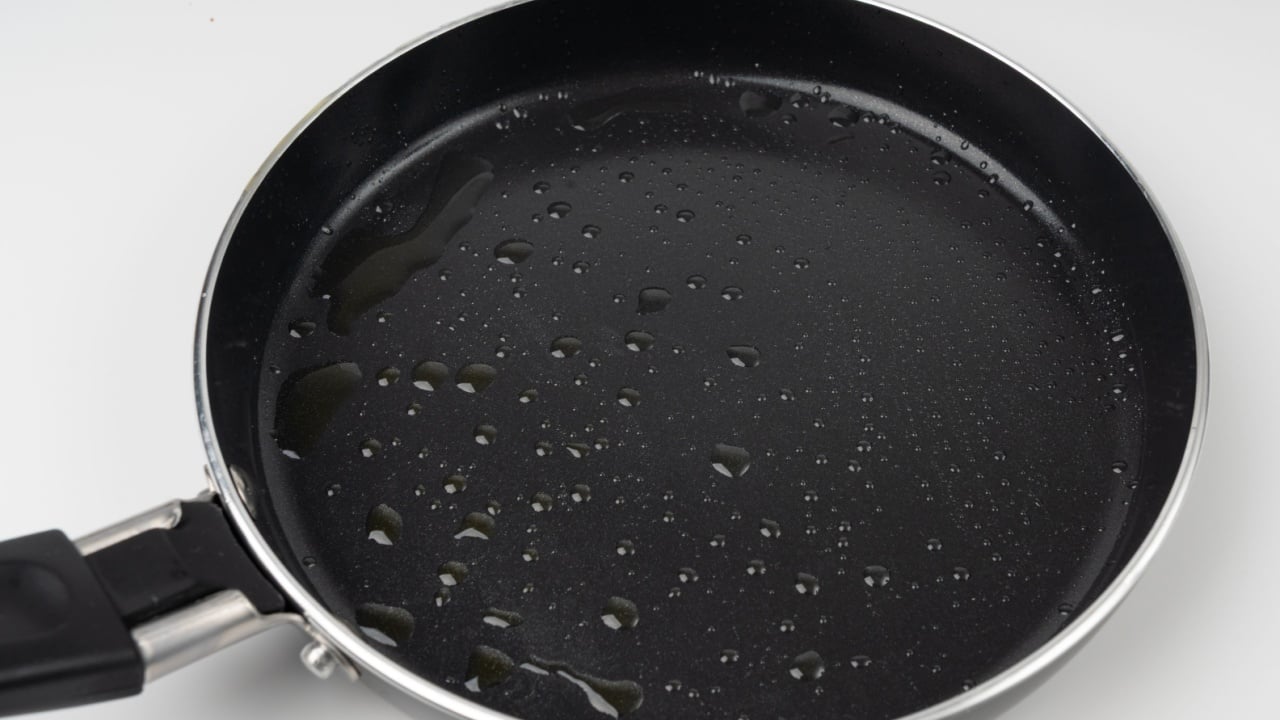
For everyday cleaning and minor stains, an oil and salt paste gently exfoliates the cookware. Unlike dish soap, oil conditions the metal while the salt scours away impurities. This method is great for removing carbon buildup while preserving the non-stick surface.
Pour a tablespoon of neutral cooking oil into the skillet, add a layer of coarse salt, and scrub with a paper towel. The salt will darken as it lifts away carbon and grease. Once clean, discard the dirty mixture and wipe the skillet with a fresh paper towel until no residue remains. This leaves a thin layer of oil on the surface, keeping it ready for your next meal.
Restoring the Seasoning

Cleaning the stains is only half the battle. Once the rust and residue are gone, the iron needs protection. Most deep cleaning methods, especially those involving vinegar or heavy scrubbing, will remove some or all of the seasoning layer. Seasoning is simply oil baked into the metal, creating a natural non-stick surface.
To finish the job, rub a very thin layer of high-smoke-point oil (like grapeseed or flaxseed oil) all over the clean, dry pan. Bake it upside down in an oven at 450°F (230°C) for one hour. Let it cool in the oven completely. This final step seals the metal, prevents future stains, and prepares your skillet for years of reliable cooking.