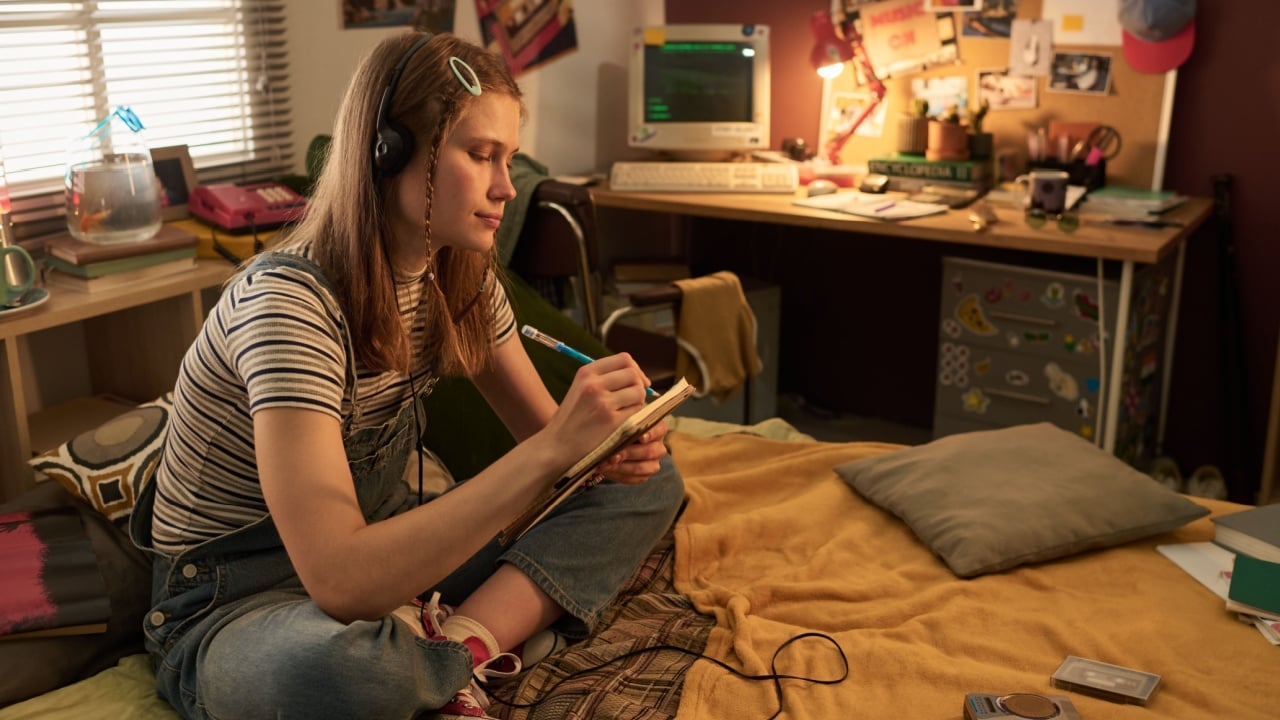
Ditch the 2026 Drama: 5 Ways to Live Life Like a 90s Kid
Remember when “ghosting” meant telling a scary story at a sleepover, and “doomscrolling” wasn’t even a concept because you had to get off the internet so your mom could make a phone call (and social media didn’t exist)?
The 90s were a simpler time of flannel shirts, Blockbuster nights, and zero digital anxiety. Fast-forward to today, and we’re always online, somehow more stressed and lonely than ever.
If you’re tired of the constant notifications and the pressure to have a perfect-looking life, maybe it’s time to borrow a few tricks from the pre-smartphone era. Here’s how to channel your inner 90s kid for a happier, more present life.
1. Make Yourself Unavailable

In the 90s, if you weren’t home, you weren’t reachable. There was no expectation of an instant reply, and nobody panicked if you went off the grid for a few hours. Today, the pressure to be constantly accessible keeps us in a state of low-level anxiety.
Research shows it takes over 23 minutes to regain deep focus after a single phone interruption. If your pocket is buzzing all day, your brain never truly rests.
Try this: Designate “unavailable hours.” Put your phone on Do Not Disturb or leave it in another room after 8 PM.
2. Talk to Strangers (Safely)

Before we had heads-down syndrome (where everyone in a public space is staring at a screen), people looked up and acknowledged each other. Standing in line at the grocery store or waiting for a bus was an opportunity for small talk.
Research from the University of Essex suggests that brief interactions with strangers can increase feelings of belonging and boost your mood.
Try this: While waiting for coffee, skip your phone. Chat about the weather or compliment someone, it boosts connection and fights loneliness.
3. Embrace Boredom

In 1996, boredom was a puzzle you had to solve yourself. You might stare at the ceiling, reorganize your CDs, or simply let your mind wander. Today, we fill every microsecond of downtime with content podcasts while we do dishes and TikTok during commercial breaks.
However, boredom is actually the birthplace of creativity. When your brain isn’t constantly processing new input, it enters the “default mode network,” which is where deep problem-solving and innovative ideas happen.
Try this: Stop filling every gap. If you’re walking the dog, leave the headphones at home. Let your mind drift without a digital tether and see what ideas bubble up when you give your brain some breathing room.
4. Memorize Important Numbers

There was a specific kind of love involved in knowing your best friend’s landline number by heart. Relying entirely on a contact list weakens your cognitive muscles. This is often referred to as “digital amnesia,” where you outsource your memory to your devices.
Exercising your memory helps keep your brain sharp and builds neural pathways that are crucial for long-term cognitive health.
Try this: Pick three important people in your life and commit their phone numbers to memory.
5. Print Your Photos

You take more photos than ever, but rarely look at them. Buried in the cloud among screenshots and memes, digital images lack the impact of physical ones. In the 90s, limited film made every shot count. Physical photos act as tangible anchors to memories, boosting happiness more than scrolling ever could.
Try this: Pick your favorite 10 photos from the last month and print them. Put them on your fridge or in a frame. Seeing these moments in your physical space provides a daily dopamine hit that a screen can’t replicate.
Ready to Unplug?

Living like a ’90s kid doesn’t mean you have to throw your phone away. It’s just about taking back control of your time. Adding a few of these old-school habits into your routine can help you de-stress and actually connect with the people around you.