

Every one of us has thought at one point in life, “I really need to declutter!” Decluttering is like spring cleaning, except it’s always spring, and the cleaning never ends. Stuff accumulates fast; before you know it, you’re drowning in old magazines, unused gadgets, and boxes upon boxes of old shoes.
We all need to find a way to manage our space in a way that works for us. Decluttering is like religion—deeply personal and therapeutic. Some people are energized by the thought of minimalism, while others just want to find their countertops again. No matter where you fall on the spectrum, there’s a method to the madness.
Here are the time-tested decluttering rules to help you tackle the clutter without losing your mind or your favorite pen. We brought you each of the genius rules from trusted professional organizers, decorators, and home experts to give you the best possible inspiration for decluttering your home effectively.
1. The “One In, One Out” Rule

Image Credit: Shutterstock.
For every item you bring into your home, one item must leave. This rule is the ultimate way to keep clutter at bay, especially if you’re someone whose idea of therapy is “add to cart.” It forces you to make deliberate decisions about what’s worth keeping and helps maintain balance in your space.
This is the revolving door of decluttering. Have you bought a new blender? Say goodbye to the older one that smokes on ignition. By consistently following this rule, you’ll avoid the dreaded buildup of stuff that serves no purpose but takes up valuable space.
2. Easiest Place Rule
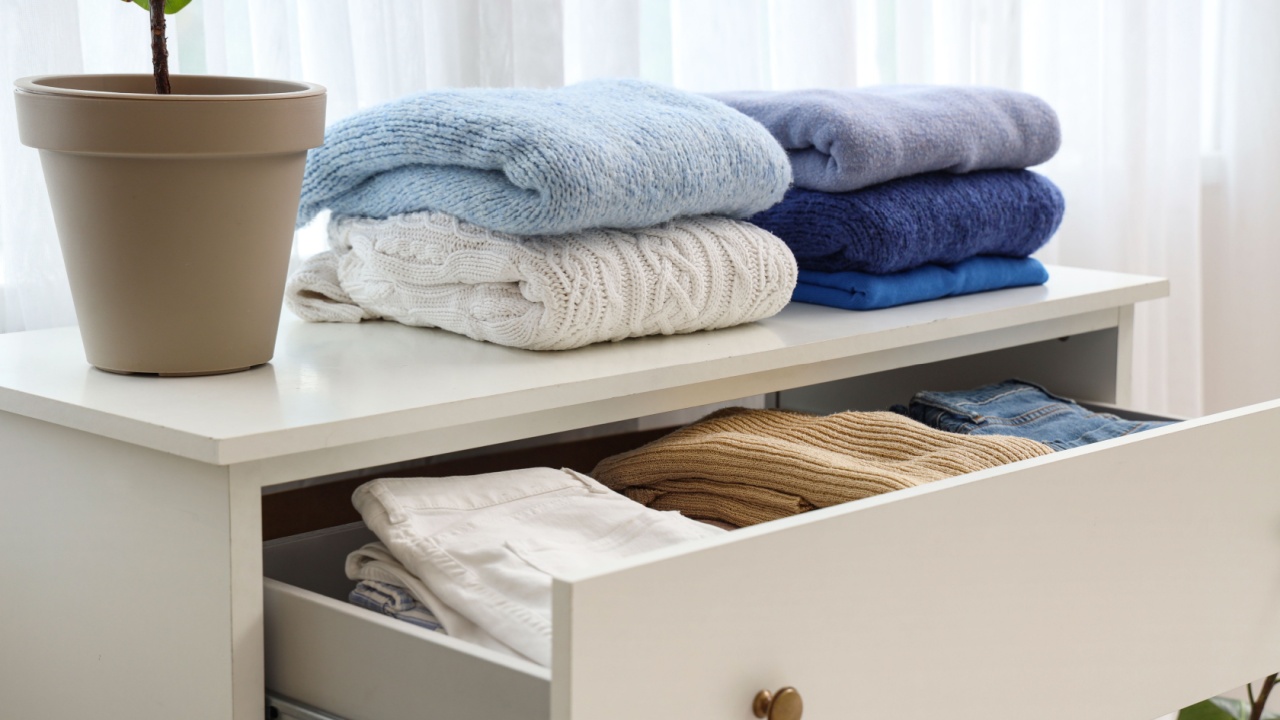
Image Credit: Shutterstock.
The thought of decluttering an entire house is enough to send anyone running for the hills. That’s why starting small is key. Pick one drawer, one shelf, or one corner of a room and focus your attention there. Small victories build confidence and make larger tasks feel less intimidating.
Once you’ve seen the transformation of a single space, it’s easier to keep going. You’ll be amazed at how clearing out one messy drawer can inspire you to tackle the rest of the kitchen—or maybe even the garage choking in unfinished DIY projects.
3. Declutter by Categories, Not Rooms Rule

Image credit: Depositphotos.com.
Instead of focusing on individual rooms, tackle categories of items. Start with clothing, then move on to books, kitchen gadgets, or sentimental keepsakes. This approach helps you see how much you own in a specific category and makes it easier to make decisions.
Decluttering by category can also reveal patterns in your habits. For example, do you have three garlic presses but rarely cook? Identifying these trends will help you avoid future clutter.
4. The Poop Rule
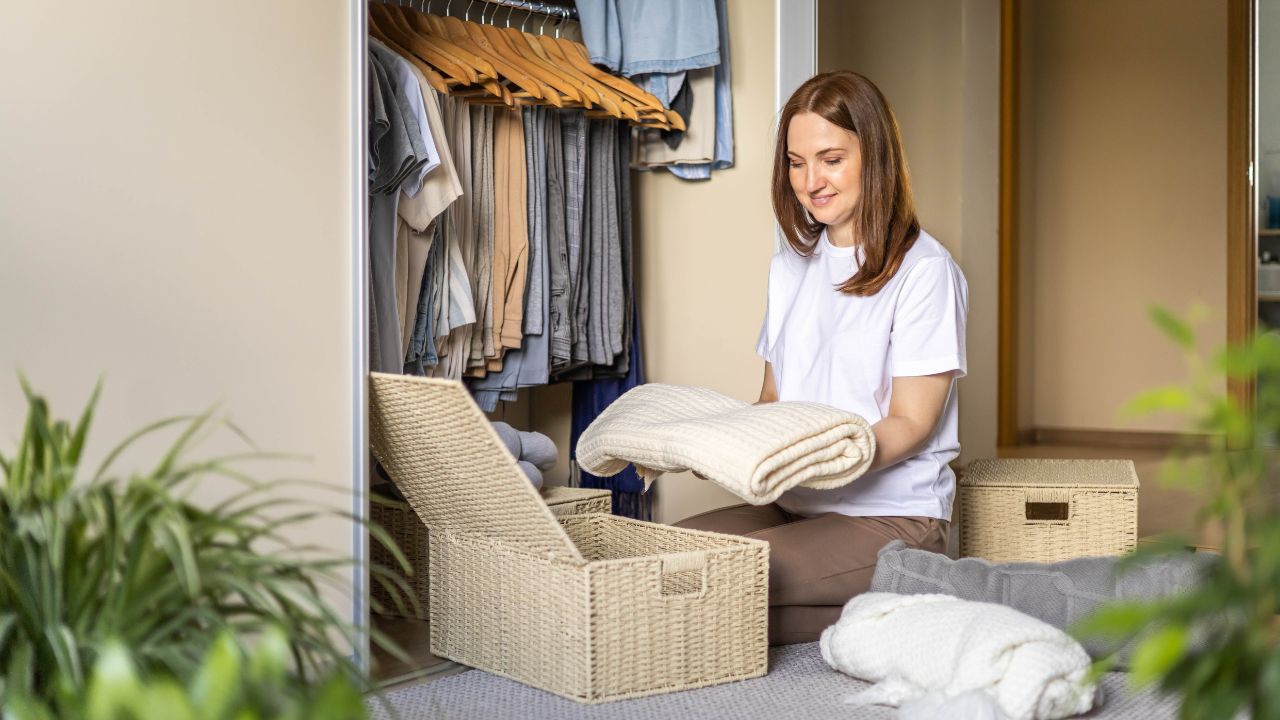
Image Credit: Shutterstock.
Here’s a decluttering rule that’s oddly effective: if an item were covered in poop, would you wash it or throw it away? While the scenario might feel a little extreme, it’s a great way to get honest about how much you truly value something.
This rule challenges you to weigh an item’s importance. If you wouldn’t go to the trouble of cleaning it under those circumstances, it’s probably not worth holding onto. It’s a humorous but practical way to break free from unnecessary emotional attachments to things you don’t really need.
5. The “12-Month Rule”

Image Credit: Shutterstock.
If you haven’t used something in the past year, odds are you don’t need it. Seasonal items like holiday decorations are exceptions, but for most things, a year of neglect is a clear sign it’s time to part ways.
This rule works wonders for clothes, kitchen gadgets, and random trinkets you’ve forgotten you own. If it’s been sitting untouched for months, trust that you won’t miss it.
6. The “Use It or Lose It” Challenge

Image Credit: Depositphotos.com.
Pick an item you’re unsure about and commit to using it within a designated time. This can be your “maybe box”. If it sits untouched, it’s time to let it go. This is especially useful for kitchen gadgets, craft supplies, or exercise equipment you’ve been “meaning to use.”
This rule eliminates excuses and helps you quickly determine if something deserves a spot in your home. Either you’ll discover its value, or you’ll realize it’s cluttering your life.
7. Give Every Item a Home Rule
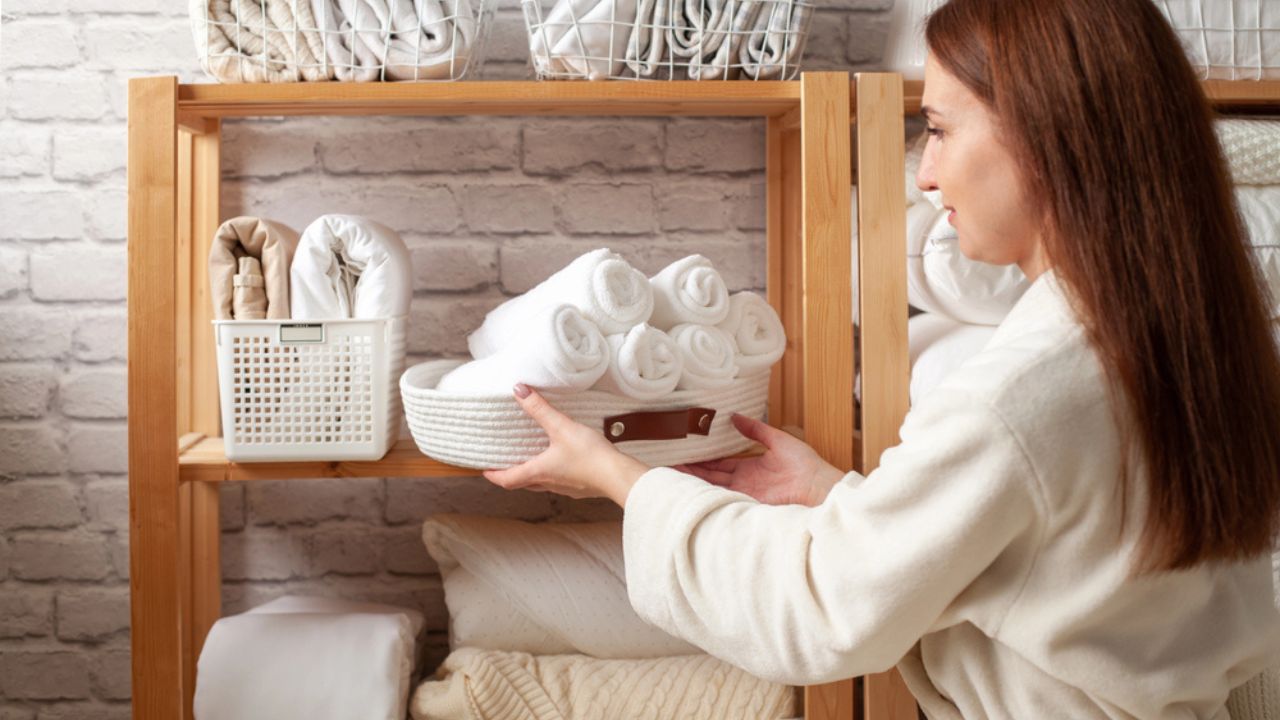
Image Credit: Depositphotos.com.
Clutter often happens when items don’t have a designated spot. Assign every item in your home to a specific place. This reduces mess and saves time when you’re looking for something.
When everything has a home, spotting what doesn’t belong is easier. It’s also a great way to assess if you own duplicates or unnecessary items. You may be thinking you need to declutter when you just need to organize.
8. The Decluttering Timer Rule
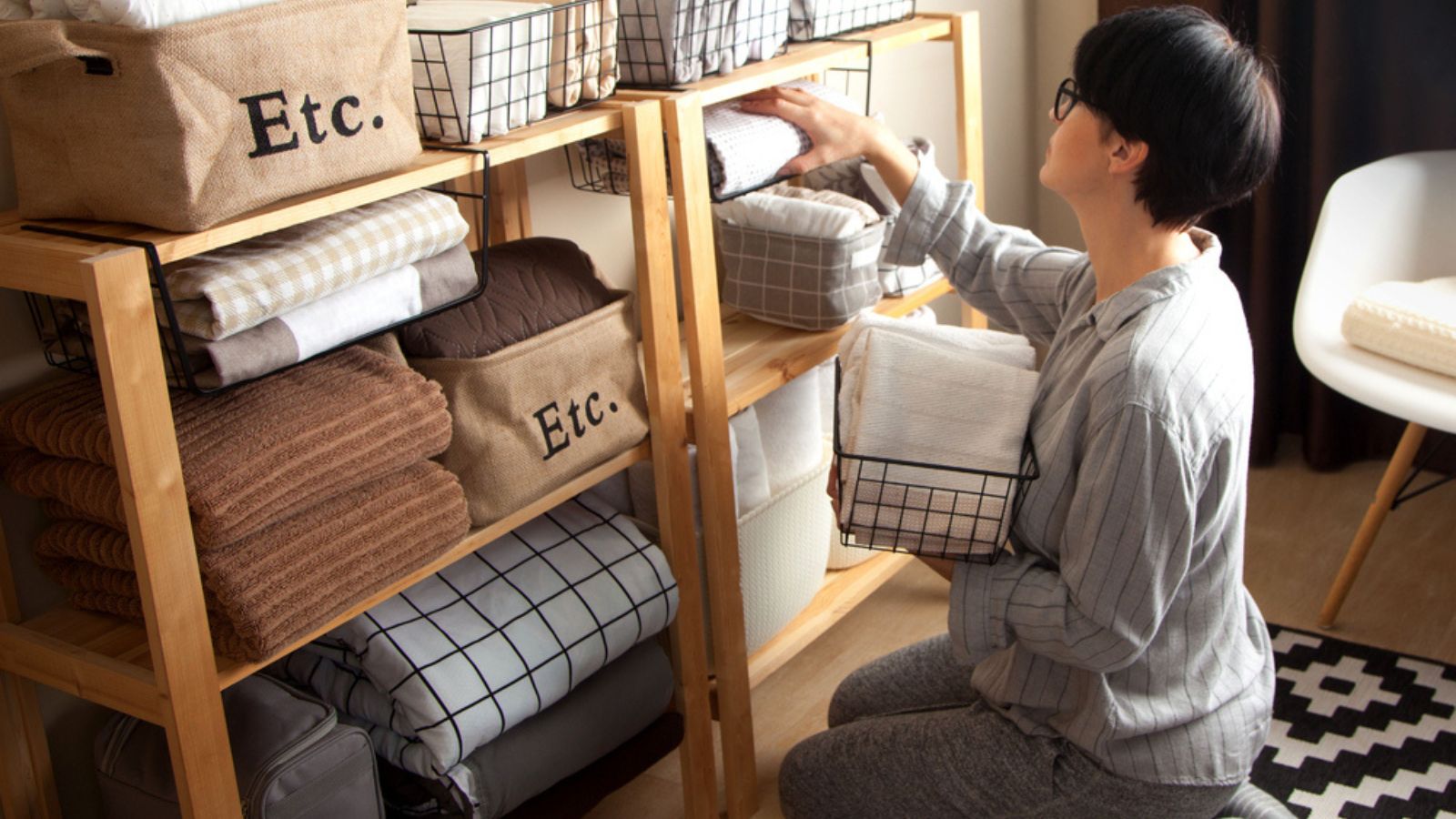
Image Credit: Depositphotos.com.
It’s very possible to set a day for decluttering and still not do anything by sunset. Dedicate 15–30 minutes a day to decluttering. Setting a timer creates a sense of urgency and helps you stay focused on the task. It’s a manageable way to make progress without overwhelming yourself.
These short sessions can yield big results over time. If you need flexibility in your decluttering quest, micro-decluttering is the rule you want. It can be adapted to fit even the busiest schedule.
9. No Clutter Zone Rule

Image Credit: Shutterstock.
Designate one area in your home as a clutter-free zone, such as your dining table or kitchen counter. Make it a rule to keep that space clear at all times. This small commitment creates a sense of order and acts as a daily reminder of the benefits of decluttering.
Once you see how good it feels, you might be inspired to expand the zone. Soon enough, you’ll have a clutter-free home without feeling you had to haul your whole house.
10. Digitize What You Can

Image Credit: Depositphotos.com.
Paper clutter is a common issue, but much of it can be digitized. Scan important documents, convert photos to digital albums, and store them securely online or on a hard drive. This saves space and makes it easier to access and organize important information.
You can even digitize sentimental items like children’s artwork or handwritten letters. It may feel strange at first, but remember that the value of a memory is in the sentiment, not the physical item itself.
11. The “Four-Box Method”

Image Credit: Depositphotos.com.
You want to declutter, but you don’t know what to do if you’re left with a mountain of things you no longer need sitting in your yard? Sort items into four categories: keep, donate, trash, and relocate. This method creates a clear system for handling every item and prevents decision fatigue.
Having designated categories makes the process faster and keeps you focused. By the end, you’ll know exactly what to do with everything you’ve sorted. Plus, seeing the amount of stuff you’re getting rid of can be very motivating.
12. The Two-Minute Rule

Image Credit: Shutterstock.
If a decluttering task takes two minutes or less, do it immediately. This rule is all about tackling the small, quick wins that add up to a more organized space. Think of tasks like tossing junk mail, hanging up a coat, or returning a stray coffee mug to the kitchen.
By handling these micro-tasks right away, you prevent clutter from snowballing into a bigger problem. It’s a simple shift in habit that keeps your space tidy without feeling like a massive effort. Plus, the satisfaction of instant progress can motivate you to keep going.
13. The 90/90 Decluttering Rule

Image Credit: Shutterstock.
The 90/90 rule is a simple way to decide what stays and what goes: ask yourself if you’ve used the item in the past 90 days or if you realistically expect to use it in the next 90. If the answer is no to both, it’s probably time to let it go.
This rule is especially helpful for breaking the “but I might need it someday” mindset. It encourages you to focus on the practical, current value of your belongings rather than clinging to hypothetical scenarios.
14. Know Your Why

Image Credit: Shutterstock.
Before you dive into decluttering, take a moment to reflect on why you’re doing it. Are you looking to create a calmer environment, free up space for things you truly love or make daily life easier? Understanding your motivation gives purpose to the process and keeps you focused when decisions get tough.
When you connect decluttering to your goals—like having a home that feels welcoming or a closet that makes mornings stress-free—you’ll find it easier to let go of things that no longer serve you. Your “why” becomes your compass, guiding you toward a space that aligns with your values.
15. The “I Didn’t Know I Had It” Rule

Image Credit: Shutterstock.
If you stumble upon an item you completely forgot about, it’s a clear sign you don’t need it. After all, if you haven’t remembered or missed it until now, it’s unlikely to bring value to your life moving forward.
This rule is a great reality check for closets, drawers, and storage boxes. It helps you break the habit of hoarding “just in case” items and focus your space on things you actually use and cherish. Letting go of forgotten items clears both physical and mental clutter.