
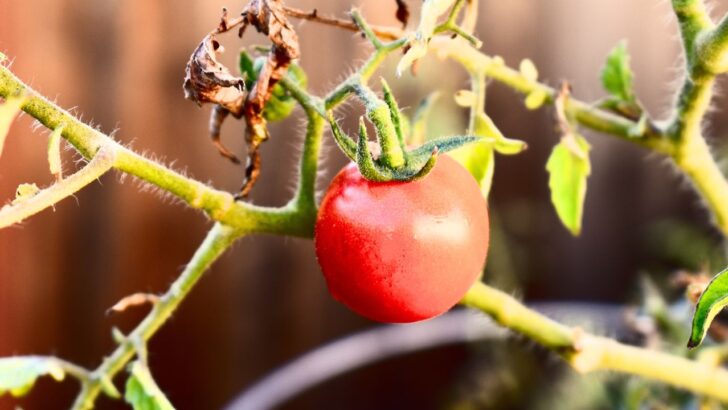
Growing tomatoes can be incredibly rewarding, but their susceptibility to certain diseases can pose challenges for even the most devoted gardeners. Diseases can reduce yields, affect fruit quality, and even destroy entire crops. Knowing how to identify and prevent tomato diseases early can save your plants and ensure a healthy harvest.
Below, we’ll cover 10 common tomato diseases, how frequently they occur, and effective remedies and prevention tips to protect your garden.
Straight from the Source
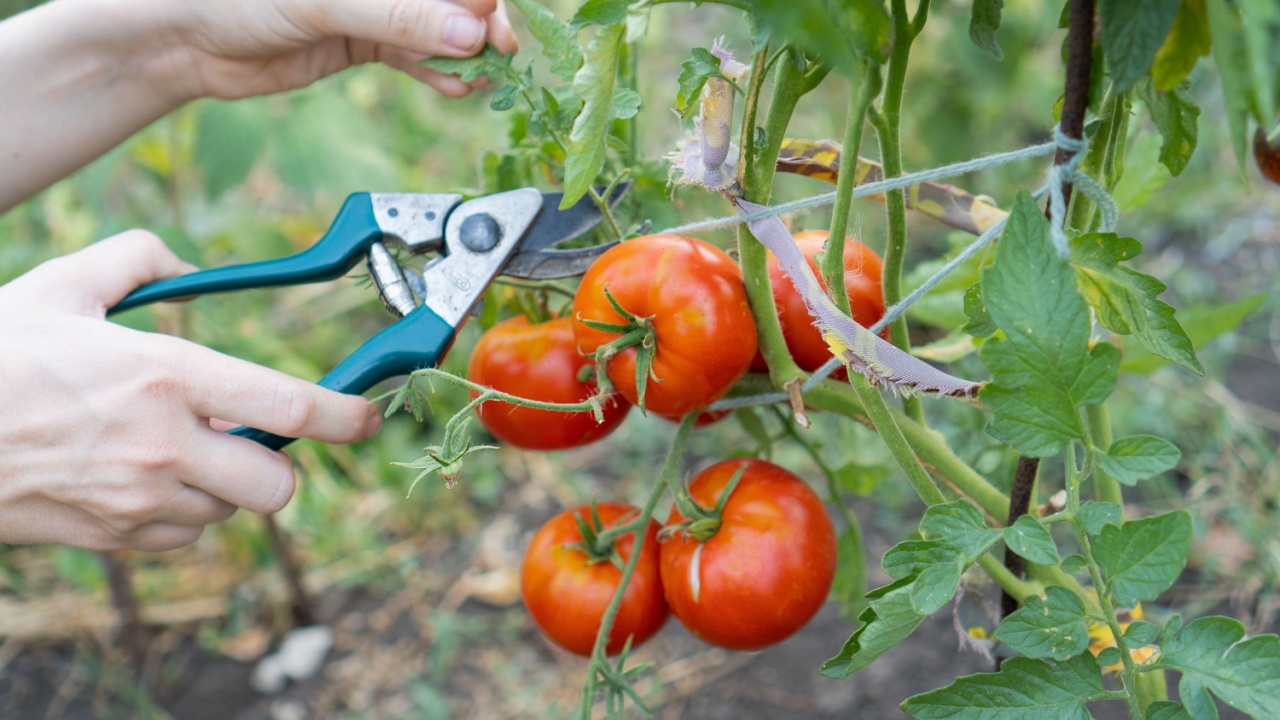
Image Credit: Shutterstock.
Every disease and prevention tip in this article was carefully vetted using reputable, research-based information from university extension programs and agricultural experts.
We relied on resources from institutions such as Penn State Extension, University of Minnesota Extension, University of Florida IFAS, NC State Extension, and the University of California Integrated Pest Management program, among others. By cross-referencing multiple trusted publications, we made sure each recommendation reflects the most current understanding of tomato disease management.
1. Early Blight

Image Credit: Shutterstock.
Early blight is one of the most widespread tomato diseases. Caused by the fungus Alternaria solani, it thrives in warm, humid environments. This disease is characterized by round, brown lesions on lower leaves that expand and often develop concentric rings, resembling a bullseye. Over time, the affected leaves turn yellow and drop off, weakening the plant and exposing fruit to sunscald.
Remedies and Prevention: To prevent early blight, space plants generously to improve air circulation and trim lower leaves to keep foliage off the soil. Avoid overhead watering, as wet foliage encourages fungal growth. Consider applying a fungicide when conditions for infection are high. Rotate crops annually to prevent the disease from persisting in the soil.
2. Late Blight
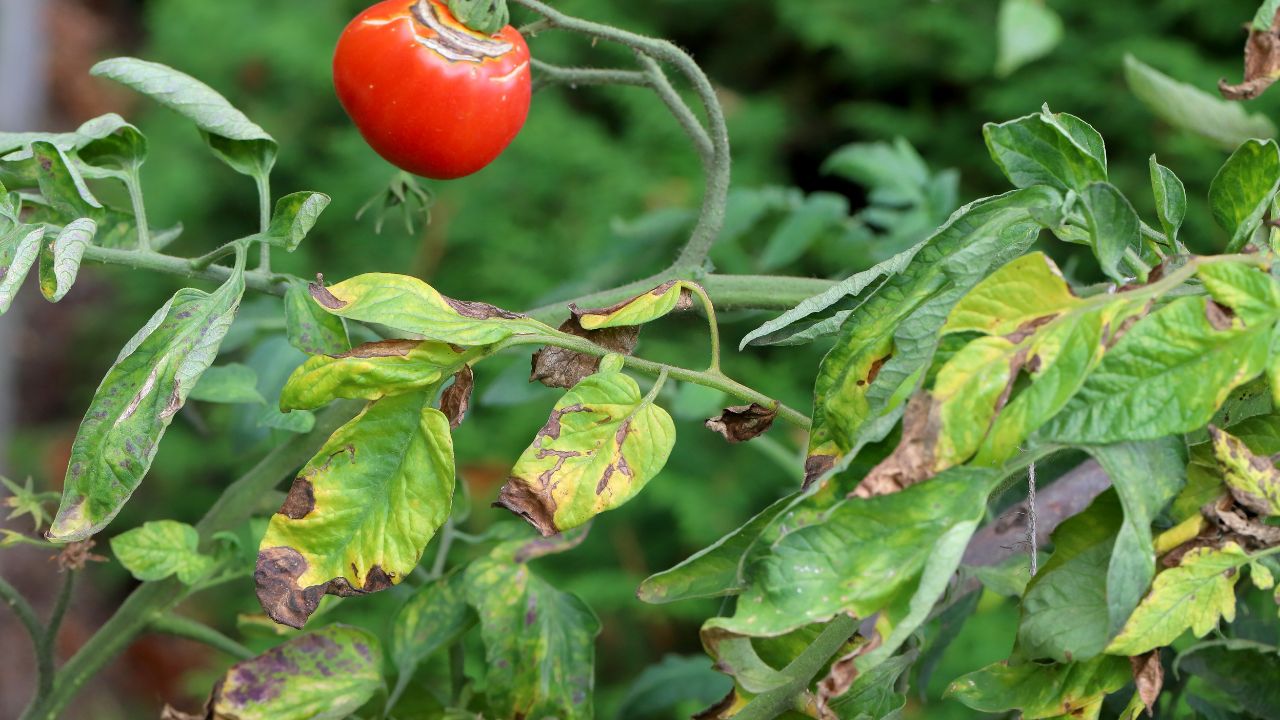
Image Credit: Shutterstock.
Late blight, caused by Phytophthora infestans, is infamous for its rapid devastation under cool, damp conditions. It causes large, grayish-brown, water-soaked lesions on leaves, stems, and fruits. The disease can spread quickly through airborne spores, affecting gardens over wide areas.
Remedies and Prevention: Remove and destroy any infected plant parts immediately to stop the spread. Space plants generously and prioritize well-drained soil to minimize prolonged wet conditions. Protect plants with copper-based fungicides when weather forecasts indicate high humidity and cooler temperatures. Rotate crops yearly to avoid recurring outbreaks.
3. Fusarium Wilt

Image Credit: Shutterstock.
Fusarium wilt, caused by the soil-borne fungus Fusarium oxysporum, is a significant threat to tomato plants. It blocks water and nutrient uptake in the plant, causing yellowing and wilting of lower leaves, often on just one side of the plant. This disease is particularly persistent, remaining active in the soil for several years.
Remedies and Prevention: The best defense against Fusarium wilt is to plant resistant tomato varieties labeled “F” for Fusarium resistance. Use raised beds to ensure proper drainage and rotate tomato crops with non-susceptible plants like corn or beans. Remove infected plants immediately and avoid composting them to prevent reinfection.
4. Tomato Mosaic Virus
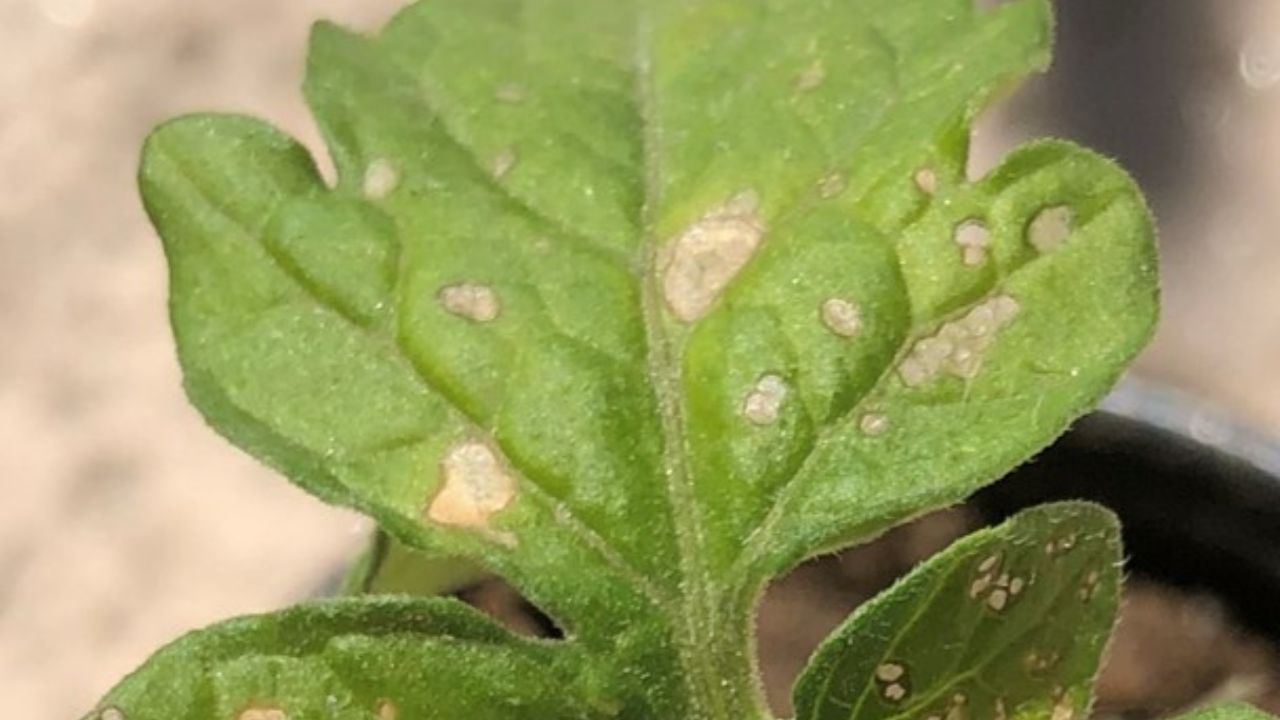
Image Credit: RosieScienceGal – Own work, CC BY-SA 4.0/Wiki Commons.
Tomato Mosaic Virus (TMV) can reduce yields and stunt plant growth. It causes mottled or yellowish patterns on leaves, curling, or distorted growth. The virus spreads through mechanical contact, such as contaminated tools or human handling.
Remedies and Prevention: Sanitize tools and hands before and after handling plants to reduce transmission. Immediately remove and discard infected plants to prevent the virus from spreading further. Avoid smoking around tomato plants, as the TMV can survive in tobacco. Using resistant tomato varieties is also a good preventive measure.
5. Septoria Leaf Spot
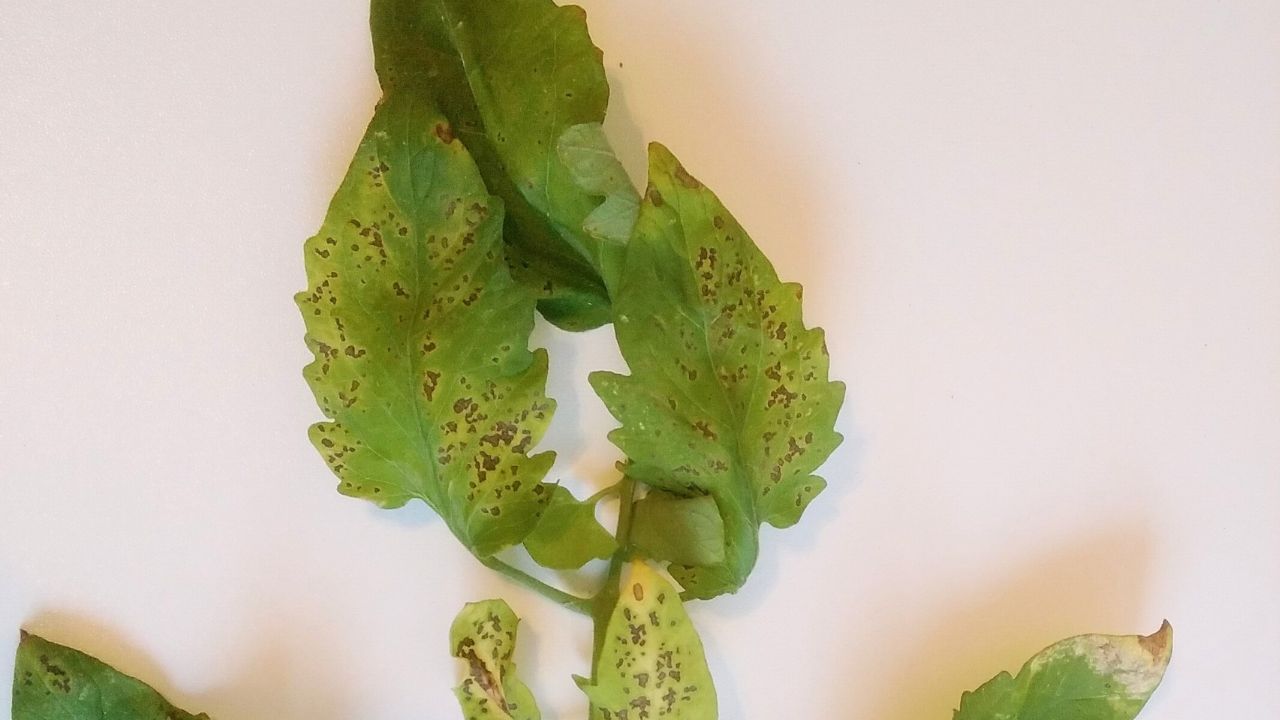
Image Credit: MerielGJones – Own work, CC BY-SA 4.0/Wiki Commons.
Septoria leaf spot, caused by Septoria lycopersici, is a prevalent fungal disease that flourishes in warm, wet weather. It creates small, circular spots with gray centers and dark edges on leaves. Left untreated, it can lead to defoliation, exposing fruits to the elements.
Remedies and Prevention: Minimize leaf wetness by watering close to the ground and providing proper spacing between plants. Mulching around the base of plants helps prevent soil splash, which spreads the fungus. Dispose of infected foliage carefully, and consider applying fungicides at the first sign of infection to manage the disease.
6. Bacterial Spot
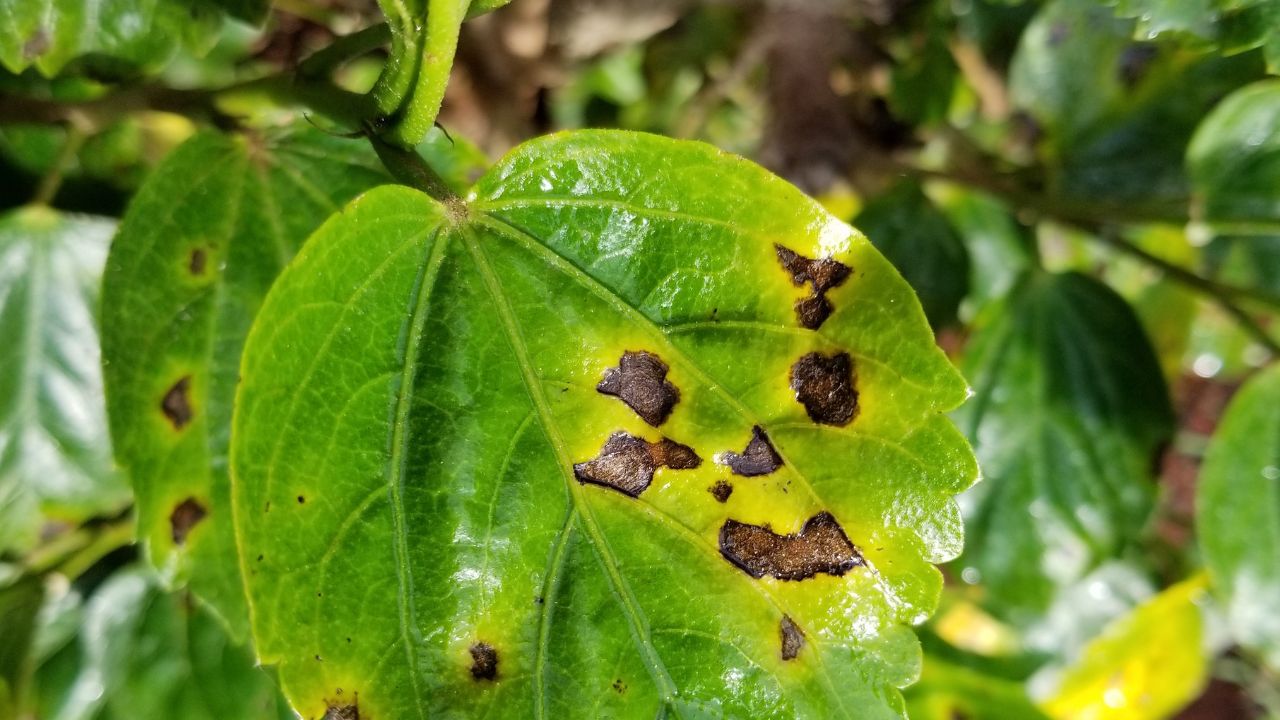
Image Credit: Scot Nelson, CC0/Wiki Commons.
Bacterial spot manifests as dark, water-soaked lesions on tomato leaves, stems, and fruits. These spots may merge and cause extensive damage, leading to significant crop losses if left unchecked. This disease thrives in warm, moist conditions.
Remedies and Prevention: Avoid overhead watering and ensure adequate airflow around plants. Remove infected leaves immediately and avoid working with plants when they’re wet. Copper-based bactericides can help reduce the spread, but preventive actions such as crop rotation are key to minimizing future outbreaks.
7. Blossom End Rot
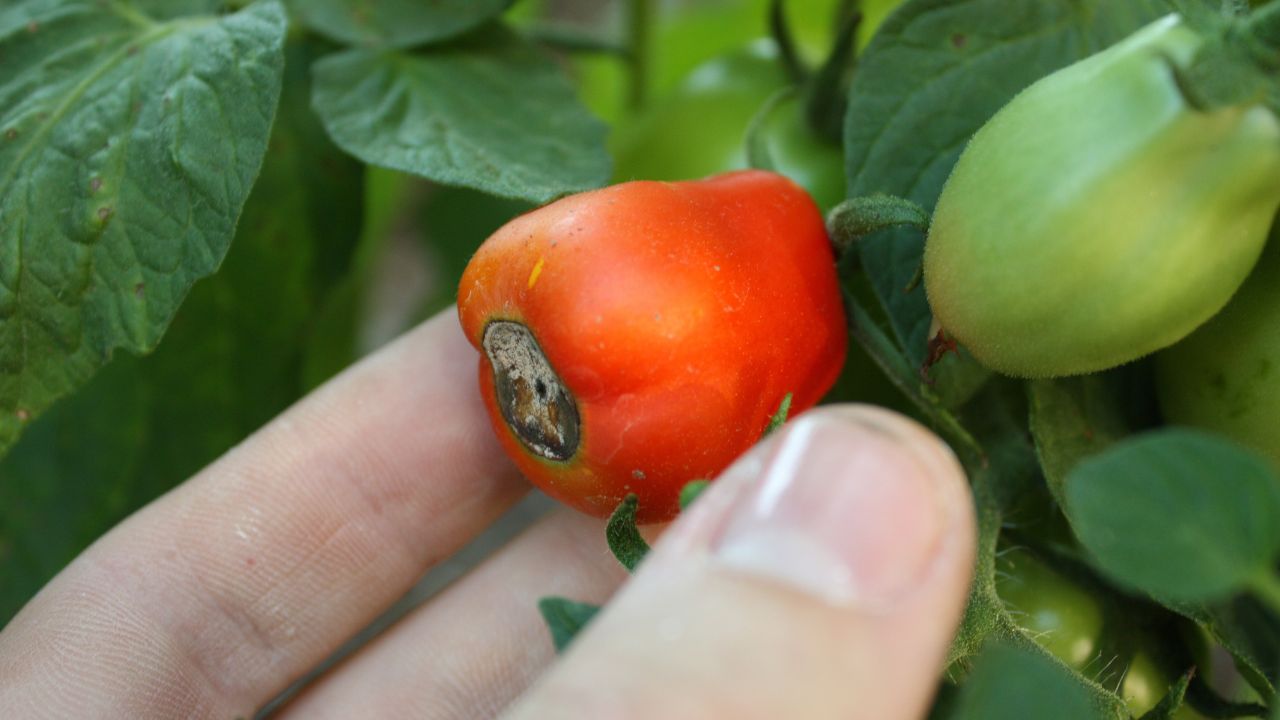
Image Credit: A13ean – Own work, CC BY-SA 3.0/Wiki Commons.
Blossom end rot isn’t a disease but rather a disorder caused by calcium deficiency and inconsistent watering. It appears as dark, sunken spots at the blossom end of fruit and often affects green tomatoes the most.
Remedies and Prevention: Maintain consistent soil moisture by using mulch to retain water and regulate temperature. Test soil calcium levels and incorporate calcium-rich amendments, such as lime, before planting. Avoid heavy applications of nitrogen fertilizer, which can exacerbate the condition.
8. Verticillium Wilt
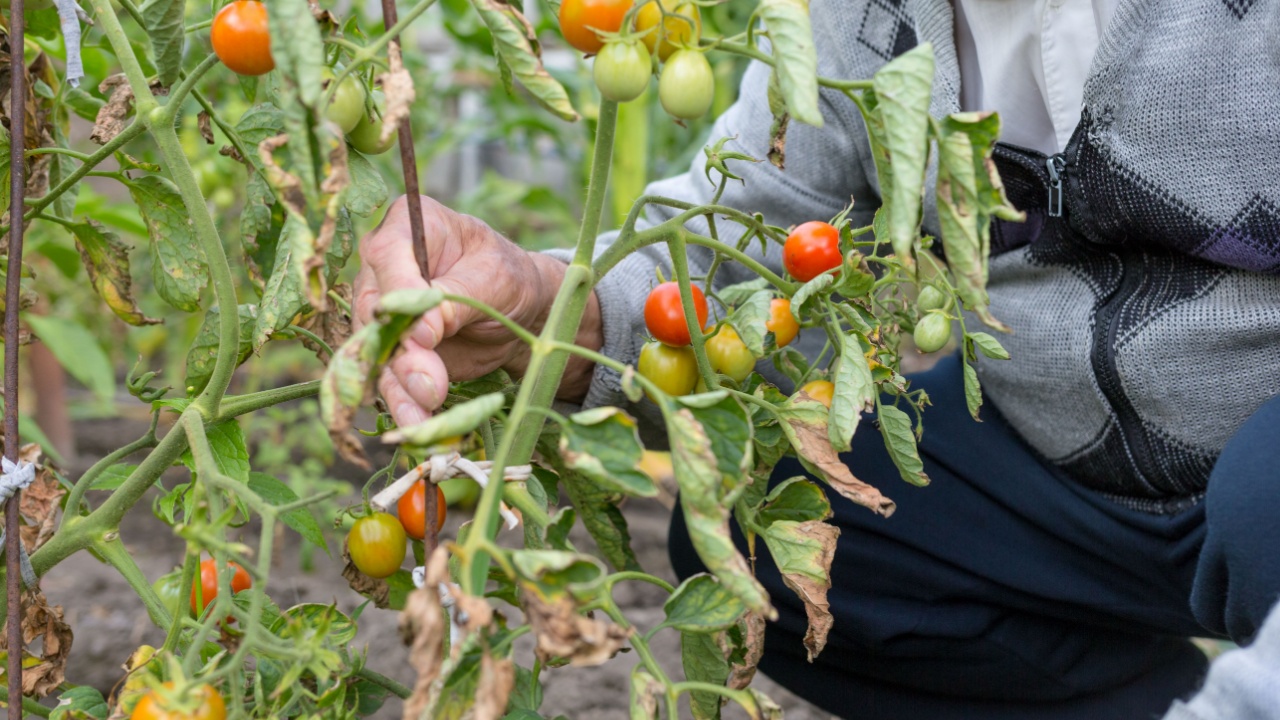
Image Credit: Shutterstock.
Verticillium wilt, caused by Verticillium dahliae, affects a wide range of plants, including tomatoes. This soil-borne fungus attacks a plant’s vascular system, causing leaves to wilt and yellow, often in a v-shaped pattern. Symptoms typically start on lower leaves before spreading upward.
Remedies and Prevention: Choose disease-resistant tomato varieties and rotate crops regularly. Solarize soil before planting by covering it with clear plastic sheeting for several weeks during the summer to kill pathogens. Remove affected plants promptly, and avoid planting in the same location the following season.
9. Anthracnose
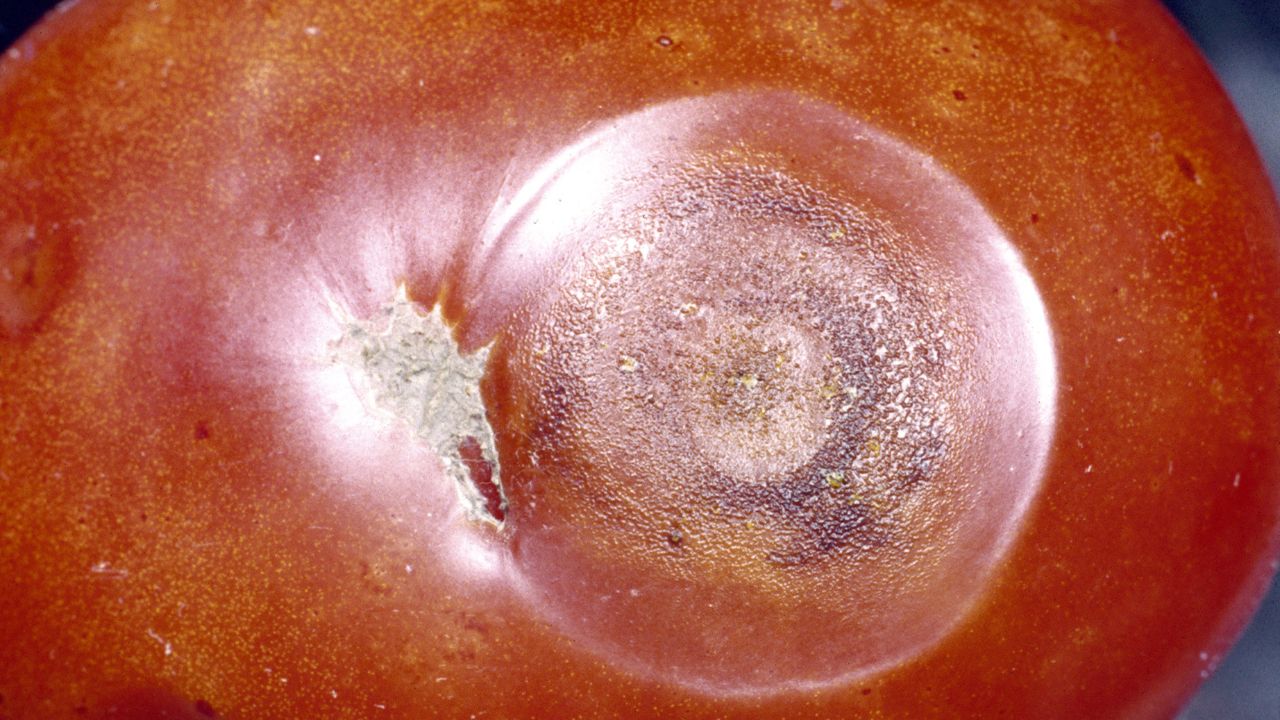
Image Credit: Clemson University, Public Domain/Wiki Commons.
Anthracnose is a fungal disease that primarily affects ripening fruit. Caused by Colletotrichum spp., it appears as small, sunken circular spots on tomatoes that grow larger, often revealing concentric rings within the lesions. It thrives in humid conditions and can lead to fruit rot if untreated.
Remedies and Prevention: Harvest fruit as soon as it ripens to prevent prolonged exposure to wet conditions. Avoid overhead watering and ensure adequate air circulation between plants. Fungicides can be applied preventively during periods of high humidity. Crop rotation and removing infected plant debris are essential strategies for anthracnose control.
10. Powdery Mildew
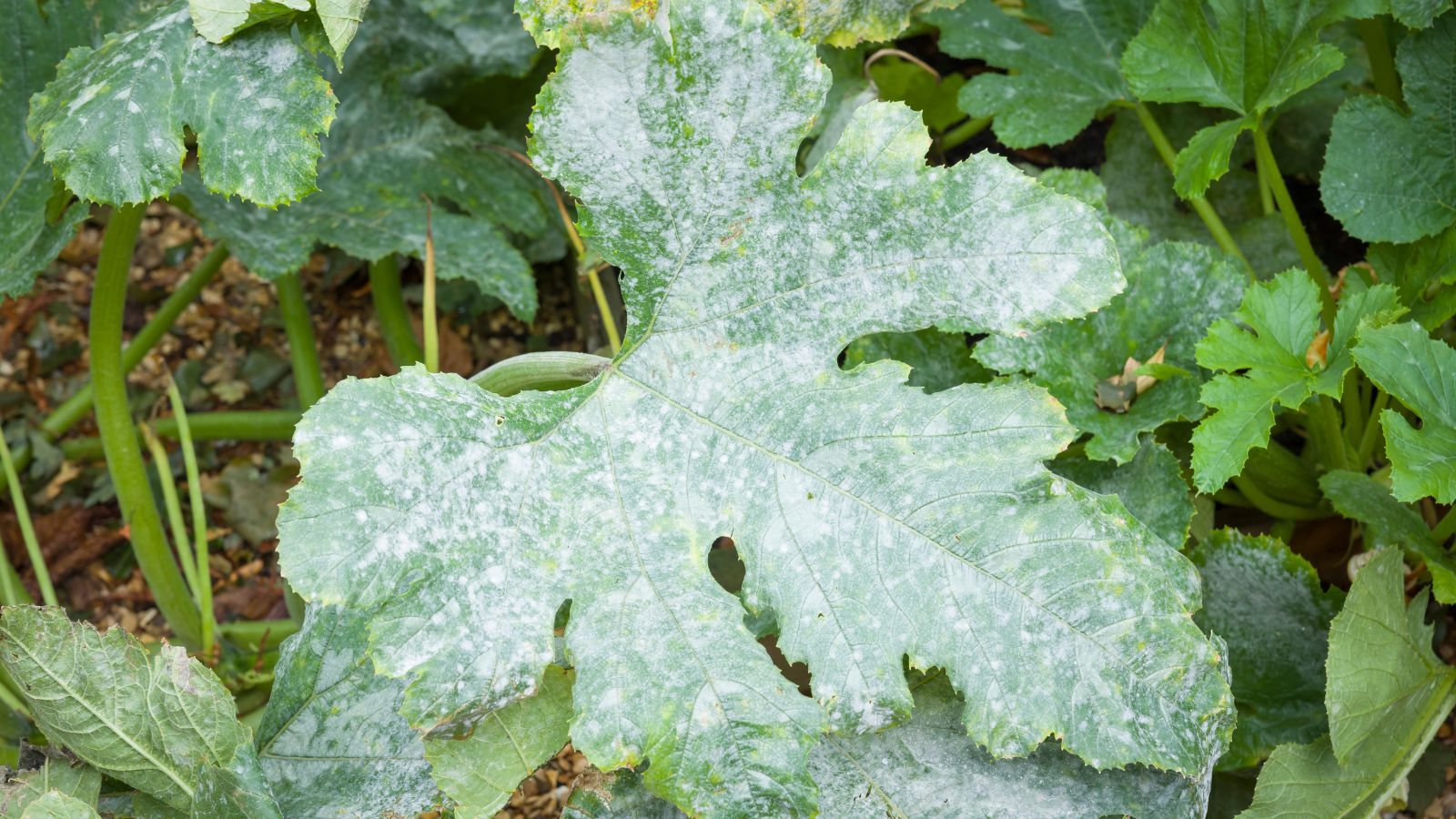
Image Credit: Depositphotos.com.
Powdery mildew, though less common on tomatoes than on other plants, can still occur in certain conditions. It manifests as white, powdery patches on leaves, which can spread and cause yellowing and leaf drop over time. It’s most prevalent in regions with warm days and cool nights.
Remedies and Prevention: Improve air circulation around plants by pruning and spacing them adequately. Apply sulfur-based fungicides at the first sign of powdery mildew. Keeping plants well-watered at the base (rather than overhead) and maintaining overall plant health can minimize susceptibility. Regularly inspect your garden to catch the disease early.
Knowledge is Power
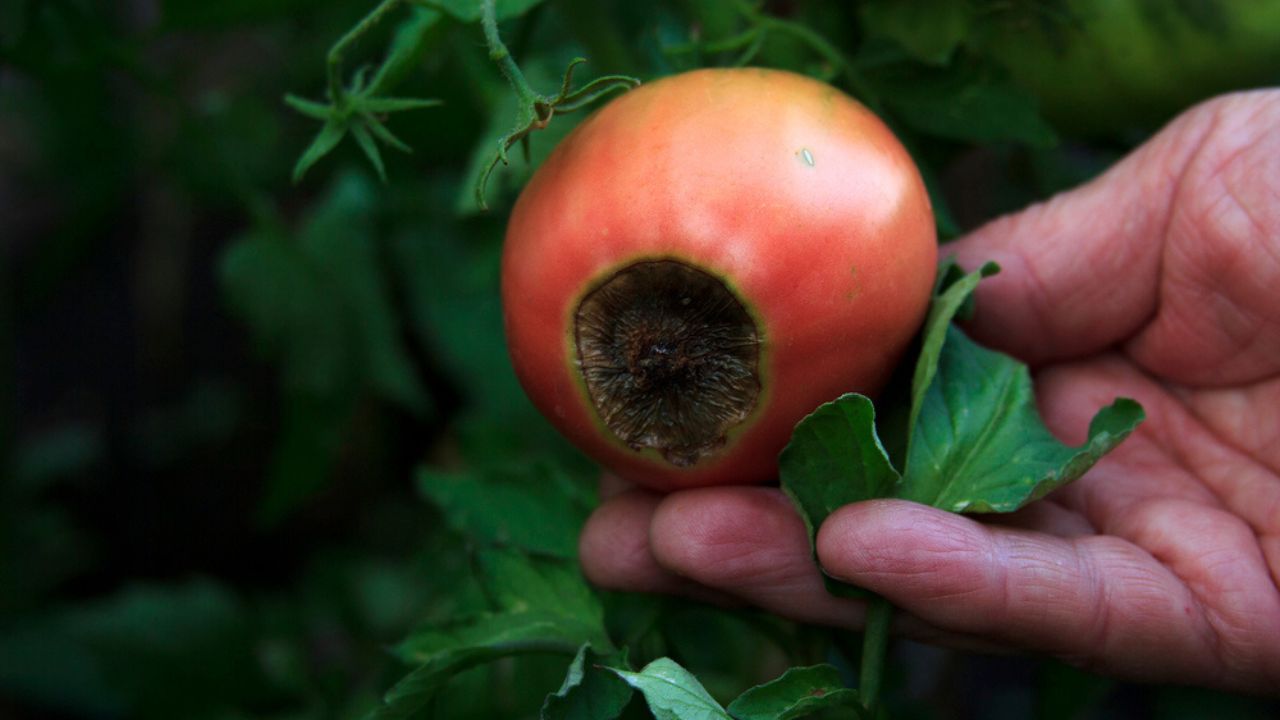
Image Credit: Shutterstock.
Tomato diseases can be disheartening, but with vigilance, proper garden hygiene, and preventative measures, you can tackle these challenges effectively. Healthy soil, consistent care, and the right protective strategies go a long way in ensuring a thriving garden.
By staying informed about these 10 common diseases, you’ll be better prepared to safeguard your tomato plants and enjoy a bountiful harvest season after season.