
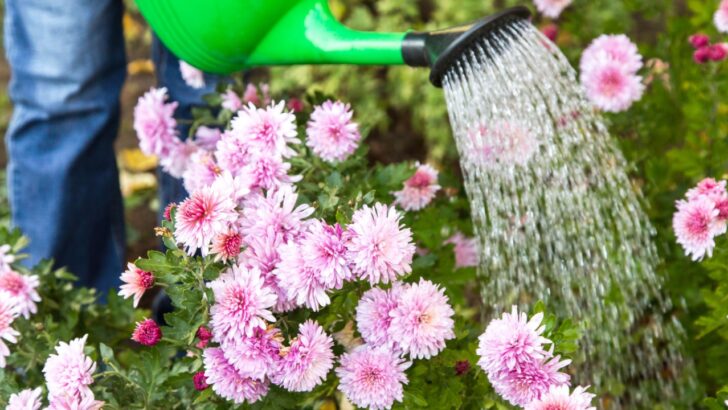
Chrysanthemums, or mums, are the popular stars of the autumn garden. Their vibrant domes of color, from rich golds and fiery oranges to deep burgundies and soft pinks, bring life to patios and garden beds just as other plants are winding down. While they are celebrated for their easy-going nature, a few common missteps can prevent you from enjoying a full, breathtaking display of blooms. Understanding the simple needs of your mums is the key to unlocking their spectacular fall potential.
If you’ve ever wondered why your mums look leggy, produce few flowers, or don’t survive the winter, you’ve come to the right place, where we’ve sourced recommendations from gardening experts. With a little know-how, you can ensure your plants are healthy, full, and covered in blossoms year after year.
1. Underwatering Your Mums

Image Credit: Shutterstock.
One of the most common reasons mums fail to thrive is simply a lack of water. As the weather cools in the fall, it’s easy to forget that your plants still need consistent moisture, especially when they are actively blooming. Underwatering can lead to woody, brittle stems, fewer flowers, and blooms that wilt and fade quickly.
Your mums need about one inch of water per week, whether from rain or your watering can. The goal is to keep the soil consistently moist but not waterlogged. Check the soil every other day by sticking your finger about an inch deep. If it feels dry, it’s time to give your plant a thorough soak, allowing the water to reach the entire root ball.
- Why It Matters: Proper hydration is essential for nutrient transport and supporting the plant’s structure, especially during its peak blooming period.
- Actionable Tip: Water mums deeply at the base of the plant until the soil is fully saturated. For potted mums, water until you see it draining from the bottom holes.
2. Watering From Above
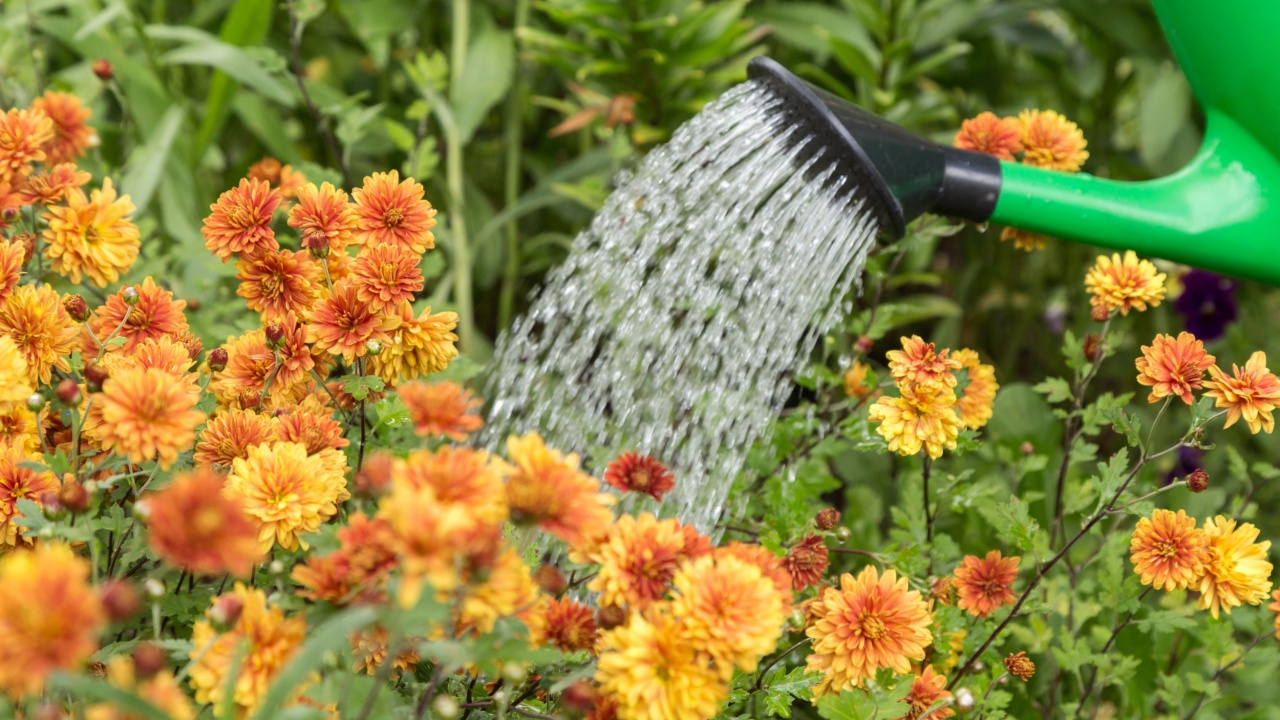
Image Credit: Shutterstock.
While watering is crucial, how you water makes a big difference. Dousing your mums from overhead might seem efficient, but it creates a damp, humid environment within the plant’s dense foliage. This is a perfect breeding ground for fungal diseases like powdery mildew, which appears as a white or gray dusty coating on the leaves and can cause them to drop. The best practice is to deliver water directly to the soil at the base of the plant. This allows the roots to absorb the moisture they need without wetting the leaves and flowers. Using a watering can with a long spout or a soaker hose makes this task easy and effective.
- Why It Matters: Keeping the foliage dry prevents common fungal issues that can weaken the plant and mar its appearance.
- Actionable Tip: Always water the soil, not the plant itself. This simple change in habit can dramatically improve your mum’s health.
3. Planting in Too Much Shade

Image Credit: Shutterstock.
Mums are sun-lovers. To produce that spectacular abundance of flowers, they need plenty of light. If your mums are planted in a spot that’s too shady, you’ll likely see sparse, weak growth and very few blooms. They require sunlight to generate the energy needed for flowering. For the best results, choose a location that receives at least six hours of direct sunlight each day. If you suspect a lack of light is the problem, observe the spot throughout the day. If it’s getting less than the recommended amount of sun, it’s time to consider moving your mums to a brighter location in your garden.
- Why It Matters: Sunlight is the primary energy source for flower production. Without it, mums will prioritize leafy growth over blooms.
- Actionable Tip: Plant your mums in the sunniest part of your garden. If they are already in the ground, transplant them in the spring to a spot with at least six hours of daily sun.
4. Exposing Mums to Too Much Sun

Image Credit: Shutterstock.
While mums need sun, they are also cool-weather plants. In warmer climates, the intense heat of the afternoon sun can be too much, causing heat stress. This can lead to scorched leaves with brown, crispy edges and can even shorten the plant’s blooming cycle. The plant expends too much energy trying to stay cool and hydrated, leaving little for flower production. If you live in a hot region, the ideal location for your mums receives plenty of morning sun but offers some protection or filtered light during the hottest part of the afternoon. This provides the light they need without the stress of intense, direct heat.
- Why It Matters: Heat stress can damage foliage and cause the plant to conserve energy, resulting in fewer, shorter-lasting blooms.
- Actionable Tip: In hot climates, plant mums where they will get shade from the harsh afternoon sun, such as on the east side of your house.
5. Leaving Debris Around the Plant

Image Credit: Shutterstock.
A clean garden bed is a healthy garden bed. Dead leaves, twigs, and other organic matter that accumulate around the base of your mums can become a haven for fungal spores and pests. As this debris decays, it creates a damp environment where diseases can thrive and easily infect your plants, leading to leaf spot and other issues. Make it a habit to periodically clear away any debris from around your mums. A thorough cleanup in the late fall, before winter sets in, is especially important. This removes potential overwintering sites for diseases and pests, giving your plants a healthier start the following spring.
- Why It Matters: Good sanitation prevents the spread of fungal diseases and reduces hiding spots for harmful insects.
- Actionable Tip: Regularly rake or hand-pick fallen leaves and other debris from the garden bed surrounding your mums.
6. Using Containers Without Drainage

Image Credit: Shutterstock.
When planting mums in pots, proper drainage is non-negotiable. A container without drainage holes will trap excess water, saturating the soil and suffocating the roots. This condition, known as root rot, is one of the quickest ways to kill a mum. The plant will often wilt, giving the false impression that it needs more water, which only worsens the problem. Always choose a pot with at least one drainage hole at the bottom. If you fall in love with a decorative pot that lacks holes, you can either drill them yourself or use it as a cachepot, placing a smaller nursery pot with drainage inside it.
- Why It Matters: Drainage prevents water from pooling at the roots, which causes root rot and plant death.
- Actionable Tip: Before planting, turn your container over and ensure it has drainage holes. If not, add some or choose a different pot.
7. Failing to Fertilize
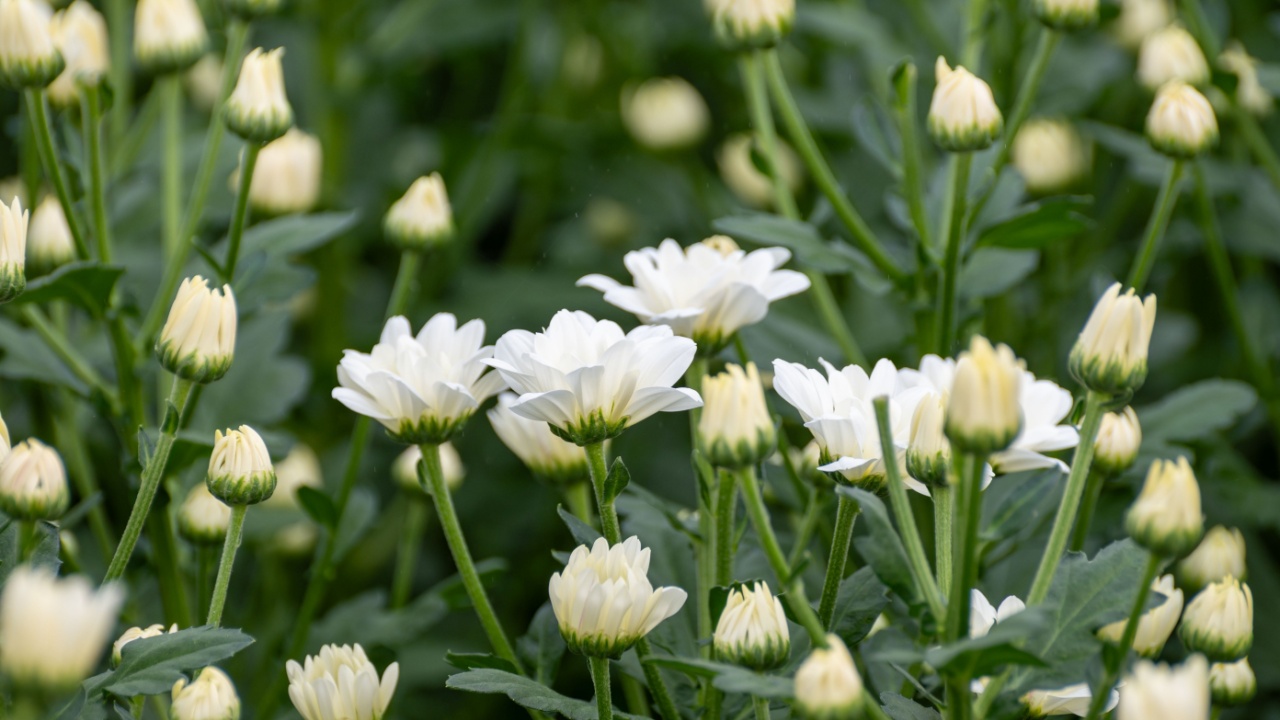
Image Credit: Shutterstock.
Mums are heavy feeders, and they rely on nutrients in the soil to produce lush foliage and a profusion of flowers. If you don’t fertilize, your mums may appear small, with yellowing leaves and disappointing bloom production. They need a balanced diet to support their rapid growth and flowering. During the growing season (spring and early summer), feed your mums with a balanced, all-purpose fertilizer. Look for a formula with adequate nitrogen for leaf growth and potassium to promote strong stems and vibrant flowers. Stop fertilizing in mid-summer, as this encourages tender new growth that can be damaged by early frosts.
- Why It Matters: Fertilizer provides the essential nutrients that may be lacking in the soil, fueling the plant’s growth and ability to bloom.
- Actionable Tip: Apply a balanced liquid or slow-release granular fertilizer according to package directions, starting in spring and stopping by late July.
8. Not Pinching Your Mums
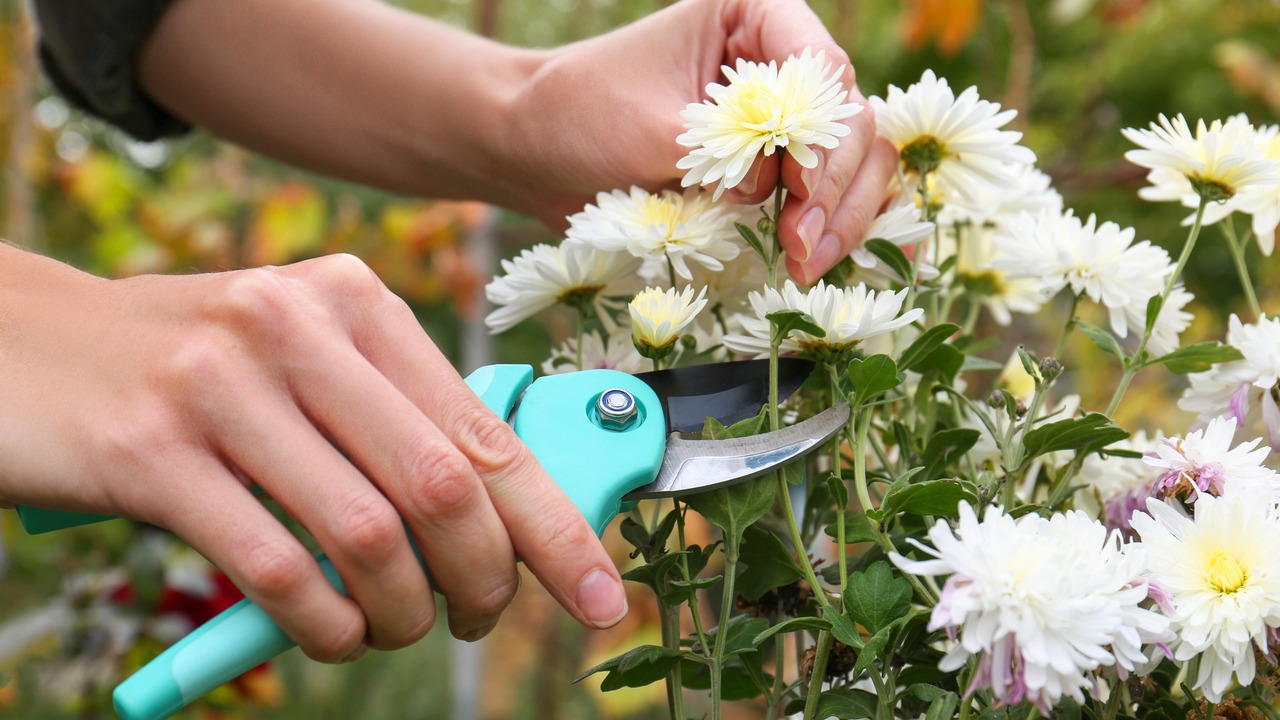
Image Credit: Shutterstock.
Pinching is the secret to achieving those classic, dome-shaped mums covered in flowers. If left to grow naturally, mums will become tall and leggy with flowers only at the top of the stems. Pinching encourages the plant to branch out, creating a fuller, bushier shape and significantly more blooms. Begin pinching when the plant reaches about six inches in height. Using your fingers or shears, remove the top inch of each growing stem. Repeat this process every time the new branches grow another six inches. This simple task makes a world of difference.
- Why It Matters: Pinching stimulates side-branching, resulting in a compact, well-rounded plant with more stems to produce flowers.
- Actionable Tip: Start pinching mums in late spring and continue until early July. This ensures you get a full plant without removing the forming flower buds.
9. Pinching Back Too Late in the Season

Image Credit: Shutterstock.
While pinching is beneficial, timing is everything. If you pinch your mum’s back too late in the summer, you risk removing the flower buds that are beginning to form. Mums set their buds in response to shorter days, and removing the tips of the stems after this process has started will eliminate your fall flower show. As a general rule, stop pinching your mums around the beginning of July. For mums that bloom in September, pinching should cease by the first week of July. For later-blooming varieties, you can pinch until the end of July. This gives the plant about 100 days to develop its buds and flowers for the fall display.
- Why It Matters: Late-season pinching removes the flower buds, leaving you with a healthy green plant but no blooms.
- Actionable Tip: Mark your calendar! Make July 4th your final day for pinching mums (and these other flowers) to ensure you don’t interfere with bud formation.
10. Ignoring Aphids
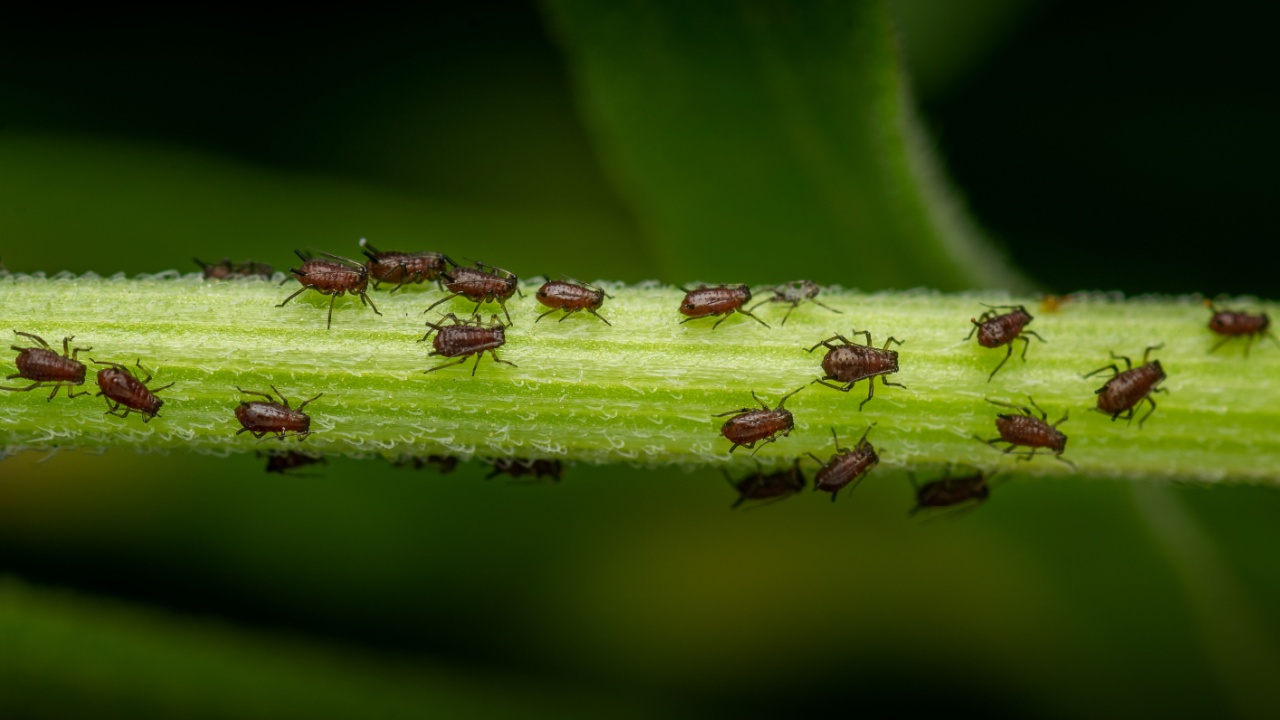
Image Credit: Shutterstock.
Aphids are small, sap-sucking insects that can quickly infest mums, causing distorted growth and deformed flowers. A telltale sign of an aphid problem is a sticky substance called honeydew on the leaves, which often attracts ants. If left unchecked, an aphid population can explode and seriously weaken your plant. Inspect your mums regularly for these tiny pests, especially on new growth and the undersides of leaves. If you spot them, you can often dislodge them with a strong spray of water from the hose. For more persistent infestations, insecticidal soap or neem oil are effective and garden-friendly options.
- Why It Matters: Aphids drain nutrients from the plant, stunting its growth and damaging its appearance.
- Actionable Tip: At the first sign of aphids, spray your mums with a sharp stream of water or treat them with insecticidal soap.
11. Buying Mums Already in Full Bloom
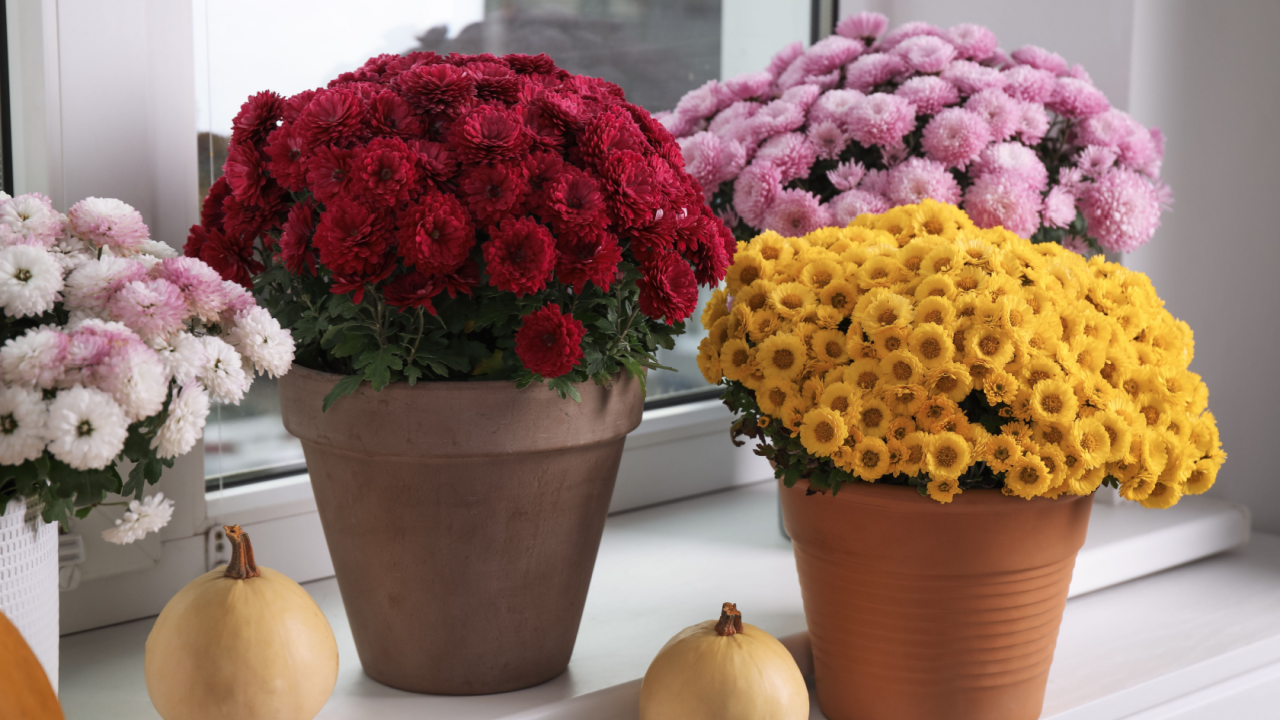
Image Credit: Shutterstock.
It’s tempting to grab the mum at the garden center that is already a perfect, vibrant ball of color. However, buying a plant at its peak bloom means you’ll have less time to enjoy it at home. The flowering cycle is already well underway, and the display may only last for a couple of weeks before fading. For a longer-lasting show, choose a mum plant that is covered in buds, with only a few flowers just beginning to open. This ensures that you will get to enjoy the entire blooming process, from the first pop of color to the final fade, extending the floral display in your garden for a month or more.
- Why It Matters: A plant full of buds rather than open flowers promises a much longer season of color.
- Actionable Tip: Look for healthy plants with dense, green foliage and plenty of closed buds. This is the key to maximizing your bloom time.
12. Crowding Your Plants

Image Credit: Shutterstock.
Mums need good air circulation to stay healthy. Planting them too close together or in a crowded garden bed restricts airflow, which traps moisture in their dense foliage. This creates the ideal conditions for fungal diseases like powdery mildew and rust to take hold and spread quickly from plant to plant. When planting your mums in the garden, give them enough space to grow to their mature size without touching their neighbors. A good rule of thumb is to space them at least 18 to 24 inches apart. This ensures that air can move freely around each plant, keeping the leaves dry and healthy.
- Why It Matters: Proper spacing promotes good air circulation, which is one of the best defenses against common fungal diseases.
- Actionable Tip: Read the plant tag for the mature spread of your mum variety and space them accordingly in your garden beds.
13. Planting at the Wrong Time of Year

Image Credit: Shutterstock.
Many gardeners buy mums in the fall and treat them as annuals, tossing them out after the first frost. However, most garden mums are perennials that can return year after year if given the chance to establish a strong root system. Planting them in the fall gives them very little time to do this before the ground freezes. For the best chance of survival, plant hardy mums in the spring. This gives them the entire growing season to develop deep, robust roots that can withstand the winter. If you do buy mums in the fall, plant them as early as possible and add a thick layer of mulch after the first hard frost to insulate the roots.
- Why It Matters: Spring planting allows the root system to become well-established, dramatically increasing the plant’s ability to survive the winter.
- Actionable Tip: To establish a permanent mum patch, buy and plant your mums in the spring.
14. Forgetting to Mulch for Winter
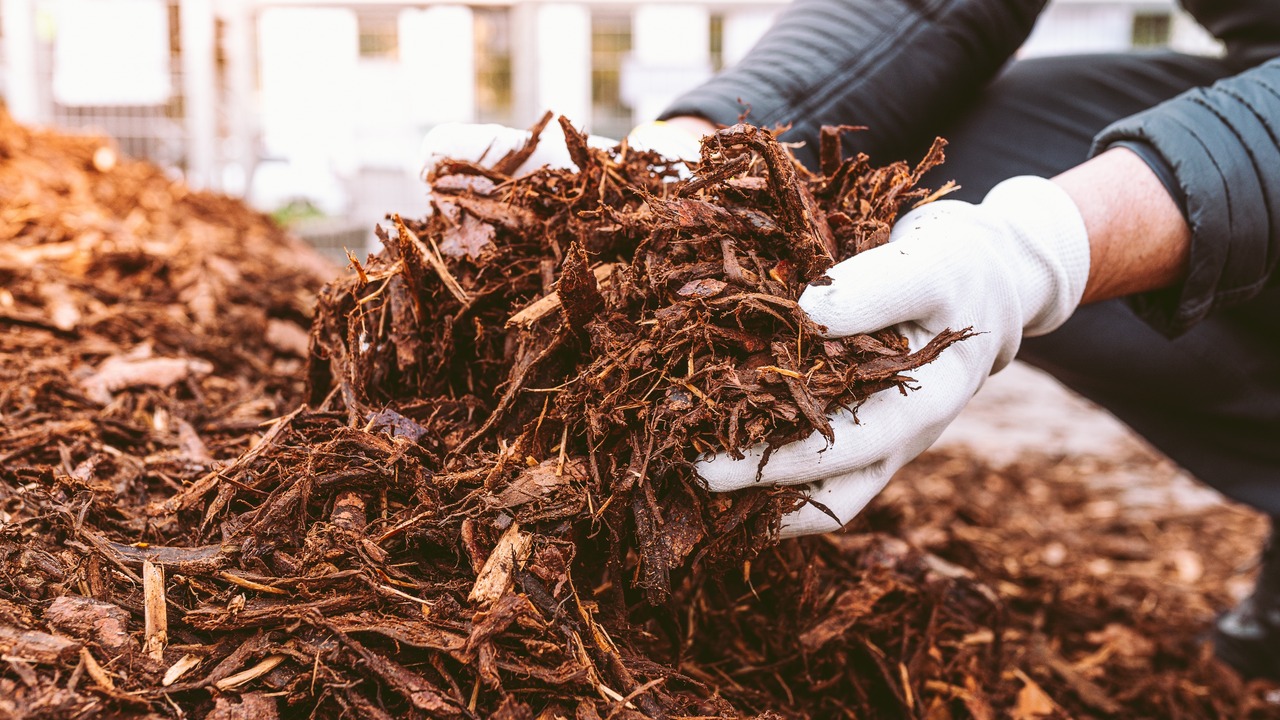
Image Credit: Shutterstock.
Hardy mums can survive the winter in many climates, but they need protection. A layer of mulch acts as a blanket, insulating the roots from extreme temperature fluctuations and preventing the ground from repeatedly freezing and thawing, which can heave the plant out of the soil. After the first hard frost has sent your plant into dormancy, apply a generous layer of mulch, about 3-4 inches thick, around the base of the plant. Straw, shredded leaves, or pine needles are all excellent choices. This simple step can be the difference between seeing your mums return in the spring or having to buy new ones.
- Why It Matters: Mulch protects the root system from the harshness of winter, ensuring the plant survives to grow again next year.
- Actionable Tip: Wait until the ground has frozen, then mulch your mums heavily. Remove the mulch in early spring as new growth appears.
15. Leaving Old Stems Over Winter

Image Credit: Shutterstock.
After your mums have finished blooming and the foliage has been killed back by a hard frost, it can be tempting to tidy up and cut the plant down to the ground. However, those dead stems serve a purpose. They help trap insulating snow and leaves around the plant’s crown, offering additional winter protection. It’s best to leave the old stems in place throughout the winter. Wait until early spring, when you see the first signs of new growth at the base of the plant, to prune away the dead top growth from the previous year.
- Why It Matters: The old stems provide natural insulation and protection for the plant’s crown during the winter months.
- Actionable Tip: Resist the urge to do a fall cleanup on your mums. Leave the stems standing until spring, then cut them back to make way for new growth.
16. Dividing Overcrowded Clumps
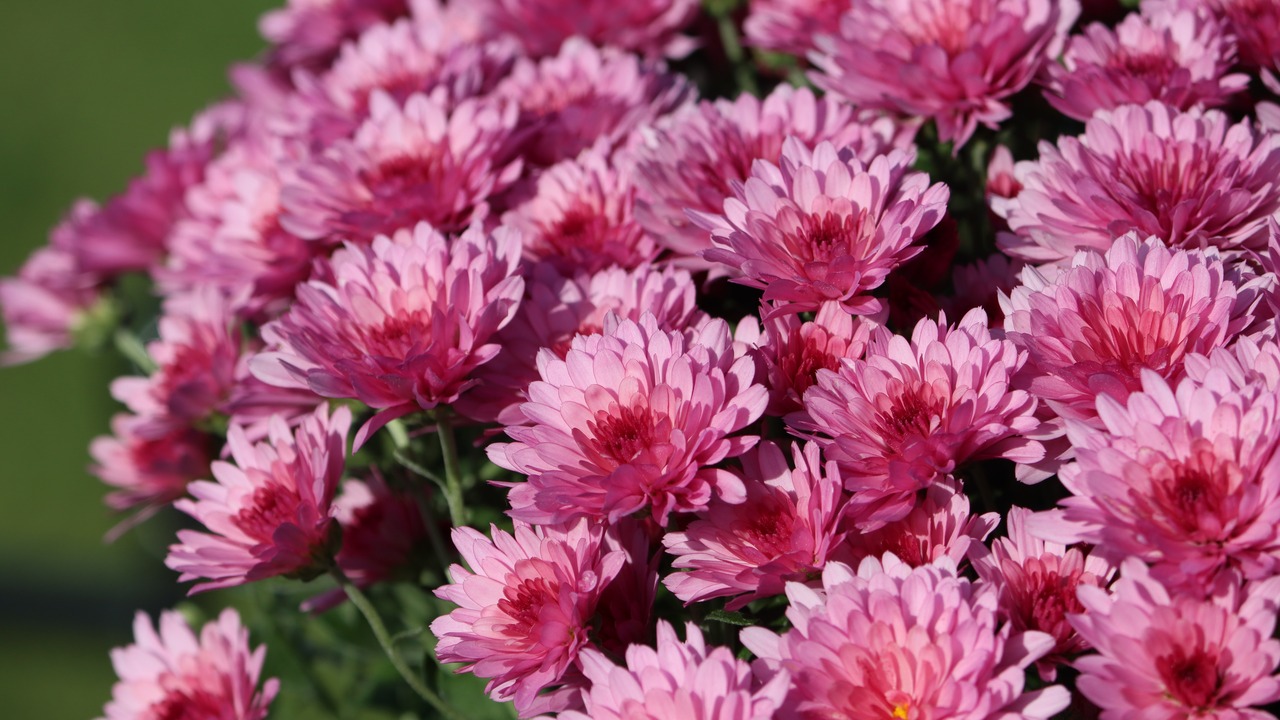
Image Credit: Shutterstock.
Over time, perennial mums will grow into large clumps. When the center of the clump starts to look sparse or die out, it’s a sign that the plant is overcrowded and needs to be divided. Dividing rejuvenates the plant, encourages vigorous growth, and gives you more plants for your garden. The best time to divide mums is in the spring, once new growth has started. Carefully dig up the entire clump and use a sharp spade or knife to separate it into smaller sections, making sure each division has several shoots and a healthy root system. Discard the old, woody center and replant the new divisions.
- Why It Matters: Dividing prevents overcrowding, improves plant health and vigor, and multiplies your stock of plants.
- Actionable Tip: Plan to divide your mums every three to five years in the spring to keep them healthy and productive.
Your Next Steps for Flawless Mums
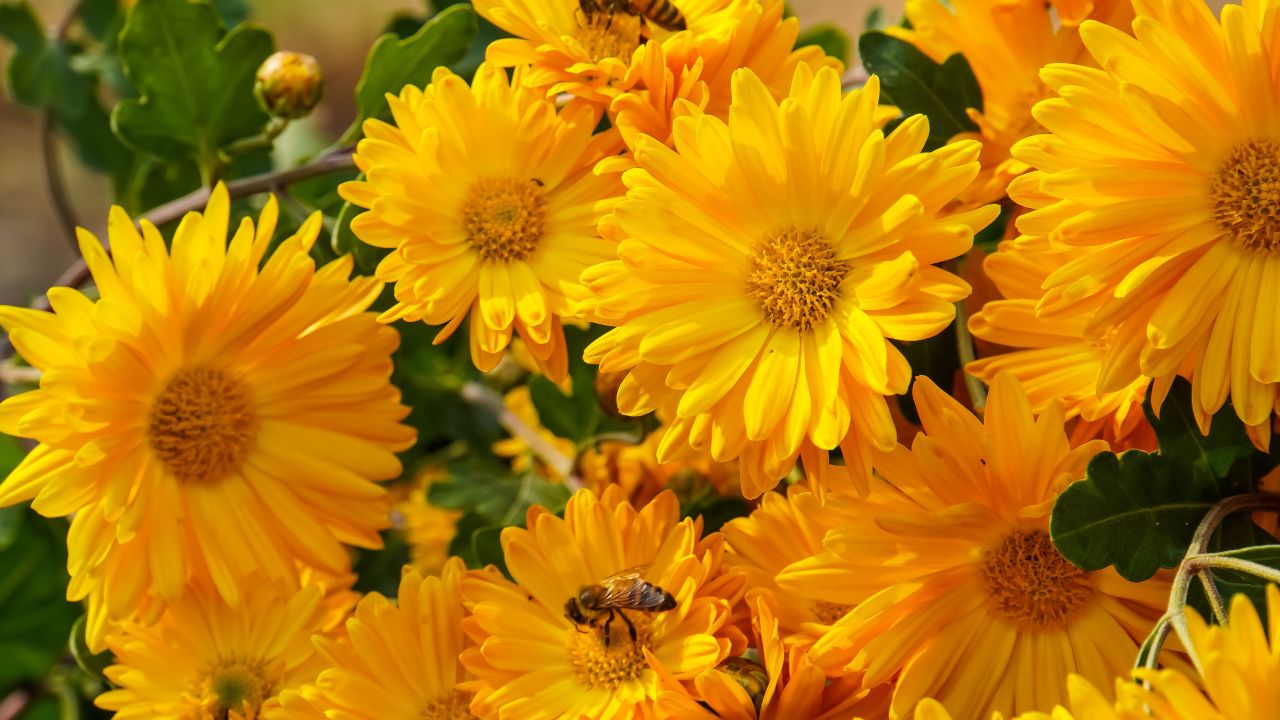
Image Credit: Shutterstock.
With these tips in hand, you’re ready to grow the most beautiful mums on the block. Your next step is to assess your current plants or plan your next purchase. If you’re buying new mums this fall, look for plants heavy with buds and plant them right away.
For your existing plants, take a moment to see if they’re getting enough sun and water, and make a note on your calendar to start pinching and fertilizing next spring. By avoiding these common mistakes, you can ensure your autumn garden is filled with the dazzling colors of healthy, happy chrysanthemums for many years to come.