10 Donations That Are a Complete Hassle for Thrift Stores (And Will End Up in the Trash)
Dropping off a box of donations feels great. You’re decluttering your space, giving your old things a new life, and supporting a good cause. It’s a win-win-win. But here’s a little secret from the world of secondhand treasure: not everything makes it to the sales floor (and on some level, you might know that some of what you gave them was total junk, but felt bad throwing it away). In fact, some of our most well-intentioned donations end up in the dumpster behind the store, creating more work for the staff and costing charities money.
It’s an awkward truth. Nobody wants to imagine their once-loved belongings meeting a sad, smelly end in a landfill. Before you pack up your next donation haul, let’s pull back the curtain on the items that thrift stores almost always have to reject. Next time you’re packing up donations, leave these 10 everyday items out of the box for the thrift store.
1. Used Makeup and Skincare

That eyeshadow palette with one barely-touched shade of electric blue might seem like a waste to toss, but it’s a hard pass for thrift stores. Any opened or used makeup, lotions, creams, or even perfumes get thrown away immediately. It’s a matter of hygiene and safety. There’s no way to know how old a product is, how it was stored, or what bacteria might be having a party inside.
How to Dispose of or Donate:
- Consider recycling the containers if possible. Many beauty brands have take-back programs for their empty packaging.
- For products that are still sealed and unexpired, look for local women’s shelters or organizations that specifically accept new, unused toiletries.
2. Car Seats
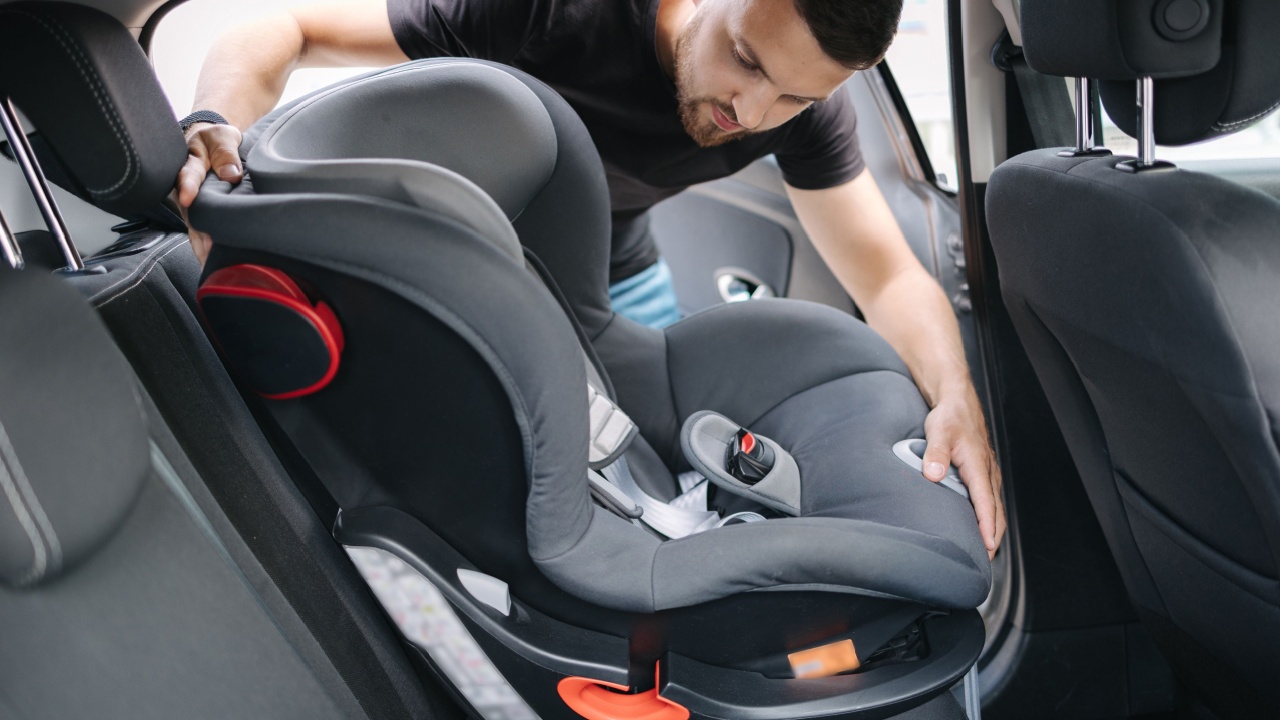
Donating a car seat feels like a wonderfully practical gesture. These things are expensive, and kids grow out of them so fast. The problem is that safety standards are extremely stringent and continually evolving. Car seats also have expiration dates, typically around six years from the manufacturing date, because the plastic can degrade over time.
Most importantly, a thrift store has no way of knowing a seat’s history. Has it been in an accident? Even a minor fender-bender can compromise its structural integrity. Because of the massive liability and safety risks, thrift stores cannot and will not sell used car seats.
How to Dispose of or Donate:
- Check with retailers like Target and Walmart. They offer trade-in events where you can get a coupon for bringing in an old seat for recycling.
3. Strollers and Cribs
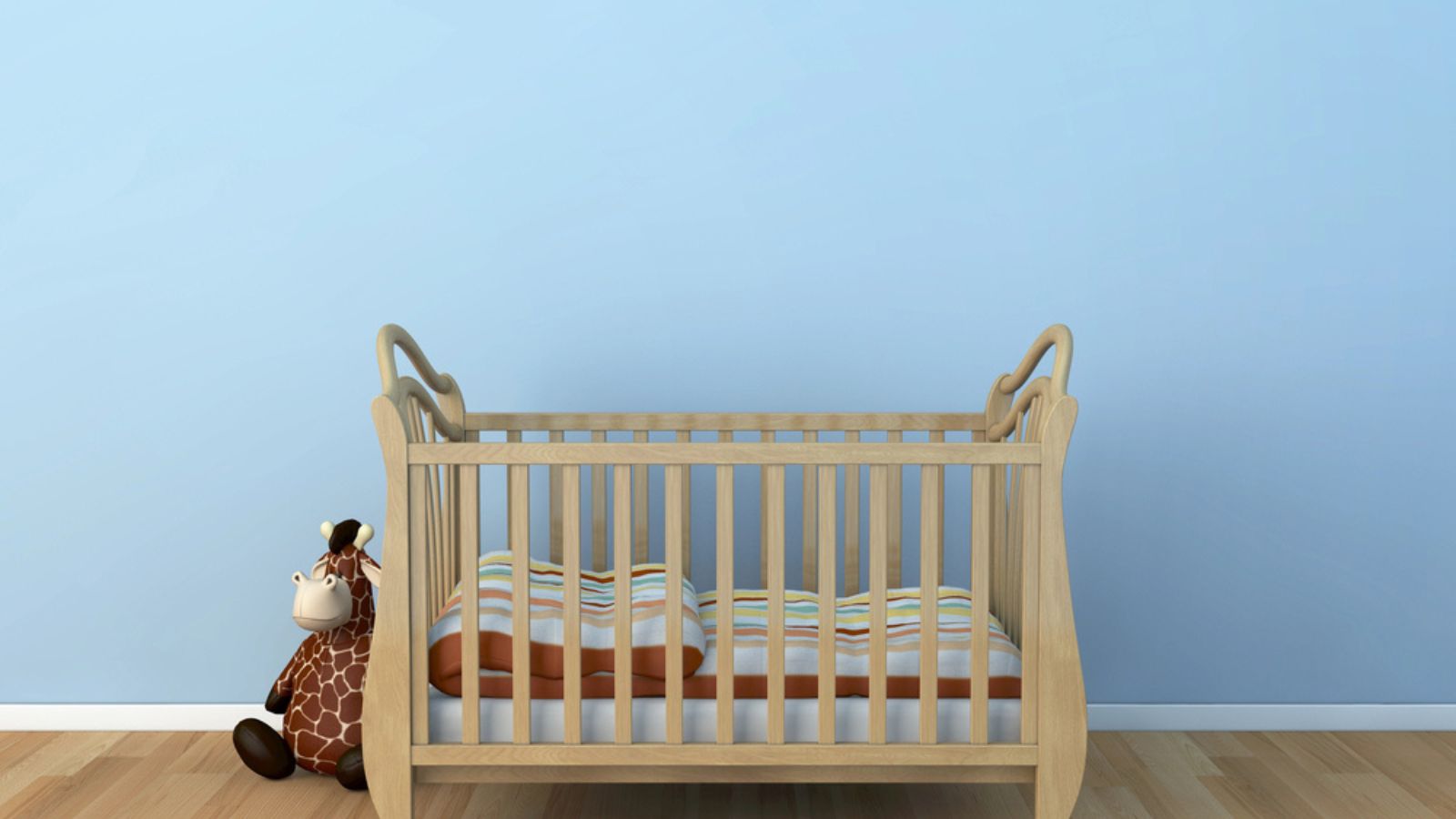
Similar to car seats, baby gear like strollers and cribs are subject to frequent safety recalls and updated federal standards. A stroller with a faulty locking mechanism or a crib with slats that are too far apart poses a serious danger to a child. Thrift store employees aren’t equipped to be experts on every model’s recall history or to guarantee its safety.
Drop-side cribs, for instance, were banned for sale years ago, but they still appear in donation piles. To avoid putting a child at risk, these items are disposed of.
How to Dispose of or Donate:
- If your gear is in excellent condition and isn’t subject to any recalls, a better option is to sell it directly or give it to someone you know.
4. Bike Helmets

A bike helmet is designed to protect you from a single impact. After that, its ability to absorb shock is significantly reduced, even if there’s no visible damage. Since a thrift store can’t verify if a donated helmet has already done its job in a crash, they can’t sell it.
Donating a used helmet is like giving someone a lottery ticket that has already been scratched. It looks like it might have value, but it’s ultimately useless. If you don’t want to throw it away, upcycling the helmet is a great way to give it new life.
How to Dispose of or Donate :
- Upcycle the helmet by making planters, painting them for good artwork, or even turning it into a birdfeeder.
- If you discard it, cut the straps so no one else is tempted to use it, and then throw it in the trash.
5. Medical Supplies and Medicine
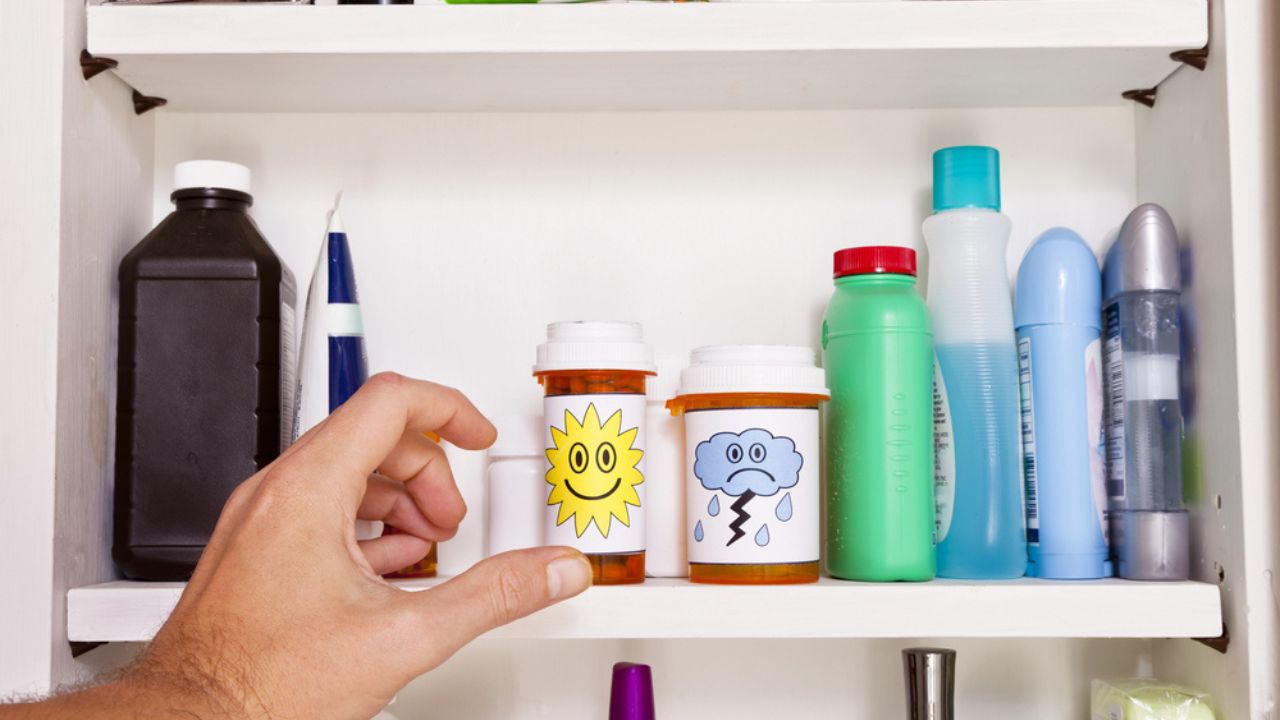
Bandages, prescription bottles, unused medicines, and medical equipment are often dropped off with good intentions. But thrift stores won’t take them. Health and safety laws prohibit the resale of medical items due to serious risks such as contamination, allergy dangers, or expired medication. Even unopened products are off-limits, since there’s no way to guarantee proper storage or authenticity.
How to Dispose of or Donate:
- Unused, sealed medical supplies (like gloves or unopened bandages) might be accepted by local clinics, shelters, or relief organizations.
- For prescription medicine and over-the-counter drugs, locate an official take-back program or pharmacy collection site.
- Don’t flush meds or toss them in the trash, as it isn’t safe for your neighbors or the fish downstream.
- Medical equipment, such as walkers or crutches, may find new life through medical equipment recycling programs or senior centers, rather than thrift shops.
6. Personal Appliances and Electronics

There are many ways to dispose of appliances, and a thrift store is usually not a good option. That decade-old VCR or the blender that smells a little like burning plastic when it runs? It’s prudent to let them retire gracefully. Thrift stores get inundated with old, broken, or obsolete electronics. Testing every donated gadget is a time-consuming process, and many don’t work or are missing crucial parts.
Items like tube TVs, old computer monitors, and printers are particularly difficult for stores to handle, as they contain hazardous materials and are costly to recycle.
How to Dispose of or Donate:
- If an electronic item isn’t in perfect working order or is wildly outdated, it’s best to find a local e-waste recycling event instead of leaving it at a charity’s doorstep.
7. Reusable Grocery Bags
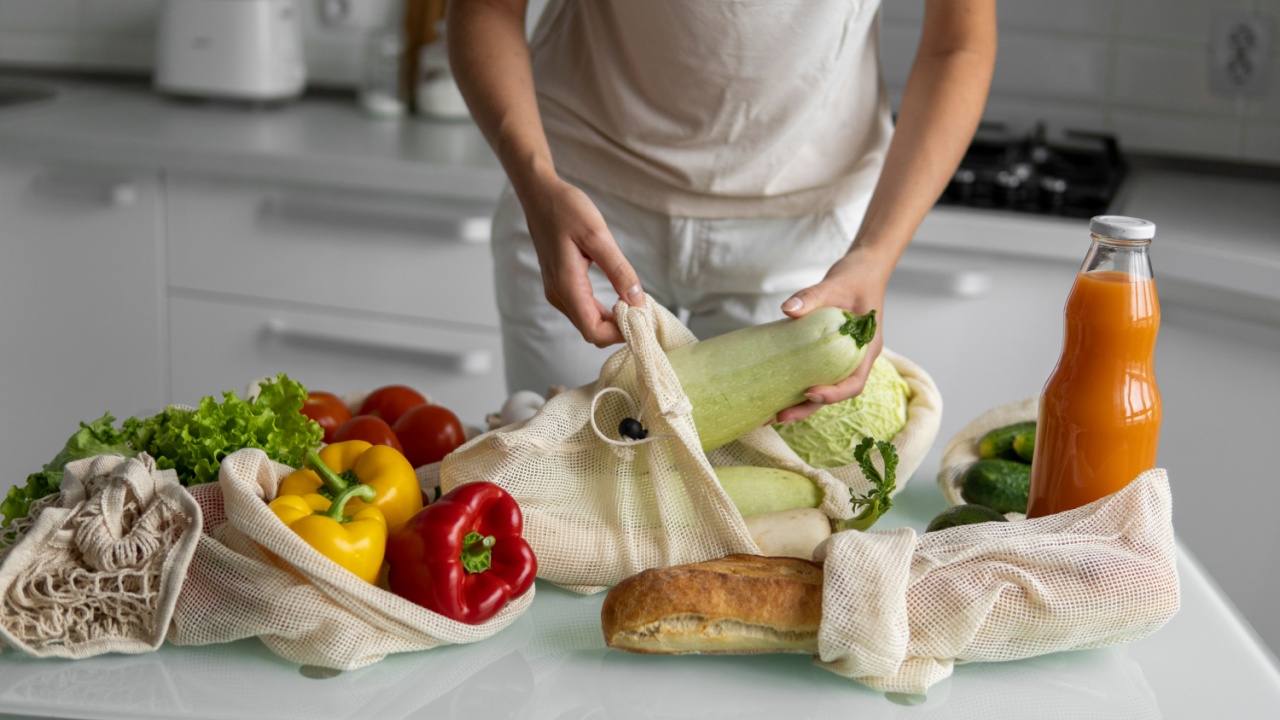
Grocery bags are among the things that cause a lot of clutter at home. It seems counterintuitive, then, that thrift stores don’t take reusable bags. Aren’t they meant to be good for the environment? Donating them should be, too, right? The issue is that these bags are often used to carry raw meat, leaky milk cartons, and other potential sources of bacteria. They arrive stained, dirty, and generally unappealing. Because they are difficult to sanitize properly and have very little resale value, most thrift stores just toss them.
How to Dispose of or Donate:
- If your collection of branded tote bags has gotten out of control, wash them thoroughly and use them for organizing things at home, or keep a few in your car for unexpected trips.
8. Broken Mirrors or Cracked Glass Items

This might seem like common sense, but it’s a mistake that happens more often than you’d think. A mirror with a large crack or a set of chipped wine glasses isn’t likely to be reused safely. These items can pose a risk to the people sorting donations, as broken glass can cause cuts.
Aside from safety, these items are difficult to sell. Most people aren’t looking for a damaged mirror or a glass that could cause injury, so it’s best to keep them out of donation piles.
How to Dispose of or Donate:
- Carefully wrap any broken glass or ceramic items in newspaper or cardboard and place them in your trash can.
9. Mattresses and Box Springs
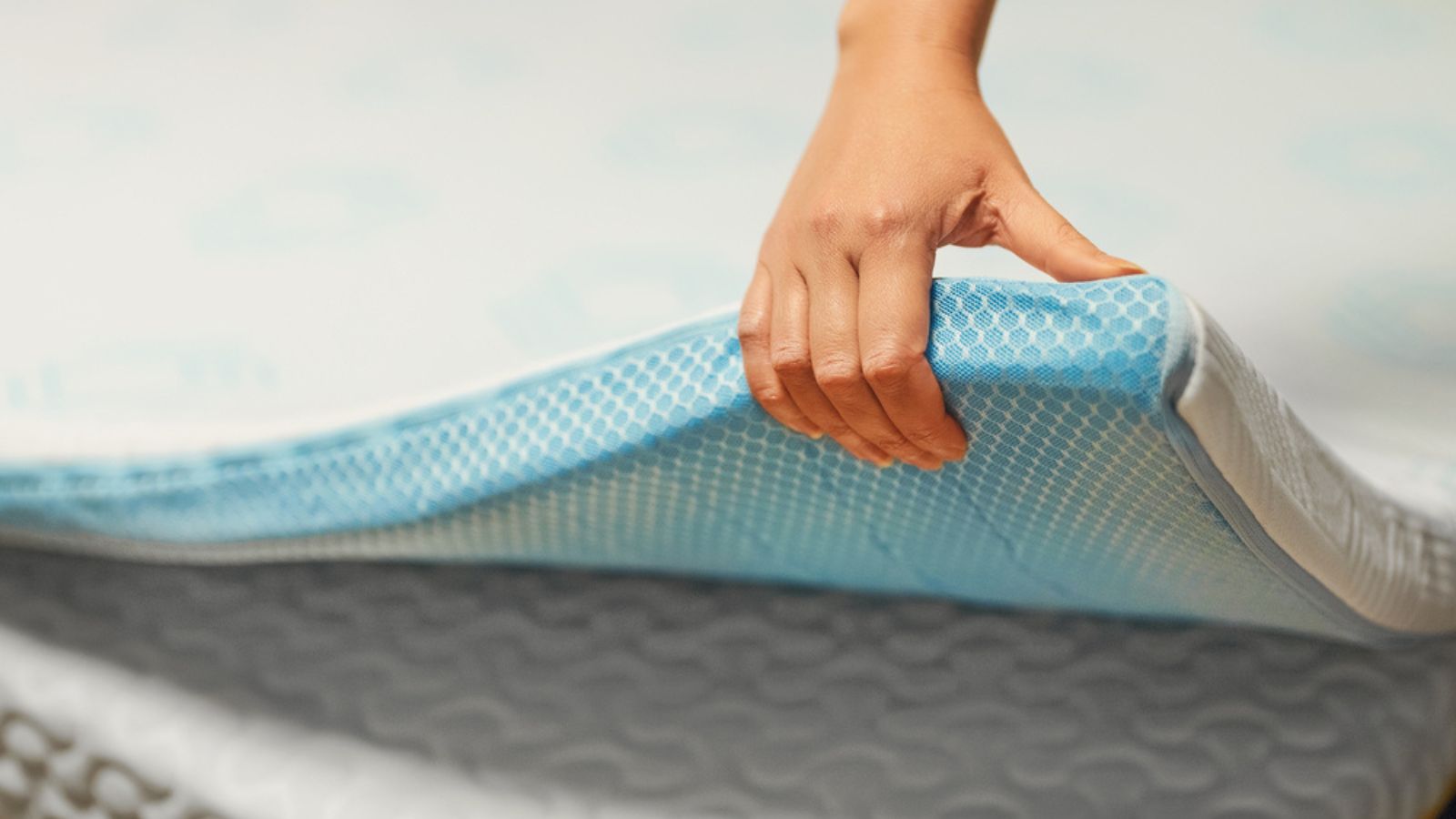
Donating a mattress is a big no-no for nearly every thrift store. State and local health regulations often prohibit the resale of used mattresses due to the risk of bed bugs, dust mites, mold, and other uninvited guests. The “yuck” factor is just too high.
Even if a mattress looks clean, it’s impossible to know what’s living inside. Hauling mattresses to the dump is a huge expense for charities.
How to dispose of or donate:
- If your old mattress is still in decent shape, some specialized mattress recycling facilities or junk removal services will take it.
- Arrange for a bulk pickup with your local waste management service.
10. Heavily Worn or Stained Clothing

Thrift stores are treasure chests, not textile recycling centers. While they appreciate gently used clothing, items with large stains, rips, broken zippers, or that are stretched out too far can’t be sold. A simple guideline: if you wouldn’t give it to a friend, it’s better not to donate it. Sorting and discarding unusable clothes takes time and resources.
How to dispose of or donate:
- If clothing is truly beyond repair, take it to a textile recycling bin at a local store or recycling center.
- Repurpose old fabrics into cleaning rags.
- Donate towels, blankets, and similar items to animal shelters for use as bedding. This way, even worn-out items can be put to good use.
Your Guide to Better Donating

Being a thoughtful donor means helping charities make the most of your generosity. The goal is to provide items that can be quickly and easily sold to fund their missions. By keeping these rejected items out of your donation box, you save volunteers time and help the organization direct its resources where they matter most. So next time you declutter, give your items a quick once-over. A little bit of mindfulness goes a long way.