
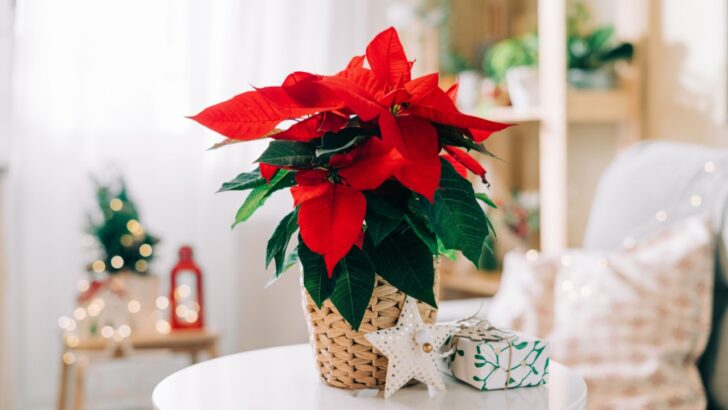
Bringing festive plants into the home is a tradition that signals the holiday season is here. While a decorated tree often gets all the attention, several flowering plants can add life and color to your space. These living decorations offer a sustainable alternative to cut arrangements and can be enjoyed long after the last of the fruitcake has been reluctantly eaten.
Here is a list of seven fantastic options you can grow at home to make your holiday setting feel complete.
1. Poinsettia (Euphorbia pulcherrima)
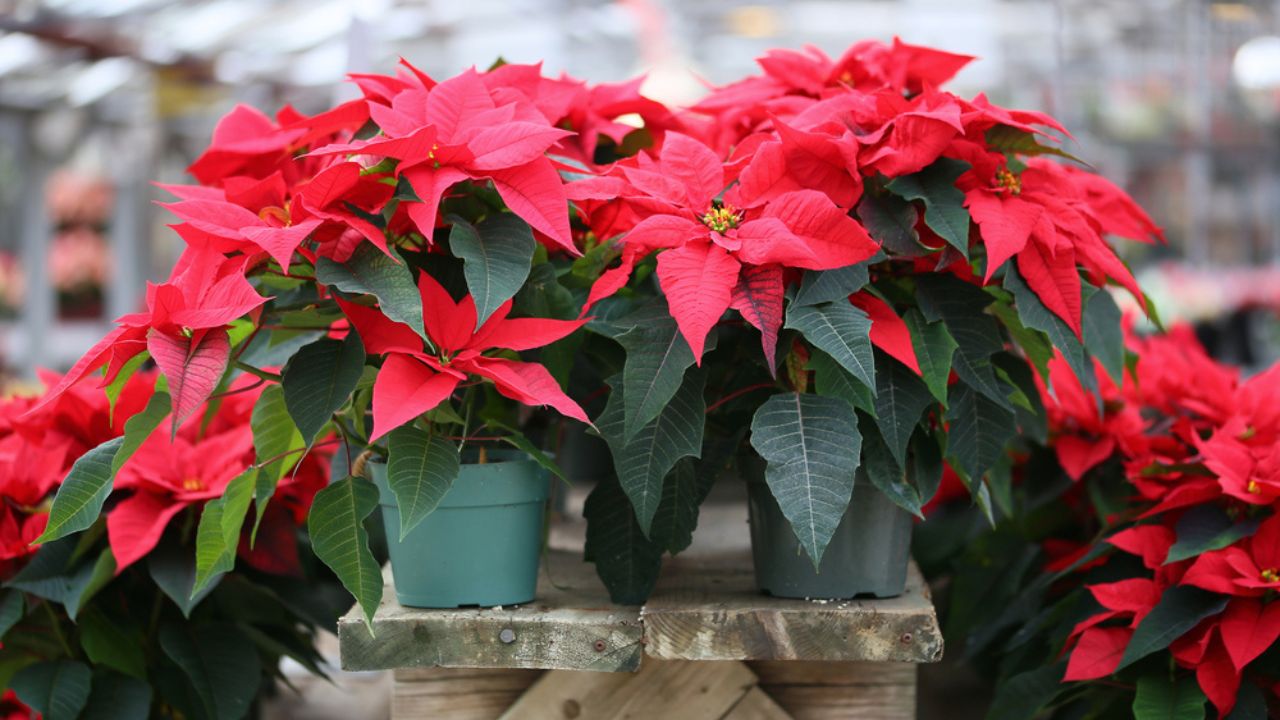
Image Credit: Shutterstock.
The Poinsettia is practically synonymous with Christmas decor, and for good reason. Those vibrant “petals” are actually modified leaves called bracts. The true flowers are the tiny yellow buds located at the center of the colorful display. Originally from Mexico, this plant was popularized in the United States by Joel Roberts Poinsett, and its association with the holidays has been strong ever since. They come in shades of red, pink, white, and even marbled varieties.
At a Glance:
- Light: Bright, indirect sunlight.
- Water: Water when the top of the soil feels dry.
- Good to Know: The milky white sap can be irritating to the skin and mildly toxic if ingested, so keep it away from curious pets and children.
2. Christmas Cactus (Schlumbergera × buckleyi)
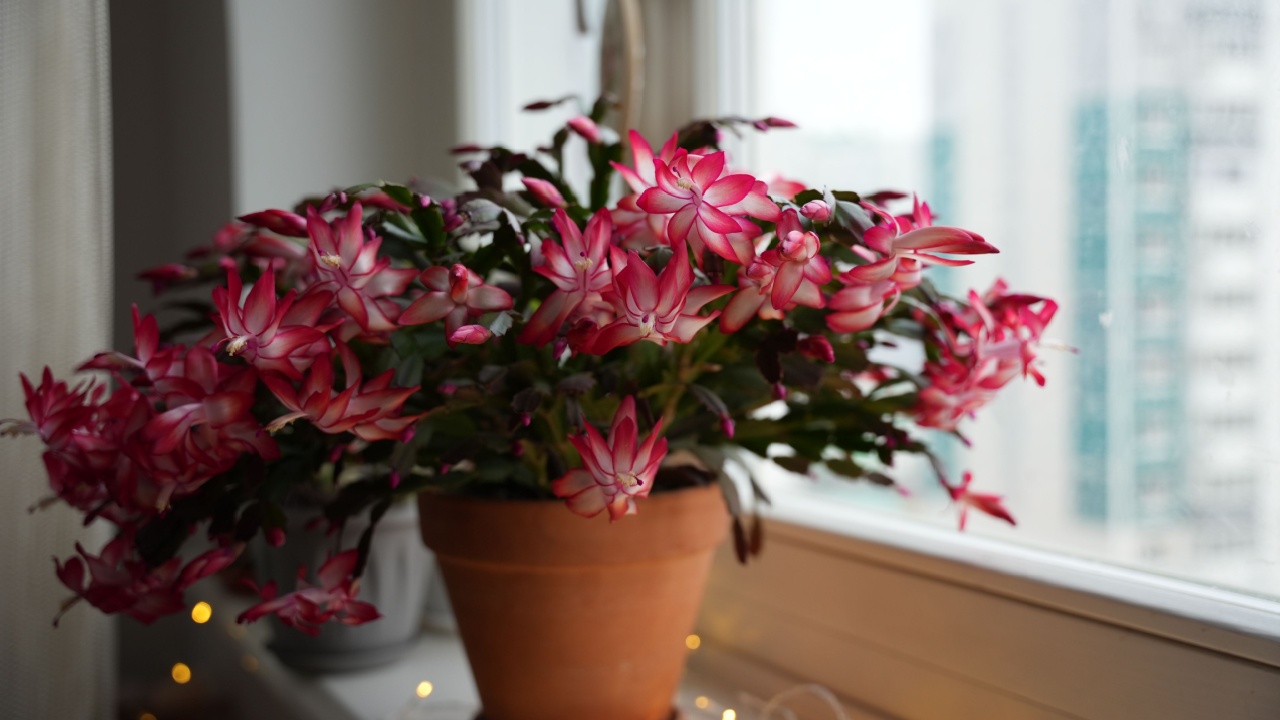
Image Credit: Shutterstock.
This isn’t your typical desert cactus. The Christmas Cactus is a tropical plant native to the coastal mountains of Brazil, where it grows on trees. Its flattened, segmented stems cascade beautifully from hanging baskets or pots. Around the holidays, it produces an abundance of intricate, tubular flowers at the tips of its branches. Blooms appear in shades of pink, red, white, and purple, creating a stunning display.
At a Glance:
- Light: Bright, indirect light.
- Water: Keep soil consistently moist but not waterlogged. Reduce watering in the fall.
- Good to Know: It blooms based on day length, so keeping it away from lamps at night in autumn is important for flower production.
3. Amaryllis (Hippeastrum)
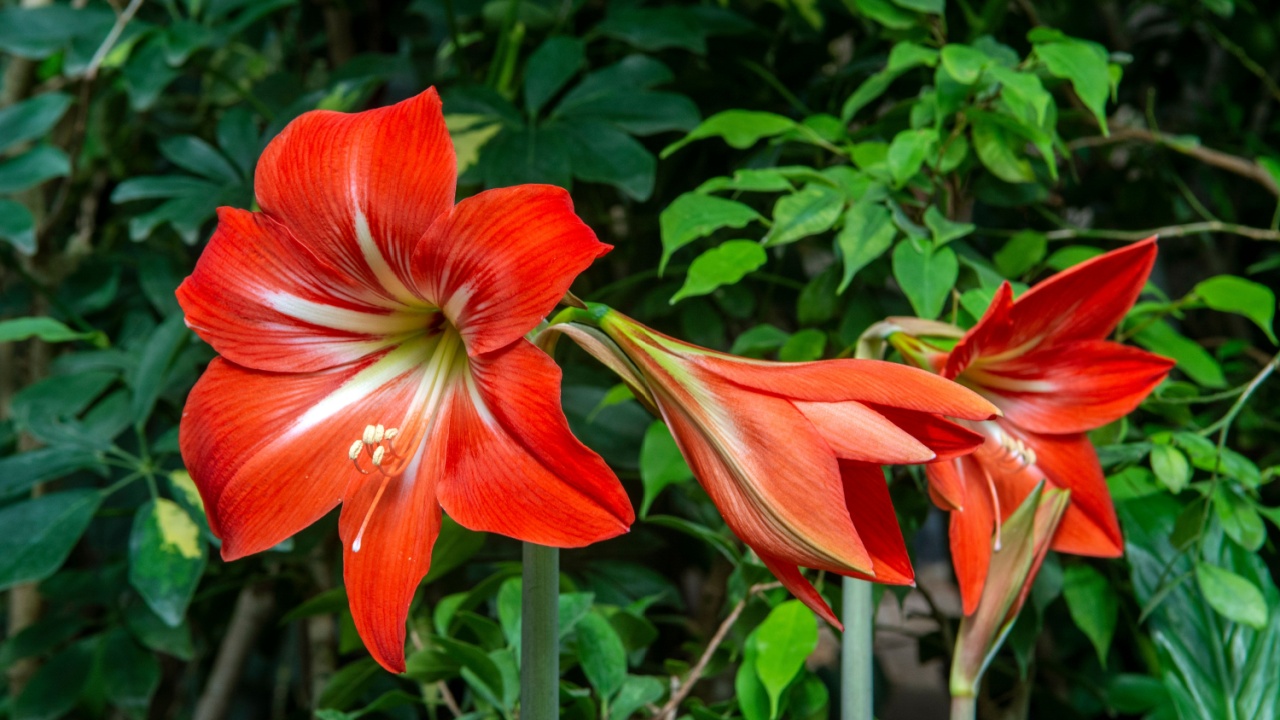
Image Credit: Shutterstock.
For a truly dramatic floral presentation, it’s hard to beat the Amaryllis. These large bulbs produce towering stalks topped with massive, trumpet-shaped flowers. Available in a spectacular range of colors, including deep reds, pure whites, pinks, and striped varieties, a single bulb can send up one or two stems, each bearing multiple blooms. They are typically sold as kits during the fall, ready to be potted for holiday flowering.
At a Glance:
- Light: Bright, direct sunlight to encourage strong stem growth.
- Water: Water sparingly until you see new growth, then keep the soil moderately moist.
- Good to Know: After blooming, you can save the bulb to regrow the following year.
4. Hellebore (Helleborus niger)
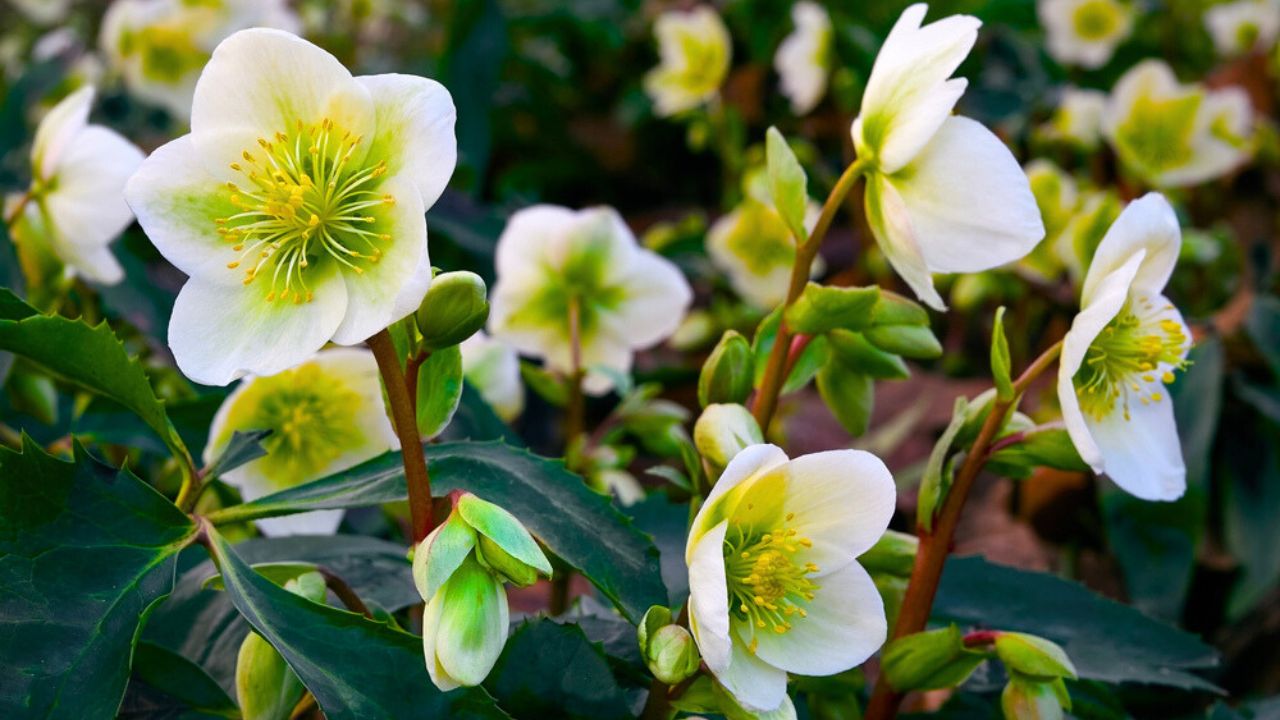
Image Credit: Shutterstock.
Often called the Christmas Rose or Lenten Rose, Hellebores are tough perennials that bloom in the cold months of the year. The Helleborus niger species is particularly associated with Christmas because it can flower in December in milder climates. Its simple, elegant white flowers, which can be tinged with pink or green, stand out against the dark, leathery foliage.
At a Glance:
- Light: Partial to full shade.
- Water: Prefers consistently moist, well-drained soil.
- Good to Know: All parts of the plant are toxic if ingested, so handle with care and keep the plant away from pets.
5. Florist Kalanchoe (Kalanchoe blossfeldiana)
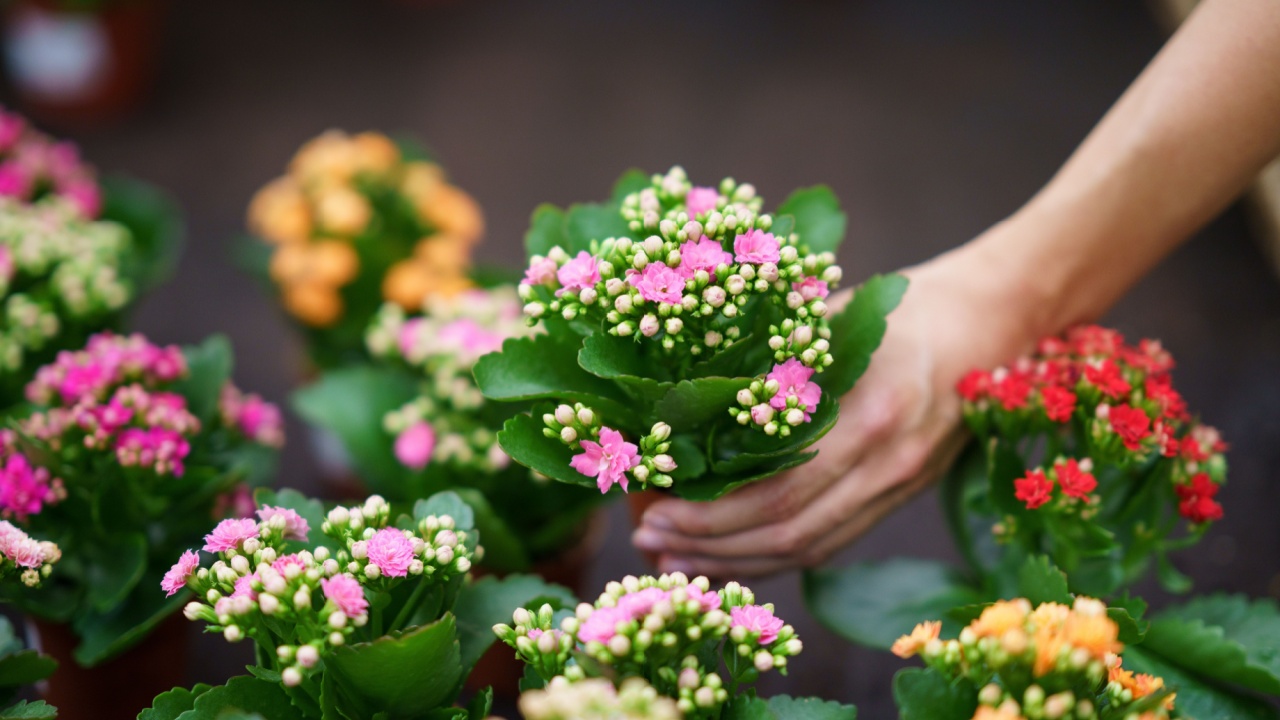
Image Credit: Shutterstock.
If you’re looking for a cheerful and low-maintenance plant, the Florist Kalanchoe is a superb choice. This succulent features clusters of tiny, star-like flowers that rise above its glossy, scalloped green leaves. The blooms come in a rainbow of vibrant colors, including red, orange, yellow, and pink, providing a dense punch of color.
At a Glance:
- Light: Bright, indirect light.
- Care: It is a short-day plant; it needs long, uninterrupted nights to trigger bud formation. Encourage a re-bloom by providing it with about 14 hours of complete darkness each day for six weeks.
- Water: Water thoroughly, then let the soil dry out completely before watering again.
- Good to Know: It is highly susceptible to root rot, so proper drainage is crucial.
6. Paperwhite Narcissus (Daffodil)
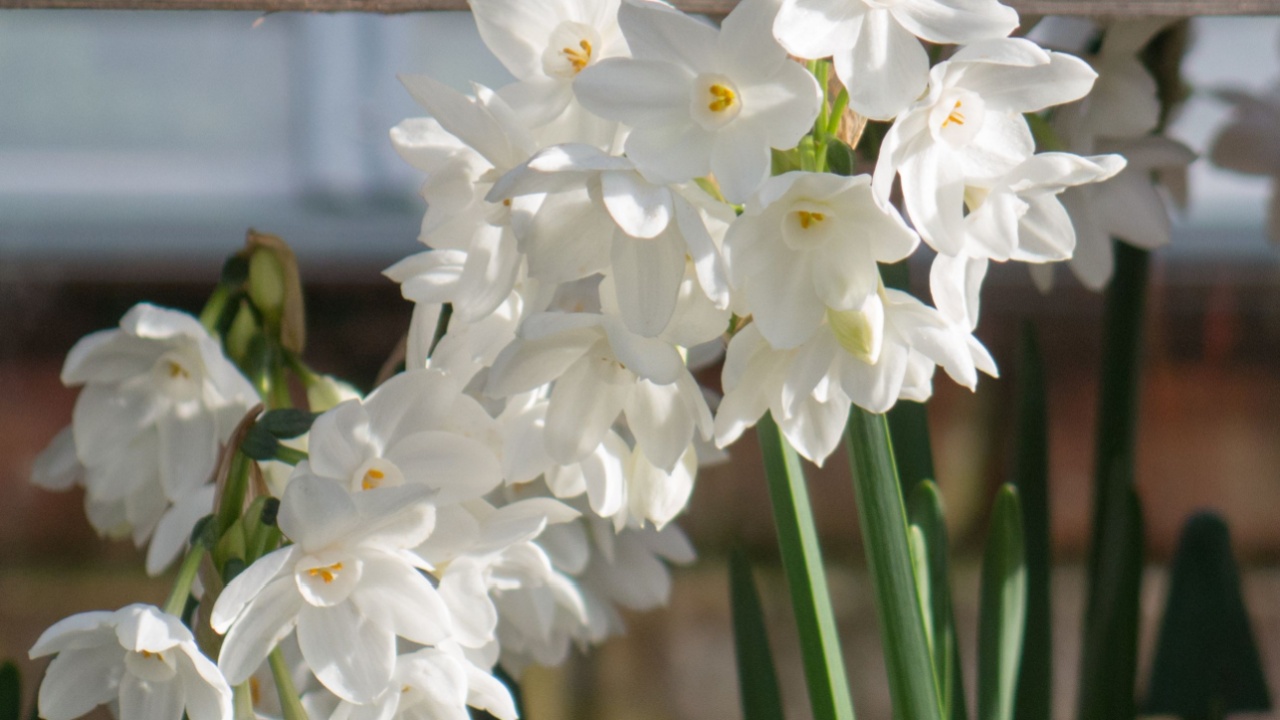
Image Credit: Shutterstock.
Paperwhites offer a fragrant and elegant addition to holiday decor. A type of narcissus, these bulbs can be easily “forced” to bloom indoors in water, without any soil. Their sweet, musky scent can fill a room, though some people find it overpowering. If you prefer a less potent aroma, look for varieties advertised as having a milder fragrance. To grow them, place the bulbs in a shallow dish or vase filled with pebbles, decorative stones, or glass beads. Daffodils are poisonous to cats, so handle with care.
At a Glance:
- Light: Bright, indirect light. Keep them in a cool, bright spot, and you’ll have blooms in about four to six weeks.
- Water: Keep the water level just touching the base of the bulbs.
- Care: Their tall stems can sometimes get floppy; tying them together with a festive ribbon provides support and adds to the decorative look.
- Good to Know: Adding a small amount of alcohol (like vodka or gin) to the water once the shoots are a few inches tall can help keep the stems shorter and sturdier.
7. Moth Orchid (Phalaenopsis)
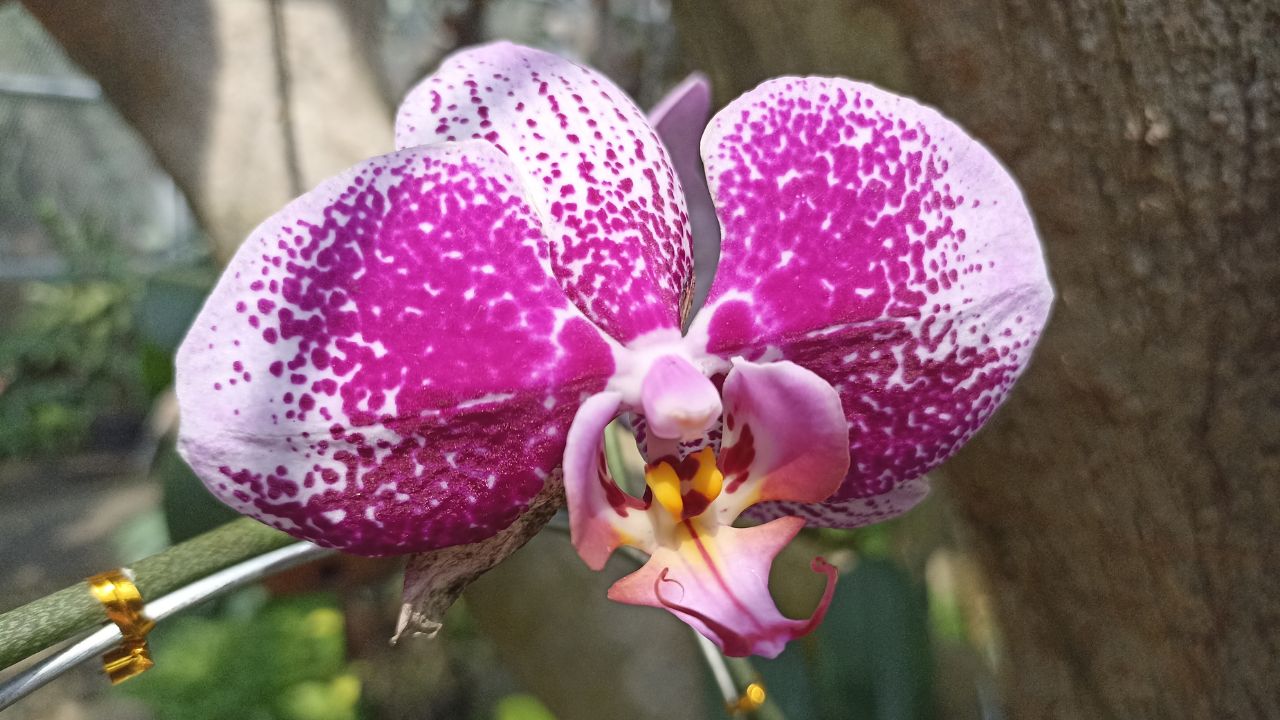
Image Credit: Shutterstock.
For a touch of modern elegance, the Moth Orchid is an excellent selection. These orchids are widely available and relatively easy to care for, making them a great starting point for beginners. They produce a long, arching spray of beautiful, flat-faced flowers that can last for two to three months. While they come in many colors, the pure white varieties are particularly stunning for a winter or holiday theme.
At a Glance:
- Light: Bright, indirect light. Avoid direct sun, which can scorch the leaves. An east-facing window is often ideal.
- Water: Water once a week or when the potting medium feels dry.
- Good to Know: After the flowers fade, you can trim the spike back to encourage a new spray of blooms.
Beyond the Blooms
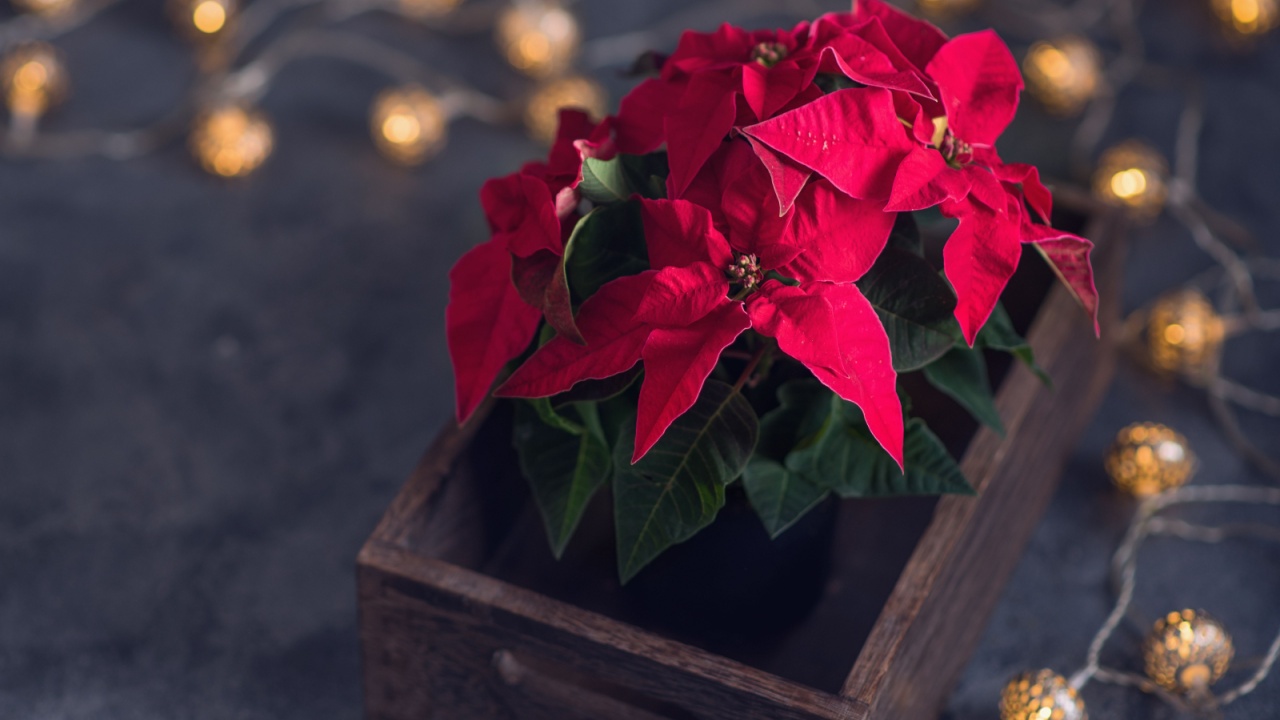
Image Credit: Shutterstock.
Incorporating plants that will flower in winter into your holiday decorating adds a dynamic and personal element. Start with one that catches your eye. Perhaps the dramatic statement of an Amaryllis or the reliable cheer of a Kalanchoe appeals to you. Observe how it responds to your home’s environment. Learning to care for a new plant is a journey, and each one can teach you something new about light, water, and patience. Over the years, you can build a collection of living decorations that become as much a part of your holiday tradition as ornaments and tinsel.