14 Cheap Basement Upgrades to Boost Home Value
That downstairs space, often a mysterious zone of forgotten holiday decorations, a makeshift laundry room, and questionable spiders, holds a lot of potential. How wonderful would it be to transform it from a storage pit into a genuinely livable area? With a bit of elbow grease and thinking outside the box, you can make significant improvements to the basement.
You want to change how your basement is perceived: neglected corners can signal deferred maintenance, while a clean, intentional space communicates care and adaptability. Buyers and homeowners alike respond to environments that feel purposeful, safe, and welcoming.
Check out these simple and affordable upgrades that can make a world of difference in your basement.
1. Apply a Fresh Coat of Paint

Painting is one of the most effective and wallet-friendly ways to transform a room. It’s among the first things buyers notice. A fresh coat of paint can instantly make a dark, dingy basement feel brighter and cleaner. It covers up scuffs, stains, and the lingering ghosts of past design choices.
The basement often lacks natural light, has uneven texture, and may be prone to moisture. Therefore, choose your paint with this in mind. Lighter colors and epoxy paints are your best friends. Shades of white, cream, light gray, or soft pastels reflect more light, creating an illusion of a larger, more open area. An eggshell or satin finish is a practical choice as it’s more durable and easier to clean than a flat matte finish, which is a big plus in a space that might see some moisture.
Quick Guide:
- Best Colors: Light and neutral (whites, light grays, pale blues).
- Finish: Eggshell or satin for durability and easy cleaning.
- Pro Tip: Don’t forget the ceiling. Painting it a bright white can make the room feel taller.
2. Give the Stairwell a Facelift
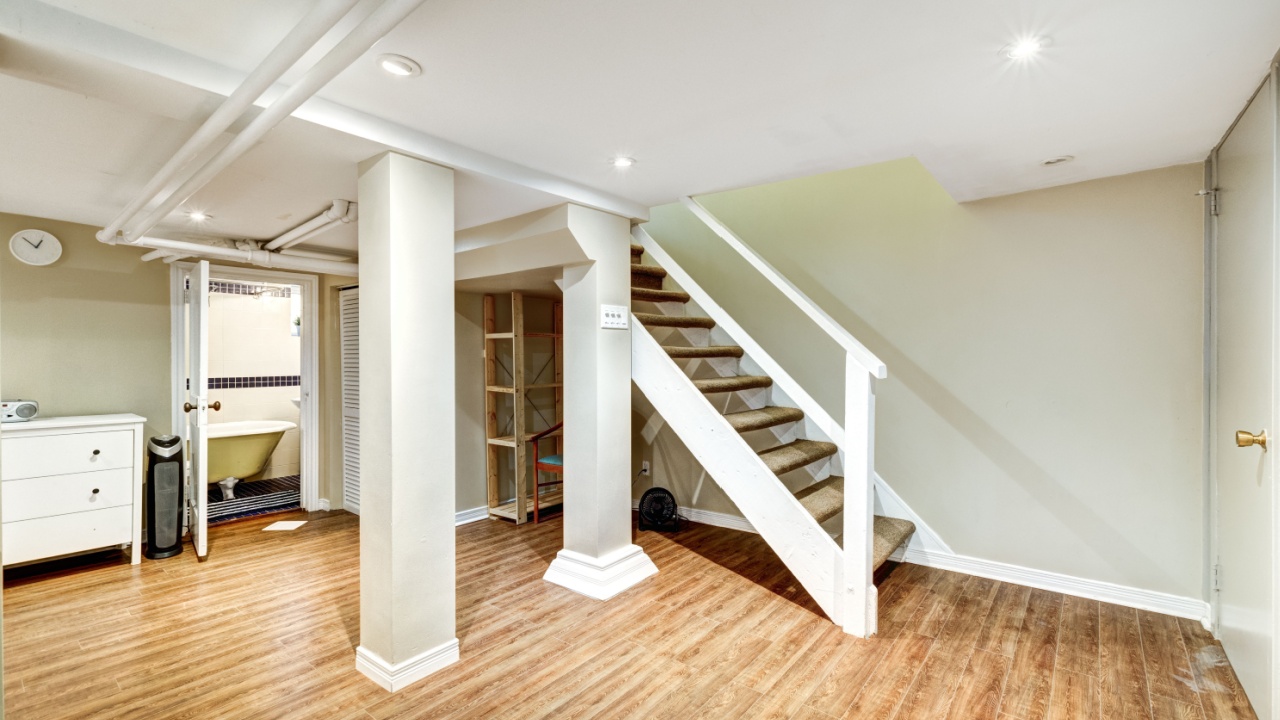
The journey down to the basement sets the stage for what’s to come. If your stairs are creaky, dark, and uninviting, people will expect the same from the room below. A little attention here can dramatically improve the first impression.
Start by cleaning and painting the stairwell walls. A light color will make the descent feel less like entering a cave. Consider painting the stair risers a bright white while staining the treads a complementary color. For extra style and safety, add a durable stair runner. It introduces texture, color, and a softer feel underfoot. Finally, hang a few pieces of simple art along the wall to make the space feel intentional.
Quick Guide:
- Action Steps: Clean, paint walls, refinish stairs.
- Added Touch: Install a stair runner and hang simple artwork.
- Next Steps: Make certain the handrail is secure and consider adding lighting if the stairwell is particularly dark.
3. Seal Cracks and Improve Moisture Control
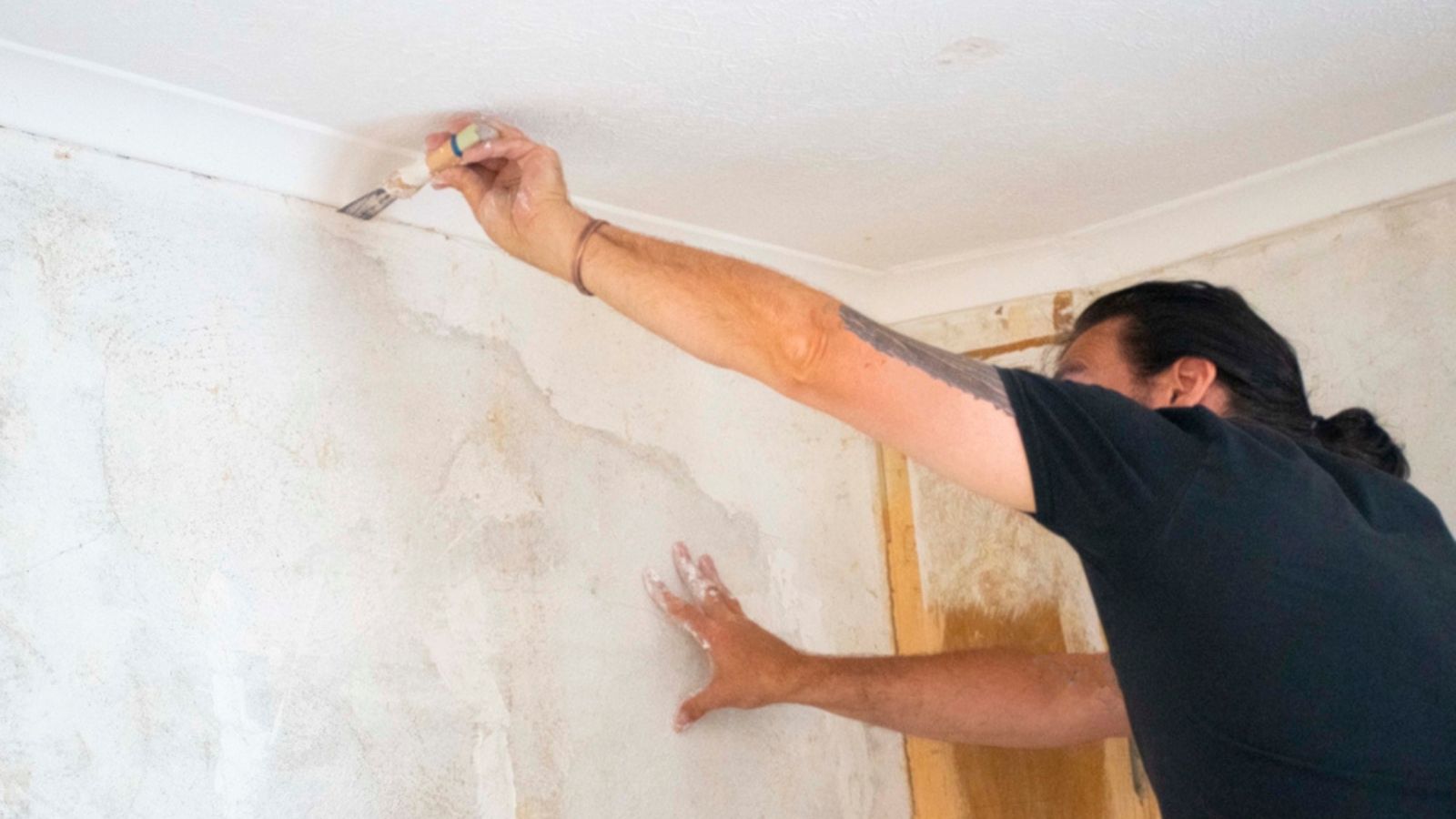
Basements are notorious for humidity and minor foundation cracks, which can make the space feel neglected and raise red flags for buyers. Addressing these issues is a small but powerful upgrade that signals the basement is well‑maintained.
Inspect the walls and floors for hairline cracks. Use a masonry sealer or hydraulic cement to patch them, preventing water seepage and further deterioration. Next, improve air quality by running a dehumidifier or installing a moisture barrier where needed. Even simple steps like adding weatherstripping around basement windows can reduce dampness and drafts.
Quick Guide:
- Inspect: Look for cracks in walls, floors, and around windows.
- Repair: Seal with masonry sealer or hydraulic cement.
- Control: Use a dehumidifier and add weatherstripping to reduce humidity and drafts.
- Pro Tip: Keep a hygrometer in the basement to monitor humidity levels (ideal range: 30–50%).
4. Install Drywall

For an unfinished basement, putting up drywall is a significant step toward making it a finished living space. It covers concrete walls, hides pipes and wiring, and provides a smooth surface for paint and decor. While it requires some DIY spirit, it’s a manageable project that dramatically elevates the room’s appearance.
Hanging drywall instantly turns a utilitarian space into a proper room. You can leave the concrete floor exposed for an industrial-chic look or cover it later. Even if you only drywall one or two walls, it defines the space and makes it feel much more purposeful and livable.
Quick Guide:
- Impact: Moves the basement from “storage” to “living space.”
- Design Tip: Pair with modern furniture and a large area rug to soften the industrial feel of a concrete floor.
- Next Steps: After installation, you’ll need to tape, mud, and sand the seams before priming and painting.
5. Upgrade Lighting for Style and Efficiency

Lighting impacts both atmosphere and usability. Swapping out dated fixtures for modern flush mounts, track systems, or pendants instantly elevates the look of the basement. Pairing those fixtures with LED or smart bulbs ensures the space is bright, energy‑efficient, and adaptable. Together, these changes make the basement feel intentional, welcoming, and cost‑conscious.
Quick Guide:
- Fixtures: Replace builder‑grade lights with modern, stylish options.
- Bulbs: Use LEDs or smart bulbs for efficiency and control.
- Pro Tip: Choose dimmable bulbs to adjust brightness for different activities.
6. Install Functional Flooring Solutions
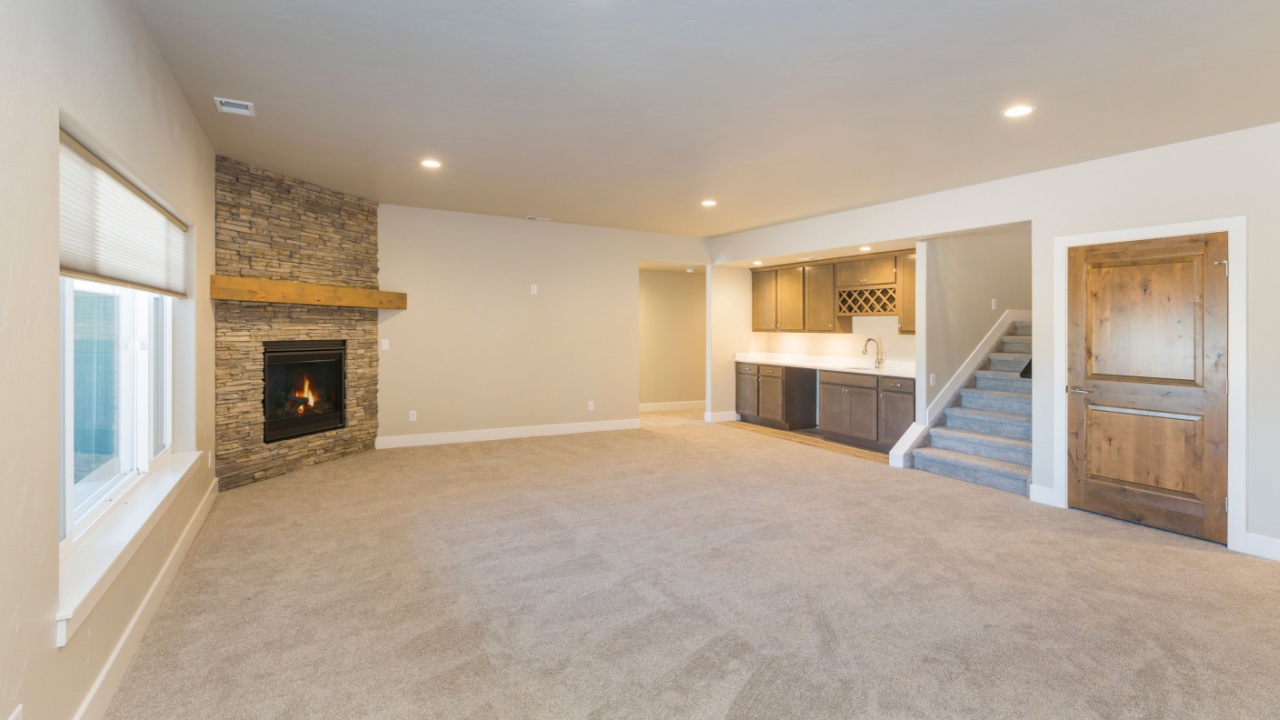
Basement floors often feel cold, hard, or unfinished. Updating them with affordable, functional options can dramatically change the space. Peel‑and‑stick vinyl tiles, laminate planks, or interlocking foam mats are budget‑friendly choices that add comfort and style. These materials are easy to install, moisture‑resistant, and can be swapped out if damaged. Even a partial upgrade, like covering a main seating area, makes the basement more inviting.
Quick Guide:
- Options: Vinyl tiles, laminate planks, or foam mats.
- Benefits: Adds warmth, comfort, and moisture resistance.
- Pro Tip: Use area rugs or mats to define zones without fully replacing flooring.
7. Deep Clean the Windows and Window Wells
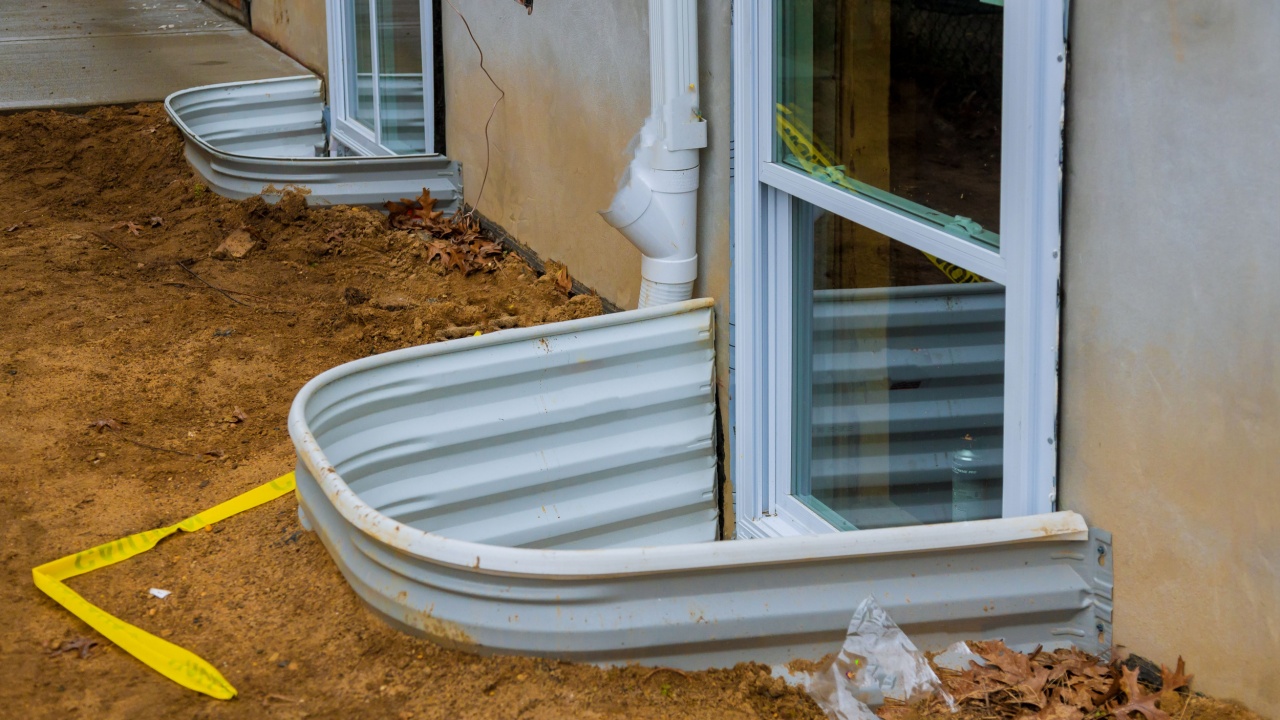
Basement windows are often overlooked, accumulating layers of dust, dirt, and cobwebs. Since natural light is a precious commodity below ground, you want to maximize every single ray. A thorough window cleaning can be surprisingly effective. Cleaning your window wells is one of the critical maintenance items you should not forget.
Clean both the inside and outside of the glass. Don’t forget the window sills and frames. If you have window wells, clear out any leaves, debris, or weeds that might be blocking light. The difference between sunlight filtering through a grimy window and a sparkling clean one is astonishing.
Quick Guide:
- Process: Clean interior and exterior glass, wipe down sills and frames.
- Exterior Task: Clear out window wells to maximize light.
- Pro Tip: Use a squeegee for a streak-free finish on the glass.
8. Add a Large Area Rug

Concrete or tile floors are practical for basements, but they can make the space feel cold and echoey. An area rug is the perfect solution. It adds warmth, softness, color, and texture, instantly making the basement feel more like a living room. You want your basement to make anyone interested in your house feel warm and cozy.
You don’t need to spend a fortune. Look for inexpensive, durable rugs made from synthetic materials like polypropylene, which stand up well to potential dampness. A large rug can anchor a seating area and define different zones within an open-plan basement.
Quick Guide:
- Benefit: Adds warmth, color, and defines spaces.
- Material Choice: Opt for durable, moisture-resistant synthetic fibers.
- Placement: Use a large rug to anchor the main seating or activity area.
9. Create an Accent Wall

While painting the whole basement a light color is a good strategy, an all-neutral space can sometimes feel a bit bland. Creating a single accent wall is a great way to inject personality and color without overwhelming the room.
Choose one wall, perhaps the one behind a sofa or a media console, and paint it a bolder or darker shade. This creates a focal point and adds depth and interest to the room. It makes the design feel more deliberate and custom, but not too personalized.
Quick Guide:
- Purpose: Adds a pop of color and creates a focal point.
- Wall Choice: Pick a wall that you want to draw attention to.
- Color Tip: A deep blue or a rich green can create a sophisticated and inviting look.
10. Bleach or Recolor Tile Grout
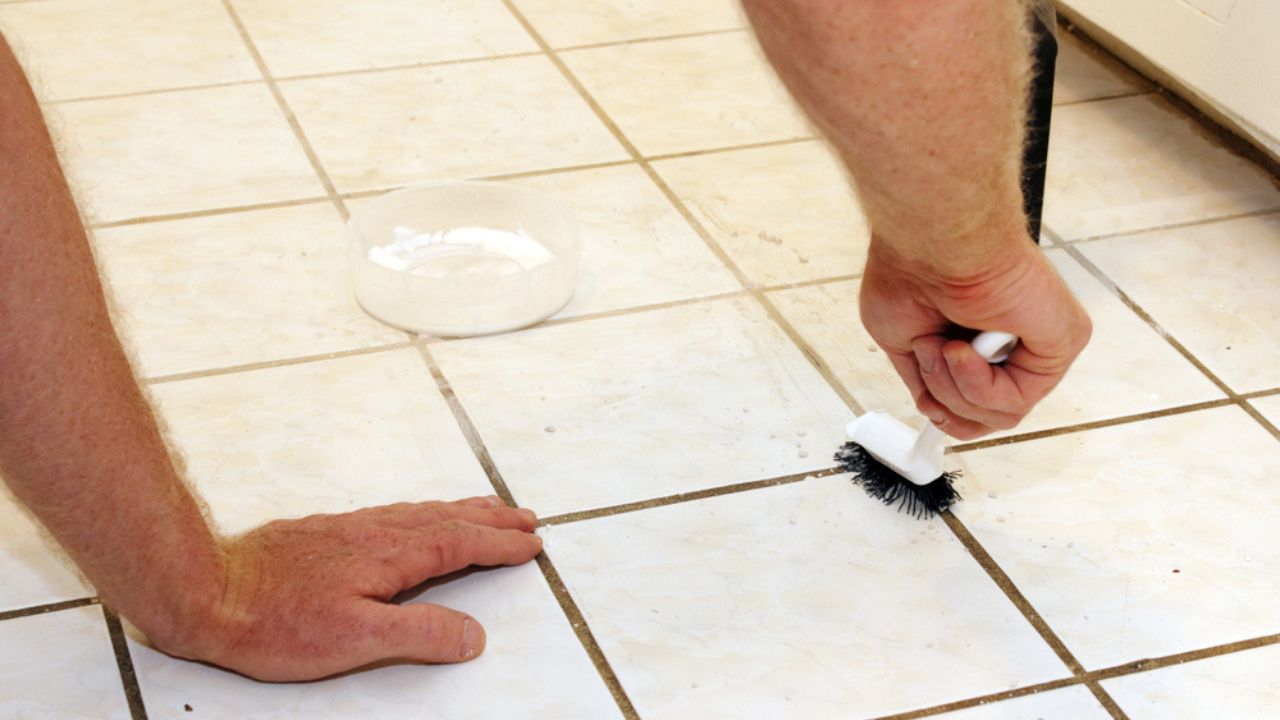
Tile flooring can be in basements, but over the years, the grout can become stained and discolored, making the entire floor look old and dirty. Giving your grout a refresh is a tedious but rewarding task that can make your floors look brand new.
For light-colored grout that’s just a bit grimy, a good scrub with a grout brush and a bleach solution can work wonders. If the stains are too stubborn or you want a new look, a grout pen or colorant can be used to paint over the existing grout, giving it a fresh, uniform color.
Quick Guide:
- For Grime: Use a stiff brush and a bleach-based cleaner.
- For Stains: A grout pen or colorant can cover old, discolored grout.
- Final Step: Consider applying a grout sealer afterward to protect it from future stains.
11. Organize with Clever Storage
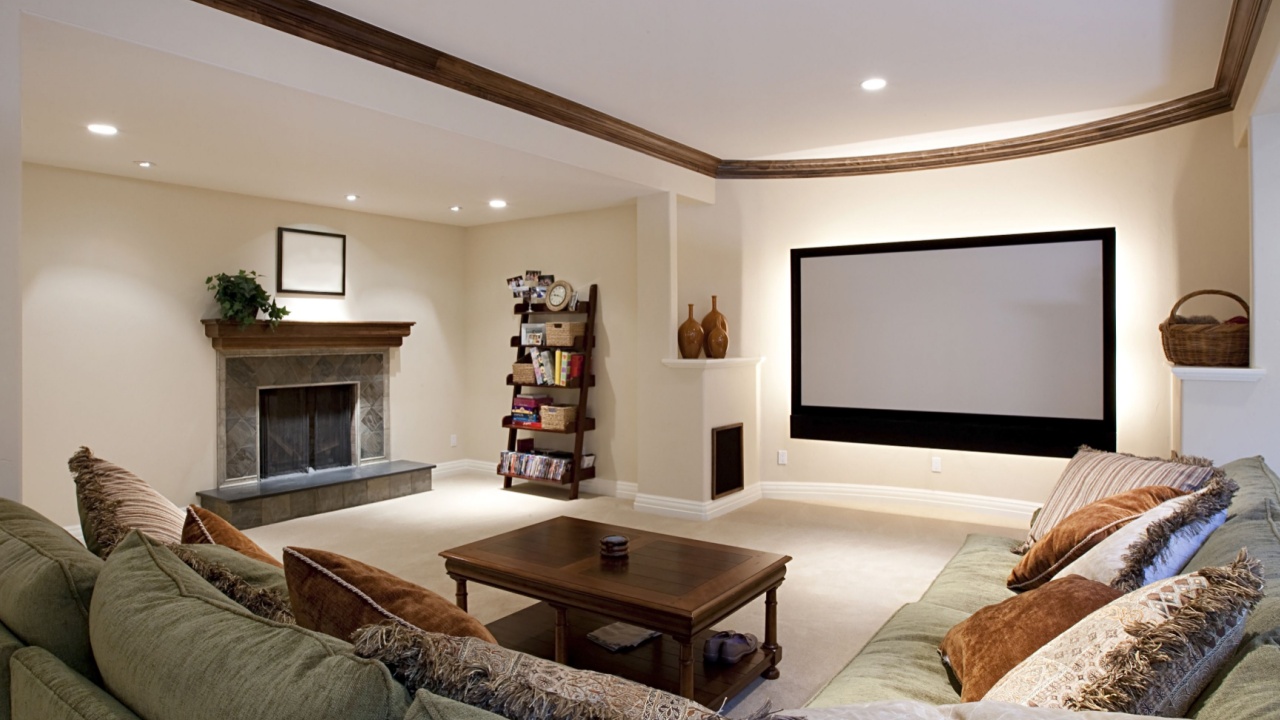
Basements often become the dumping ground for everything without a home. Taming that chaos with smart storage solutions will make the space more usable and visually appealing. An organized basement shows potential buyers a functional, well-cared-for space.
Use a combination of open shelving for decorative items and closed storage, like cabinets or bins with lids, to hide the clutter. Label everything. When every item has a designated spot, it’s easier to keep the room tidy. This organization makes the basement feel larger and more purposeful.
Quick Guide:
- Strategy: Combine open and closed storage.
- Key Action: Use labels to easily identify contents.
- Result: A curated, less chaotic space that feels larger.
12. Add Thoughtful Decor and Art
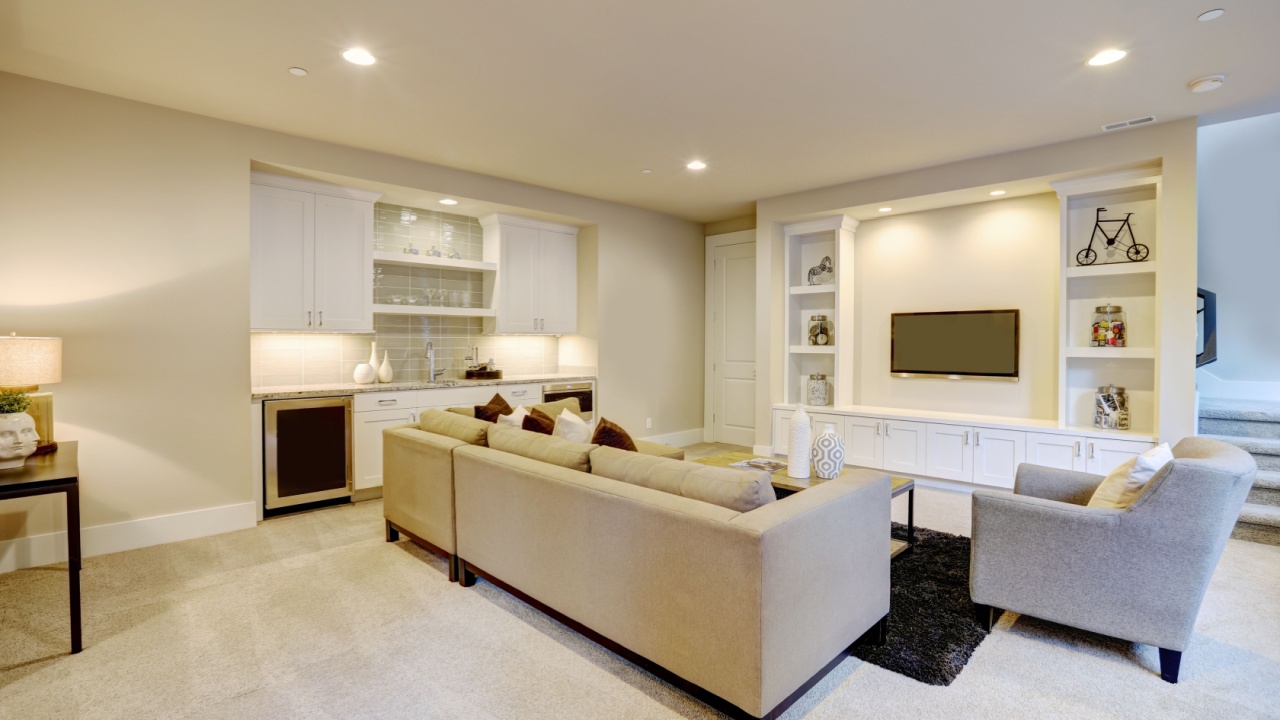
Treat your basement like any other room in your home and add some decor. Hanging art on the walls, placing decorative items on shelves, and adding throw pillows and blankets to furniture can completely transform the feeling of the space.
Inexpensive prints, family photos, or even your own DIY art can add personality. These finishing touches signal that the basement is a designed, livable part of the home, not just a functional lower level.
Quick Guide:
- Elements: Art, photos, decorative objects, textiles (pillows, throws).
- Goal: Make the space feel intentional and lived-in.
- Budget Tip: Frame interesting fabric scraps or find affordable prints online.
13. Freshen Up a Kitchenette or Wet Bar
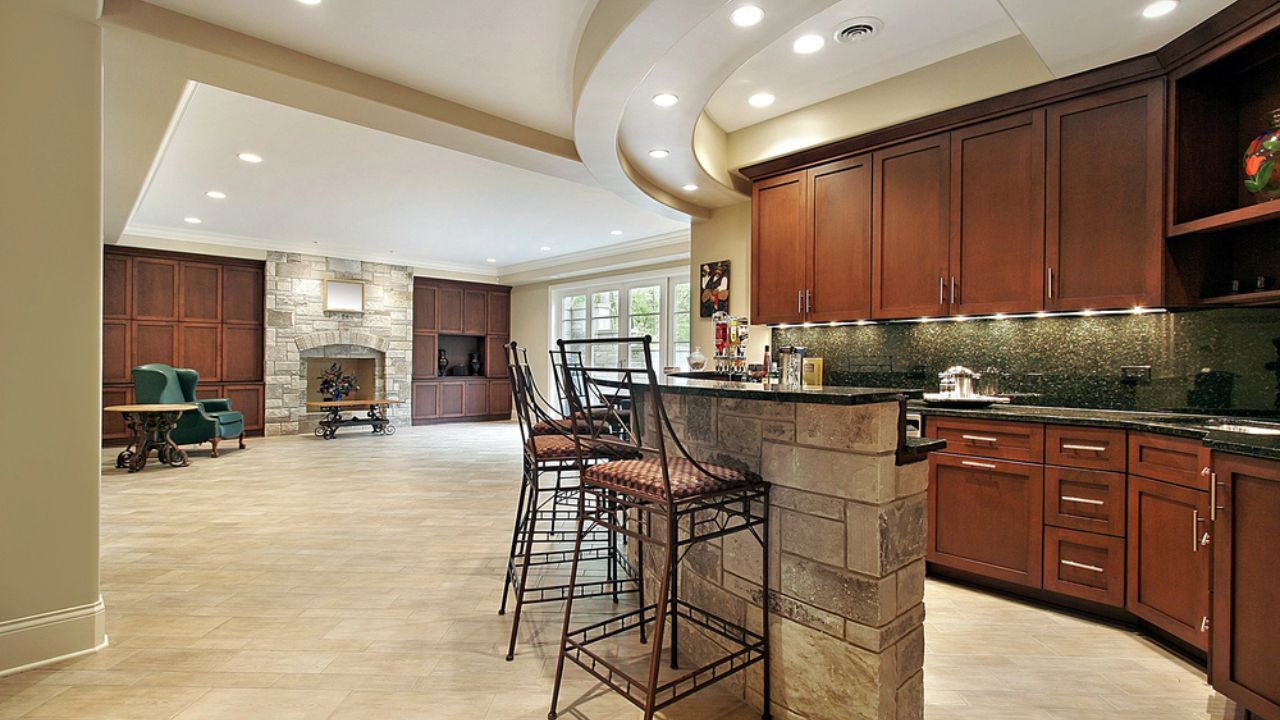
If your basement has a small kitchen or wet bar, a mini-makeover can make a big impact. Simple, cosmetic updates will give it a fresh look. Peel-and-stick tiles are a fantastic way to create a new backsplash without the mess of traditional tiling. Consider painting the cabinets a new color and updating the hardware. These small changes can modernize an outdated kitchenette and make it a more appealing feature.
Quick Guide:
- Backsplash: Use easy-to-install peel-and-stick tiles.
- Cabinets: A fresh coat of paint and new knobs or pulls can work wonders.
- Cost: Much lower than a full remodel, with a high-impact visual return.
14. Carve Out a Home Gym Nook

Buyers love a versatile basement. Highlight yours by creating a dedicated spot for a home gym. Designate a corner and lay down some interlocking rubber gym floor tiles. Add a large mirror to the wall; this not only helps with form during workouts but also makes the space feel bigger and brighter by reflecting light. Even an empty, defined space suggests a functional use and helps buyers envision themselves using the room. A gym is great for your health, too, not just for buyers.
Quick Guide:
- Flooring: Interlocking rubber tiles are durable and easy to install.
- Wall Decor: A large, unframed mirror is functional and enhances the space.
- Purpose: Shows the multi-purpose potential of the basement.
Boost the Home Value from the Bottom Up
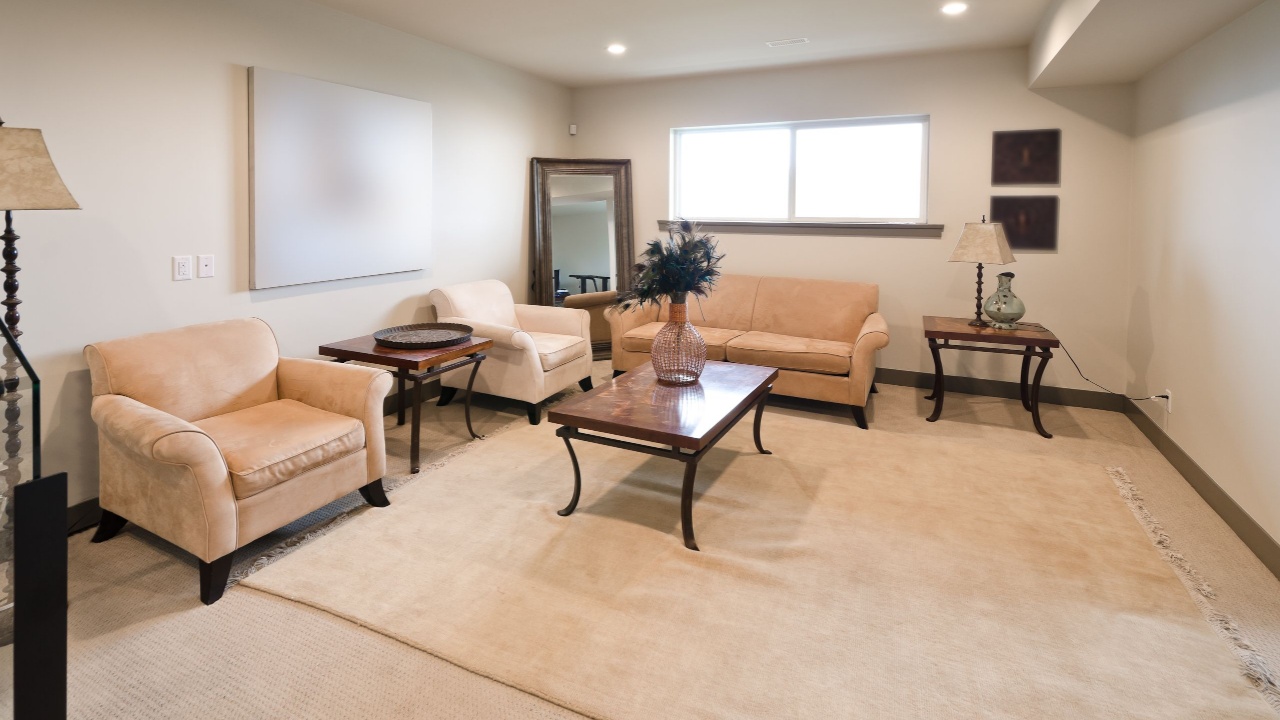
Your basement needs to feel like a livable space. Focus on smart, affordable updates, and you can create a valuable and inviting extension of your home. Maybe start with a deep clean and a fresh coat of paint this weekend. Next month, swap out that old light fixture. Each small improvement builds on the last, gradually transforming the space from a dark storage area into a bright, functional room. A finished, well-presented basement is a huge asset, adding square footage and serious appeal.