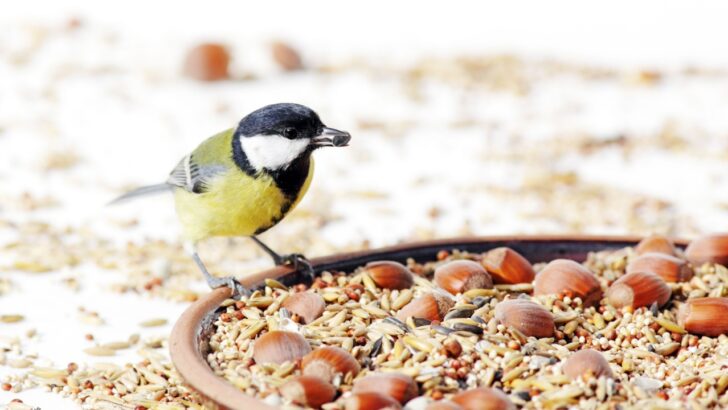
The art of assembling a beautiful charcuterie board (a curated platter of meats, cheeses, fruits, and crackers) has become a staple of modern entertaining. It’s a feast for the eyes and the palate, offering a little something for everyone. But why should we get to have all the fun?
You can bring this same concept to your backyard and create a delightful buffet for your feathered friends. A bird charcuterie board is a fantastic way to offer a variety of treats, attract different species, and add a touch of gourmet flair to your bird feeding routine.
Creating a birdy buffet is simple, fun, and incredibly rewarding. It allows you to observe which birds prefer which foods and provides them with a rich, diverse diet. This guide will walk you through five easy steps to build the ultimate charcuterie board for your backyard birds.
1. Select the Right Platter
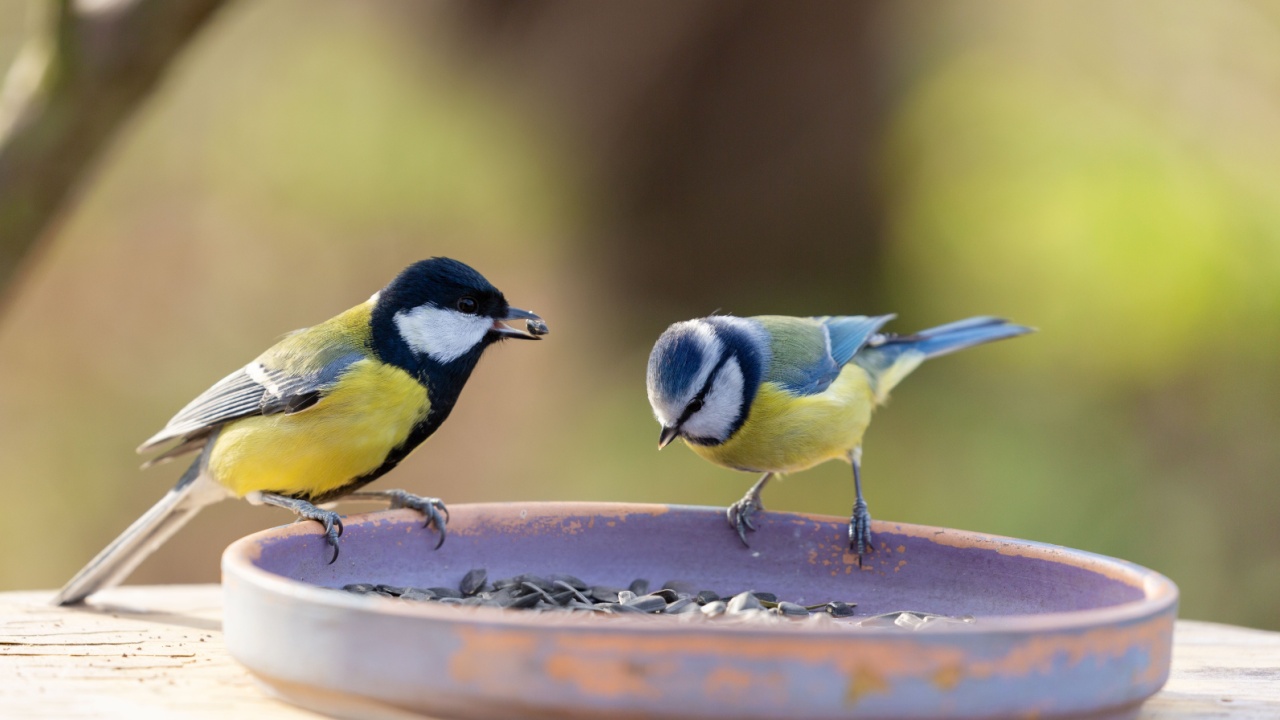
Image Credit: Shutterstock.com.
Before you can artfully arrange your bird treats, you need the right base. The “platter” for your bird charcuterie board can be as simple or as decorative as you like, but it must be safe and accessible for the birds. A flat surface is key, as it allows multiple birds to feed at once and gives you space to separate different food items.
A simple wooden board, an old cookie sheet with a rim, or even a large, shallow ceramic dish can work perfectly. A dedicated tray feeder is also an excellent option, as it’s designed specifically for this style of feeding and often includes drainage holes to keep seeds dry. When choosing your platter, consider its placement. Ensure it’s in a location where birds will feel safe from predators, like near shrubs or trees, but still visible from a window for your viewing pleasure.
Quick Tips:
- Best Platters: Tray feeders, large wooden cutting boards, unglazed ceramic saucers, or metal cookie sheets.
- Placement: Position it in a quiet area of your yard with nearby cover.
- Maintenance: Choose a material that is easy to clean. You’ll need to wash it with soap and water every few days to prevent the spread of bacteria and disease.
2. Build a Foundation with Seeds
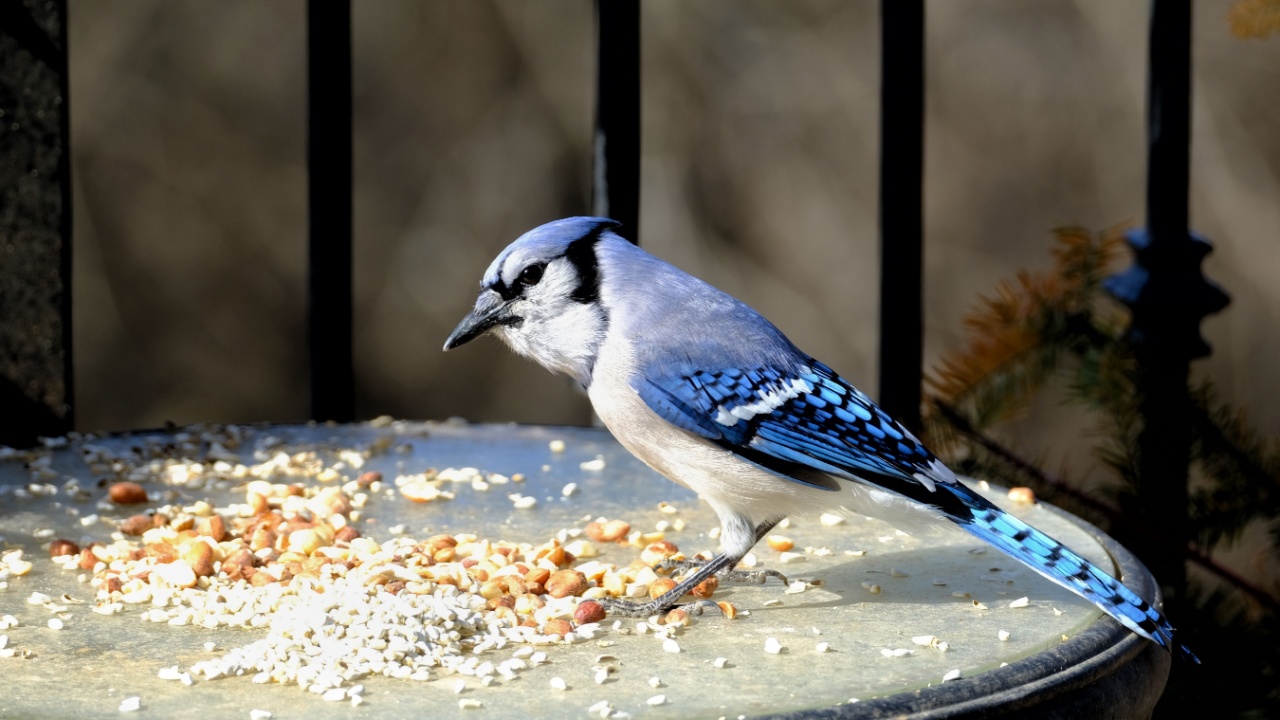
Image Credit: Shutterstock.com.
Seeds are the bread and crackers of the bird world, the essential base that appeals to a wide variety of species. Offering a few different types of seeds allows you to cater to the tastes of everything from tiny finches to larger cardinals and jays.
Black oil sunflower seeds are a universal favorite. Their thin shells are easy for small birds to crack open, and their high oil content provides excellent energy. Safflower seeds are another great choice, particularly if you want to attract cardinals, grosbeaks, and finches while deterring squirrels and grackles, who tend to dislike their bitter taste. For ground-feeding birds like doves, sparrows, and juncos, a section of cracked corn will be a welcome sight.
Quick Tips:
- Top Seeds: Black oil sunflower, safflower, white-striped sunflower, cracked corn.
- Why They Work: High in energy, they appeal to a broad range of birds and form a great base for your board.
- Arrangement: Create distinct piles of each seed type on your board to see which ones are most popular.
3. Add High-Protein Power-Ups

Image Credit: Shutterstock.
To make your board a truly premium dining experience, you need to add some high-protein options. These foods are especially valuable during the breeding season and cold winter months when birds need extra energy.
Nuts are a fantastic source of protein and fat. Unsalted peanuts, either in the shell or already shelled, are a magnet for blue jays, woodpeckers, titmice, and nuthatches. Suet is another powerhouse. While you can offer it in a traditional cage, suet nuggets or crumbles can be scattered directly on your board, making them accessible to a wider array of birds. For an extra special treat, add a scoop of dried or live mealworms. Bluebirds, robins, and wrens go wild for them, and they provide an excellent protein boost.
Quick Tips:
- Protein Picks: Unsalted peanuts (shelled or in-shell), suet nuggets, dried or live mealworms.
- Why They Work: Provide critical fat and protein for energy, especially in winter and spring.
- Care Tip: Only offer raw, unsalted nuts. Avoid any nuts that are flavored, salted, or sold for human consumption.
4. Include Fruits and Spreads
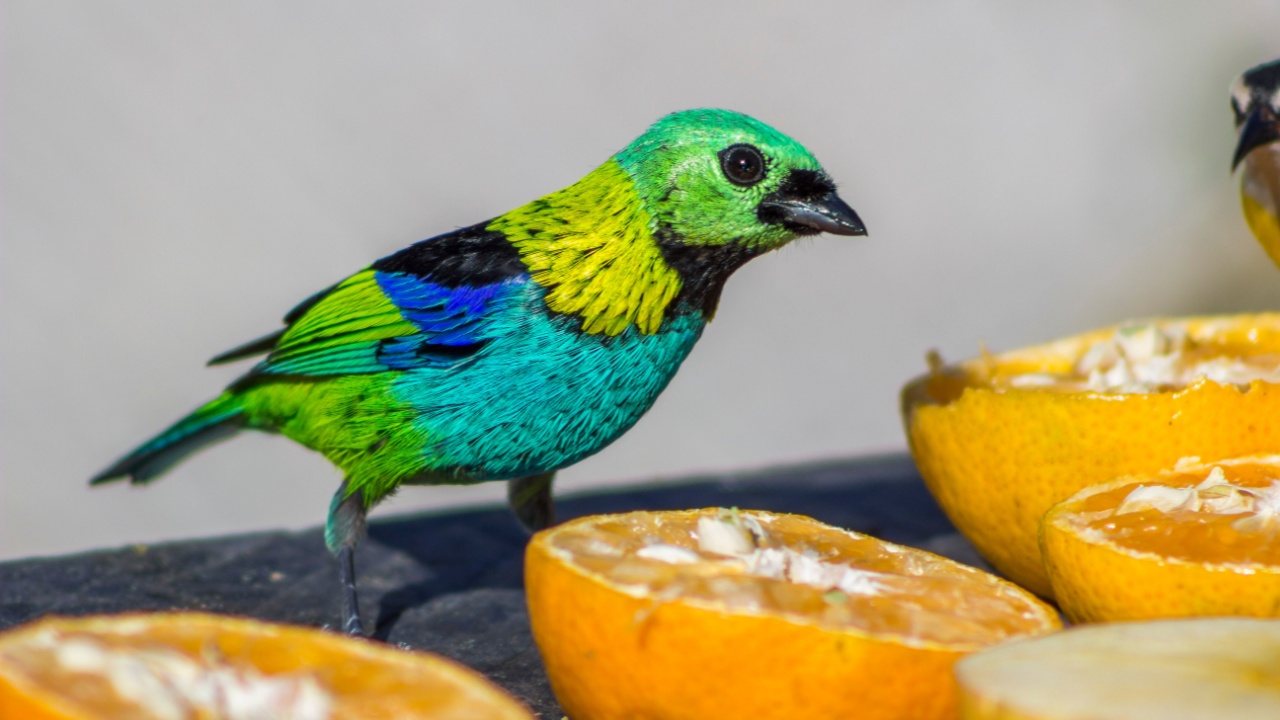
Image Credit: Shutterstock.com.
Just like on a human charcuterie board, fruit adds color, variety, and a touch of sweetness that certain birds can’t resist. These offerings are particularly attractive to fruit-eating species that may not typically visit a standard seed feeder.
A small dish of grape jelly is a classic way to draw in orioles and catbirds. Fresh fruit slices, such as oranges, apples, or pears, will also attract these birds, along with tanagers and mockingbirds. You can secure orange halves to the board or simply lay out small wedges of apple. Dried fruits like raisins and cranberries are another easy addition, offering a concentrated source of sugar and nutrients that appeals to dozens of species, including robins and bluebirds. For a spreadable option, a smear of natural peanut butter (with no added sugar or salt) on a pinecone or directly on the board will be a hit with many birds.
Quick Tips:
- Fruity Favorites: Grape jelly, orange halves, apple slices, raisins, cranberries.
- Spreadable Treats: Natural, unsalted peanut butter.
- Why They Work: Attract fruit-eating birds like orioles and tanagers who might otherwise pass by your yard.
- Placement: Use small, shallow dishes for jellies and spreads to keep the board clean.
5. Know What to Avoid
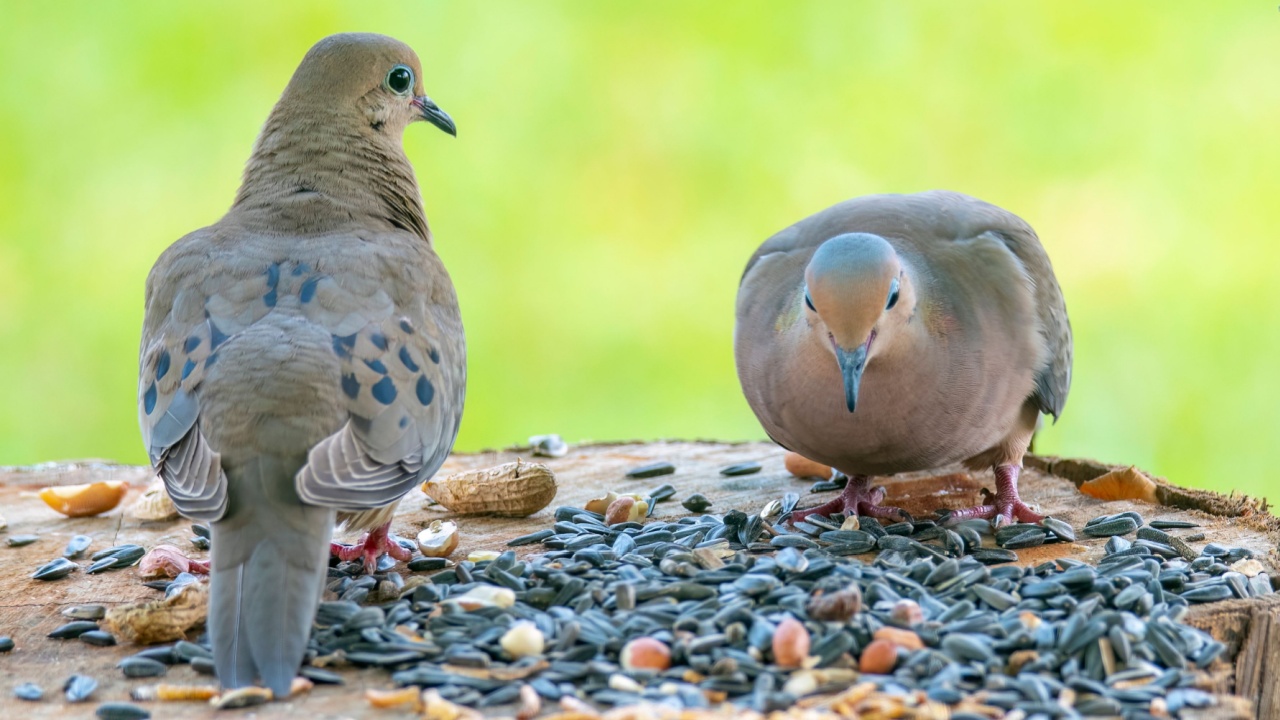
Image Credit: Shutterstock.
Just as important as what you include is what you leave off the board. Many human foods are harmful to birds and should never be offered. Your bird charcuterie board is a specialty restaurant, not a place for leftovers.
Never include bread or crackers. These items offer no nutritional value and can cause health problems for birds. Salty or flavored nuts, potato chips, and other processed snacks are also off-limits. Bacon fat and other meat drippings can harbor bacteria and go rancid quickly. Additionally, avoid honey, old pet food, meats, cheeses, and pickles. Stick to foods that are specifically packaged for wild birds or are in their natural, unprocessed state (with bird safety in mind).
Quick Tips:
- Foods to Exclude: Bread, crackers, salted nuts, chips, bacon fat, honey, cheese, processed meats.
- The Rule of Thumb: If you wouldn’t find it in nature, it probably doesn’t belong on the board.
- Safety First: Keeping the menu safe ensures your backyard visitors stay healthy and keep coming back.
Get Creative and Cute
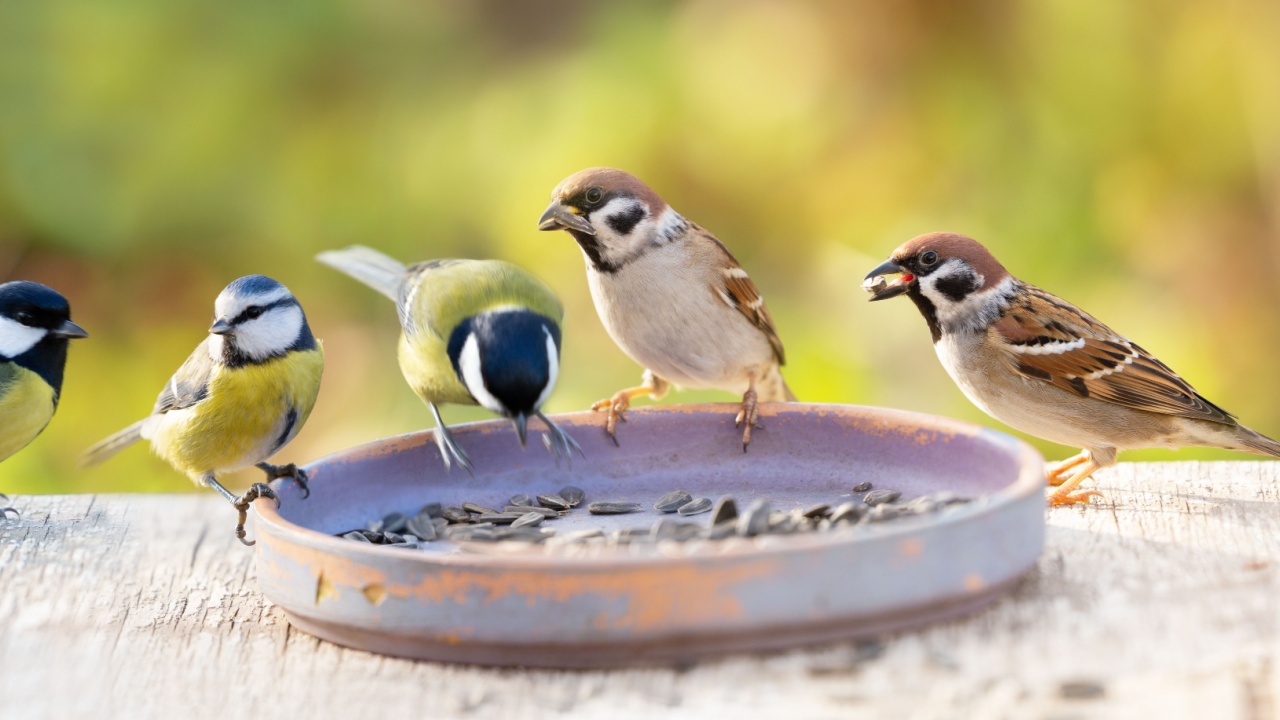
Image Credit: Shutterstock.com.
Now that you know how to build a fantastic bird charcuterie board, the real fun begins. Start with a few of the options listed above and see who shows up at your backyard bistro. Don’t be discouraged if it takes a few days for birds to discover the new offering.
Pay attention to what gets eaten first and what is left behind. This will help you tailor your board to the specific preferences of your local bird population. Try rotating different fruits and seeds to keep things interesting. You might discover that your cardinals love safflower or that a previously unseen oriole can’t resist your orange slices. Grab a pair of binoculars, a cup of coffee, and enjoy the show. You’ve just elevated your backyard bird feeding into an art form.