

The holiday season is often painted as a time of uninterrupted joy, filled with sparkling lights, perfectly wrapped presents, and families gathering in flawless harmony. It’s a lovely picture, but for most of us, it feels about as realistic as a reindeer-powered sleigh. The reality is that bringing a group of relatives together, each with their own lives, opinions, and secret cookie recipes, can create a few situations.
Navigating the holidays is a delicate dance of managing expectations, juggling schedules, and trying to remember if your cousin is still not talking to your aunt. The pressure to create perfect memories can sometimes overshadow the simple goal of enjoying each other’s company.
Here are ten common holiday hurdles that families face, and some simple ways to get through them without spilling eggnog on anyone, intentionally or otherwise.
1. Unmet Expectations

Image Credit: Shutterstock.
The holidays arrive with a heavy suitcase full of expectations. We envision heartwarming reunions, deep conversations, and a general sense of movie-magic bliss. The problem is, our family members haven’t read the script. When reality doesn’t match the grand production we’ve built in our minds, disappointment can set in, leaving us feeling let down by what was supposed to be a special time.
These high hopes often stem from nostalgia, social media, and the endless stream of holiday advertisements showing impossibly happy families. We want to recreate the best parts of past holidays while editing out the arguments over board games. But people change, circumstances differ, and your brother might still be a sore loser at Monopoly. Expecting everything to be perfect is a recipe for a not-so-merry mood.
Navigating the Challenge
- Communicate Clearly: Talk about expectations beforehand. A simple conversation about what everyone is looking forward to can align the group and prevent mismatched assumptions.
- Embrace Imperfection: Let go of the need for everything to be flawless. The turkey might be a little dry, and someone will probably say something awkward. That’s okay. The memorable moments are often the beautifully imperfect ones.
- Focus on the Good Enough: Aim for a “good enough” holiday instead of a perfect one. This simple shift in mindset can reduce pressure and allow you to appreciate what is, rather than what you think it should be.
2. Stressful Logistics

Image Credit: Shutterstock.
Coordinating the holiday season can feel like a high-stakes military operation. Who is hosting? Who is traveling? Who is bringing the green bean casserole? The logistical puzzle of getting everyone to the same place at the same time, fed and sheltered, can quickly become overwhelming. Juggling travel plans, cooking schedules, and sleeping arrangements for a crowd is enough to make anyone want to hibernate until January.
This stress is a natural result of trying to merge multiple households, each with its own routines and commitments. Distance, work schedules, and kids’ activities all add layers of complexity. The person in charge of planning often carries the heaviest load, trying to please everyone while managing a mountain of details.
Navigating the Challenge
- Delegate and Divide: No one person should be the holiday commander-in-chief. Divide tasks like cooking, cleaning, and activity planning among family members.
- Plan Ahead: Start discussions about logistics weeks, or even months, in advance. Use shared documents or group chats to keep everyone on the same page.
- Keep It Simple: You don’t have to do it all. It’s fine to order a precooked main course, use fancy paper plates to reduce dishwashing, or say no to a fifth family get-together in three days.
3. Rusty Relationships

Photo Credit: Depositphotos.com.
Holidays often bring together relatives who haven’t seen one another since last year’s gathering. These relationships can be a bit “rusty.” You’re expected to fall back into easy conversation with cousins you only know through social media or an uncle you haven’t spoken to in months. The unfamiliarity can lead to awkward silences and stilted interactions, making it hard to connect in a meaningful way.
Without regular contact, it’s hard to keep up. This can create a sense of distance, turning what should be a comfortable reunion into a series of polite but superficial chats. The pressure to instantly reconnect can make the whole experience feel forced.
Navigating the Challenge
- Set Up One-on-One Time: Instead of trying to connect with everyone at once in a loud room, find moments for smaller conversations. Offer to help in the kitchen or go for a short walk with someone.
- Ask Open-Ended Questions: Move beyond “How’s work?” Ask questions that invite more than a one-word answer, like “What’s been the most interesting part of your year?” or “What are you excited about for the new year?”
- Be a Good Listener: Sometimes the best way to strengthen a connection is simply to listen. Show genuine interest in what the other person is saying, and you might find the rust wears off quickly.
4. Uncomfortable Questions

Photo Credit: Depositphotos.com.
“So, when are you getting married?” “Are you two having kids soon?” “Is that really what you decided to major in?” Every family has that one relative who seems to specialize in asking deeply personal or pointed questions. These inquiries, while sometimes well-intentioned, can put you on the spot and make you feel judged, turning a pleasant dinner into an impromptu interrogation.
These questions often come from a place of curiosity or a generational difference in what’s considered polite conversation. Some relatives may see these topics as a normal way of catching up, not realizing they can be sensitive or intrusive. For them, it’s just small talk; for you, it feels like a spotlight on your life choices.
Navigating the Challenge
- Prepare a Vague Answer: Have a short, polite, and slightly boring response ready. For example, “We’re just enjoying things as they are right now” or “I’m still figuring things out, but I’m excited to see where it leads.”
- Redirect the Conversation: After giving your brief answer, immediately pivot to a different topic. Ask them a question about their own life to shift the focus. “But enough about me, tell me about your recent trip!”
- Use Humor: A little lighthearted humor can deflect a nosy question without creating tension. A response like, “I’ll send out a formal announcement when there’s news to share,” can shut down the inquiry with a smile.
5. Political Polarization

Image Credit: Shutterstock.
In an era of deep political divides, bringing a family with diverse viewpoints together can be like mixing volatile chemicals. A seemingly innocent comment can ignite a heated debate, quickly derailing the festive atmosphere. These arguments can be especially draining because they often involve people we love, making the disagreement feel personal and hurtful.
Politics are tied to our core values and identities, so it’s natural for discussions to become passionate. The 24/7 news cycle and social media can intensify these feelings, making it difficult to set them aside, even for one meal. When everyone is convinced they are on the right side of history, finding common ground feels impossible.
Navigating the Challenge
- Set Ground Rules: Agree as a group to make politics a forbidden topic for the day. A simple “Let’s declare a holiday moratorium on political talk” can be surprisingly effective.
- Steer Clear of Triggers: If a conversation starts drifting toward a contentious topic, be the one to gently guide it back to safer territory. “Speaking of things no one can agree on, how about we debate whether pineapple belongs on pizza instead?”
- Know When to Walk Away: If a debate becomes unavoidable and heated, it’s okay to excuse yourself. A simple, “I’m going to go check on the dessert,” can save you from a stressful argument.
6. Grief and Loss

Image Credit: Shutterstock.
My dad died in October, and Christmas that year was tough. The holidays can be tough when you are mourning the loss of a loved one. The “empty chair” at the table is a powerful and painful reminder of who is missing. Traditions may feel hollow or heartbreaking without them, and the pressure to be cheerful can feel overwhelming when you are grieving.
Grief is a complex and personal journey, and it doesn’t take a break for the holidays. Seeing other families celebrating can sharpen the sense of loss. It’s important to acknowledge that it’s okay to feel sad and that the holiday season will be different now.
Navigating the Challenge
- Create a New Tradition: Honor the person you lost by creating a new tradition. Light a candle in their memory, share a favorite story about them, or make a donation to a charity they cared about.
- Allow Yourself to Feel: Don’t feel pressured to be happy just because it’s the holidays. Give yourself permission to feel whatever emotions come up, whether it’s sadness, anger, or even moments of joy.
- Communicate Your Needs: Let your family know what you can and cannot handle. It’s okay to skip a certain event or tradition if it feels too painful. Others will understand if you explain that you need to take care of yourself.
7. Financial Strain

Image Credit: Shutterstock.
The holidays come with a hefty price tag. Between gifts, travel, food, and decorations, the costs add up quickly. This financial pressure can create significant stress, leading to anxiety and arguments. The expectation to be generous can conflict with the reality of a budget, making it hard to enjoy the season without worrying about the credit card bill coming in January.
The commercialization of the holidays creates a sense of obligation to spend. We are bombarded with messages that the amount of money we spend is a measure of our love. This can lead to overspending and the stress that comes with it, detracting from the true spirit of the season.
Navigating the Challenge
- Set a Budget and Stick to It: Decide beforehand how much you can comfortably spend, and track your expenses. This will help you make conscious decisions and avoid impulse buys.
- Suggest a Gift Exchange: Instead of buying gifts for every single person, suggest a Secret Santa or a white elephant exchange. This lowers the cost and can be a fun activity in itself.
- Focus on Experiences Over Things: Suggest free or low-cost activities, like a holiday movie night, a walk to see the lights, or a cookie-baking day. These shared experiences often create better memories than expensive gifts.
8. Substance Use or Relapse

Image Credit: Shutterstock.
Holiday gatherings often involve alcohol, which can be a major challenge for family members in recovery or those who struggle with substance use. The celebratory atmosphere can create pressure to drink, and the stress of family interactions can be a trigger for relapse. It’s a difficult situation that requires awareness and support from the entire family.
For someone in recovery, navigating parties where alcohol is flowing freely is incredibly challenging. For their family members, there can be a fear of saying or doing the wrong thing. The goal is to create an environment where everyone feels safe and supported, which can be tricky when holiday traditions are so often centered around festive drinks.
Navigating the Challenge
- Offer Attractive Non-Alcoholic Options: Go beyond soda and water. Offer sparkling cider, festive mocktails, or fancy hot chocolate so everyone has something special to drink.
- Plan Activities Not Centered on Drinking: Shift the focus away from the bar. Plan a board game tournament, a gingerbread house competition, or a family talent show.
- Have a Support Plan: If you are in recovery, have a plan. Bring a sober friend, have a support person you can call, and know that it’s okay to leave early if you feel uncomfortable.
9. Hosting Pressure and Perfectionism

Image Credit: Shutterstock.
Being the holiday host can feel like directing a Broadway show where the cast is unpredictable and the set might catch fire. The pressure to create a perfect experience for everyone, a spotless house, a gourmet meal, and nonstop entertainment, is immense. This pursuit of perfection can turn the host into a stressed-out, frazzled mess, unable to enjoy their own party.
The desire to be a good host is natural, but perfectionism can take over. We want our loved ones to feel special and cared for, but we sometimes translate that into an impossible standard. The host can end up spending the entire day working instead of connecting with the people they invited.
Navigating the Challenge
- Accept Offers of Help: When someone asks, “What can I bring?” have an answer ready. Let people contribute a side dish, a dessert, or an appetizer. It makes them feel involved and lightens your load.
- Do as Much as Possible in Advance: Don’t save everything for the last minute. Stock up early, set the table the day before, chop vegetables in the morning, and choose recipes that can be partially prepared ahead of time.
- Remember You’re a Guest, Too: The goal is to spend time with your family, not just to serve them. Make a conscious effort to sit down, eat, and join the conversation. The party will go on even if you’re not constantly busy.
10. Cultural or Religious Differences

Image Credit: Shutterstock.
Families are increasingly blended, with members from different cultural, religious, and spiritual backgrounds. This diversity is a wonderful thing, but it can also create tension during a season that is traditionally rooted in specific customs. Deciding which holidays to celebrate, which traditions to follow, and how to honor everyone’s beliefs can be a delicate balancing act.
These differences can lead to misunderstandings or feelings of being excluded if not handled with care. One side of the family might feel their traditions are being overlooked, while the other might feel pressured to participate in something that isn’t meaningful to them. Navigating this requires open communication and a willingness to compromise.
Navigating the Challenge
- Learn About Each Other’s Traditions: Approach differences with curiosity, not judgment. Ask questions and learn why certain customs are important to your family members.
- Create Blended Celebrations: Find ways to incorporate elements from different backgrounds. You could celebrate Christmas one day and Hanukkah on another, or create new fusion traditions that are unique to your family.
- Focus on Shared Values: While your beliefs might differ, most cultures and religions share common values like love, generosity, and togetherness. Focus on these universal themes as the foundation for your celebration.
Celebrate the Wins
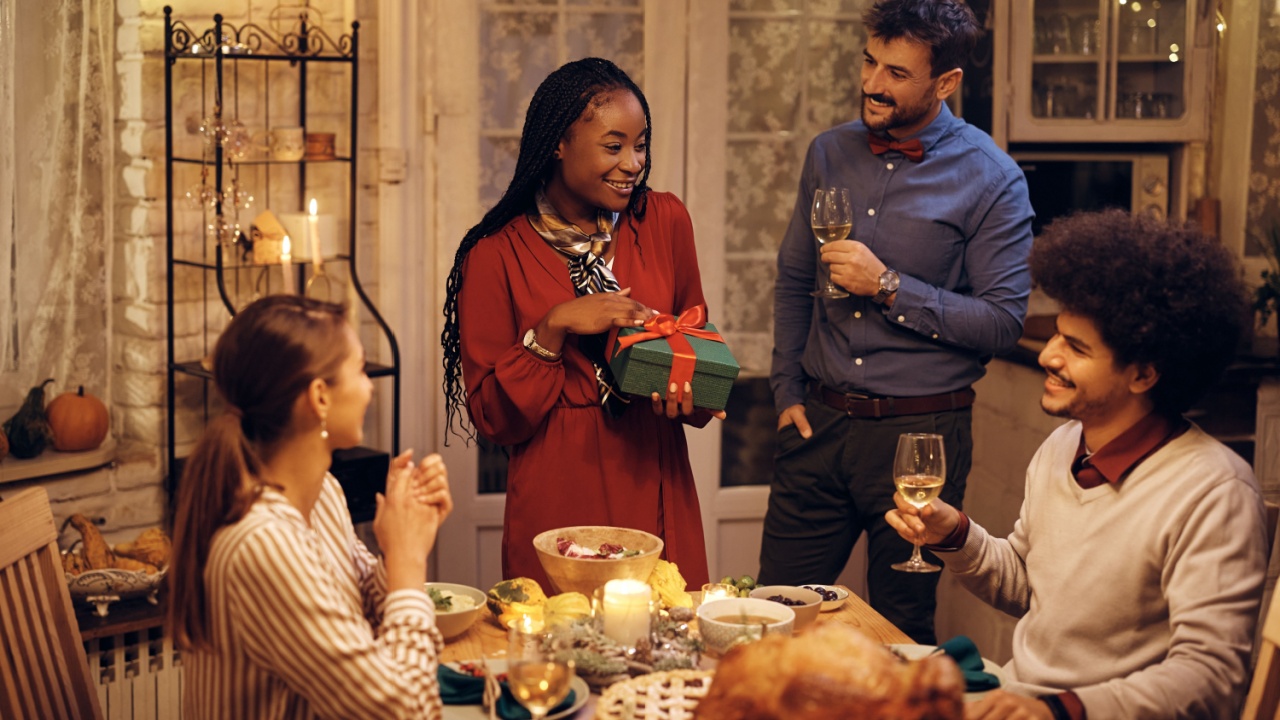
Image Credit: Shutterstock.
The holiday season will probably never be the picture-perfect fantasy sold in commercials. It will likely be a little messy, a little loud, and a little complicated. And that is perfectly fine. The secret to a happier holiday is not to eliminate all the challenges, but to navigate them with a bit of humor, patience, and realistic expectations.
Instead of aiming for a flawless holiday, aim for a connected one. Focus on the small moments of joy: the shared laugh over a silly joke, the quiet conversation with a cousin, the simple pleasure of being in the same room. By managing expectations and leading with kindness, you can get through the holiday hurdles and maybe even find that the imperfect, chaotic, and completely real version of your family gathering is the best one of all.