
Beyond College Days: 12 Things No One Needs at Home Anymore
Moving past university years brings many changes. One major shift happens in the living environment. Certain items tend to linger in boxes or the backs of closets long after graduation ceremonies end. These objects often served a purpose during transient student years. Now they mostly clutter valuable storage areas.
This guide identifies twelve specific items that likely no longer serve a functional purpose in an adult home. Removing these belongings creates space for a more intentional living arrangement.
1. Flimsy Wire Hangers
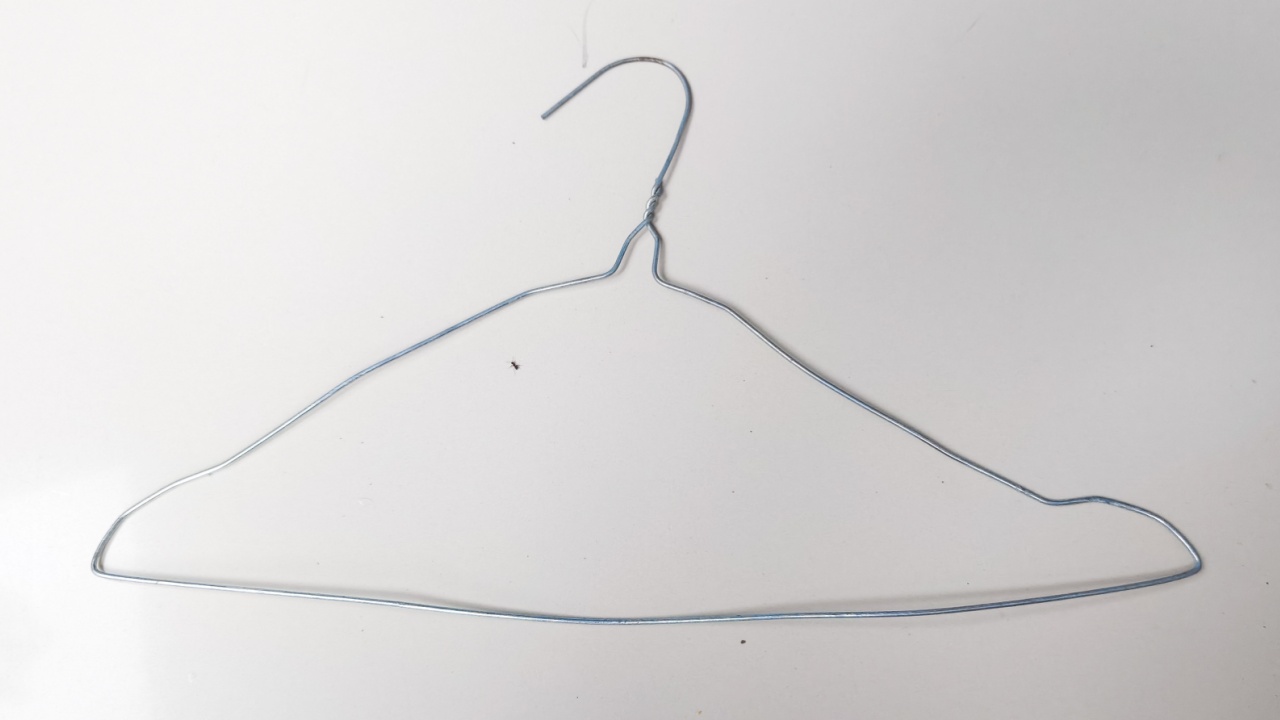
Dry cleaners provide thin metal hangers for transport. They are not meant for long-term storage. The metal bends easily under the weight of coats or jeans. This causes heavy garments to lose shape. Shoulders get strange bumps that ruin the silhouette of a blazer or dress.
Clothes frequently slip off and end up on the floor. Replacing these with sturdy wooden or velvet versions protects the wardrobe investment. It also makes the closet look organized immediately. Recycle them, repurpose them, or ask a dry cleaner if they want them.
2. The Shot Glass Collection

Souvenir shops sell these everywhere. They accumulate quickly during spring breaks and road trips. Most adults rarely host parties requiring twenty distinct shot glasses from various tourist destinations. These small glasses gather dust on shelves or clutter cabinets.
Keeping one or two favorites makes sense for measuring ingredients or occasional use. The rest can go. This frees up cabinet space for proper wine glasses or water tumblers.
3. Outdated Textbooks

These heavy volumes represent hard work and expensive tuition. They feel valuable because of the initial cost. In reality, information evolves rapidly. That biology book from a decade ago likely contains outdated science.
Unless a specific profession requires them for reference, these books act as heavy paperweights. Local libraries or donation centers might accept them. Otherwise, recycling them clears significant shelf space for books you actually want to read.
4. Clothing That Does Not Fit

Closets often hold garments from different life phases. Keeping items that are too small or uncomfortable creates frustration during morning routines. It serves no positive purpose to see pants that refuse to zip.
Wardrobes function best when they contain only wearable options. Donating these pieces allows someone else to enjoy them. It also removes a daily visual reminder of past sizes.
5. Mismatched Plastic Cups
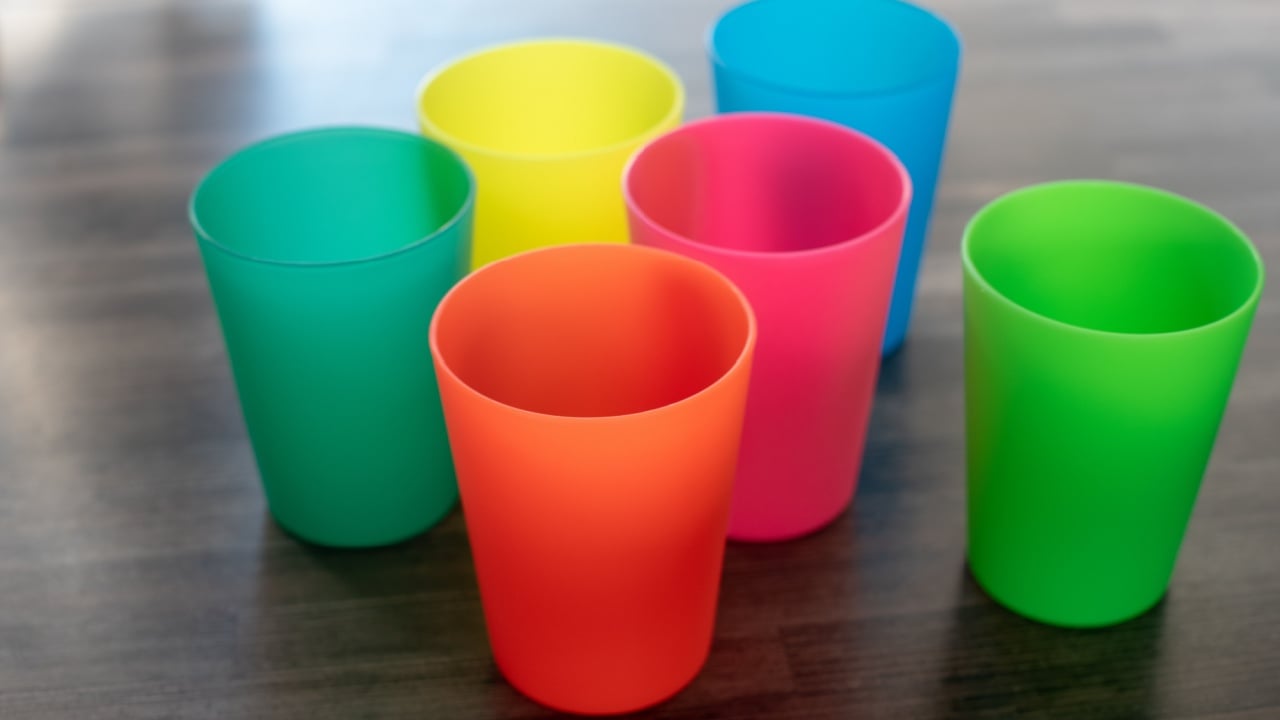
Events often give away free plastic cups. Fast food restaurants do the same. These mismatched vessels multiply in cupboards. They rarely stack well. They often contain harmful chemicals like BPA if they are old.
Swapping out an oddball assortment for a uniform set makes the kitchen look more put-together and makes grabbing a cup a lot less of an adventure. It’s better for the environment to reduce single-use plastic waste.
6. Orphaned Bedding
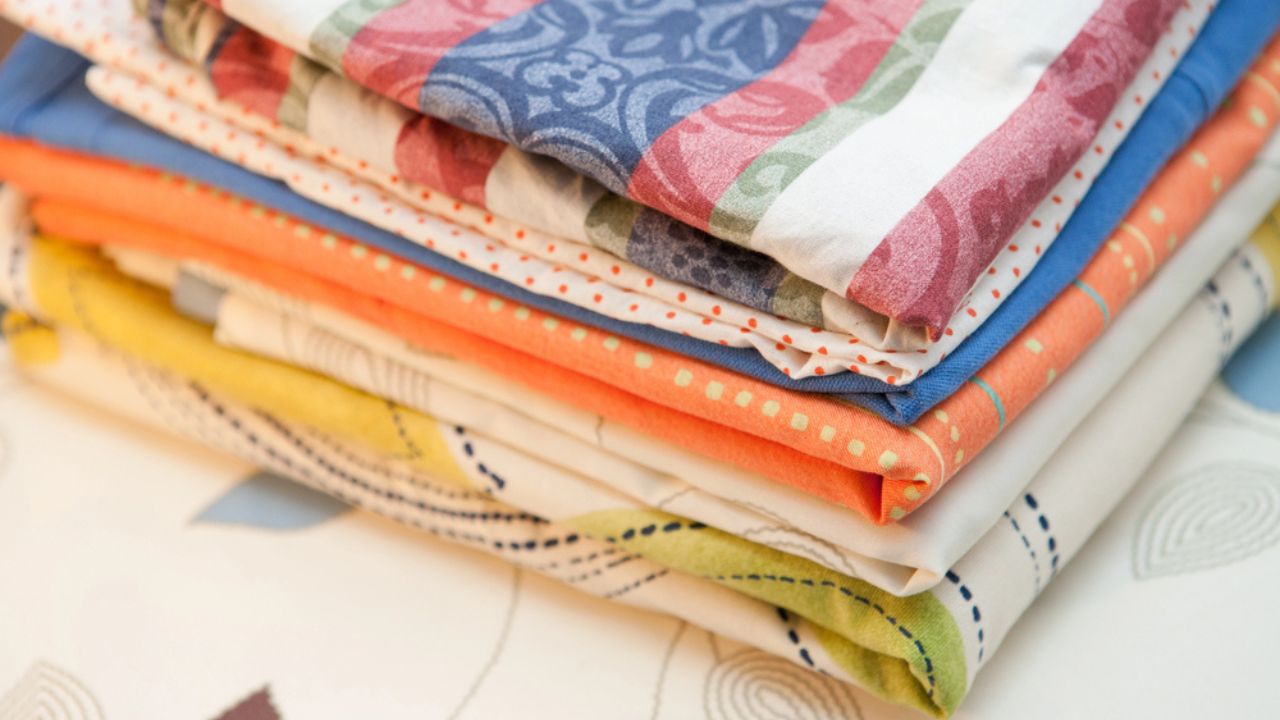
Linen closets notoriously hide fitted sheets without matching pillowcases. Pillowcases often lose their partners. Keeping a mismatched pile leads to messy storage and frustration when making the bed.
Guests appreciate sleeping on a cohesive set of sheets. Two quality sets per bed provide enough coverage for laundry days. Animal shelters often welcome donations of old, mismatched linens for pet bedding.
7. Excess Worn Towels
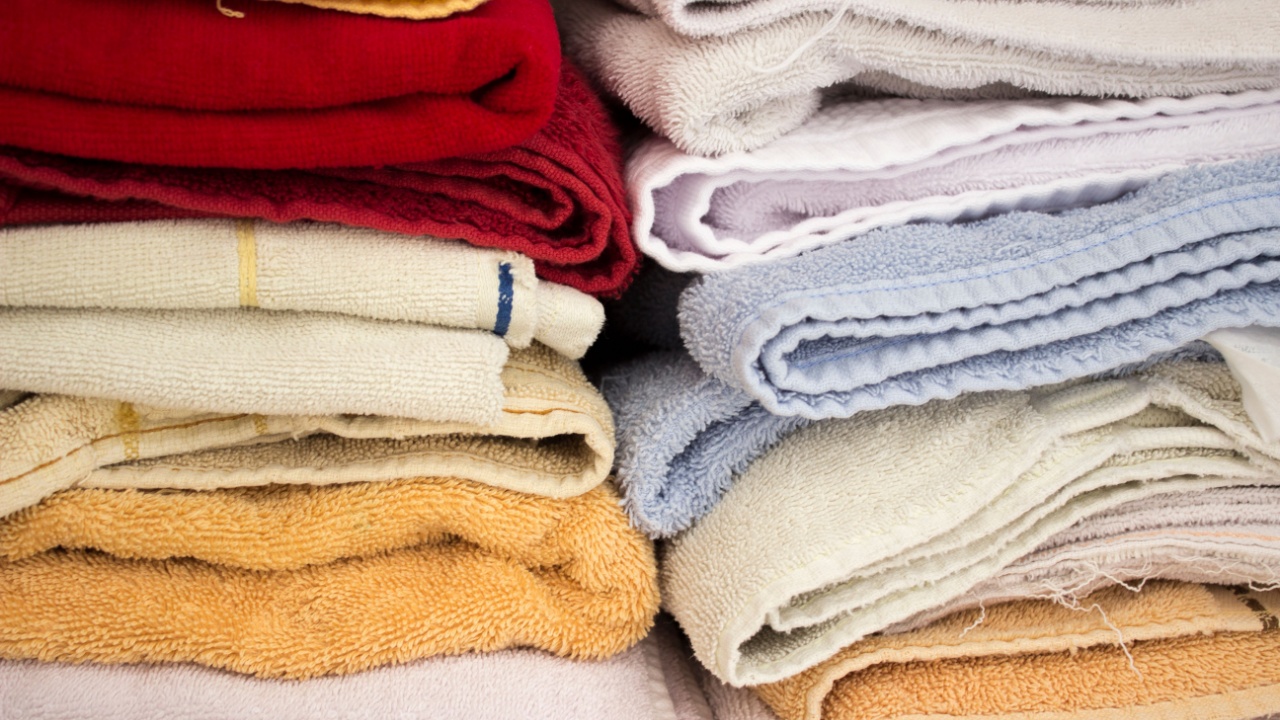
Towels have a lifespan. Threads fray, and absorbency decreases. Bleach stains appear. Yet people keep stacks of them. A household only requires a specific number of towels based on occupants and laundry frequency.
Ragged towels can quickly clutter up your bathroom and take up storage space. Consider downgrading a few to cleaning rags for household chores like wiping surfaces or drying pet paws. For the rest, remove them from your regular rotation entirely to make room for fresher, more functional options.
8. Novelty Mugs
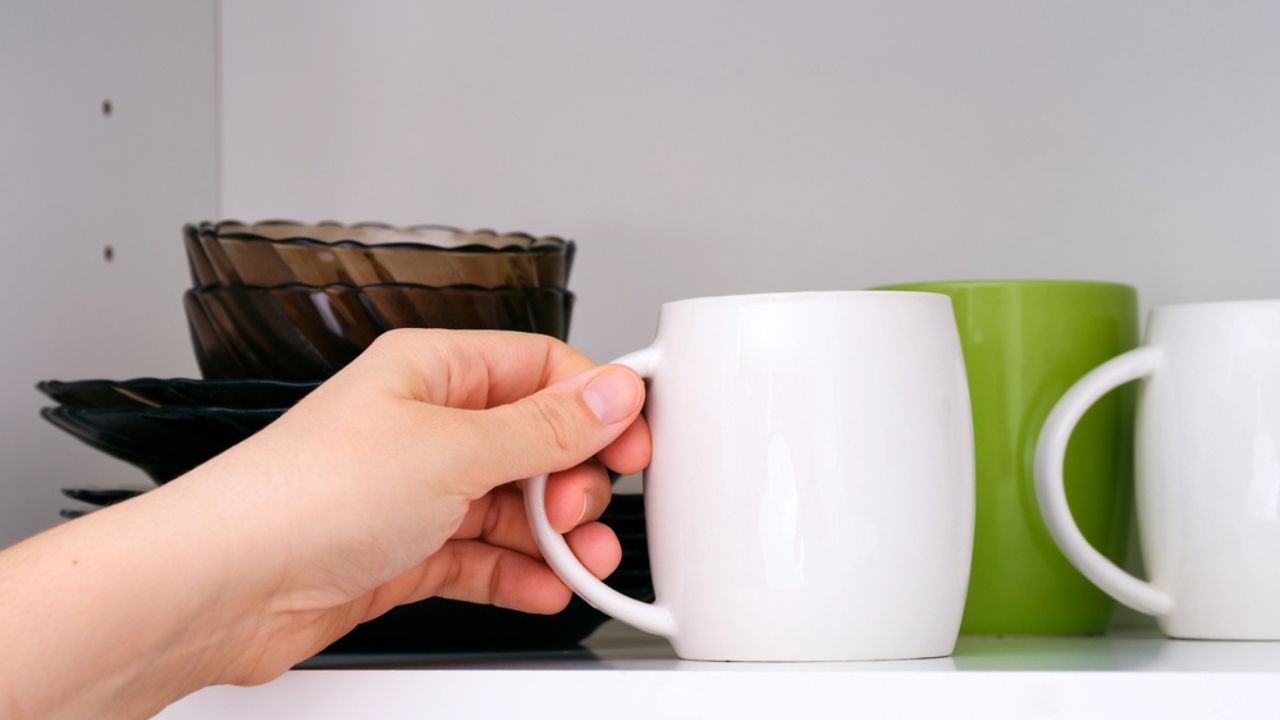
Cabinets have a mysterious ability to fill up with novelty mugs from every corner of life. Some mugs show up as freebies from trade shows or gift bags, while others sport tired jokes or faded cartoon characters. After a while, these oddballs outnumber the mugs people actually reach for during slow mornings or afternoon breaks.
The truth is, many rarely leave the shelf except to crowd the dishwasher. Those with chips or broken handles usually hide more germs than charm, and keeping them often just makes finding a decent mug harder. Clearing out the clutter leaves space for a collection that makes mornings feel more pleasant and organized, rather than like the start of a balancing act.
9. Obsolete Electronics
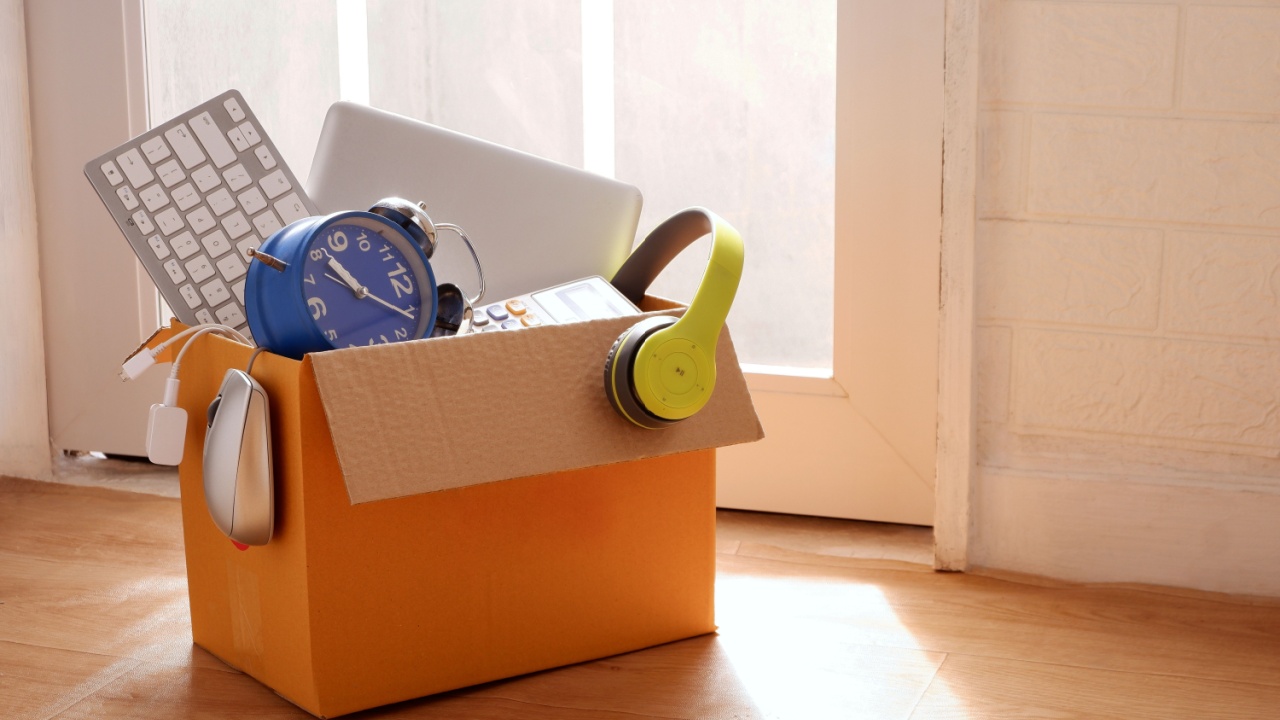
You probably have outdated gadgets, resting in tangled heaps of chargers, headphones missing the foam, or phones two operating systems behind. Many of these devices haven’t been powered on in years, yet still take up space, collecting dust and making the search for a working cable more complicated than it needs to be. Devices left untouched can also become leaky battery hazards or quietly take over the junk drawer until it’s barely usable.
Instead of putting off the inevitable, gather up the cords, cameras, and ancient remote controls that no longer serve any purpose. Local electronics stores and recycling centers usually accept piles of tech relics, giving them a better second act than silent retirement at the bottom of a drawer.
10. Stained Food Containers
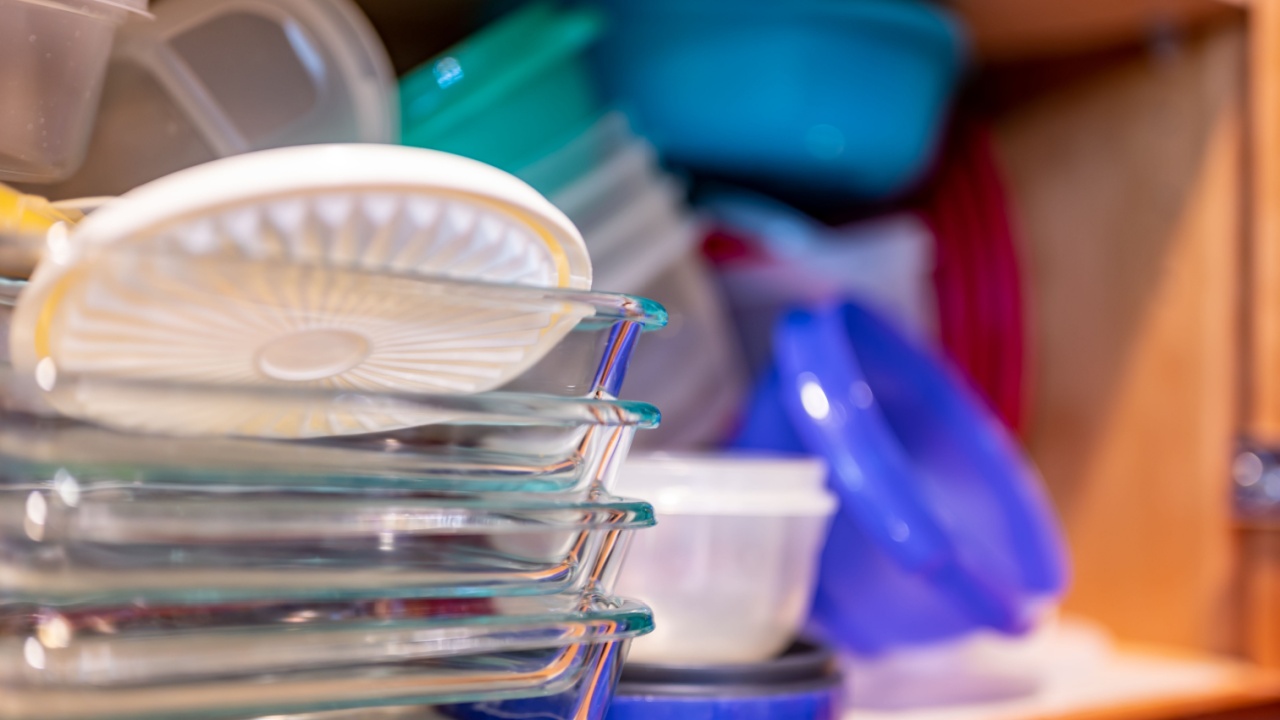
Plastic storage containers often multiply like rabbits behind closed cabinet doors. Many lose their matching lids or show the stubborn imprint of last week’s pasta. Stacking them only results in a plastic avalanche whenever someone braves the cupboard. Those orange-stained, warped containers don’t exactly inspire anyone to pack a lunch or eat leftovers.
Switching to a smaller set of glass containers clears up the chaos and feels far more reliable. Glass doesn’t hold on to smells, and it stands up to repeated use. Keeping just what’s needed, lids that actually fit bottoms, and containers that look and smell clean makes the routine of storing food simple again. Anything cracked, discolored, or perpetually missing its mate is more useful in the recycling bin than in the kitchen.
11. College Paper Clutter
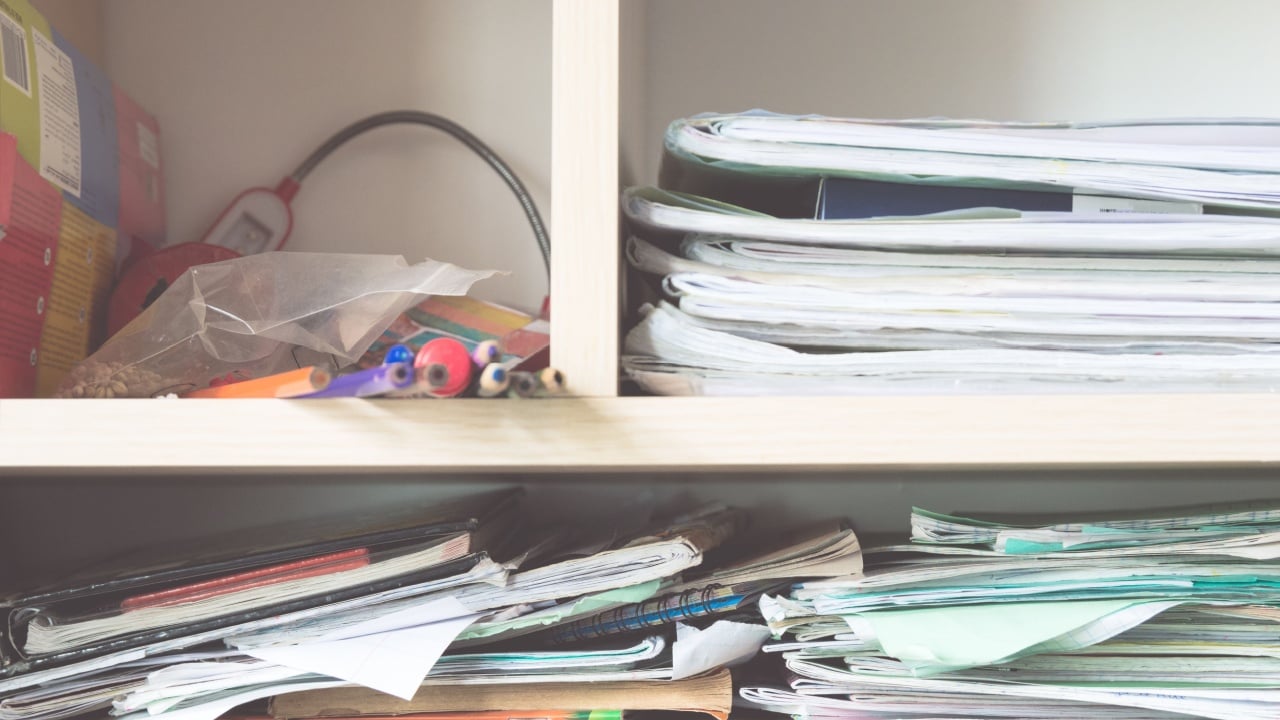
Stacks of outdated syllabuses, graded essays, and club flyers often find permanent homes in the back of closets or bottom desk drawers. Though each page might spark a quick trip down memory lane, most of them end up taking up space without ever being touched again. Organizing these piles can help you see just how much paper builds up over time.
Rather than letting notebooks and handouts collect dust, consider scanning anything truly memorable to keep it accessible without filling up bins. Keep the diploma and maybe one paper that made a professor proud. The rest, including miscellaneous notes and old assignments, can be recycled. Turning piles of old paper into digital files or clean desk space marks a shift toward a fresh, more organized chapter at home.
12. Unframed Wall Art
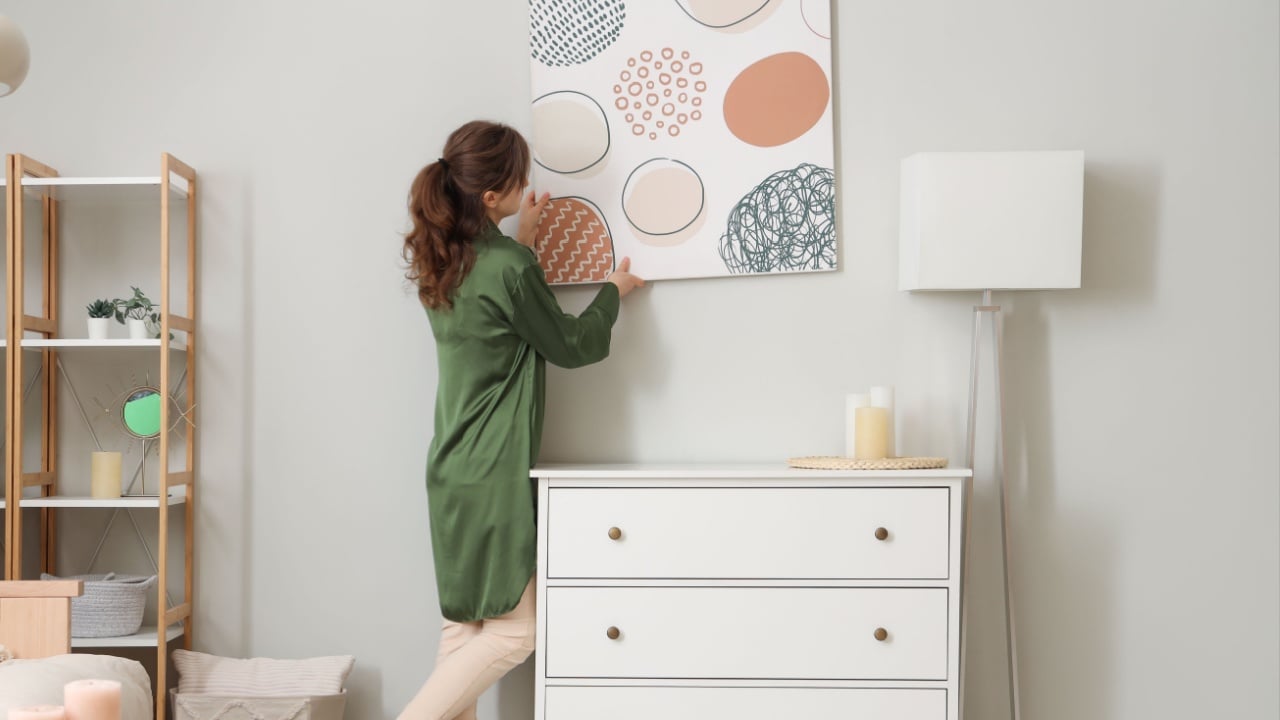
Hanging posters with tape or sticky tack might have worked in a dorm room, but it does little for a grown-up space. Edges start to curl, corners rip, and sticky residue is almost impossible to scrub away. Bare posters without protection quickly fade and end up looking like forgotten afterthoughts rather than pieces that express personality.
Choosing to frame artwork makes any living area feel more intentional. Frames give posters and prints the proper spotlight and create a finished look that feels welcoming. If a piece truly matters, it deserves this simple upgrade. If not, it may be time to let it go in favor of something that better reflects personal style or current interests.
Clearing Out and Moving Forward

Evaluating these items brings a lighter feeling to a home. It transforms a residence from a storage unit of the past into a space for the present. Take action by sorting these categories one at a time. Donate usable goods to local charities. Recycle paper and electronics responsibly. This process clears physical room. It also refreshes the mental state. Enjoy the new sense of order and maturity in the living space.