
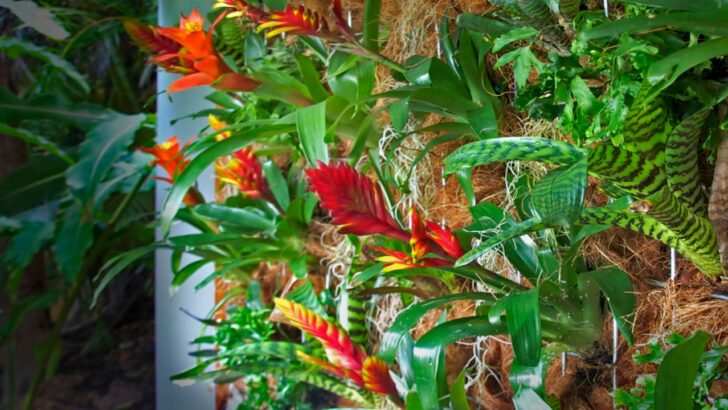
A living wall is more than just a garden—it’s a vertical masterpiece that brings life, color, and texture to any space (even small ones). You can build a green wall, a vertical garden, or a plant wall. This design feature transforms empty surfaces into vibrant, breathing works of art. For home and garden lovers, they offer a brilliant way to maximize growing space, especially on a balcony, patio, or even indoors.
Plus, there are tons of benefits to creating your own. Living walls act as natural air purifiers, improve mental well-being, and can even help insulate your home.
Choosing the right plants is the most crucial step to ensure your living wall thrives. You need adaptable varieties, have relatively shallow root systems and suit the light conditions of your chosen spot. This guide will walk you through 11 of the best plants that are perfect for creating a lush and successful vertical garden, verified by gardening experts we trust.
1. Ferns
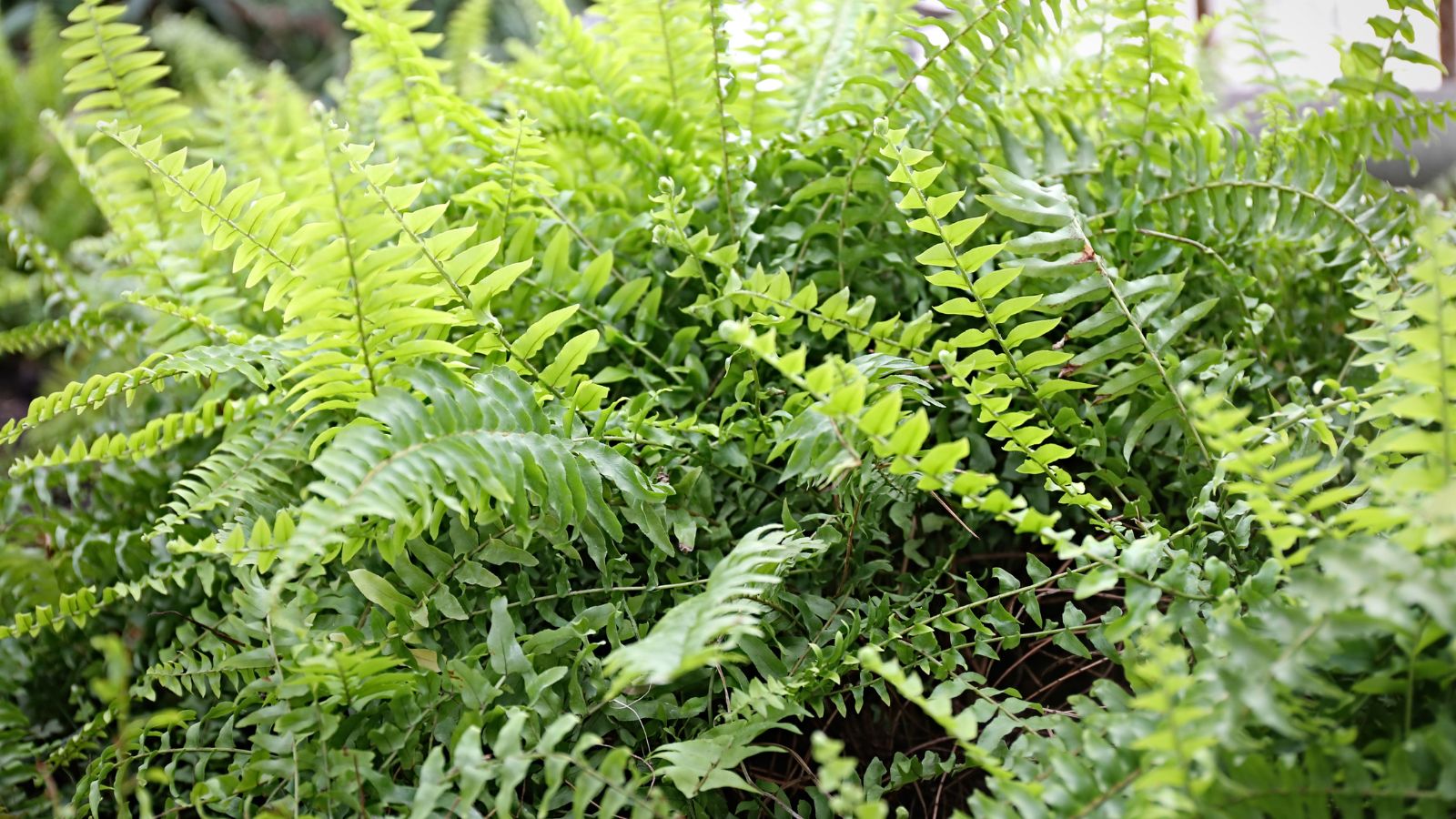
Image Credit: Depositphotos.com.
Ferns are a classic choice for vertical gardens, celebrated for their lush, feathery fronds that create an instant sense of a woodland retreat. Their adaptability and love for shade make them ideal for indoor walls or sheltered outdoor spots that don’t receive harsh, direct sunlight. Many fern varieties have a graceful, arching habit that helps to cover the structure of the wall system, creating a full and verdant look.
Why it’s a good option: Ferns thrive in the moist, well-drained conditions typical of many vertical garden systems. Their dense foliage is excellent for filling gaps and creating a cohesive design. Varieties like the Boston Fern, Sword Fern, and Bird’s Nest Fern offer different textures and shapes, allowing for creative combinations. They also appreciate the higher humidity that can occur when plants are grouped closely together.
Care Tips: Most ferns prefer consistently moist soil, so regular watering is key. They flourish in indirect light and should be protected from direct sun, which can scorch their delicate leaves. Since they tend to trail downwards, consider planting them in the upper or middle sections of your wall to allow their fronds to drape beautifully over the plants below.
Quick Guide:
- Light: Bright, indirect light or shade.
- Water: Keep soil consistently moist but not waterlogged.
- Best For: Creating a lush, tropical, or woodland feel.
- Varieties to Try: Boston Fern, Blue Star Fern, Bird’s Nest Fern.
2. Pothos
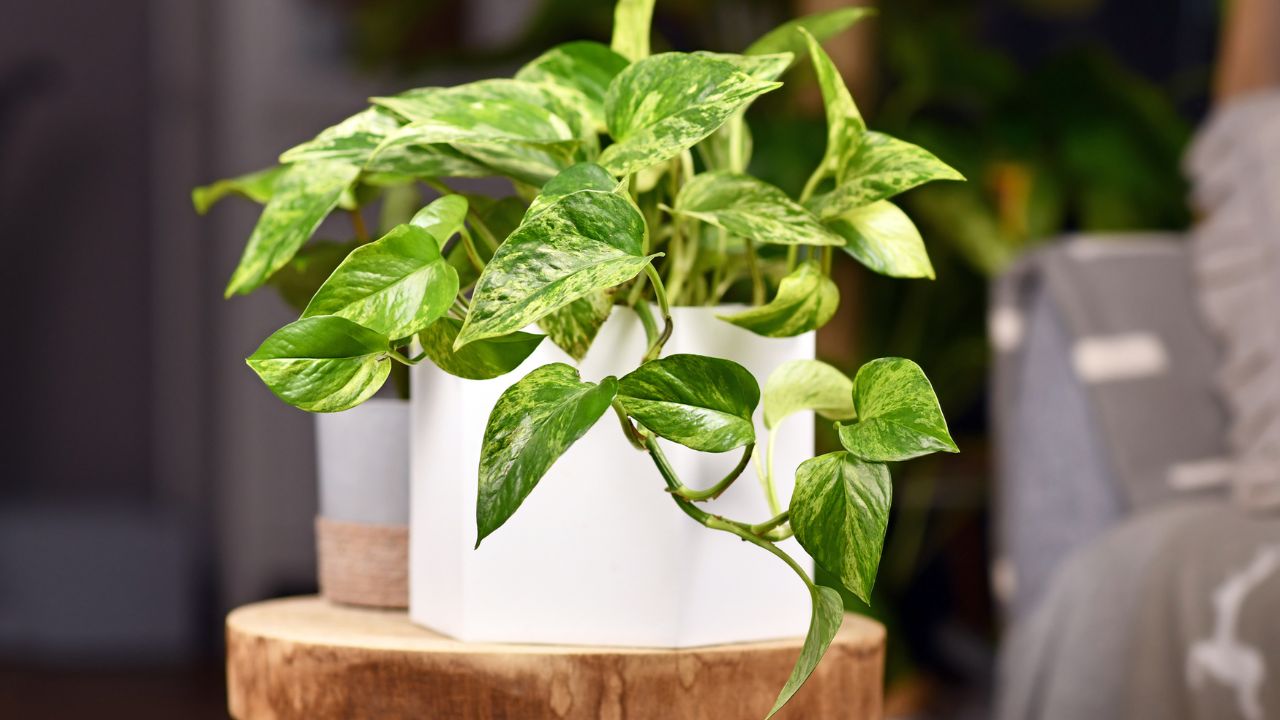
Image Credit: Shutterstock.
Pothos is arguably one of the most forgiving and versatile houseplants available, making it a superstar for vertical gardens. Known for its long, trailing vines and heart-shaped leaves, Pothos can quickly cover a wall with a cascade of green, gold, or variegated foliage. It’s incredibly resilient and can handle a range of indoor conditions, which is great for beginners.
Why it’s a good option: The vining nature of Pothos is its greatest asset for a living wall. You can let the vines hang down or train them to climb across the wall for a more interconnected look. It’s also known for its air-purifying qualities, helping to remove common toxins from your home. With a shallow root system, it adapts well to the limited soil space in vertical planter pockets.
Care Tips: Pothos is not fussy. It thrives in bright, indirect light but can tolerate lower light levels, although variegation may fade. Allow the top inch of soil to dry out between waterings. Overwatering is one of the few ways to upset this plant. Prune the vines occasionally to encourage fuller growth and keep the plant from getting too leggy.
Quick Guide:
- Light: Bright, indirect light; tolerates low light.
- Water: Water when the top inch of soil is dry.
- Best For: Fast-growing coverage and air purification.
- Varieties to Try: Golden Pothos, Marble Queen Pothos, Neon Pothos.
3. Succulents
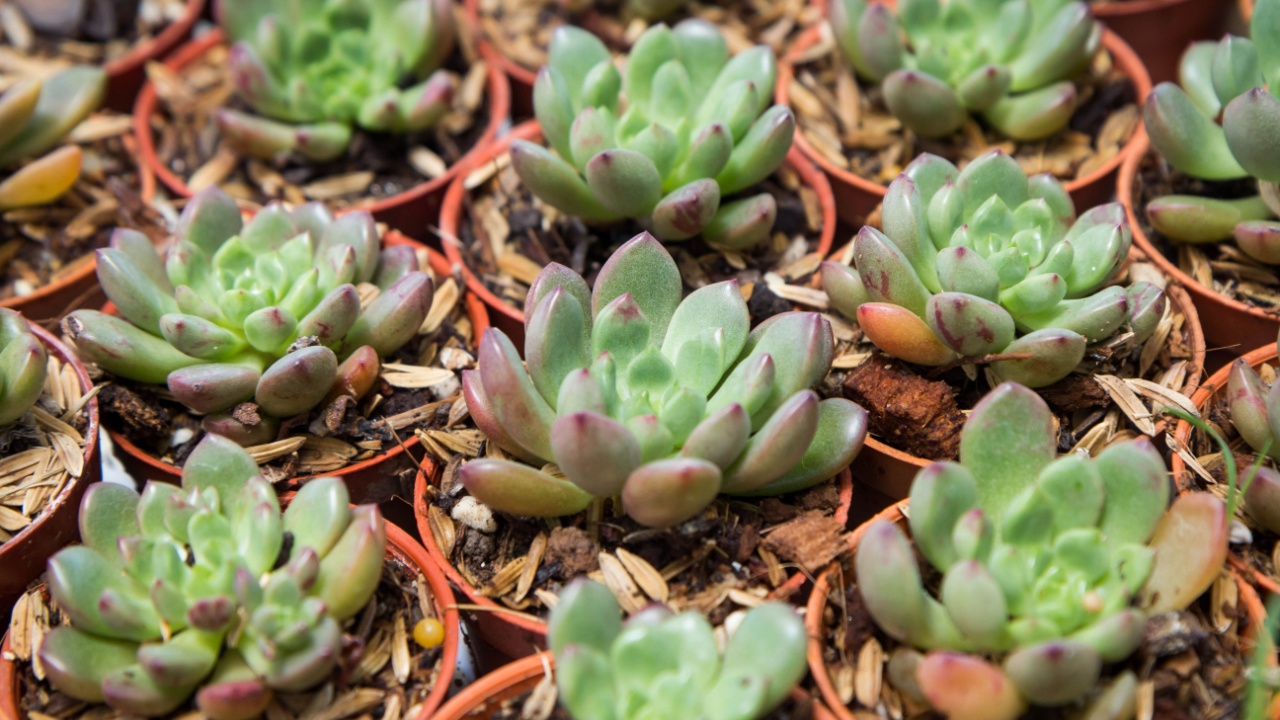
Image Credit: Shutterstock.
For a low-water, high-impact living wall, succulents are an unbeatable choice. Their diverse shapes, colors, and textures allow for stunning mosaic-like designs. From the rosette-forming Echeveria to the trailing String of Pearls, there is a succulent for every aesthetic. They are drought-tolerant, making them perfect for sunny spots and for gardeners who may occasionally forget to water.
Why it’s a good option: Succulents have shallow root systems and store water in their leaves, so they don’t need deep soil or constant moisture. This makes them perfectly suited for the small pockets of a vertical garden. They are slow-growing, which means your beautiful design will stay intact for a long time without needing frequent pruning.
Care Tips: The most important rule for succulents is to provide excellent drainage and avoid overwatering. Use a cactus or succulent potting mix. Most succulents need plenty of bright light, with many thriving in direct sun. A south- or west-facing wall is often ideal. Water deeply but infrequently, allowing the soil to dry out completely between waterings.
Quick Guide:
- Light: Bright, direct sunlight for most varieties.
- Water: Water sparingly; allow soil to dry completely.
- Best For: Sunny, dry locations and creating intricate patterns.
- Varieties to Try: Echeveria, Sempervivum, Sedum, Crassula.
4. Arrowhead Vine

Image Credit: Shutterstock.
The Arrowhead Vine (Syngonium podophyllum) is a beautiful and easy-to-care-for plant that brings a touch of elegance to any vertical garden. Its distinctive arrow-shaped leaves come in shades of green, pink, and burgundy. As the plant matures, it develops a climbing or trailing habit, making it wonderfully versatile for living walls.
Why it’s a good option: This plant’s low-maintenance nature and shallow root system make it a great candidate for vertical planting. Its foliage adds a unique shape and color contrast when planted alongside other greenery. It can adapt to various light conditions, growing well in medium to bright indirect light, which is common for indoor walls.
Care Tips: Keep the soil evenly moist but not soggy. Arrowhead Vines appreciate higher humidity, so they do well when grouped with other plants. You can trim the plant to maintain a bushy, compact shape or let its vines trail for a more dynamic look. It is a fast grower, so occasional pruning will keep it looking its best.
Quick Guide:
- Light: Medium to bright, indirect light.
- Water: Keep soil evenly moist.
- Best For: Adding interesting foliage shape and color.
- Varieties to Try: ‘White Butterfly’, ‘Pink Allusion’.
5. Bromeliads
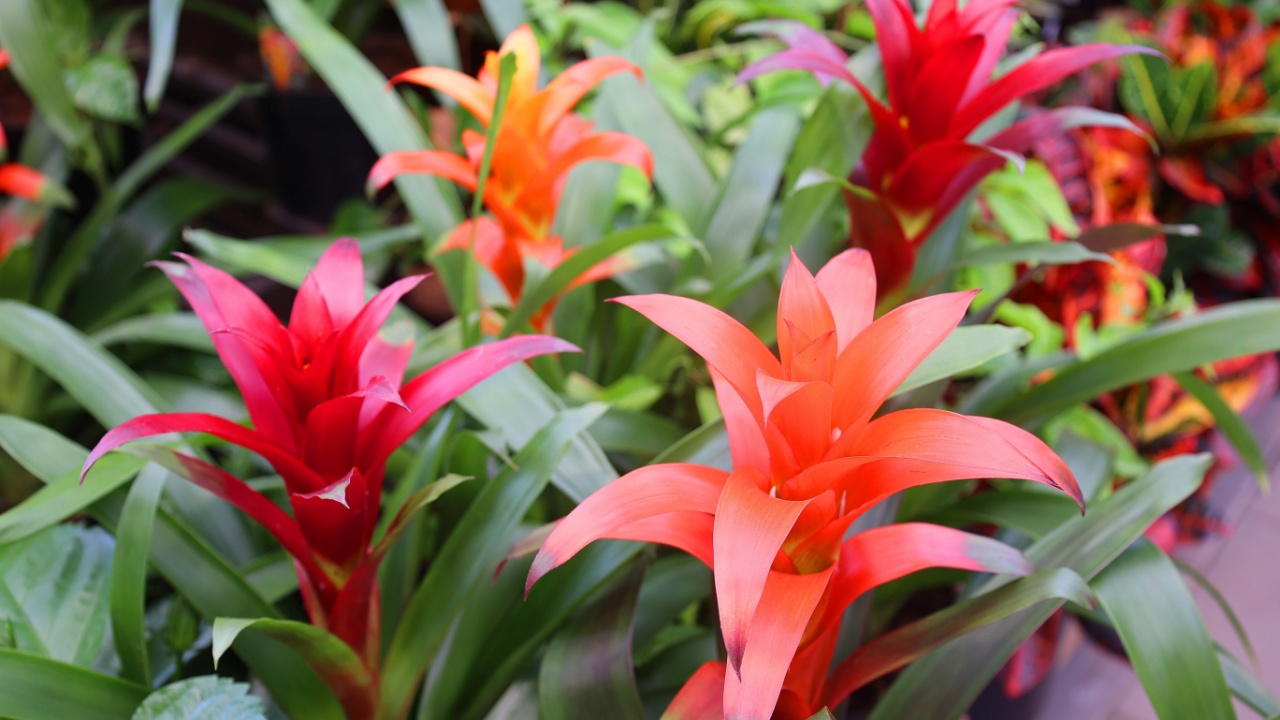
Image Credit: Shutterstock.
If you want to add a splash of exotic, long-lasting color to your living wall, look no further than Bromeliads. These tropical plants are famous for their vibrant, architectural foliage and stunning flower spikes that can last for months. Many Bromeliads are epiphytes, meaning they naturally grow on other plants or trees rather than in soil, so they are perfectly adapted to vertical life.
Why it’s a good option: Bromeliads have very small root systems that are primarily for anchoring the plant, not for absorbing nutrients. They absorb most of their water and nutrients through a central cup or “tank” formed by their leaves. This unique characteristic makes them ideal for vertical gardens where soil space is minimal. Their upright growth habit and brilliant colors create striking focal points.
Care Tips: Plant Bromeliads in a very loose, well-draining mix. Keep the central tank filled with fresh water, and flush it out every few weeks to prevent stagnation. Water the soil mix only when it feels dry. They prefer bright, indirect light to maintain their vibrant colors.
Quick Guide:
- Light: Bright, indirect light.
- Water: Keep the central tank filled with water; water the soil lightly.
- Best For: Adding bold, tropical color and structure.
- Varieties to Try: Guzmania, Vriesea, Neoregelia.
6. Spiderwort (Tradescantia)
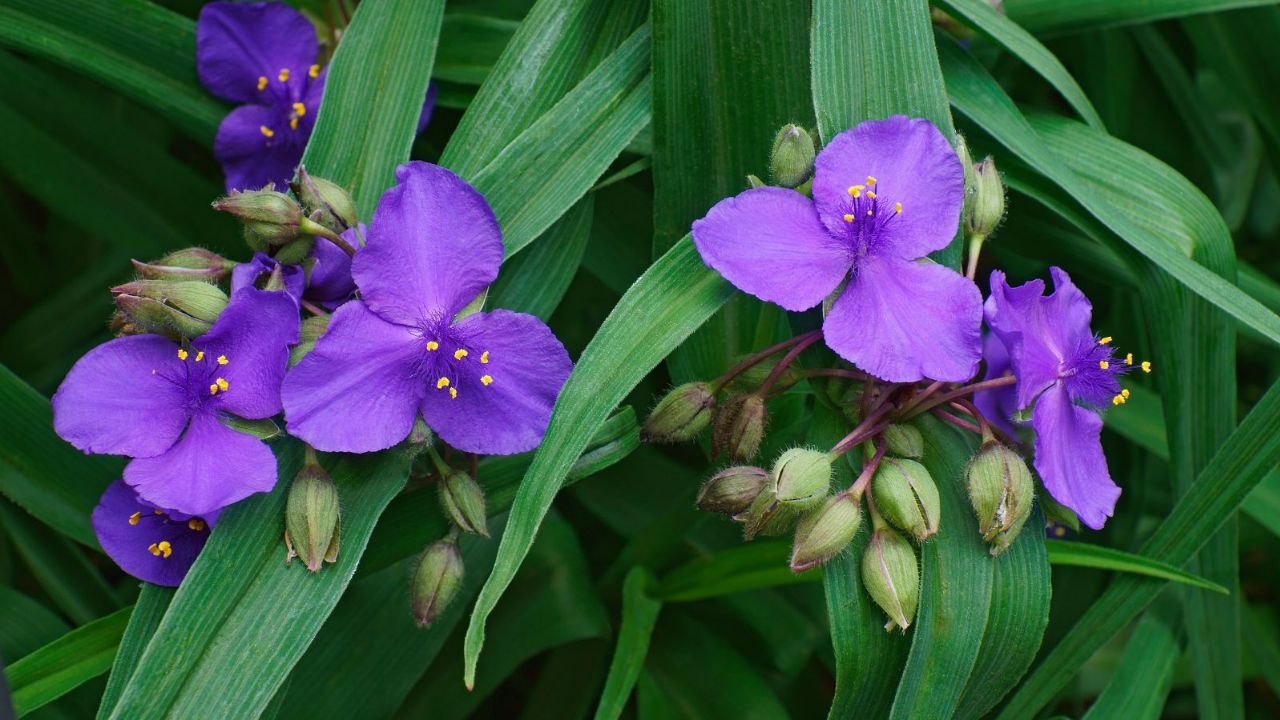
Image Credit: YAY Images.
Spiderwort, also known as Wandering Dude or Tradescantia, is a fast-growing and incredibly colorful plant. Its trailing stems are covered in eye-catching leaves, often with stripes of silver, purple, and green. This plant is a fantastic choice for quickly filling in a living wall and adding dramatic color and texture.
Why it’s a good option: Tradescantia is extremely easy to propagate and grows quickly, meaning it will cover your wall in no time. Its trailing habit is perfect for spilling over the edges of planters and creating a lush, full appearance. It’s also quite adaptable, thriving in a range of light conditions from partial shade to bright, indirect light.
Care Tips: Keep the soil moderately moist, but allow it to dry out slightly between waterings. Brighter light will produce more vibrant leaf color. Spiderwort can become leggy over time, so pinch back the stems regularly to encourage bushier growth. These cuttings can be easily rooted in water or soil to create new plants.
Quick Guide:
- Light: Bright, indirect light for best color.
- Water: Keep soil lightly moist.
- Best For: Rapid growth and vibrant, striped foliage.
- Varieties to Try: Tradescantia zebrina, Tradescantia pallida ‘Purpurea’.
7. Boat-lily

Image Credit: Dandarmkd (Own work)- CC BY-SA 4.0/Wiki Commons.
Boat-lily (Tradescantia spathacea), also known as Moses-in-the-Cradle, is a striking plant that forms a rosette of sword-shaped leaves. What makes it truly special is the color contrast: the leaves are typically deep green on top with rich purple undersides. This pop of color adds depth and interest to a green wall.
Why it’s a good option: The compact, rosette-forming growth habit of the Boat-lily works well in the individual cells of a vertical garden. It is a hardy and drought-tolerant plant that doesn’t demand much attention once established. The flash of purple from the leaf undersides provides a unique visual element, especially when viewed from different angles.
Care Tips: Boat-lilies thrive in bright, indirect light. They are quite tolerant of different watering schedules but do best when the soil is allowed to dry out between waterings. They are easy to care for and relatively pest-free, making them a reliable choice for any living wall.
Quick Guide:
- Light: Bright, indirect light.
- Water: Allow soil to dry between waterings.
- Best For: Adding a pop of purple and a unique structural shape.
- Varieties to Try: ‘Tricolor’ (with pink, green, and white stripes).
8. Teardrop Peperomia
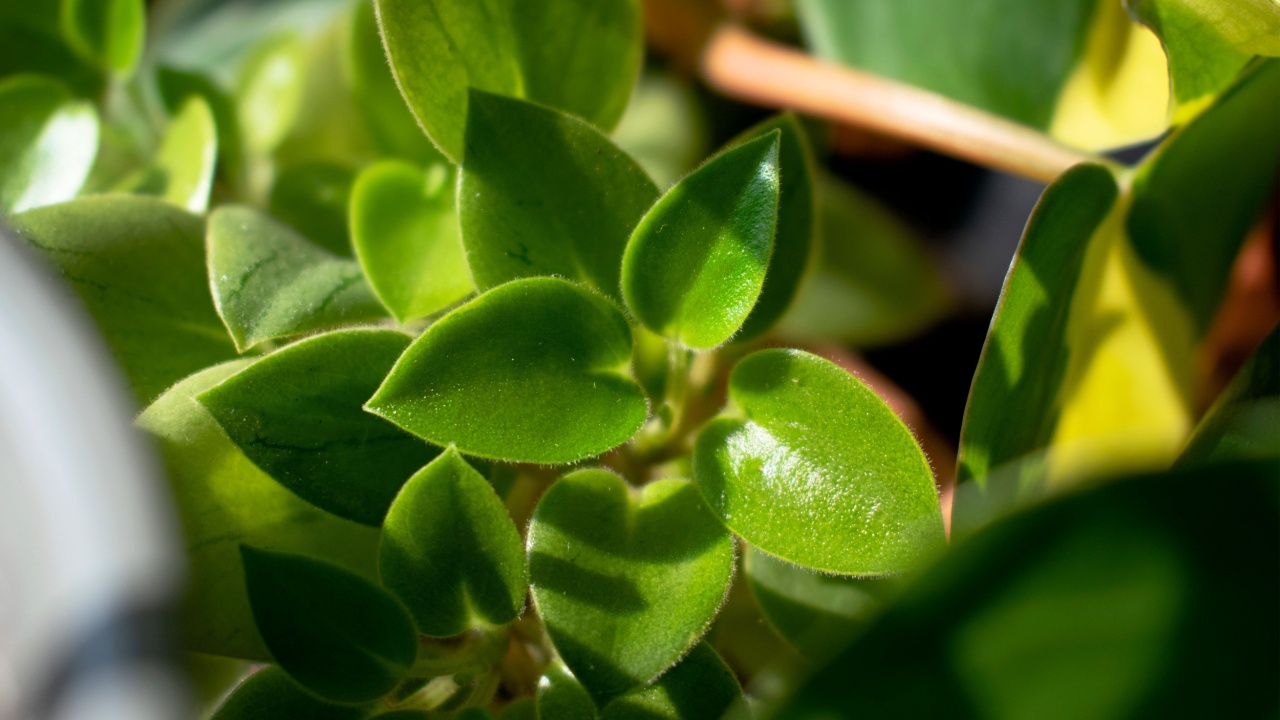
Image Credit: Shutterstock.
Peperomia is a vast genus of plants with an incredible diversity of foliage, and the Teardrop Peperomia (Peperomia orba) is a fantastic candidate for living walls. It has thick, succulent-like leaves and a compact growth habit. Many Peperomia varieties stay relatively small, making them perfect for fitting into the tight spaces of a vertical garden.
Why it’s a good option: Peperomias have fine, shallow root systems that do not require much space. Their leaves hold water, making them somewhat drought-tolerant and forgiving if you forget to water them. The sheer variety of leaf shapes, colors, and textures available in the Peperomia family means you can create a highly detailed and interesting wall design.
Care Tips: Peperomias prefer bright, indirect light and should be protected from direct sun. They are prone to root rot, so it’s crucial to let the soil dry out partially between waterings. They also appreciate higher humidity, which is a natural benefit of a living wall environment.
Quick Guide:
- Light: Bright, indirect light.
- Water: Water when the top 1-2 inches of soil are dry.
- Best For: Detailed designs with varied textures and colors.
- Varieties to Try: Peperomia orba, Ripple Peperomia (Peperomia caperata), Watermelon Peperomia (Peperomia argyreia).
9. Moss
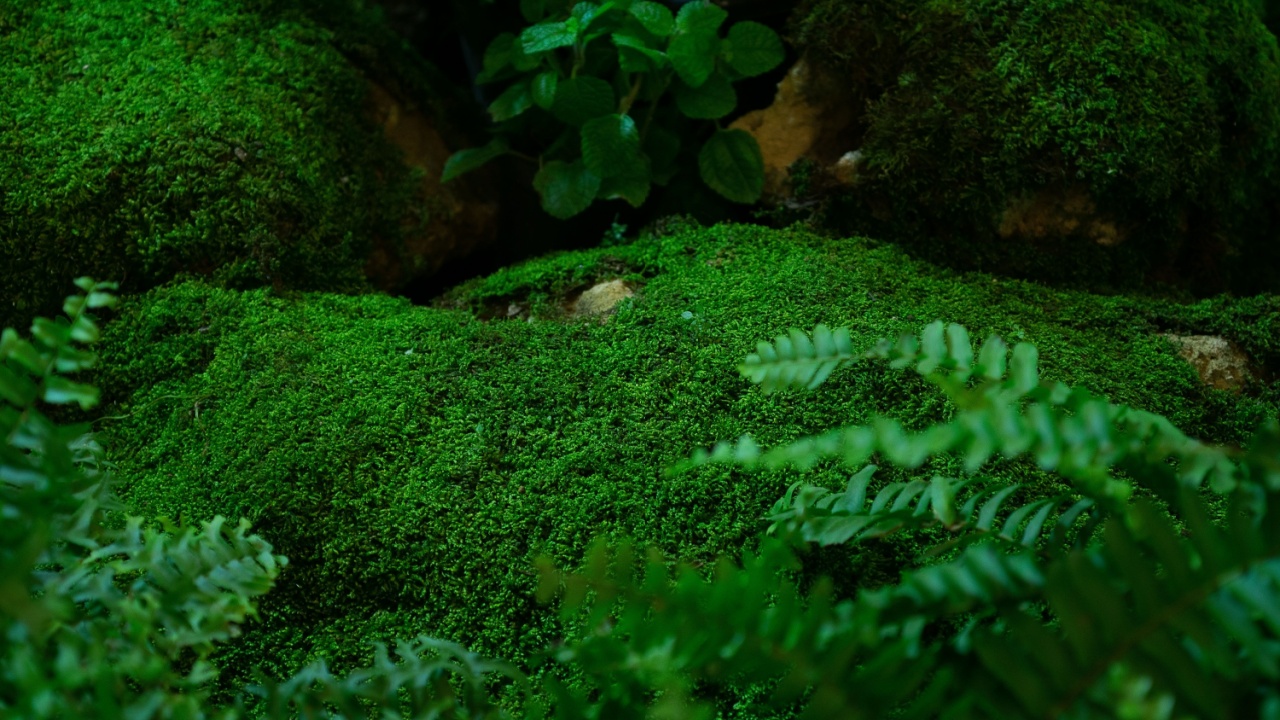
Image Credit: Shutterstock.
A moss wall offers a unique and minimalist aesthetic that is incredibly lush and green. You can use living moss for a true green wall, though it requires specific conditions like high humidity and low light. A more practical and increasingly popular alternative is preserved moss, which requires no water, light, or maintenance at all.
Why it’s a good option: Preserved moss provides the beautiful, natural look of a living wall with zero upkeep. It’s perfect for areas with low light where live plants would struggle. You can create amazing textures and patterns using different types of preserved moss, like the billowy Mood Moss or the spongy Reindeer Moss. For living moss, it’s great for shady, damp spots and creates a serene, naturalistic feel.
Care Tips: For a living moss wall, consistent moisture is critical; a misting system is often necessary. They need shade and good air circulation. For a preserved moss wall, the only care needed is occasional light dusting. Keep it out of direct sunlight to prevent the colors from fading.
Quick Guide:
- Light: Shade for living moss; any light for preserved moss (avoid direct sun).
- Water: Constant moisture for living moss; no water for preserved moss.
- Best For: A maintenance-free green look or a shady, damp environment.
- Varieties to Try: Sheet Moss, Mood Moss, Reindeer Moss (all available preserved).
10. Lipstick Plant
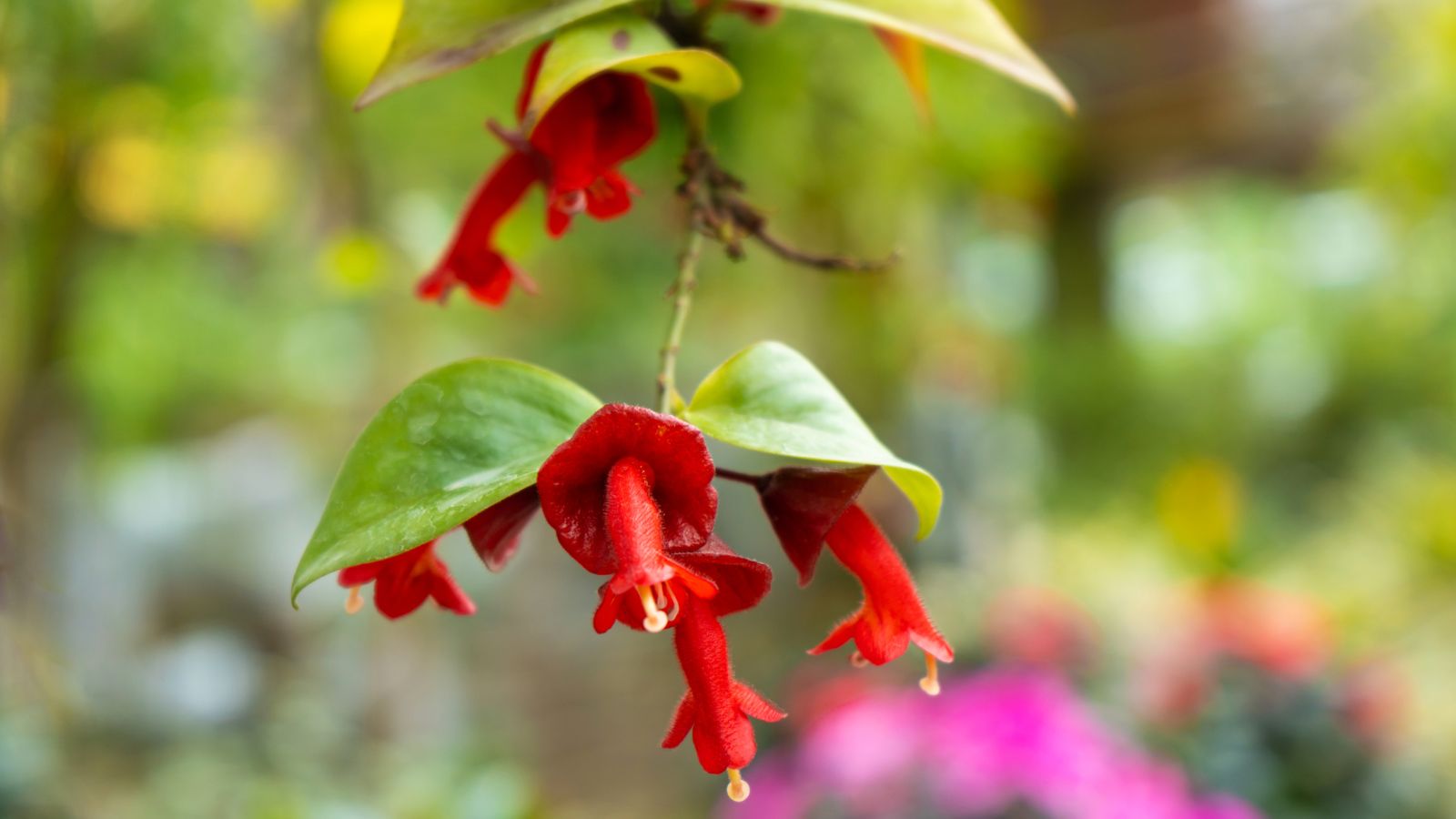
Image Credit: YAY Images.
The Lipstick Plant (Aeschynanthus radicans) gets its name from its fascinating flowers, which emerge from a dark tube, resembling a tube of lipstick. This trailing plant has waxy green leaves and produces vibrant red or orange blooms that add a pop of color. Its cascading nature makes it a perfect “spiller” plant for a living wall.
Why it’s a good option: The Lipstick Plant’s trailing habit allows it to drape beautifully down a vertical surface, softening the edges of the structure and filling in space. It thrives in the bright, indirect light and higher humidity often found in indoor vertical garden setups. The unique flowers provide a surprising and delightful visual treat.
Care Tips: Provide bright, indirect light to encourage flowering. Keep the soil evenly moist during the growing season, and let it dry out a bit more in the winter. Pruning the plant after it flowers will encourage more blooms and a fuller shape.
Quick Guide:
- Light: Bright, indirect light.
- Water: Keep soil consistently moist.
- Best For: A trailing plant with unique, colorful flowers.
- Varieties to Try: ‘Black Pagoda’, ‘Mona Lisa’.
11. Creeping Fig

Image Credit: Shutterstock.
Creeping Fig (Ficus pumila) is a vigorous, self-clinging vine that can quickly cover a wall with its small, delicate, heart-shaped leaves. It attaches itself to surfaces with small aerial rootlets, creating a dense mat of greenery that looks like it has been there for years.
Why it’s a good option: If your goal is complete and total coverage, Creeping Fig is an excellent choice. It’s a fast-growing, tenacious climber that will readily adhere to many wall surfaces or trellises. Its fine texture provides a beautiful, classic backdrop for other plants or can be used on its own for a uniform, ivy-covered look.
Care Tips: Creeping Fig prefers bright, indirect light but can tolerate lower light levels. Keep the soil consistently moist. This plant grows very fast and can become aggressive, so regular pruning is essential to keep it in check and prevent it from covering areas you don’t want it to.
Quick Guide:
- Light: Bright, indirect light.
- Water: Keep soil consistently moist.
- Best For: Fast, dense wall coverage with a fine texture.
- Good To Know: Requires regular pruning to control its vigorous growth.
Starting Your Living Wall
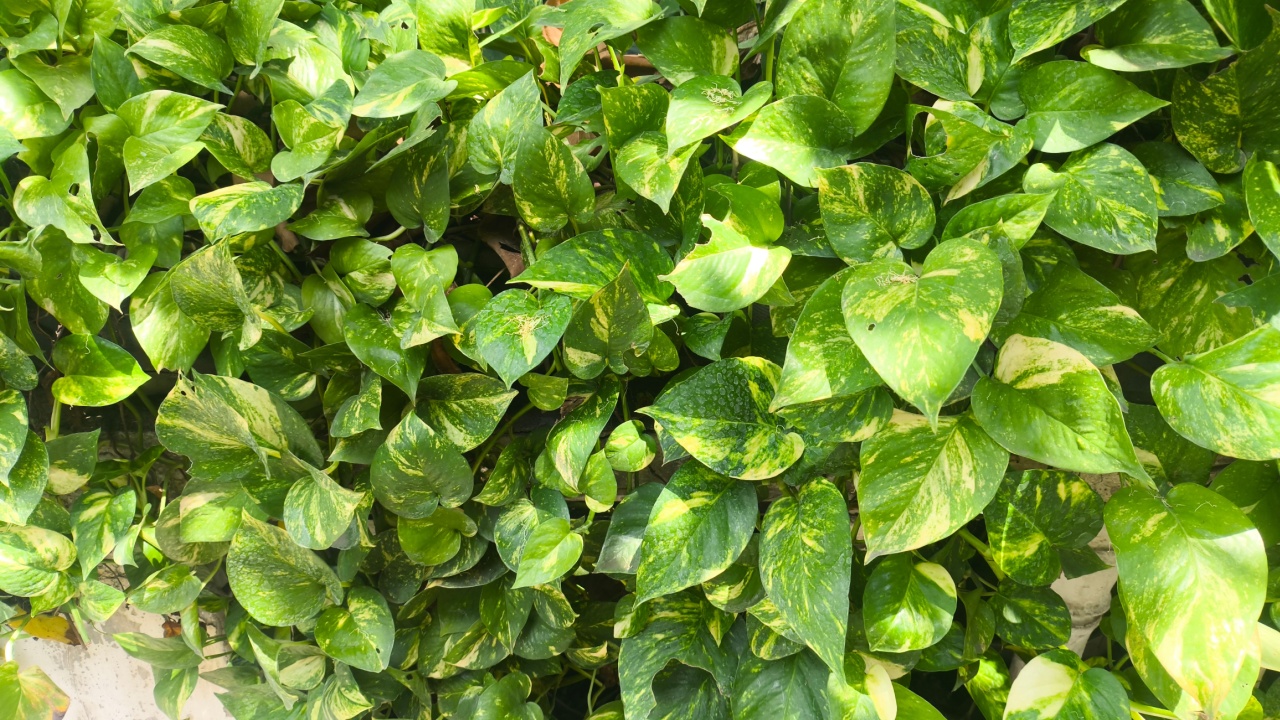
Image Credit: Shutterstock.
Feeling inspired to create your own vertical garden? The first step is to choose your location and assess its light conditions. This will help you select the right plants from this list. Next, research the different types of living wall systems available—from simple pocket planters to more complex modular and hydroponic setups—to find one that fits your space and budget. Start with a few of these recommended plants and don’t be afraid to mix and match textures, colors, and growth habits.
A combination of “thriller” plants (like Bromeliads), “filler” plants (like Ferns), and “spiller” plants (like Pothos) will create a dynamic and professional-looking design. Once it’s thriving, it’s something that will bring you joy and beauty for years to come.