

Decorating your home and cultivating a beautiful garden is a rewarding experience, but it can quickly become expensive. New furniture, tools, and decor can strain your budget, leaving you feeling like your dream space is just out of reach.
What if you could find high-quality, unique pieces for your home and garden without the hefty price tag? Shopping secondhand is the answer. It’s a fantastic way to save money, reduce waste, and discover one-of-a-kind treasures that add character and charm to your living spaces, both indoors and out.
From sturdy garden tools that have stood the test of time to solid wood furniture waiting for a new life, the world of secondhand shopping is filled with opportunities. You can furnish your patio, stock your tool shed, and decorate your living room for a fraction of the cost of buying new. This guide will walk you through the 14 best items to buy secondhand, offering tips on what to look for and how to care for your new-to-you finds.
1. Garden Tools
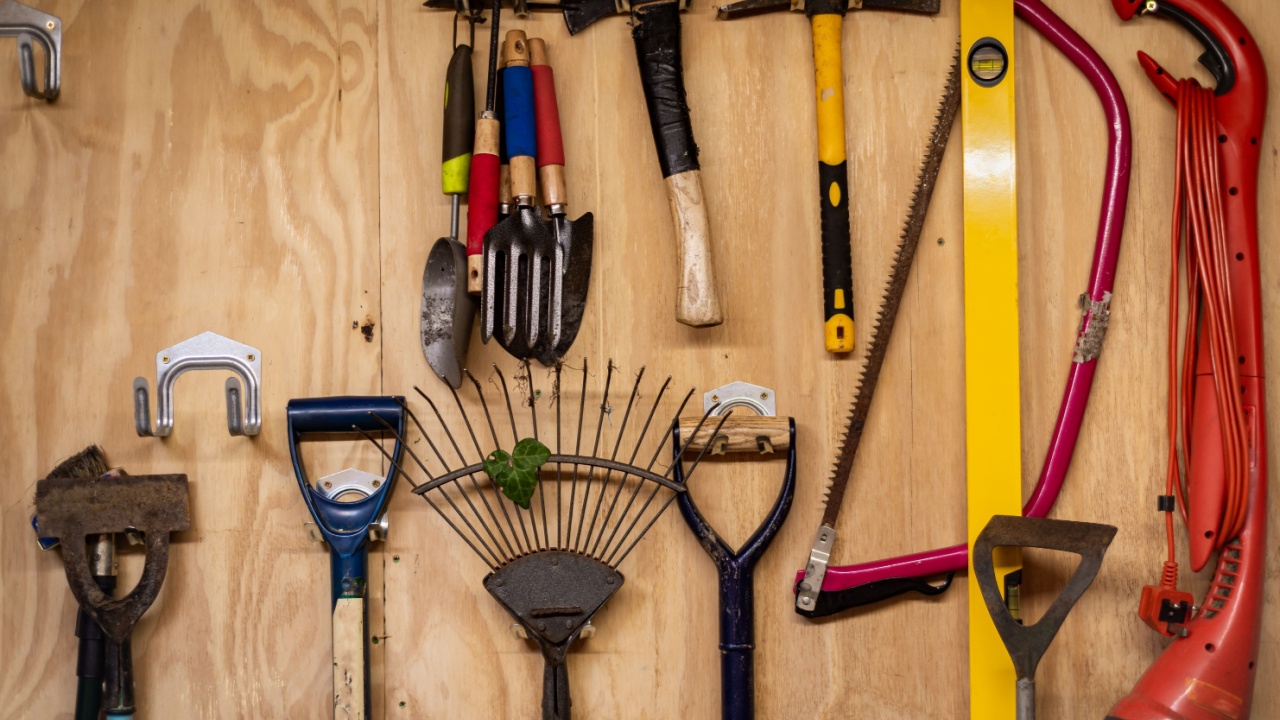
Image Credit: Shutterstock.
High-quality garden tools are built to last, which makes them perfect for secondhand buying. Items like shovels, rakes, hoes, and trowels made from solid metal and wood can serve you for years, often outlasting their modern, plastic-heavy counterparts. You can find these tools at estate sales, local marketplaces, and online for a fraction of their original cost.
Why it’s a good option is simple: durability. Older tools were often made with superior materials. A little rust is usually just superficial and can be easily removed. This approach not only saves you money but also gives a perfectly functional tool a second chance, keeping it out of a landfill.
- Care Tips: To restore an old tool, start by removing any rust with steel wool or a wire brush. You can then sharpen blades on shovels or pruners with a file. Sand down wooden handles and apply a coat of linseed oil to protect the wood and prevent splinters.
- What to Look For: Solid metal construction, hardwood handles.
- What to Avoid: Deep, flaking rust; cracked or splintered handles that can’t be easily replaced.
- Next Steps: Clean and sharpen your “new” tools before adding them to your garden shed.
2. Outdoor Furniture & Patio Sets
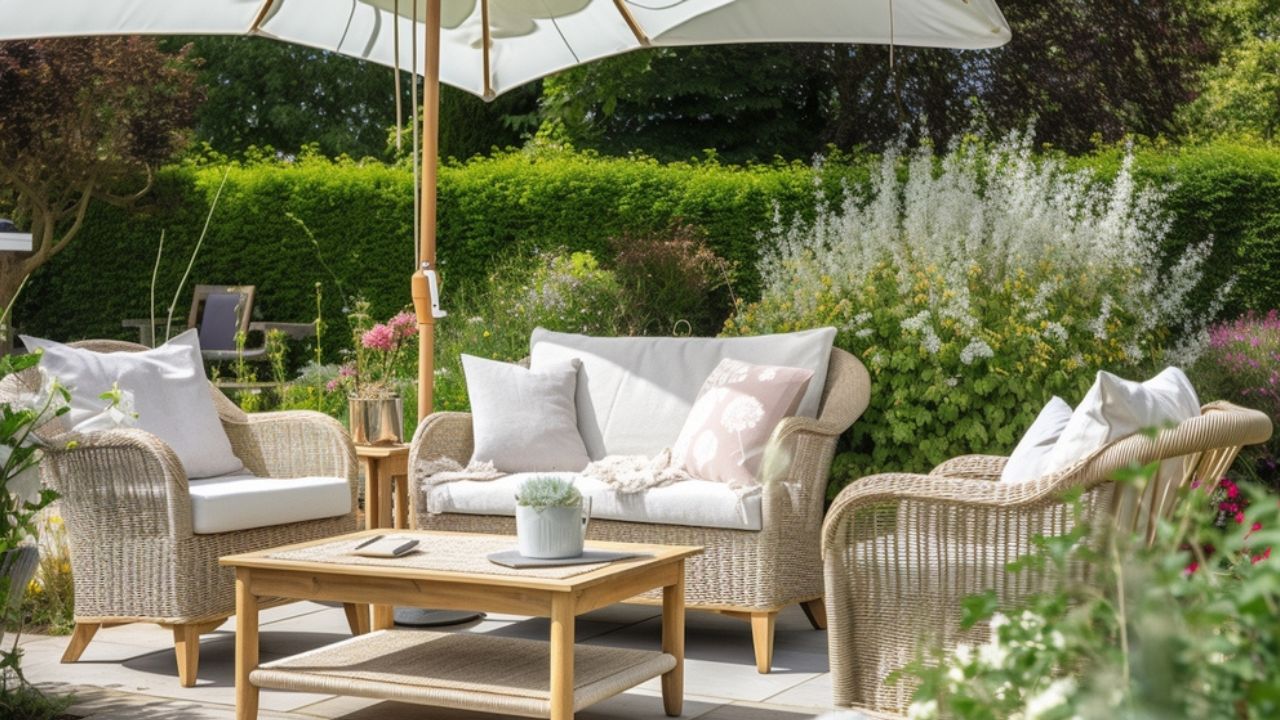
Image Credit: Shutterstock.
Patio furniture can be a significant investment, but you can find amazing deals on used sets. People often sell their outdoor furniture when they move or decide to upgrade, creating an opportunity for you to score a high-quality set for much less. Look for pieces made from cast iron, aluminum, or durable woods like teak and cedar to turn your backyard into a luxurious patio dream.
These materials are designed to withstand the elements, so even if a set looks a bit weathered, it often just needs a little TLC to look great again. This is a much more sustainable and budget-friendly way to create a comfortable and inviting outdoor living area.
- Care Tips: For metal furniture, sand off any rust spots and apply a fresh coat of rust-resistant spray paint. For wood furniture, a good cleaning followed by a light sanding and a new coat of sealant or outdoor-grade paint can make it look brand new. Always check for structural integrity before you buy.
- What to Look For: Sturdy frames made of metal or hardwood; complete sets.
- What to Avoid: Major rust damage that affects stability; rotting wood; irreparable wicker.
- Next Steps: Clean the furniture thoroughly and apply a protective finish to prepare it for your patio or deck.
3. Planters and Pots
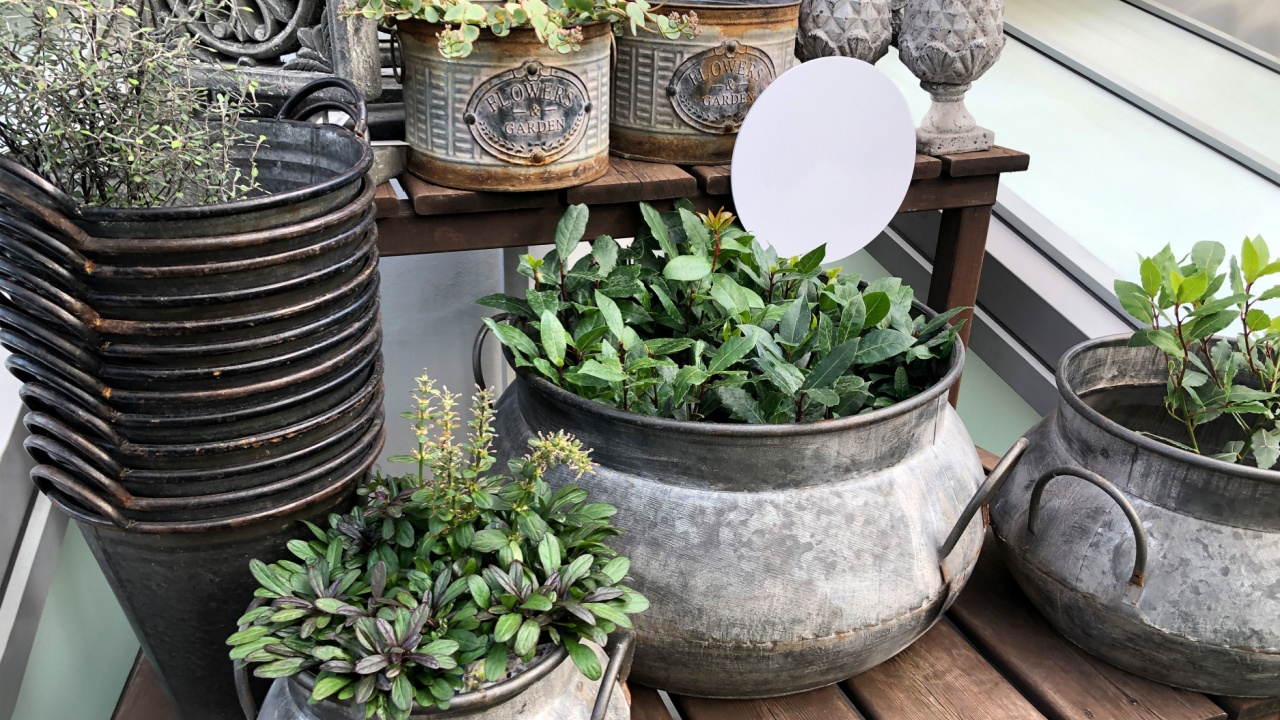
Image Credit: Shutterstock.
Walk into any garden center, and you’ll see how quickly the cost of new pots and planters can add up, especially for larger sizes or unique materials like terracotta, ceramic, or concrete. The secondhand market is overflowing with them. You can find everything from small, simple pots to large, ornate urns at garage sales, thrift stores, and online marketplaces.
Buying used pots is an excellent way to get more for your money, allowing you to create stunning container gardens without breaking the bank. Each pot has its own history and patina, adding instant character to your garden or porch. (Bonus: Repurpose other types of containers for the garden.)
- Care Tips: Before using a secondhand pot, it’s crucial to sterilize it to prevent transferring any diseases to your plants. Soak the pot in a solution of one part bleach to nine parts water for at least 10 minutes, then scrub it clean with soap and water and rinse thoroughly.
- What to Look For: Interesting shapes and materials; pots with drainage holes.
- What to Avoid: Pots with large, structural cracks (small hairline cracks are often fine).
- Next Steps: Sterilize your pots before filling them with fresh soil and your favorite plants.
4. Solid Wood Furniture
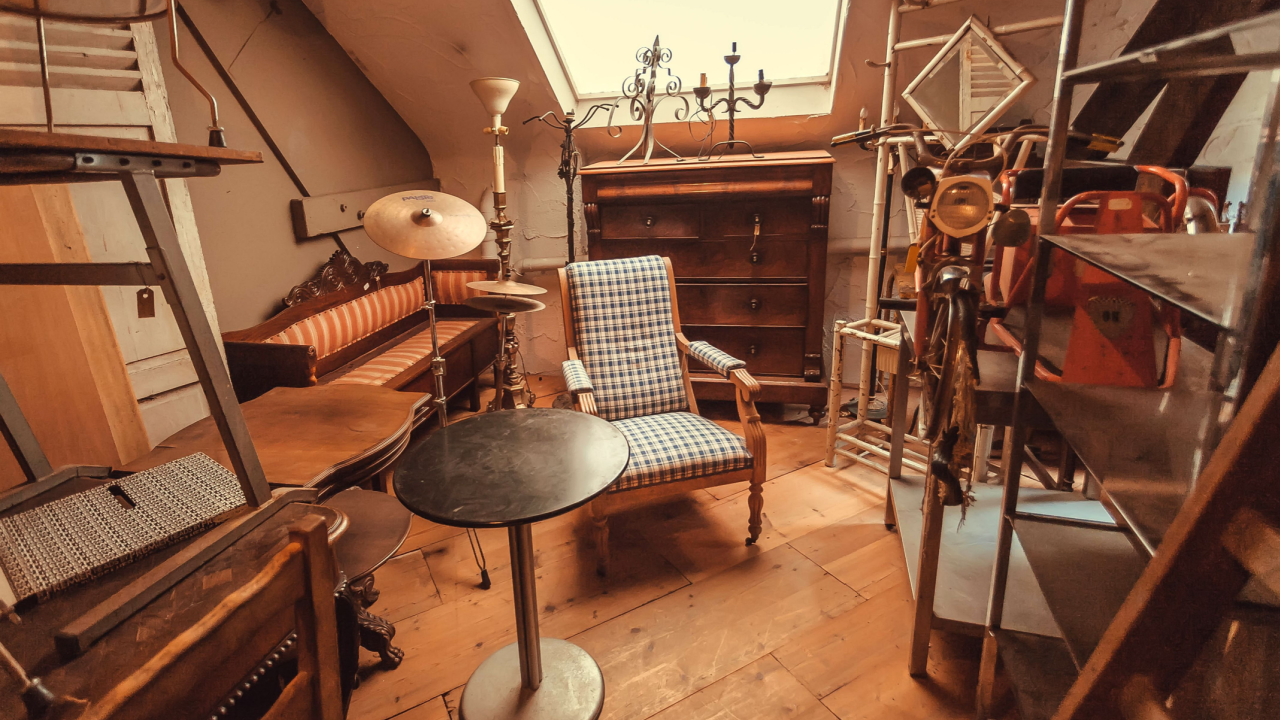
Image Credit: Radiokafka at Shutterstock.
Solid wood furniture, such as dressers, bookcases, tables, and chairs, is one of the best investments you can make when shopping secondhand. Unlike modern flat-pack furniture made from particleboard, older solid wood pieces were built to endure. Scratches, dings, or an outdated finish can all be fixed, leaving you with a high-quality item that can last for generations.
These pieces offer incredible value. For the price of a cheap, new bookcase, you could find a solid oak or mahogany piece that adds warmth and timeless style to your home. Refinishing or painting these items is a satisfying DIY project that results in a custom piece perfectly suited to your decor.
- Care Tips: To update a wood piece, clean it thoroughly. For a simple refresh, use a product like Restor-A-Finish. For a full makeover, sand the piece down and apply a new coat of stain, varnish, or paint. Updating hardware like knobs or pulls is an easy way to modernize the look.
- What to Look For: Dovetail joints in drawers, heavy weight, brand names like Drexel or Ethan Allen.
- What to Avoid: Signs of woodworm (small holes), a musty smell that won’t go away, warped surfaces.
- Next Steps: Decide if you want to use the piece as-is or plan a refinishing project to match your style.
5. Books

Image Credit: Shutterstock.com.
Whether you’re looking for gardening guides, cookbooks, or novels to read on the patio, books are fantastic to buy secondhand. Used bookstores and online sellers offer countless titles for just a few dollars each. Building a home library or finding inspiration for your next garden project becomes incredibly affordable.
Beyond the savings, buying used books is an environmentally friendly choice. It gives a book a new home and reduces the demand for new paper production. You might even stumble upon a vintage edition with beautiful illustrations or a charming inscription from a previous owner.
- Care Tips: If a book has a musty smell, you can place it in a sealed container with baking soda or activated charcoal for a few days to absorb the odor. Use a soft cloth to gently wipe dust from the covers and page edges.
- What to Look For: Books in good condition with intact spines and no missing pages.
- What to Avoid: Water damage, mold, or mildew.
- Next Steps: Organize your new collection on a shelf and dive into a new world of reading.
6. Dishes and Glassware

Image Credit: Shutterstock.com
Looking to host a garden party or simply upgrade your everyday dinnerware? Thrift stores and online resale sites are treasure troves of beautiful dishes, glasses, and serving platters. You can find full sets of vintage china, unique hand-blown glasses, or sturdy everyday plates for pennies on the dollar.
Mixing and matching different patterns can create a charming, eclectic tablescape that is uniquely yours. It’s an easy way to acquire high-quality pieces, such as durable stoneware or delicate porcelain, that would be very expensive to buy new.
- Care Tips: Always inspect for chips and cracks before buying. Once you get them home, give everything a thorough wash in hot, soapy water. If you’ve purchased vintage china with metallic trim, be sure to hand-wash it to preserve the finish.
- What to Look For: Complete sets, unique patterns, durable brands like Corelle or Pyrex.
- What to Avoid: Items with chips on the rim, cracks, or crazing (a fine network of cracks in the glaze).
- Next Steps: Wash your new-to-you dishes and set a beautiful table for your next meal.
7. Cast Iron Cookware
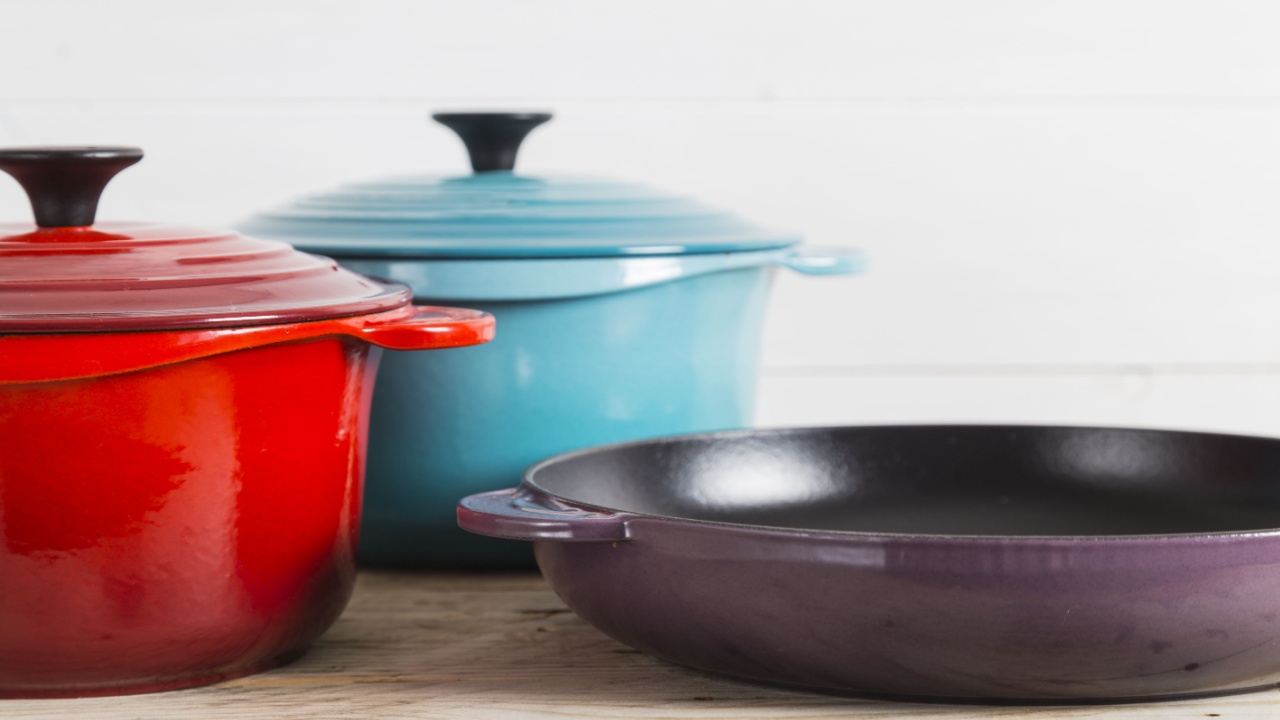
Image Credit: Shutterstock.
A well-seasoned cast-iron skillet is a kitchen essential that only gets better with age. New cast iron can be pricey, but you can often find used skillets, Dutch ovens, and griddles at thrift stores or flea markets for a great price. Even a rusty, neglected piece can be restored to its former glory.
Cast iron provides excellent heat retention and distribution, making it ideal for everything from searing steaks to baking cornbread. With proper care, a secondhand skillet can be passed down for generations, making it a truly sustainable and valuable purchase.
- Care Tips: To restore a rusty pan, scrub it with steel wool and vinegar. Once the rust is gone, wash the pan, dry it completely, and re-season it by coating it with a thin layer of cooking oil and baking it in the oven for an hour.
- What to Look For: Trusted brand names like Griswold or Wagner; pans that sit flat without wobbling.
- What to Avoid: Pans with cracks or deep pitting on the cooking surface.
- Next Steps: Strip and re-season your pan to create a non-stick surface ready for cooking.
8. Picture Frames and Mirrors
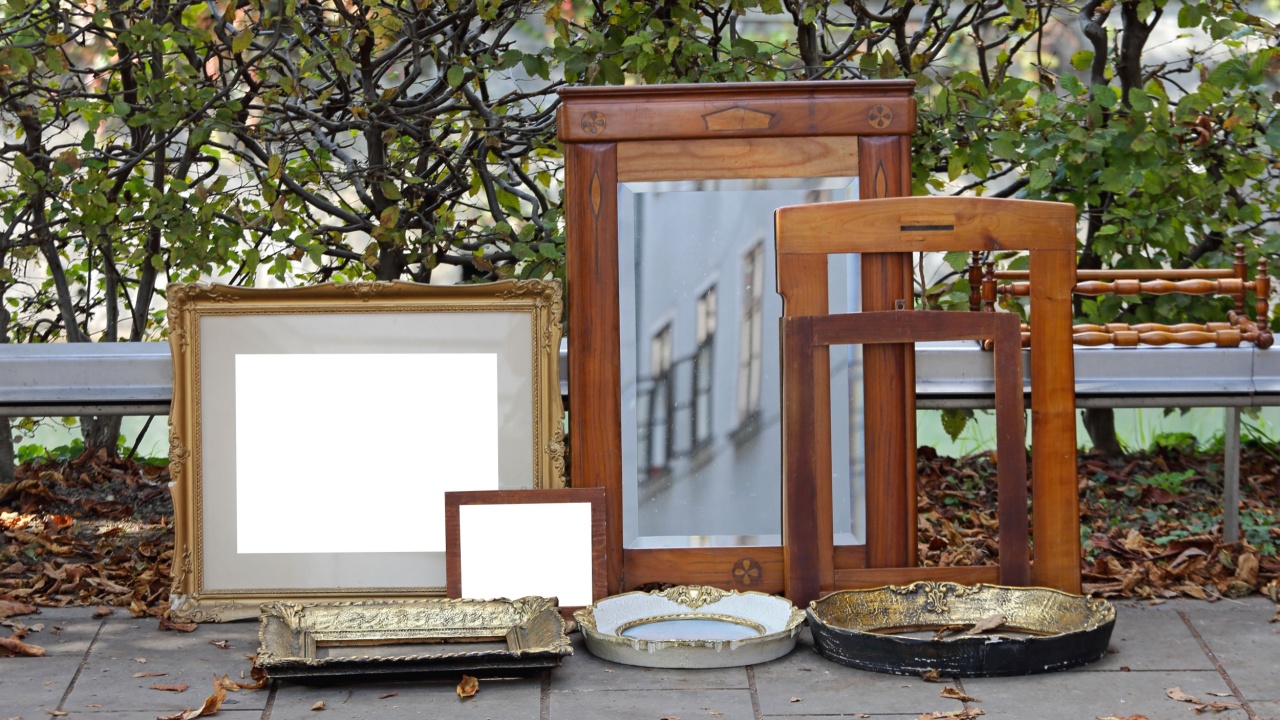
Image Credit: Shutterstock.com.
Custom framing is expensive, but you can find a wide variety of beautiful frames and mirrors secondhand. Look for solid wood or ornate metal frames that can be painted or left as-is. A large, vintage mirror can become a stunning focal point in a room or garden, making the space feel larger and brighter.
This is a creative way to display your favorite art, family photos, or even pressed flowers from your garden. Grouping different styles of frames together can create an attractive gallery wall with a lot of personality.
- Care Tips: Clean the glass and frame carefully. If you’re painting a frame, a light sanding will help the paint adhere better. For ornate frames, a small brush can help you get into all the nooks and crannies.
- What to Look For: Solid construction, interesting details, intact glass.
- What to Avoid: Frames with broken glass (unless you plan to replace them), warped wood.
- Next Steps: Insert your own art or photo, or use a collection of empty frames as a unique wall display.
9. Vases and Decorative Glass
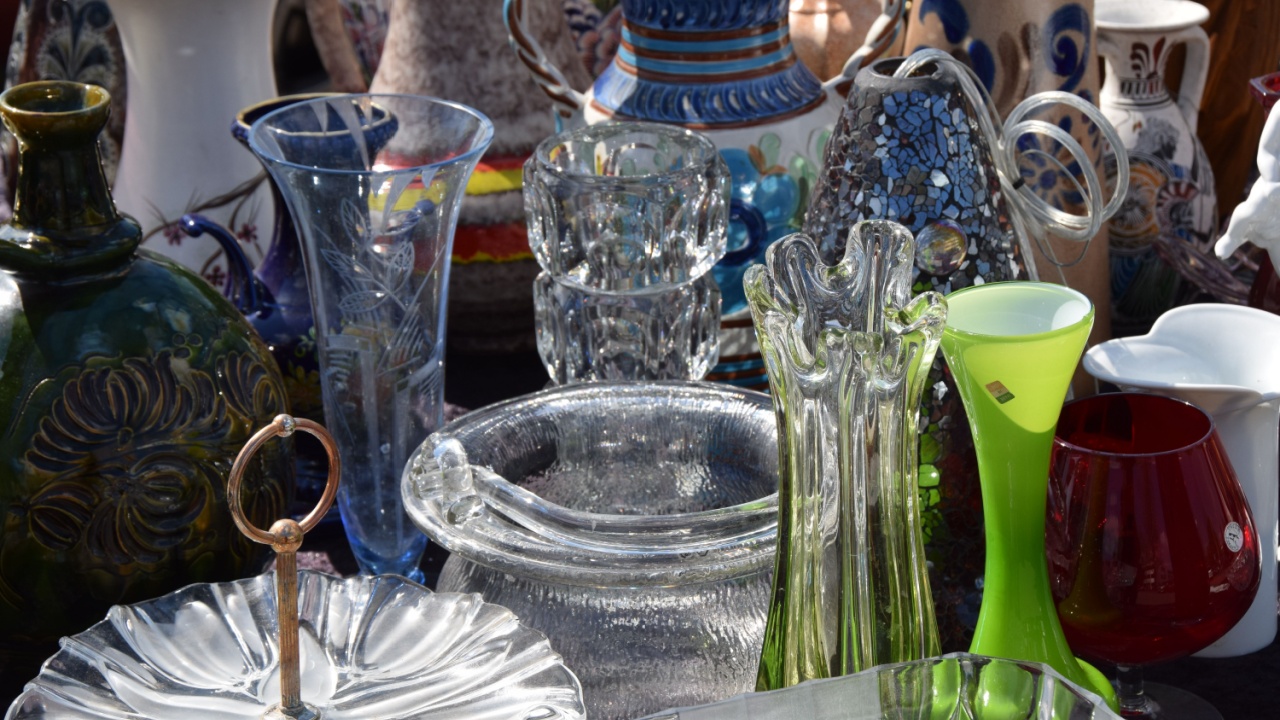
Image credit: Shutterstock.com.
Add a touch of elegance to your home by displaying fresh-cut flowers from your garden in secondhand vases. You can find glass, ceramic, and crystal vases in every shape, size, and color imaginable at thrift stores. Building a collection allows you to always have the perfect vessel for any bouquet.
Beyond vases, look for colored glass bottles, jars, or bowls. Grouping them on a windowsill can create a beautiful display as the light shines through. This is an inexpensive way to add color and personality to your home decor.
- Care Tips: A good wash with soap and water is usually all that’s needed. For narrow-necked vases with residue inside, a mixture of rice, vinegar, and water can be swirled around to scrub the interior clean.
- What to Look For: Unique colors and shapes, no chips or cracks.
- What to Avoid: Anything with significant, unremovable stains on the inside.
- Next Steps: Fill your new vase with flowers from your garden and enjoy the simple beauty.
10. Baskets
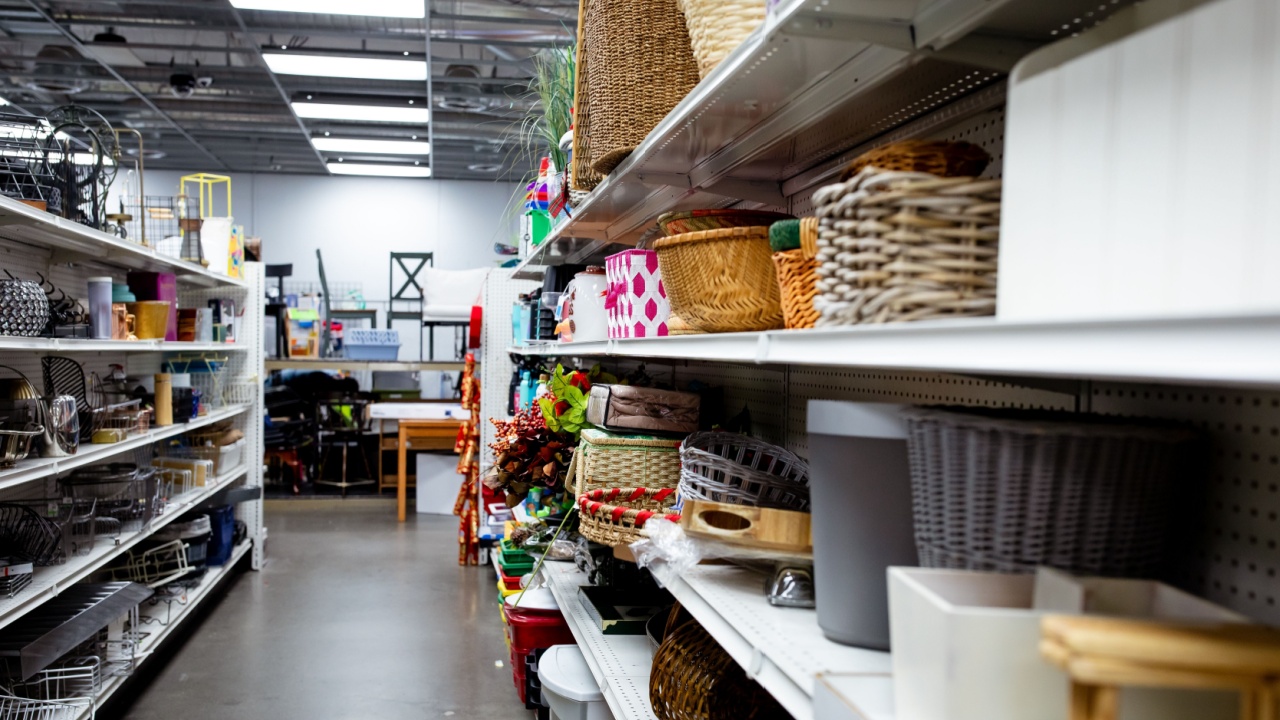
Image Credit: Shutterstock.com.
Baskets are incredibly versatile for both storage and decor. Use them to hold blankets, magazines, kids’ toys, or even as a decorative cover for a plain nursery pot. You can find wicker, seagrass, and woven baskets of all sizes at secondhand stores.
New baskets, especially large ones, can be surprisingly expensive. Buying them used is a smart way to get the natural, textured look for less. They add warmth and a touch of rustic charm to any room.
- Care Tips: To clean a basket, use the brush attachment on your vacuum to remove dust. If it needs a deeper clean, wipe it with a damp cloth and a mild soap solution, then let it air dry completely to prevent mildew.
- What to Look For: Sturdy weaves, intact handles.
- What to Avoid: Baskets with broken or unraveling weaves, signs of mold.
- Next Steps: Find the perfect spot for your basket and use it to stylishly organize your space.
11. Garden Decor and Ornaments

Image Credit: Shutterstock.
Items like birdbaths, sundials, small statues, and metal trellises add a whimsical and personal touch to a garden. These items are often expensive when bought new, but you can find unique and weathered pieces secondhand that bring instant history and charm to your outdoor space.
An old metal gate can be repurposed as a beautiful trellis for climbing roses, or a vintage watering can can become a rustic planter. The possibilities are endless when you shop with an open mind.
- Care Tips: For concrete items, a gentle scrub with a brush and water can remove dirt and moss. Metal items may need a new coat of paint to prevent rust. Let the natural patina shine for a more rustic look.
- What to Look For: Unique pieces with character, materials that will hold up outdoors
- What to Avoid: Items that are broken beyond repair, unstable structures.
- Next Steps: Find the perfect spot in your garden for your new treasure to create a focal point.
12. Quality Clothing for Gardening

Image Credit: Shutterstock.com.
While not a home decor item, every gardener needs a set of durable, comfortable clothes that they don’t mind getting dirty. Instead of ruining new clothes, head to a thrift store. You can find high-quality denim jeans, sturdy flannel shirts, and breathable cotton t-shirts for just a few dollars.
This is the perfect opportunity to buy clothing from durable brands known for workwear without the high cost. It’s a practical way to save money while ensuring you have comfortable attire for a long day of working in the dirt.
- Care Tips: Wash everything in hot water before wearing it for the first time. Don’t worry about small stains or signs of wear—they just add to the character of your new gardening uniform.
- What to Look For: 100% cotton or denim, durable workwear brands, comfortable fits.
- What to Avoid: Synthetic fabrics that don’t breathe well, anything with irreparable rips or tears.
- Next Steps: Designate these clothes for garden work and enjoy getting your hands dirty without worry.
13. Lamps and Lighting
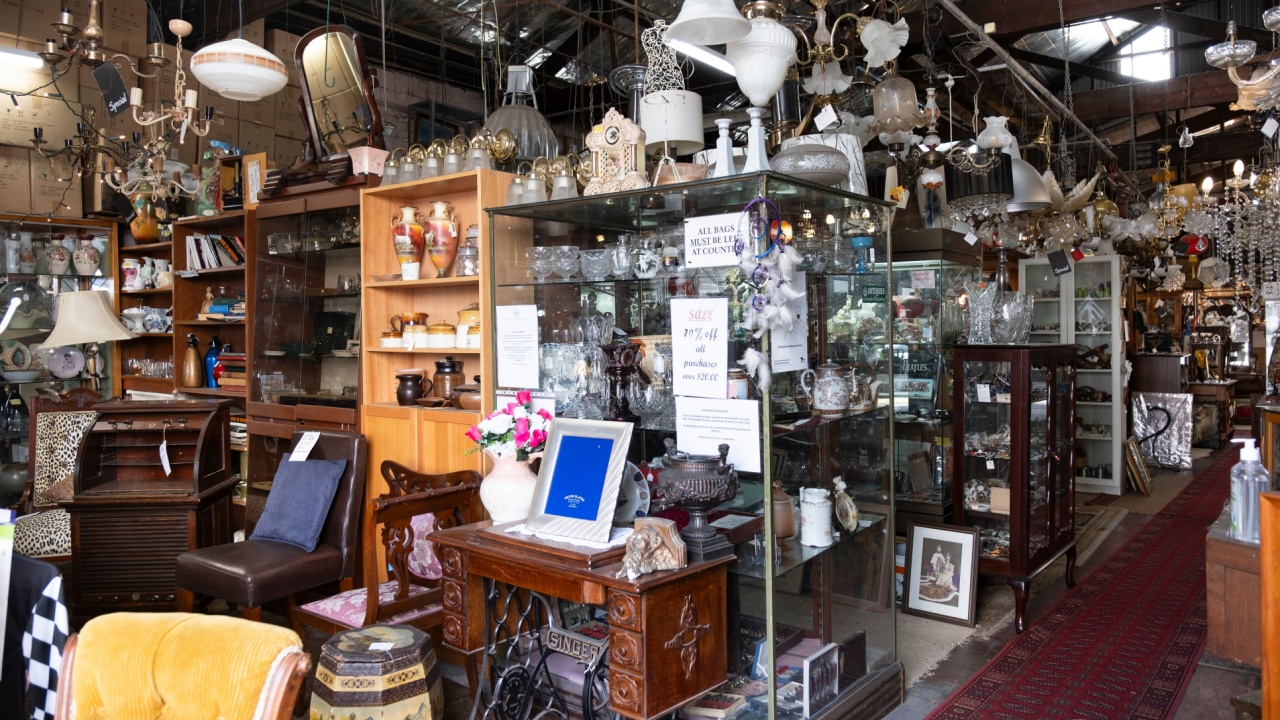
Image Credit: Henk Vrieselaar / Shutterstock.com
Good lighting can completely change the feel of a room, but unique lamps can be costly. The secondhand market is full of lamps with interesting bases made of ceramic, wood, or metal. Even if the lampshade is dated or damaged, it can be easily and affordably replaced.
Rewiring a lamp is also a straightforward DIY project if you find a vintage piece with old wiring. This allows you to bring a beautiful, one-of-a-kind lighting element into your home for a fraction of the price of a new designer lamp.
- Care Tips: Clean the lamp base thoroughly. If you’re keeping the shade, use a lint roller or vacuum brush to remove dust. If you need to rewire a lamp, watch a few online tutorials—it’s simpler than you might think.
- What to Look For: Interesting shapes and materials, sturdy bases.
- What to Avoid: Lamps with cracked or broken bases that can’t be repaired.
- Next Steps: Pair your lamp with a new shade and a modern LED bulb to complete the look.
14. Holiday Decorations
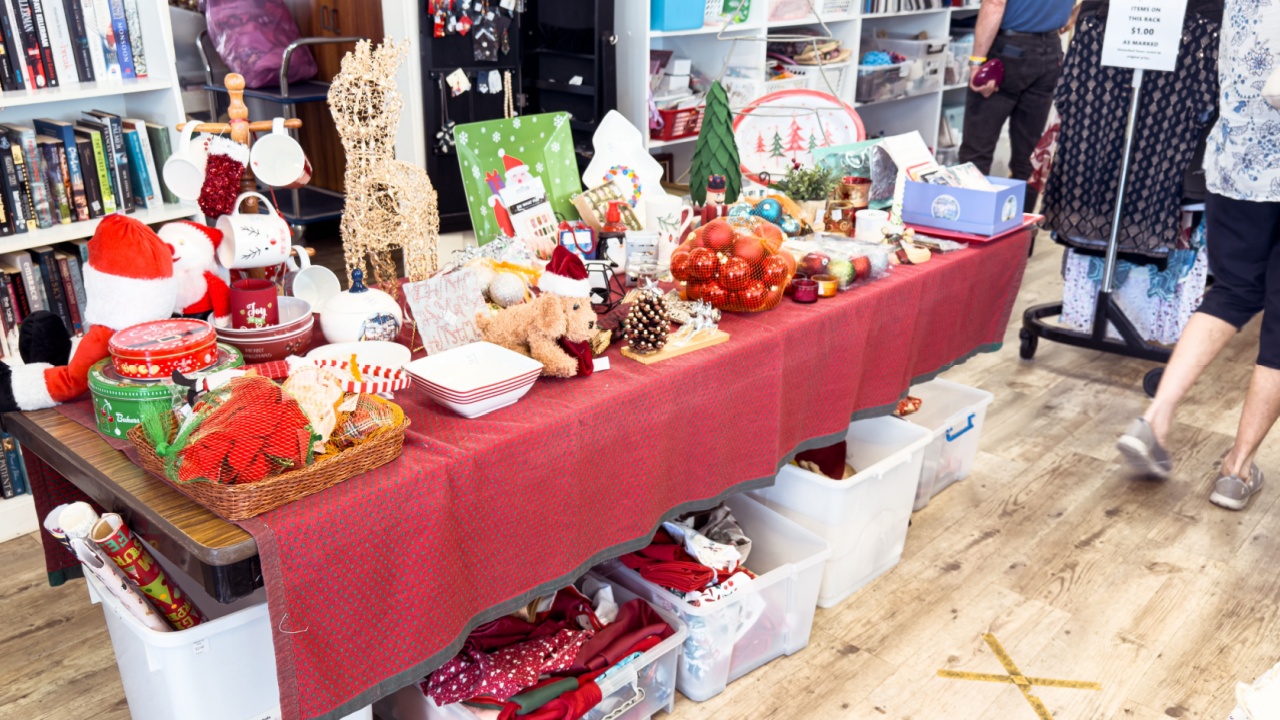
Image Credit: ruditirta / Shutterstock.com.
Holiday decor is used for only a few weeks a year, so it makes little sense to spend a fortune on it. Thrift stores are packed with decorations for every holiday, from Christmas ornaments and tree stands to Easter baskets and Halloween decor.
You can often find vintage glass ornaments and other unique pieces that have more character than mass-produced items. Shopping for holiday decor secondhand is a fun, festive way to save money and reduce waste.
- Care Tips: Gently clean any decorations before storing or displaying them. Wiping them with a soft cloth is usually sufficient. Test any string lights before buying to make sure they work.
- What to Look For: Vintage glass ornaments, unique holiday tins, complete decoration sets.
- What to Avoid: Broken or chipped items (unless you’re crafty and can repair them).
- Next Steps: Store your finds carefully until the next holiday season, or get creative and repurpose them into year-round decor.
Make the Most of Secondhand Shopping

Image Credit: Shutterstock.
Embracing secondhand shopping opens up a world of savings, sustainability, and unique style for your home and garden. You can create beautiful, personalized spaces without the high cost or environmental impact of buying everything new.
Ready to start hunting? Begin by visiting your local thrift stores, consignment shops, and flea markets. For online options, browse Facebook Marketplace, eBay, or specialty sites like The RealReal for designer goods. The key is to go in with an open mind and a little patience. The perfect piece is out there waiting for you, ready for its next chapter in your home.