
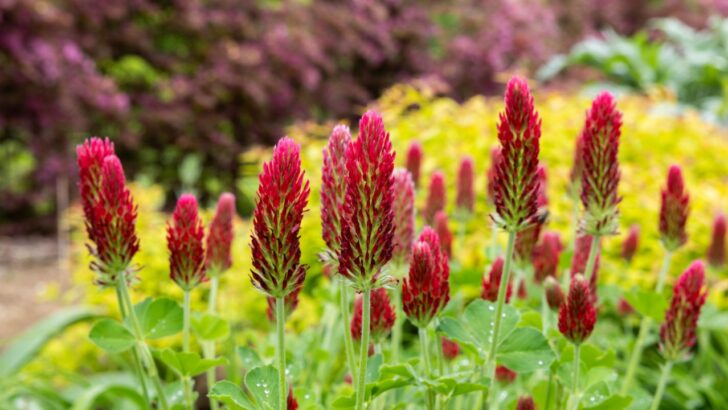
As summer vegetables wind down and fall leaves begin their colorful display, smart gardeners know this is prime time to set up their soil for next year’s success. While it might be tempting to let your garden beds sit bare through winter, you’d be missing out on one of nature’s most powerful soil-building opportunities.
Fall cover crops are like a nutritious winter meal for your garden soil. These hardworking plants protect your beds from erosion, suppress weeds, fix nitrogen, and break up compaction while you stay cozy indoors. Come spring, you’ll have richer, healthier soil that’s ready to support your best growing season yet.
Whether you’re dealing with tired soil, persistent weeds, or simply want to boost your garden’s productivity, the right cover crop can solve multiple problems at once. Let’s explore 11 proven options that will transform your garden from the ground up, brought to you by extension databases and fact sheets.
1. Oats: The Fast-Starting Soil Protector

Image Credit: H. Zell/CC BY-SA 3.0/Wiki Commons.
Oats are the reliable workhorses of fall cover crops, offering quick establishment and excellent ground coverage. These versatile grasses germinate rapidly and create a dense mat that effectively suppresses weeds while building organic matter in your soil’s upper layers.
What makes oats particularly appealing for home gardeners is their predictable winterkill nature. In zones 7 and below, temperatures around 20°F naturally terminate the crop, leaving behind a perfect organic mulch. This means less spring work for you – no mowing, chopping, or complicated termination methods required.
The fibrous root system extends 6-8 inches deep, creating channels that improve soil structure and water infiltration. As these roots decompose, they feed beneficial microorganisms and add valuable organic matter. A well-established oat stand can grow up to 4 feet tall in mild winters, providing substantial biomass for soil improvement.
Care Tips:
- Plant 4-6 weeks before your first frost date
- Sow seeds 1-2 inches deep using the broadcast method
- Aim for plants at least 6 inches tall before the hard frost
- Pre-soak seeds to speed germination (typically takes 1-2 weeks)
- Provide consistent moisture during establishment
Next Steps:
In spring, simply rake aside any remaining plant material and plant directly into the improved soil. For areas with lingering roots, add 1-2 inches of compost on top before planting. The decomposed oat residue makes excellent compost material for other garden areas.
2. Winter Rye: The Cold-Hardy Champion
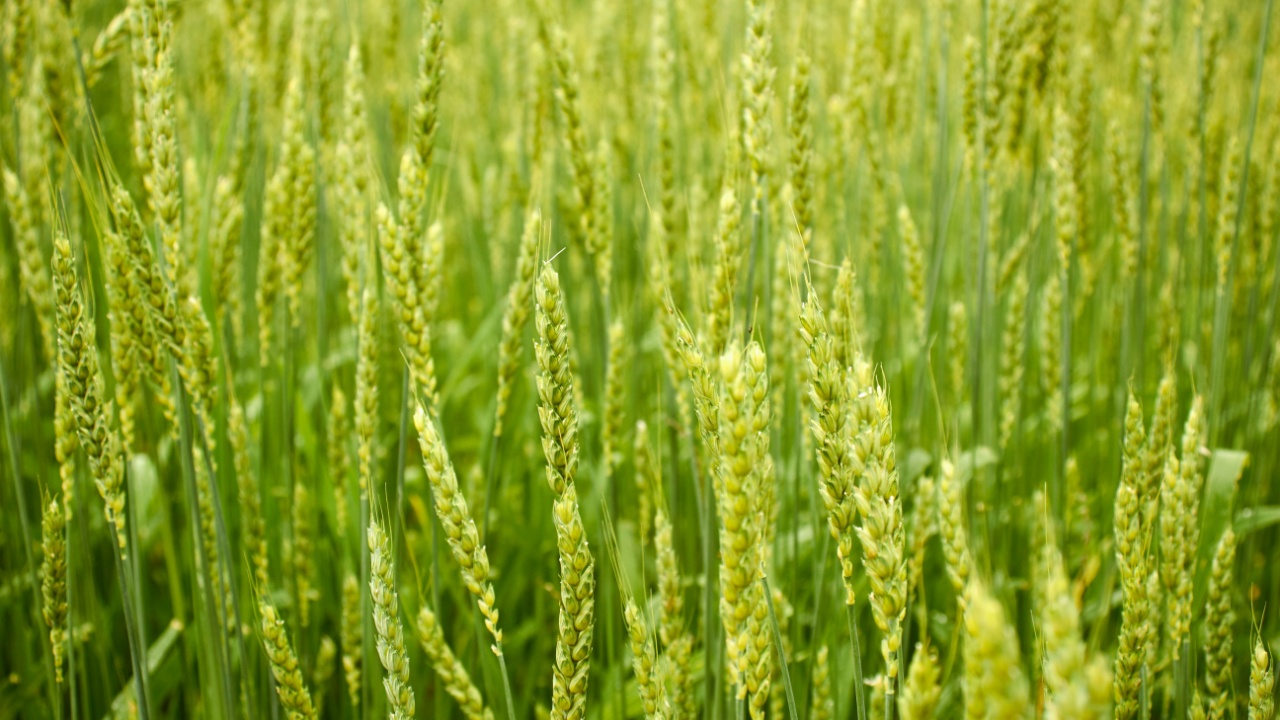
Image Credit: Shutterstock.
When you need a cover crop that can handle extreme cold and late planting, winter rye steps up to the challenge. This incredibly hardy grass can germinate in temperatures as low as 34°F, making it perfect for gardeners who missed the optimal planting window or live in harsh winter climates.
Winter rye excels at soil protection and compaction relief. Its aggressive root system penetrates up to 16 inches deep, breaking through hardpan layers and improving soil structure. The dense above-ground growth provides excellent erosion control and weed suppression throughout the winter months.
One of winter rye’s standout features is its ability to accumulate substantial biomass while growing slowly through winter. By spring, you’ll have 3-6 feet of growth that translates into significant organic matter additions. This makes it particularly valuable for building soil in new garden areas or rehabilitating depleted beds.
Care Tips:
- Can be planted as late as November in warmer zones
- Sow seeds no deeper than 2 inches (deeper seeds won’t germinate)
- Broadcast densely in compacted areas for maximum benefit
- Protect from deer browsing if necessary
- Provide moisture if fall rains are insufficient
Next Steps:
Terminate winter rye before seeds mature by mowing or cutting close to ground level. Time this for 1-2 weeks before spring planting. The cut material makes excellent mulch for perennial beds or valuable compost material. Leave roots in soil to feed beneficial microbes.
3. Crimson Clover: The Nitrogen-Fixing Beauty
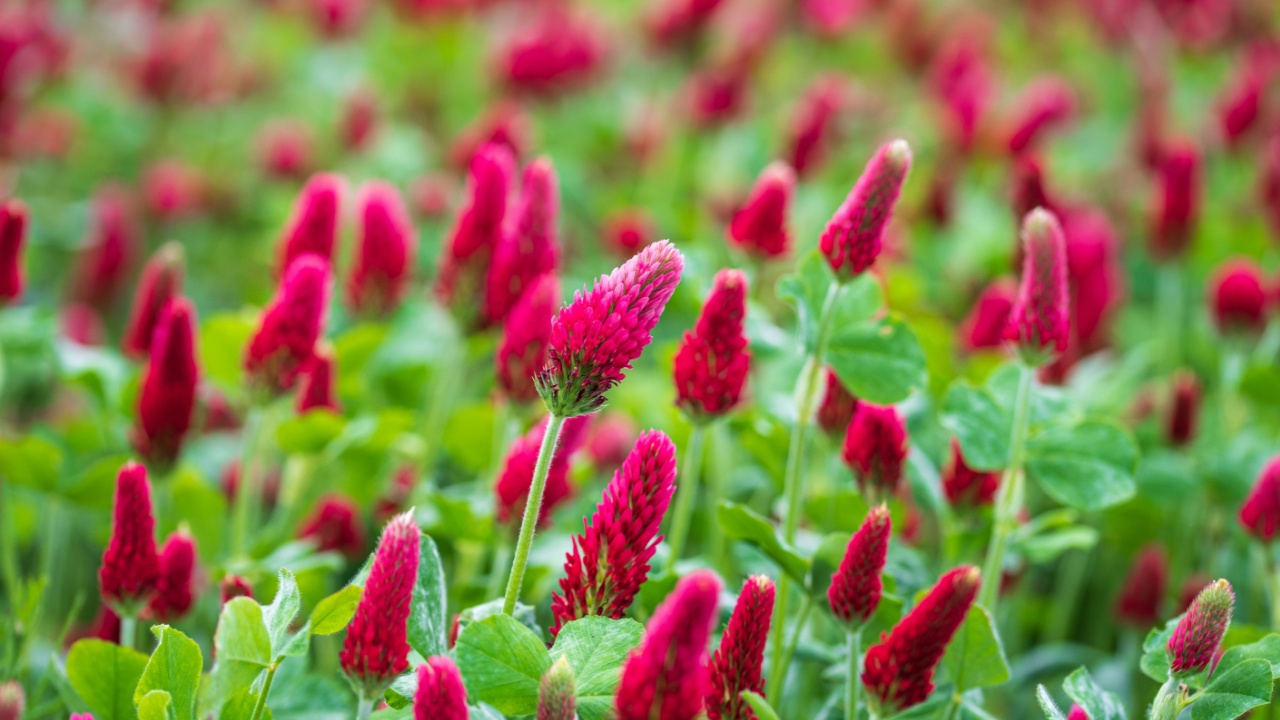
Image Credit: Shutterstock.
For gardeners seeking rapid soil fertility improvement, crimson clover delivers impressive results through its nitrogen-fixing capabilities. This legume works with beneficial bacteria to capture atmospheric nitrogen and convert it into plant-available forms, essentially providing free fertilizer for your future crops.
Beyond its nutritional benefits, crimson clover offers outstanding weed suppression and quick ground coverage. The plant establishes rapidly and can reach 3 feet in height, creating a dense canopy that shades out competing weeds. If it survives winter in your area, the spring flowers provide valuable nectar for pollinators and beneficial insects.
Crimson clover adapts well to various soil conditions and works excellently in cover crop blends. Its bright red flowers create an attractive display if you allow them to bloom before termination. The plant’s aggressive growth makes it particularly effective for problem areas with persistent weeds.
Care Tips:
- Plant between August and November for best results
- Sow seeds shallow (¼ to ½ inch deep) and don’t cover heavily
- Maintain consistent moisture during 7-10 day germination period
- Consider blending with grasses for balanced soil benefits
- Monitor for aggressive spread in warmer zones
- NC State mentions crimson clover prefers pH 5.5–7.0 and struggles in heavy clay or waterlogged soils
Next Steps:
In zones 5 and colder, frost naturally kills crimson clover, making spring management easy. In warmer areas, use the tarping method: mow low, cover with tarp for 1-3 weeks, then remove and plant. Heavy-feeding crops like tomatoes and brassicas thrive in clover-enriched soil.
4. Hairy Vetch: The Aggressive Weed Fighter
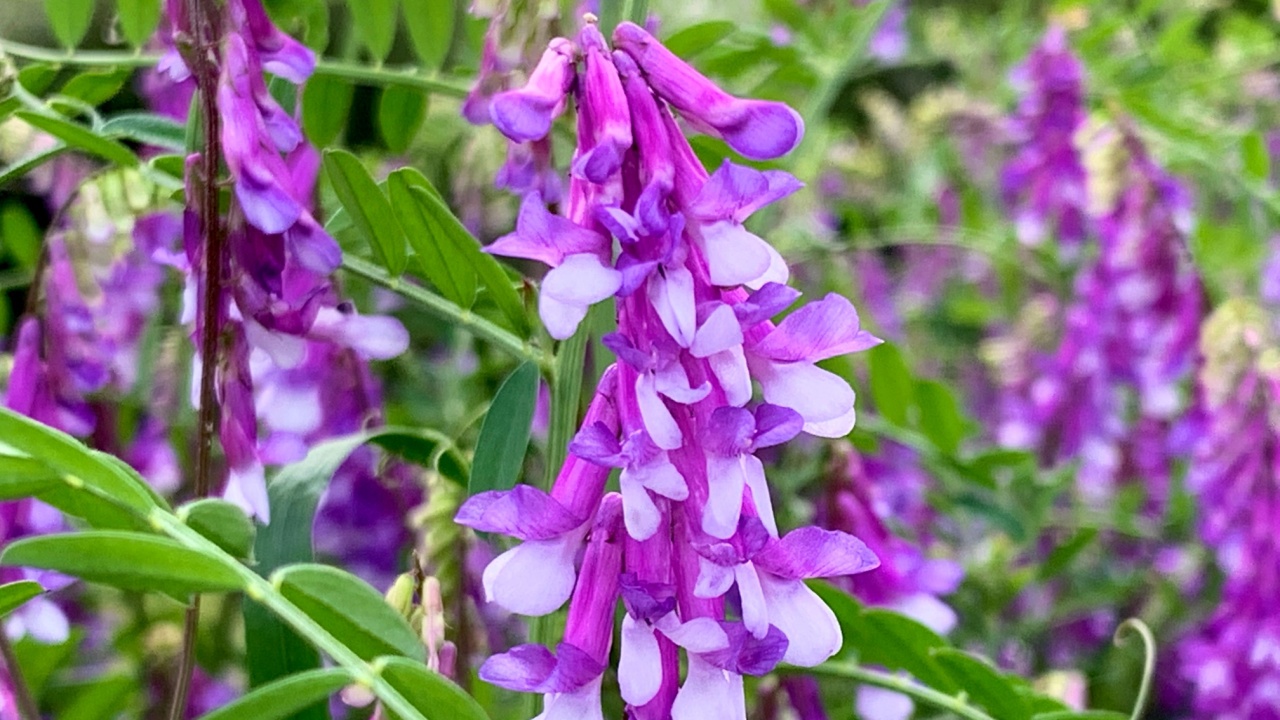
Image Credit: Shutterstock.
Hairy vetch earns its reputation as one of the most effective nitrogen-fixing cover crops, but its real superpower lies in weed suppression. This vigorous vining legume grows up to 3 feet tall and spreads 12 feet wide, creating an impenetrable carpet that chokes out even persistent perennial weeds.
The nitrogen-fixing capabilities of hairy vetch are impressive, often providing the equivalent of 100-150 pounds of nitrogen per acre. This makes it an excellent choice for heavy-feeding crops planned for the following season. The extensive root system also improves soil structure and adds substantial organic matter.
One key advantage of hairy vetch is its cold hardiness and ability to continue growing in cool weather. The plant thrives in conditions that slow down many other cover crops, making it particularly valuable in northern regions with long winters.
Care Tips:
- Plant at least 30 days before the first frost for strong establishment
- Sow seeds 1-1.5 inches deep with good seed-to-soil contact
- Maintain moisture during the 10-14 day germination period
- Use dense seeding rates for maximum weed suppression
- Plan termination carefully to prevent self-seeding
Next Steps:
Termination is critical with hairy vetch to prevent it from becoming a garden weed. Use the tarping method or till under in early spring before flowers form. The high-nitrogen residue breaks down quickly, providing an immediate fertility boost for spring plantings.
5. Austrian Winter Peas: The Cold-Climate Nitrogen Source
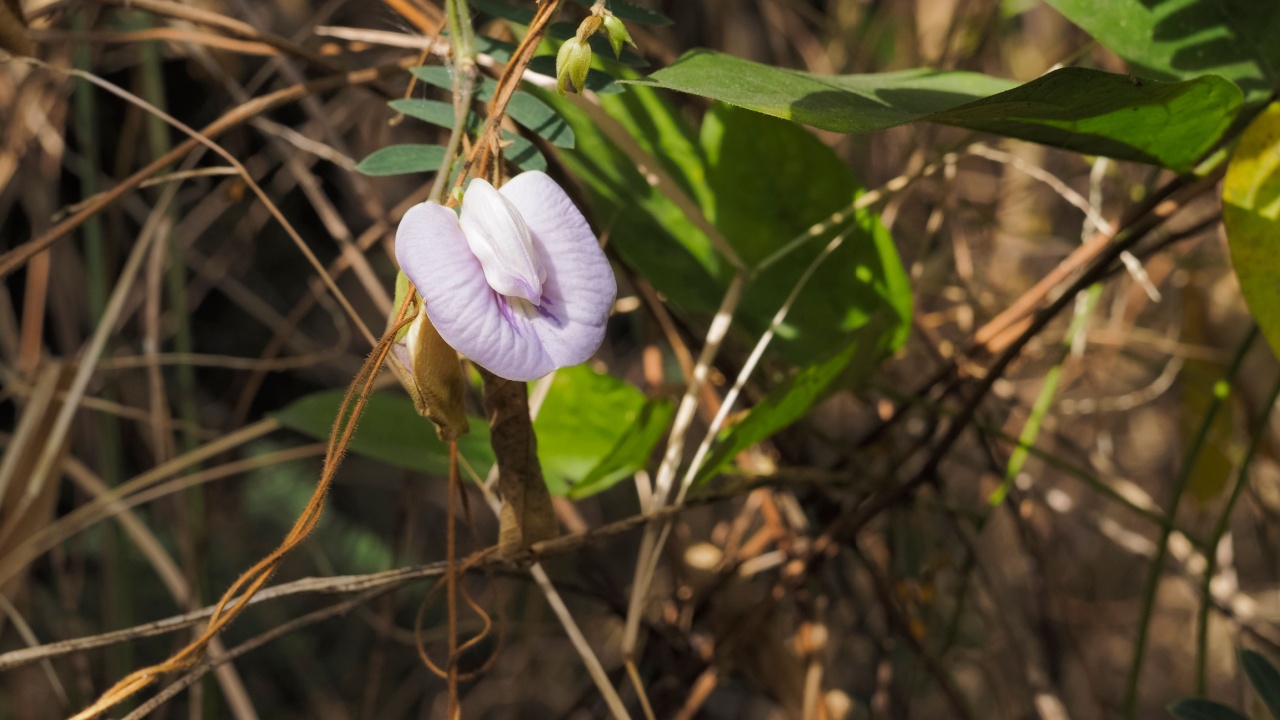
Image Credit: Shutterstock.
Austrian winter peas stand out as one of the most cold-tolerant leguminous cover crops, surviving temperatures down to 18°F without snow cover and even lower temperatures when protected by snow. This exceptional cold hardiness makes them ideal for northern gardeners who want nitrogen fixation benefits in harsh climates.
These peas provide excellent nitrogen contributions while improving soil structure through their moderate root system. The plants typically reach 12-18 inches in height, creating good ground coverage without becoming overwhelming. Their relatively compact growth makes them easier to manage than more aggressive vining legumes.
Austrian winter peas work particularly well in rotation with heavy-feeding vegetables. The nitrogen they provide is readily available to the following crops, reducing the need for synthetic fertilizers or heavy compost applications. They also help break up soil naturally without creating the compaction issues that can come with mechanical tilling.
Care Tips:
- Can be planted as late as November in suitable zones
- Sow seeds 1-2 inches deep with 8-inch spacing (approximate)
- Avoid planting in hot, late summer conditions
- Provide adequate water during establishment
- Monitor for flower development to time termination
Next Steps:
Terminate Austrian peas when plants reach peak biomass but before pod formation. Cut at ground level and allow 1-3 weeks for decomposition before planting vegetables. The moderate amount of residue incorporates easily into soil or can be moved to a compost pile.
6. Winter Wheat: The Carbon-Sequestering Powerhouse
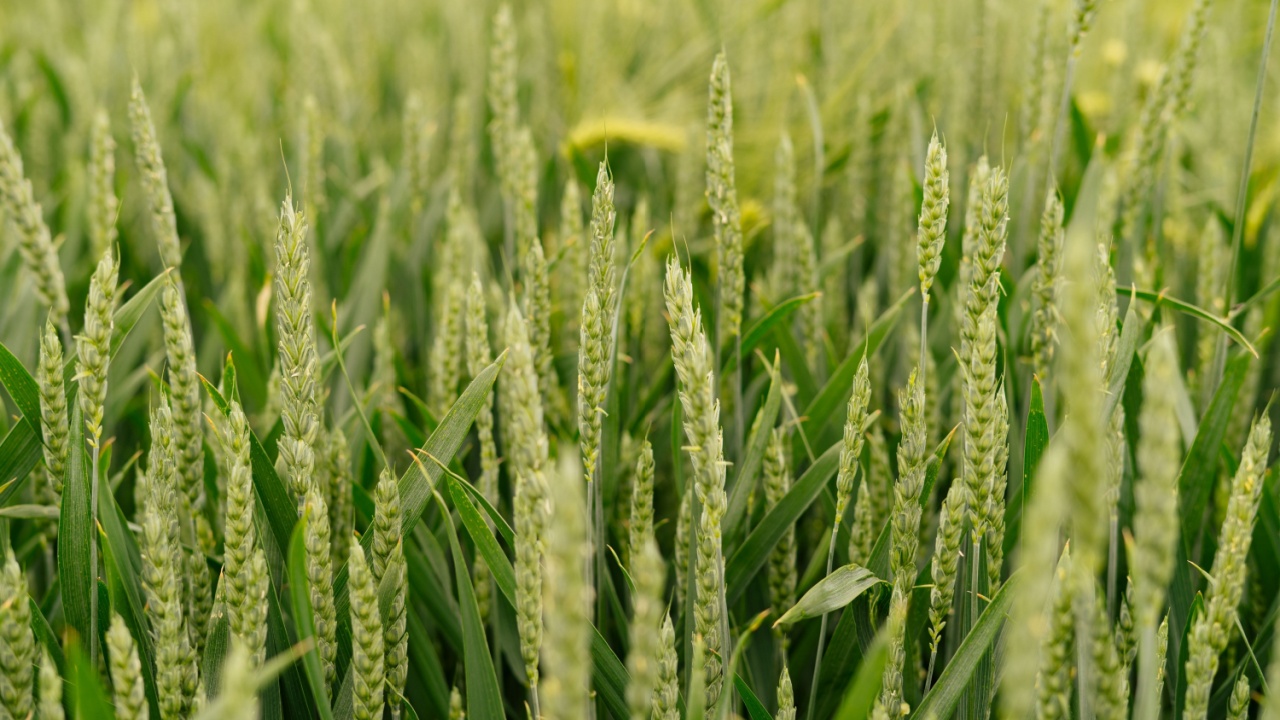
Image Credit: Shutterstock.
Winter wheat brings unique benefits to the home garden, particularly for gardeners interested in sustainability and carbon sequestration. This grass excels at capturing atmospheric carbon and locking it away in soil organic matter, making your garden part of the climate solution.
The robust root system of winter wheat extends up to 3.5 feet deep, providing exceptional erosion control and soil structure improvement. This deep penetration helps break up hardpan layers and creates channels for improved water infiltration and root growth of future crops.
Winter wheat’s ability to produce substantial biomass translates into significant organic matter additions. The hollow stems create the straw commonly used for mulching, giving you insight into the quality of organic matter this crop provides. Well-managed winter wheat can handle temperatures down to -11°F when properly established.
Care Tips:
- Plant mid-September through early November for best results
- Sow seeds ½ to 1.5 inches deep using the broadcast method
- Ensure a strong establishment before harsh winter weather
- Increase seeding rates in colder zones or for late plantings
- Maintain moisture during the 3-5 day germination period
Next Steps:
Terminate winter wheat before seed head formation by mowing or cutting at base. Allow 2-3 weeks for decomposition before spring planting. Use the straw-like residue as mulch in perennial areas or add to compost for carbon-rich material.
7. Barley: The Drought-Tolerant Soil Improver
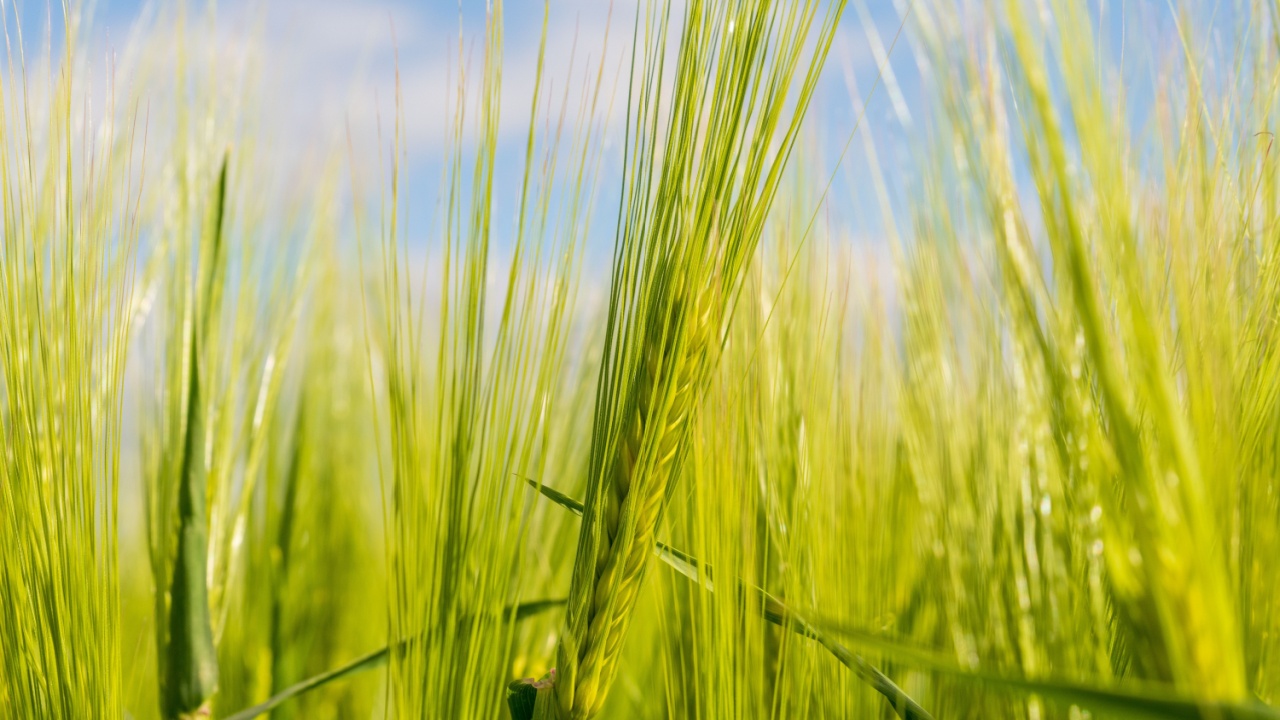
Image Credit: Shutterstock.
Barley shines in regions with mild winters and limited irrigation, making it perfect for zones 8 and warmer. This adaptable grass tolerates poor soil conditions and establishes quickly, making it excellent for problem areas that need rehabilitation without intensive management.
The plant’s allelopathic properties naturally suppress weed growth through chemical compounds released by the roots. This biological weed control continues even after the barley decomposes, providing season-long benefits. The deep root system (up to 6.5 feet) excels at scavenging nutrients and improving soil structure.
Barley’s nutrient-scavenging ability makes it particularly valuable for areas where nutrients have leached away or become unavailable. The plant accumulates nitrogen and other minerals, then releases them as the residue breaks down, essentially recycling nutrients within your garden system.
Care Tips:
- Plant before November for optimal establishment
- Sow seeds ¾ to 2 inches deep in well-drained soil
- Avoid waterlogged conditions, which stress the plant
- Excellent choice for unirrigated areas once established
- Works well in areas with winter drought
Next Steps:
Barley terminates easily without risk of becoming a garden weed. Mow or cut in spring before seed formation. The residue decomposes readily and can be left in place for maximum organic matter benefit or incorporated lightly into soil for faster nutrient release.
8. Sorghum-Sudangrass: The Nematode-Fighting Giant
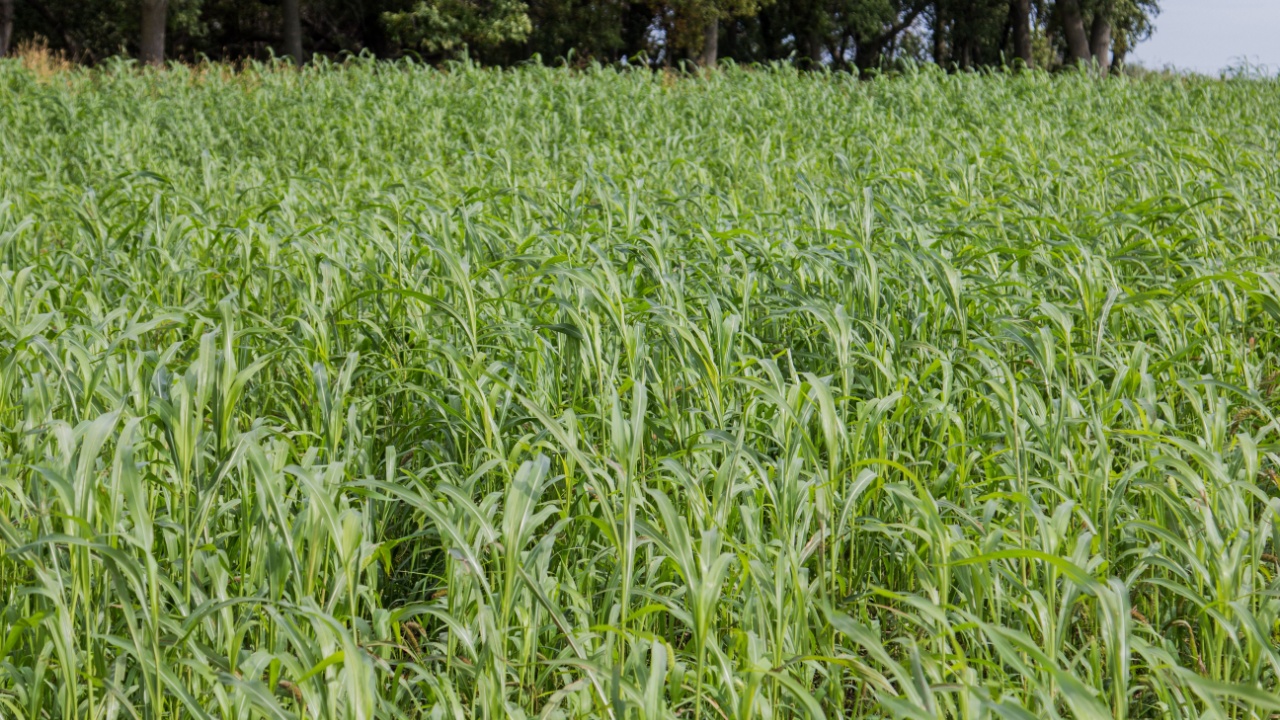
Image Credit: Shutterstock.
For gardeners dealing with root-knot nematodes or seeking massive biomass production, sorghum-sudangrass offers unique solutions. Scientific research confirms this tropical grass’s ability to suppress harmful nematodes while dramatically improving subsequent crop yields.
The rapid growth of sorghum-sudangrass is impressive, potentially reaching 5-7 feet tall in a single season. This substantial growth translates into enormous organic matter additions for soil building. The robust root system also excels at breaking up compacted soil and improving overall soil structure.
In regions with mild winters (zones 9 and above), sorghum-sudangrass can provide continuous soil coverage and improvement throughout the winter months. In cooler areas, the first frost kills the plant, creating a thick mulch layer that protects soil through winter.
Care Tips:
- Requires soil temperatures around 60°F for germination
- Plant in late summer in cooler regions, anytime in subtropical zones
- Sow seeds ¾ to 1 inch deep with consistent moisture
- Allow 14-21 days for germination in cooler conditions
- Avoid late planting in areas with early hard frosts
Next Steps:
Terminate sorghum-sudangrass by cutting or scything in early spring before new growth begins. The large amount of residue makes excellent deep mulch for other garden areas. Due to height, tarping isn’t practical, but the plant doesn’t typically become a weed problem.
9. Field Peas: The Versatile Soil Builder

Image Credit: Shutterstock.
Field peas, also known as forage peas, provide excellent nitrogen fixation while being more manageable than aggressive vining legumes. These cool-season plants establish well in fall conditions and provide moderate ground coverage without the overwhelming growth of some other legume options.
The balanced growth habit of field peas makes them ideal for smaller garden spaces or areas where you need nitrogen benefits without dealing with aggressive vining behavior. They fix substantial amounts of nitrogen while improving soil structure through their moderate root system.
Field peas work exceptionally well in cover crop blends, complementing grasses and other plants without competing aggressively for space or resources. Their moderate size makes them easier to incorporate into soil or use as mulch material compared to larger, more aggressive species.
Care Tips:
- Plant 6-8 weeks before hard frost for best establishment
- Sow seeds 1-2 inches deep with adequate spacing
- Provide consistent moisture during germination
- Monitor for aphid pressure in some regions
- Consider blending with grasses for balanced soil benefits
Next Steps:
Field peas typically winterkill in zones 6 and below, making spring management simple. In warmer areas, terminate before flowering by cutting at ground level. The moderate residue incorporates easily into soil preparation for spring planting.
10. Buckwheat: The Quick-Fix Phosphorus Mobilizer
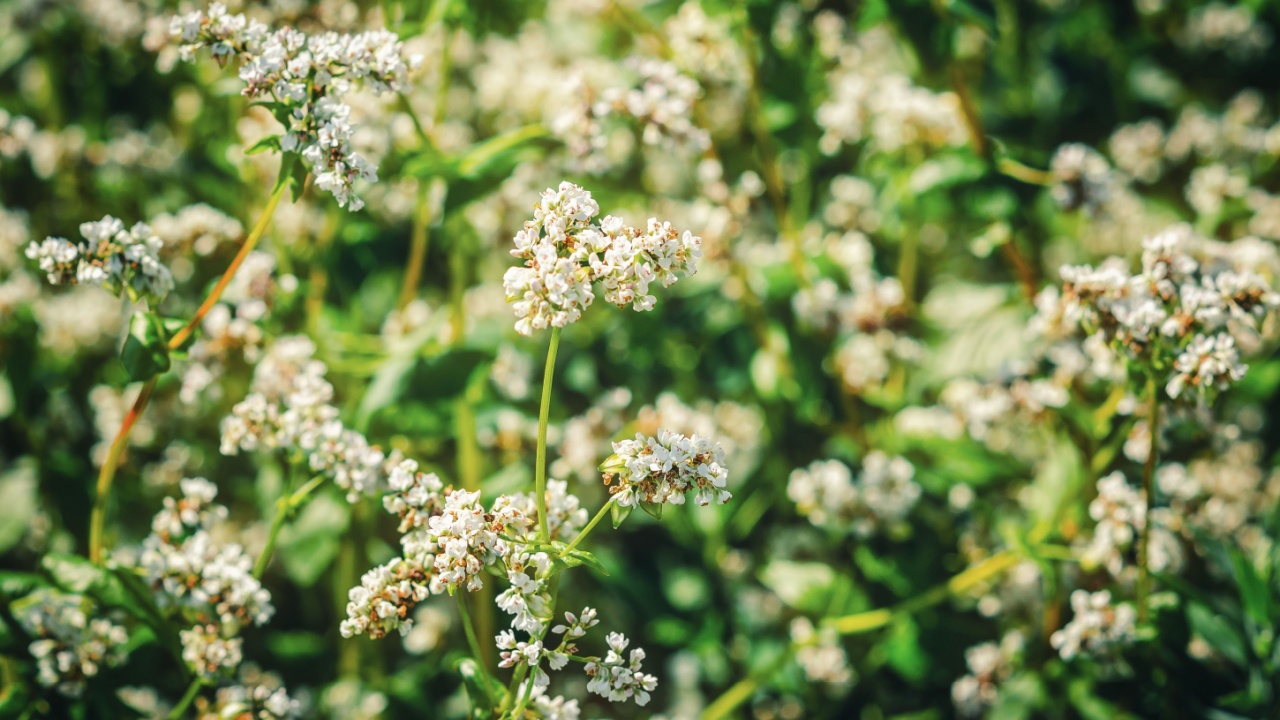
Image Credit: Shutterstock.
While typically considered a summer cover crop, buckwheat can play a valuable role in fall plantings in zones 8 and above. This fast-growing plant excels at mobilizing phosphorus and other nutrients, making them available to subsequent crops.
Buckwheat‘s rapid growth (ready to incorporate in just 6-8 weeks) makes it perfect for late-season plantings or quick soil improvement projects. The plant’s ability to thrive in poor soil conditions makes it valuable for rehabilitating neglected garden areas or building soil in new beds.
The flowers of buckwheat provide exceptional value for beneficial insects and pollinators if allowed to bloom. This makes it an excellent choice for gardeners interested in supporting biodiversity while improving soil health.
Care Tips:
- Plant after soil temperatures reach 50°F
- Sow seeds ½ inch deep with light soil covering
- Grows quickly and may need multiple plantings for continuous coverage
- Excellent for late-season plantings in warm climates
- Provides pollinator benefits if allowed to flower
Next Steps:
Incorporate buckwheat before seed set to prevent self-seeding. The soft plant tissue breaks down quickly, releasing nutrients rapidly for spring plantings. Works well as a green manure crop that can be turned under easily.
11. Cover Crop Blends: The Best of All Worlds
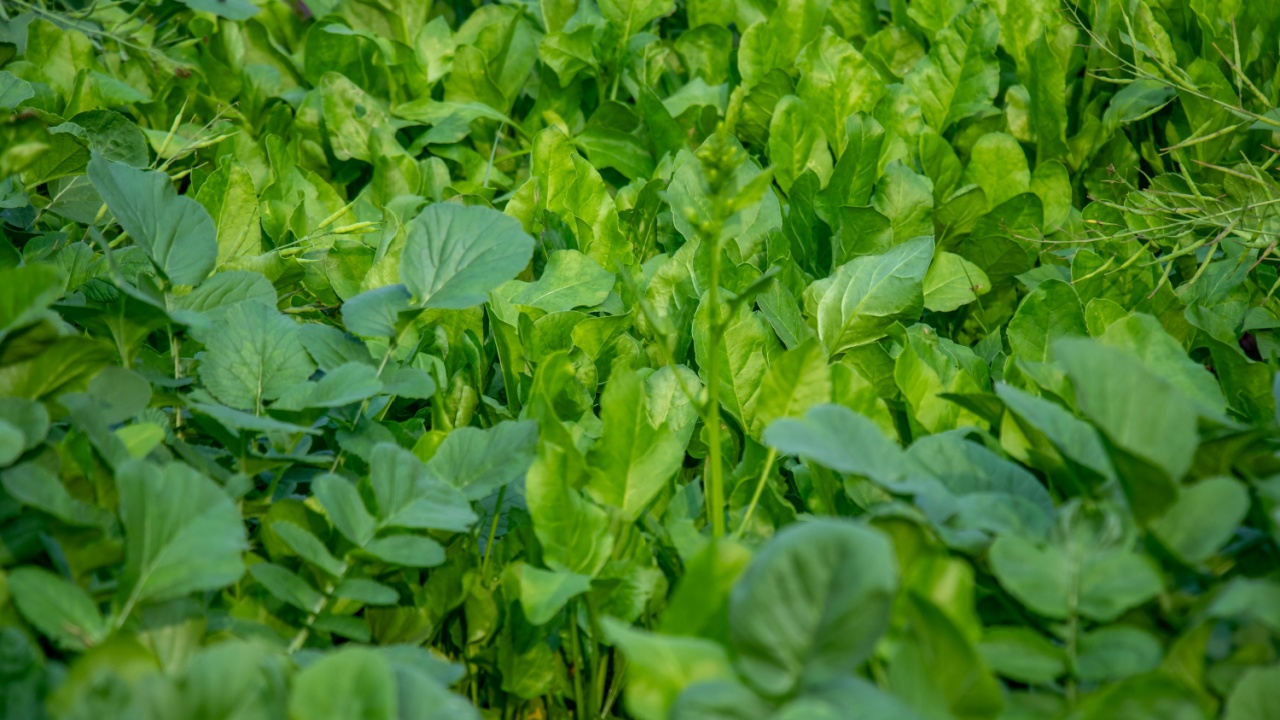
Image Credit: Shutterstock.
Why choose one cover crop when you can combine several for maximum benefits? Cover crop blends offer the opportunity to address multiple soil issues simultaneously while providing insurance against individual species failures.
Popular blend combinations include nitrogen-fixing legumes with biomass-producing grasses, deep-rooted plants with shallow fibrous species, and quick-establishing plants with slower-growing long-term improvers. These combinations create more diverse root structures and provide habitat for a wider range of beneficial soil microorganisms.
Blends also offer practical advantages for home gardeners. If one species doesn’t establish well due to weather or soil conditions, others in the blend can compensate. This reliability makes blends particularly valuable for new gardeners or challenging sites.
Popular Blend Ideas:
- Soil Structure Blend: Barley, daikon radish, and turnips for compaction relief
- Erosion Control Mix: Oats and winter rye for maximum soil protection
- Fertility Boost: Crimson clover, hairy vetch, and field peas for nitrogen
- Pest Management: Mustards, radishes, and sorghum for disease suppression
Next Steps:
Create your own blends based on specific garden needs, or purchase pre-mixed blends from seed suppliers. Termination methods depend on the most aggressive species in the blend. Plan spring management based on the longest-lasting component.
Quick Reference Guide
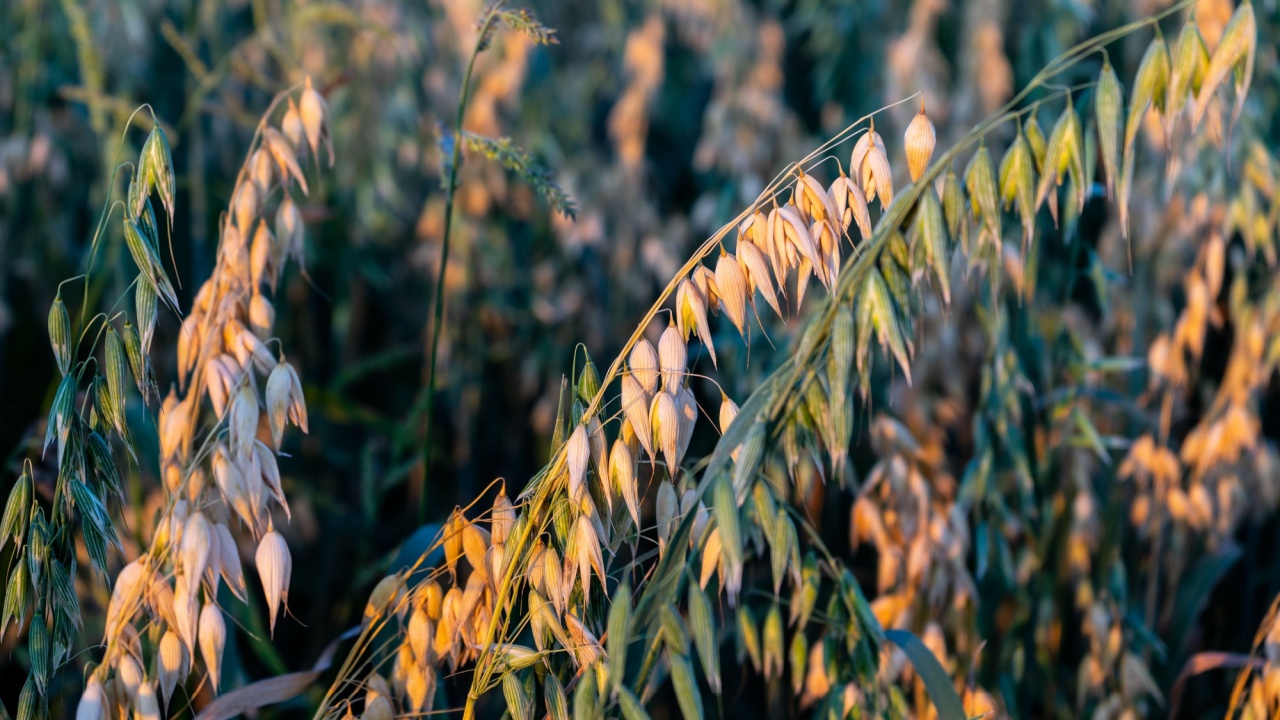
Image Credit: Shutterstock.
Winterkill Species (Easier Spring Management)
- Oats: Zones 7 and below, excellent weed suppression
- Crimson Clover: Zones 5 and below, nitrogen fixing
- Field Peas: Zones 6 and below, moderate nitrogen fixing
- Buckwheat: First frost, quick phosphorus mobilization
Cold-Hardy Species (More Biomass, Requires Termination)
- Winter Rye: Extremely cold-hardy, deep roots
- Winter Wheat: Good cold tolerance, carbon sequestration
- Hairy Vetch: Cold-hardy legume, aggressive weed suppression
- Austrian Winter Peas: Very cold-hardy, reliable nitrogen fixer
Warm Climate Specialists (Zones 8+)
- Barley: Drought-tolerant, natural weed suppression
- Sorghum-Sudangrass: Nematode suppression, massive biomass
Timing Guidelines
- Early Fall Planting: 6-8 weeks before first frost
- Mid-Fall Planting: 4-6 weeks before first frost
- Late Fall Planting: Winter rye and Austrian peas only
- Warm Zones: Can plant through November
Termination Methods
- Mowing: For grasses and moderate-sized legumes
- Tarping: For aggressive species like clover and vetch
- Cutting: Hand tools for small areas or raised beds
- Natural Winterkill: No action needed for appropriate species
Your Path to Better Soil Starts This Fall
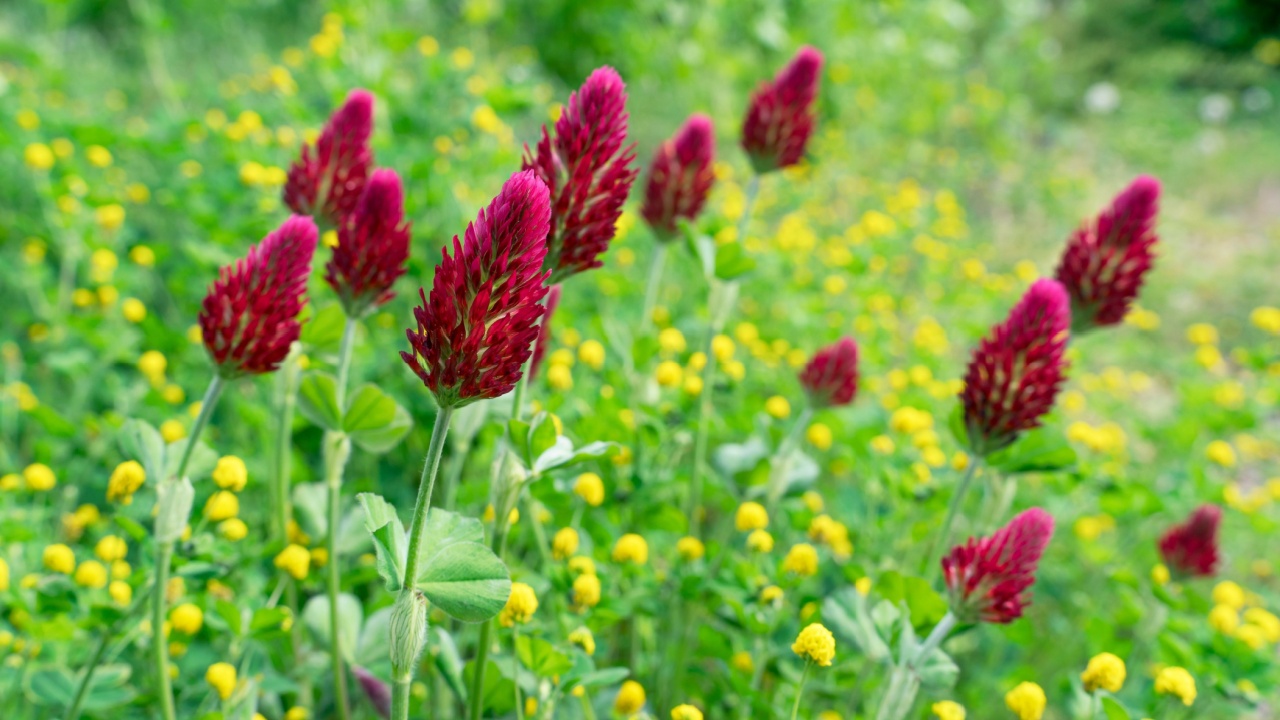
Image Credit: Shutterstock.
Investing in fall cover crops is one of the smartest decisions you can make for your garden’s long-term health and productivity. These hardworking plants transform winter from a dormant period into an active soil-building season, setting you up for gardening success come spring.
Start by assessing your garden’s specific needs. Is compaction an issue? Choose deep-rooted species like winter rye or barley. Need more fertility? Go with nitrogen-fixing legumes like crimson clover or hairy vetch. Dealing with persistent weeds? Aggressive species like hairy vetch or sorghum-sudangrass can help reclaim problem areas.
Don’t let another winter pass with bare soil in your garden beds!