
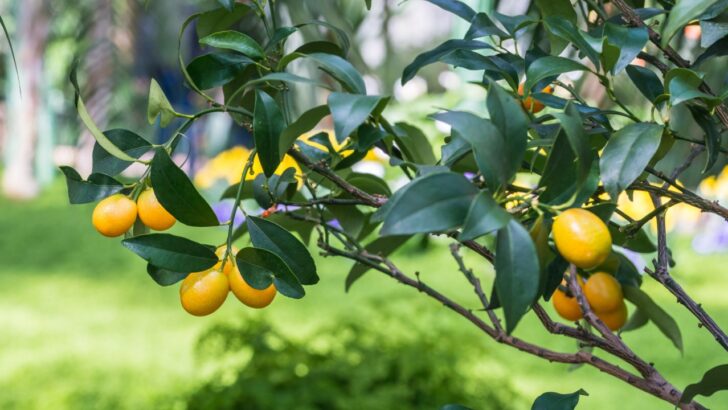
Imagine stepping into your backyard and plucking a fresh, sun-ripened orange or lemon directly from the branch. If you’re in a warmer growing zone (or the tree can potentially be brought indoors for colder months), growing your own citrus trees is one of the most rewarding gardening projects you can undertake. Not only do they provide delicious, vitamin-packed fruit, but their glossy green leaves and fragrant blossoms add year-round beauty and a delightful scent to your outdoor space. Whether you have a sprawling yard or a small patio, there is a perfect citrus tree waiting for you.
This guide will walk you through 19 of the best citrus varieties you can grow at home. We’ll explore everything from classic favorites to unique and exotic options, covering their distinct flavors, care needs, and ideal growing conditions. Get ready to discover the perfect tree to transform your garden into a personal citrus grove.
1. Meyer Lemon

Image Credit: Shutterstock.
The Meyer Lemon is a cross between a lemon and a mandarin orange, resulting in a fruit that’s sweeter and less acidic than a standard lemon. Its thin, smooth skin and deep yellow-orange color make it a kitchen favorite. Because it’s a naturally smaller, bushier tree, it’s an excellent choice for container gardening on a patio or balcony. This variety is also self-pollinating and can produce fruit year-round, with the main harvest in fall and winter. Its sweeter juice is perfect for desserts, dressings, and refreshing lemonade without needing a lot of extra sugar. The tree’s fragrant white blossoms will fill your garden with a beautiful aroma.
- Best For: Container gardening, sweeter lemon flavor, year-round harvest.
- Growing Zones: 8-11. It can be grown in colder zones if brought indoors for winter.
- Care Tips: Requires at least 6 hours of direct sunlight per day. Plant in well-draining soil and water consistently, allowing the top inch of soil to dry out between waterings.
2. Valencia Orange
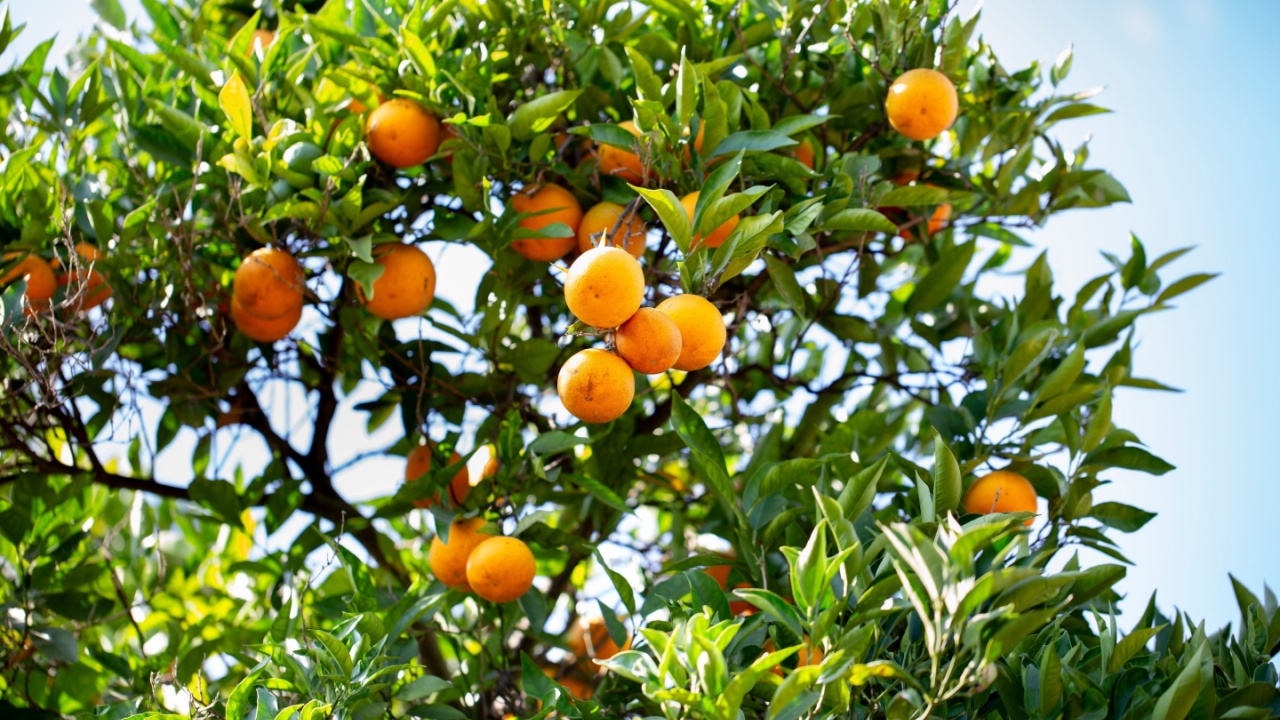
Image Credit: Shutterstock.
If you dream of making fresh-squeezed orange juice, the Valencia Orange is your tree. Known as the “king of juice oranges,” this variety is exceptionally sweet, juicy, and has very few seeds. Valencia oranges are unique because they ripen in the summer, from March to September, extending your citrus harvest season well beyond the winter months. The fruit can even stay on the tree for months without losing its quality. These trees can grow quite large when planted in the ground, providing ample shade and a bountiful harvest. A single mature tree can produce hundreds of oranges in a season.
- Best For: Juicing, summer harvest, large backyards.
- Growing Zones: 9-11.
- Care Tips: Plant in a location with full sun and protection from strong winds. They need deep, regular watering, especially during fruit development. Prune annually to maintain shape and remove dead wood.
3. Key Lime
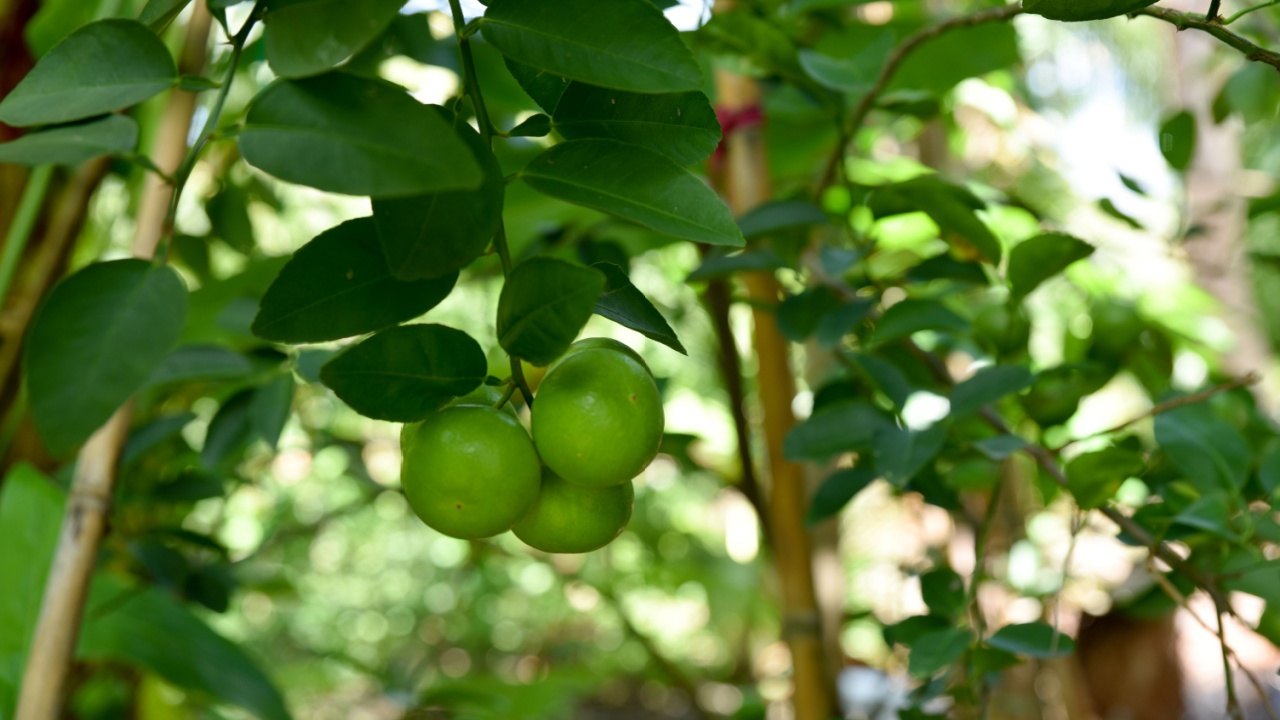
Image Credit: Shutterstock.
The Key Lime is essential for anyone who loves tropical flavors and classic desserts like Key Lime pie. These limes are smaller, more acidic, and have a more intense, aromatic flavor than the common Persian lime. The tree itself is small and shrubby, with thorny branches, making it suitable for smaller gardens or large pots. Key Limes are highly productive and can fruit year-round in warm climates. The limes are picked when green and will turn yellow as they ripen, becoming even juicier. Their vibrant, tangy flavor is perfect for pies, cocktails, marinades, and sauces.
- Best For: Desserts, cocktails, small spaces, and container growing.
- Growing Zones: 9-11. Very sensitive to frost.
- Care Tips: Needs a warm, sunny, and humid environment. Protect from frost and wind. Water regularly, but avoid waterlogged soil.
4. Satsuma Mandarin
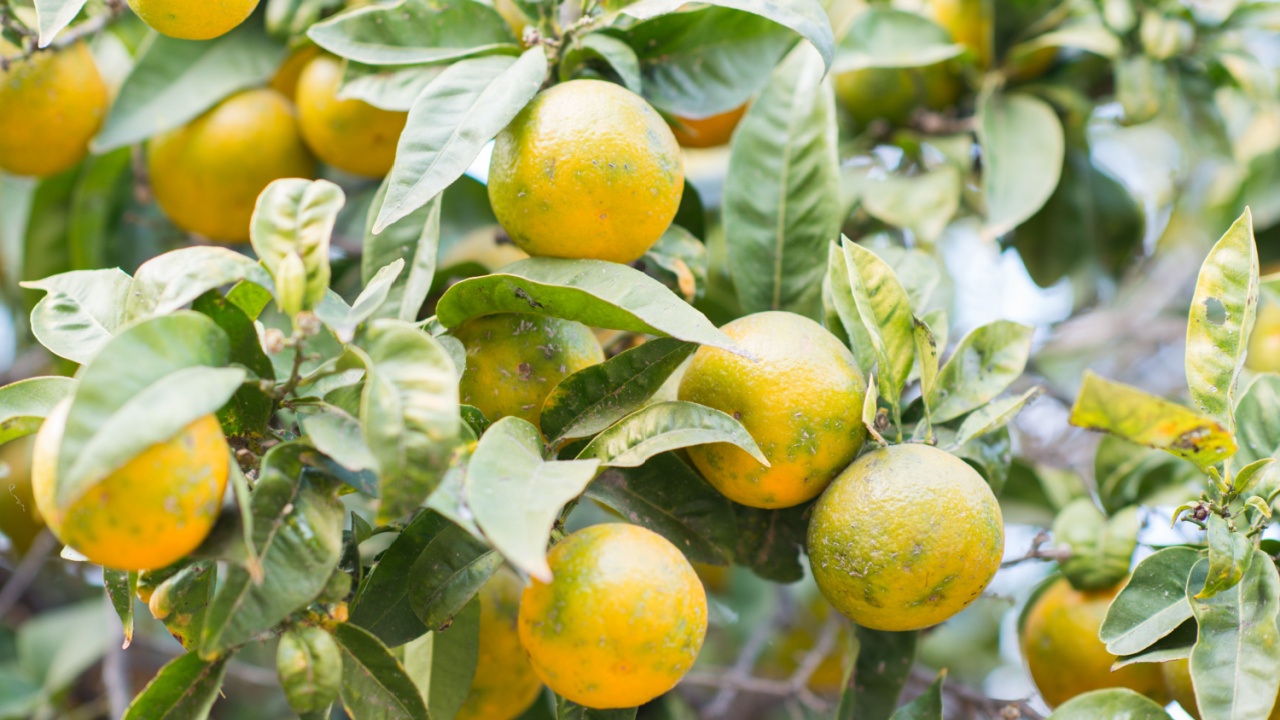
Image Credit: Shutterstock.
Known for being one of the most cold-hardy citrus trees, the Satsuma Mandarin is a fantastic choice for gardeners in cooler climates. This tree produces sweet, seedless, and easy-to-peel fruit that ripens early, typically from October to December. It’s the perfect healthy snack for the fall and holiday season. Satsuma trees are relatively small and have a weeping, open growth habit, making them beautiful ornamental plants. They are low-maintenance and naturally pest-resistant, which is a great bonus for beginners.
- Best For: Cold climates, easy-to-peel fruit, beginner gardeners.
- Growing Zones: 8-11. Can tolerate temperatures down to 15°F (-9°C) for short periods.
- Care Tips: Plant in a sunny spot with well-draining soil. While they are drought-tolerant once established, consistent watering during the growing season yields better fruit.
5. Blood Orange
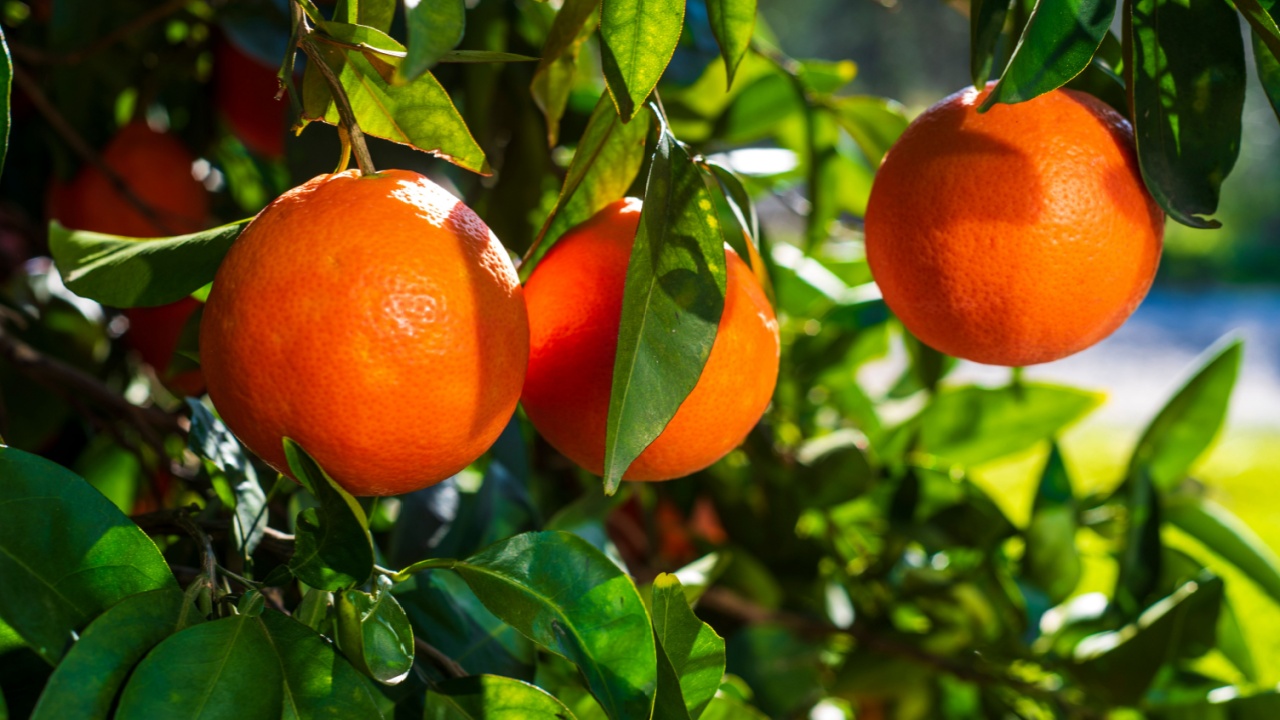
Image Credit: Shutterstock.
The Blood Orange is a stunning variety, prized for its deep crimson flesh and a complex flavor with notes of raspberry and cherry mixed with traditional orange sweetness. This vibrant color comes from anthocyanins, the same antioxidants found in berries. The color development depends on a specific climate condition: warm days followed by cool nights. These trees are medium-sized and make a beautiful statement in the garden with their dark fruit. Blood oranges are fantastic for eating fresh, juicing (creating a striking, colorful drink), and adding a gourmet touch to salads, desserts, and sauces.
- Best For: Unique flavor, visually striking fruit, and culinary uses.
- Growing Zones: 9-11. Some varieties, like Moro, can handle zone 8.
- Care Tips: Needs temperature fluctuations to develop its signature color. Requires full sun and consistent moisture.
6. Calamondin
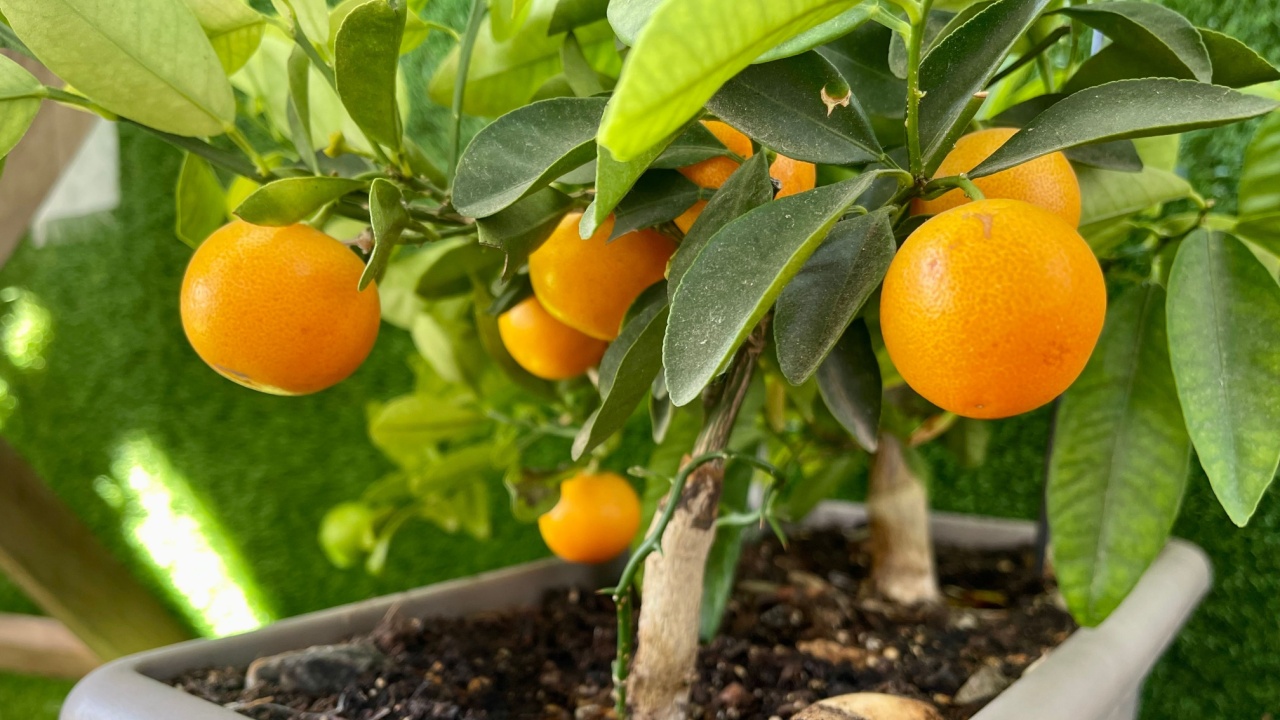
Image Credit: Shutterstock.
Often grown as an ornamental, the Calamondin tree is a cross between a kumquat and a mandarin orange. It’s a small, compact tree that is incredibly productive, often covered in small, round, orange fruits and fragrant flowers at the same time. This makes it a stunning addition to patios and even indoor spaces. The fruit is quite sour, but the peel is sweet, offering a unique sweet-tart flavor when eaten whole. Calamondins are most commonly used to make marmalade, or the juice can be used as a flavorful substitute for lime or lemon in drinks and recipes.
- Best For: Ornamental purposes, container growing, and marmalades.
- Growing Zones: 8-11. Adapts well to being grown indoors.
- Care Tips: Thrives in full sun. Water thoroughly when the top inch of soil is dry. They are heavy feeders, so fertilize regularly during the growing season.
7. Kumquat
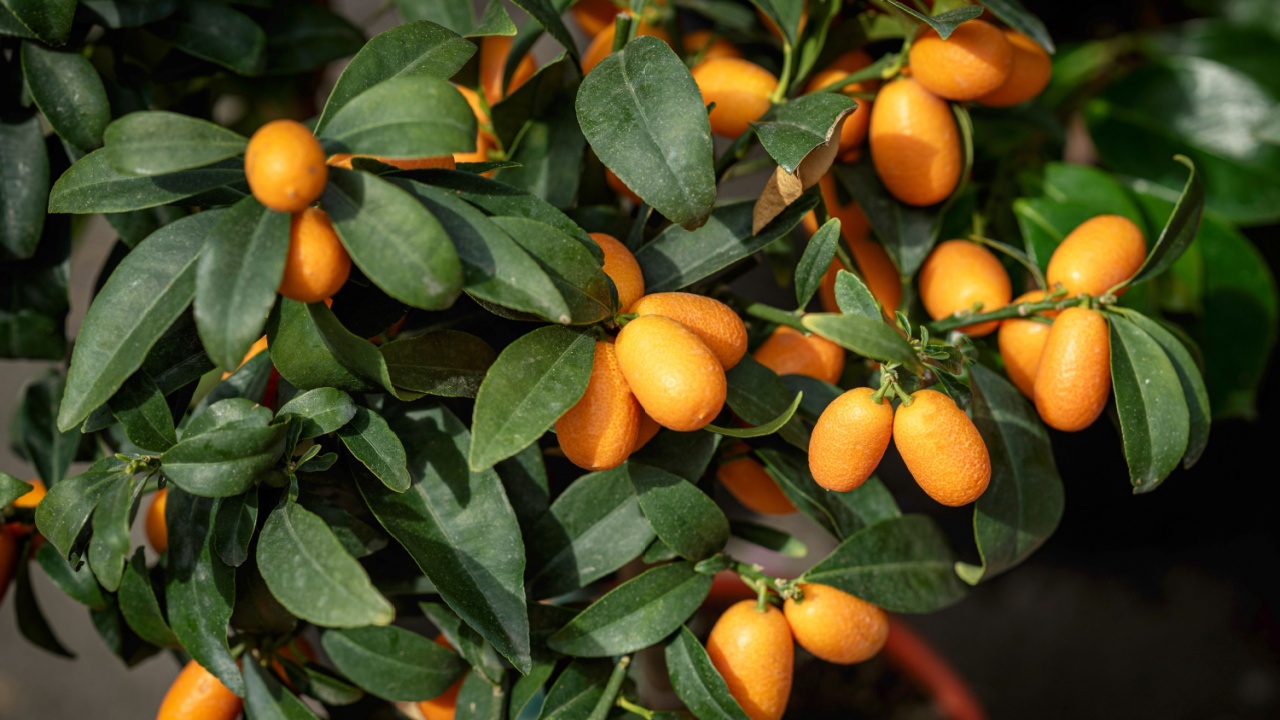
Image Credit: Shutterstock.
Kumquats are unique in the citrus world because you eat the entire fruit—skin and all. The small, olive-sized fruits have a sweet, edible peel and tart flesh, creating a burst of flavor in your mouth. The ‘Nagami’ variety is oval and tangy, while the ‘Meiwa’ is rounder and sweeter. These small, shrub-like trees are very ornamental, with dense, glossy foliage. They are also quite cold-hardy and can be grown in containers in colder regions and moved indoors during winter. Kumquats are perfect for making marmalades, candying, or slicing into salads.
- Best For: Eating whole, container gardening, cold tolerance.
- Growing Zones: 8-11.
- Care Tips: Requires at least 6-8 hours of sunlight. Plant in well-draining soil. Water regularly, but let the soil dry slightly between waterings.
8. Variegated Pink Lemon
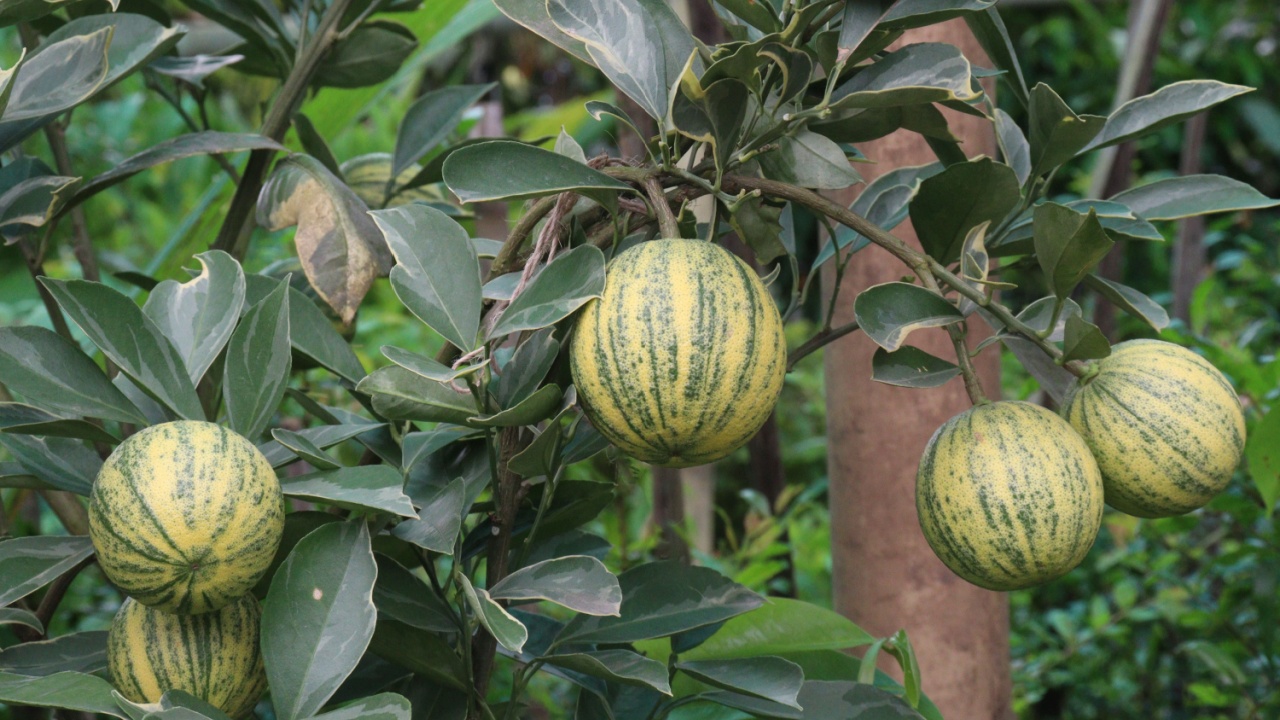
Image Credit: Shutterstock.
Also known as the Pink Eureka Lemon, this tree is a visual delight. It features beautiful variegated foliage with patterns of green and cream, and the lemons themselves have a striped green and yellow rind when young. As they mature, the rind turns yellow, and the flesh develops a lovely pink hue. The flavor is that of a classic, acidic lemon, but with a unique floral or berry undertone. The pink juice adds a colorful twist to lemonade, cocktails, and garnishes. It’s a medium-sized tree that does well in both the ground and large containers.
- Best For: Ornamental value, unique-looking fruit, classic lemon flavor.
- Growing Zones: 9-11.
- Care Tips: Prefers full sun to develop the best color in its leaves and fruit. Protect from frost. Regular watering is key.
9. Buddha’s Hand
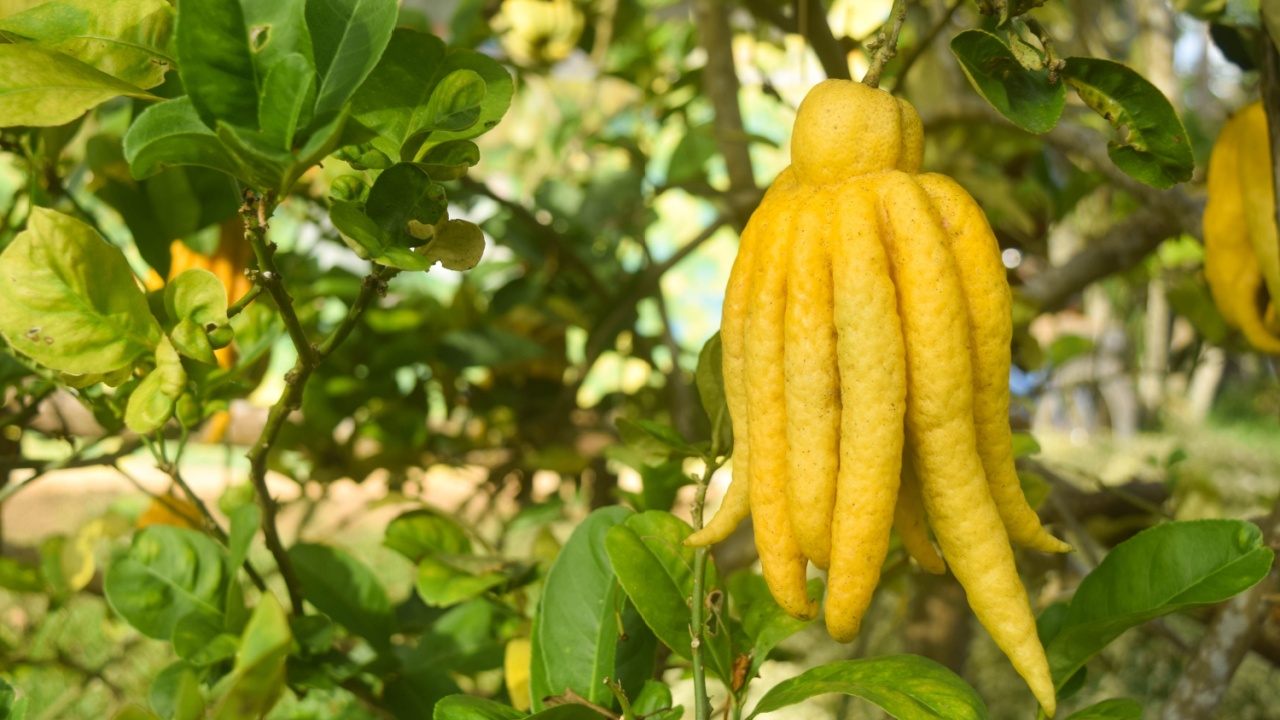
Image Credit: Shutterstock.
For the gardener who wants something truly unusual, the Buddha’s Hand is a must-have. This citron variety produces a bizarre and fascinating fruit that looks like a yellow, tentacled hand. The fruit has no juice or pulp; it is all rind and pith. So why grow it? The fragrance is incredible. The fruit has a strong, sweet lemon-blossom scent that can perfume an entire room. The rind can be candied or used as zest in baking and cooking. It is grown primarily for its novelty and aromatic qualities.
- Best For: Aromatic fruit, novelty, and ornamental value, zesting.
- Growing Zones: 10-11. Very sensitive to frost.
- Care Tips: Needs a warm, protected location with plenty of sun. Requires well-draining soil and consistent moisture.
10. Persian Lime
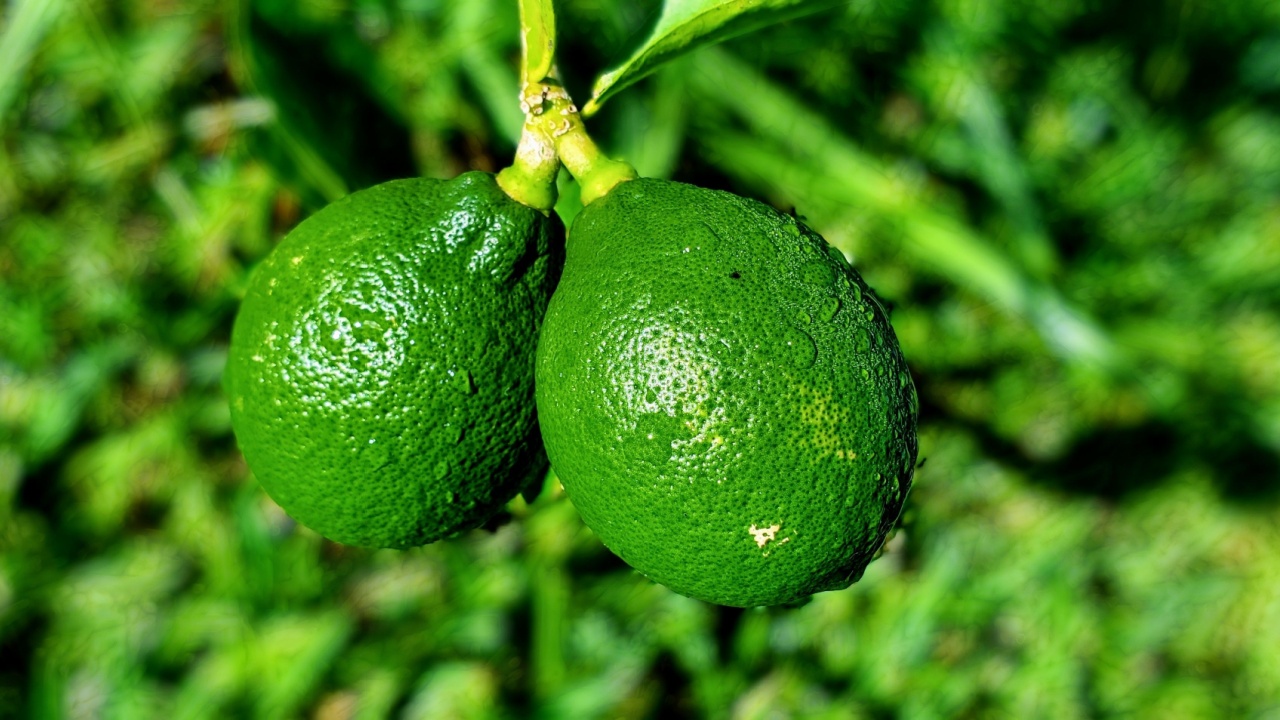
Image Credit: Shutterstock.
The Persian Lime is the most common lime found in grocery stores, and for good reason. It produces large, seedless, juicy limes with a classic tart flavor that is less acidic than the Key Lime. This makes it incredibly versatile for everything from beverages to cooking. The tree is vigorous, nearly thornless, and productive, bearing fruit year-round in warm climates. Its larger size makes it easier to juice, and its hardiness makes it a reliable choice for home gardeners.
- Best For: Classic lime flavor, juicing, nearly thornless variety.
- Growing Zones: 9-11.
- Care Tips: Plant in full sun and provide consistent water. Prune to maintain an open canopy for good air circulation, which helps prevent disease.
11. Limequat
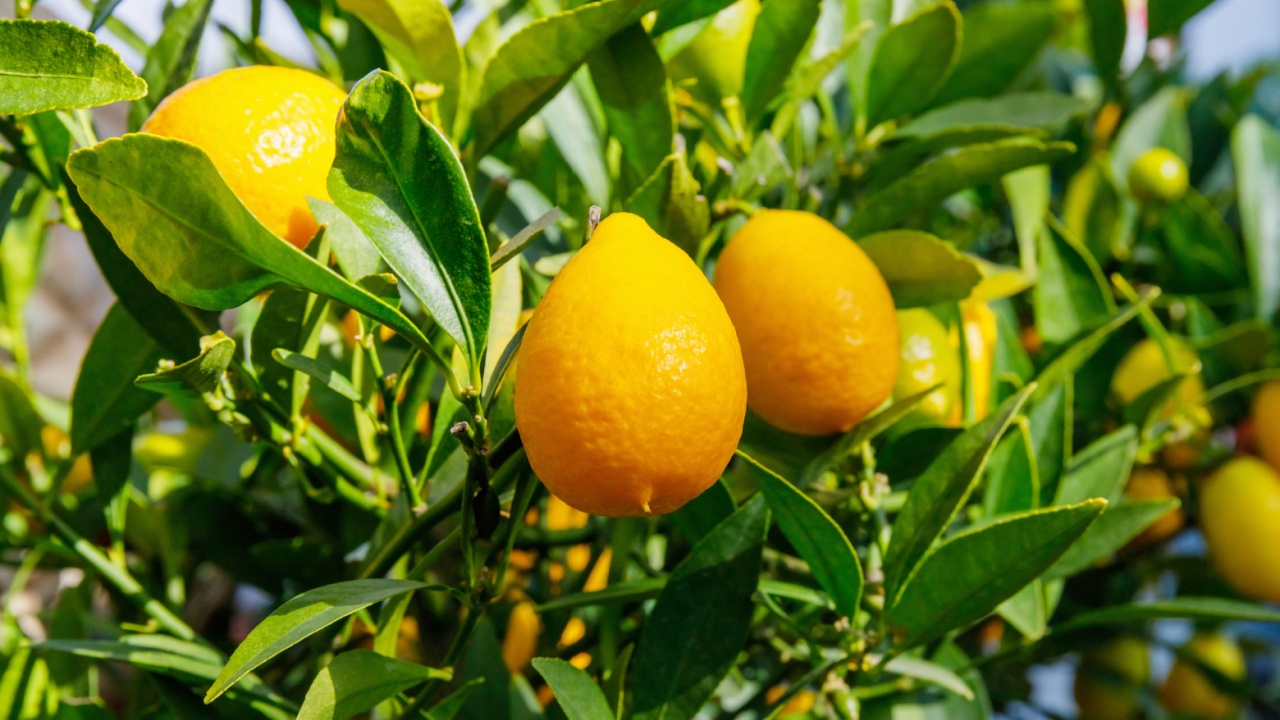
Image Credit: Shutterstock.
A hybrid of a Key Lime and a kumquat, the Limequat combines the best traits of both parents. It produces small, oval, yellowish fruit that has the tartness of a lime but with a sweet, edible peel. This makes it a great “pop-in-your-mouth” fruit if you enjoy a sour kick. The tree is small, compact, and more cold-hardy than a true lime tree, making it an excellent candidate for container growing. It’s a prolific producer, often laden with fruit. Use Limequats as a garnish for cocktails or slice them into drinks.
- Best For: Container gardening, cold-hardiness, edible peel.
- Growing Zones: 8-11.
- Care Tips: Like most citrus, it needs full sun and well-draining soil. It is well-suited for pots, which allows it to be moved to a protected area in winter.
12. Ponderosa Lemon
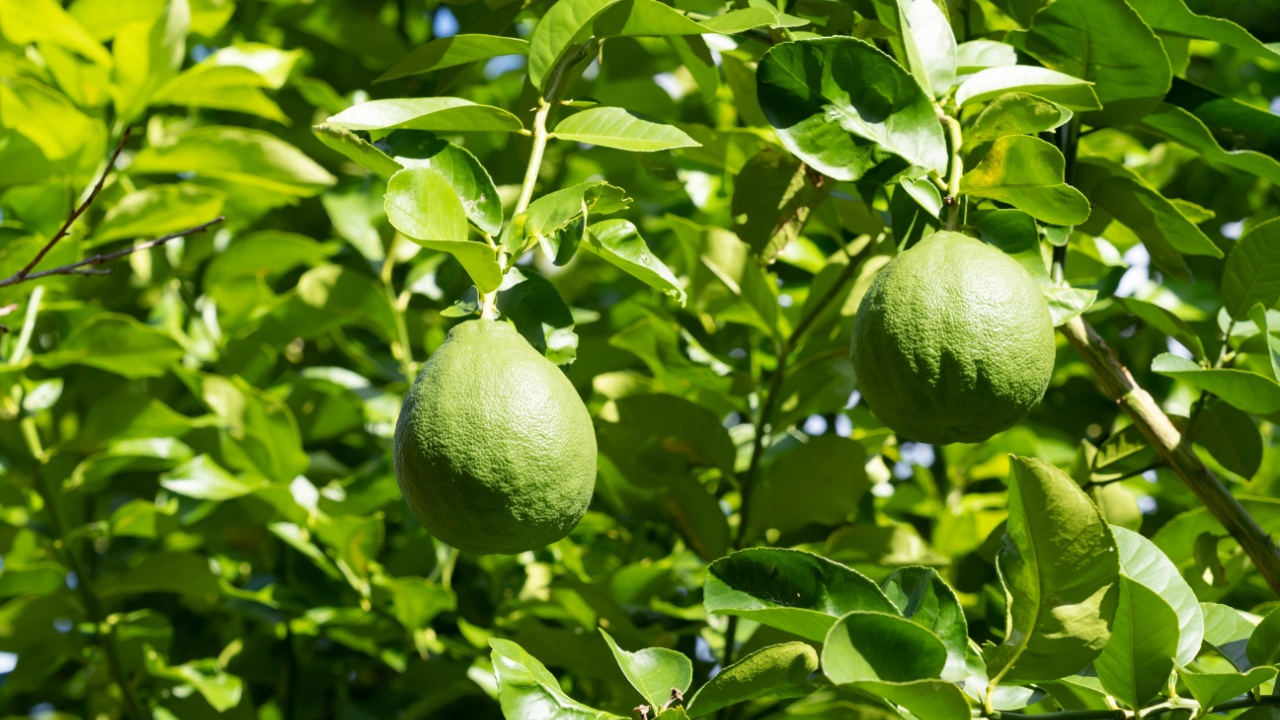
Image Credit: Shutterstock.
If you believe bigger is better, the Ponderosa Lemon is for you. This tree produces enormous lemons that can weigh one to two pounds each. The fruit has a thick, bumpy rind and a flavor similar to a traditional lemon, but slightly less acidic. One Ponderosa lemon can provide enough juice for an entire pitcher of lemonade. The tree itself is small to medium-sized and thorny. It’s a fun novelty plant that is also practical, providing a huge amount of lemon from a single fruit.
- Best For: Novelty, large fruit, lemonade.
- Growing Zones: 9-11.
- Care Tips: The branches may need support to hold the weight of the heavy fruit. Requires a sunny location and regular watering.
13. Bergamot Orange
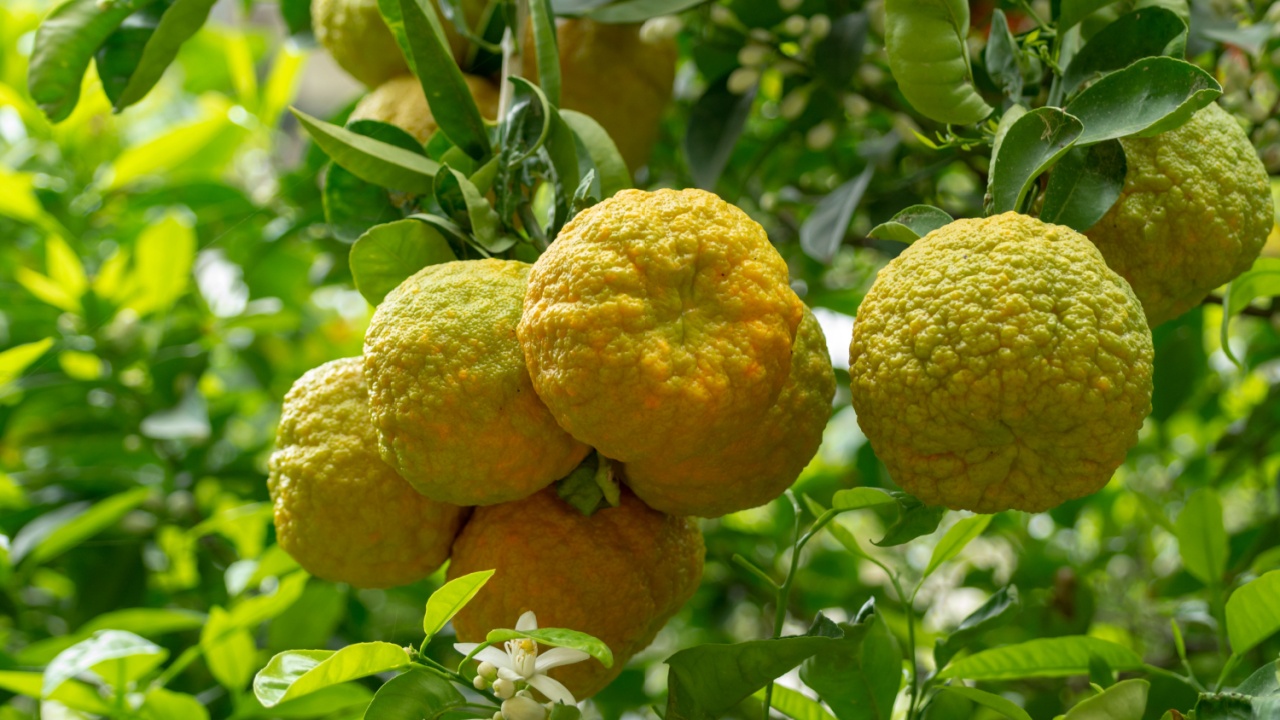
Image Credit: Shutterstock.
Famous for its aromatic rind, the Bergamot Orange is the key ingredient that gives Earl Grey tea its distinctive flavor. The fruit is a sour orange, roughly the size of a standard orange, and is not typically eaten fresh due to its bitterness. However, the peel is highly prized in the perfume industry and for its essential oil. The zest can be used to flavor baked goods, marmalades, and cocktails. The tree is medium-sized and grows best in warm, coastal climates.
- Best For: Aromatic zest, flavoring teas and foods, essential oils.
- Growing Zones: 9-11.
- Care Tips: Prefers a sunny, sheltered spot. It is sensitive to frost and extreme temperature swings. Keep the soil consistently moist.
14. Yuzu
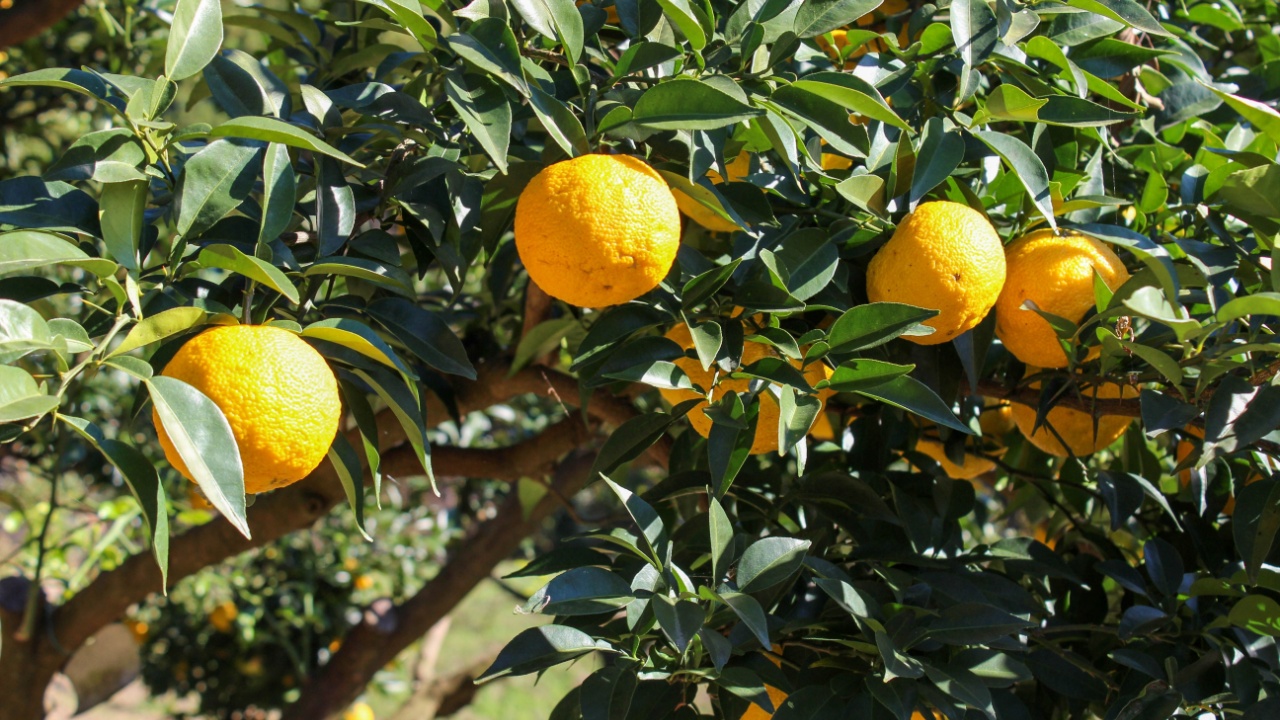
Image Credit: Shutterstock.
A treasure of Japanese and Korean cuisine, Yuzu is a hybrid citrus known for its incredibly fragrant rind and tart juice. It has a complex flavor profile that tastes like a combination of grapefruit, lemon, and mandarin orange. The fruit is bumpy, yellow, and contains many seeds. Yuzu is exceptionally cold-hardy, making it one of the few citrus that can be grown in cooler regions. The juice and zest are used to make ponzu sauce, yuzu-kosho (a spicy paste), desserts, and cocktails.
- Best For: Culinary enthusiasts, unique aromatic flavor, cold-hardiness.
- Growing Zones: 7-11. Can survive temperatures down to 10°F (-12°C).
- Care Tips: The tree has very large thorns, so handle it with care. Plant in full sun and provide good drainage.
15. Finger Lime
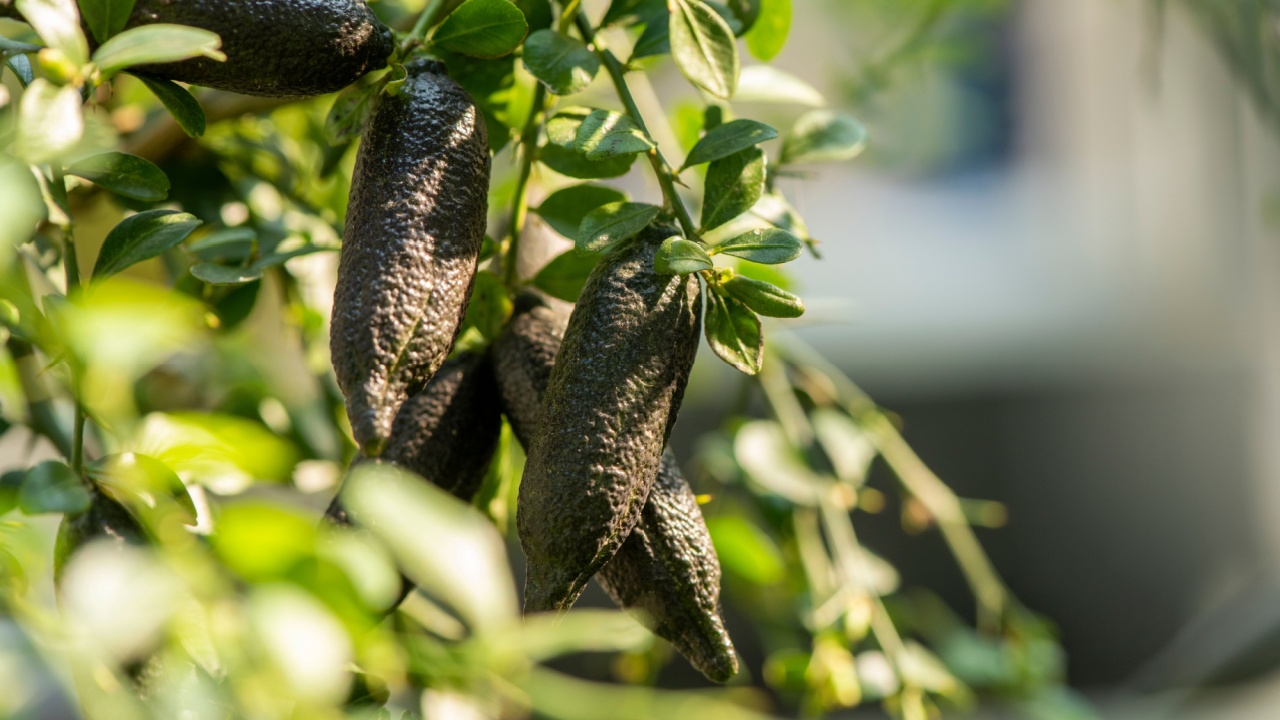
Image Credit: Shutterstock.
Often called “citrus caviar,” the Finger Lime is an Australian native that produces long, finger-shaped fruits. When you cut one open, the pulp consists of tiny, bead-like vesicles that pop in your mouth with a burst of tangy lime flavor. These unique pearls can be sprinkled over seafood, salads, desserts, and cocktails for a sophisticated and flavorful garnish. The tree is a small, thorny shrub that does well in pots. It’s a gourmet ingredient you can grow right in your backyard.
- Best For: Gourmet cooking, unique texture, container growing.
- Growing Zones: 9-11. It can be grown in pots in cooler zones.
- Care Tips: Prefers partial shade in very hot climates but full sun elsewhere. Needs well-draining soil and protection from frost.
16. Cara Cara Orange
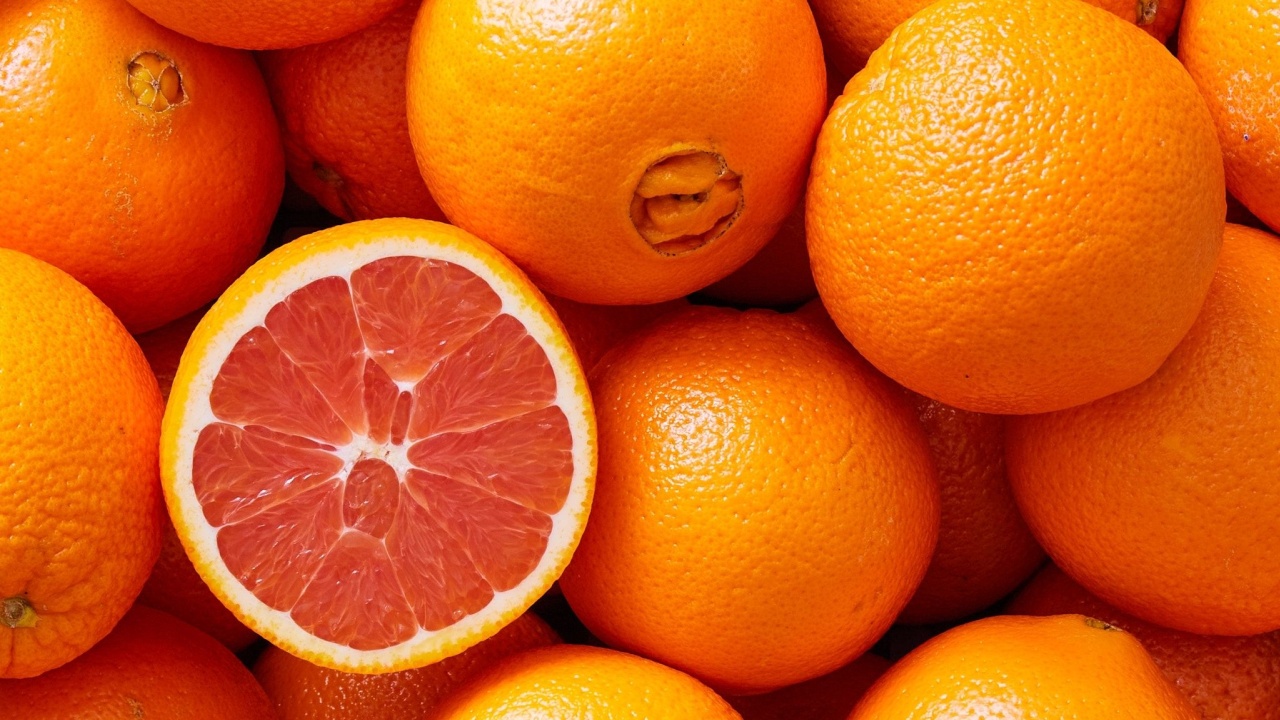
Image Credit: Shutterstock.
The Cara Cara Orange looks like a regular navel orange on the outside, but the inside reveals beautiful, pinkish-red flesh. It is a type of navel orange, so it’s seedless and easy to peel. The flavor is exceptionally sweet with low acidity and has subtle notes of cherry, cranberry, and blackberry. This makes it one of the most delicious oranges for eating fresh. The tree is medium-sized and productive, making it a great all-around choice for a home orchard.
- Best For: Sweet flavor, eating fresh, and unique color.
- Growing Zones: 9-11.
- Care Tips: Requires full sun and regular watering. Like other navel oranges, it thrives in warm, dry conditions.
17. Mandarinquat
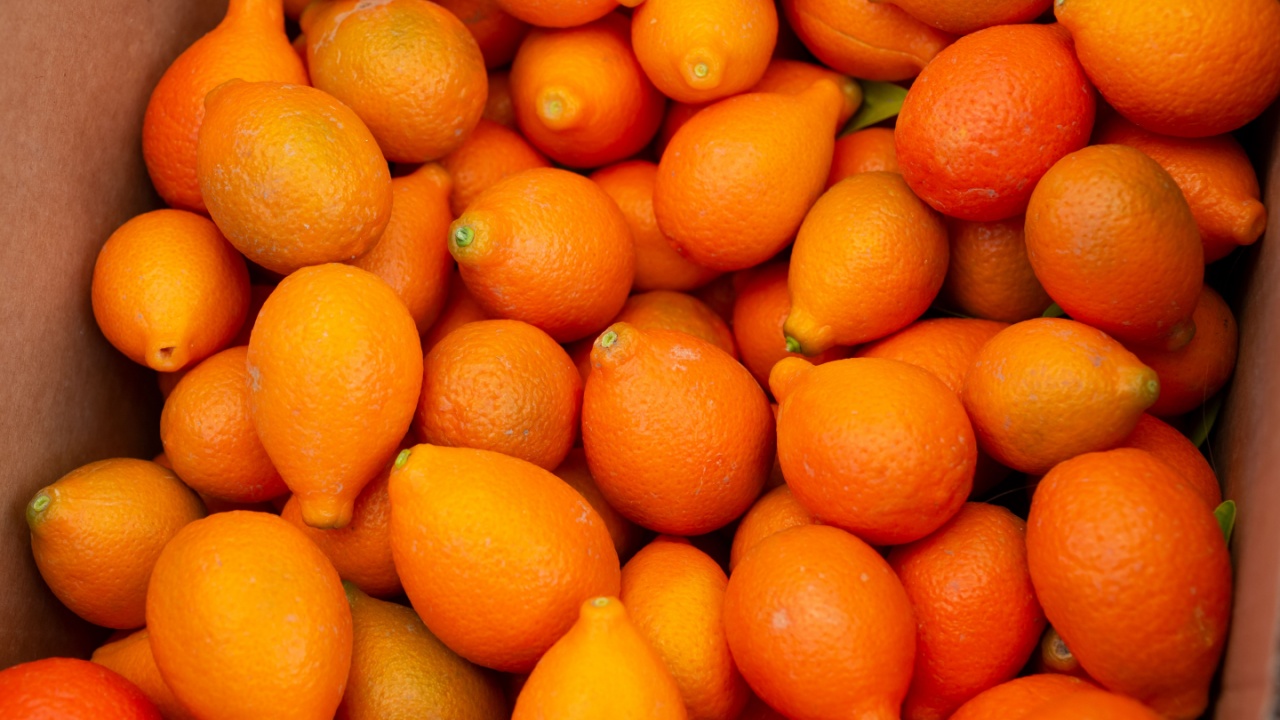
Image Credit: Shutterstock.
Another kumquat hybrid, the Mandarinquat is a cross between a mandarin and a kumquat. This results in a bell-shaped fruit that is larger than a typical kumquat. You can eat it whole, enjoying the sweet peel and the tart, juicy flesh. The flavor is a delightful balance of sweet and tangy. The tree is small and ornamental, making it a perfect fit for containers or small garden spaces. It’s also fairly cold-tolerant.
- Best For: Eating whole, container gardening, sweet-tart flavor.
- Growing Zones: 8-11.
- Care Tips: Needs a sunny spot and well-drained soil. Water consistently, especially when grown in a pot, as they can dry out quickly.
18. Sweet Lemon
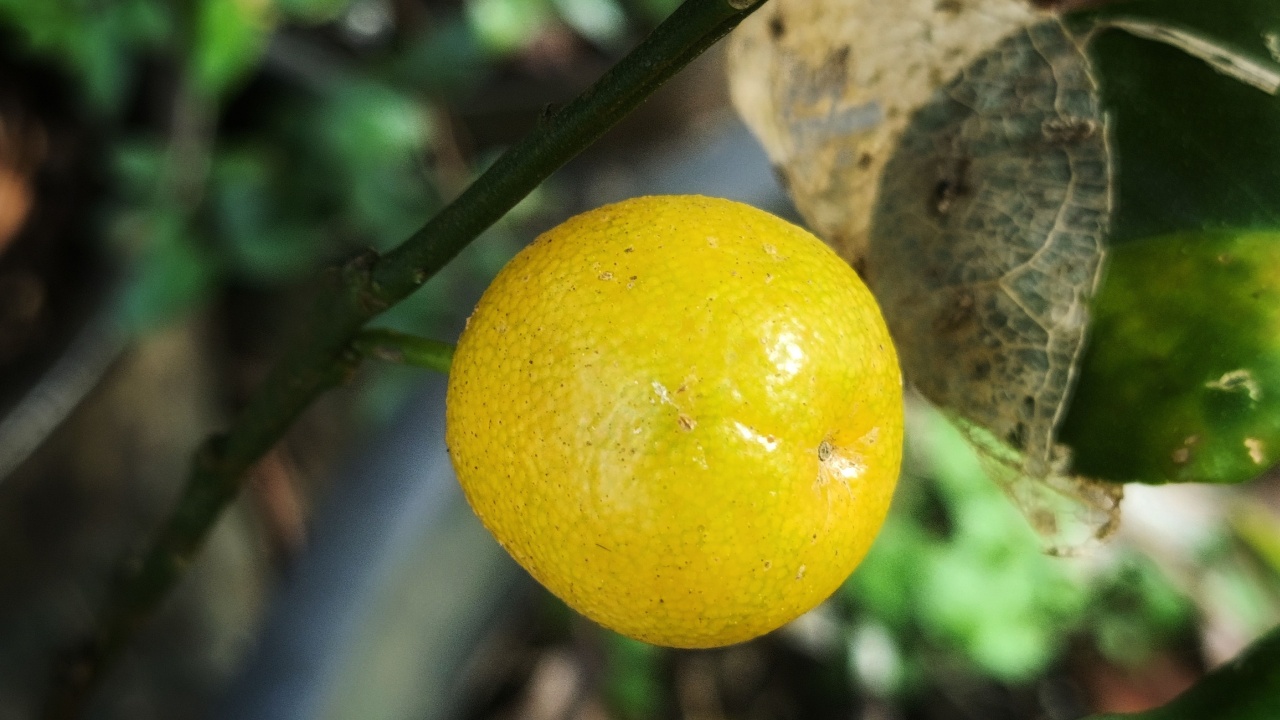
Image Credit: Shutterstock.
Also known as a Sweet Lime or Palestinian Sweet Lime, this variety has very low acidity, making the fruit taste sweet rather than tart. The flavor is mild and floral, without the sharp bite of a regular lemon. The fruit is often enjoyed fresh or juiced in many parts of the world, particularly in the Middle East and India. The tree is medium-sized and productive. It’s a great option for anyone who finds traditional lemons too sour or wants to try a different flavor profile.
- Best For: Low-acid fruit, fresh eating, juicing.
- Growing Zones: 9-11.
- Care Tips: Prefers a warm, sunny climate. Plant in well-draining soil and provide regular fertilization during the growing season for the best harvest.
19. Orangequat
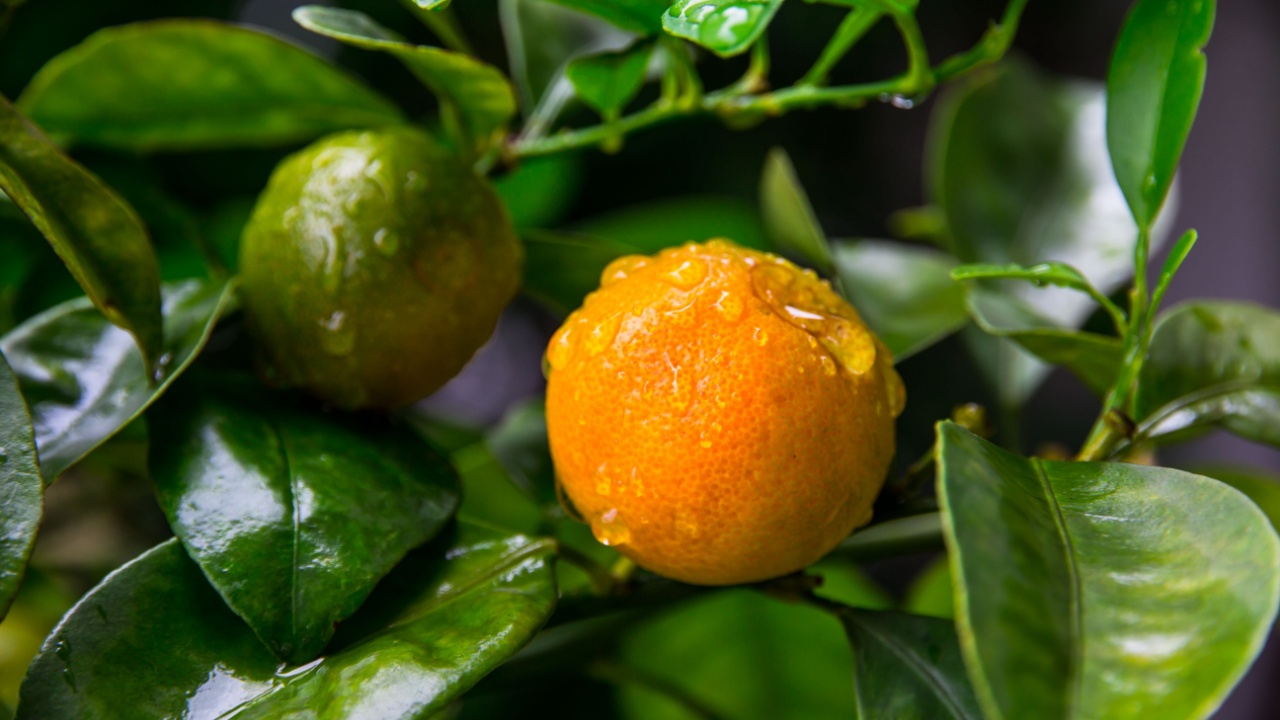
Image Credit: Shutterstock.
As a hybrid of a satsuma mandarin orange and a Meiwa kumquat, the Orangequat offers a pear-shaped fruit with a sweet-tart flavor. Like a kumquat, the fruit can be eaten whole, peel and all. The peel is sweet, and the flesh is tangy, delivering a well-rounded citrus taste. The tree is compact and highly ornamental, making it ideal for container gardening and small yards. It is also quite cold-hardy, a trait inherited from its Satsuma parent. Its prolific fruiting provides a continuous supply of tasty treats.
- Best For: Container gardening, unique flavor, cold tolerance.
- Growing Zones: 8-11.
- Care Tips: Provide at least six hours of sun. Water regularly, ensuring the soil doesn’t become waterlogged. Fertilize periodically to encourage fruit production.
Which Citrus Tree Can You Grow?
Image Credit: Shutterstock.
Now that you’ve explored the diverse world of citrus, it’s time to take the next step. Before you buy a tree, consider your climate and available space. Check your USDA Hardiness Zone to ensure you pick a variety that will thrive in your area.
If you live in a colder region, focus on cold-hardy types like Satsuma and Yuzu, or choose any variety you like and plan to grow it in a pot that can be moved indoors for the winter. Visit a local nursery to see the trees for yourself and ask for advice on the best rootstock for your local soil conditions. With the right tree and a little care, you’ll soon be enjoying the unparalleled taste of homegrown citrus.