

There’s nothing like slipping into fresh sheets and breathing in the comfort of your own bed. Unless, of course, you’re sharing that bed with some very unwelcome company.
Bed bugs are tiny, persistent pests that know how to hide and bite when you least expect it. And they might have hitched a ride on your suitcase after your last hotel stay.
Thankfully, though, certain everyday smells can make them run for the hills. So, while you’re enjoying a calming spritz of lavender or a hint of peppermint, bed bugs are scrambling to get away. In this guide, we’re diving into common, natural scents that bed bugs simply can’t stand. Most of them are already in your kitchen or bathroom cabinet and can help keep your space bug-free while making it smell amazing.
1. Lavender
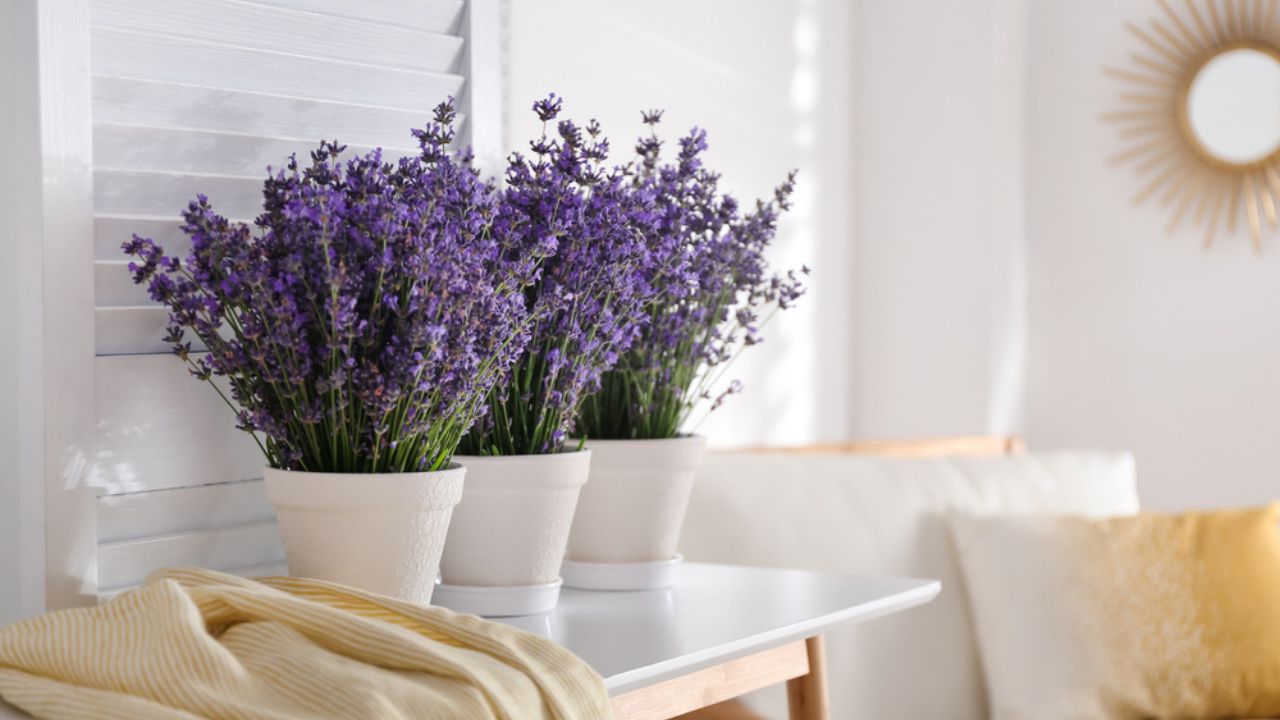
Image Credit: Shutterstock.
Lavender is often used to promote relaxation and better sleep. But while we find it calming, bed bugs absolutely can’t stand it. The key ingredient here is linalool, a naturally occurring alcohol in lavender oil that insects find overpowering and toxic. Lavender oil can be diluted with water (about 10–15 drops per cup) and sprayed lightly on mattresses, pillowcases, bed frames, and curtains. You can also place dried lavender sachets in dresser drawers, under beds, or even tuck them inside pillowcases. You can also place a potted lavender plant in your bedroom or common areas.
This leaves your space smelling clean and fresh and creates a subtly hostile environment for bugs. While lavender can’t kill bed bugs, it can certainly encourage them to relocate or stay away from treated areas.
2. Tea Tree Oil

Image Credit: Shutterstock.
Tea tree oil has earned a place in many homes thanks to its strong antimicrobial and antifungal qualities. It’s also a solid option for deterring bed bugs. Its sharp, medicinal scent is deeply unpleasant to insects, and it’s thought to disrupt their respiratory systems. When diluted correctly (around 15–20 drops per spray bottle of water), tea tree oil can be spritzed around baseboards, bedposts, mattress seams, and behind headboards. It’s especially helpful in tight spaces where bed bugs love to hide.
Some people even add a few drops to laundry detergent when washing sheets and blankets. Just make sure never to use it undiluted on skin or surfaces. It’s potent enough to irritate both people and pets. If you’re looking for a natural addition to your pest-fighting routine, tea tree oil is a great-smelling way to throw bugs off their game while freshening up your space.
3. Peppermint

Image Credit: Shutterstock.
Fresh, minty, and invigorating, peppermint is a natural wake-up call for us, but a total nightmare for bed bugs. The menthol in peppermint oil is too intense for many insects to handle, irritating their nervous systems and discouraging them from settling in treated areas.
You can make a simple spray using water and 10–15 drops of peppermint essential oil to mist around bed frames, closet corners, or along baseboards. Cotton balls soaked in peppermint oil can also be placed inside dresser drawers, under mattresses, or in your suitcase before you pack it away after a trip. Just avoid overdoing it in bedrooms with pets, especially cats, as strong mint oils can sometimes bother them.
4. Lemon

Image Credit: Shutterstock.
Lemon is crisp, clean, and full of bright citrus energy, but for bed bugs, it’s just too intense. The reason? Lemon contains d-limonene, a compound found in citrus peels that’s known to be toxic to many pests. It messes with their ability to breathe and can even act as a mild insecticide. Making a lemon oil spray is simple. Just mix a few drops with water and use it on the underside of your mattress, around your bed’s legs, or even along windowsills. It’s also great for wiping down surfaces that bugs may crawl across.
If you’re using actual lemon peels, you can boil them to release their natural oils into the air or rub them gently on wood and fabric. Just make sure to test a small patch first to avoid staining or bleaching the surface. The added bonus? Your whole room will smell fresh and uplifting, and a lot less appealing for uninvited creepy-crawlers.
5. Eucalyptus

Image Credit: Shutterstock.
Eucalyptus has that sharp, menthol-rich scent that instantly clears your sinuses. And it does a number on bed bugs, too. The oil from eucalyptus leaves contains eucalyptol, a compound that acts as a natural insect deterrent by disrupting their nervous system and confusing their scent receptors. You can dilute eucalyptus essential oil with water (about 15 drops per spray bottle) and spritz it on your mattress seams, pillowcases, and furniture legs.
It’s also fantastic in a diffuser, filling the room with a spa-like freshness that bugs want nothing to do with. Adding a few drops to your laundry detergent when washing bed linens can give everything a fresh scent and another layer of protection. Eucalyptus is generally safe for most people, but if you have pets, especially cats, be cautious, as it can irritate them. Used wisely, though, eucalyptus is both a fragrant mood-lifter and a smart way to make your bed less inviting to pests.
6. Clove

Image Credit: Shutterstock.
Warm, spicy, and a little sweet, clove may smell like the holidays to us, but it’s far from festive for bed bugs. Clove essential oil is rich in eugenol, a compound that acts as a natural insecticide. When used properly, it overwhelms bed bugs’ systems, deterring them from settling in treated areas. To use it, mix about 10–15 drops of clove oil with water and spray it on furniture legs, mattress seams, and behind headboards. You can also soak cotton balls in diluted clove oil and tuck them discreetly in dresser drawers or the corners of your bed frame.
It’s best used in moderation because its scent is quite strong and can be overwhelming if overapplied. Still, a little goes a long way in creating an inhospitable environment for pests. If you enjoy cozy, spicy smells in your home, clove is a smart and naturally powerful addition to your pest-control lineup.
7. Geranium

Image Credit: Shutterstock.
Geraniums might be your favorite garden flowers, but did you know their oil is also a gentle deterrent against bed bugs? Geranium essential oil, especially rose geranium, has a floral, slightly citrusy scent that bed bugs find irritating and disorienting. It’s a great alternative if you’re sensitive to stronger scents like peppermint or clove. Mix 10–15 drops into a spray bottle with water and mist your linens, curtains, or even the area under your mattress. You can also use a diffuser to spread the scent through the room, keeping bugs at bay while creating a lovely atmosphere.
Because geranium oil is relatively light and non-offensive to most people, it’s ideal for bedrooms and shared spaces. It’s gentle enough to use around pets when properly diluted, but, as always, make sure to test individual sensitivities first.
8. Orange Peel

Image Credit: Shutterstock.
Orange peels are often tossed without a second thought, but they’re actually packed with d-limonene, a compound that’s highly effective at repelling pests like bed bugs (as mentioned with lemon). The oil in the peel acts as a natural insecticide, targeting the bug’s outer shell and respiratory system. You can simmer orange peels in water to release their aroma, creating a DIY citrus spray for your mattress seams, curtains, and bedposts.
As an added measure, rub fresh orange peel directly on furniture or window sills. Just make sure to test it on a small area first to make sure it doesn’t discolor the surface. If you’re using orange essential oil, dilute it with water and use it the same way. The scent is clean, vibrant, and refreshing, perfect for energizing your bedroom while helping keep bugs at bay. It’s a cheerful, chemical-free way to support your pest-prevention routine with something you probably already have in your fruit bowl.
9. Basil
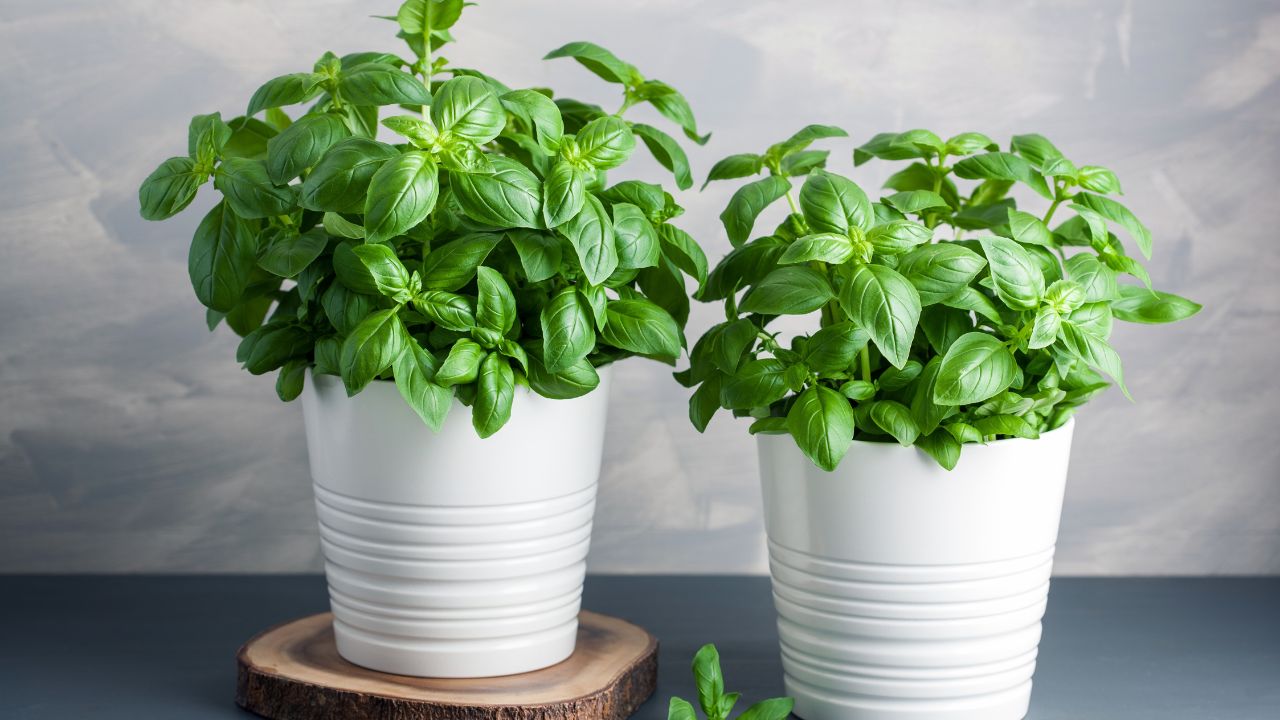
Image Credit: Shutterstock.
Basil is a kitchen staple that’s also a subtle bug repellent. This herb emits a fresh, peppery scent packed with volatile compounds like estragole and linalool, both of which confuse and irritate bed bugs. One of the easiest ways to use basil is to keep a small potted plant in your bedroom or near windows and doors.
For an extra layer of defense, crush a handful of basil leaves and place them in a breathable sachet under your mattress or inside pillowcases and drawers. You can also make a quick spray by boiling fresh leaves in water, straining the liquid, and spritzing it on fabrics and crevices. It’s gentle, clean-smelling, and adds a nice herby feel to your space.
10. Vinegar
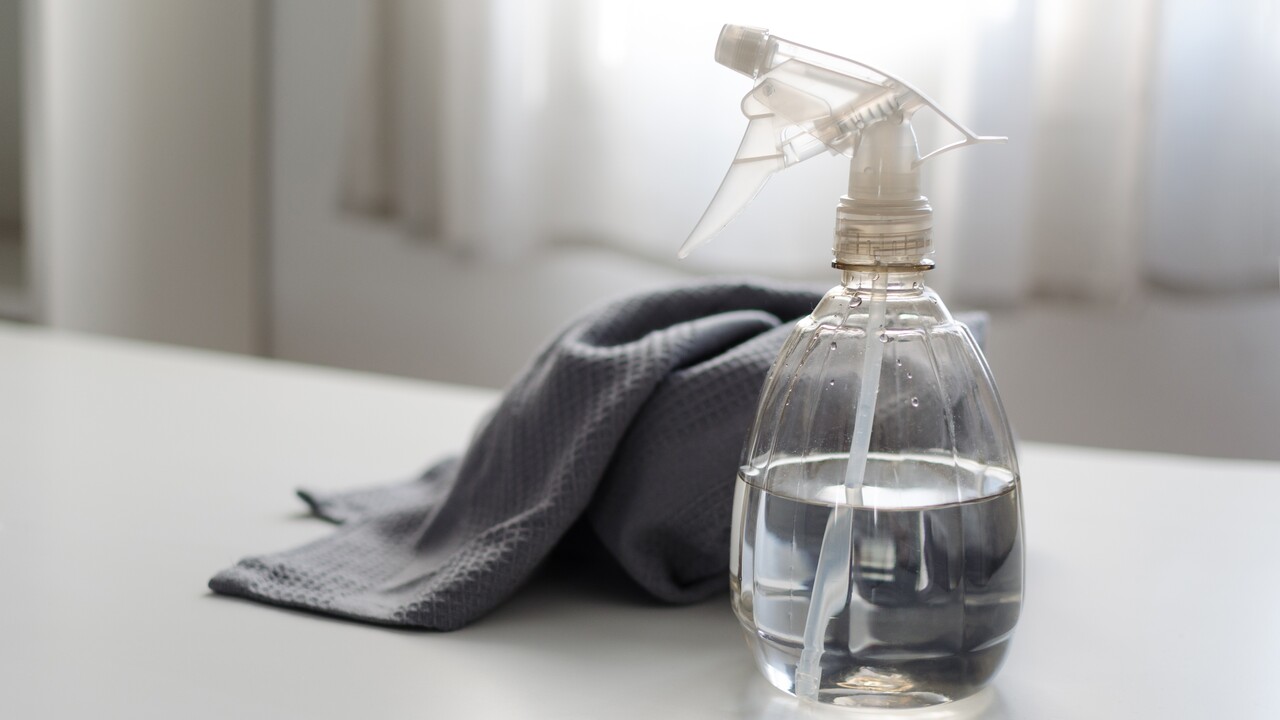
Image Credit: Shutterstock.
Vinegar’s sharp, acidic smell might not be everyone’s favorite, but bed bugs find it especially unbearable. The acetic acid in vinegar helps break down odors and bacteria and overwhelms bed bugs’ scent receptors, making it harder for them to detect their surroundings and track down potential hosts. Mix white vinegar and water in a 50/50 ratio before putting it in a spray bottle. Apply it generously along mattress seams, into wall cracks, and around baseboards where bed bugs are known to hide.
It’s particularly effective as a contact deterrent, meaning it won’t kill an infestation, but it will encourage the bugs to move along. While the scent does fade after a while, it works as a great short-term solution. Plus, vinegar’s versatility means you’re likely already using it to disinfect and freshen up surfaces, so it’s an easy addition to your pest-fighting routine.
11. Garlic

Image Credit: Shutterstock.
Garlic is famous for its bold flavor and its ability to repel everything from vampires to bed bugs. The sulfur compounds in garlic, particularly allicin, have a pungent scent that lingers in the air and makes the environment uncomfortable for insects. While you might not want your entire bedroom smelling like a pasta kitchen, garlic can still be useful in targeted applications. One method involves boiling crushed garlic cloves in water, letting the mixture cool, and then using it as a spray in less-trafficked areas like the underside of beds, corners of closets, or behind furniture.
A lot of people even place fresh garlic cloves in breathable pouches or small bowls and set them near potential entry points. Just be cautious about where you use it since garlic can stain surfaces and fabrics, and the smell can stick around longer than expected. Still, for strong, natural pest resistance, garlic is surprisingly effective.
A Fragrant Home, A Bug-Free Life

Image Credit: Shutterstock.
These scents aren’t silver bullets, but they’re powerful allies when used alongside solid pest-prevention habits. Think of them as invisible barriers, subtle, aromatic reminders to bed bugs that your space isn’t welcome territory. While scents alone won’t wipe out an infestation, they can make your home less inviting and less accessible for pests and a whole lot more pleasant for you.
Whether you love floral notes like lavender and geranium or prefer earthy options like cedar and turmeric, there’s a natural way to help keep bugs at bay without having to reach for harsh chemicals.