

While most people pull their Christmas tree out of a box or purchase a cut tree from a farm, for the past couple of years we’ve simply moved ours from the dining room to the living room for the holiday season. It may not have quite the same charm as a cut tree, but it’s …
Serena Manickam

Thyme is a wonderful companion plant in the garden. The creeping nature of many varieties of this herb means it makes an excellent living mulch, and its strong fragrance deters insect pests like whiteflies and cabbageworms. And when its lovely little flowers bloom, thyme attracts pollinators and other beneficial insects too! Some plants, however, don’t …
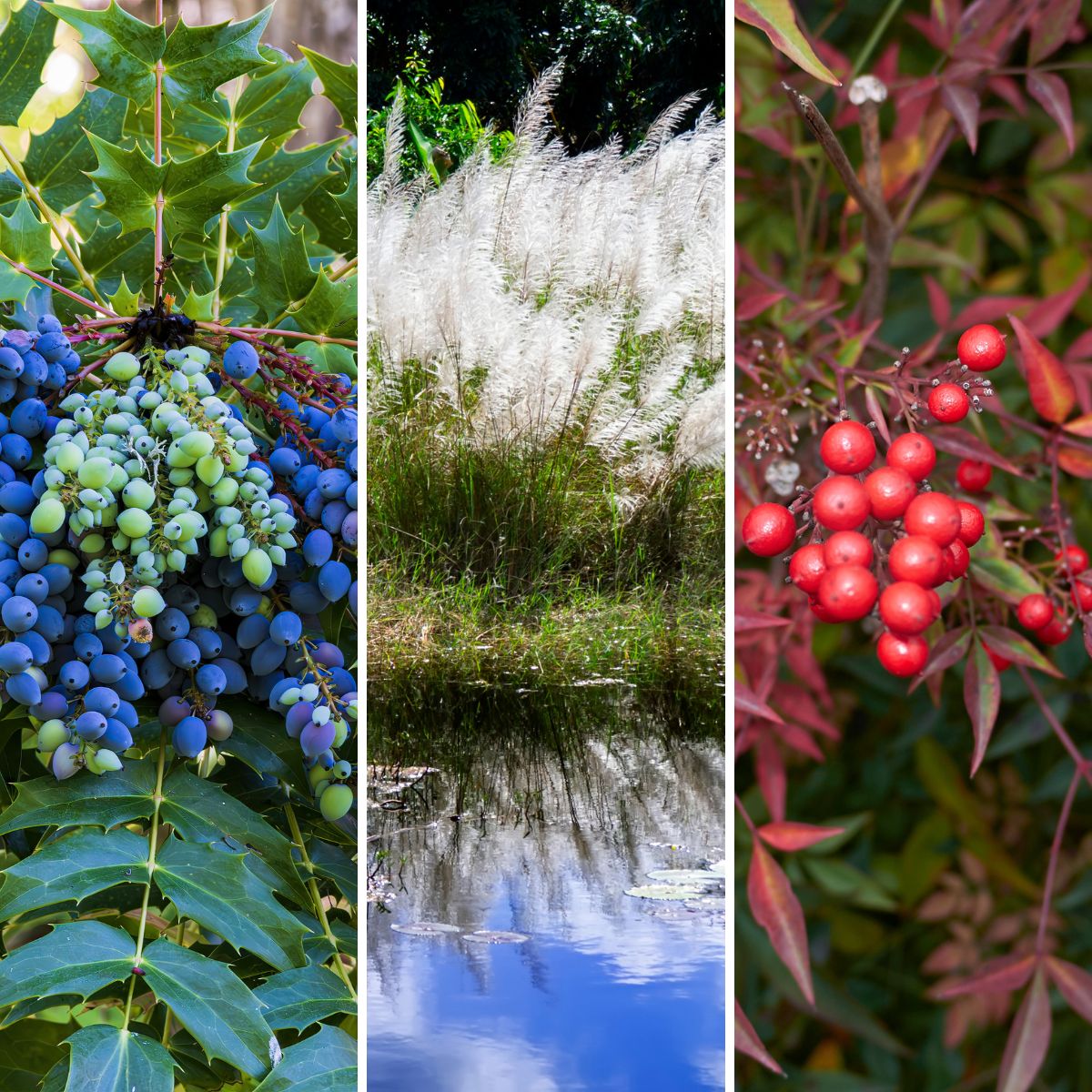
They threaten endangered species, reduce wildlife habitat, impact outdoor recreation, and affect the economy. And they can be found in your own backyard. Invasive plants in South Carolina have so many negative effects on so many different things, and fighting them can feel like a daunting task. Some of these aggressive plants can easily be …

Sweet potatoes are one of my favorite vegetables, both to eat and to grow. I’ve been toying with the idea of interplanting them with tomatoes next year to save space in the garden, but it turns out that might not be the best plan! Tomatoes are actually among the worst companion plants for sweet potatoes. …
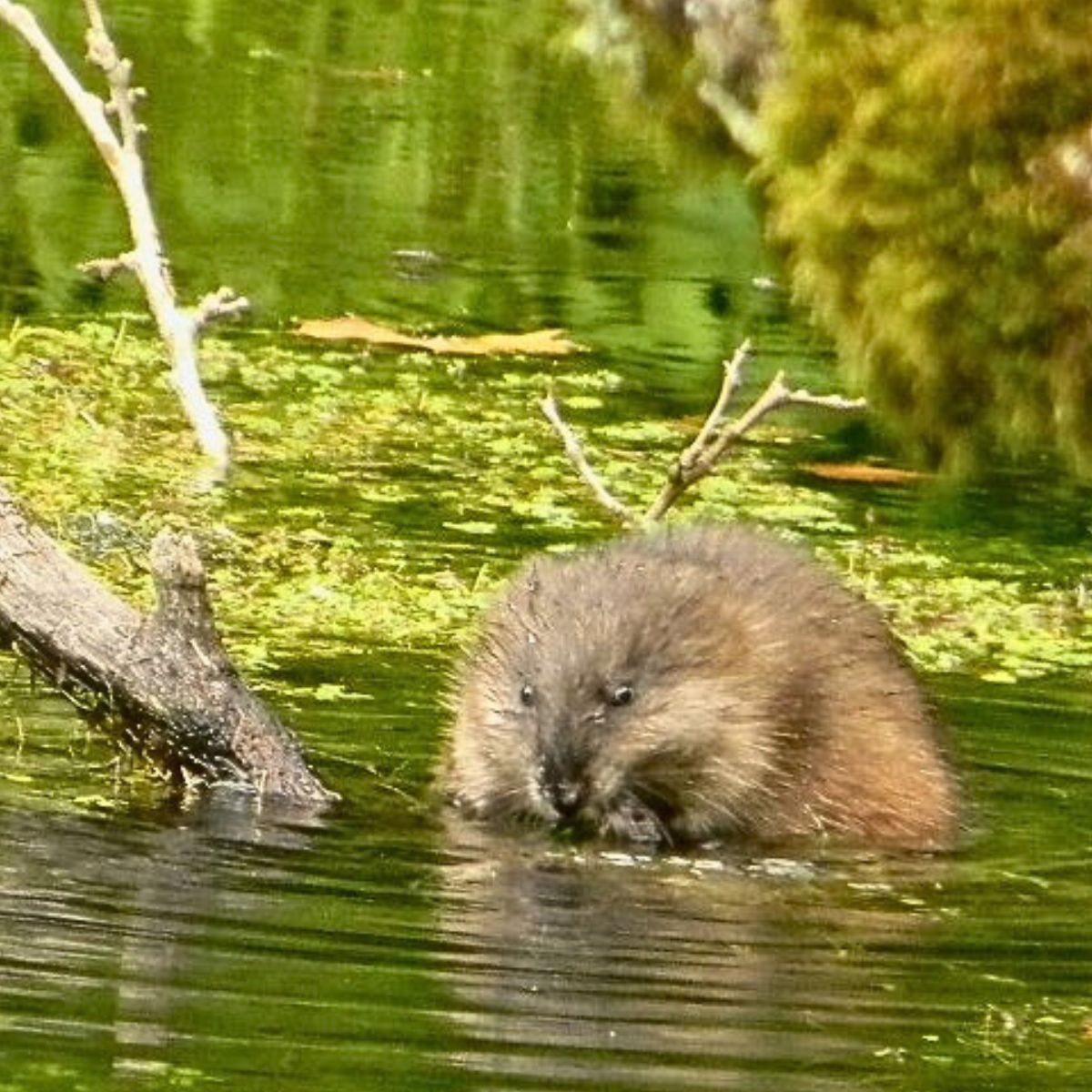
Although they play an important role in native ecosystems, muskrats can cause significant damage with their foraging and burrowing. This semi-aquatic rodent looks like a small beaver with brown fur, a thick body, and large, partially webbed hind feet. Adult muskrats average two and a half pounds and two feet long, including their long, black, …
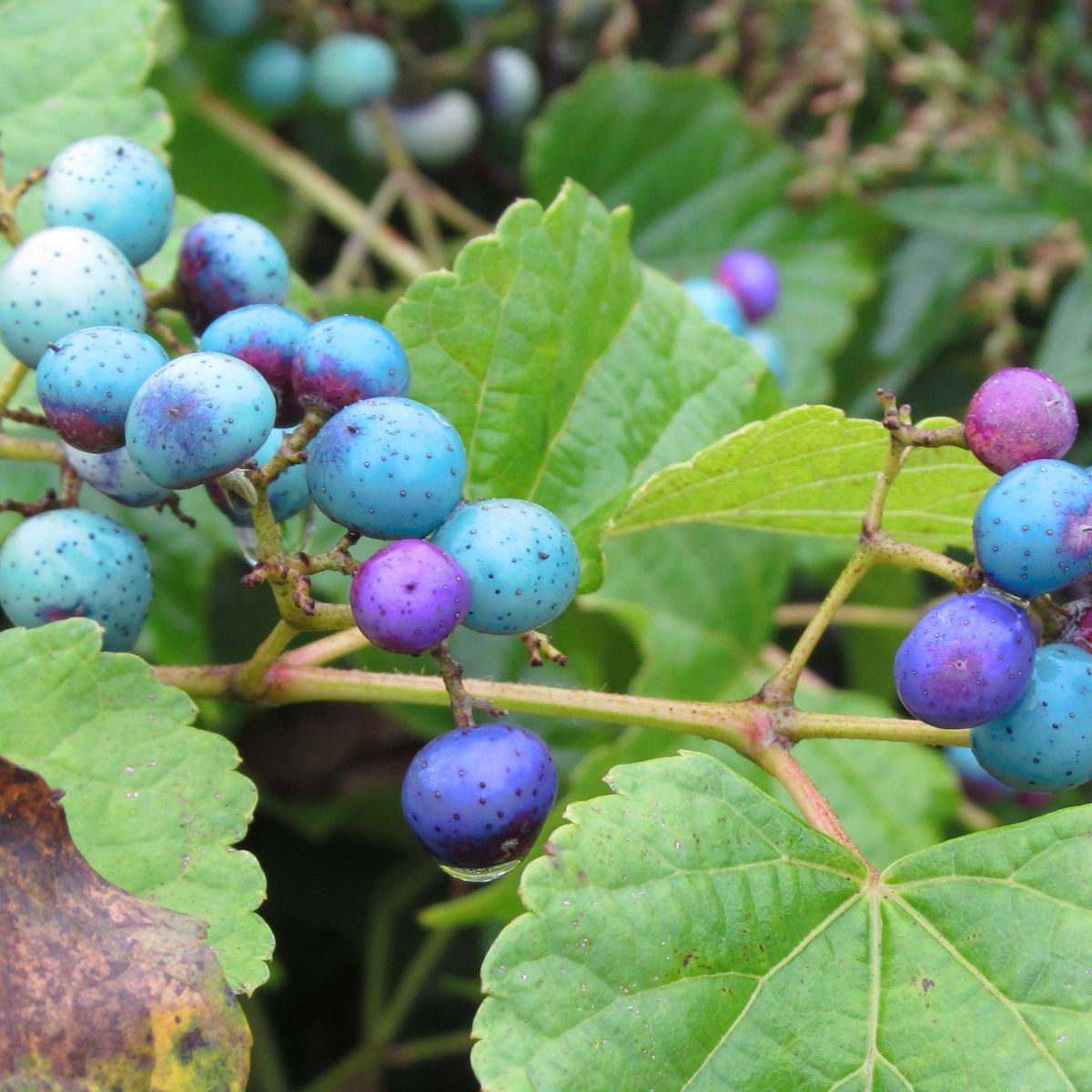
In Rhode Island, invasive plants threaten native ecosystems as well as the economy. These introduced plants have few to no natural predators or diseases in Rhode Island to check their growth. Because of this, they spread aggressively, rapidly crowding out native plants that support local wildlife. Woodlands become impassable due to thick stands of nonnative …
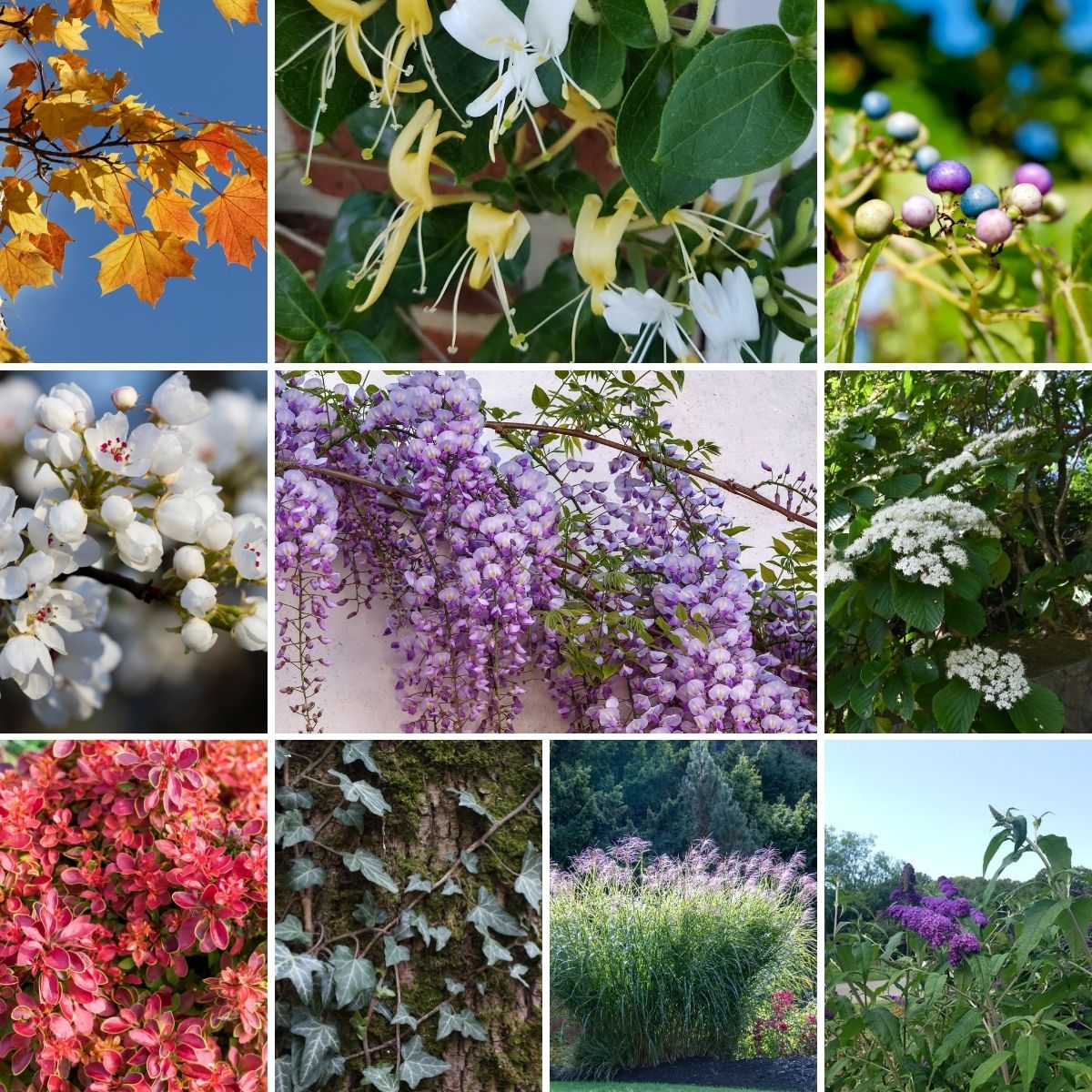
While New Jersey has more than 2,000 beautiful native plant species, many of the plants you may be familiar seeing along roadsides, in the woods, and fields are actually invasive species. These aggressively spreading nonnative plants displace native plants and cause harm to local wildlife and entire ecosystems. Some invasive plants are still sold in …
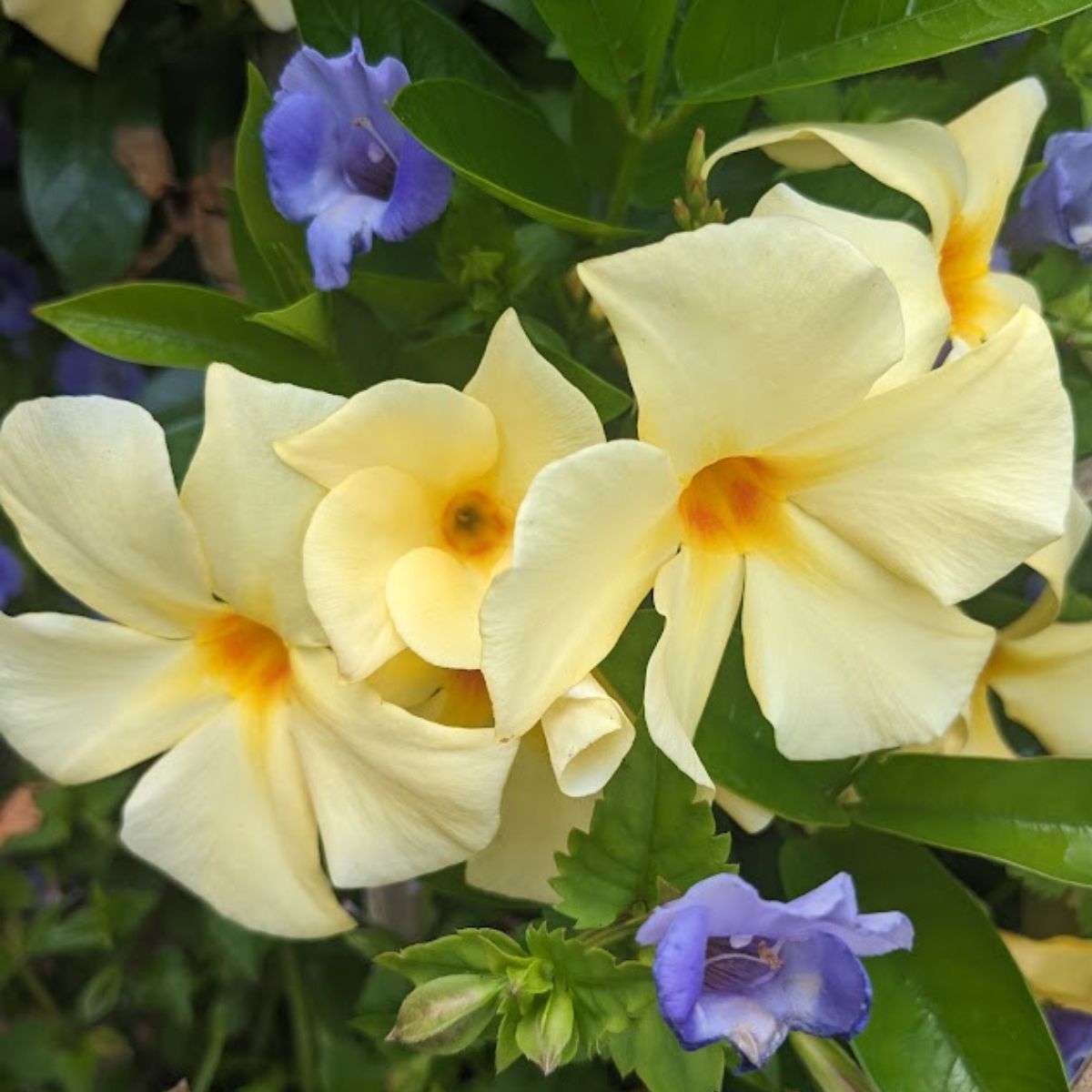
Few things cheer up a room like a fresh bouquet of flowers picked from your own lush garden. Whether you want to bring a handful inside or simply enjoy them where they’re planted, take a look at these 12 fabulous flowers that start with F. Annual Flowers that Start with F 1. Fan flower (Scaevola …
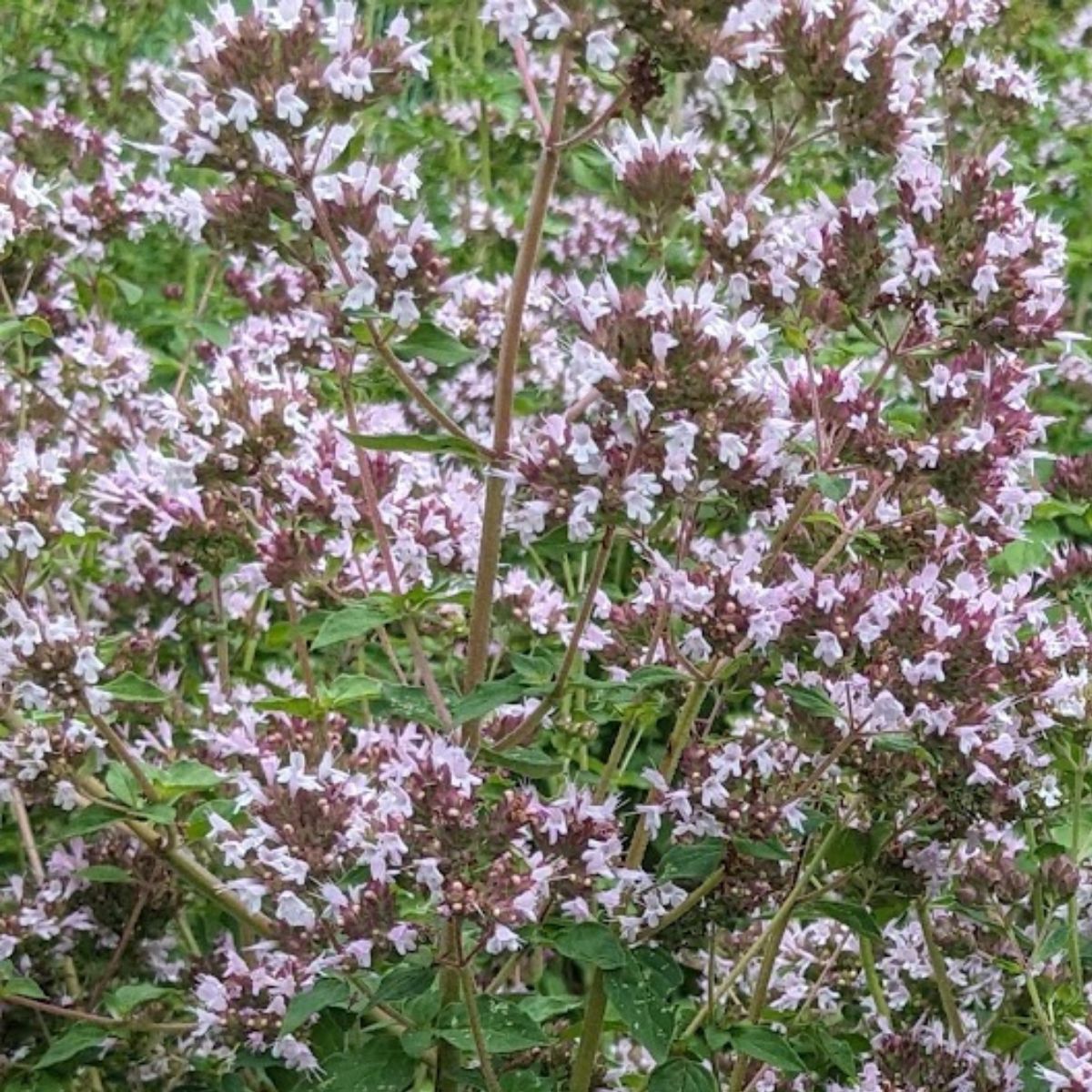
Whether you want to create a fruit tree guild or simply add a ground cover around your fruit trees, knowing some of the best companion plants for fruit trees will help you immensely. These companions offer a host of benefits, and ideally, a fruit tree will be underplanted with several plants filling various roles. This …

Today’s English cottage garden features a charming jumble of closely planted perennials, annuals, and bulbs. Although English cottage garden flowers are now chosen mostly for ornamental purposes, the traditional cottage garden had a more practical approach. Historically, an English cottage garden would include a mix of vegetables, fruit, and even bees and livestock alongside edible …