
When you think about protected animals, you probably picture polar bears, elephants, or maybe tigers. But did you know that some of the creatures you spot in your backyard or on a stroll through the forest are protected by law? Many lesser-known animals are indeed under legal safeguards, helping them survive in a world where habitats are shrinking, pollution is increasing, and climates are shifting.
Here are 14 animals you might not realize are legally protected. They might be hiding in plain sight, but they’re far from ordinary. Their preservation supports entire ecosystems and ensures that future generations will see and appreciate the same natural diversity we do today.
1. Piping Plover

Photo Credit: Depositphotos.com.
The tiny piping plover is a beach-loving bird with sandy-colored feathers that blend right in with the shoreline. Once a common sight on North American beaches, the plover’s population has dropped due to habitat destruction and disturbance from human activity.
Thanks to legal protections, conservationists now work to protect their nesting areas, ensuring these little beachcombers have a fighting chance against threats like coastal development and predators.
2. California Red-Legged Frog

Photo Credit: Depositphotos.com.
Once plentiful in California, the red-legged frog is now rare, having faced major losses due to habitat destruction and pollution. If you’re lucky enough to spot one, you’re seeing a small part of California’s ecological heritage.
Protected status means their natural habitats are preserved, which, in turn, safeguards the water quality and supports the many creatures that depend on these habitats.
3. Sturgeon

Photo Credit: Depositphotos.com.
Known for its prehistoric appearance, the sturgeon is a unique fish that has been around for millions of years. Species like the Atlantic sturgeon are protected because of their slow reproductive rates and overfishing.
Legal restrictions on fishing help these “living fossils” thrive, maintaining the balance in river ecosystems and supporting species that rely on sturgeons for survival.
4. Burrowing Owl

Photo Credit: Depositphotos.com.
Unusual among owls, the burrowing owl makes its nest underground, often occupying old burrows made by prairie dogs. Found across the American West, these small owls are highly vulnerable to habitat loss.
Conservation efforts protect not only the owls but also the prairie ecosystems they depend on, creating safe spaces for an array of other animals as well.
5. Eastern Indigo Snake

Photo Credit: Depositphotos.com.
This nonvenomous snake is a stunning sight, stretching up to 8 feet long with a deep blue-black sheen (making it less dangerous than a lot of aggressive or venomous snakes). The Eastern indigo snake faces challenges from habitat destruction and the illegal pet trade.
By protecting this snake, conservationists also preserve the delicate balance in ecosystems where indigos help control rodent populations.
6. Manatee

Photo Credit: Depositphotos.com.
Known as “sea cows” for their gentle grazing of underwater vegetation, manatees are protected primarily in Florida, where they often fall victim to boat strikes and water pollution.
Efforts to safeguard manatees also help maintain healthy waterways and protect countless other species that share their habitats.
7. Monito Gecko

Photo Credit: U.S. Fish and Wildlife Service Southeast Region – Public Domain/WikiCommons.
Native only to Monito Island in Puerto Rico, this tiny gecko has a limited habitat range, making it highly vulnerable to environmental shifts. Its small size and secluded life make it easy to overlook.
Legal protections for this gecko underscore the importance of preserving biodiversity, even for species that live in the smallest, most remote habitats.
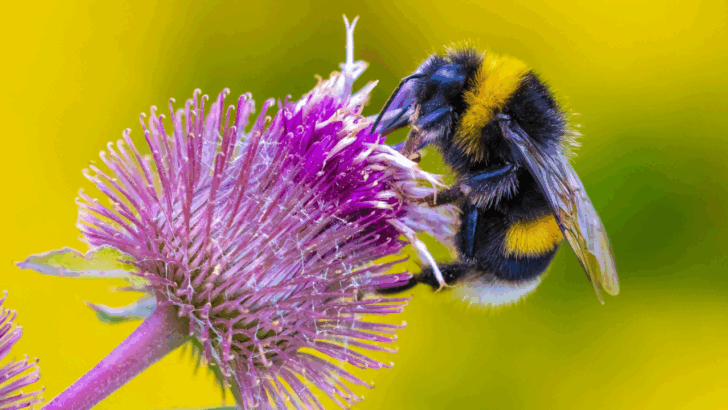
8. Bumblebee (Certain Species)

Photo Credit: Depositphotos.com.
Bumblebees may be common sights buzzing around gardens, but their numbers have been declining. Species like the rusty-patched bumblebee are now protected, emphasizing their importance as pollinators.
By safeguarding bumblebee populations, we’re helping to maintain biodiversity and ensure the stability of both wild and cultivated plants.
9. Iberian Lynx

Photo Credit: Depositphotos.com.
The Iberian lynx, with its tufted ears and striking spots, is native to Spain and Portugal. Once on the brink of extinction, its population is slowly rebounding thanks to intense conservation efforts.
Protecting the Iberian lynx also preserves Mediterranean ecosystems, benefiting countless other species that share its habitat.
10. Red Wolf

Photo Credit: Depositphotos.com.
Native to the southeastern United States, the red wolf is critically endangered, with only a few hundred individuals left in the wild. Conservation programs aim to increase their numbers and restore their presence in native habitats.
Preserving red wolves also helps control populations of smaller prey animals, contributing to balanced ecosystems.
11. European Hamster

Photo Credit: Depositphotos.com.
Once considered a nuisance, the European hamster has now become a conservation priority in parts of Europe due to its rapidly declining numbers. These animals are essential for maintaining grassland ecosystems.
Efforts to protect the European hamster support broader biodiversity and emphasize the value of conserving species often seen as less charismatic.
12. Saiga Antelope

Photo Credit: Depositphotos.com.
The saiga antelope, with its unique, oversized nose, is native to Central Asia. Habitat loss and poaching have placed it under significant threat, leading to increased legal protections.
Conservation of the saiga also preserves the steppe ecosystems it inhabits, supporting biodiversity across the region.
13. Gray Whale
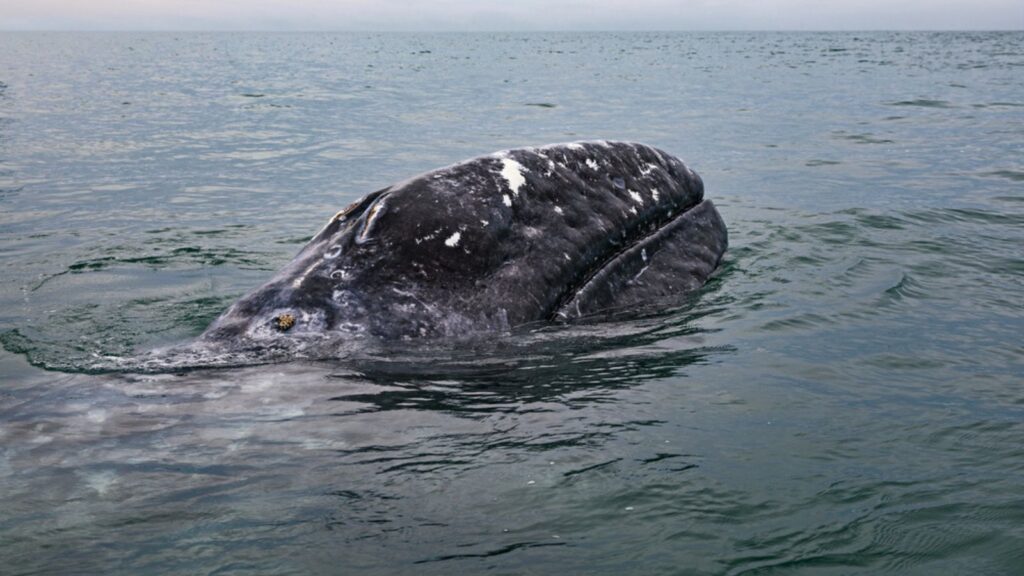
Photo Credit: Depositphotos.com.
The gray whale migrates thousands of miles each year along the Pacific Coast, but their numbers have fluctuated due to hunting and environmental pressures. Legal protections have allowed populations to somewhat recover.
Safeguarding gray whales preserves marine ecosystems and supports biodiversity in the oceans.
14. Pygmy Hog

Photo Credit: PJeganathan – CC BY-SA 4.0/WikiCommons.
The pygmy hog is the smallest wild pig species, found only in specific grasslands in India. Habitat destruction brought it to the brink of extinction, but legal protections have helped it recover.
Conserving the pygmy hog means preserving unique grassland habitats that support an array of other species.