An Illinois HOA Killed a Clover Lawn, but the Native Plant Law May Not Protect Every Yard
An Illinois condo homeowner’s clover lawn dispute shows why eco-friendly yard changes can still run into HOA rules, even in a state with native landscaping protections.
The dispute surfaced in a Reddit post covered by The Cool Down, where the homeowner wrote that their HOA had killed their clover lawn. The poster said they thought Illinois had laws preventing an HOA from regulating plants on someone’s property, but admitted they might be wrong.
Illinois does have a native landscaping law that limits what certain community associations can prohibit. The catch is in the details: the law protects Illinois native species under specific conditions, not every lawn alternative a homeowner may want to grow.
For anyone replacing turf with clover, native plants, or a pollinator lawn, the first questions are whether the plant is protected, who controls the lawn area, whether the space is private or common property, and whether the homeowner has written approval before making the change.
Illinois Law Protects Native Landscapes, Not Every Lawn Alternative
The Illinois Homeowners’ Native Landscaping Act says an association may not prohibit a resident or owner from planting or growing Illinois native species on that resident’s or owner’s lawn, as long as the area is maintained mostly free of weeds, invasive species, and trash.
The law defines Illinois native species as plants that grew in Illinois before European settlement or are otherwise defined by the Illinois Department of Natural Resources. It excludes exotic and noxious weeds regulated under state weed laws.
Associations may still adopt reasonable rules for a planned, intentional, and maintained native landscape. The law also says those rules cannot prohibit proper maintenance, impose height restrictions, ban native plants during dormancy, or require turf grass in a protected native landscape area.
Dutch White Clover Has Benefits, but It Is Not Native
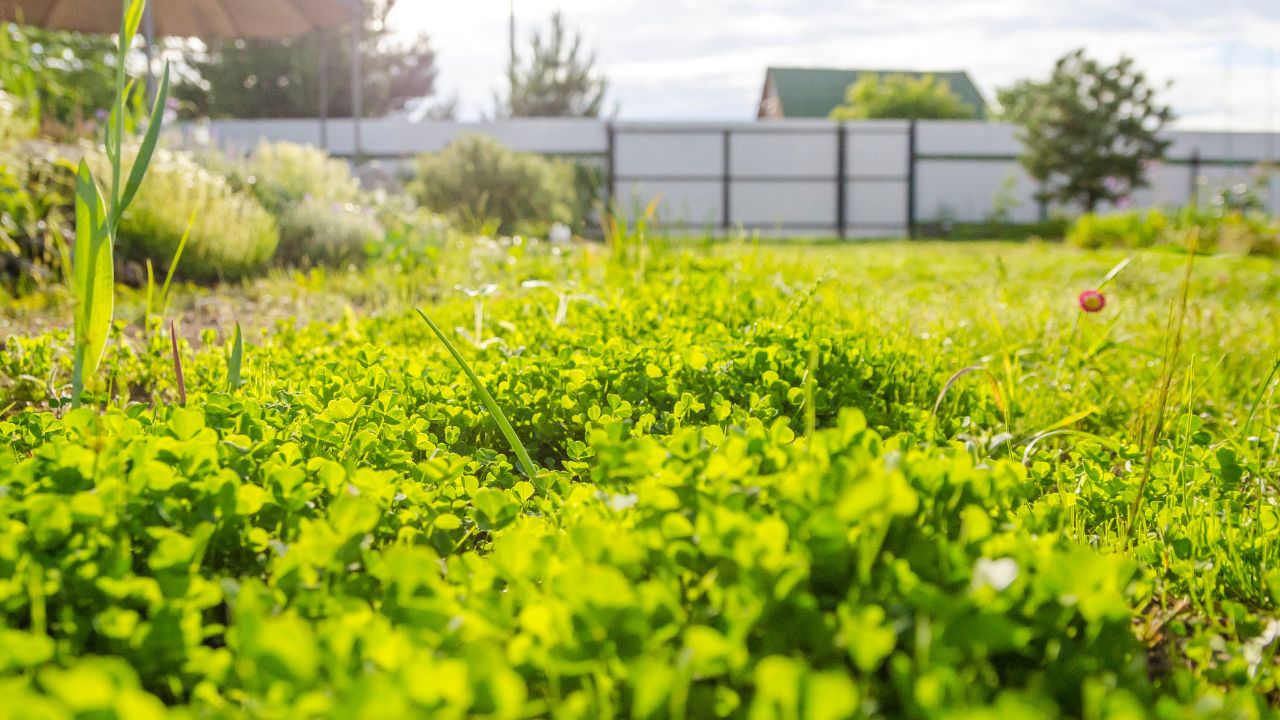
The Cool Down said the clover in the Reddit dispute was described as Dutch white clover. That matters because white clover can be useful in lawns, but it is not an Illinois native species.
The USDA lists white clover, also called Dutch white clover, as introduced in North America from Europe and naturalized throughout the United States. A homeowner relying on Illinois’ native landscaping law may need a plant list built around Illinois native species rather than Dutch white clover alone.
White clover can still have practical lawn benefits. Michigan State University says white clover is a low-growing plant that can be mowed and provide food for pollinators, and white clovers are nitrogen fixers.
MSU also warns that pesticides can harm pollinators, so homeowners with flowering lawns should pay close attention to what is sprayed, where it is applied, and whether flowers are blooming at the time of treatment.
Condo Lawns Can Create a Common-Area Problem
The Reddit poster described the property as a condo HOA. In a condo community, the grass outside a unit may be a common element or association-maintained area, even when it feels like part of the resident’s yard.
Illinois’ native landscaping law does not apply to common areas, common elements, association-owned property, or other property where the resident or owner does not have authority to landscape. If the HOA controls the lawn area, the homeowner may not be able to change it without approval, even if the preferred plants are environmentally useful.
That distinction can decide the dispute before the plant list is even reviewed. A homeowner needs to know whether the lawn is individually owned, limited common area, common area, or association-maintained property before seeding clover or replacing turf with native plants.
Get Approval and a Plant List Before Changing the Lawn
A protected native landscape is easier to defend when it looks planned from the start. Clean borders, paths, mulch, plant labels, mowed strips, and a clear separation from sidewalks can help a yard read as intentional rather than neglected.
Homeowners should save the HOA rules, confirm who controls the lawn area, check whether the plants are Illinois native species, and submit a written plan before removing turf. A stronger request includes a drawing, plant list, maintenance schedule, border plan, photos of the current lawn, and a clear explanation of how the finished yard will be maintained.
If the goal is protection under Illinois’ native landscaping law, the plant list should focus on Illinois native species instead of relying on Dutch white clover alone.
View this post on Instagram
Before buying seed or removing grass, homeowners should get the approval decision in writing and keep copies of every form, plan, photo, email, and board response.