

Native American wildflowers are some of the easiest, most rewarding plants you can add to your yard. Why? Because they’re already perfectly adapted to your climate, soil, and pollinators. That means less work for you, and more blooms, butterflies, and birds all season long.
Whether you’re planting a new bed, refreshing a sunny patch, or just sprinkling seeds for a touch of wild beauty, these wildflowers are hardy, gorgeous, and beginner-friendly. From golden Black-Eyed Susans to dramatic Cardinal Flowers, there’s something here for every gardener—and every corner of your garden.
Let’s explore 15 of the best American wildflowers to grow this summer, with tips on why they thrive and how to keep them blooming beautifully.
1. Black‑Eyed Susan (Rudbeckia hirta)
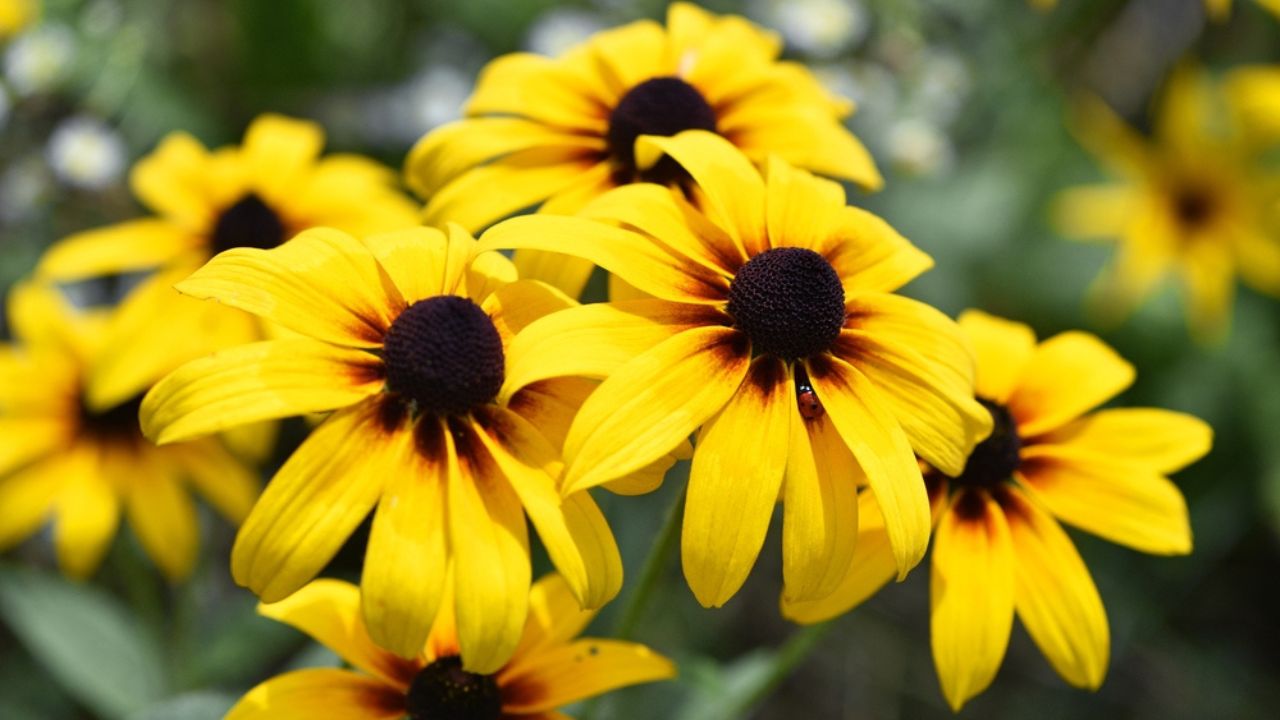
Image Credit: Shutterstock.
Black-eyed Susans are a cheerful classic: bold golden petals with dark centers. This native perennial blooms all summer and self‑sows naturally.
Why it’s great: Drought-tolerant, deer-resistant, and loved by butterflies and bees
Care: Plant in full sun; tolerates average soil. Deadhead spent flowers to promote continuous blooms.
2. Purple Coneflower (Echinacea purpurea)
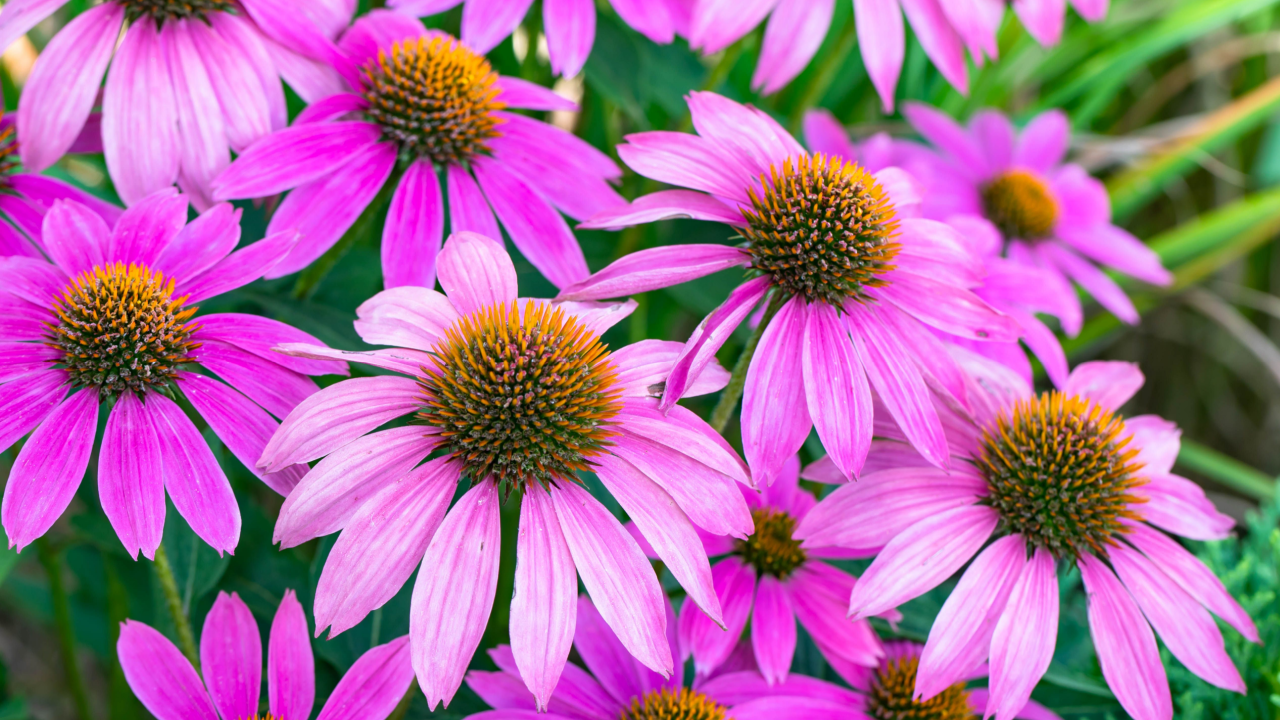
Image Credit: Shutterstock.
Tall, pink-purple blooms with sturdy cone centers—ideal for cutting and pollinator gardens.
Why it’s great: Long bloomer, drought-tolerant, and reseeds itself—plus goldfinches nibble the seeds
Care: Full sun, well-drained soil; minimal watering once established.
3. Blanket Flower (Gaillardia aristata/pulchella)
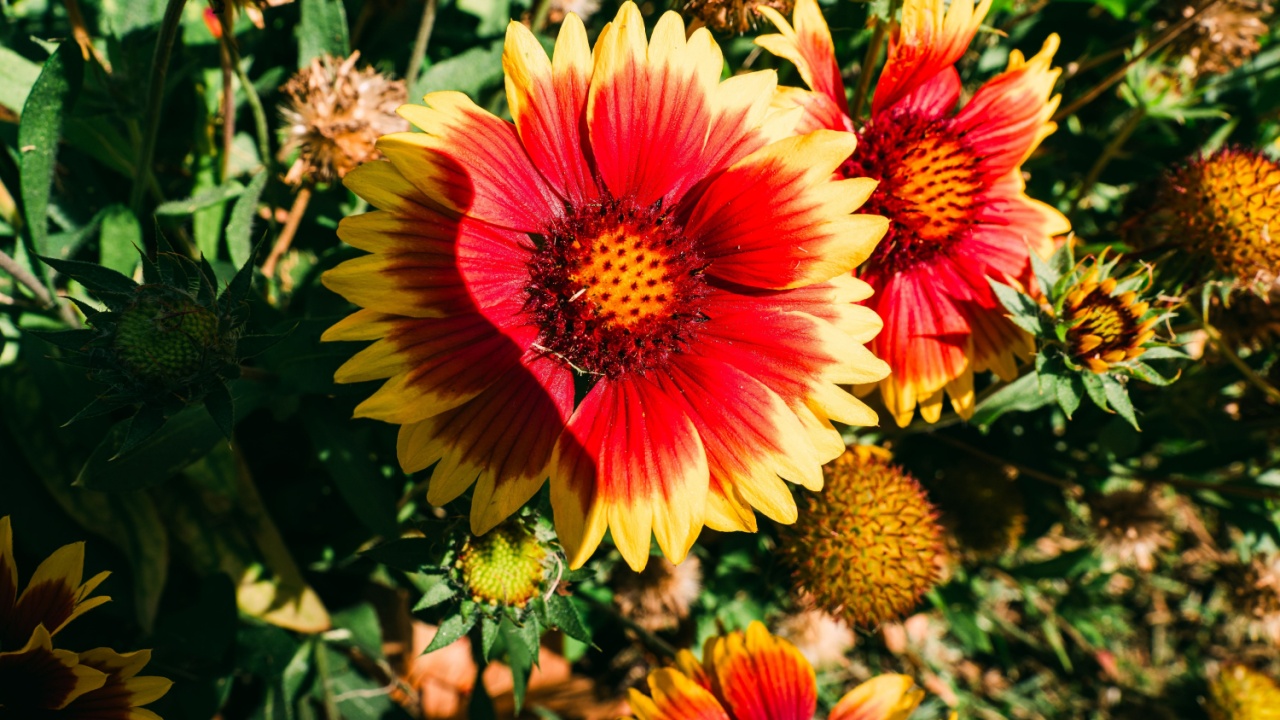
Image Credit: Shutterstock.
Brilliant red-and-yellow daisy-like flowers that bloom from early summer to frost.
Why it’s great: Heat-resistant, drought-tolerant, and low-care; it self-seeds and thrives in poor soil
Care: Full sun, well-drained soil; occasional deadheading keeps blooms going.
4. Plains Coreopsis (Coreopsis tinctoria)
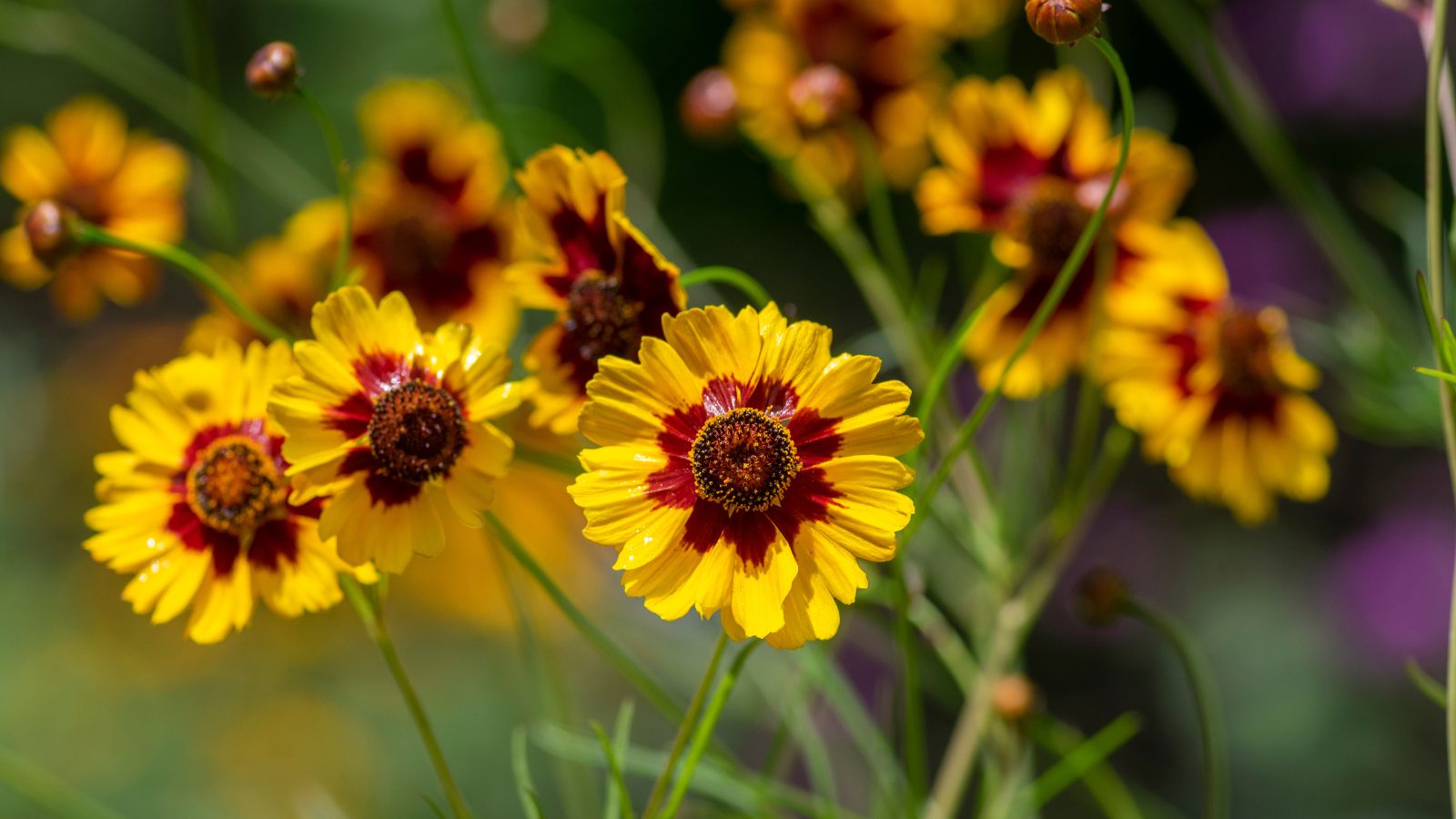
Image credit: Depositphotos.com.
Golden-yellow daisy blooms with maroon centers dance atop delicate stems.
Why it’s great: Thrives in poor, dry soil and full sun—perfect for spontaneous planting and pollinators.
Care: Direct sow in spring; low-water; allow self-seeding or deadhead to control spread.
5. California Poppy (Eschscholzia californica)
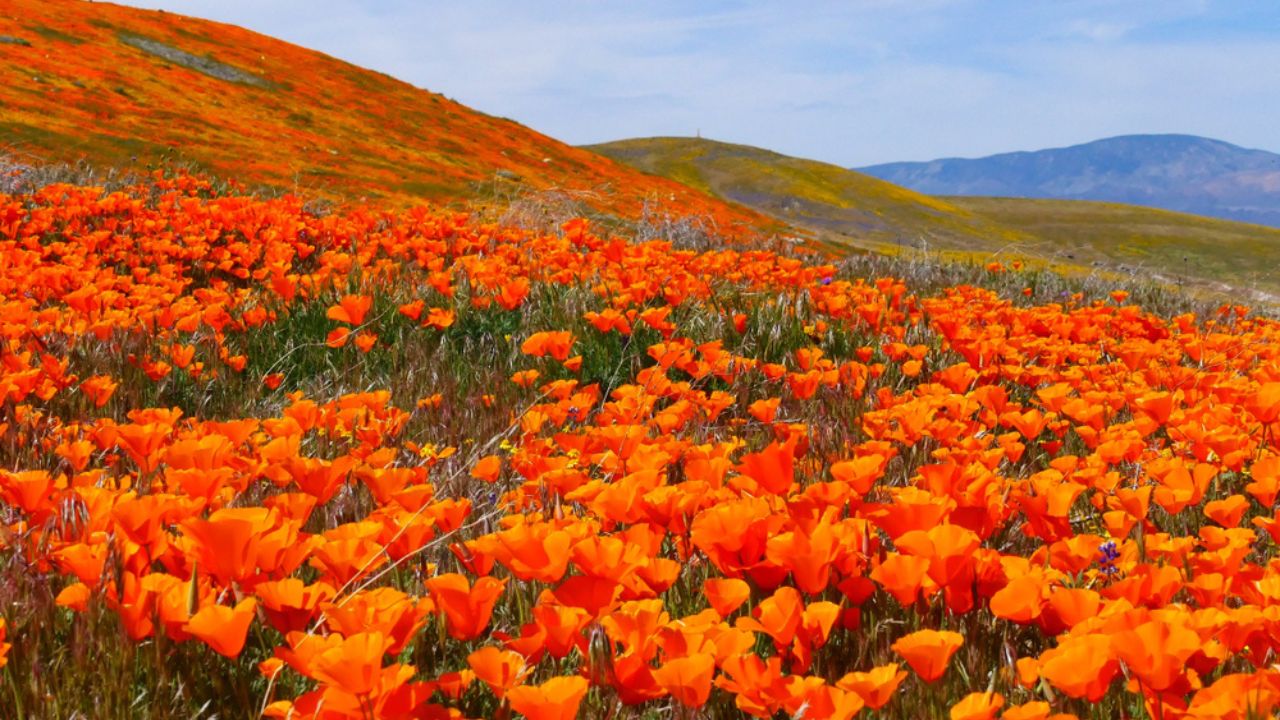
Image Credit: Shutterstock.
Sunny orange cup flowers that open with daylight and close at night.
Why it’s great: Extremely drought-tolerant, self-seeding, and thrives in poor soil—adds effortless color.
Care: Full sun, sandy soil; sow seed thinly and lightly cover, ideal for rock gardens.
6. Milkweed (Asclepias spp.)

Image credit: Depositphotos.
Clusters of fragrant blooms in pink, orange, or creamy white.
Why it’s great: Critical for monarch butterflies and resilient in hot-dry gardens.
Care: Full sun, well-drained soil; allow standing stems in winter to support overwintering insects.
7. Wild Bergamot (Monarda fistulosa)
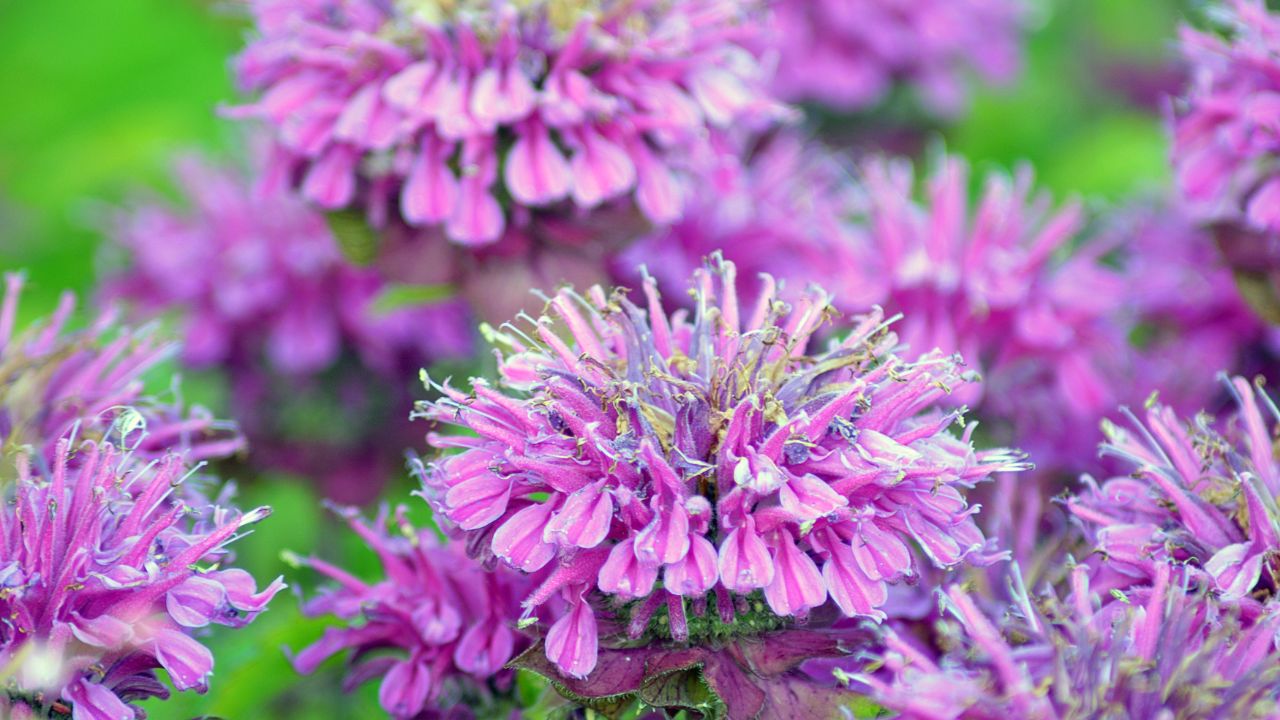
Image Credit: Shutterstock.
Soft lavender-pink blooms that perfume the garden and entice pollinators.
Why it’s great: Attracts bees, hummingbirds, and butterflies; adaptable to sun and partial shade
Care: Sun to part shade; moist, rich soil is ideal; deadhead to prolong blooms.
8. Yarrow (Achillea millefolium)
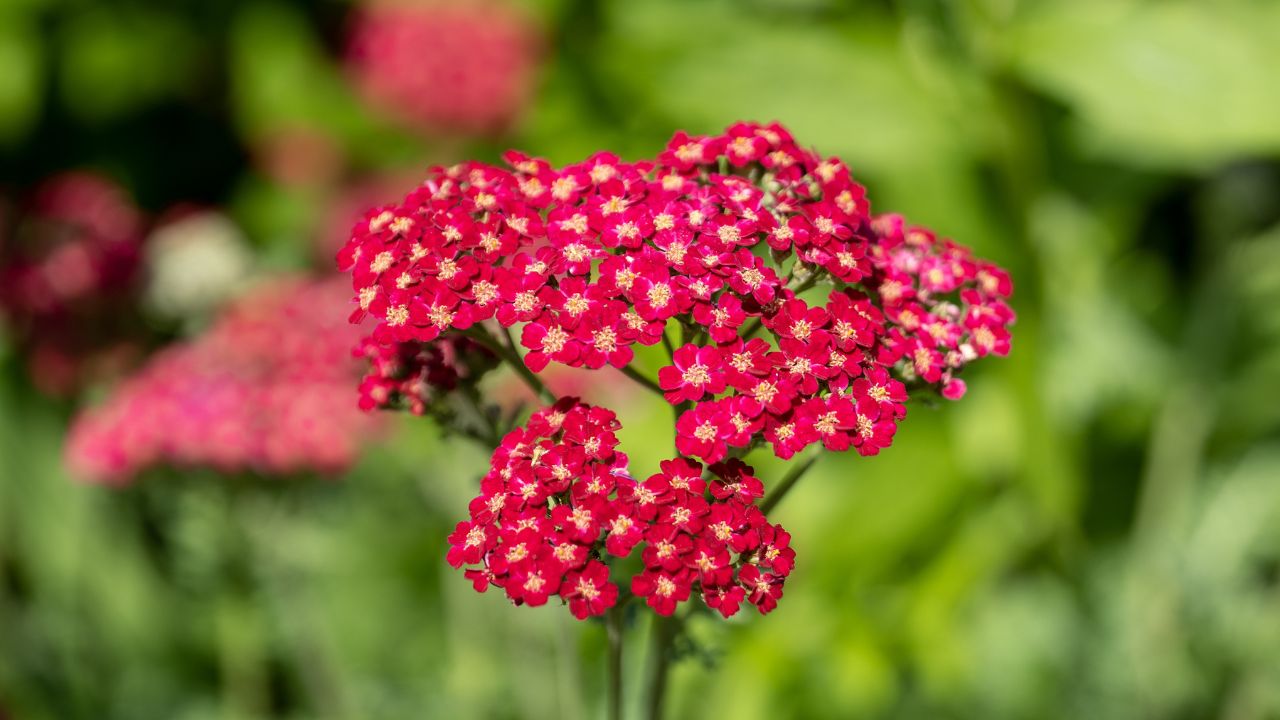
Image Credit: Shutterstock.
Flat-topped clusters of tiny white or colored flowers and aromatic foliage.
Why it’s great: Extremely drought-resistant, thrives in poor soil, and supports pollinators.
Care: Full sun, well-drained soil; divide every couple of years to prevent crowding.
9. Butterfly Weed (Asclepias tuberosa)

Image Credit: Shutterstock.
Bright orange clusters on clean, upright stems.
Why it’s great: Monarch magnet and drought-loving—no staking needed.
Care: Full sun, sandy soil; allow pods to mature for seed dispersal unless self-seeding is unwanted.
10. Lupine (Lupinus spp.)
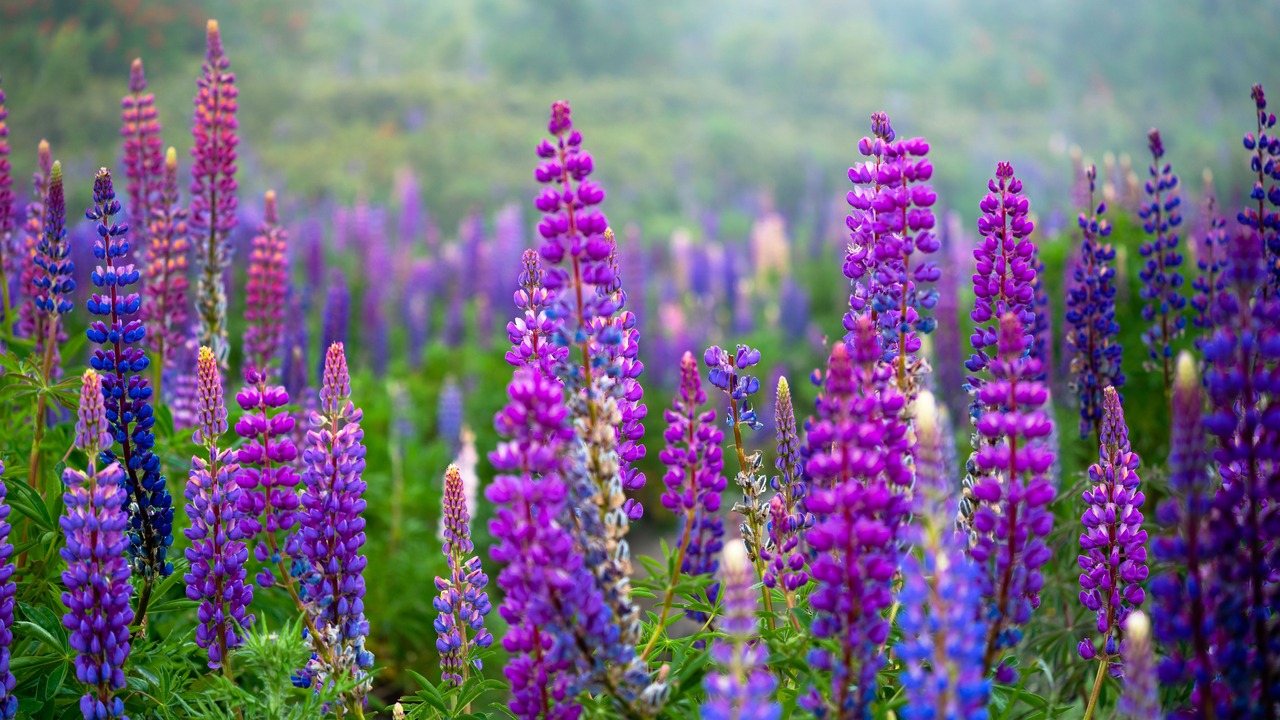
Image Credit: Shutterstock.
Tapered spikes of purple, blue, or pink flowers over green palmate leaves.
Why it’s great: Fixes nitrogen to enrich soil, welcomes bumblebees, and brightens cooler areas.
Care: Sun to part shade; well-drained, sandy soil; support in poor conditions as needed.
11. Joe‑Pye Weed (Eutrochium purpureum)
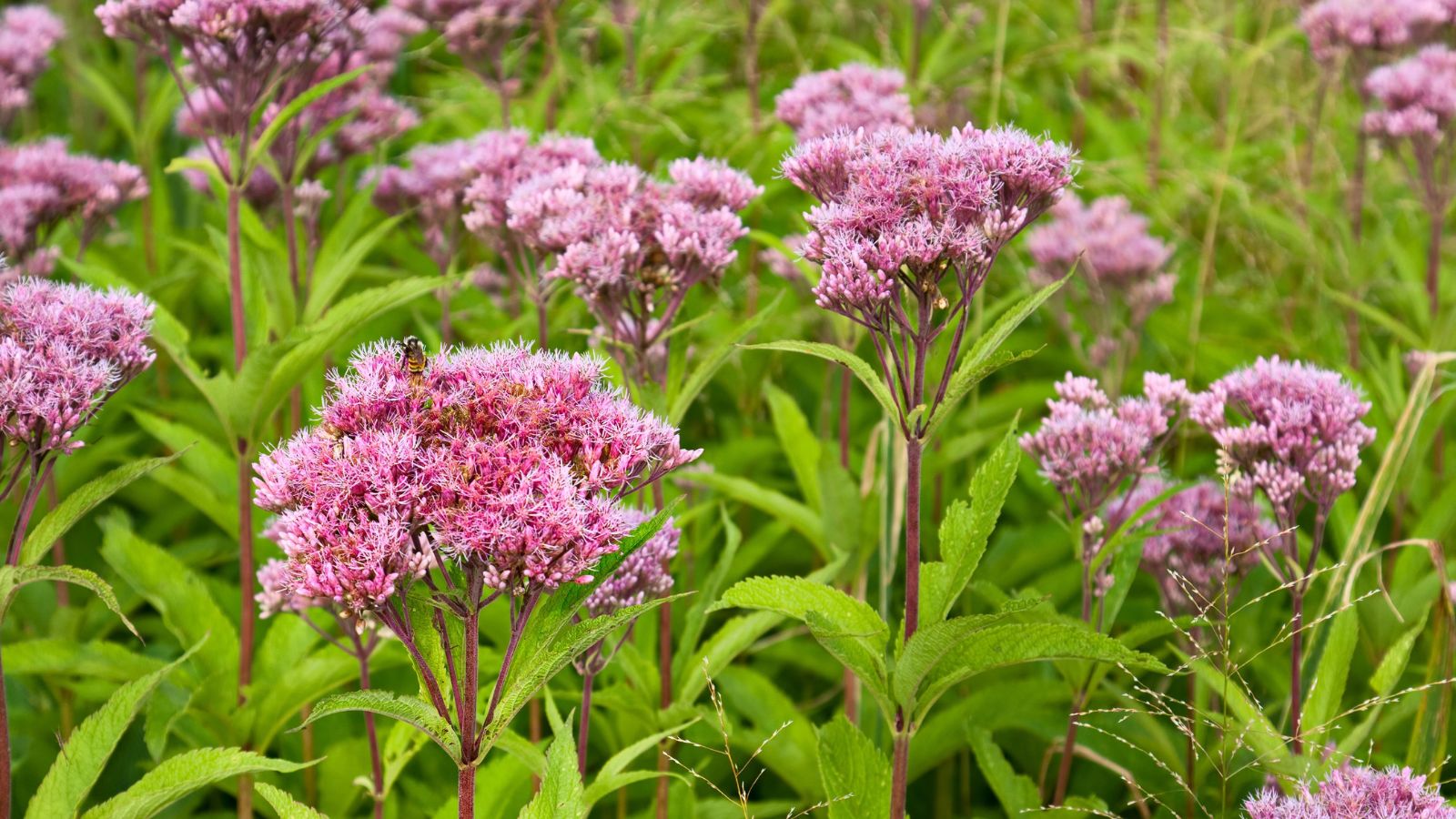
Image Credit: Depositphotos.com.
Tall whorls of mauve-pink flower heads are beloved by butterflies.
Why it’s great: Adds vertical structure and late-season nectar—thrives in moist, rich soil.
Care: Full sun to part shade; keep soil damp; cut back in spring to maintain vigor.
12. Shasta Daisy (Leucanthemum × superbum)
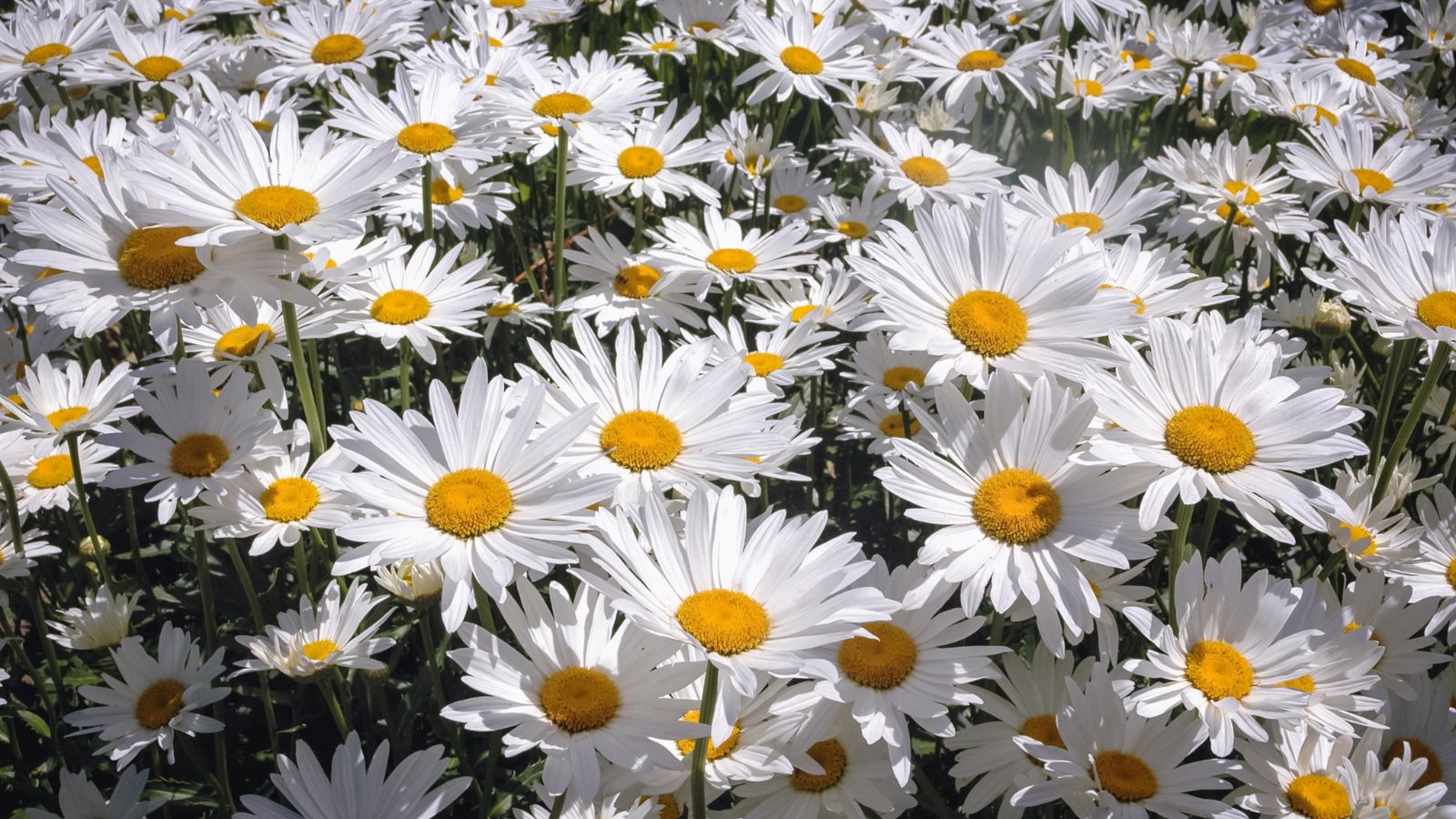
Image Credit: Depositphotos.com.
This sunny, white-petaled perennial brightens up any summer garden with its classic daisy charm.
Why it’s great: Unlike its invasive cousin, the oxeye daisy, the Shasta daisy is a well-behaved hybrid native to the U.S., offering long-lasting blooms and attracting beneficial pollinators.
Care: Plant in full sun with well-draining soil and deadhead regularly to extend the blooming period.
13. Cardinal Flower (Lobelia cardinalis)

Image Credit: Shutterstock.
Striking red spires of tubular flowers that dramatically attract hummingbirds.
Why it’s great: Exceptional for moist border gardens and wildlife appeal
Care: Part shade to sun; consistently moist soil.
14. Blazing Star (Liatris spicata)
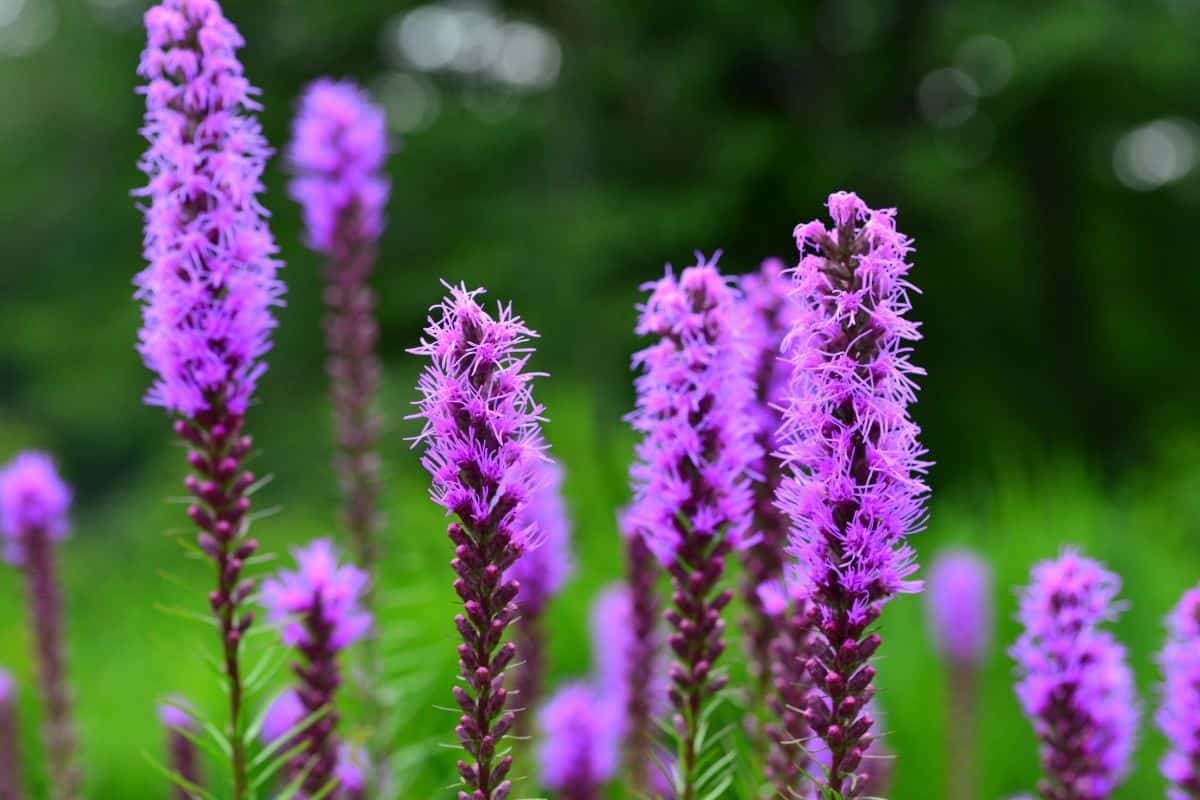
Image Credit: Shutterstock.
Tall spiky blooms of lavender-purple that delight dapper pollinators.
Why it’s great: Supports butterflies in late summer and withstands drought when established
Care: Full sun, well-drained soil; divide every few years to maintain clumping habit.
15. Spiderwort (Tradescantia ohiensis)
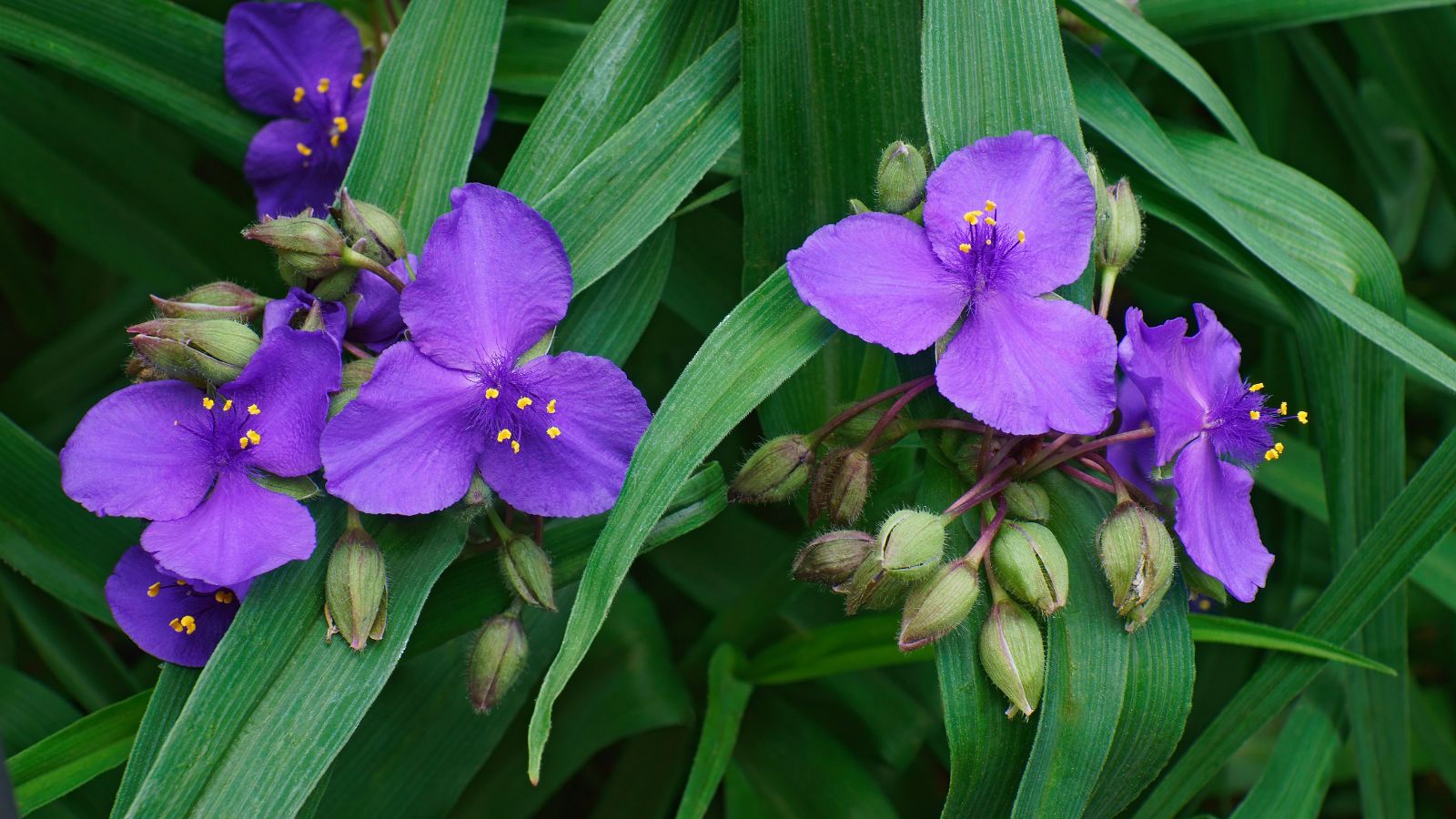
Image credit: YAY Images.
Clusters of blue violet three-petaled blooms atop slender stems.
Why it’s great: Tolerates partial shade and blooms prolifically, making it ideal for woodland edges .
Care: Part shade to sun; average soil—cut back in late spring to promote fresh growth.
Why These Stand Out

Image Credit: Shutterstock.
All of these wildflowers are naturally low-maintenance—they thrive in local climates, resist common pests, and offer seasons of blooms. By selecting a combination of annuals (like poppies and coreopsis) and perennials (like coneflower and yarrow), you create a self-sustaining garden that attracts pollinators and evolves beautifully year after year.