All The Wrong Ways to Wash a Pillow (And How to Do It Right)
How should you clean a pillow? Some may be wondering if you should even clean a pillow at all. The short answer is: yes (you should wash your pillow every three to six months).
A clean pillow contributes to a hygienic sleep environment, but many common washing methods fail to deliver a truly deep clean. This guide outlines the dos and don’ts of pillow care.
1. Hand-Washing Your Pillows

Submerging a pillow in a sink or tub for hand-washing seems gentle and may be suitable for pillows that cannot be machine-washed, but this method does not provide a thorough clean. Handwashing only touches the surface because it cannot penetrate the dense core where most allergens remain. Sweat, dust mites, and skin cells often lurk deep within the filling, completely missed by surface-level scrubbing. As a result, the pillow may look clean, while bacteria and buildup persist inside.
Manual effort cannot match the agitation provided by a washing machine. This lack of force means many contaminants are left behind even after careful hand-washing. Allergens can continue to affect health and cleanliness without a more effective process. Ignoring the inner filling keeps the pillow from reaching an ideal level of hygiene.
2. Relying On Cold Water Cycles
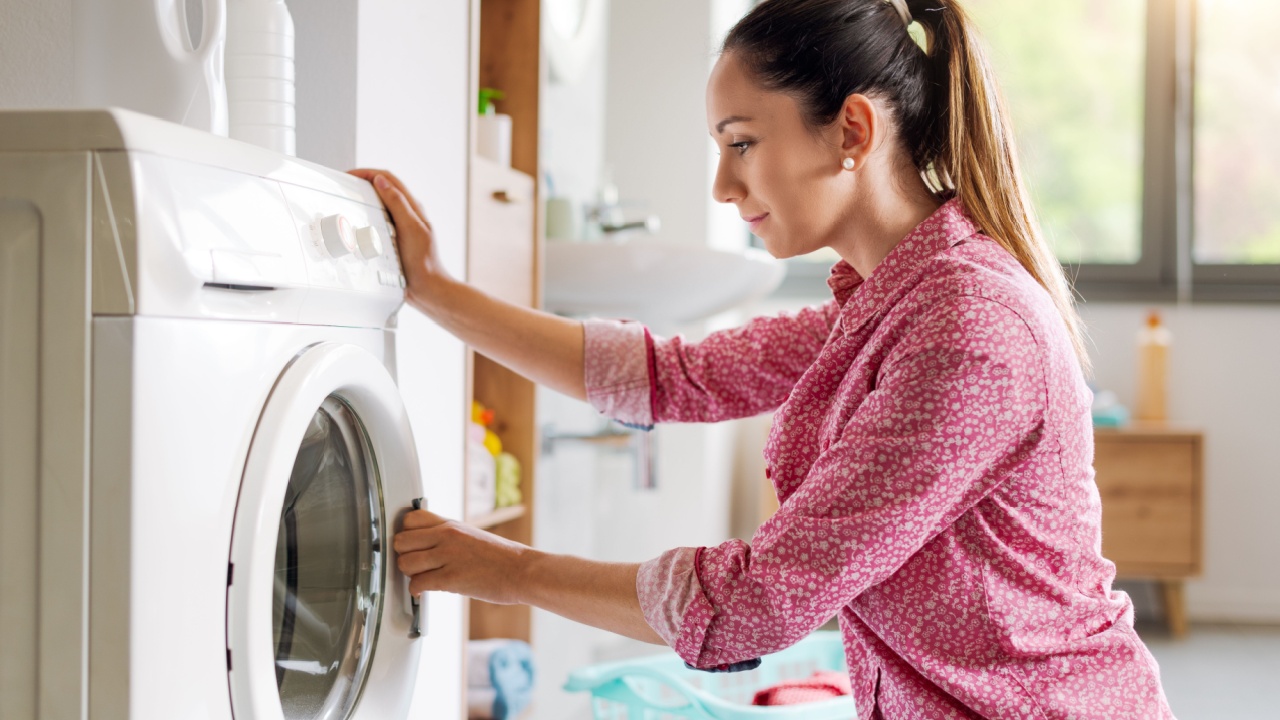
Your water temperature matters. Choosing a cold-water cycle is a frequent pitfall when laundering pillows. Cold water fails to dissolve oils and break down sweat, both of which accumulate in the pillow’s filling during daily use. Without enough heat, these contaminants remain trapped, causing odors and providing a haven for dust mites.
Attempting to sanitize a pillow with cold water does little to reduce harmful microorganisms. Bacteria and dust mites can survive low temperatures and continue to thrive inside the pillow’s core. Lingering contaminants lead to gradual discoloration and unpleasant smells.
3. Ignoring The Pillow’s “Core”
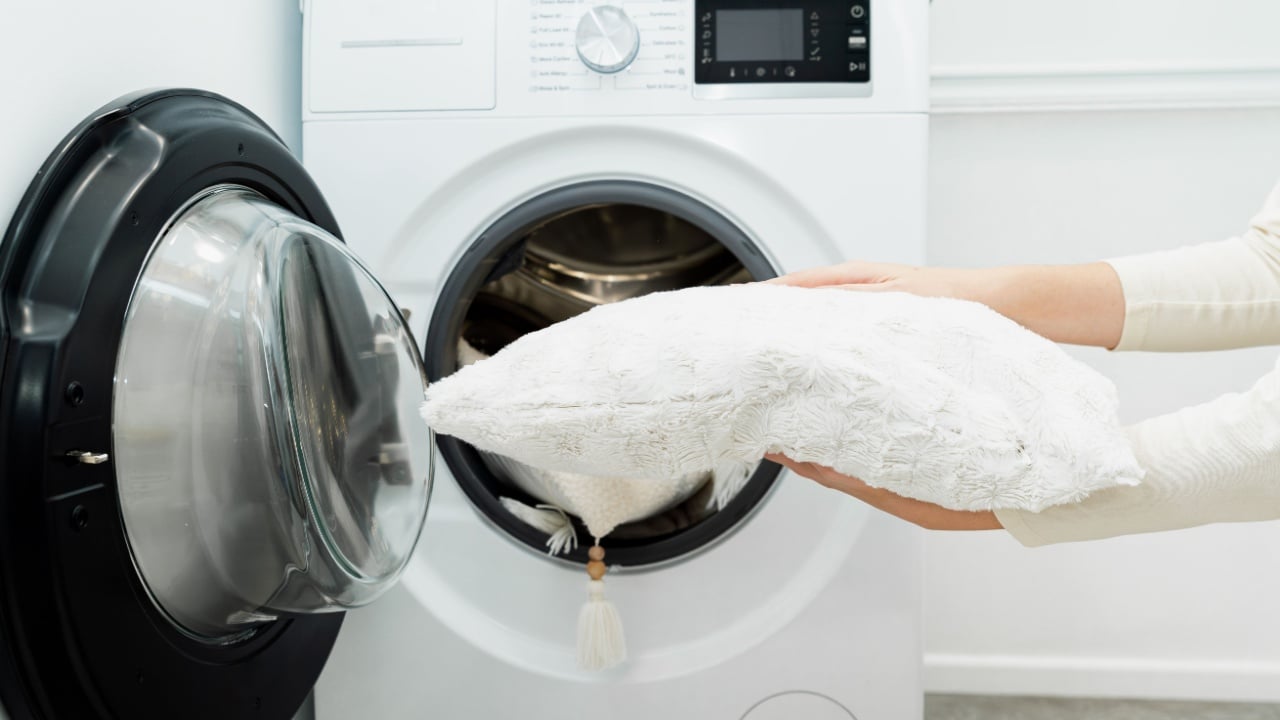
Many of us limit our cleaning efforts to the outside of a pillow or just the removable cover, never addressing the main area where dirt gathers. This partial approach allows the inner filling to become heavily soiled over time. Surface washing leaves dust mites, oils, and allergens trapped deep inside, where they continue to impact the pillow’s lifespan and hygiene.
Spot treatments and washing only the cover provide a sense of visible cleanliness without real cleaning benefits. If the inner support layer is not fully saturated, odors and bacteria will persist. As already mentioned, complete care requires more than surface attention to prevent hidden buildup.
The Right Way: Deep Cleaning And Proper Drying
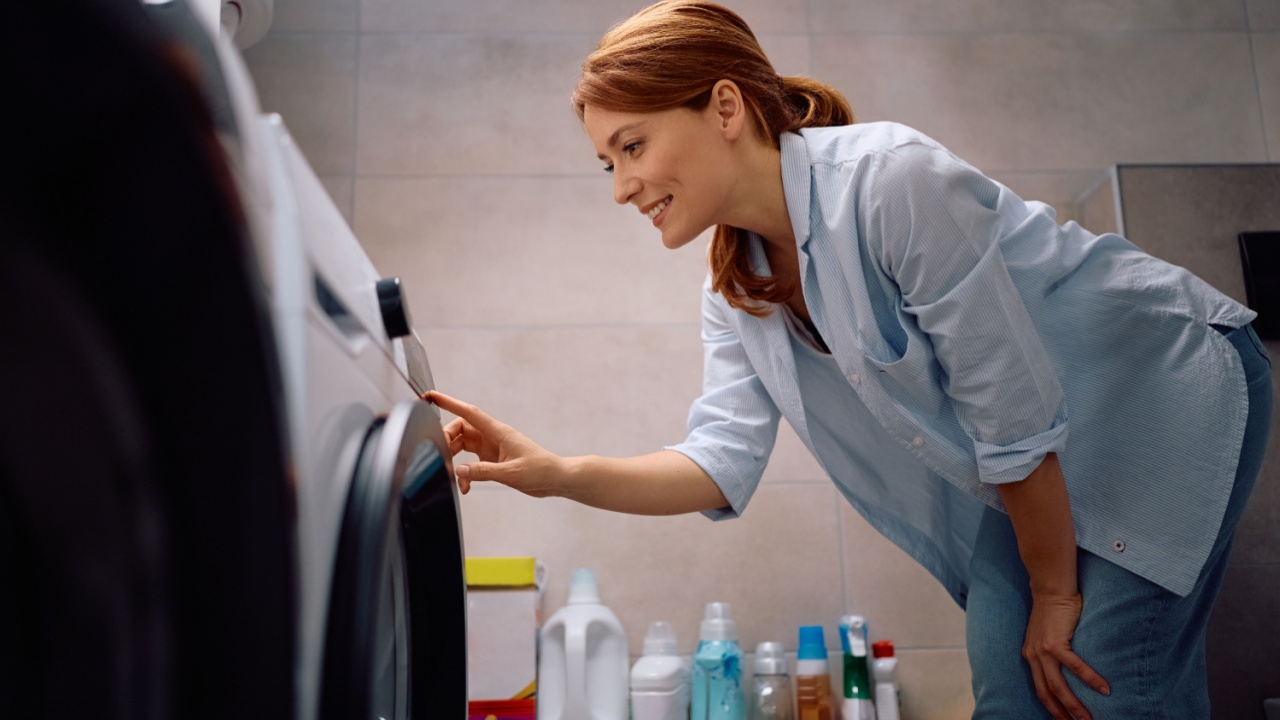
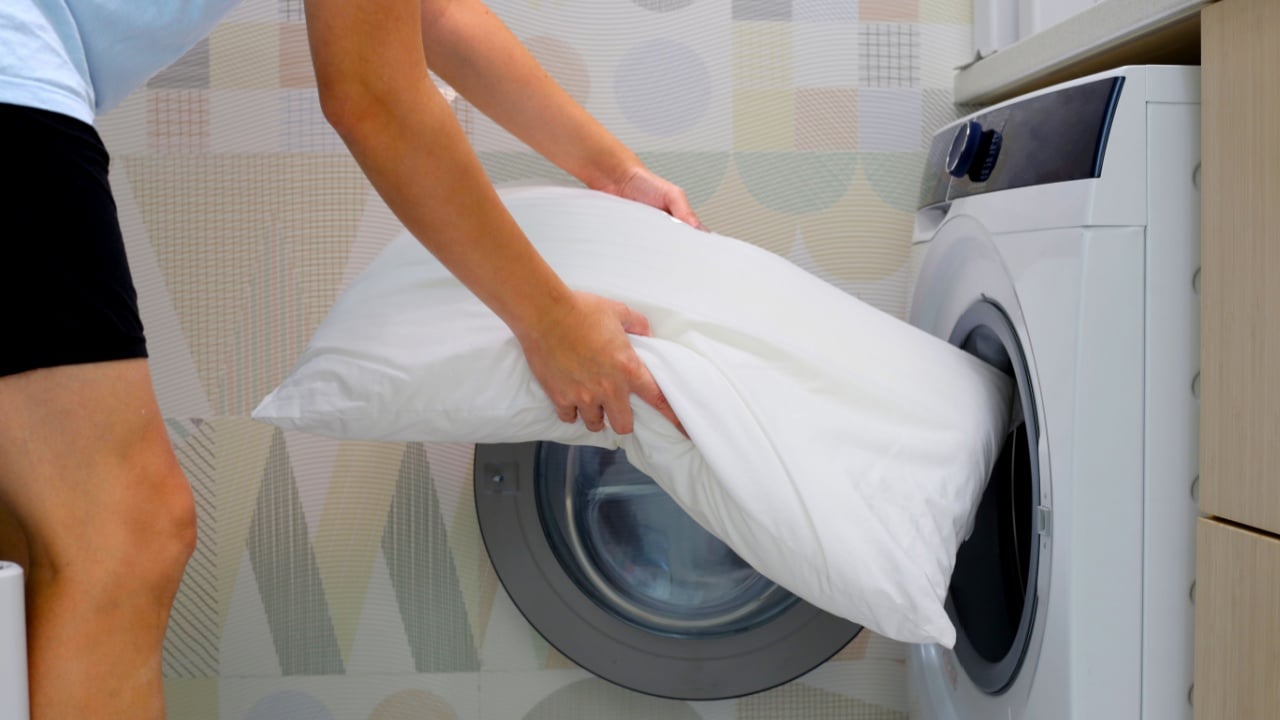
A proper pillow washing routine addresses the filling, uses warm water, and applies the correct gentle cycle settings. Warm water dissolves oils more effectively and helps detergents eliminate bacteria, leaving the pillow truly clean from the inside out. Gentle agitation from the machine removes the trapped dirt and grime without damaging fabric or fill material. Every part of the pillow benefits from this thorough process.
After a deep, warm-water wash, careful drying is crucial for lasting cleanliness and comfort. Low-heat or air-fluff dryer settings combined with dryer balls help re-fluff filling and dry the pillow evenly, preventing mold or mildew. Completing an extra rinse cycle can remove all soap residue, which supports skin comfort and pillow softness.