A North Carolina HOA Is Jumping From $350 to $1,250 a Month, and Homeowners Say They Can’t Afford It
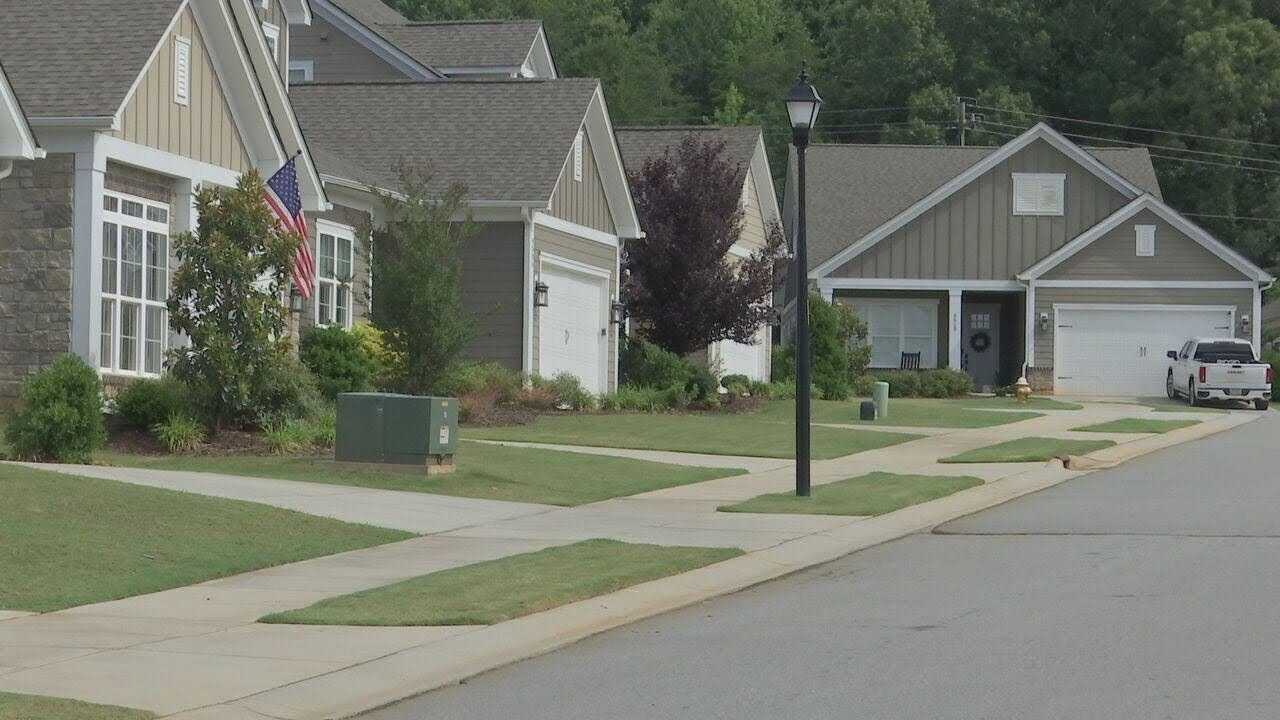
What happens when your HOA begins to price you out? That’s the question many homeowners in the Magnolia Cove subdivision in Sherrills Ford, North Carolina, are facing. They’re staring down a monthly HOA increase from $350 to $1,250, along with a $10,000 special assessment on their property. Several residents, some of them retired, told WSOC they won’t be able to afford the hike.
The increase compounds a climb that residents say has already been pretty steep for them. Homeowners said the dues were already high at $158 a month four years ago. They said the money is supposed to go toward lawn care and a pool that was never built. Homeowner Jill Menson said the increase has upended her livelihood: “I spend nights crying because this is just ruining my life.”
Residents said the developer is also the HOA president, which creates a bit of a conflict. There are 80 homes in the neighborhood and only 20 owners, and several of the properties are now rentals. Homeowner Stephanie Roebuck said she would never have bought in had she known the area would later become a rental community. Residents are also beginning to question how their money is being spent.
Homeowner Mike Brokaw said a lack of transparency has already produced litigation that he believes could have been avoided if the association had taken the time to answer questions. The association’s attorney, H. Weldon Jones III, told WSOC the assessments are being raised to fund the association’s operations. He said the developer had been covering those costs for years because of the owners who were delinquent on their assessments or just not paying them at all. Homeowners said the next association meeting will be virtual, that questions must be submitted in advance, and that they will not be allowed to vote on the increases at all.
Why the Property Developer Still Controls the HOA
The developer serving as HOA president is nothing new. In a new community, the developer, called the declarant in North Carolina’s statutes, usually controls the association board until enough lots have been sold to other owners. With 80 homes and 20 owners in Magnolia Cove, that leaves a declarant in control under what we usually see with a standard arrangement.
That structure is what lawmakers have been looking into, though. A proposal before the General Assembly would cap the declarant control period, ending it at the earliest of 120 days after 75% of lots are conveyed to other owners, two years after the declarant stops offering lots for sale, or two years after the last development right to add lots is exercised, according to the UNC School of Government. The same measure would require board elections within 60 days of the 25% and 50% conveyance marks, and it would bar payments to board officers except as the bylaws expressly allow.
What Are North Carolina Lawmakers Doing About HOA Power?
North Carolina HOAs operate under the Planned Community Act, Chapter 47F of the state’s general statutes, which governs how associations are created, what powers they hold, and how they collect assessments. The state has no single agency that regulates homeowners’ associations. WSOC has reported separately that lawmakers are weighing bills to limit HOA power.
House Bill 444 is the measure that’s drawn the most attention. It would bar a board from raising the budgeted common expense liability by more than 5% after the budget is ratified without approval from a majority of owners, according to the Legislative Reporting Service. It would also cap fines at $2,500, require at least 10 days’ notice before a hearing, and mandate mediation before certain disputes reach court. None of that resolves what happens in Magnolia Cove this year, and the homeowners there have started a GoFundMe to cover attorney fees. In other words, there are things in motion to potentially combat these fees, but not a single solution at this time for what is understandably a very complicated situation.