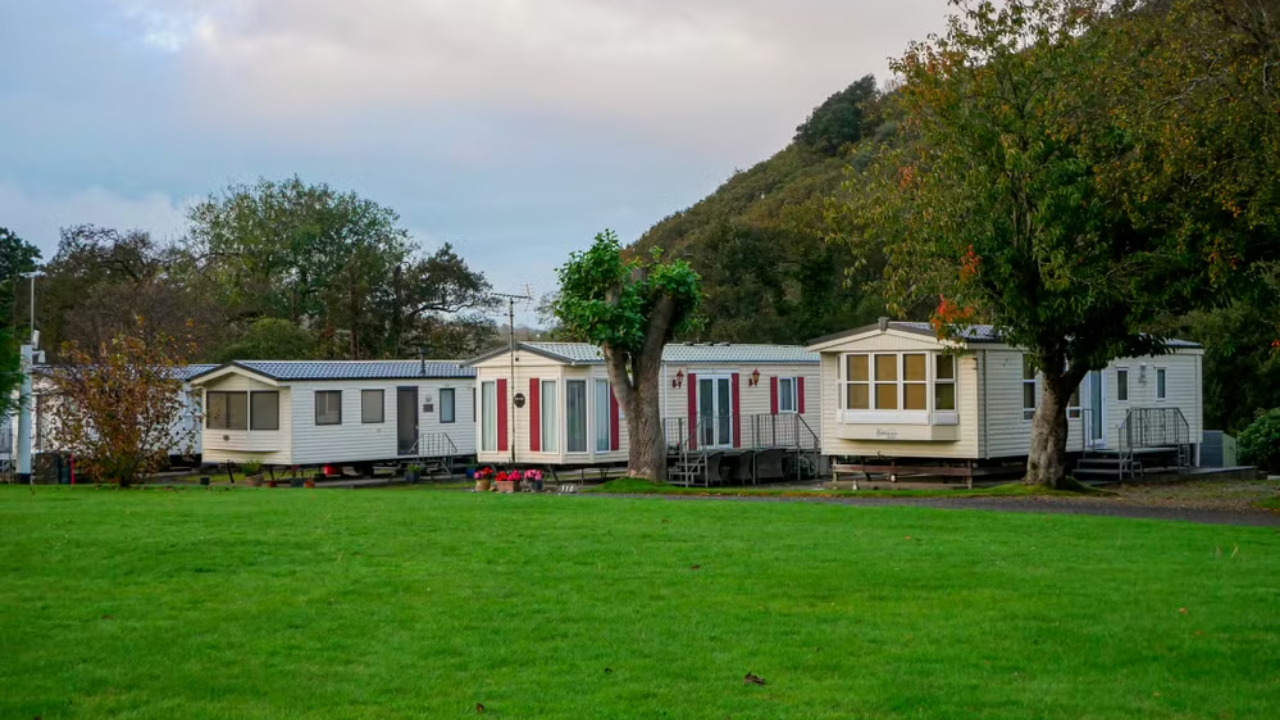
A Maine City Takes Aim at Soaring Mobile Home Rents
The Jay Select Board in Maine has until Aug. 24 to finish an ordinance that would limit rent increases at the town’s mobile home parks, one of a growing number of local efforts to rein in housing costs as rents stay elevated across the country. The measure has to be approved by then to reach the Nov. 3 ballot, Town Manager Shiloh LaFreniere told the board Monday night, NewsCenter Maine reported. Residents at the parks have been pushing for limits after some lot rents climbed sharply over the past two years.
At an April 28 town meeting, voters approved a freeze on lot rents at the parks, retroactive to Dec. 8, 2025. The residents there generally own their homes but rent the land beneath them, so a rent increase on the lot hits them directly. They had pressed the town for both an immediate halt to increases and longer-term rent control after some parks raised those rents by as much as 50% over two years.
Several other Maine towns, including Gorham and Waterville, have adopted similar freezes. A proposed state law to cap such increases has not cleared the Legislature, so for now there is no statewide rule. That has left each municipality to set its own course.
LaFreniere said the board is now deciding how high to let the increases rise. It can hold them to a fixed percentage or tie them to the cost of living, and that choice will shape what voters ultimately decide. LaFreniere and Town Clerk Ronda Palmer have been studying ordinances already on the books elsewhere, with plans to adapt an existing model rather than build one from scratch.
How Much Have Rents Risen Across the Country?
Renters across the country have faced similar pressure, both for mobile home lots and other types of rentals (apartments, homes, etc.). The national median rent was around at $1,379 in May 2026, according to Apartment List. That figure has gone down considerably from its 2022 peak, but it remains about 20% higher than it was at the start of 2021. Some metro areas are still posting sharp increases, with San Francisco rents up 14% over the past year and cities such as Reno, Nevada, and Lexington, Kentucky, which have climbed around 5% or more, a SmartAsset analysis found.
Several large cities have moved to tighten their own limits. Los Angeles recently overhauled its Rent Stabilization Ordinance, shifting to a formula that ties allowable annual increases on covered units to 90% of the Consumer Price Index, the city’s housing department says. The change lowers the ceiling on those increases to 4%, down from 8%, and sets a floor of 1%. It mirrors the choice now in front of Jay, where officials are weighing whether to cap increases at a fixed percentage or link them to the cost of living.
What Can Renters Do as Rents Keep Climbing?
For renters caught between rising costs and limited local protections, there are a few things that can be done. You can start by learning the rules where you live, since some cities and states cap annual increases or require landlords to give written notice, often 30 to 90 days, before raising rent. The rental market has also cooled in many areas, which gives you more leverage to negotiate at renewal time, whether that means asking for a smaller increase or for concessions such as a free month or waived fees.
It also helps to keep your housing costs in proportion to your income. Financial guidance has long pointed to spending no more than about 30% of gross income on rent, though more than 22 million renting households now exceed that mark, according to iPropertyManagement. Building a small buffer into your budget for an annual increase and timing a move for the slower winter months when demand drops can both soften the hit when rents rise.