A Florida Homeowner’s Sale Fell Apart After This Attic Discovery
A Florida homeowner thought she was selling a fairly new house. Then, the attic inspection that took place ahead of the sale completely changed everything. Susan Montoya, who lives in Port St. Lucie, says a buyer backed out after an inspector found what was identified as mold in the attic just two years after she moved in, according to WPTV.
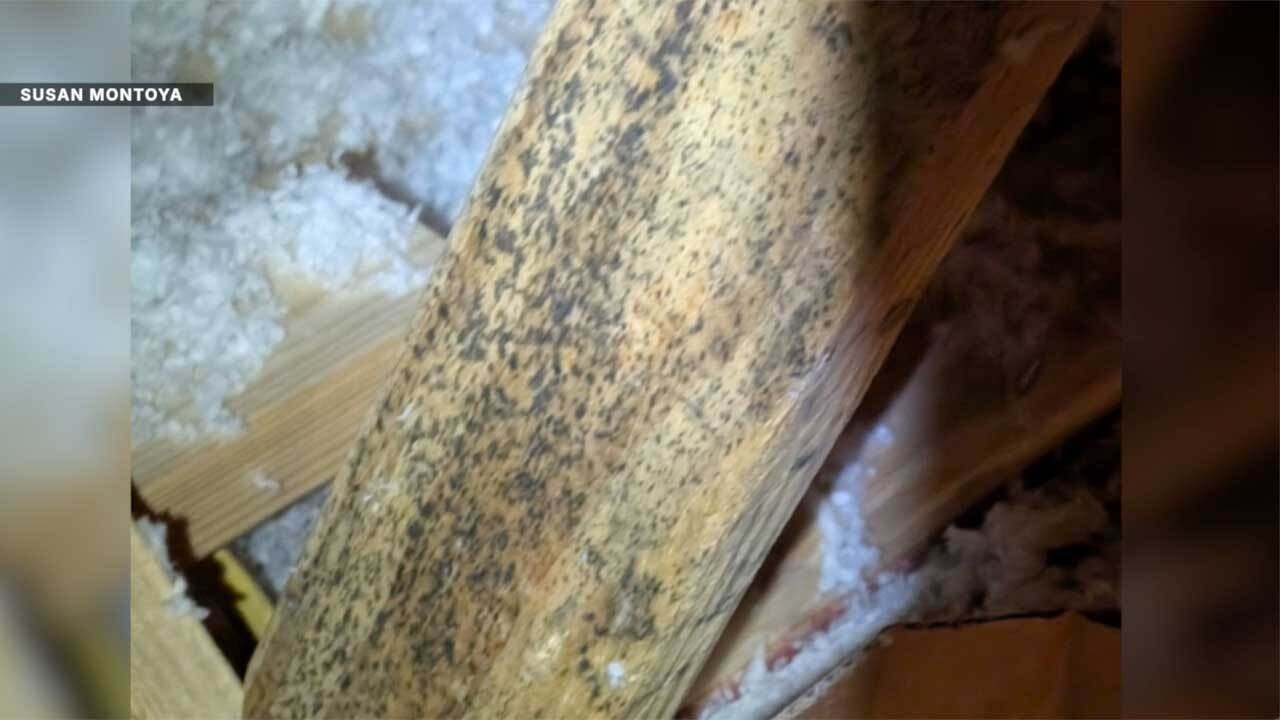
Montoya said she was shocked when the inspection turned up dark spotting on wood in the attic. She had bought the home from Maronda Homes and said she went back to the builder after the issue came up. According to Montoya, the company told her the spotting was not mold.
It was a disaster that came at the absolute worst time, too. Montoya had recently put the home on the market and thought she had a buyer ready to take it off her hands. After the buyer’s inspection, she said the entirety of the deal fell apart.
Montoya shared her inspection documents and a treatment estimate with WPTV to show off what was found. The inspection estimate came to about $1,400 for an attic treatment process meant to prevent further growth of the apparent mold. It also noted that any reconstruction, including drywall, insulation, or other repair work, would need to be performed with a separate contract and more cash.
Why the Attic Findings Became a Sale Problem
This is the kind of issue homeowners may not know exists until someone else gets paid to look closely, hence in the form of an inspection. Since the mold wasn’t apparent until during the buying process, the potential new owner could back out before she had any time to resolve it privately. Once a buyer hears the word mold during a home inspection, that can change things incredibly quickly. Mold is a problem that’s difficult to get rid of, after all.
Montoya’s buyer wanted the home before the inspection. But since they backed out, she was left with the treatment estimate and the frustration of trying to figure out why a two-year-old home had this kind of concern above the ceiling. Now she’ll be left searching for a new buyer as well.
What the Builder Said About the Attic Spotting
Maronda Homes actually disputed that active mold was present, according to an email Montoya provided to WPTV. The company said the dark spotting on the attic wood was discoloration from moisture exposure before the roof was fully sealed during construction. In other words, the builder’s position was that the attic wood showed staining from the building process rather than an active mold problem.
WPTV also reached out to Maronda Homes for comment. A division manager said the company was aware of the situation but could not comment on homeowner warranty matters. Montoya said she hopes other homeowners in newer communities check their homes carefully, because a problem hiding in the attic can become very public once it shows up in a sale.