A Deadly Landfill Collapse Has India Residents Protesting More Garbage Plants in Their Backyards
Who do you turn to when piles of garbage are taking over your life and home? Residents across Pune in India have used protests and court petitions to try to move garbage depots and processing plants away from their neighborhoods, so far without success. Their objections are about air, land, and water contamination, disease-carrying insects, and a constant stench, according to the Times of India.
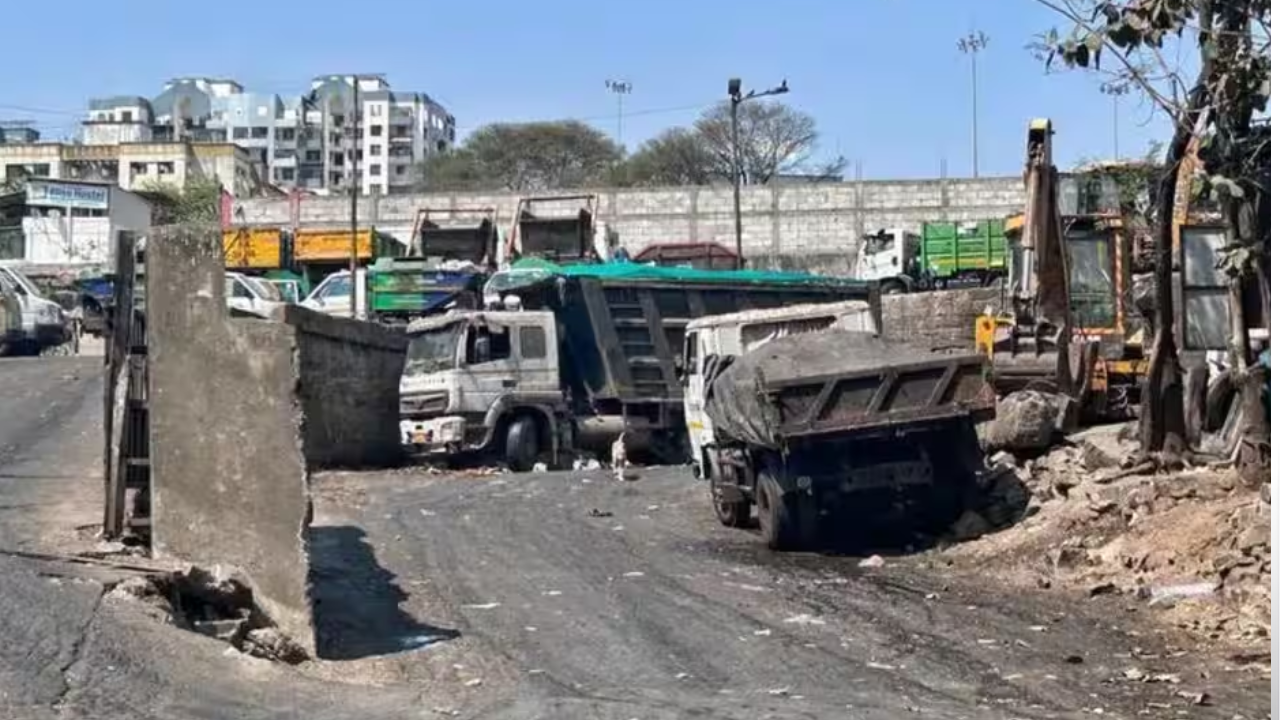
This isn’t just a random occurrence, and is part of a larger issue. Two days of heavy rain fell in July. A mound of garbage at the Moshi plant, which processes waste from Pimpri Chinchwad, gave way. It struck an administrative building about 100 feet away. The building collapsed, killing nine people and injuring several others.
In Pune, a garbage processing plant is proposed in the area’s development plan on a plot surrounded by residential buildings and schools, according to Sunil Aiyer of the Mohammadwadi-Undri Residents Welfare Development Foundation. He said residents there rely heavily on groundwater, and tankers draw from local wells. That means the contamination would reach their water supply. The foundation submitted a letter opposing the plant in November 2025 to municipal commissioner Naval Kishor Ram and state town planning assistant director Abhijit Ketkar.
That letter listed exposure of children and the elderly to foul odor and toxic emissions, heavy vehicle traffic, groundwater and soil contamination from leachate, fire risk from methane buildup, a rise in disease-carrying insects, and falling property values. Foundation director Sunil Koloti, who lives in Nyati Windchimes, said the group is “not opposing development” and wants the Pune Municipal Corporation to relocate the plant.
A World Health Organization report published in December 2025 found that people living near dumpsites and poorly managed landfills and incinerators, along with waste workers, face the greatest health risks.
Where Pune Residents Have Already Fought These Facilities
Plans for waste facilities were scrapped in Bavdhan in 2021 and in Punawale in 2025 after resident opposition. In Kothrud, Sus, and Camp, where depots are operating, residents have described horrible odors and leaks that they can’t do anything about. Near the depot in Magarpatta Industrial Estate, resident Poonam Punjabi said mixed waste is burned on site, which releases fumes that make it hard to breathe. Additionally, collected waste isn’t even processed every day.
Residents organized as the Sus Road Baner Vikas Manch applied to the National Green Tribunal in 2019 to stop a plant operating near them. The tribunal ordered the Pune Municipal Corporation to move it in 2020. PMC took the case to the Supreme Court, which quashed the tribunal’s order in September 2024. In November 2025, the court dismissed a contempt petition the group had filed against PMC over continued odor and pollution.
Why Experts Say Waste Should Be Processed Where It Is Generated
Anil Gokarn, founder of the Pune zero-waste enterprise ProEarth, said wet waste makes up 60% or more by weight of what city households throw out. He added that its high water content makes it a bad idea to transport. He said it needs to be handled within the community or ward rather than hauled elsewhere. Regulations already require bulk waste generators to process wet waste on their own premises, which Gokarn said isn’t really happening.
The Pune Municipal Corporation points to the same rules. Santosh Varule, PMC’s deputy commissioner for solid waste management, said the 2026 Solid Waste Management Rules require societies generating 100 kilograms or more of wet waste, roughly 220 pounds, to process it indoors, and that the corporation has fined many societies for failing to comply while guiding those that want to set up systems. For now, it seems improvements will remain tied up in bureaucratic red tape while residents continue to deal with the odors and other issues.