A Brazilian Hero’s $1 Favela Rooftop Garden Solution to Turn Heat into Hope
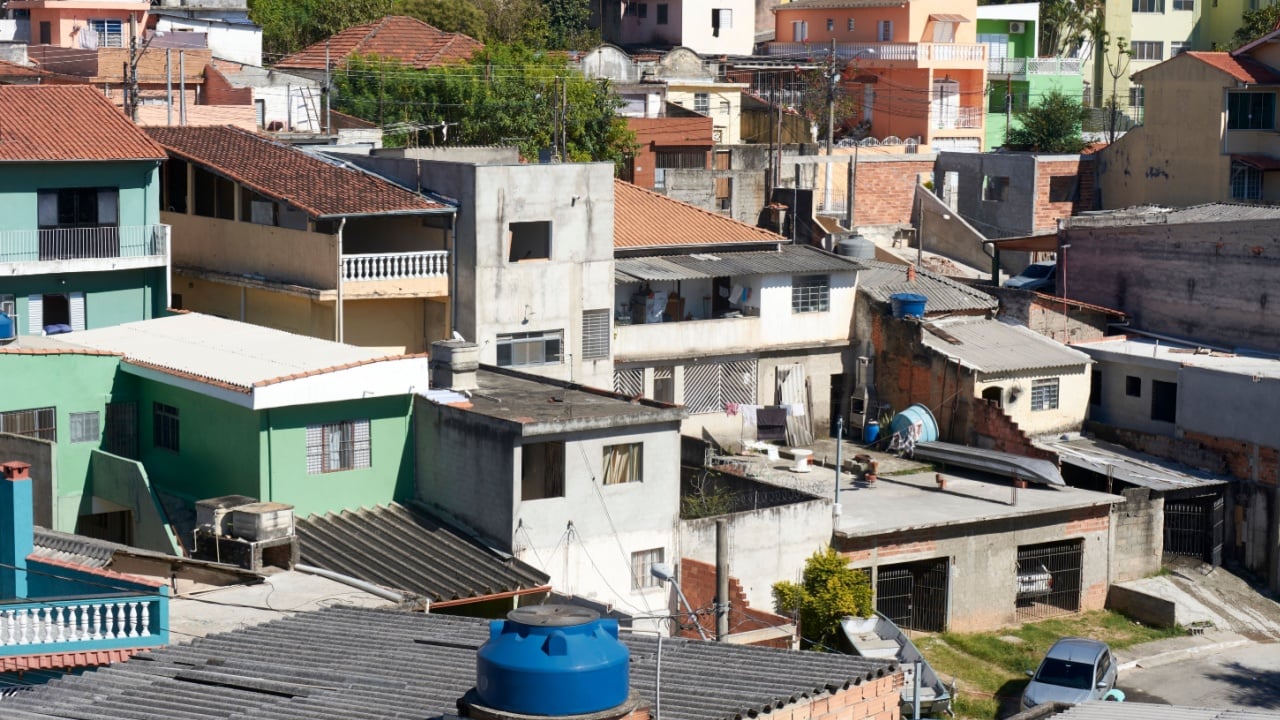
Summer heat hits hard in densely packed neighborhoods. Cement buildings absorb the sun all day long and trap high temperatures inside homes. Families struggle to stay cool when air conditioning remains entirely out of their financial reach. A few small changes to rooftops can make a huge difference in daily life.
In a reel shared on Facebook, one man, Luis Cassiano, decided to act upon seeing his community suffer from extreme heat. He created Teto Verde Favela to bring affordable rooftop greenery to structures that typically lack access to nature. His method uses recycled materials to build lightweight gardens directly on top of houses. This simple idea cools down the rooms below while adding life to bare concrete.
These elevated plant beds do much more than just lower the temperature. They provide emotional comfort by introducing beautiful plants into areas dominated by hard surfaces. Residents experience better living conditions and feel proud of their updated spaces.
This article highlights how basic gardening methods can solve serious urban problems. Read on to see how this lightweight planting system functions and helps entire neighborhoods.
The Heat Challenge In Favelas
Crowded neighborhoods face severe heat waves that make daily activities incredibly difficult. Rooftop temperatures in these areas often rise by up to 46 degrees Celsius compared with places with trees.
This intense warmth threatens the health of older adults and young children who cannot easily escape the sun. Families need immediate relief from these dangerous conditions to stay safe.
Understanding the severity of this issue helps us appreciate effective solutions. City areas with limited nature always suffer the worst effects of global temperature increases. Cassiano targets the roof surface directly to stop the heat before it enters the home.
A Lightweight Green Roof System
Traditional rooftop gardens cost a lot of money and weigh too much for simple houses. The new design by Cassiano drops the price to $1 per square foot by using salvaged materials.
Builders place a waterproof vinyl sheet over the roof and use recycled bottle fabric instead of heavy soil. Succulents and tough plants grow perfectly in this lightweight material.
These tough plants survive with very little water and require almost zero maintenance. The low cost allows families with strict budgets to build their own cooling plant beds. People who never thought they could afford a garden now enjoy lush greenery above their heads.
Community Training And Involvement
Thanks to local initiatives, residents can learn exactly how to build and care for these installations themselves. Neighbors gather to share tools and help attach the waterproof layers to each house.
Schools invite builders to teach students how plants improve their local environment. Sharing this knowledge builds strong bonds between people living on the same street.
Teaching people these skills keeps the project running long after the initial setup. The neighborhoods avoid paying expensive outside companies and handle repairs on their own. Participants gain useful outdoor skills while improving the shared spaces around them. Working together turns a simple planting task into a powerful community effort.
Expanding Beyond Homes
The lightweight gardens have now spread past private houses to public structures. Builders are helping to install the recycled fabric and tough plants on top of local bus stops and daycare centers.
Food trucks now feature colorful succulents on their roofs to cool down the cooks inside. Public installations share the cooling effects with everyone walking down the street.
Bringing plants to shared spaces changes how people view their daily surroundings. Greenery integrated into basic city structures makes waiting for a bus much more pleasant. The project proves that beautiful plants belong anywhere people gather. You can easily adapt these flexible planting ideas to odd spaces in your own backyard.
Health And Equality Benefits
Lowering indoor temperatures directly prevents dangerous conditions such as heatstroke and severe dehydration. Seeing vibrant plants outside the window also helps people feel calm and relaxed.
Communities with minimal natural spaces desperately need these physical and mental health boosts. Bringing nature closer to home makes daily life significantly better for everyone.
Richer neighborhoods usually have plenty of parks, while poorer areas sit baking in the sun. Building affordable rooftop gardens helps balance out this unfair situation. Cassiano uses plants as a tool for social improvement and environmental repair.
What We Can Learn From This Project
This Brazilian project proves that you can grow plants in highly unusual places. A hot cement roof transforms into a vibrant growing space with a little bit of creativity.
You can use recycled materials and hardy plants to solve difficult environmental problems. Small adjustments to your gardening habits make a huge difference in your local area.
Gardeners everywhere can take inspiration from this practical approach to urban heat. Look for bare spots around your home that might benefit from a simple container of succulents. Share your plant clippings with neighbors to help them start their own projects. Community spirit and basic gardening skills easily turn difficult spaces into beautiful places.
Read More: