A 92-Year-Old Woman Still Lived in Her Home. Officials Say Someone Stole the Deed Anyway
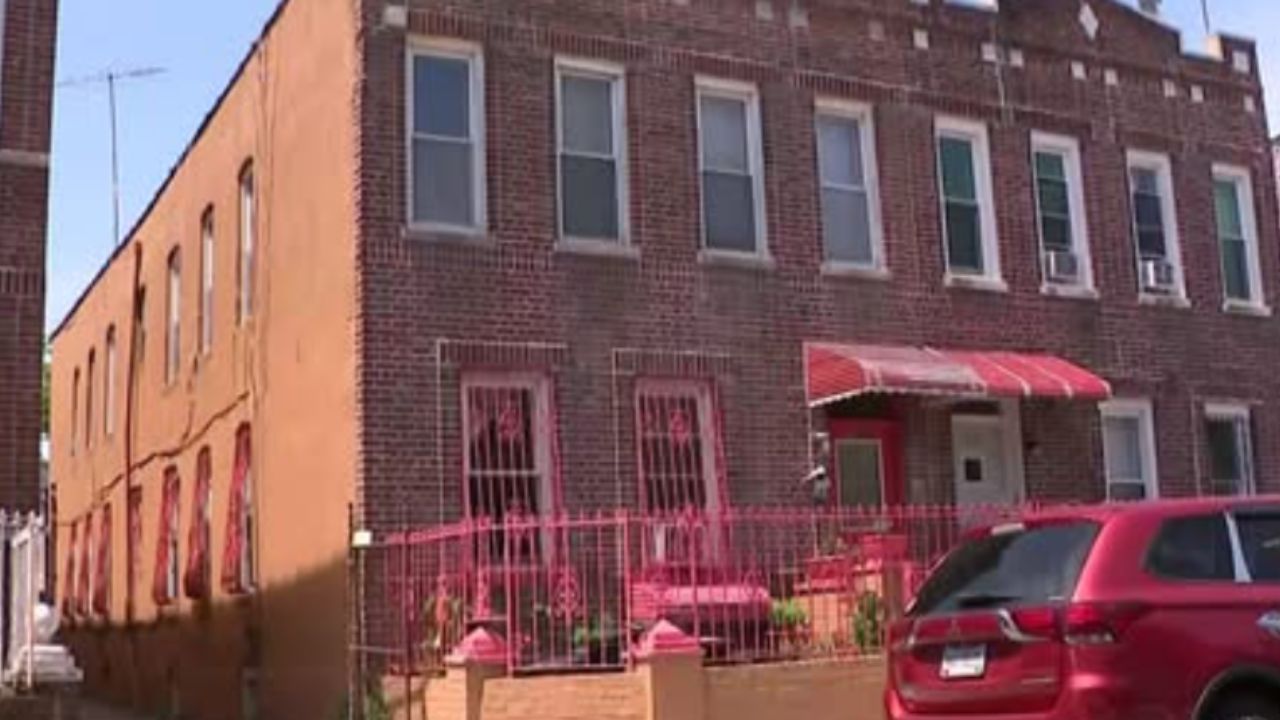
A 92-year-old Brooklyn woman was still living in the home she had owned for decades when officials say forged paperwork was used to take the deed.
New York Attorney General Letitia James announced the arrest and indictment of 58-year-old Mark Salkey of Queens, accusing him of stealing Althea Garrick’s East Flatbush home while she was receiving dementia care.
According to the attorney general’s office, Garrick and her then-husband, Reginald Kelly, bought the home in 1976. Garrick became the sole owner after their divorce in 1998, but officials say documents later transferred the property to Salkey’s company without her consent.
Federal investigators have warned that forged deeds, false ownership transfers, fraudulent mortgages, and stolen personal information can be used to make a property appear to belong to someone else.
Officials Say Tenants Were Moved Into the Home
The attorney general’s office said Salkey allegedly allowed unauthorized people to move into the house and charged rent through his company.
CBS New York reported that Garrick and Kelly were forced to live in one bedroom while strangers rented other parts of the property. Investigators said Salkey allegedly collected about $70,000 in rent after the home was transferred.
The Case Also Involves Missing Savings
Officials said Salkey is also accused of stealing about $148,000 from Garrick’s savings and about $20,000 from Kelly’s pension money that had been deposited into her accounts.
The attorney general’s office said he was charged with 23 crimes, including grand larceny, criminal possession of stolen property, forgery, offering a false instrument for filing, and falsifying business records.
The charges are accusations. Salkey is presumed innocent unless proven guilty in court.
Homeowners Can Watch for Property Record Changes
New York City’s Department of Finance offers a Notice of Recorded Document program that alerts registered property owners when deeds, mortgages, or related documents are recorded against their property.
Similar property-fraud alert programs are available through many county clerk, recorder, or land-record offices across the country. Homeowners can also review property records, keep mailing addresses current with tax offices, and check any unexpected mortgage, lien, tax, or water-bill notice tied to the property.
Older homeowners, heirs, caregivers, and relatives should keep copies of deeds, wills, tax bills, and mortgage documents in a place trusted family members can access. Suspected deed theft should be reported to local authorities, the land-record office, and an attorney or housing legal-aid group before the property is sold, refinanced, or occupied by someone else.