Community Gardens for Beginners: 9 Rules New Gardeners Break Without Realizing It
Most people who lose a community garden plot don’t lose it to bad soil, drought, or rabbits. They lose it to a contract they signed in about thirty seconds and never read again.
That agreement has teeth. A sample plot contract from the City of San Diego states plainly that breaking the rules is “cause for exclusion from the garden and loss of your plot.” Gardens follow through, too. University of Wisconsin Extension Milwaukee County gives overrun plots three notices, then forfeits them with no refund. And because one gardener writing for NPR waited two years for a plot in a garden with roughly 45 people on the waitlist, you can bet the coordinator has someone ready to take yours.
The timing matters more than most newcomers realize. Right now in November is when many gardeners renew, and newcomers get in line; the Vermont Garden Network organizer timeline schedules applications, waivers, and fees for winter into spring. The payoff for getting it right is real. A UC Cooperative Extension study of community gardeners in San Jose found each plot produced $435 worth of food in a single season, while a plot in Boston’s Fenway Victory Garden costs $40, or $25 for seniors over 65, according to Earth911. That is more than a tenfold return on your fee, if you keep the plot.
Whether you’re joining for the first time or you’re in your 50s or 60s and trading a big backyard bed for something more manageable, this is the introduction to community gardens that nobody gives you at orientation. Here are the nine rules that quietly sink new plot holders, starting with the one almost everyone breaks on day one.
1. Never Sign the Plot Agreement Without Reading Every Line
The Old Farmer’s Almanac has long told new community gardeners that rule number one is taking the garden’s rules seriously, and that usually means a signed agreement. Read it for planting deadlines, banned plants, required volunteer hours, and end-of-season cleanup dates. Some penalties follow you into next year: community garden rules posted by the City of Bend, Oregon, warn that gardeners who skip fall cleanup “will lose first right of refusal for the plot the following year.” Most homeowners would never sign a lease without reading it; treat this one the same way.

2. Stop Renting More Space Than You Can Weed
Bigger feels like a bargain until July. Donna L. Long, who has leased her community plot since 2017, says new gardeners routinely take far more room than they need, then watch weeds take over and quit discouraged. Her advice: “Start small, maybe stay small, and keep it simple.” The extra square footage costs real money, too. Portland’s fees run $5 to $20 for a 50-square-foot plot but $55 to $220 for an 880-square-foot one, according to Earth911. Pay for the space you’ll actually tend.
3. Never Let Weeds Go to Seed
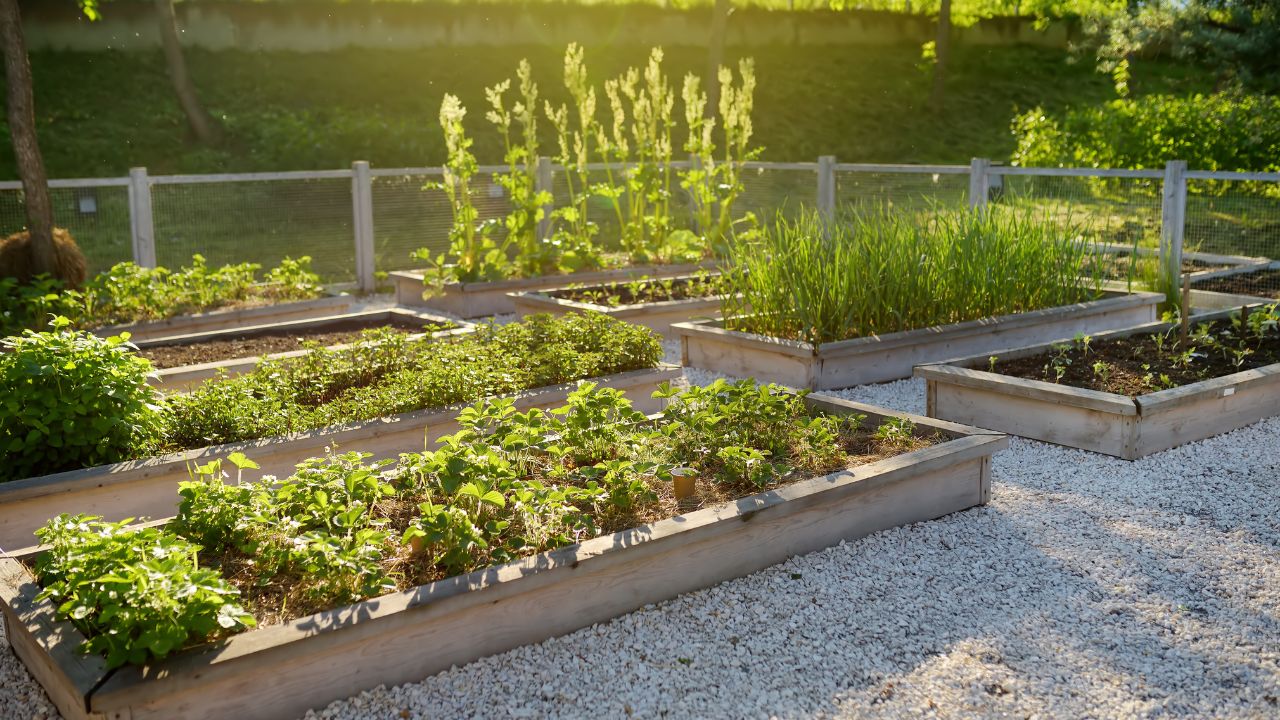
This is the rule that turns friendly plot neighbors into frosty ones. “If you don’t pull your weeds, those weeds flower and get into my plot,” veteran Washington, D.C., gardener Stacey Marien told NPR. In a community garden, your weeds are never just your problem; they’re your neighbor’s seed bank. Garden managers notice fast. Portland Parks & Recreation checks in on plots that look abandoned during the April to October season and gives the plot holder two weeks to respond and start gardening. Ignore that window and your plot goes to the next name on the list.
4. Don’t Plant a Single Seed Before You Ask About the Soil
Many community gardens sit on former vacant lots with unknown histories. “Testing is especially important before starting a vegetable garden,” notes UConn Extension, which singles out community gardens on land with an unknown past. Here’s the surprising part: when Cornell University researchers sampled more than 60 New York City community gardens, about 70 percent had soil lead below recommended thresholds in growing areas, yet an estimated 40 percent of visiting children exceeded recommended lead exposure levels. If grandchildren will be helping, ask the coordinator for test results, garden in raised beds filled with clean soil, and keep paths mulched. Screening can even be free; University of Vermont Extension hosts free soil lead screening events, so check what your state extension office offers.
5. Never Plant Mint, or Anything Else That Wanders
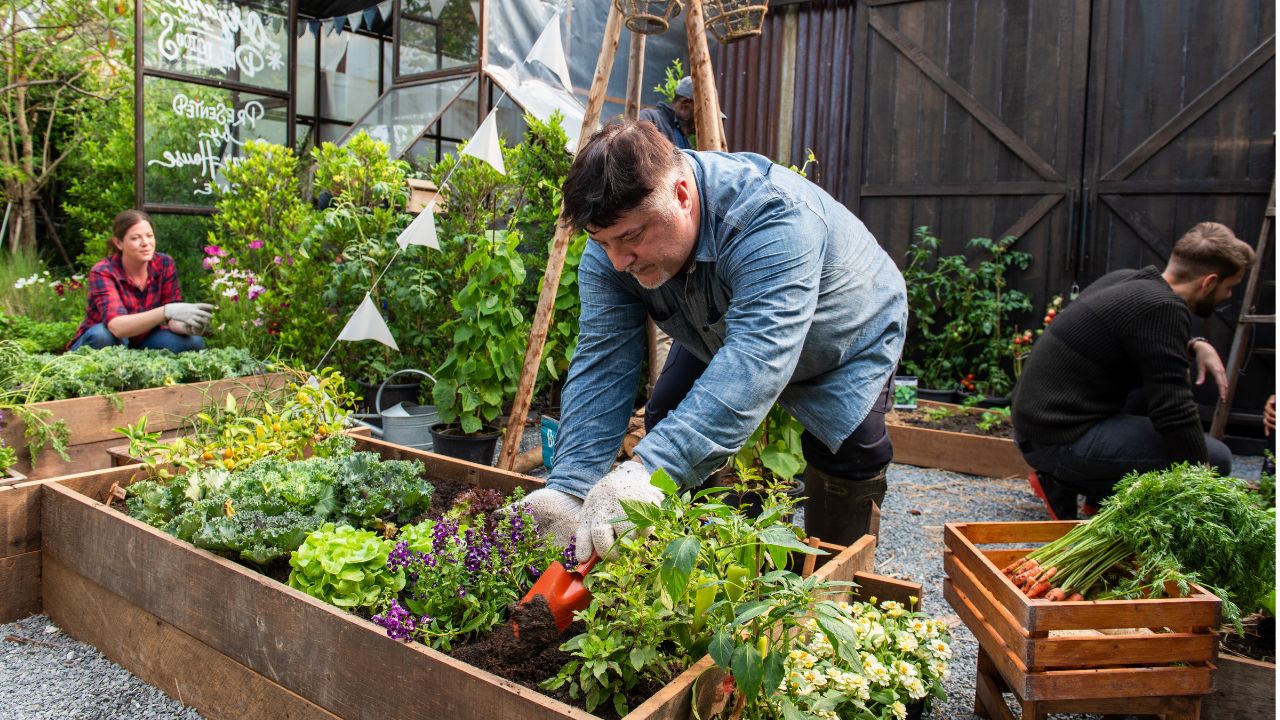
Your grandmother kept her mint in a pot by the back door for good reason. Bill Maynard, past president of the American Community Gardening Association, told NPR that mint spreads aggressively and that some gardens ban it outright. Gardening Know How puts it bluntly: “you would not want someone planting mint that might take over the entire garden.” The Old Farmer’s Almanac adds sprawling vines like winter squash to the caution list. If it creeps past your boundary, it’s your neighbor’s problem and your violation.
6. Stop Shading Your Neighbors With Corn and Sunflowers
That wall of sunflowers looks cheerful from your side of the path. From the plot next door, it looks like stolen sunshine. Milwaukee County Extension’s rules are direct: “Don’t shade out neighboring plots with tall plants.” The Almanac notes many gardens set height limits, so check yours. The fix is simple placement; the Edgewater Beach Community Garden in Chicago recommends planting tall crops like beans and tomatoes on the north side of a plot so their shadows don’t fall where they shouldn’t.
7. Never Pick From Another Plot, Even If It’s Rotting on the Vine
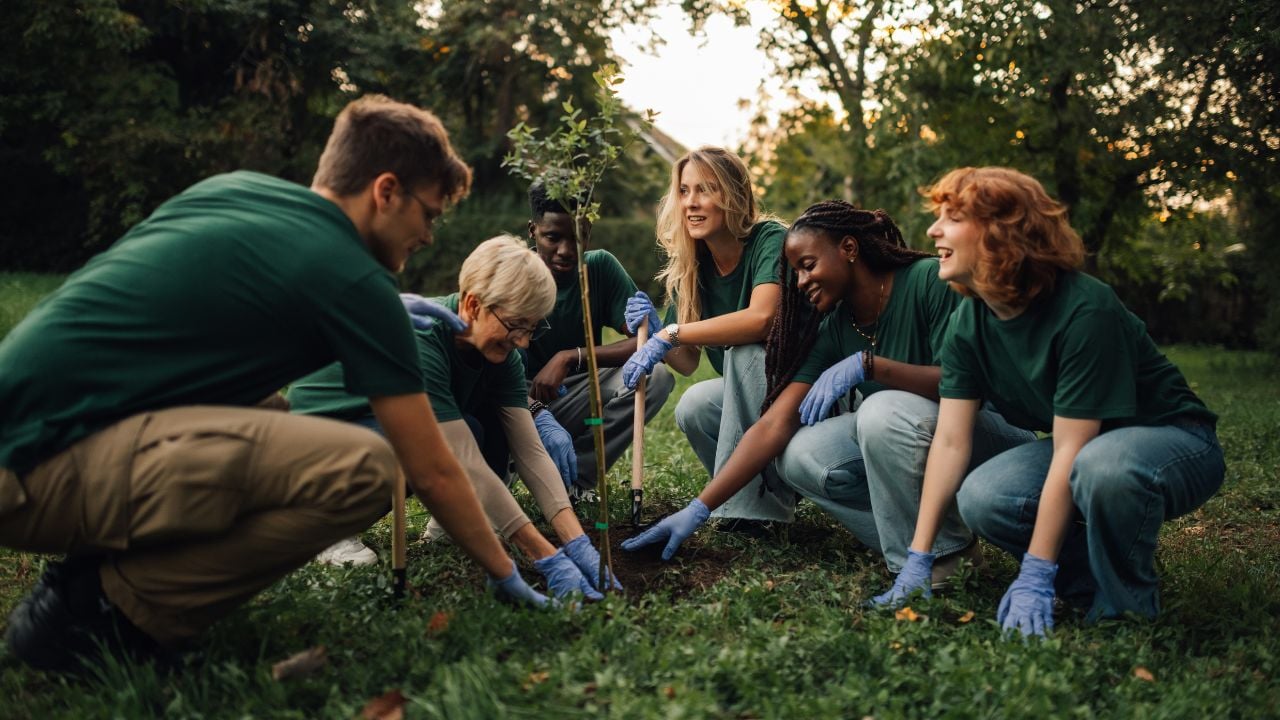
“No stealing!” is how the Old Farmer’s Almanac puts it, and the rule holds even for produce that looks forgotten. Ask first, every time; Earth911 confirms that members are expected not to harvest from other plots without permission. Theft runs the other direction, too. Josh Singer of D.C.’s Department of Parks and Recreation told NPR that small, fast crops like cherry tomatoes and okra are less likely to walk off, and that Green Zebra tomatoes stay green when ripe, so passersby rarely notice them. Milwaukee County Extension also advises taking valuables home and photographing any theft with dates and times.
8. Leave the Treated Lumber, Weed Killer, and Dog at Home
Three things get new gardeners in trouble before the first harvest. Pressure-treated wood is commonly prohibited because of its copper-based chemicals and fungicides; Eden Brothers says simply, “don’t use treated wood,” and notes a kiln-dried fir frame for a 10-by-14-foot plot runs about $50, versus roughly $130 for redwood. Most community gardens are organic, so sprays that could drift onto neighboring plots are off limits, according to the Almanac. Many gardens also ban pets outright, so leave the dog at home.
9. Stop Growing Crops That Need You Every Day
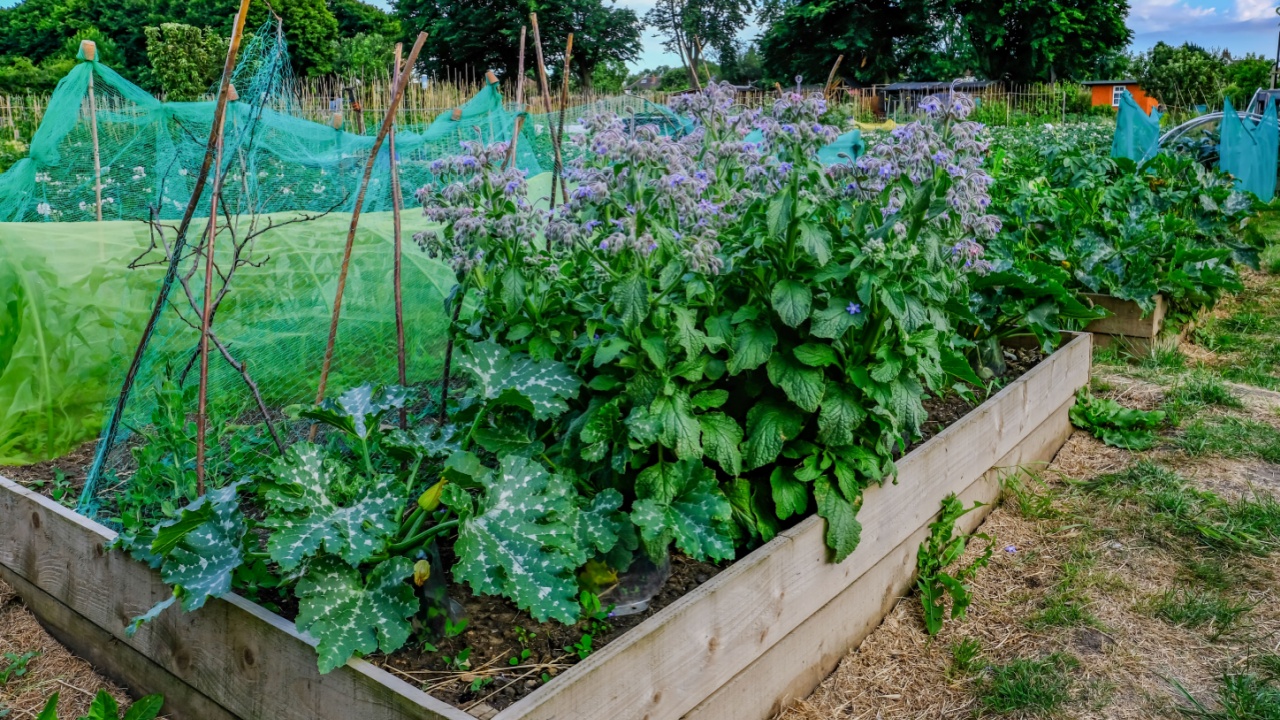
“Most people who tend community gardens aren’t able to visit their plots every day,” explains Creative Vegetable Gardener, written by a gardener with ten years of community plots in Madison, Wisconsin. Bush beans need picking every other day, while kale and chard happily wait for you. For the biggest grocery savings, UC Cooperative Extension found the payoff is greatest with vertical, high-value crops like tomatoes and peppers, the same crops that cost the most per pound at the store.
Your Community Garden Life Starts Now, Not in Spring
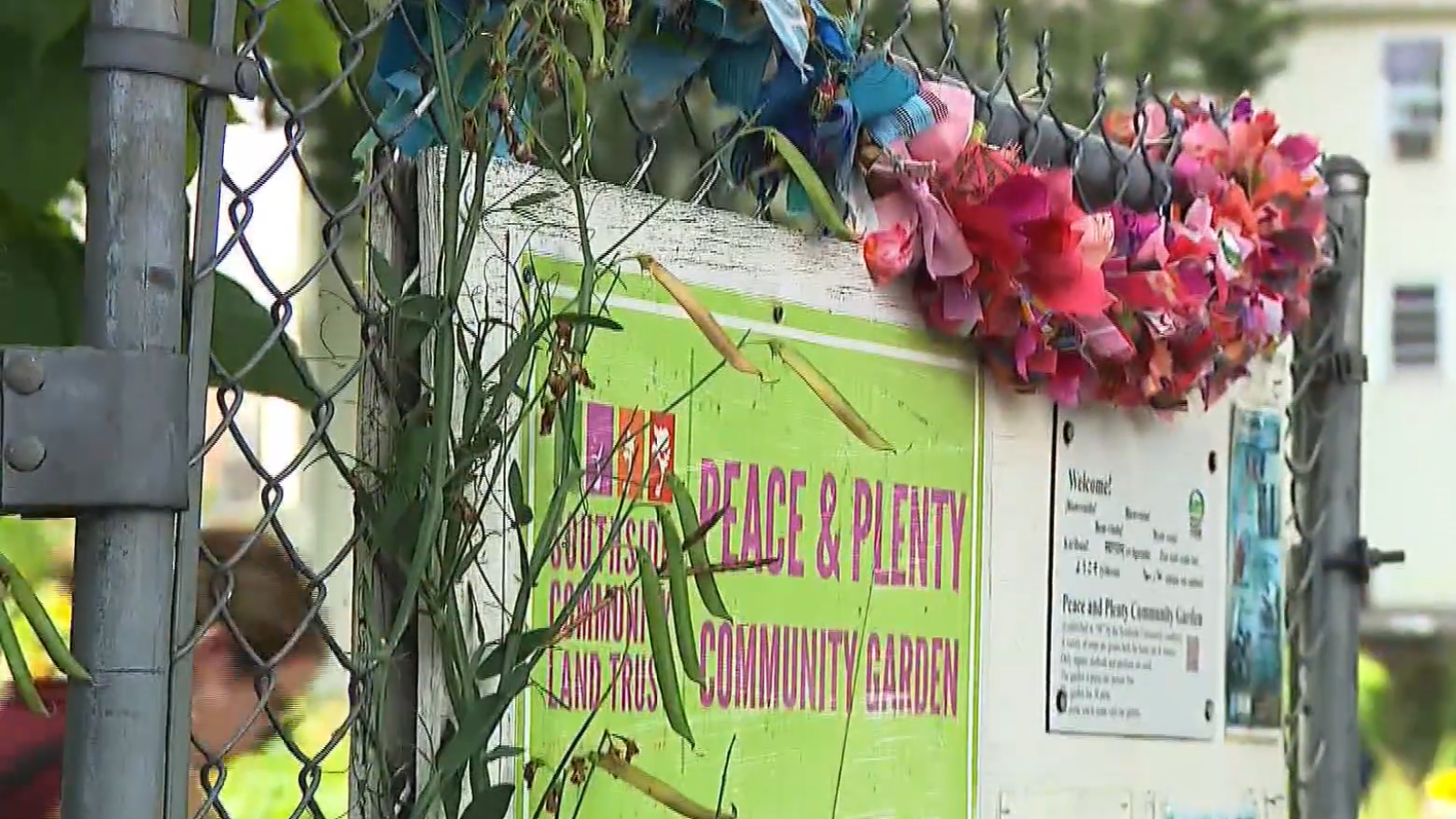
WPRI on YouTube.
Waiting until April is the most common way to miss a season entirely. Right now in November, call your county extension office or search your city’s parks department for local gardens, then visit one in person. Eden Brothers recommends getting the coordinator’s contact information so you’re notified of application dates. The Vermont Garden Network’s timeline shows organizers lining up “orientation, applications, waivers, fees” over the winter, which means the window opens before most beginners start looking. Ask for a copy of the rules before you apply, and ask the gardeners already there what grew well last year.
The villain in most community garden stories isn’t pests or weather. It’s the unread agreement, the oversized plot, and the weeds that went to seed while life got busy. Read the rules, start small, and show up often, and that $435 season measured by UC Cooperative Extension is well within reach. A little care this winter means a plot that is still yours when the tomatoes come in.
Read More
The 7 Best Garden Items to Thrift This Fall
9 Smart Ways to Save Money in the Garden Before Fall Ends