Homeowners Build Backyard for Their Children, Only to Discover They Don’t Own It
A Virginia family spent their first year of homeownership turning a gravel-covered space into a backyard with grass, flowers, vegetables, and a privacy fence. The family now faces losing the backyard they spent a year creating after a property survey showed the land belongs to a neighboring parcel.
Brittany Ellerbe and her husband bought their first home on South Dunlop Street in Petersburg in 2025. The nearly 100-year-old house appeared to come with an outdoor area that the seller had outlined with gravel. The couple took that space and made it their own.
About a year later, they learned that the land behind their house might belong to another property on nearby Wilcox Street. A dispute over the boundary followed, with part of their fence removed and the family left wondering how much of their yard they could keep.
The findings were more disappointing than Ellerbe had expected. According to 12 On Your Side, the family has no backyard within its surveyed property boundaries. Ellerbe is sharing the experience to warn other homebuyers about the importance of checking property lines before investing in outdoor improvements.
From Gravel to Garden
Embedded media follows; please allow a moment to load.
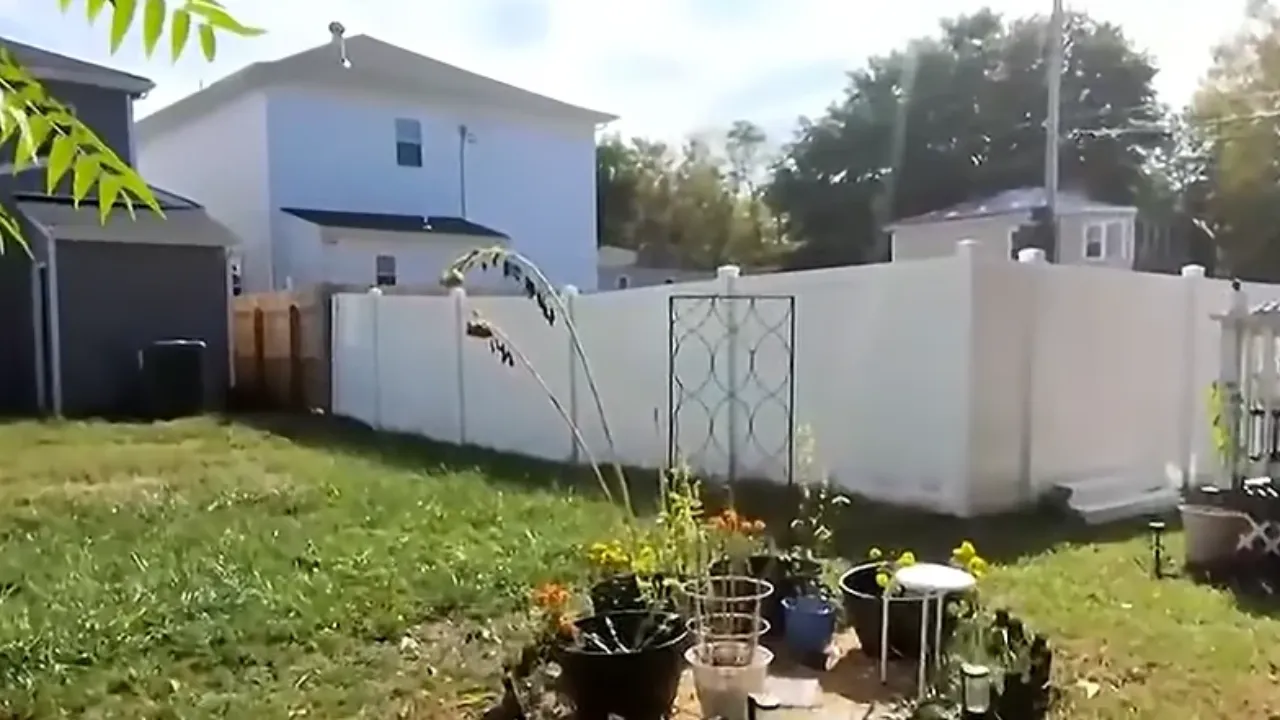
The Ellerbes had put considerable effort into making their outdoor space suitable for family life. They replaced the gravel with grass, installed a privacy fence, and planted a garden that included zucchini, squash, bush beans, and flowers.
In an October interview with 12 On Your Side, Ellerbe described how difficult it had become to spend time outside after the property dispute began.
“It used to look so much better than this,” she said, explaining that she had stopped spending time in the garden after part of the fence was moved.
The trouble began when a real estate agent representing the previous owner of a neighboring Wilcox Street property approached the family. According to Ellerbe, the agent explained that the yard and even the steps behind their home extended onto land associated with the neighboring property.
The Wilcox Street property was being sold, and the disputed fence had become an obstacle to completing that transaction. Ellerbe said workers eventually arrived, and part of the family’s fence was taken down and used along another section of the neighboring property.
The Boundary Surprise
A letter from attorneys representing the neighboring property’s new owner stated that a survey showed the disputed backyard belonged to that property.
The disagreement was complicated by the age of the property records. Ellerbe said the documents she had found included a plat dating to 1853 and a deed from 1917. She believed later descriptions had largely repeated information from older documents without clearly establishing the boundaries.
The family also said there was no property survey on file for their home when they purchased it. Someone familiar with the sale told 12 On Your Side that the seller may have relied on old tax records to estimate the property boundaries rather than commissioning a survey.
The couple hired an attorney, and a Petersburg judge granted temporary court protection in October while the boundary dispute was examined. They subsequently arranged for their own survey to determine exactly where their property ended.
The findings were more disappointing than Ellerbe had expected. Their survey confirmed that the land they had been treating as their backyard was not included in their property.
Although she was unhappy with the result, Ellerbe said she appreciated the surveyor’s thoroughness and was relieved to finally understand where the boundaries stood.
Before You Build
For homeowners planning to install a fence, expand a garden, or make expensive changes to their landscaping, the Petersburg case raises an important question: How certain are you about where your property ends?
A fence, a maintained lawn, or a row of shrubs can make an outdoor space appear to belong to one house. Those features, however, do not establish legal ownership. A professional boundary survey can identify the actual parcel boundaries using property records and measurements.
Virginia law specifically addresses this issue. Under the Virginia Residential Property Disclosure Act, sellers generally make no representations about current lot lines, and buyers are advised to conduct their own research, which may include obtaining a property survey.
A survey is not generally mandatory for a Virginia home purchase. That means buyers can reach closing without necessarily having a professional confirm whether a fence, garden, shed, or other outdoor improvement sits within the land they are purchasing.
Lauren Bradley, a licensed real estate agent interviewed by 12 On Your Side, said her checklist for buyers includes reviewing the deed, obtaining title insurance, and considering a survey.
She recommends discussing a survey early in the homebuying process, ideally when the property goes under contract. That allows time to identify discrepancies before closing, when buyers still have an opportunity to address concerns through the purchase process.
For people hoping to develop a backyard, checking the boundaries before installing permanent landscaping or fencing can prevent investments in land they may not own.
Giving Up the Garden
The Ellerbes now face the practical challenge of removing their belongings from the disputed outdoor space. They have asked for enough time to move their things without creating further conflict with the neighboring homeowner.
Ellerbe has also acknowledged that the situation has been difficult for the neighbor, who has been unable to fully use land that the surveys indicate belongs to her.
“It’s not our fault, it’s not her fault,” Ellerbe said in the November report, explaining that neither household had wanted the disagreement.
The couple continues to work with an attorney and is waiting to learn whether their title company might provide compensation connected to the boundary dispute. No compensation decision has been reported.
A court hearing that had been scheduled for November was postponed until January 2027. In the meantime, the family is trying to determine where to relocate the belongings and outdoor features that once made up their backyard.