It’s Not the Frost Ending Your Fall Garden: Stop These 7 Mistakes Before November Ends
Your fall garden isn’t about to quit because of the cold; it’s quitting because of the dark.
Most vegetables need at least 10 hours of daylight to keep actively growing, and across much of the country, days drop below that line right around the middle of November. That means the kale you’ve been babying all month probably isn’t getting any bigger. What’s standing in your beds right now is, for the most part, what you’ll be harvesting until February. Gardeners who have put the garden to bed on the same weekend for 30 years tend to treat the first hard freeze as the finish line, then rip out crops that could have fed them through the holidays. Others panic on the first cold night, throw a plastic tarp over everything, and wake up to mush.
Knowing how to extend your growing season this fall is less about planting more and more about protecting what you already have. The payoff is bigger than most people expect. According to All-America Selections, a simple cold frame can stretch the autumn harvest by six to eight weeks, and a mini hoop tunnel can add four to six. You can build the cold frame for free from an old storm window and a few scrap boards. That’s two extra months of salad greens, scallions, and carrots you won’t be buying at the store.
The catch is that a handful of well-meaning habits quietly cut the season short. Here are the seven worth dropping right now, starting with the one almost nobody talks about.
1. Stop Assuming the Cold Is What Ends Your Season
“Contrary to popular belief, not only cold temperatures limit vegetable growth,” explains Mother Earth News. Growers call the stretch of short days the Persephone Period, a term coined by winter gardening pioneer Eliot Coleman. In the Northern Hemisphere, daylight usually falls below 10 hours in mid-November and doesn’t climb back above it until about the first week of February.
Seeds sown this late in November won’t size up before spring, but crops that are already mature will hold in place, ready to pick, as long as you keep them from freezing solid. In November, your job isn’t to make the garden grow; it’s to keep it from giving up.
2. Stop Waiting for a Frost Warning Before You Cover Up
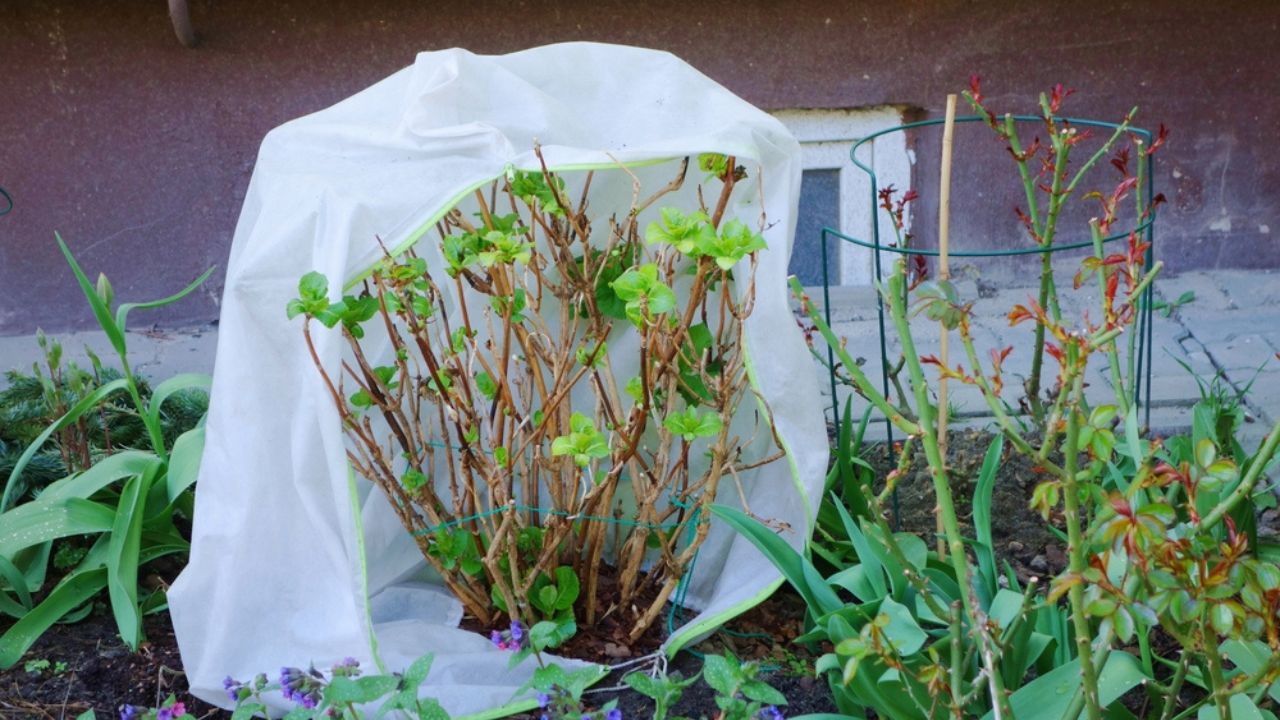
Most gardeners grab the row cover after the frost advisory hits. By then, the soil has already started dumping its stored heat. Cory Tanner, extension horticulturist at Clemson University, told Country Living to start preparing when the forecast heads toward lows in the 40s, and to get covers in place before sundown. Row cover works by catching warmth radiating up from the ground: “it’s not a physical barrier to frost, but it’s more valuable as a thermal barrier,” he says.
That warmth adds up. Floating row covers keep crops about 4°F warmer than the surrounding air, according to Renee’s Garden. Four degrees is often the difference between a light frost your lettuce shrugs off and one that turns it to slime. Set a freeze alert on your phone’s weather app so the decision is made for you.
3. Never Let Plastic Sheeting Touch Your Plants
This is the mistake that ruins more fall gardens than any cold snap. Plastic laid directly on leaves “can cause more harm than good,” warns Get Busy Gardening, because moisture trapped underneath freezes against the foliage. Plastic also doesn’t breathe, so on a sunny afternoon it can steam your greens, and rain can’t get through to water them.
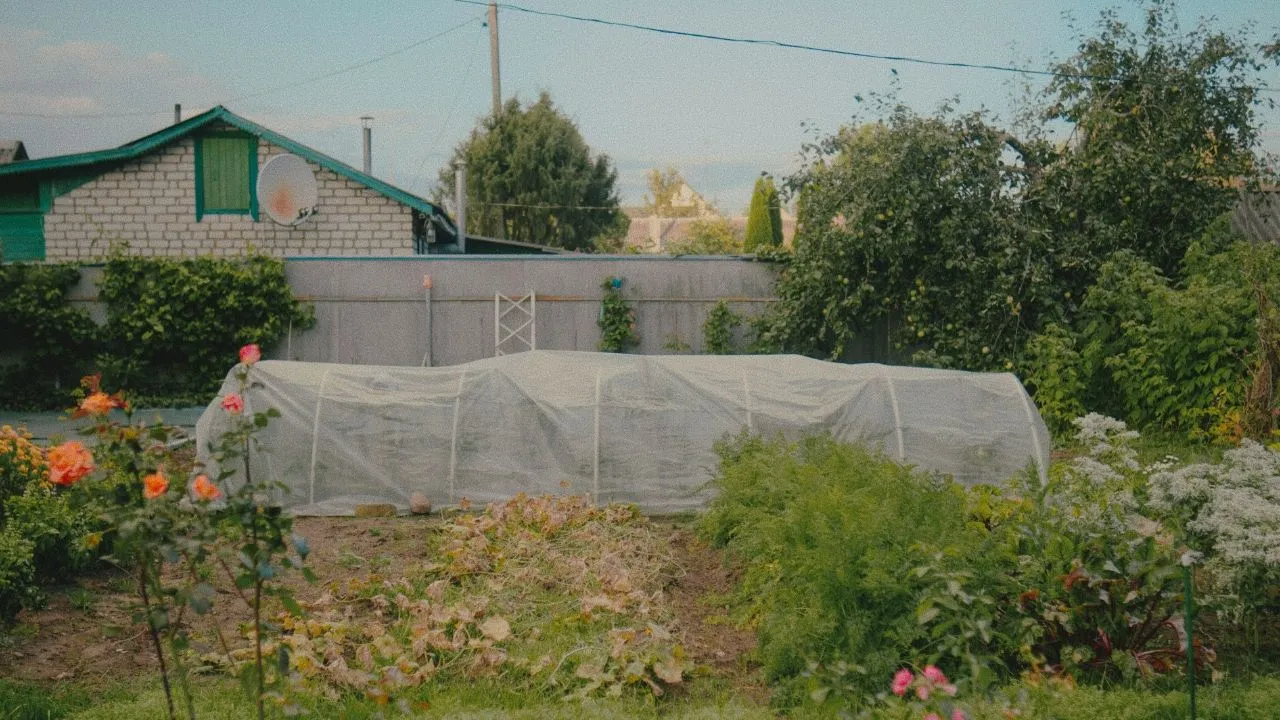
Plastic isn’t the villain on its own, though; contact is. Penn State Extension recommends wire hoops spaced three to four feet apart over the row, with fabric early in the season and heavier poly as temperatures keep dropping. Keep it lifted off the plants, weigh the edges down with sandbags or bury them in soil, and open the ends on bright days.
4. Stop Piling on Straw While You’re Still Harvesting
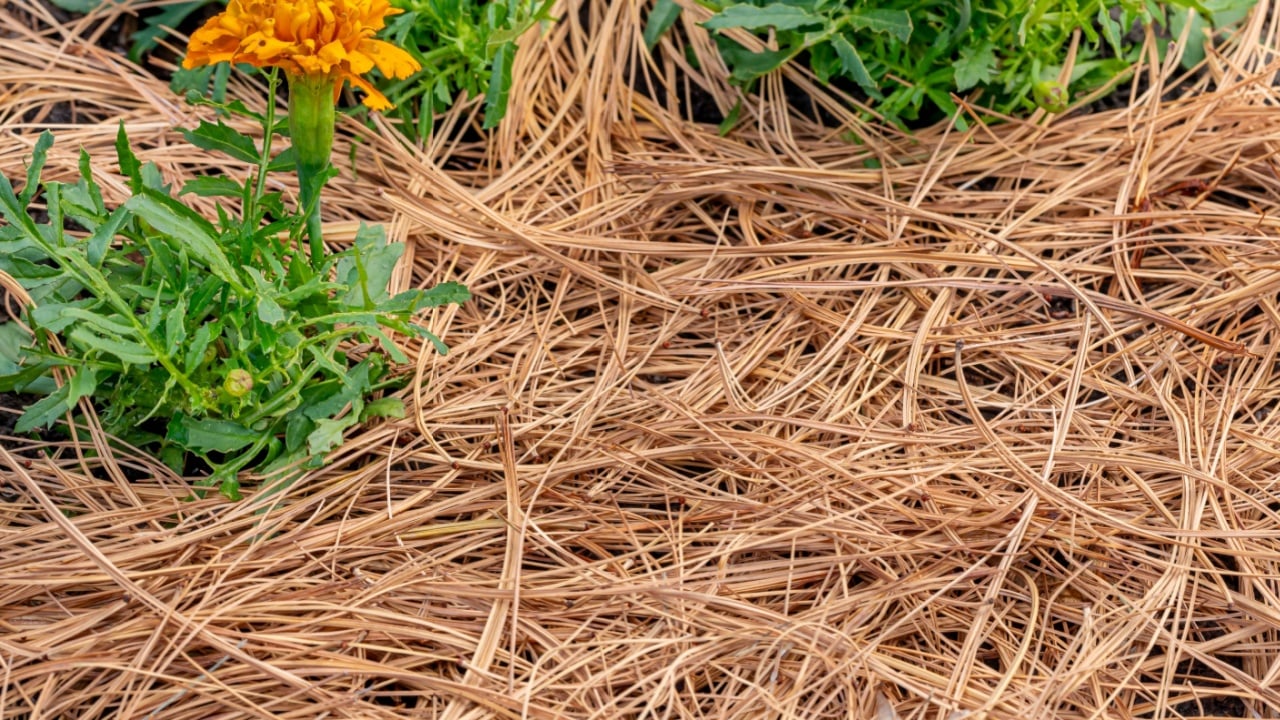
It feels like tucking the garden into bed, but a thick straw blanket does the opposite of what you want while crops are still growing. “Most organic mulches actually keep the soil cooler than bare ground,” notes University of Minnesota Extension. Straw shades the soil from the low autumn sun. If you want warmth, the same source found in black plastic raises soil temperature about 5°F, and clear plastic as much as 14°F.
Straw has its moment; it’s just later. Once your ground is about to freeze hard, Renee’s Garden suggests a 10 to 12 inch layer of mulch over root crops, extending 18 inches on each side. That keeps the soil around 35 to 40°F, and you can dig carrots, leeks, beets, and parsnips straight out from under the snow all winter. Think of straw as a blanket for storage, not a heater for growth.
5. Don’t Count on an Unheated Greenhouse to Do the Job Alone
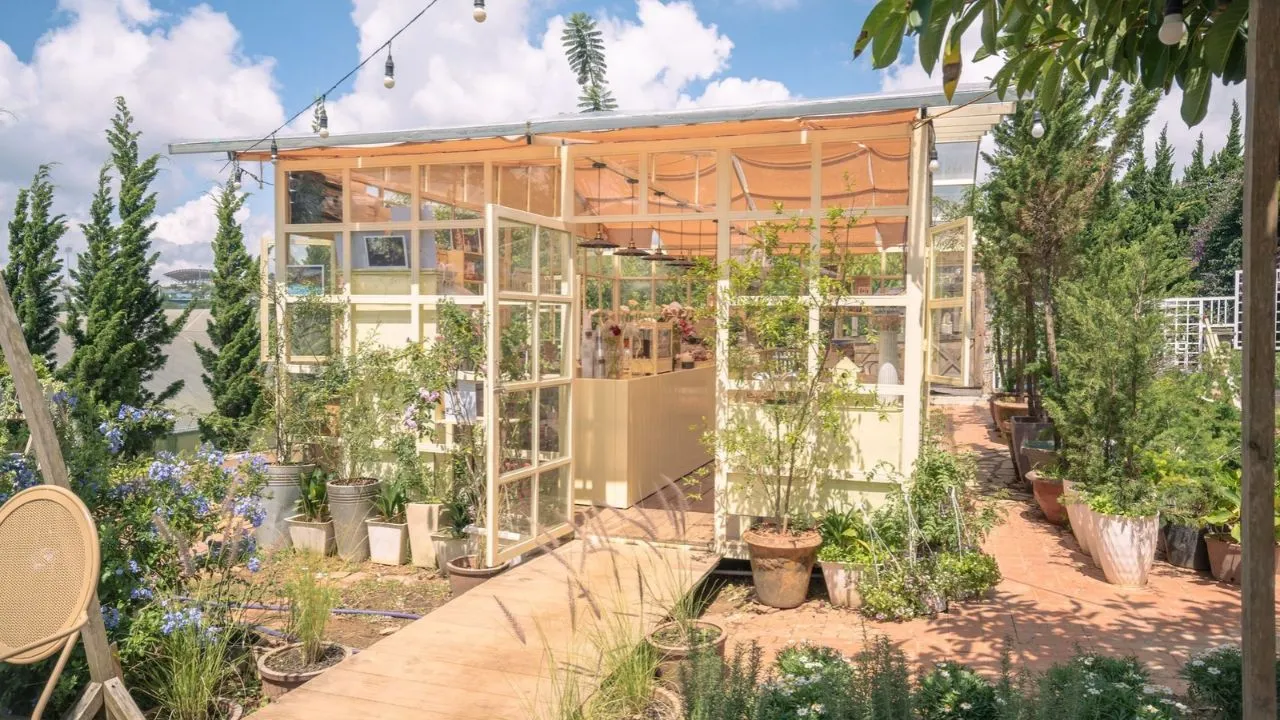
The Old Farmer’s Almanac has long held that “an unheated greenhouse will extend the growing season up to 4 weeks.” That’s true, but only in the daytime sense. Nate Muri, founder of Garden Like a Viking, points out in Country Living that once the sun sets, an unheated greenhouse drops close to the outside temperature, so tender plants still feel the freeze.
What the most successful winter growers rarely advertise is that they layer. Niki Jabbour gardens in Zone 5 in Eastern Canada and still harvests all winter, using cold frames, mini hoop tunnels, and a polytunnel together, as she describes for All-America Selections. A sheet of row cover draped over crops inside a greenhouse or tunnel gives you a second pocket of trapped heat for almost no cost.
6. Never Leave a Cold Frame Shut on a Sunny Afternoon
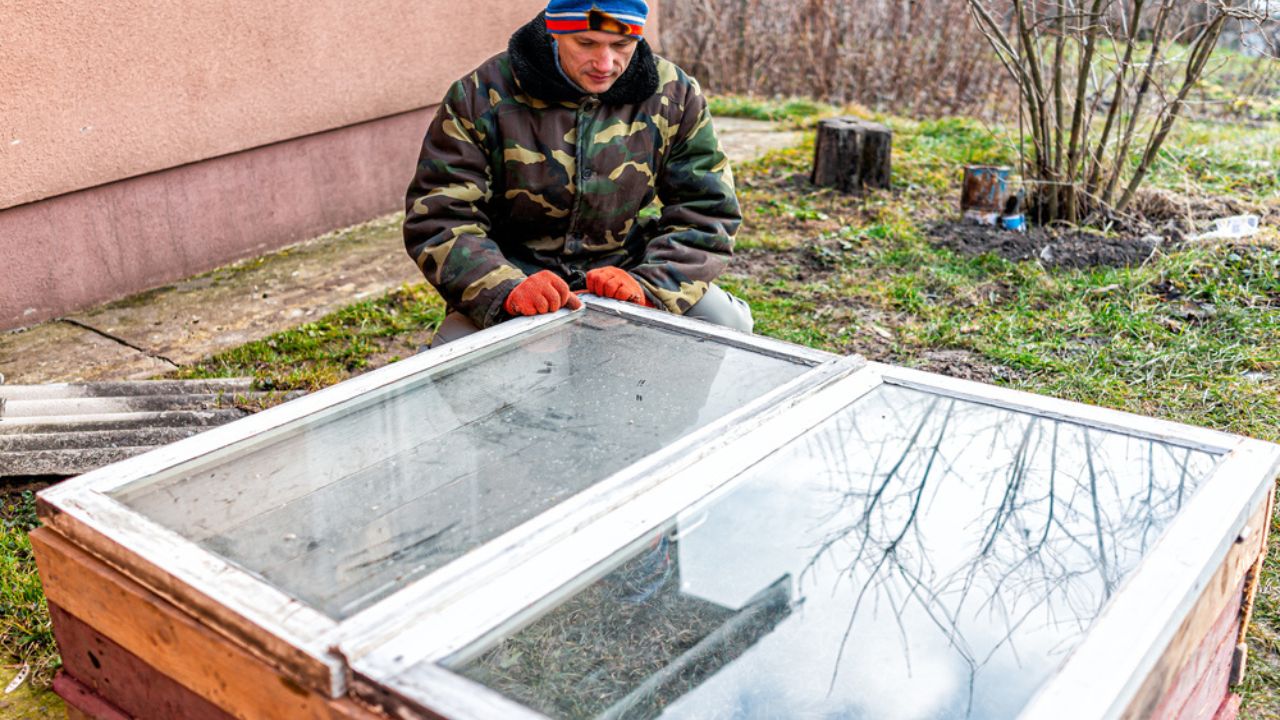
Cold frames are the best bang for your buck in late fall, but a closed lid on a bright day can cook your plants by lunchtime. Renee’s Garden advises venting “when daytime temperatures go above 50° F” and closing up again below 45°F. Keep a cheap thermometer inside so you’re not guessing.
If you don’t own one yet, your grandmother’s old storm window is all you need. Set it over a simple box of scrap lumber, skip the hinges, and slide it open on warm days. For gardeners over 50 who would rather not kneel in cold mud, the Old Farmer’s Almanac notes that a sheet of glass laid across a high-sided raised bed works as a temporary cold frame at a much kinder height.
7. Stop Pulling Your Toughest Crops After the First Frost
Many gardeners see frost on the kale and assume it’s over. In reality, cold-hardy crops convert stored starches into sugars as nights get colder, which is why frosted carrots, turnips, Brussels sprouts, and greens taste noticeably sweeter. Pull them early and you miss the best-tasting harvest of the year.
Some crops are tougher than you’d guess. According to Penn State Extension, collards and parsnips can handle temperatures down to 0°F, and crinkly savoy spinach is far hardier than flat-leaf types. Collards even outlast kale: “when Lacinato and Red Russian kale are wilted and brown, collards continue to hold.”
The Garden Isn’t Done Yet

Start by picking anything mature and tender, then focus your protection on the hardy crops that can hold through winter. Water the beds well ahead of a cold night; as The Spruce explains, moist soil holds heat better than dry soil. Avoid planting or covering in the lowest spot of your yard, since cold air settles downhill.
Most cool-season vegetables are hardy to about 20°F, says Detroit garden coach Rachael Carter in Gardenary. “Once the nighttime lows begin to reach 20, I would cover my garden if I wanted to keep it going.” That’s your trigger: hoops, row cover, and a cold frame, ready to go before the forecast makes the call for you.
The real villain this time of year isn’t frost. It’s the old habit of calling the season over the moment the first cold night arrives. With a few hoops, a length of row cover, and a storm window you already own, the greens and roots in your beds right now can keep feeding you into January. Skip the plastic tarp, hold off on the straw, and give your hardiest crops the chance to get sweet. The garden isn’t asking for much more work in November; it’s just asking you not to give up on it.
Read More
The 7 Best Garden Items to Thrift This Fall
9 Smart Ways to Save Money in the Garden Before Fall Ends