Love Dogs? TSA Wants You to Help Train Its Airport K9 Teams
The Transportation Security Administration (TSA) has quite the unique volunteer opportunity, and you won’t even have to break any rules to participate.
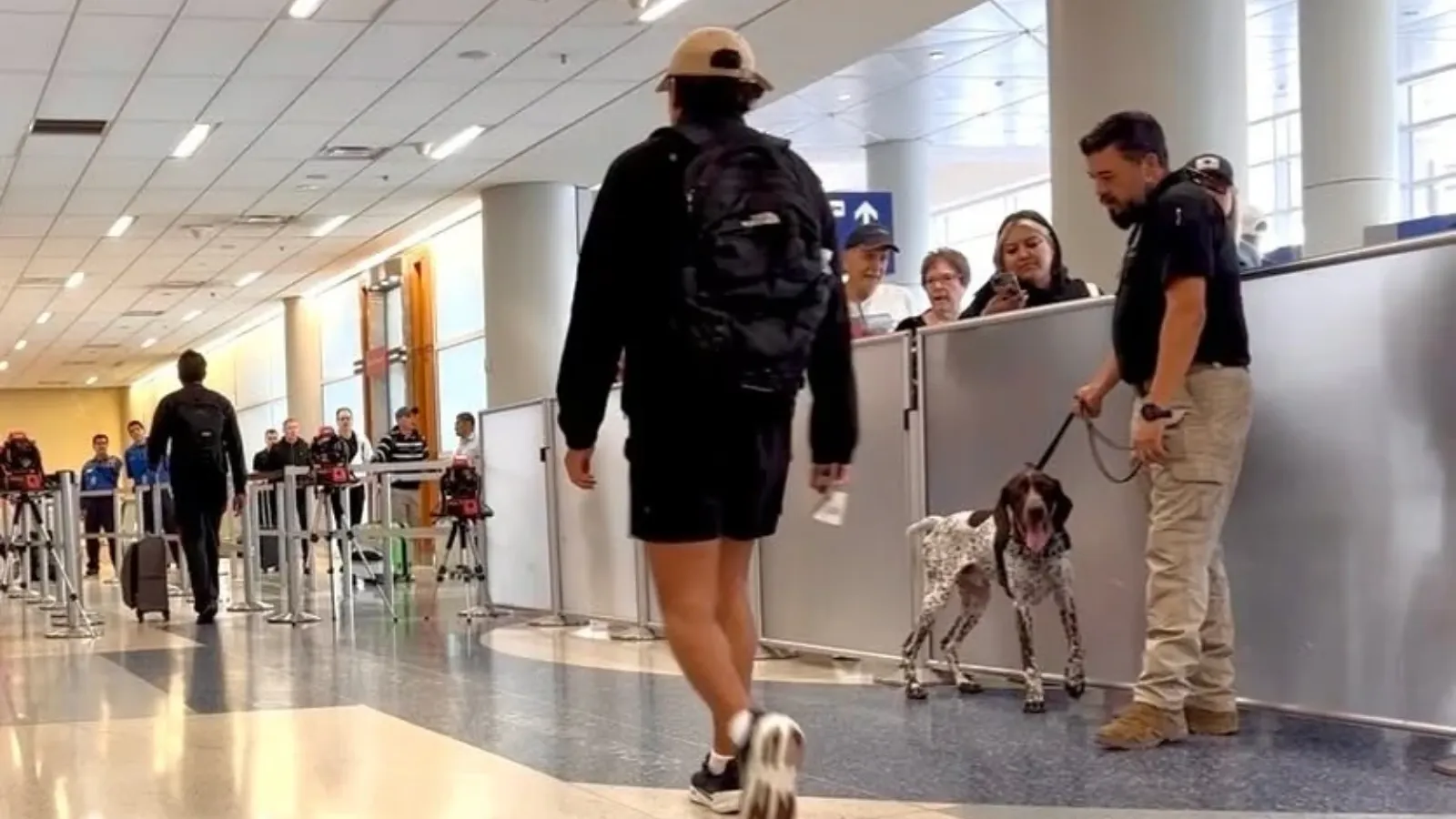
The agency is looking for everyday people willing to pose as suspicious travelers so its explosive-detection dogs can put their noses to the test. You’ll carry a designated training item through an airport, acting as though you’re just another passenger going about your business.
Your mission, should you choose to accept it: blend in. The dogs’ mission? Find you.
It’s all part of the TSA’s Canine Decoy Program, which recruits civilian volunteers to help its working dogs practice detecting potential threats in realistic airport settings. And with opportunities available at airports across the country, you might not even have to travel far to join this exercise.
How to Play the Bad Guy for TSA’s Working Dogs
Embedded media follows. Please allow a moment for it to load.
The program is designed to recreate the sorts of situations explosive-detection dogs might encounter while patrolling an airport. Rather than relying entirely on familiar training environments, handlers introduce unfamiliar people into the mix, giving their canine partners an opportunity to practice identifying suspicious scents among ordinary travelers.
Volunteers serve as what TSA calls “covert role players.” They may carry their designated item and walk around, sit in waiting areas, behave like regular passengers, and so on. Somewhere nearby, a canine team will work to identify the item using the dog’s keen sense of smell.
The training scenarios are endless, just like real life and all its absurd airport anomalies. The exercises can also take place near ticketing counters, departure gates, and security checkpoints. TSA says the operations are carefully planned to avoid disrupting airport activity or putting travelers at risk. Participants aren’t expected to train or handle the dogs themselves; that responsibility stays with the professionals.
And although the arrangement might sound like a particularly unusual game of hide-and-seek, there is real, earnest security work behind it. The dogs need to recognize potential threats amid the sights, sounds, and distractions of a busy airport, exactly where they’ll ultimately be expected to do the same thing without advance warning.
How to Volunteer for the TSA Canine Program
The requirements are relatively straightforward. Participants generally need to be at least 18 years old, comfortable around dogs, and able to spend some time sitting or moving through an airport. Wheelchair and scooter users are welcome, and younger companions can accompany adults in a limited capacity.
A typical session takes two to three hours, according to TSA, although local training schedules can differ. Volunteers can participate once every 45 days, a restriction intended to keep the dogs’ training realistic by ensuring they encounter a changing cast of unfamiliar people.
There are genuine opportunities available right now. A TSA volunteer listing for Newark Liberty International Airport lists year-round training sessions. LaGuardia Airport‘s volunteer schedule lists individual sessions throughout November and into December. The agency’s national program page also provides airport-specific contacts for people interested in participating elsewhere.
There’s one very important detail dog lovers must know and remember before signing up: these are working animals, and the assignment isn’t an invitation to stop and pet them, even if they deserve all the neck scratches and belly rubs.
Remember: your contribution is helping the canine team practice a job that could one day protect thousands of passengers. And if everything goes according to plan, your work with the four-legged security officer will stay with them for quite a long while.