The Hidden Cost of Renovation Waste: What Homeowners Should Know
Home renovations can improve comfort, increase property value, and make living spaces more functional. However, remodeling projects also generate substantial amounts of waste that homeowners often underestimate.
Old cabinets, drywall, flooring, and packaging materials can quickly accumulate, creating disposal challenges and unexpected expenses. Knowing where renovation waste comes from and how to manage it can help homeowners reduce costs and limit unnecessary environmental impacts.
Demolition Creates More Waste Than Expected
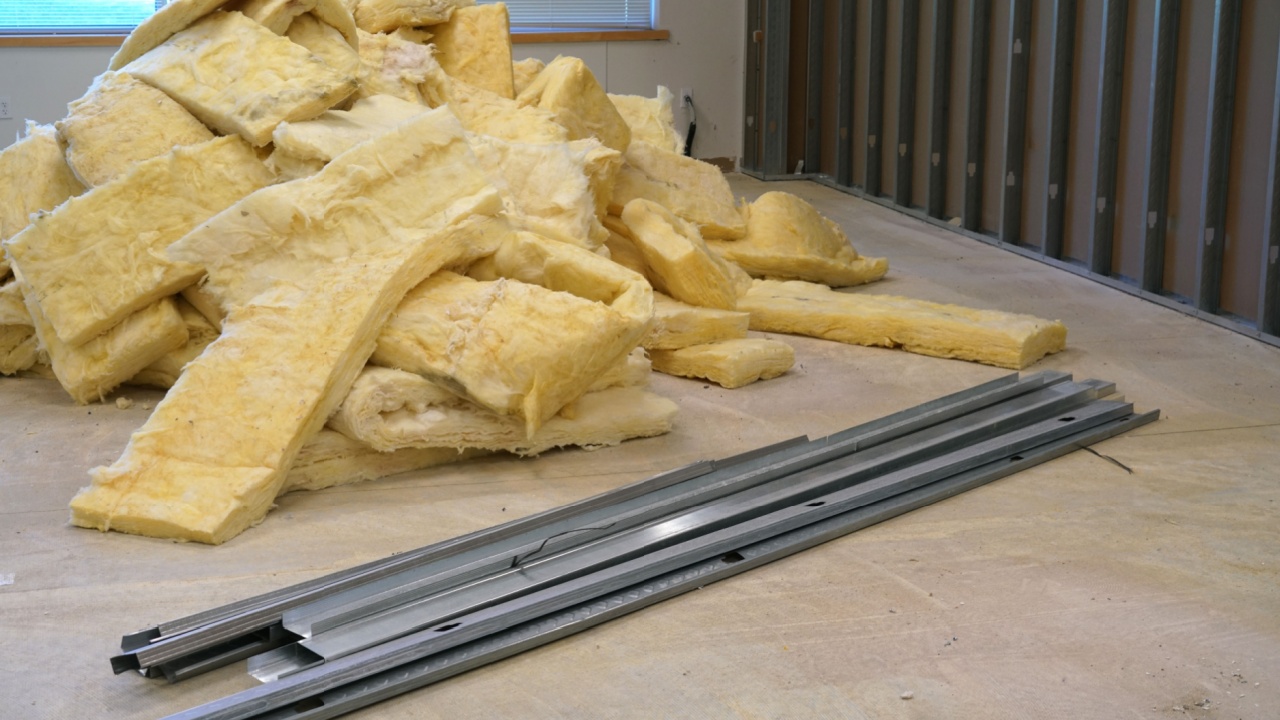
Removing existing materials is often the largest source of renovation debris. Kitchen remodels may involve discarded cabinets, countertops, tile, and appliances. Bathroom projects can generate broken fixtures, drywall, and plumbing materials.
Even relatively small renovations can produce heavy debris. Concrete, ceramic tile, and plaster are particularly dense, making disposal weight an important consideration. Before demolition begins, estimate which materials will be removed and identify opportunities to preserve usable components.
Disposal Costs Can Add Up Quickly
Renovation budgets frequently account for materials and labor while overlooking waste removal. However, disposal fees, transportation expenses, and container weight limits can increase project costs.
Homeowners may consider dumpster rental services when projects generate more debris than regular municipal collection can accommodate. Container size, rental duration, and restrictions on certain materials should be reviewed beforehand. Some disposal facilities charge according to weight, making heavy construction materials especially expensive to discard.
Reusable Materials Often Get Thrown Away
Not every item removed during renovation belongs in a landfill. Cabinets, doors, lighting fixtures, and undamaged flooring may still have practical value.
Local reuse organizations sometimes accept building materials in suitable condition. Selling or donating these items can reduce disposal volumes while making usable products available to others. However, materials should be inspected before removal. Damaged components or products containing hazardous substances may require specialized handling.
Recycling Requires Proper Separation
Construction materials such as metal, clean wood, cardboard, and certain types of concrete may be recyclable through appropriate facilities.
Mixing recyclable materials with general debris can make recovery more difficult. Establishing separate collection areas during renovation helps keep materials organized. Homeowners should verify local recycling requirements because accepted materials vary between facilities.
Plan for Hazardous Materials
Older homes may contain lead-based paint, asbestos-containing materials, or other substances requiring special precautions. Disturbing these materials during demolition can create serious health risks. Professional assessment and appropriate removal procedures may be necessary before work begins.
Renovation waste management should begin during project planning rather than after demolition. Estimating debris volumes, identifying reusable materials, and researching disposal requirements can help control expenses. Thoughtful preparation also reduces unnecessary waste while keeping renovation sites safer and more organized. Check out the infographic below for more information.