How to Get Your Thanksgiving Cactus to Bloom on Time: Stop Making These 7 Mistakes Before November Ends
That “Christmas cactus” you’ve been babying for years probably isn’t a Christmas cactus at all, and the most common reason it fails to bloom on time has nothing to do with water, fertilizer, or luck. It’s the lamp you leave on at night.
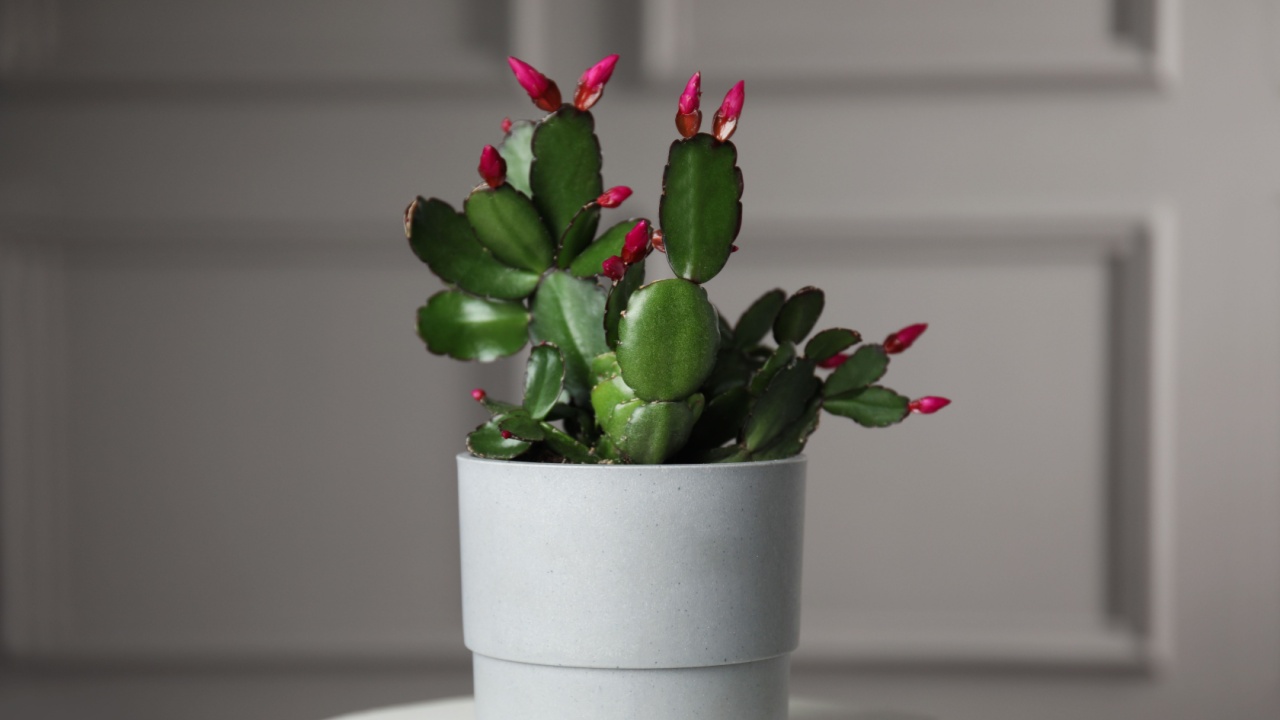
Most holiday cacti sold at grocery stores and garden centers are Thanksgiving cacti wearing the wrong name tag, which is why so many gardeners panic when theirs starts budding in early November. It isn’t early. It’s right on schedule, and right now, with those little pink and red tips swelling at the end of every stem, it is also at its most fragile. One warm blast from a vent or one evening under a reading lamp can undo months of quiet preparation.
Thanksgiving falls on November 26 this year, which leaves about three weeks for those buds to open. A bud that falls doesn’t grow back this season, and a replacement plant isn’t cheap. If you’re in your 50s or 60s, there’s also a fair chance the plant on your windowsill started as a cutting from your mother’s or grandmother’s, which makes it irreplaceable at any price.
The good news is that every mistake below is easy to fix this month, and most fixes cost nothing. Here’s how to get your Thanksgiving cactus to bloom on time, starting with the one misunderstanding that trips up almost everyone.
1. Stop Assuming Your Plant Is Confused
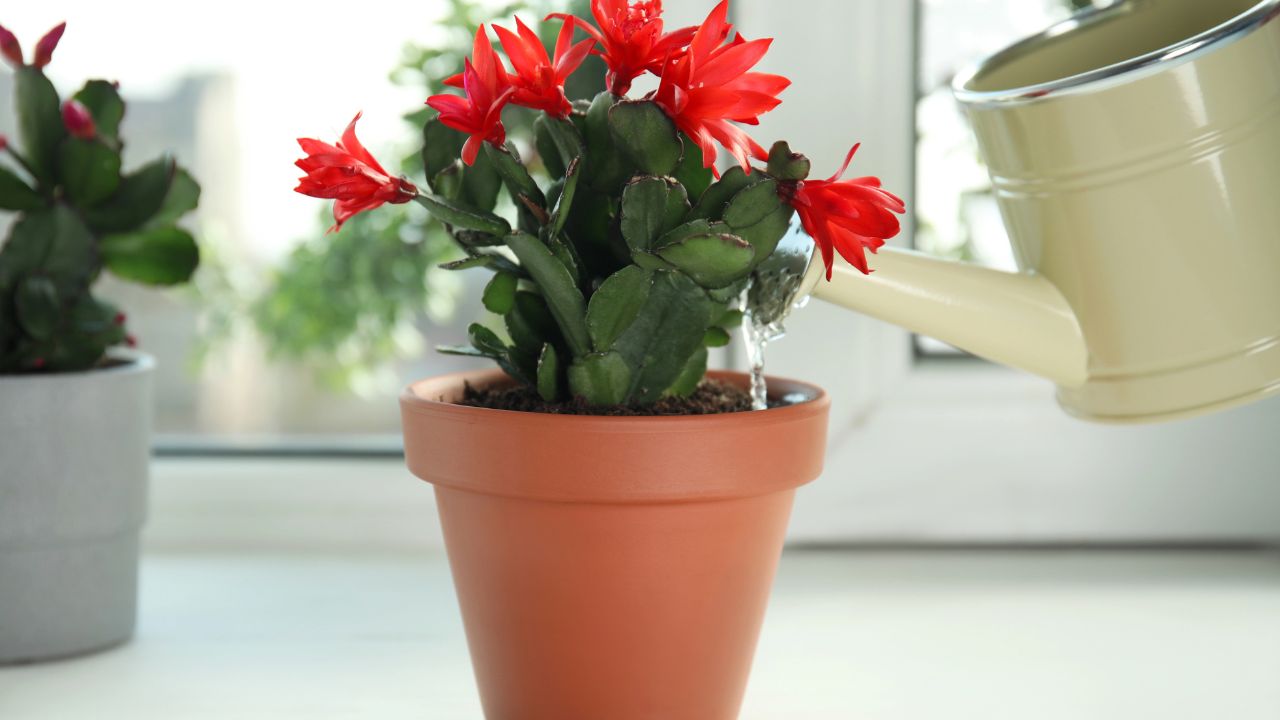
Look closely at the flat green segments. If the edges have sharp, claw-like points, you have a Thanksgiving cactus (Schlumbergera truncata); a true Christmas cactus has smooth, scalloped edges. According to Gardening Know How, most holiday cacti sold in the United States today are actually Thanksgiving cacti, because they grow faster, ship better, and bloom earlier, which suits holiday retail displays. As content editor Kayleigh Dray puts it, “the clue’s in the name.” A plant budding around Halloween isn’t broken. It’s doing exactly what it was bred to do.
2. Never Let a Lamp Interrupt Its Night
Here’s the fact that surprises nearly every gardener: holiday cacti need at least 13 hours of continuous darkness each night to set buds, and according to N.C. Cooperative Extension, even light from a street lamp or car headlights can stop flower formation. “Day length is the big driver for flowering,” Oklahoma State University horticulture professor Dr. Bruce Dunn told Southern Living. That means the family room where the TV glows until 11 p.m. is the wrong spot, no matter how pretty the plant looks there. Choose a room that goes dark at sunset and stays that way.
3. Avoid Heat Vents, Fireplaces and Cold Glass
Holiday cacti want cool, steady nights. Houseplant author Enid Offolter recommends keeping nighttime temperatures “between 60 and 65 degrees Fahrenheit,” with days about 10 to 15 degrees warmer, in her advice to Martha Stewart. The real danger is the swing: N.C. Cooperative Extension warns that buds often drop if the plant sees temperatures over 90 or under 50 degrees after they form. That rules out the spot above the heat register, the mantel over a working fireplace, and the drafty front door. And that sunny windowsill? Homes & Gardens points out that the air beside the glass can turn surprisingly cold on November nights.
4. Never Move or Rotate It Once Buds Appear
Turning a houseplant toward the light is usually good gardening, and Houseplant Guru founder Lisa Eldred Steinkopf tells Martha Stewart that an unrotated cactus blooms less on its shady side. But that’s advice for the rest of the year. Once buds show, every move registers as a change in light and temperature, and the plant responds by shedding buds. “Once buds appear, consistency is key,” says Rachel Bull, head of gardens at Homes & Gardens. In November, the kindest thing you can do for a budding Thanksgiving cactus is absolutely nothing.
5. Stop Watering on a Calendar Schedule
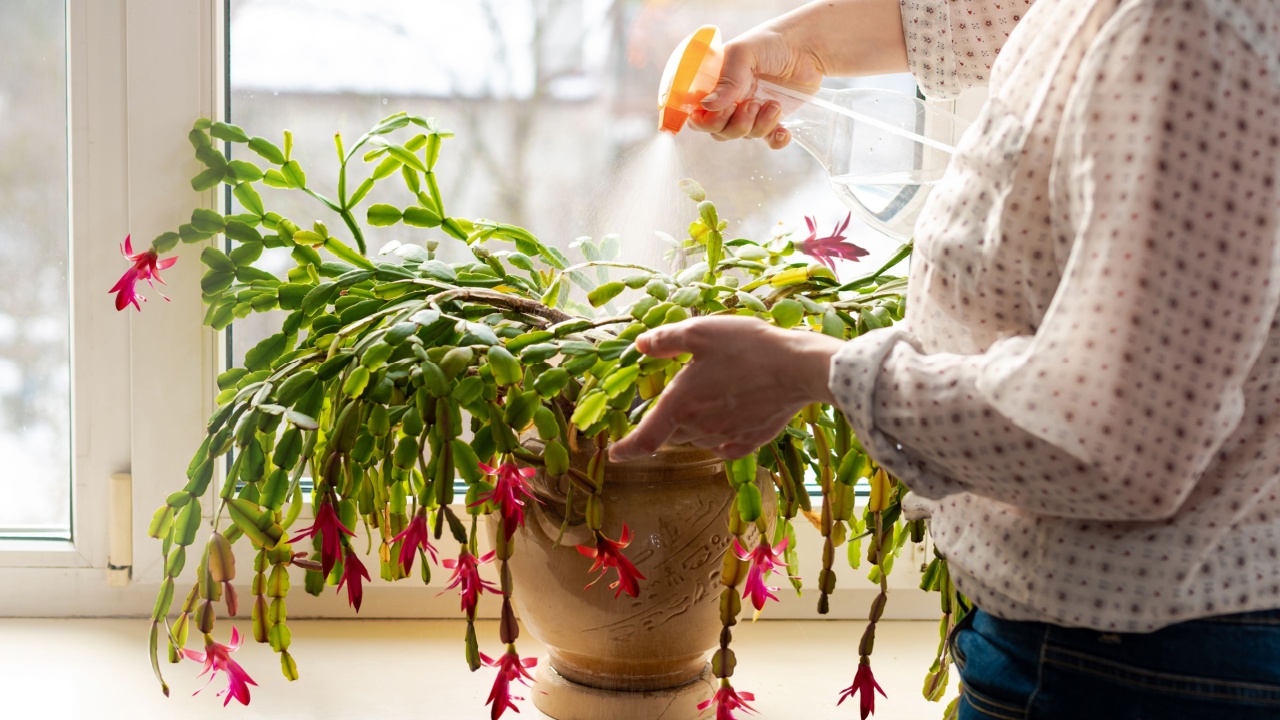
This is a rainforest plant, not a desert one, so it needs more moisture than a typical cactus but will rot if it sits wet. N.C. Cooperative Extension advises watering when the top inch of potting mix is dry and “the container feels light when lifted,” then emptying the saucer. Once buds form, steadiness matters more than volume. Southern Living suggests giving the same amount of water each week but splitting it into two smaller waterings, which keeps the roots evenly moist without the soggy highs and parched lows that trigger bud drop.
6. Don’t Feed It, Prune It, or Repot It This Month
Fertilizer pushes leafy growth, and that’s the opposite of what you want right now. Homes & Gardens recommends pausing feeding while the plant prepares to bloom, holding off on pruning until flowers fade, and skipping repotting in November unless it’s an emergency. That cramped pot is actually helping: plants that are “slightly pot-bound tend to bloom more easily,” according to The Spruce. Save the fresh soil and the trim for spring. This month, the cheapest care is the best care.
7. Don’t Toss a Plant That Skipped Thanksgiving
If your plant has no buds at all today, be honest with yourself about the calendar. “Putting them in the dark now won’t help them flower within a few days,” houseplant expert Madison Moulton writes at Epic Gardening. Southern Living notes it takes about eight weeks from the start of long nights to full bloom, so a plant that begins its dark treatment this week could still put on a midwinter show. Whatever you do, don’t throw it out and buy another. Specialty grower Logee’s lists a true Christmas cactus at $25 for a 2.5-inch pot, while broken segments from your own plant root within a few weeks, according to N.C. Cooperative Extension. That’s a whole windowsill of gifts for free.
What to Do Right Now, Before Thanksgiving
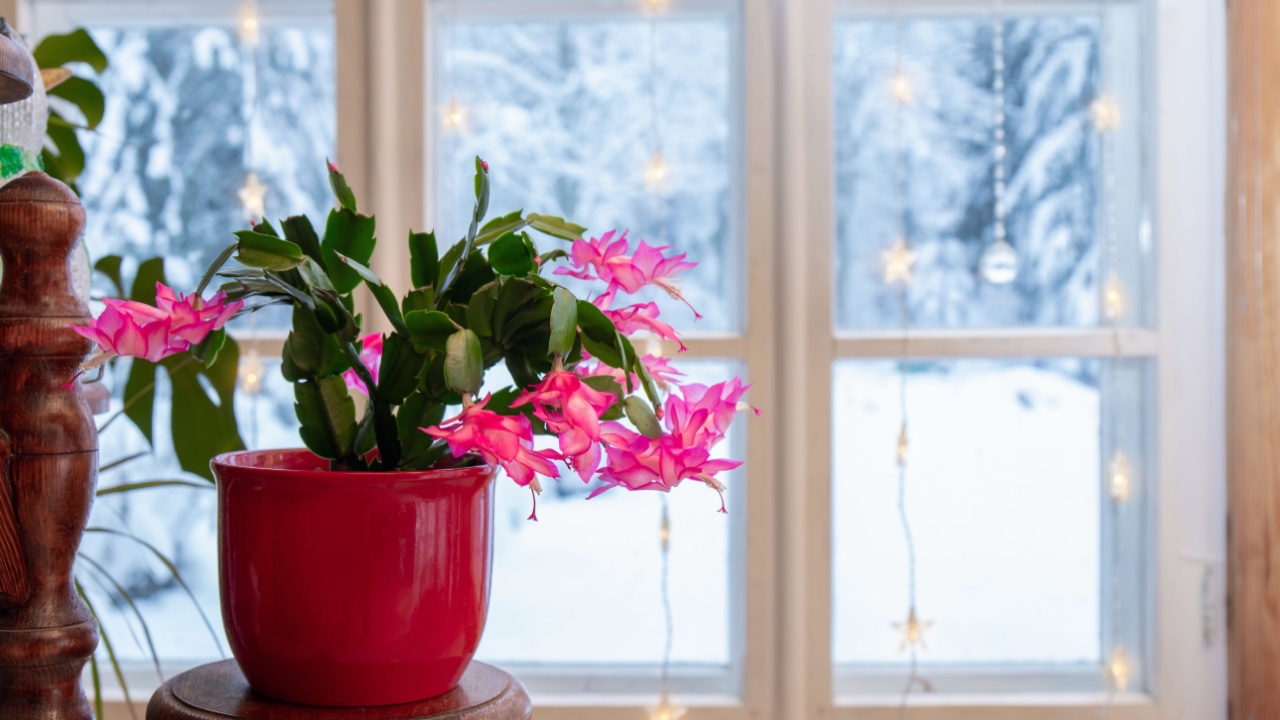
Give your cactus a permanent November address: bright, indirect light by day, true darkness by night, and nothing hot or cold nearby. If you can’t find a dark room, Offolter suggests moving the plant into a dark closet or covering it with an opaque box at sunset. Check the soil twice a week, water lightly and evenly, and then step away. If you share your home with pets, you can relax a little: the ASPCA lists the Christmas cactus as “Non-Toxic to Dogs, Non-Toxic to Cats,” and its Thanksgiving cousin belongs to the same genus. Still, a curious pet nosing the pot counts as a disturbance, so set it out of reach.
Your Grandmother Was Right to Leave It Alone
Long before anyone talked about photoperiods, the best holiday cactus growers kept theirs in a cool back bedroom and didn’t fuss. That old habit is exactly what the science recommends. These plants can outlast all of us; “I have seen plants that are 100 years old,” Extension horticulture educator Julie Weisenhorn told KARE 11. So turn off the lamp, step away from the heat vent, and let the dark do its work. Three quiet weeks now buy you a holiday table full of blooms, and maybe a plant your grandchildren will someday inherit.
Read More
Stop Making These 8 Watering Mistakes Before Your First Hard Frost
How to Transition Plants Indoors for Winter: 9 Mistakes to Stop Making This Fall